Artwork
Ten Bamboo Studio Painting and Calligraphy Handbook (Shizhuzhai shuhua pu): Plum Blossoms
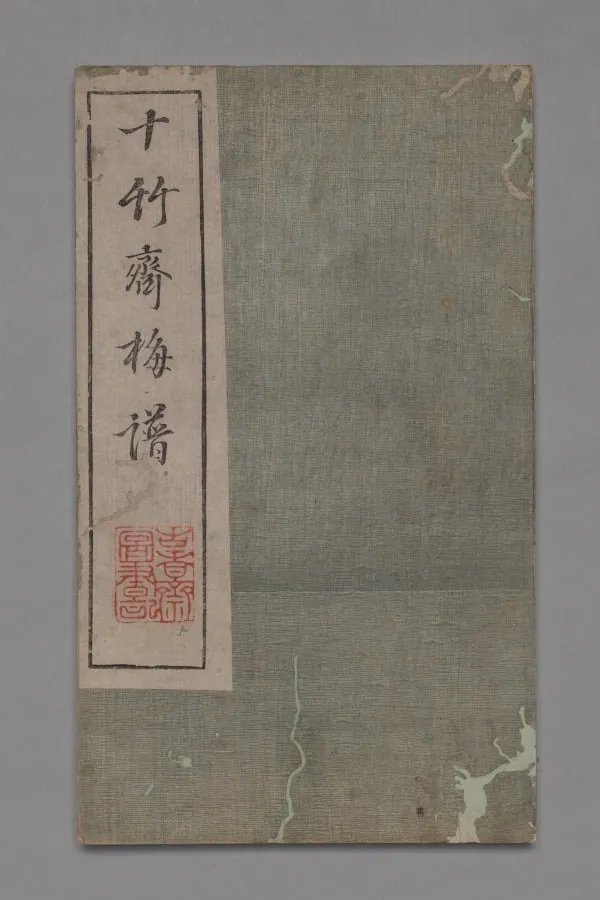
Ten Bamboo Studio Painting and Calligraphy Handbook (Shizhuzhai shuhua pu): Plum Blossoms is a print by the Baroque artist Hu Zhengyan. It dates from 1633 and is held in the collection of the Cleveland Museum of Art.
About this work
You see a single branch of plum blossoms printed in soft ink and watercolor on paper.
This book wasn’t painted—it was printed. Each petal was carved on a separate woodblock, then stamped in perfect layers. The colors look hand-brushed, not printed. That’s how good the technique was in 1633.
If you like how the ink bleeds into the paper, look up *sfumato*.
Overview
Compiled in Nanjing around 1633, the Ten Bamboo Studio Painting and Calligraphy Handbook is a collection of woodblock-printed illustrations and calligraphy.
Compiled in Nanjing around 1633, the Ten Bamboo Studio Painting and Calligraphy Handbook is a collection of woodblock-printed illustrations and calligraphy. It represents a high point in Chinese color printing, where multiple carved blocks were precisely aligned to produce layered images resembling brushwork. The technique allowed for subtle gradations of tone and hue, mimicking the appearance of hand-painted art without direct brush application.
Subject & Meaning
The plum blossom section depicts a single slender branch in bloom, a traditional symbol of resilience and quiet endurance in Chinese culture. Its delicate form, rendered in pale ink and soft washes, evokes winter’s stillness and the promise of spring. The choice of subject reflects scholarly ideals, valuing restraint and natural harmony over ornate display.
Technique & Style
Each petal and stroke was carved onto a separate woodblock, then printed in sequence with exact registration. Colors were applied in translucent layers, creating the illusion of watercolor brushwork. The ink bleeds gently at the edges, mimicking the absorbency of rice paper. This method required exceptional craftsmanship to achieve tonal nuance and spatial depth without a single brushstroke on the final sheet.
History & Provenance
Produced by Hu Zhengyan’s studio in Nanjing, the handbook was part of a broader movement to elevate print culture as an art form. Distributed widely across China, it influenced artistic practice in Japan and Korea, where collectors and artists studied its technical precision. Copies circulated among literati and printmakers, establishing a new standard for reproductive art.
Context
In early 17th-century China, woodblock printing evolved from simple text reproduction to sophisticated visual expression. The Ten Bamboo Studio series emerged alongside growing urban literacy and a market for refined, portable art. It responded to scholarly tastes that prized authenticity in nature and technical mastery, bridging the gap between painting and print.
Legacy
The handbook’s technical achievements set a benchmark for color printing in East Asia. Later manuals, such as the Mustard Seed Garden, drew from its methods. Its influence extended beyond China, shaping Japanese ukiyo-e and Korean print traditions. Even today, its layered color registration and subtle ink effects remain studied as benchmarks of precision in traditional printmaking.
Artist & collection

Artist
Hu Zhengyan was a Chinese artist, printmaker and publisher. He worked in calligraphy, traditional Chinese painting, and seal-carving, but was primarily a publisher, producing academic texts as well as records of his own work.

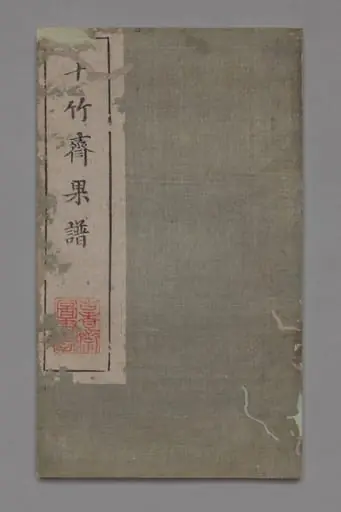 Ten Bamboo Studio Painting and Calligraphy Handbook (Shizhuzhai shuhua pu): Fruit
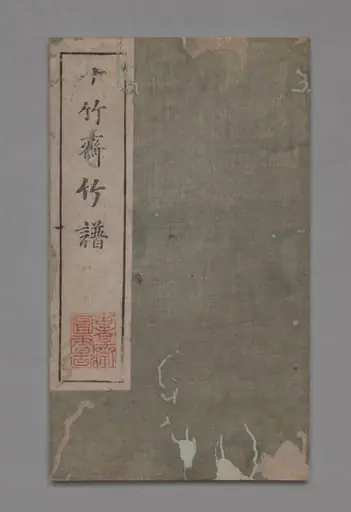 Ten Bamboo Studio Painting and Calligraphy Handbook (Shizhuzhai shuhua pu): Bamboo
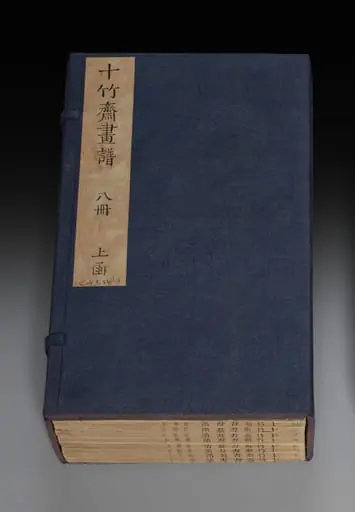 Ten Bamboo Studio Painting and Calligraphy Handbook (Shizhuzhai shuhua pu): Volume One
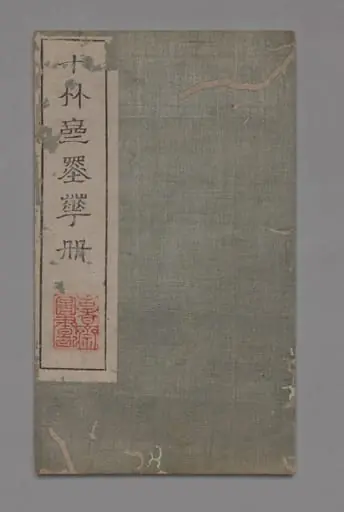 Ten Bamboo Studio Painting and Calligraphy Handbook (Shizhuzhai shuhua pu): Round Fans
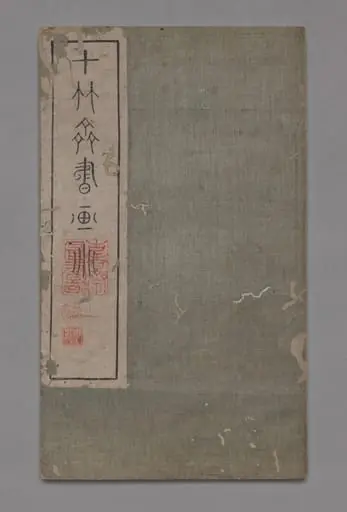 Ten Bamboo Studio Collection of Calligraphy and Painting: Miscellaneous
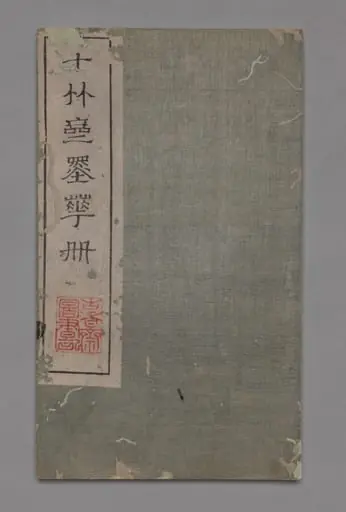 Ten Bamboo Studio Painting and Calligraphy Handbook (Shizhuzhai shuhua pu): Miscellaneous
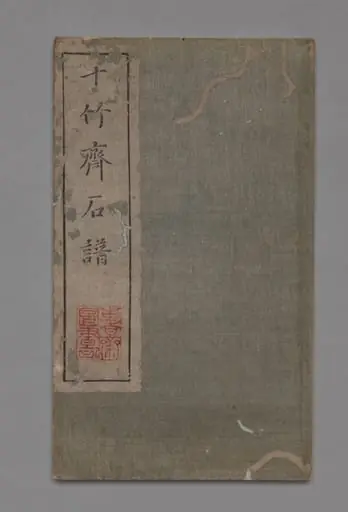 Ten Bamboo Studio Painting and Calligraphy Handbook (Shizhuzhai shuhua pu): Rocks
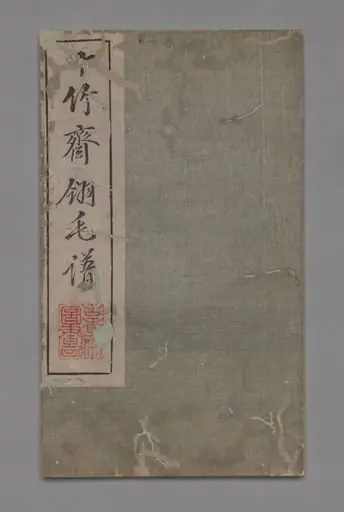 Ten Bamboo Studio Painting and Calligraphy Handbook (Shizhuzhai shuhua pu): Birds
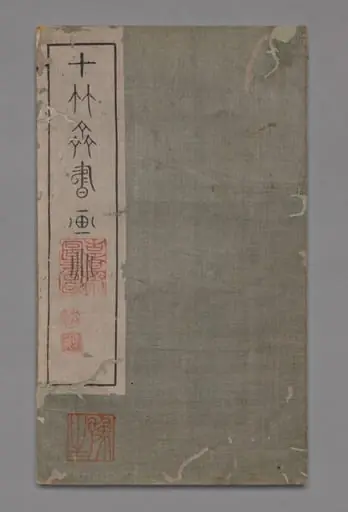 Ten Bamboo Studio Collection of Calligraphy and Painting: Round Fans
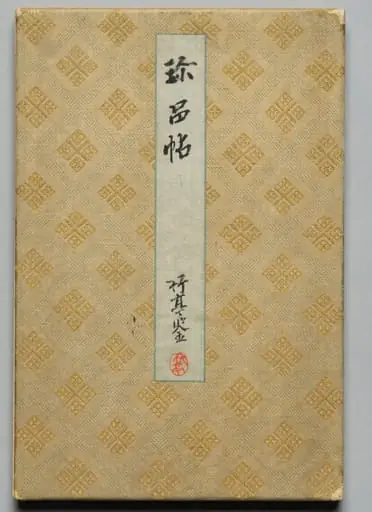 Album of Precious Works from Famous Early Modern Calligraphers and Painters (Volume 1)
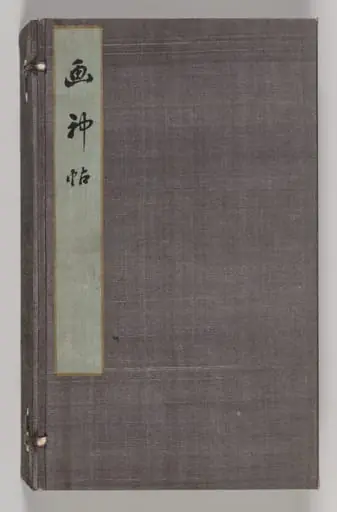 Reverberations of Taiga (Volume 1)
 Album of Precious Works from Famous Early Modern Calligraphers and Painters (Volume 2)
 Reverberations of Taiga (Volume 2)