Artwork
Reverberations of Taiga (Volume 1)
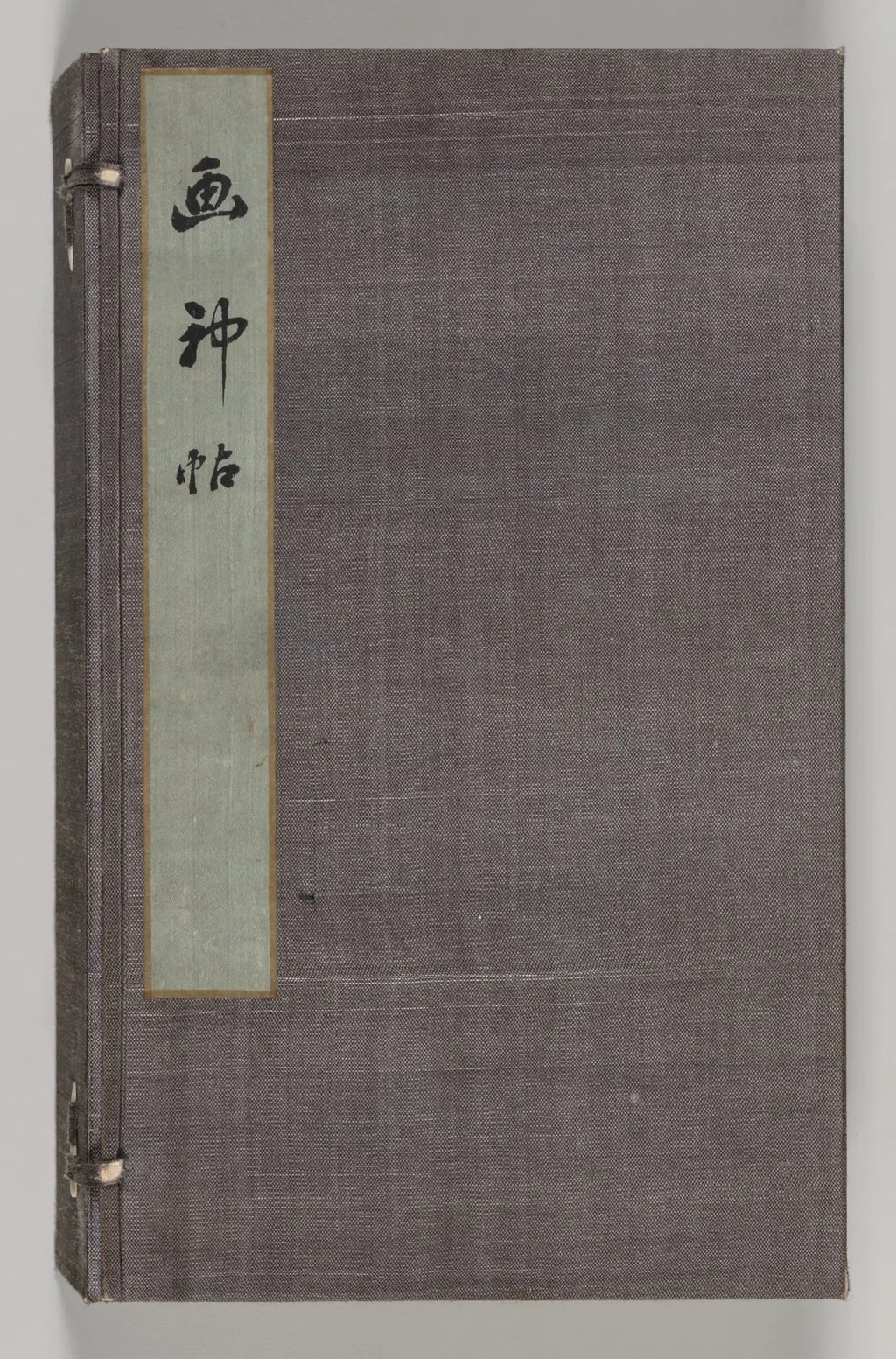
Reverberations of Taiga (Volume 1) is a work on paper by the Baroque artist Aoki Shukuya. It dates from 1704 and is held in the collection of the Cleveland Museum of Art.
About this work
Overview
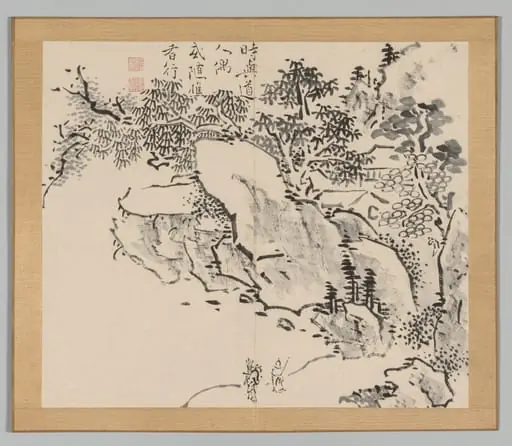
This portfolio page is part of a series of practice sketches made by a student of Ikeno Taiga, a prominent Kyoto-based painter of the Edo period.
This portfolio page is part of a series of practice sketches made by a student of Ikeno Taiga, a prominent Kyoto-based painter of the Edo period. Created as part of formal artistic training, the work captures natural elements—rocks, trees, and mountains—in simplified forms. These drawings were not intended as finished pieces but as exercises to internalize the master’s compositional language and brush control.
Subject & Meaning
The subject consists of minimal, unadorned landscapes—barely outlined rocks, sparse trees, and distant hills. These elements reflect the Zen-influenced aesthetics favored in literati painting traditions. The absence of detail suggests contemplation rather than representation, emphasizing the student’s focus on capturing essence over realism. The scene holds no narrative, only the quiet presence of nature as a framework for technical study.
Technique & Style
The work employs ink washes and controlled brushstrokes typical of the literati school. Lines are economical, with varying pressure creating subtle tonal shifts. The style mirrors Taiga’s approach: restrained, fluid, and grounded in observational discipline. Unlike dramatic chiaroscuro, the modulation of ink relies on layering and water dilution, not contrast, to suggest volume and depth within the natural forms.
History & Provenance
The piece originates from the apprenticeship system in 18th-century Kyoto, where students copied their master’s works to develop skill. Shukuya, Taiga’s pupil, produced these sketches as part of that pedagogical tradition. While the exact date and acquisition history are undocumented, the portfolio format aligns with known student exercise books preserved in Japanese collections from the period.
Context
In Edo-period Japan, artistic mastery was transmitted through direct, hierarchical mentorship. Students spent years replicating their teacher’s compositions before developing personal styles. This practice, rooted in Confucian ideals of respect and discipline, ensured stylistic continuity across generations. Such sketches were rarely signed or exhibited, existing solely as tools of learning within private studios.
Legacy
These sketches preserve the quiet mechanics of artistic transmission in pre-modern Japan. Though unsigned and unassuming, they reveal how foundational training shaped the broader literati movement. Today, they offer insight into the disciplined, repetitive process behind what later became recognized as individual artistic voices, highlighting the value of apprenticeship in cultural continuity.
Artist & collection

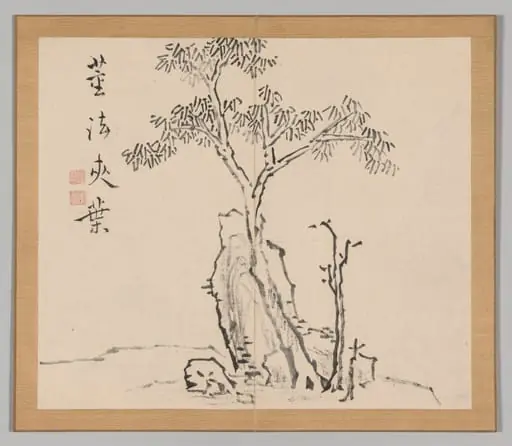 Reverberations of Taiga, Volume 1 (leaf 4)
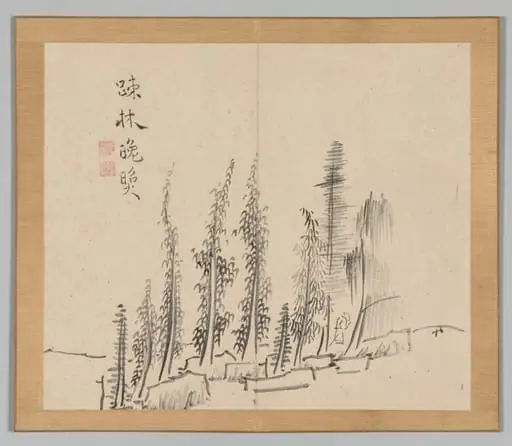 Reverberations of Taiga, Volume 2 (leaf 30)
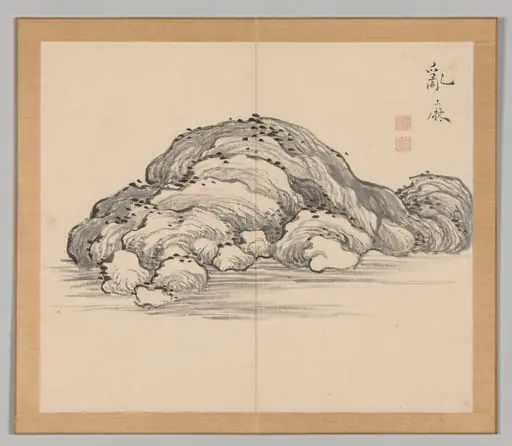 Reverberations of Taiga, Volume 1 (leaf 12)
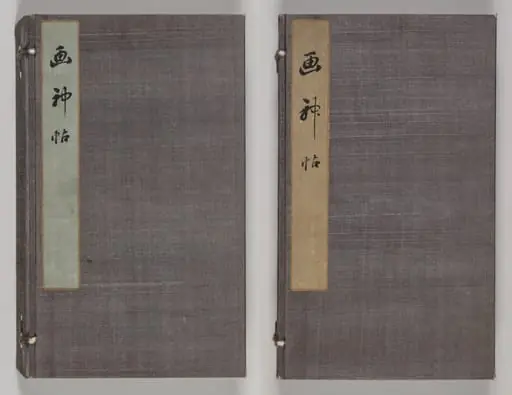 Reverberations of Taiga
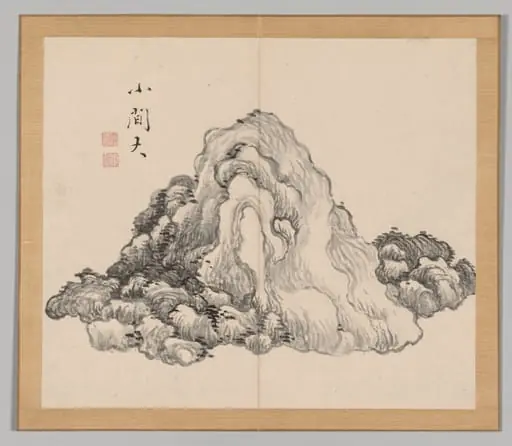 Reverberations of Taiga, Volume 1 (leaf 7)
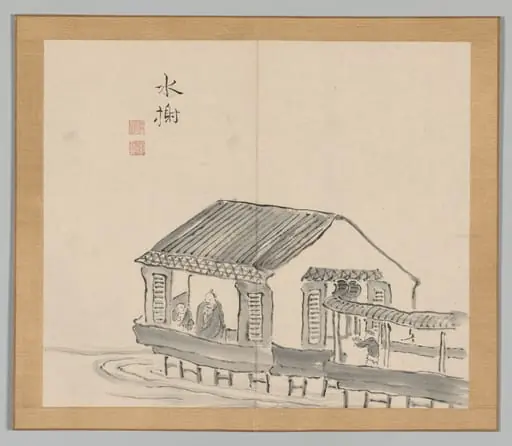 Reverberations of Taiga, Volume 2 (leaf 29)
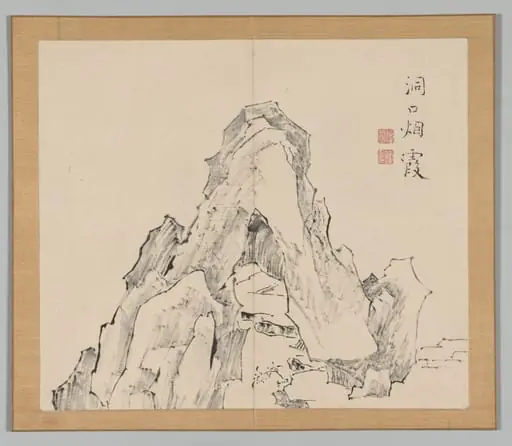 Reverberations of Taiga, Volume 2 (leaf 20)
 Reverberations of Taiga, Volume 2 (leaf 34)
 Ten Bamboo Studio Painting and Calligraphy Handbook (Shizhuzhai shuhua pu): Miscellaneous
 Ten Bamboo Studio Painting and Calligraphy Handbook (Shizhuzhai shuhua pu): Fruit
 Ten Bamboo Studio Painting and Calligraphy Handbook (Shizhuzhai shuhua pu): Birds
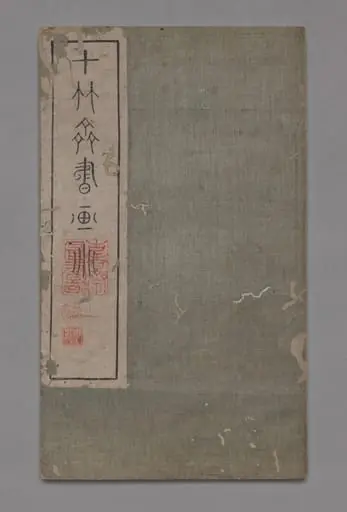 Ten Bamboo Studio Collection of Calligraphy and Painting: Miscellaneous
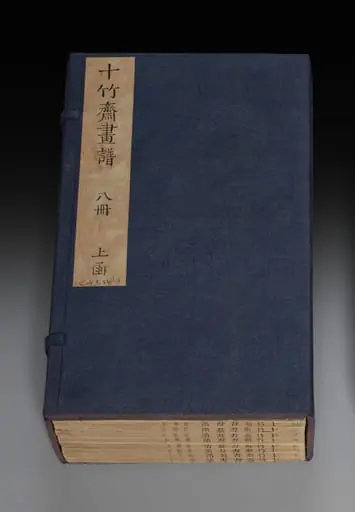 Ten Bamboo Studio Painting and Calligraphy Handbook (Shizhuzhai shuhua pu): Volume One
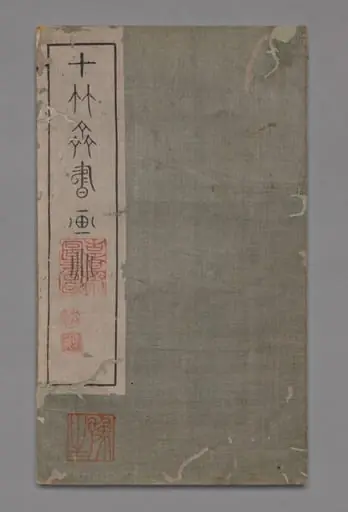 Ten Bamboo Studio Collection of Calligraphy and Painting: Round Fans
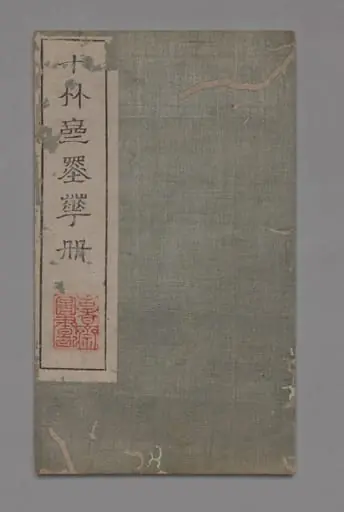 Ten Bamboo Studio Painting and Calligraphy Handbook (Shizhuzhai shuhua pu): Round Fans
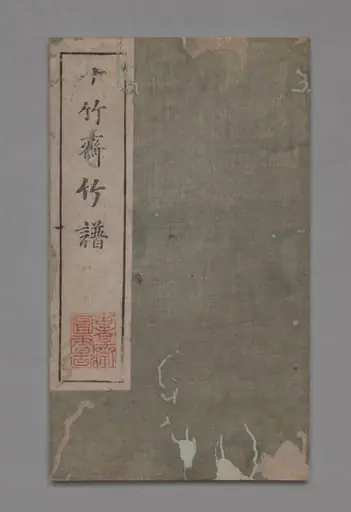 Ten Bamboo Studio Painting and Calligraphy Handbook (Shizhuzhai shuhua pu): Bamboo
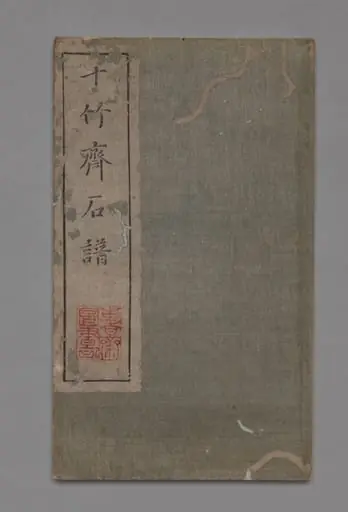 Ten Bamboo Studio Painting and Calligraphy Handbook (Shizhuzhai shuhua pu): Rocks
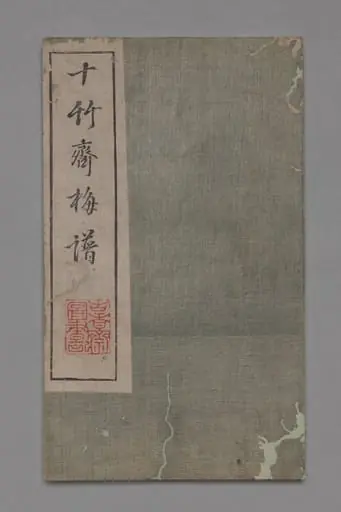 Ten Bamboo Studio Painting and Calligraphy Handbook (Shizhuzhai shuhua pu): Plum Blossoms
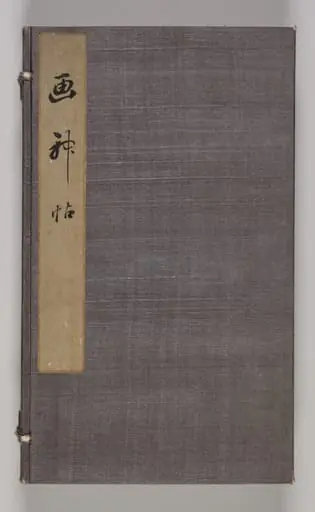 Reverberations of Taiga (Volume 2)