Artwork
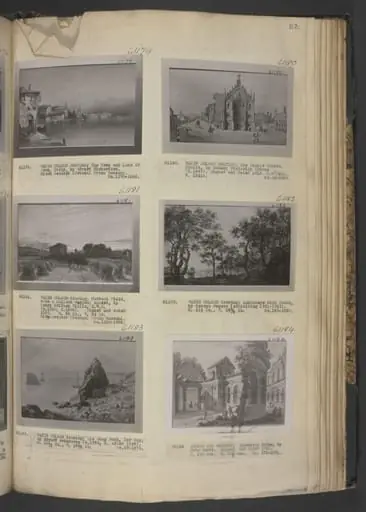
Entrance to the Royal Old Wells, Cheltenham, 1812
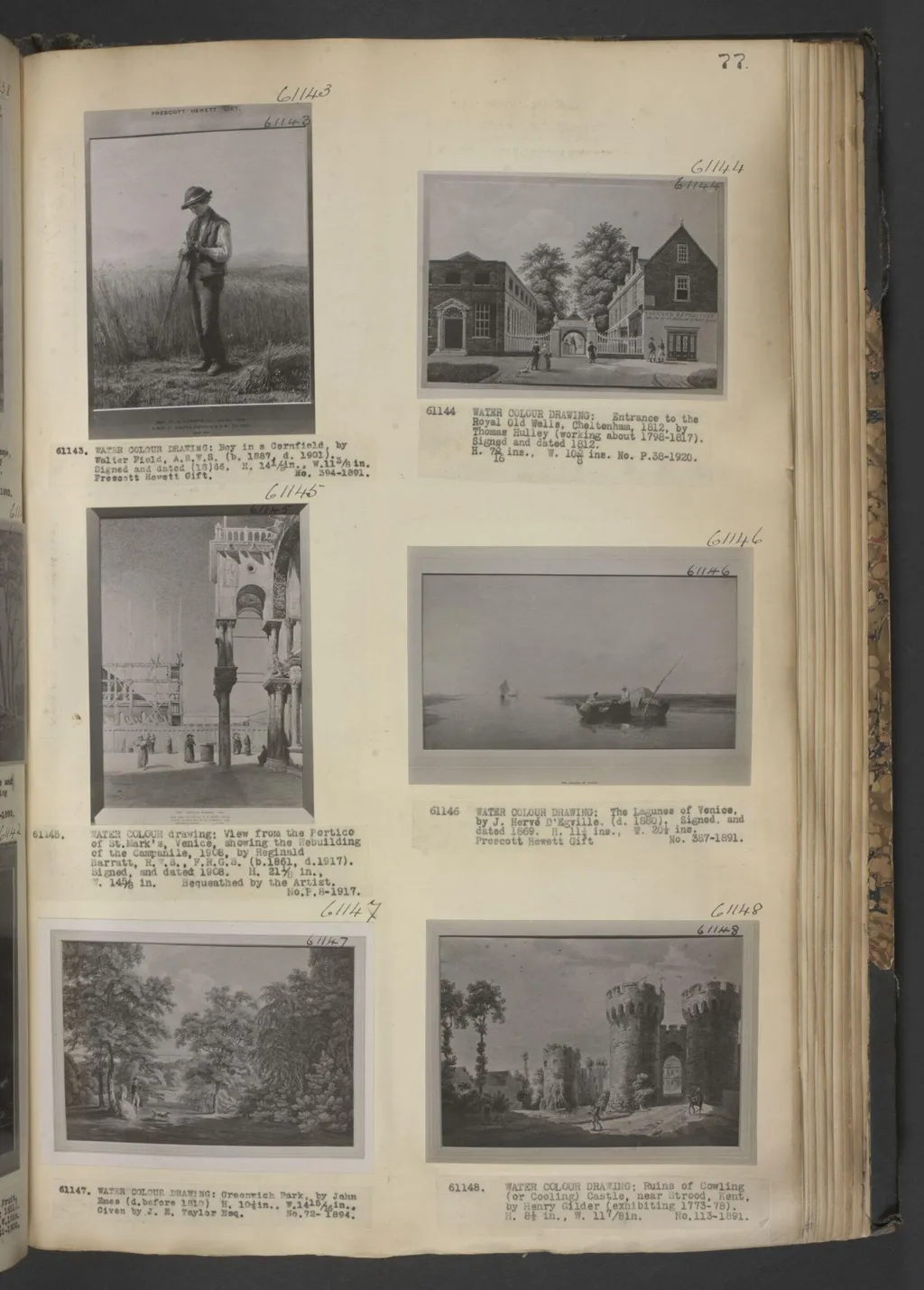
Entrance to the Royal Old Wells, Cheltenham, 1812 is a watercolor work on paper by the British Romanticist artist Hulley. It dates from 1812 and is held in the collection of the Victoria and Albert Museum.
About this work
Overview
The work is a watercolour dated 1812, signed by the artist Hulley, portraying the entrance to the Royal Old Wells in Cheltenham. It presents a modest stone gateway set within a quiet street, framed by a tall white building with large windows and an arched doorway, under a pale sky.
Subject & Meaning
The scene records a functional architectural element of a historic spa complex, emphasizing the everyday activity of townspeople as two small figures pass the entrance. The composition conveys a sense of order and calm, reflecting the modest scale of local life rather than grand spectacle.
Technique & Style
Executed in transparent watercolour, the piece employs soft washes and delicate brushwork to render light atmospheric effects. The palette is restrained, with muted tones that highlight the building’s white façade and the surrounding foliage, aligning with early‑19th‑century interests in natural observation and local topography.
History & Provenance
Created in 1812, the watercolour bears Hulley’s signature and date, indicating it was likely produced contemporaneously with the spa’s active period. The work now resides in the collection of the Victoria and Albert Museum, where it is catalogued among other British watercolours of the era.
Context
During the early 1800s Cheltenham’s mineral springs attracted visitors seeking health benefits, prompting the development of structures such as the Royal Old Wells. Hulley’s depiction offers a visual record of the town’s built environment at a time when spa culture was a prominent social phenomenon in England.
Artist & collection
Artist
An Irish watercolour painter, Hulley documented Regency-era towns and their gathering places.

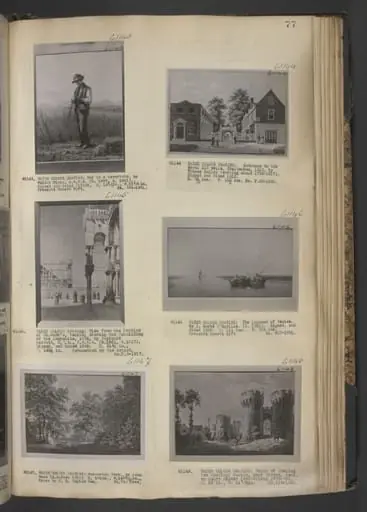 Rebuilding of the Campanile, St. Mark's, Venice : View of the portico of St. Mark's
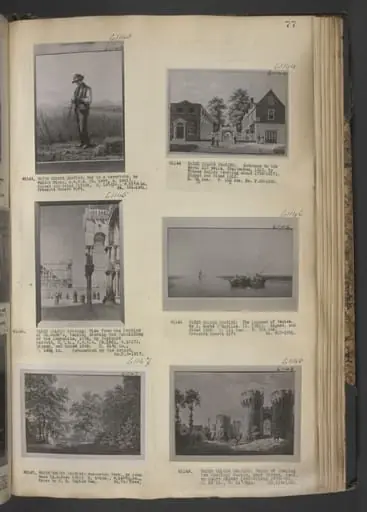 Boy in a cornfield
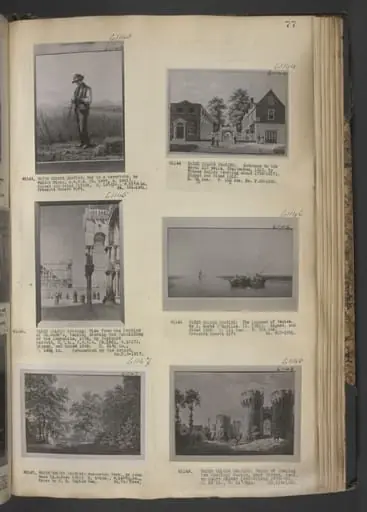 Exterior view of the ruins of Cowling (or Cooling) Castle, Kent
 Taking down the houses on old London Bridge
 Town and lake of Como, Italy
 Snowdon : Evening
 A Devonshire Cottage
 Temple at Nasik, on the Godavery