Artwork
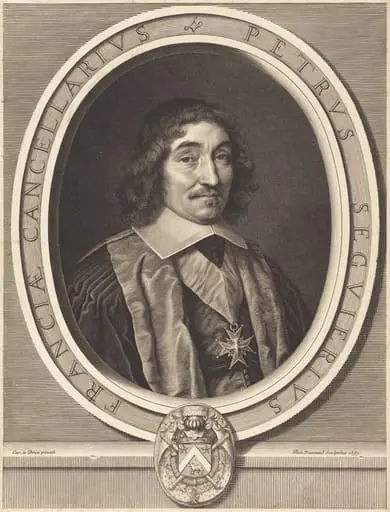
Chancellor Pierre Seguier
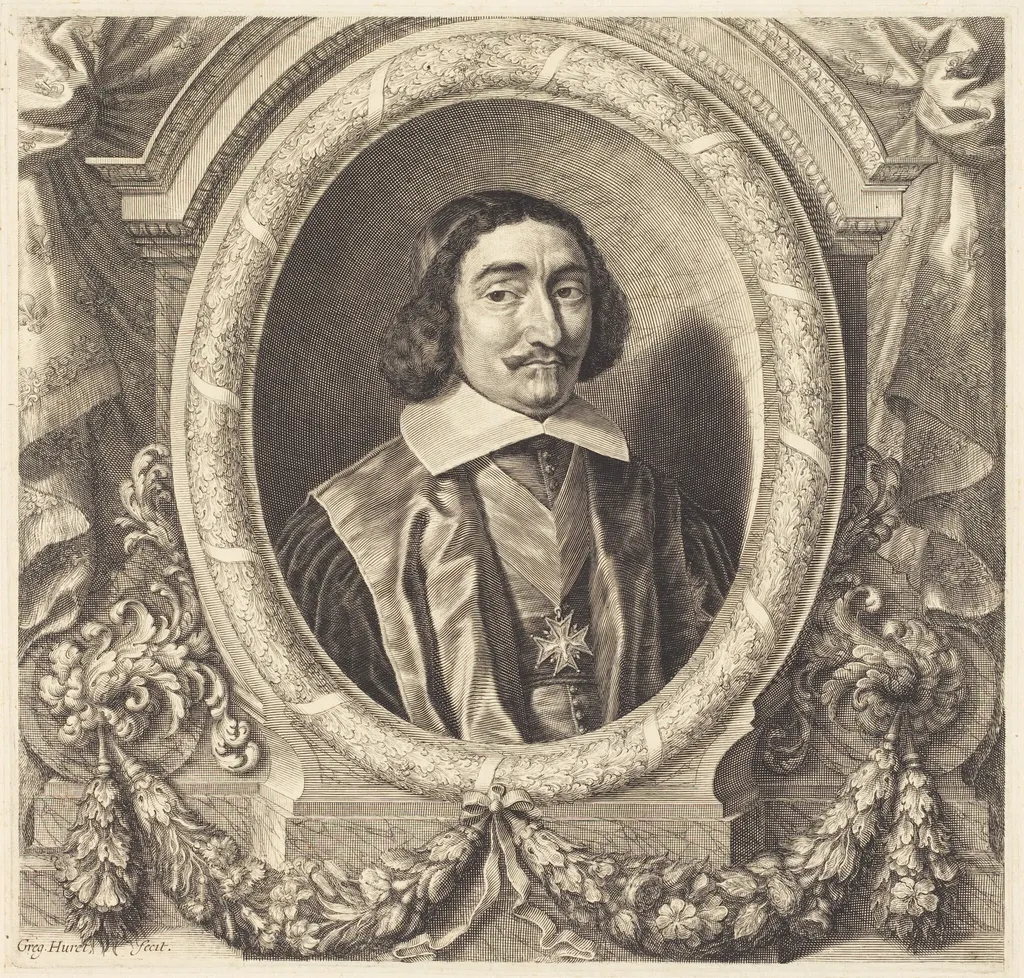
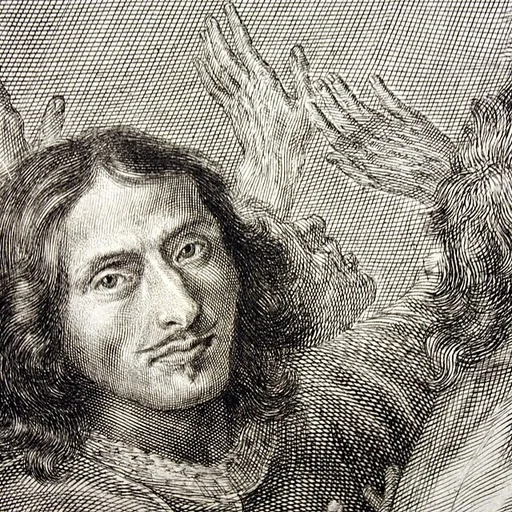
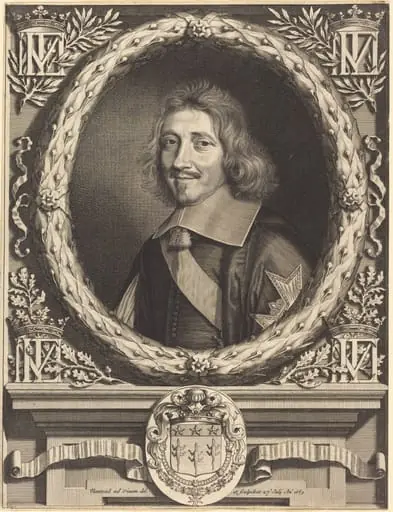
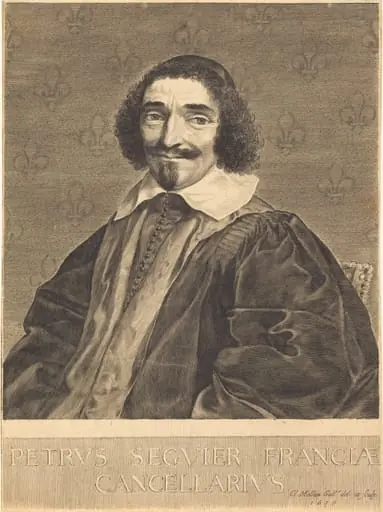
Chancellor Pierre Seguier is an ink print by the Baroque artist Grégoire Huret. It dates from 1638 and is held in the collection of the National Gallery of Art.
About this work
Overview
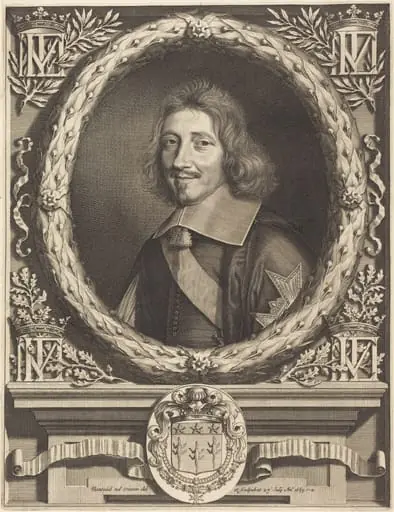
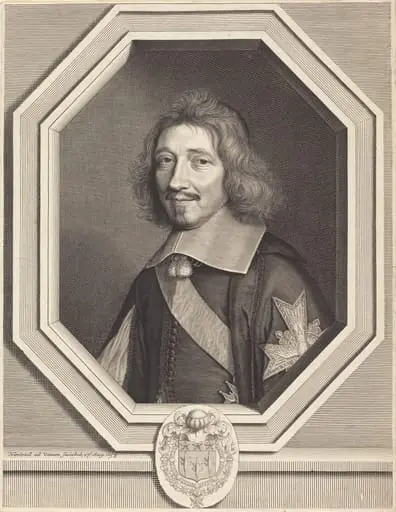
Created in 1638 by Grégoire Huret, this engraving depicts Pierre Seguier, a prominent French jurist and chancellor under Louis XIII.
Created in 1638 by Grégoire Huret, this engraving depicts Pierre Seguier, a prominent French jurist and chancellor under Louis XIII. Rendered in black ink on laid paper, the portrait follows the conventions of early 17th-century portraiture, emphasizing authority through formal dress and meticulous detail. The technique relies on fine, controlled lines to model form, typical of engraved portraiture of the period.
Subject & Meaning
Pierre Seguier is portrayed with solemn dignity, his expression conveying gravitas befitting his high office. The ornate lace collar and the star-shaped insignia on his chest signify his rank and membership in royal orders. The elaborate stone border, adorned with foliage and scrollwork, frames him as a figure of institutional permanence, reinforcing his role as a pillar of the French legal system.
Technique & Style
Huret employed fine-line engraving to achieve subtle tonal gradations and texture. The face and clothing are rendered with closely spaced, directional strokes that model volume without relying on tone or wash. The decorative border is carved with precision, its intricate patterns contrasting with the smoothness of the skin and fabric. This method highlights the engraver’s control and the sitter’s refined status.
History & Provenance
The print was produced during Seguier’s tenure as chancellor, likely for distribution among courtiers or legal officials. It reflects the tradition of using engraved portraits to circulate images of state figures before photography. While its early ownership is undocumented, the work survives in several institutional collections, indicating its continued recognition as a representative portrait of French administrative power.
Context
In 1638 France, portraiture served political and social functions beyond mere likeness. Engravings like this one were tools of prestige, disseminating the image of state officials to reinforce hierarchy and legitimacy. Huret’s work aligns with a broader European trend of using print to immortalize public figures, particularly in absolutist regimes where visual authority was carefully curated.
Legacy
Though not widely known today, Huret’s engraving remains a documented example of French administrative portraiture from the early Baroque era. It contributes to the visual record of Louis XIII’s court and illustrates how print technology enabled the replication of official imagery. Its survival offers insight into the aesthetics of power and the role of engravers in shaping public perception of state figures.
Artist & collection