Artwork
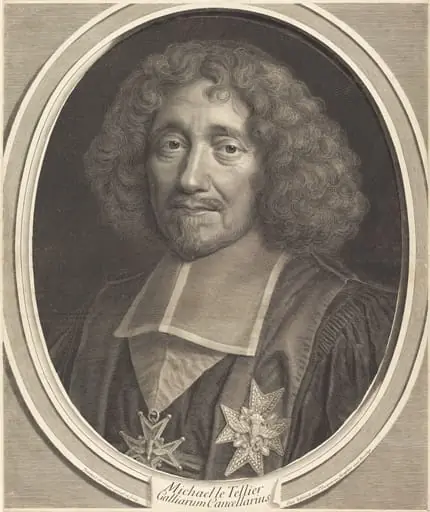
Chancellor Michel Le Tellier
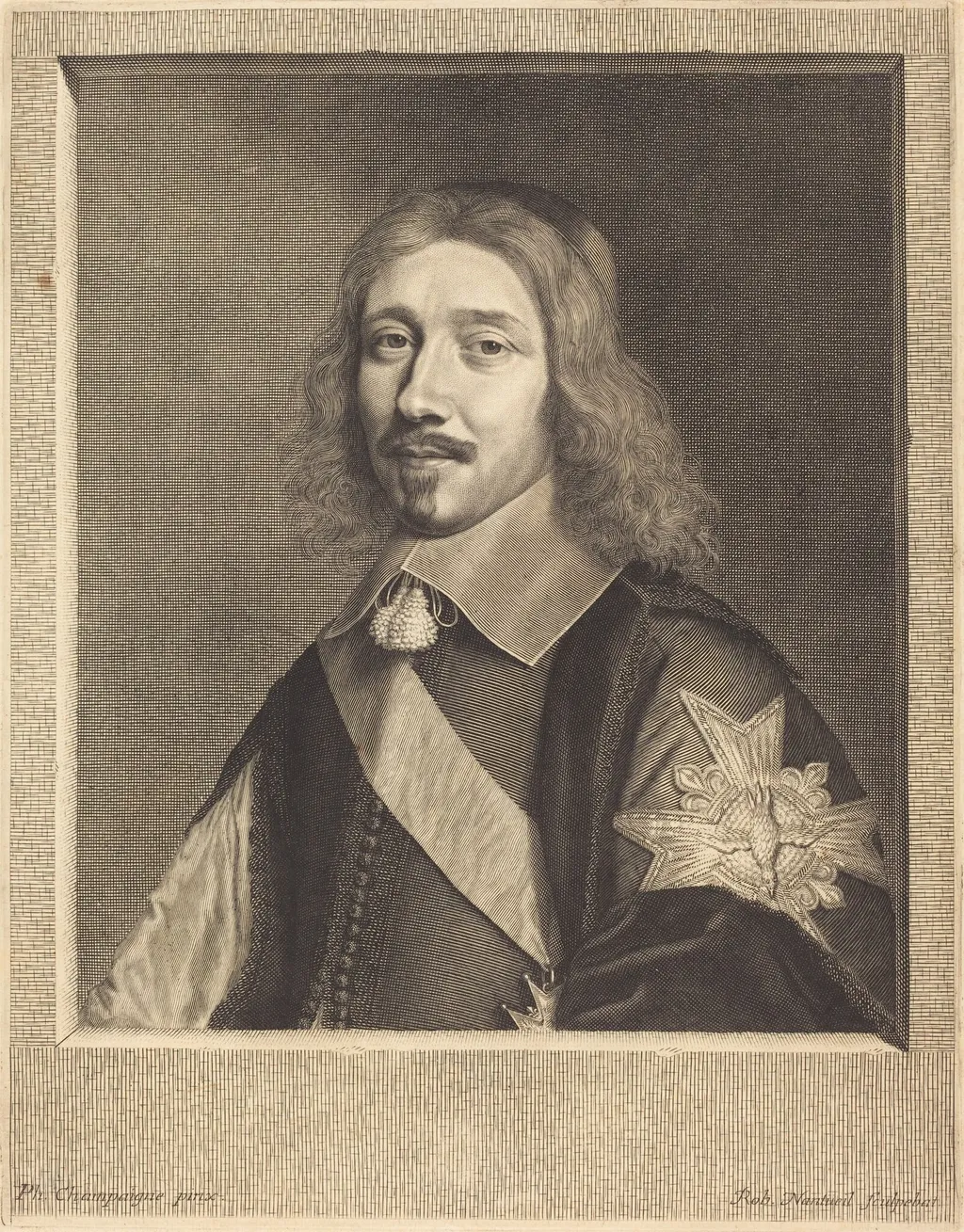
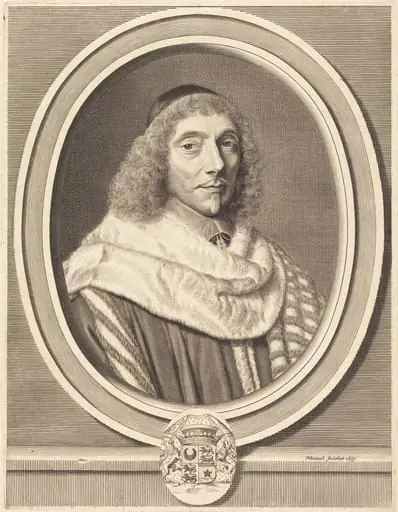
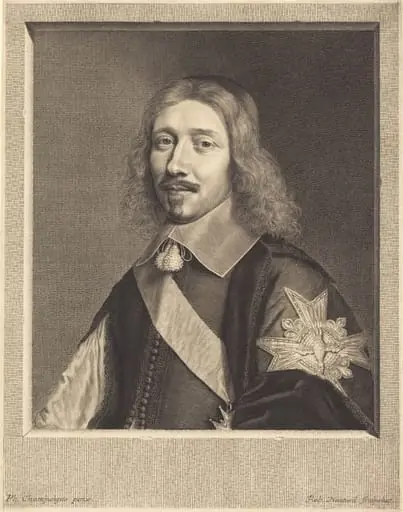
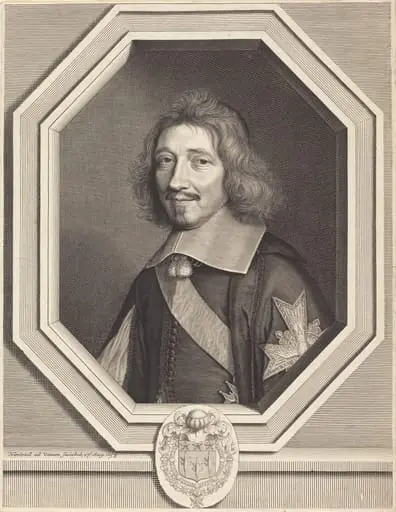
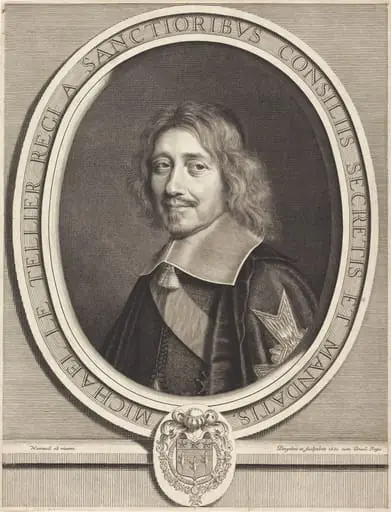
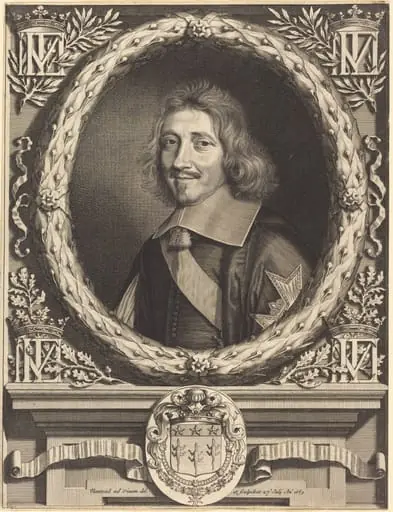
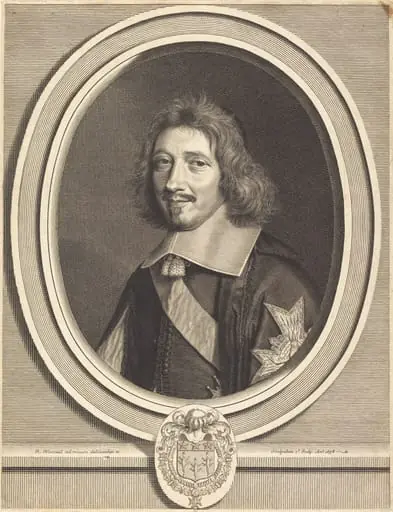
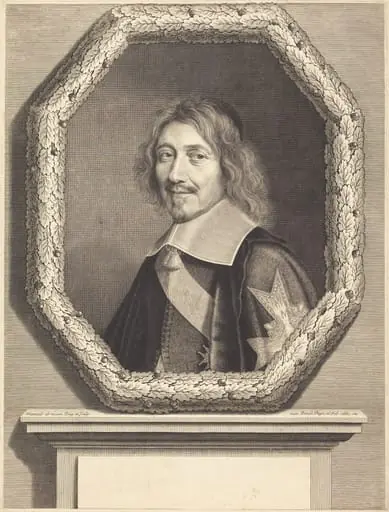
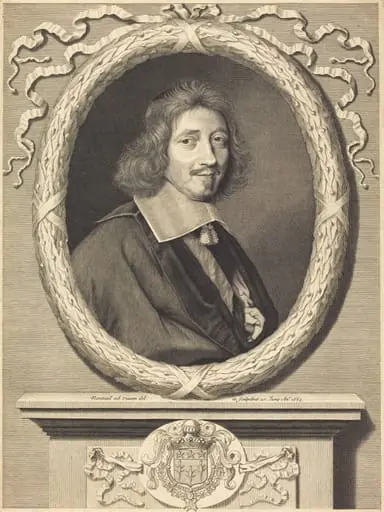
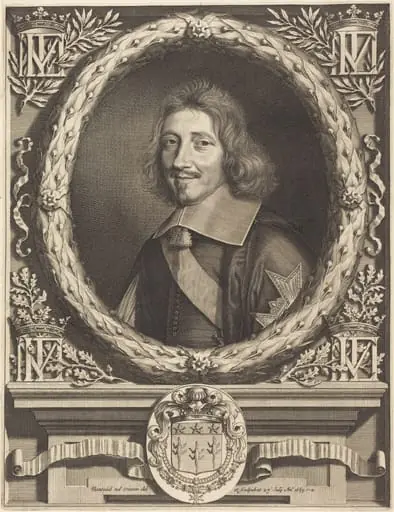
Chancellor Michel Le Tellier is an ink print by the Baroque artist Robert Nanteuil. It dates from 1653 and is held in the collection of the National Gallery of Art.
About this work
Overview
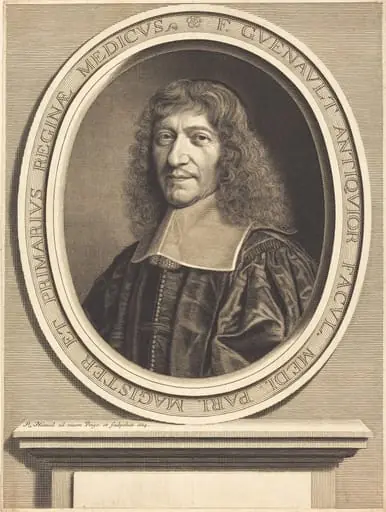
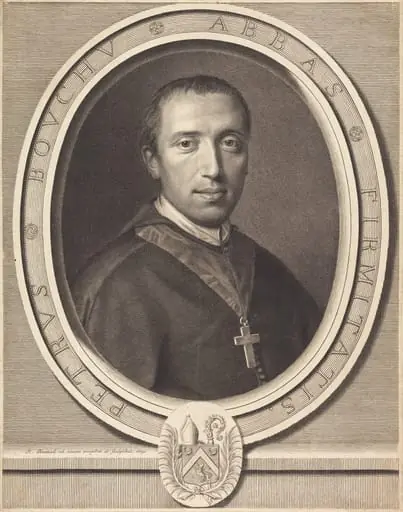
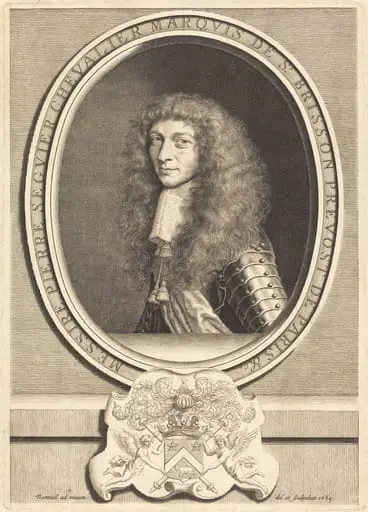
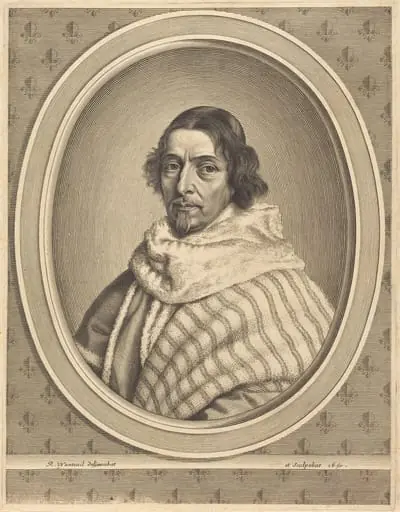
Robert Nanteuil produced this black-and-white engraving in 1653, portraying Michel Le Tellier, the powerful chancellor of France under Louis XIV.
Robert Nanteuil produced this black-and-white engraving in 1653, portraying Michel Le Tellier, the powerful chancellor of France under Louis XIV. Executed with precision on a metal plate, the print captures the chancellor in formal attire, rendered through fine incised lines that define texture and volume. The composition is tightly focused, eliminating background distraction to emphasize the subject’s presence and status.
Subject & Meaning
Michel Le Tellier, as chancellor, held one of the highest administrative offices in the French monarchy. His stern expression and formal dress reflect the gravity of his role. The detailed lace cuffs and high collar signify aristocratic refinement, while the carefully rendered facial hair and curled hair suggest personal dignity and authority. The portrait functions as both likeness and institutional emblem, reinforcing his position within the royal hierarchy.
Technique & Style
Nanteuil employed the engraving technique, incising fine lines into a copper plate to create tonal gradations. Delicate cross-hatching and parallel strokes model the texture of lace, the sheen of fabric, and the softness of hair. The absence of color heightens focus on line and shadow, showcasing Nanteuil’s mastery in translating three-dimensional form into monochrome print. His style is restrained, precise, and attentive to minute detail.
History & Provenance
Created during Nanteuil’s tenure as court engraver, the portrait was likely commissioned to commemorate Le Tellier’s service to the crown. It circulated among courtiers and officials as a token of political alignment. The print’s survival in multiple institutional collections suggests its early importance and consistent reproduction, reflecting the chancellor’s enduring influence in French governance.
Context
In mid-17th century France, portraiture served political ends as much as personal representation. Engravings like this one were tools of state image-making, disseminating the likenesses of key figures beyond the royal court. Nanteuil’s work aligned with the absolutist aesthetic favored by Louis XIV’s regime, where dignity, order, and control were visually encoded in every detail of the subject’s appearance.
Legacy
Nanteuil’s portrait of Le Tellier exemplifies the height of French engraved portraiture in the Baroque era. His technical precision set a standard for subsequent generations of printmakers. The image remains a key reference for understanding how state officials were visually constructed during the rise of centralized monarchy, influencing both artistic practice and historical perception of power.
Artist & collection
Artist
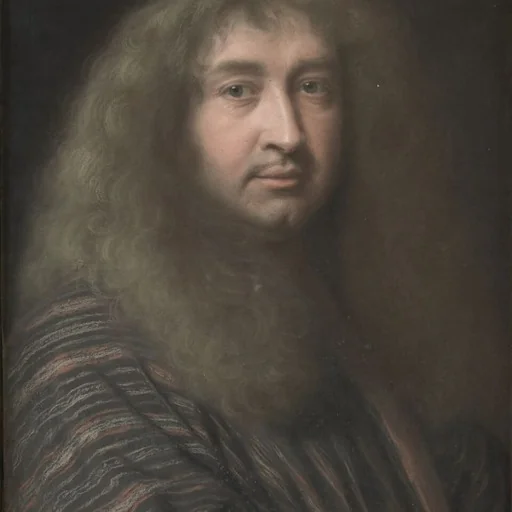
Robert Nanteuil (French pronunciation: ; 1623 – 9 December 1678) was a French portrait artist: engraver, draughtsman and pastellist to the court of Louis XIV.