Artwork
Chancellor Michel Le Tellier
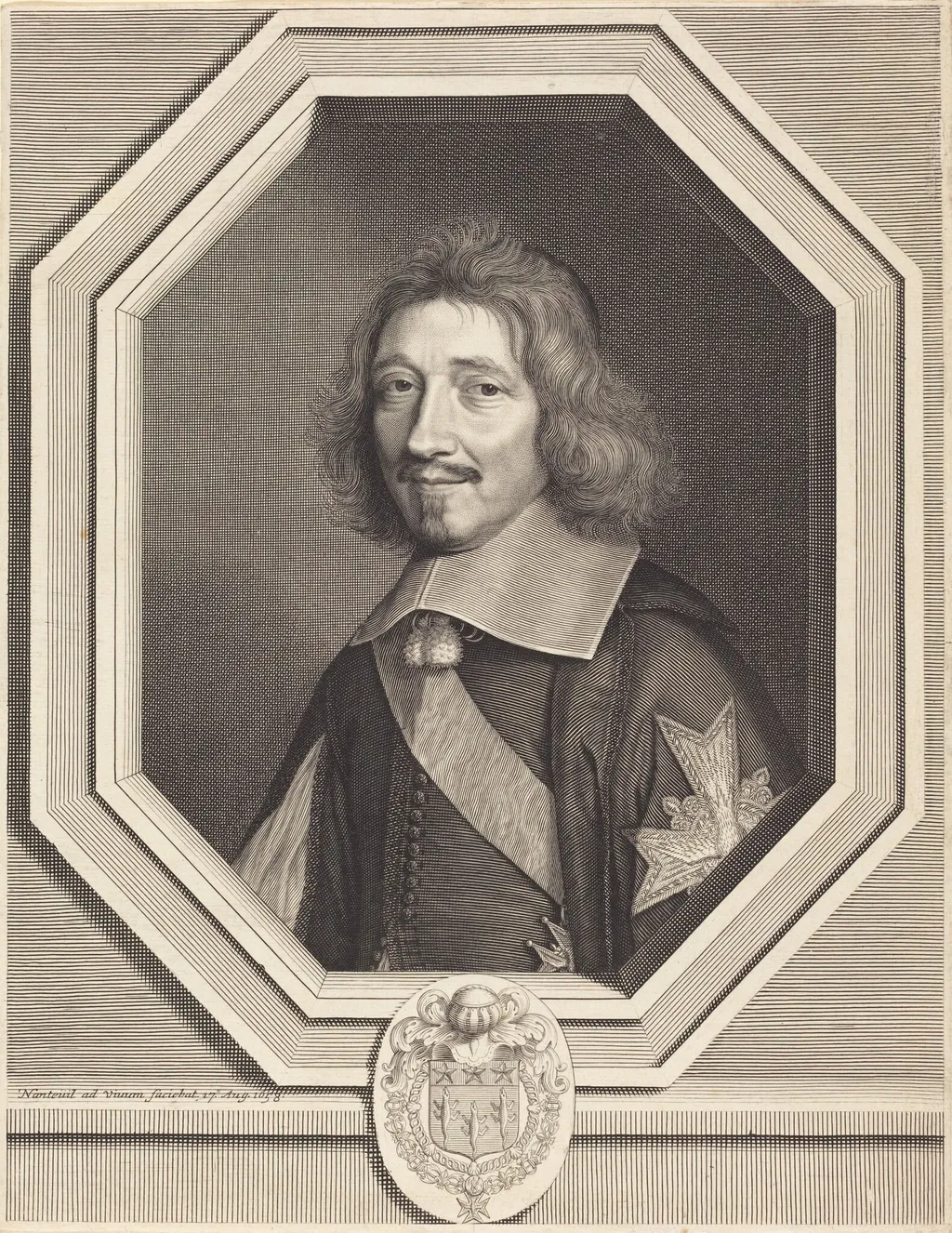
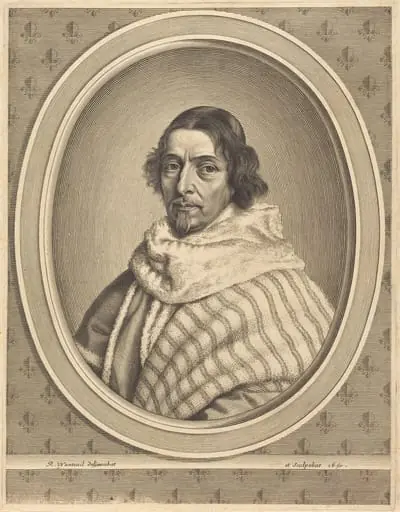
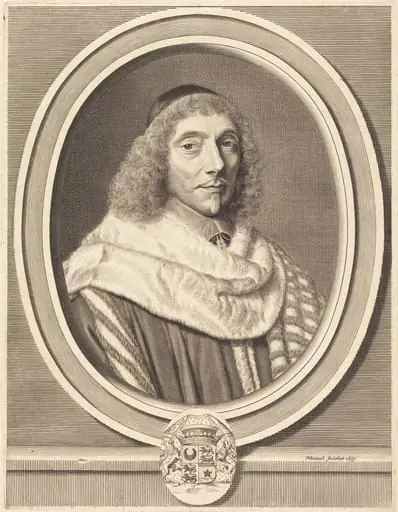
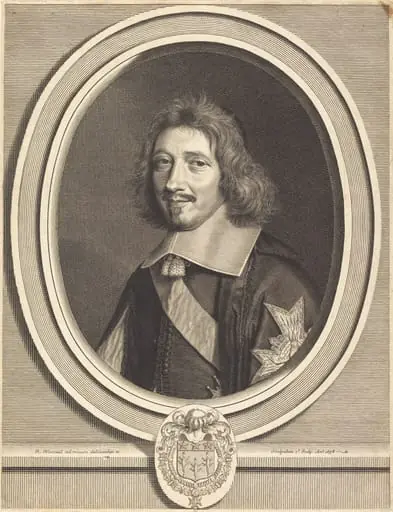
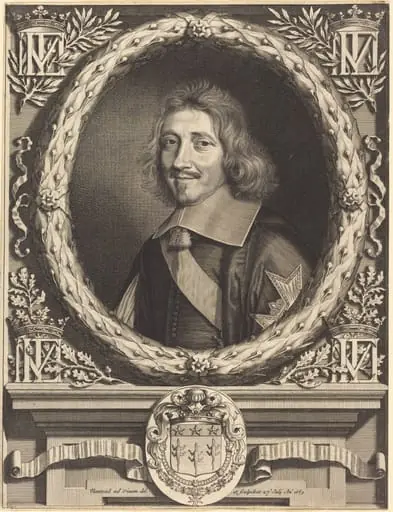
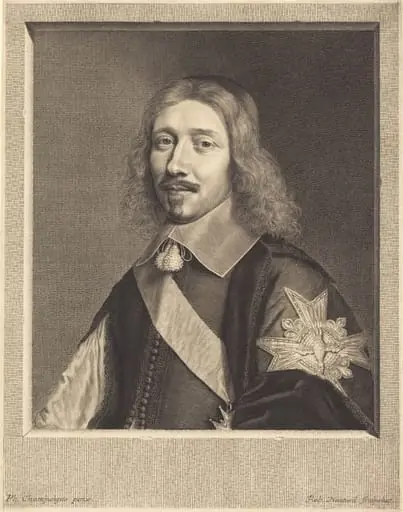
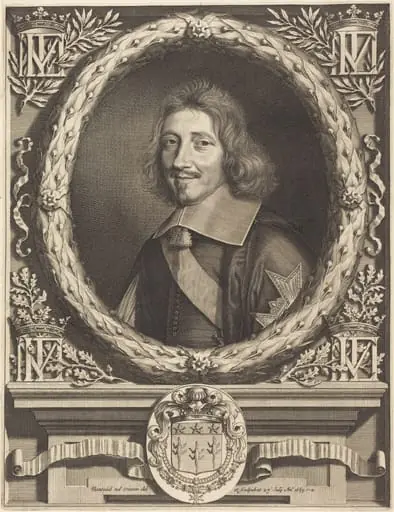
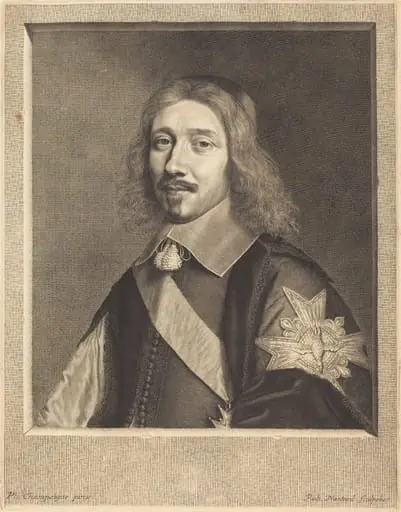
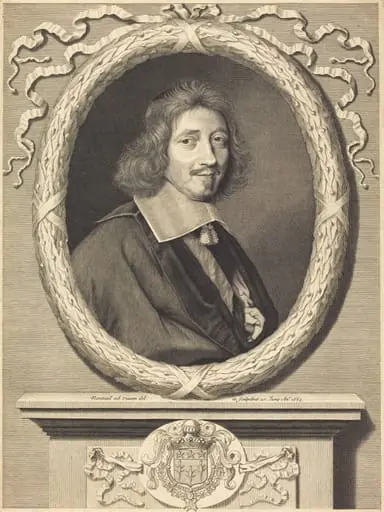
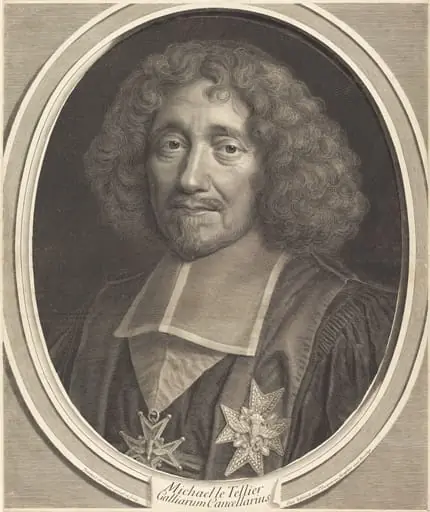
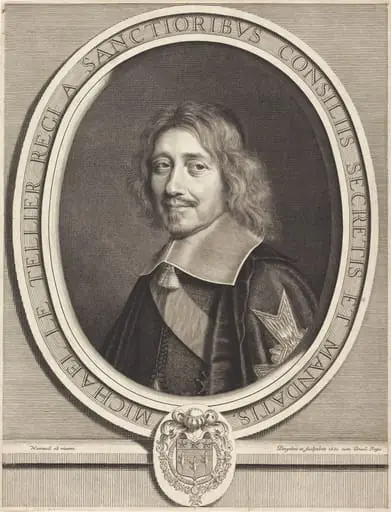
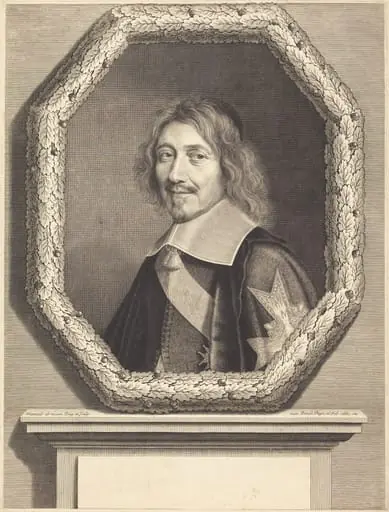
Chancellor Michel Le Tellier is an ink print by the Baroque artist Robert Nanteuil. It dates from 1658 and is held in the collection of the National Gallery of Art.
About this work
Overview
The work exemplifies the precision and restraint characteristic of mid-17th-century French portraiture, emphasizing dignity over ornamentation.
Created in 1658 by Robert Nanteuil, this engraving portrays Michel Le Tellier, Chancellor of France under Louis XIV. Nanteuil, a leading portraitist of the French court, specialized in fine-line engraving to capture the likeness and status of elite figures. The work exemplifies the precision and restraint characteristic of mid-17th-century French portraiture, emphasizing dignity over ornamentation.
Subject & Meaning
Michel Le Tellier, as Chancellor, was a central administrator in Louis XIV’s government, responsible for justice and royal policy. His portrayal reflects his authority: the direct gaze, formal attire, and composed expression convey gravitas and control. The absence of symbolic props or elaborate settings focuses attention on his presence, reinforcing his role as a pillar of state rather than a nobleman of display.
Technique & Style
Nanteuil employed fine, controlled etching lines to render texture in the lace collar, the sash, and the curls of Le Tellier’s hair. Subtle gradations of tone, achieved through cross-hatching and stippling, model the face with quiet realism. The dark background isolates the figure, heightening the psychological intensity. The technique avoids theatricality, aligning with the French preference for restrained elegance over Baroque flourish.
History & Provenance
Commissioned during Le Tellier’s tenure as Chancellor, the engraving likely served to circulate his image among courtiers and officials. Nanteuil held the official title of engraver to the king, and his portraits were widely reproduced. This print was part of a broader effort to visually consolidate the power of Louis XIV’s administration, with Le Tellier as a key figure in its structure.
Context
In mid-17th-century France, portraiture functioned as both personal record and political tool. As absolutism took root, images of state officials like Le Tellier reinforced hierarchy and legitimacy. Nanteuil’s style, rooted in Flemish engraving traditions but refined for French tastes, became the standard for official portraiture, distinguishing it from the more dramatic styles of Italy or the Netherlands.
Legacy
Nanteuil’s engravings set a benchmark for French portrait printing, influencing generations of artists. His depiction of Le Tellier remains a key example of how administrative power was visually codified in the early reign of Louis XIV. The work’s clarity and restraint helped define a national aesthetic that prioritized dignity and control, shaping the visual language of French statecraft for decades.
Artist & collection
Artist
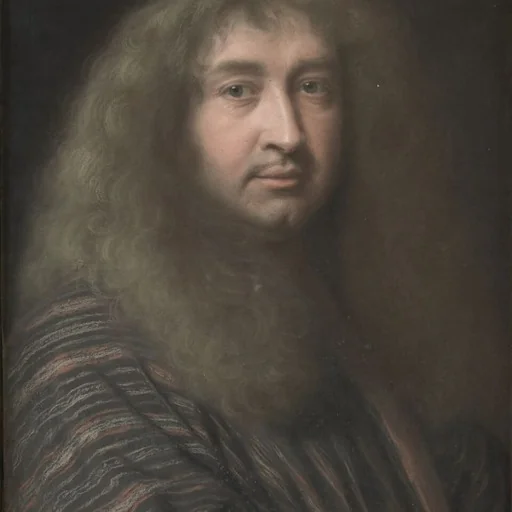
Robert Nanteuil (French pronunciation: ; 1623 – 9 December 1678) was a French portrait artist: engraver, draughtsman and pastellist to the court of Louis XIV.