Artwork
Chancellor Pierre Seguier
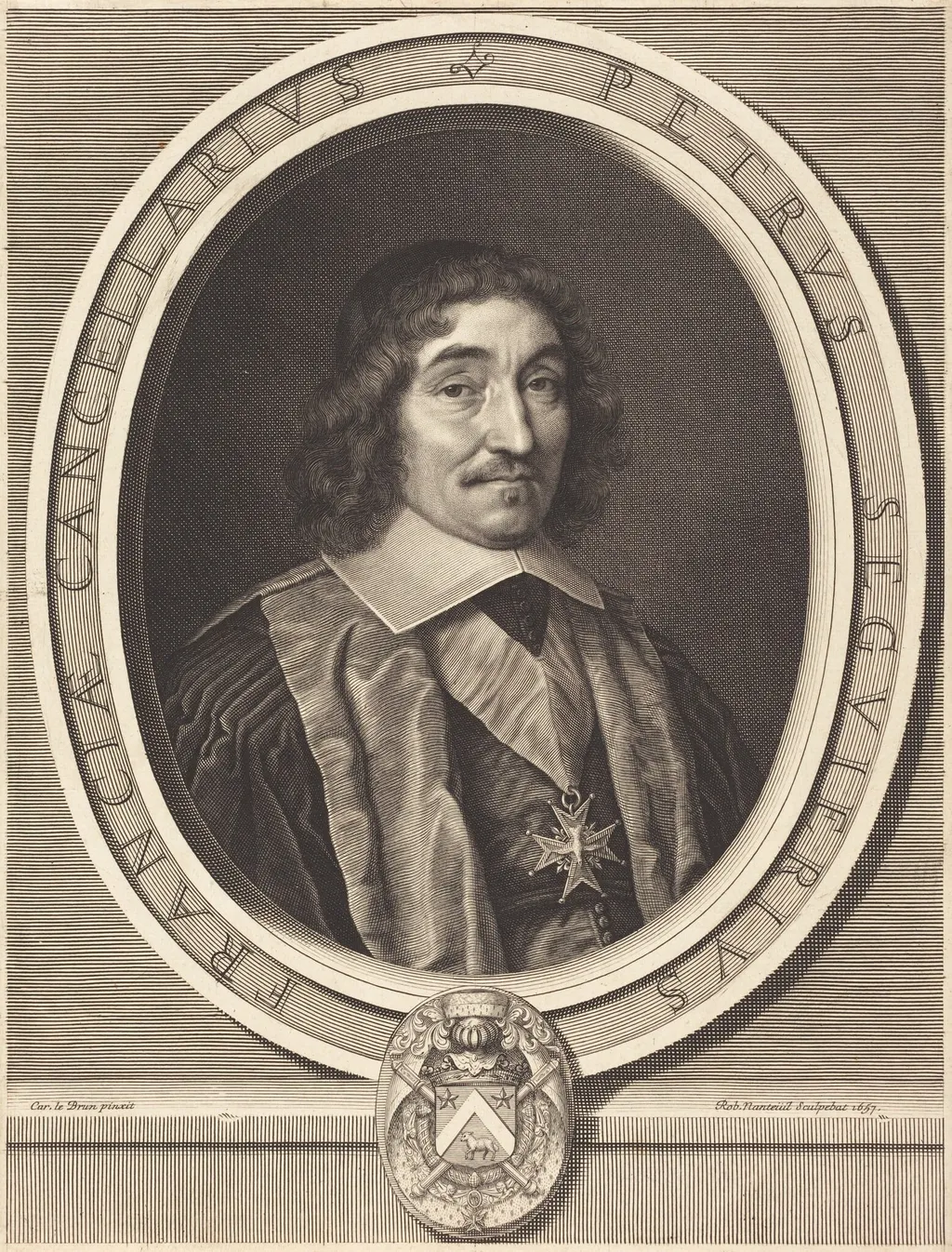
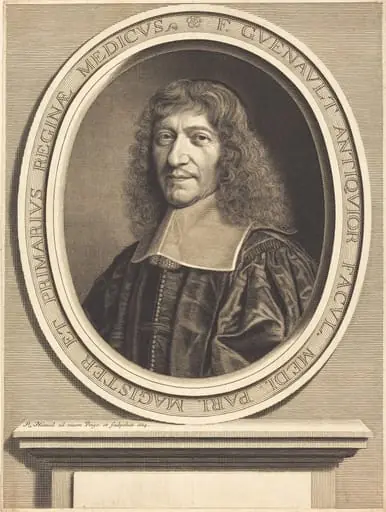
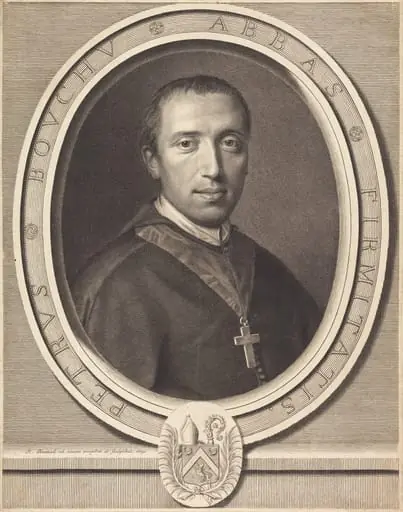
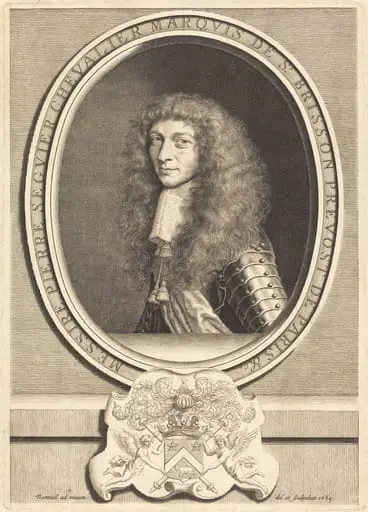
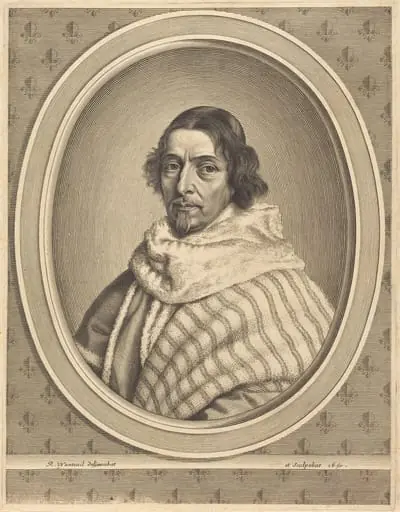
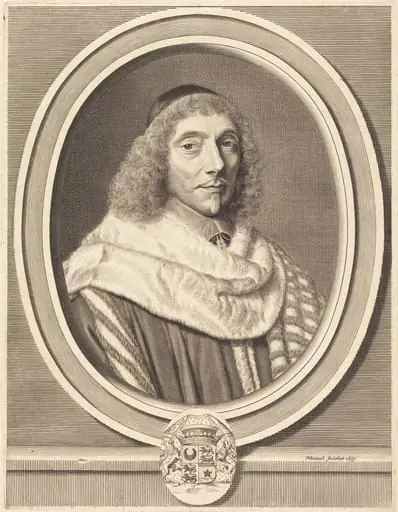
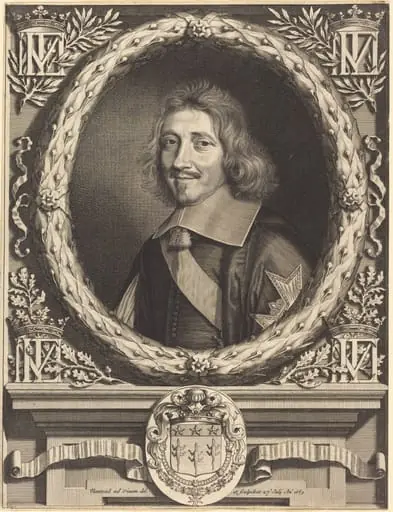
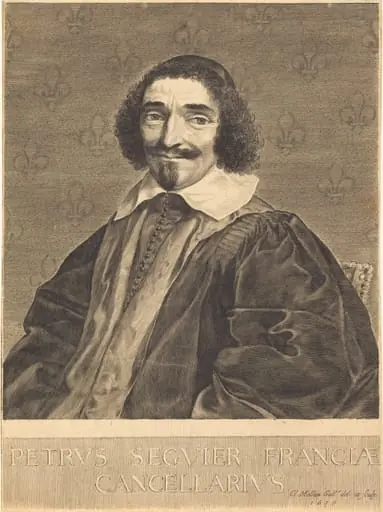
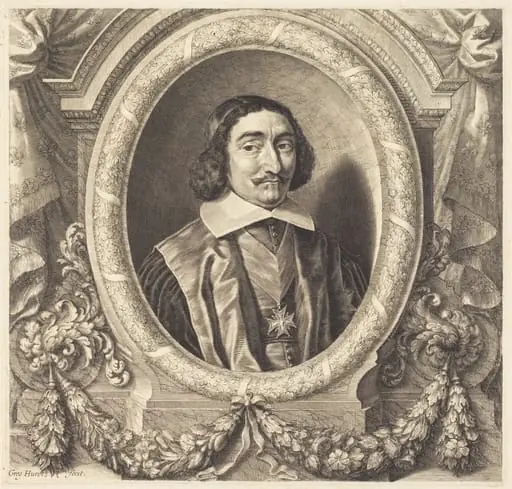
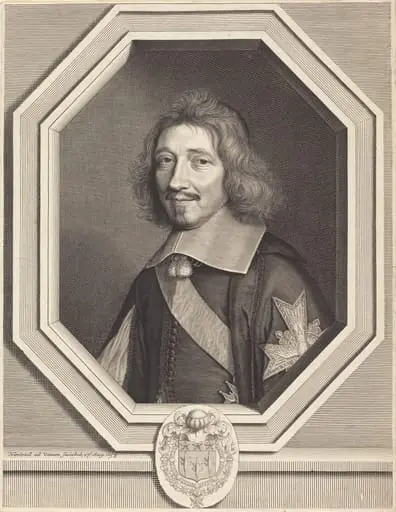
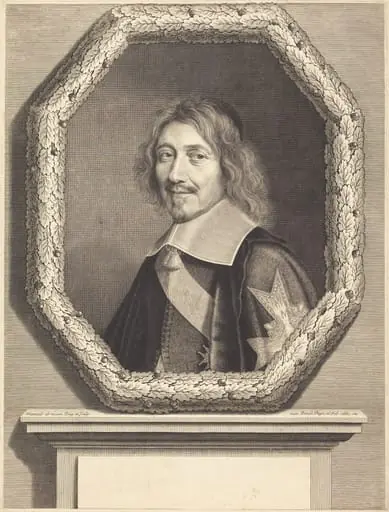
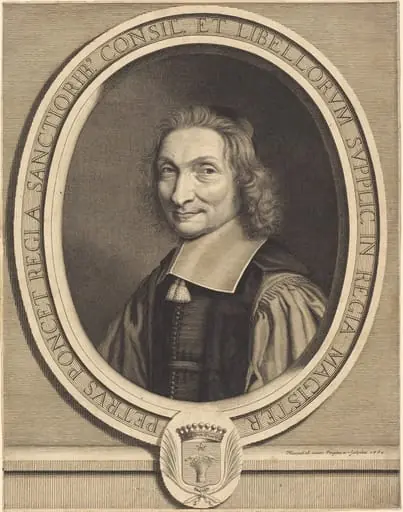
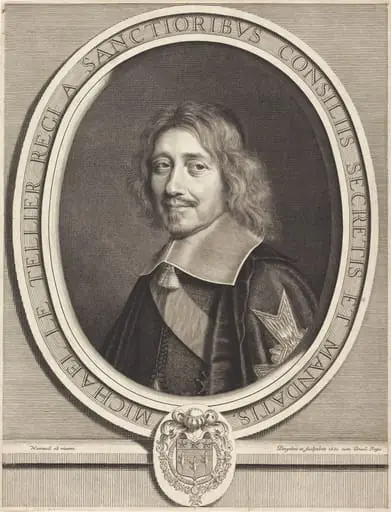
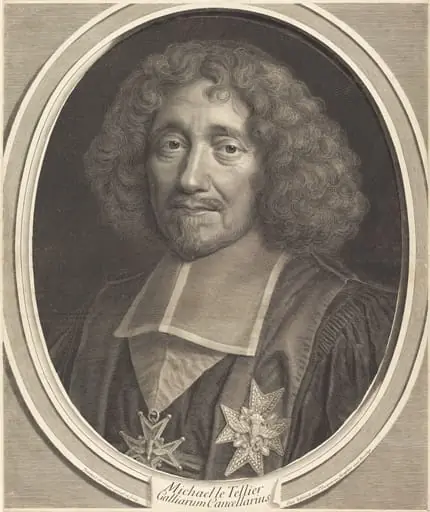
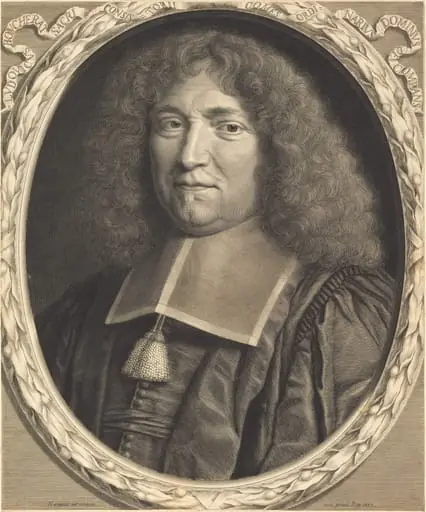
Chancellor Pierre Seguier is an ink print by the Baroque artist Robert Nanteuil. It dates from 1657 and is held in the collection of the National Gallery of Art.
About this work
Overview
Executed in black-and-white ink on paper, the work is a fine example of engraved portraiture commissioned by the French royal court.
Robert Nanteuil, a leading French engraver of the mid-17th century, produced this portrait of Pierre Seguier in 1657. Executed in black-and-white ink on paper, the work is a fine example of engraved portraiture commissioned by the French royal court. Nanteuil’s technical precision and attention to detail established him as the preeminent portrait engraver of his era, favored for his ability to capture likeness with subtlety and authority.
Subject & Meaning
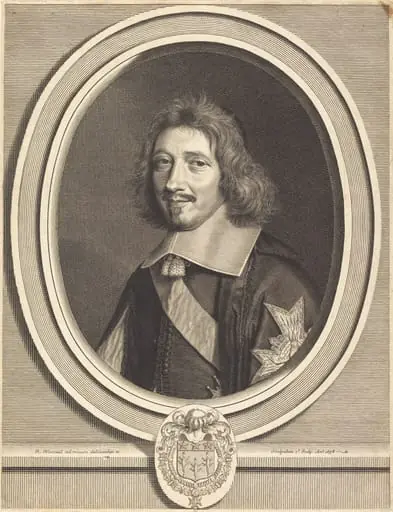
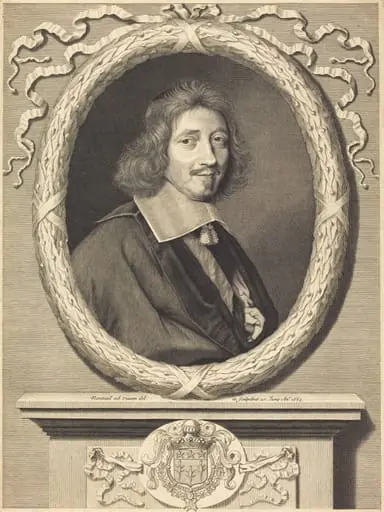
Pierre Seguier served as Chancellor of France under Louis XIII and Louis XIV, a position of immense legal and administrative power. The portrait presents him with solemn dignity: his stern expression, elaborate lace collar, and ornate coat signify his high status. The star-shaped insignia on his chest denotes membership in the Order of the Holy Spirit, reinforcing his proximity to royal favor and institutional authority.
Technique & Style
Nanteuil employed fine, controlled lines to model form and texture, using cross-hatching and delicate tonal gradations to render the fabric of the coat, the curl of the hair, and the planes of the face. The background remains uncluttered, directing focus to the subject’s features. This method, rooted in the tradition of Northern Renaissance engraving, emphasized clarity and psychological presence over decorative flourish.
History & Provenance
Commissioned during Seguier’s tenure as chancellor, the engraving likely served to circulate his image among courtiers and officials. Nanteuil’s prints were widely distributed, functioning as both personal mementos and political symbols. The work remained within French collections, with early impressions preserved in royal archives and later acquired by institutions such as the Bibliothèque nationale de France.
Context
In mid-17th-century France, engraved portraits were essential tools for projecting the image of state officials. Unlike painted portraits, engravings could be reproduced and shared widely, making them ideal for reinforcing hierarchy and legitimacy. Nanteuil’s work aligned with the absolutist aesthetic of Louis XIV’s court, where controlled representation was key to political messaging.
Legacy
Nanteuil’s engravings set a standard for French portraiture that influenced generations of printmakers. His ability to convey character through line alone elevated engraving from mere reproduction to a respected art form. Later artists studied his technique, and his portraits of court figures remain primary visual records of France’s administrative elite during the early Bourbon period.
Artist & collection
Artist
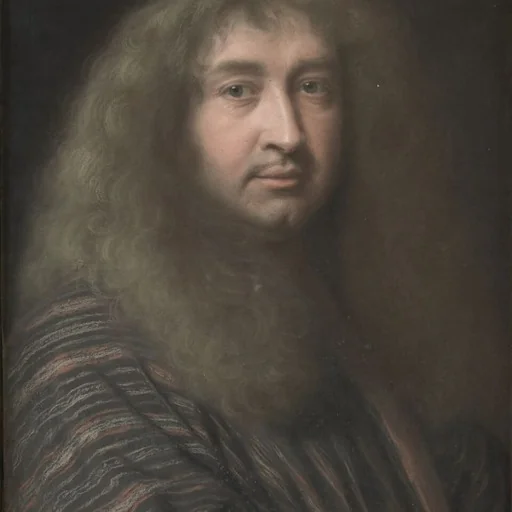
Robert Nanteuil (French pronunciation: ; 1623 – 9 December 1678) was a French portrait artist: engraver, draughtsman and pastellist to the court of Louis XIV.