Artwork
Charles de Saint-Albin, Archbishop of Cambrai
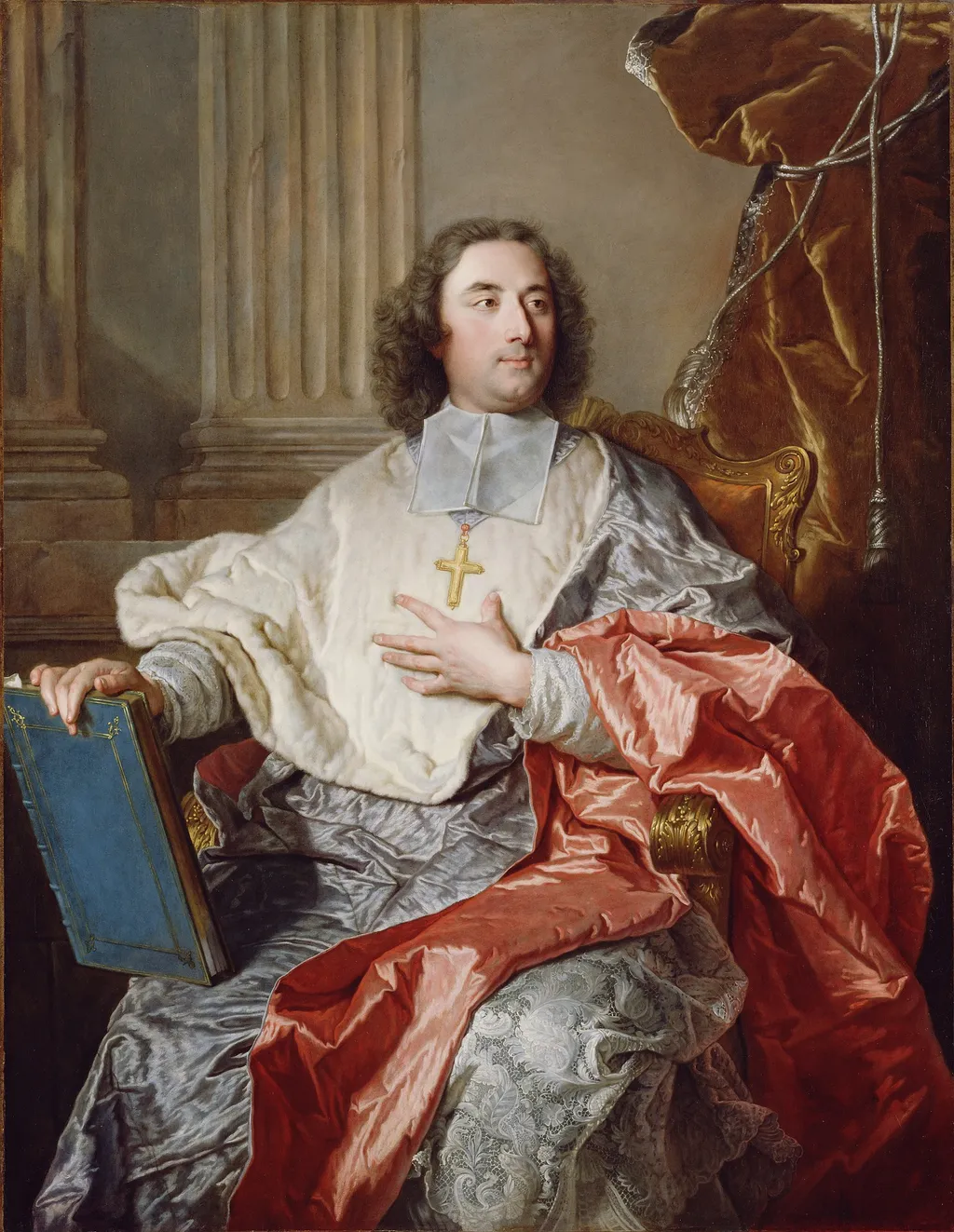
Charles de Saint-Albin, Archbishop of Cambrai is an oil painting by the Baroque artist Rigaud Hyacinthe. It dates from 1723 and is held in the collection of the J. Paul Getty Museum.
About this work
Overview
Painted in 1723 by Hyacinthe Rigaud, this oil portrait captures Charles de Saint-Albin, Archbishop of Cambrai, in a formal seated pose.
Painted in 1723 by Hyacinthe Rigaud, this oil portrait captures Charles de Saint-Albin, Archbishop of Cambrai, in a formal seated pose. The work reflects the refined aesthetic of early 18th-century French ecclesiastical portraiture. It is part of the J. Paul Getty Museum’s collection, where it remains a representative example of Rigaud’s skill in conveying status through controlled composition and meticulous detail.
Subject & Meaning
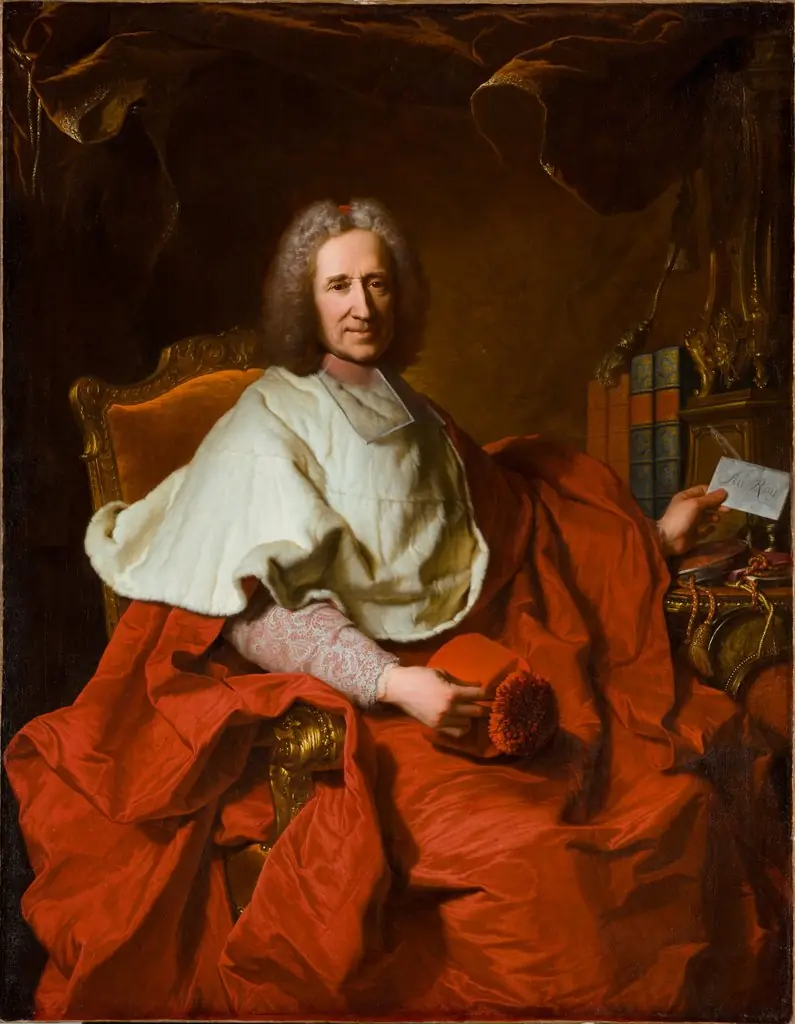
Charles de Saint-Albin is portrayed as a high-ranking church official, his attire signaling both spiritual authority and noble lineage. The white robe and crimson cloak denote his ecclesiastical rank, while the gold cross and open book suggest piety and learning. His composed demeanor and direct gaze reinforce the dignity expected of a prelate, aligning the image with the institutional gravitas of the Catholic Church in Bourbon France.
Technique & Style
Rigaud employed oil paint with precision to render textures—silk, velvet, metal, and skin—with subtle gradations of light. The composition is symmetrical and restrained, emphasizing the figure’s presence against a muted architectural backdrop. Delicate brushwork in the lace and embroidery contrasts with the solidity of the chair and column, creating a balance between opulence and order characteristic of transitional Rococo portraiture.
History & Provenance
Commissioned during Saint-Albin’s tenure as archbishop, the painting was likely intended for display in a church or episcopal residence. It entered the Getty Museum’s collection through documented acquisitions, preserving its lineage from 18th-century French ecclesiastical circles to a major international institution. Its survival in good condition reflects careful stewardship over centuries.
Context
In early 18th-century France, portraits of clergy often served as tools of prestige, merging religious authority with aristocratic identity. Rigaud, favored by the royal court, brought his signature elegance to ecclesiastical subjects, aligning church leaders with the visual language of power. This portrait reflects the close ties between the monarchy, nobility, and high clergy during the reign of Louis XV.
Legacy
The portrait stands as a testament to Rigaud’s influence on French portraiture, extending his formal style beyond royalty to the ecclesiastical elite. While not widely exhibited, its presence in the Getty collection ensures continued scholarly attention. It remains a clear example of how religious figures were visually constructed as embodiments of both spiritual and social authority in ancien régime France.
Own this work as a print
Artist & collection
Artist
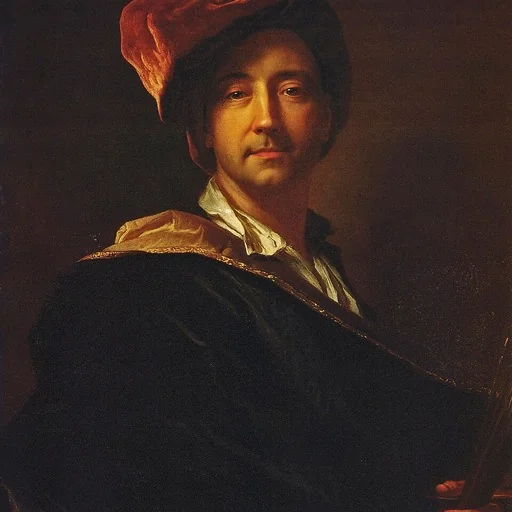
Jacint Rigau-Ros i Serra (Catalan pronunciation: ; 18 July 1659 – 29 December 1743), known in French as Hyacinthe Rigaud (pronounced ), was a Catalan-French baroque painter most famous for his portraits of Louis XIV and other members of…

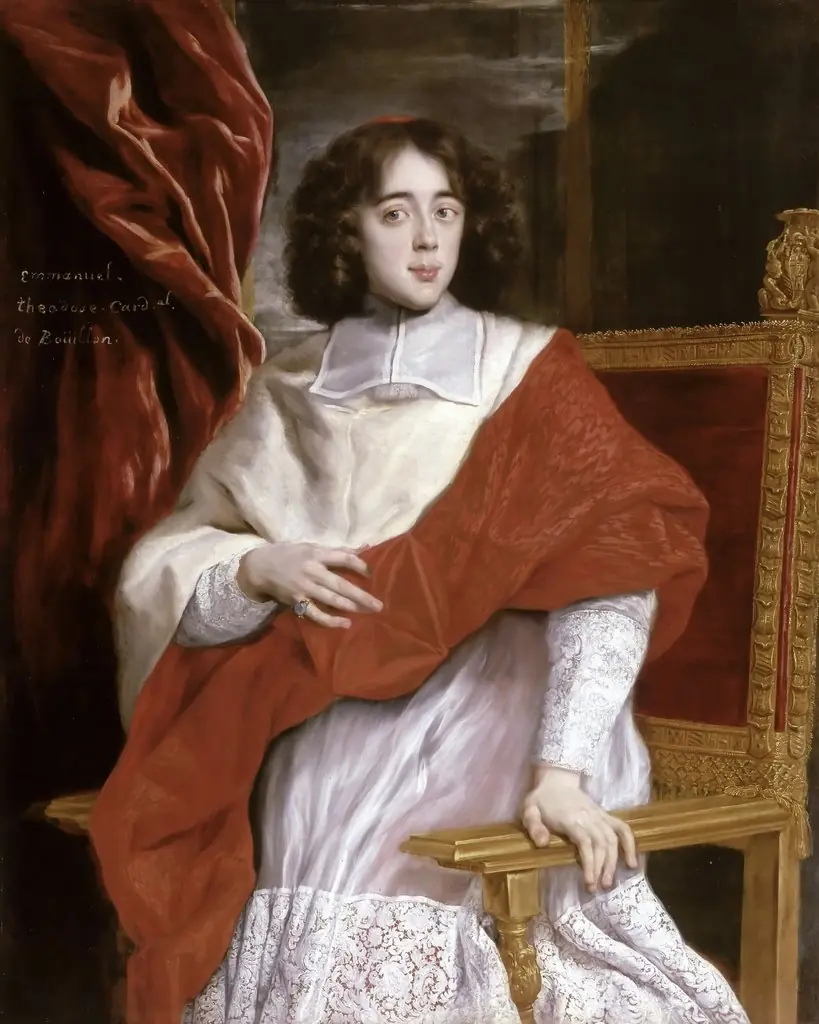 Emmanuel-Théodose de la Tour d'Auvergne, Cardinal de Bouillon (1643-1715)
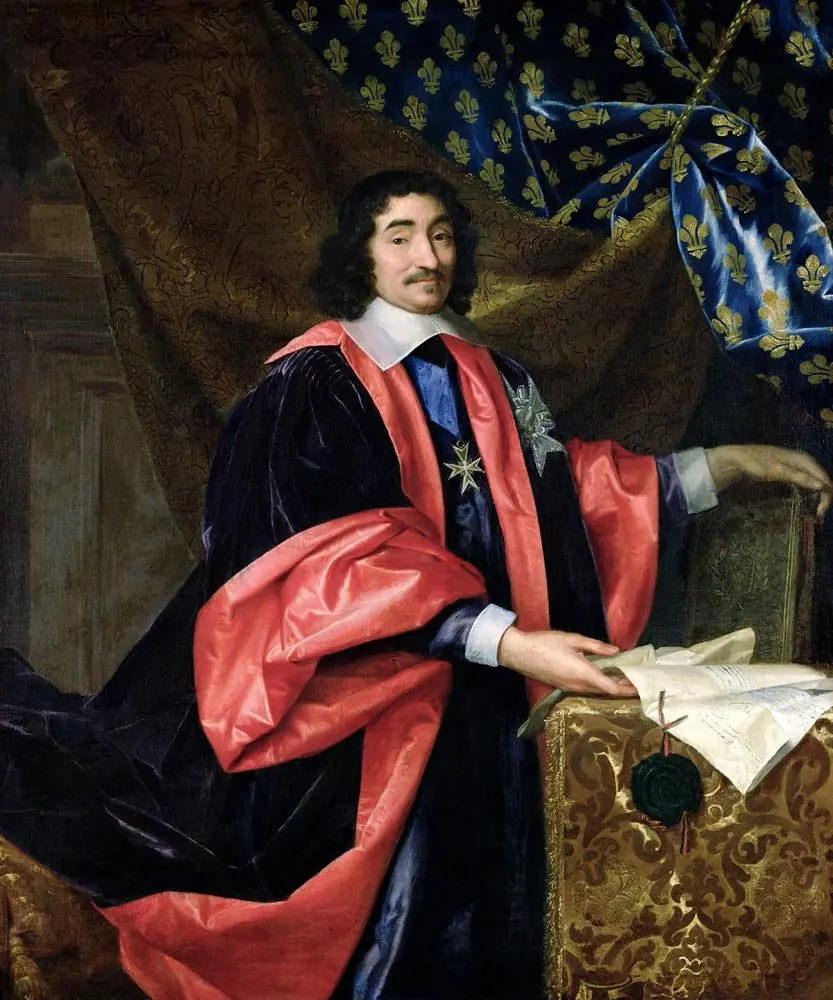 Portrait of chancellor Pierre Séguier (1588-1672)
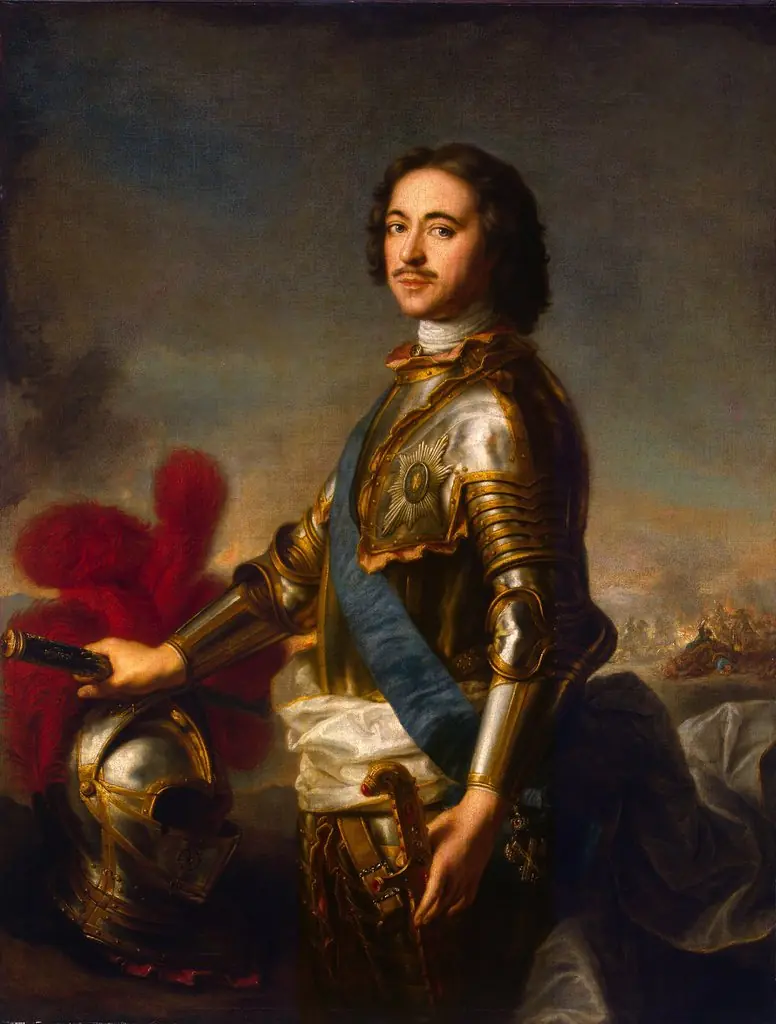 Portrait of Peter I
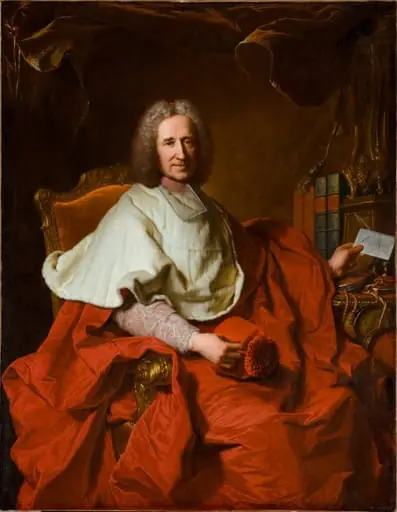 Portrait of Cardinal Guillaume Dubois
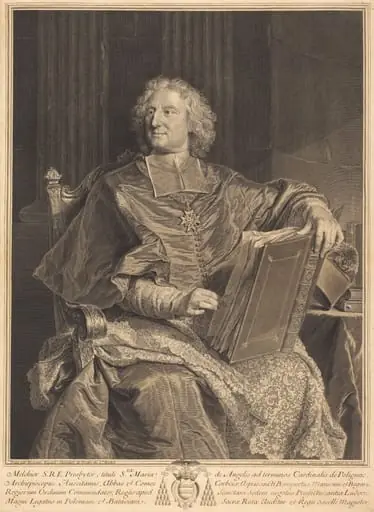 Cardinal de Polignac
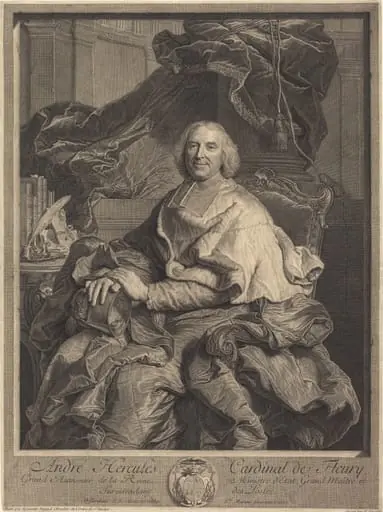 André Hercules, Cardinal de Fleury
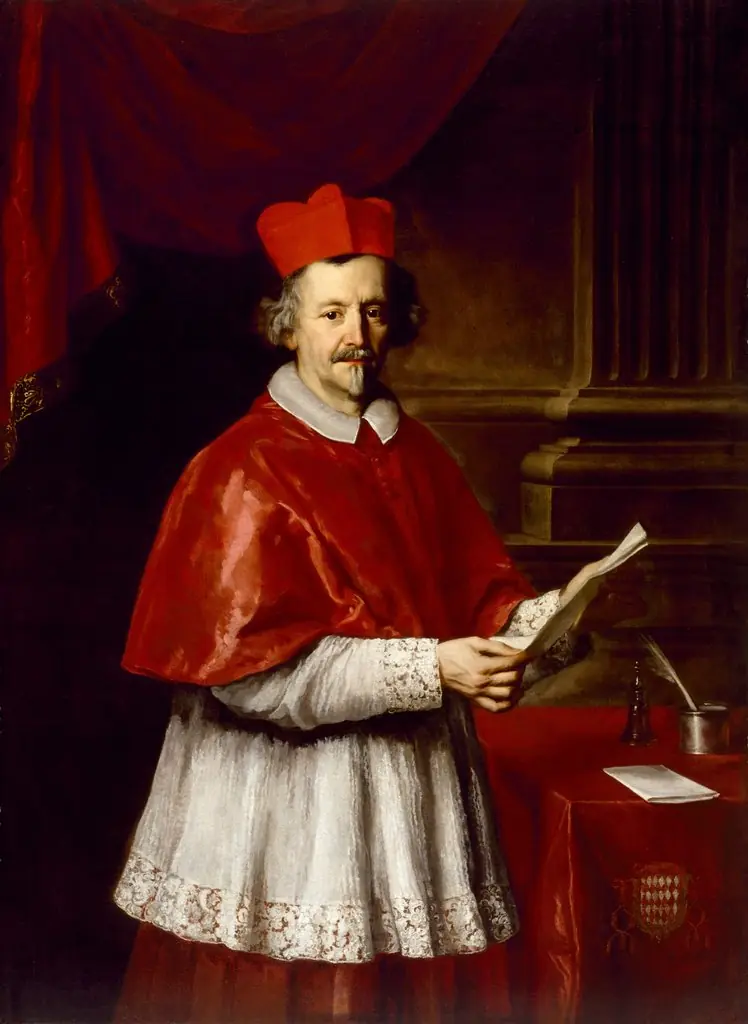 Cardinal Giulio Spinola
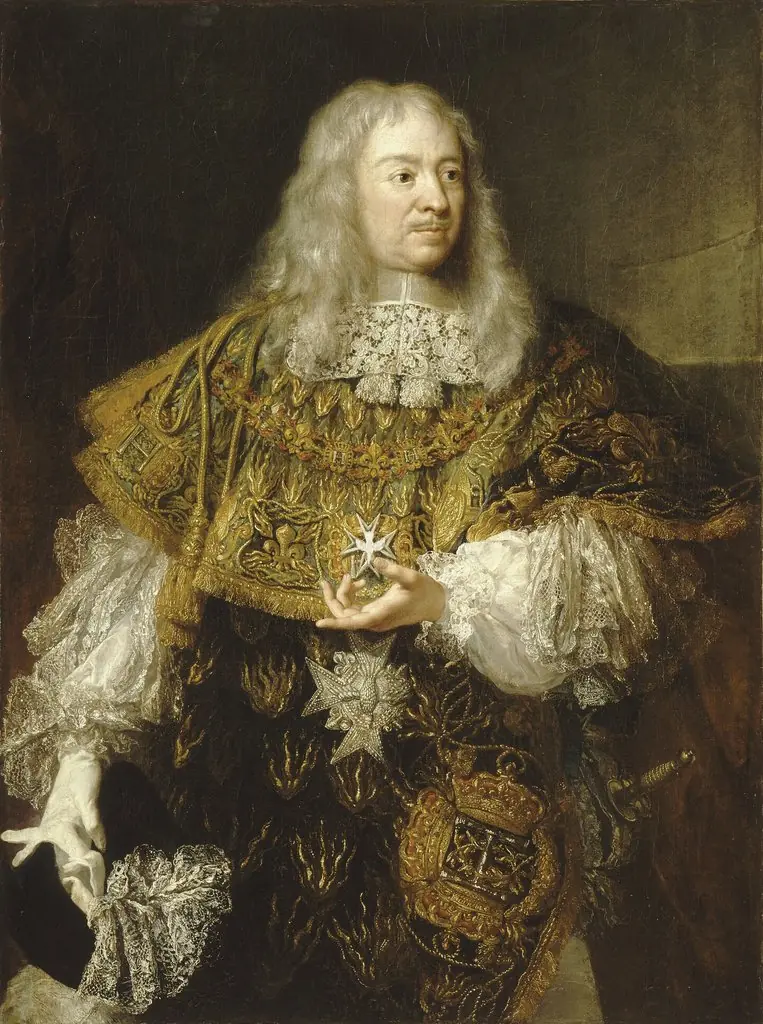 Gabriel de Rochechouart, Duke of Mortemart (1600-1677)