Artwork
Portrait of Charles-Armand de Gontaut, Duke of Biron, Marshall of France
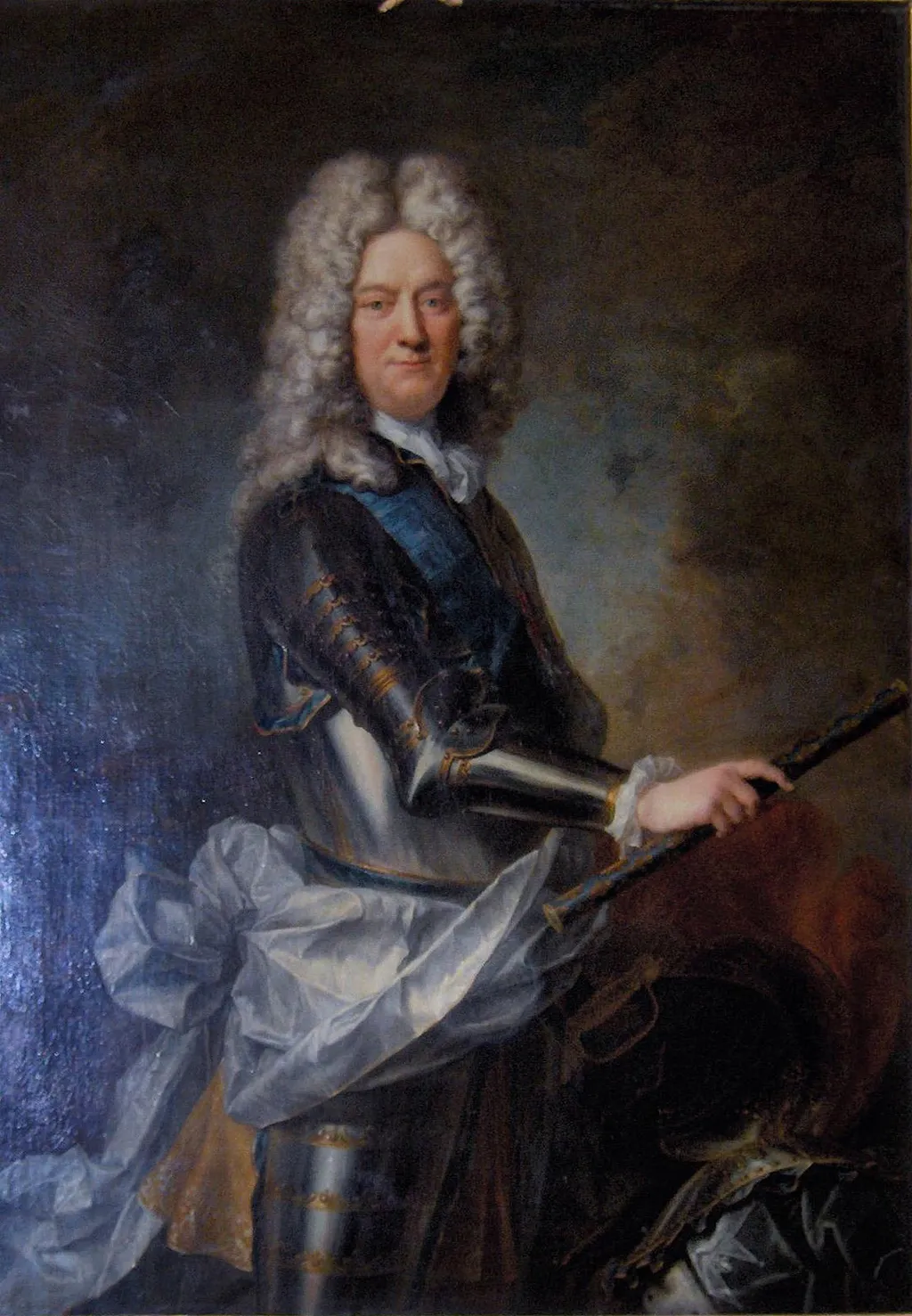
Portrait of Charles-Armand de Gontaut, Duke of Biron, Marshall of France is an oil painting by the Rococo painting artist Rigaud Hyacinthe. It is held in the collection of the Royal Museums of Fine Arts of Belgium.
About this work
Overview
It is part of the Royal Museums of Fine Arts of Belgium’s collection, where it remains a key example of 18th-century French aristocratic representation.
Painted around 1750 by Hyacinthe Rigaud, this oil portrait captures Charles-Armand de Gontaut, Duke of Biron, a high-ranking French military leader. The work reflects the refined aesthetic of the Rococo era, blending formal portraiture with subtle elegance. It is part of the Royal Museums of Fine Arts of Belgium’s collection, where it remains a key example of 18th-century French aristocratic representation.
Subject & Meaning
The Duke of Biron is portrayed in full military regalia, signifying his status as Marshal of France. The blue sash of the Order of the Holy Spirit, the gold-trimmed coat, and the drawn sword emphasize his rank and martial authority. His composed expression and upright posture convey gravitas, avoiding theatricality in favor of quiet dignity. The portrait functions as a visual assertion of noble identity and state service.
Technique & Style
Rigaud employs chiaroscuro to model the Duke’s form with precision, drawing attention to the texture of fabric and the sheen of metal. The dark, neutral background isolates the figure, enhancing three-dimensionality. Brushwork is meticulous in rendering lace, embroidery, and hair, while the overall composition adheres to classical balance. The Rococo influence appears in refined detail rather than ornamental excess.
History & Provenance
Commissioned during the later years of Biron’s life, the portrait likely served to affirm his legacy within the French court. It entered the Belgian royal collection in the 19th century, possibly through inheritance or state acquisition. Its preservation in Brussels reflects its recognition as a significant work of French portraiture, even outside its country of origin.
Context
Rigaud was renowned for his portraits of French elites, continuing a tradition established by his predecessors. This work aligns with the broader practice of using portraiture to legitimize aristocratic power during the ancien régime. Though Rococo aesthetics dominated decorative arts, military figures like Biron were often rendered with restrained solemnity, distinguishing them from more playful courtly subjects.
Legacy
The portrait endures as a representative example of Rigaud’s mature style and the visual language of French military nobility. It contributes to scholarly understanding of how status was communicated through dress, gesture, and composition in the 18th century. While not widely exhibited, it remains a reference point in studies of European portraiture and aristocratic imagery.
Artist & collection
Artist
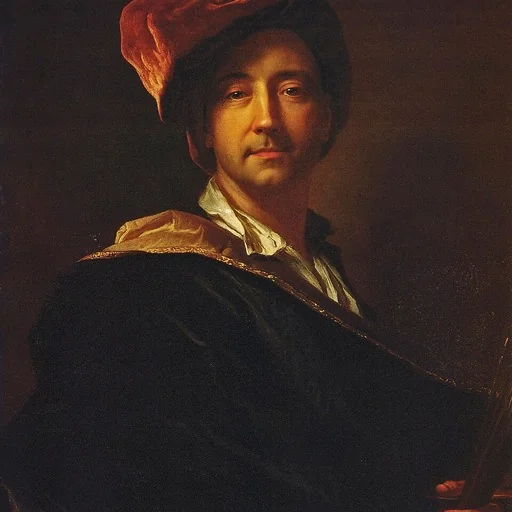
Jacint Rigau-Ros i Serra (Catalan pronunciation: ; 18 July 1659 – 29 December 1743), known in French as Hyacinthe Rigaud (pronounced ), was a Catalan-French baroque painter most famous for his portraits of Louis XIV and other members of…

Museum
Royal Museums of Fine Arts of Belgium
Continue through works from the same source collection.
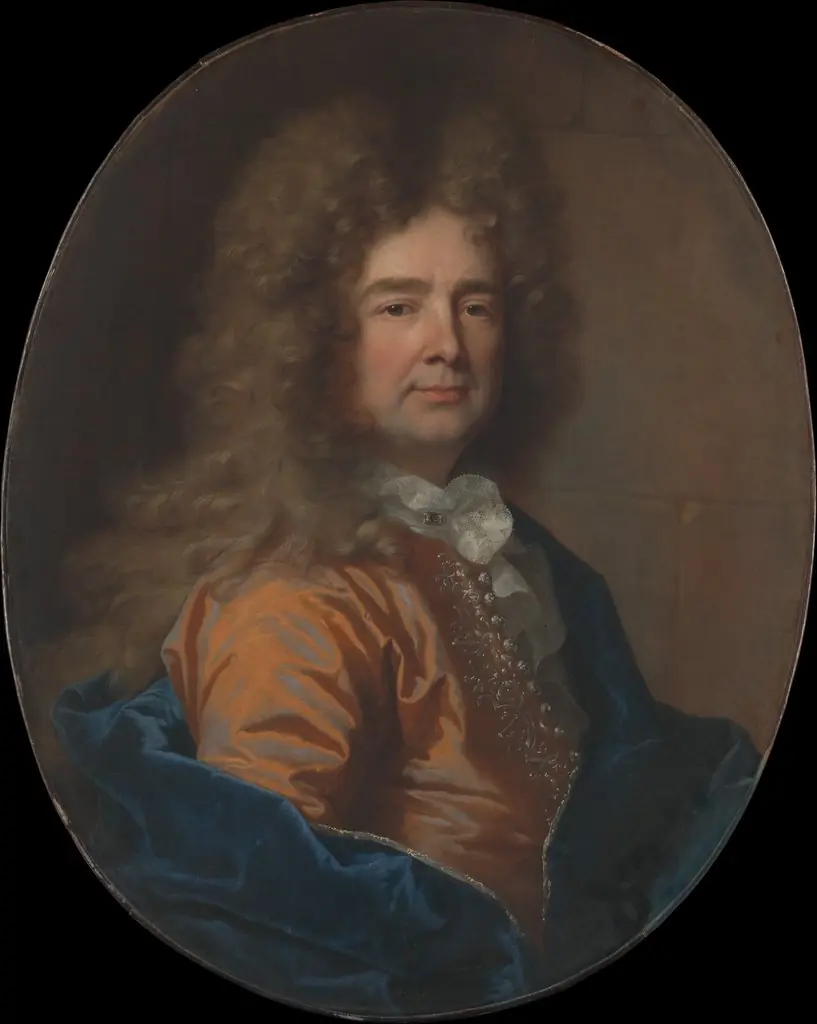
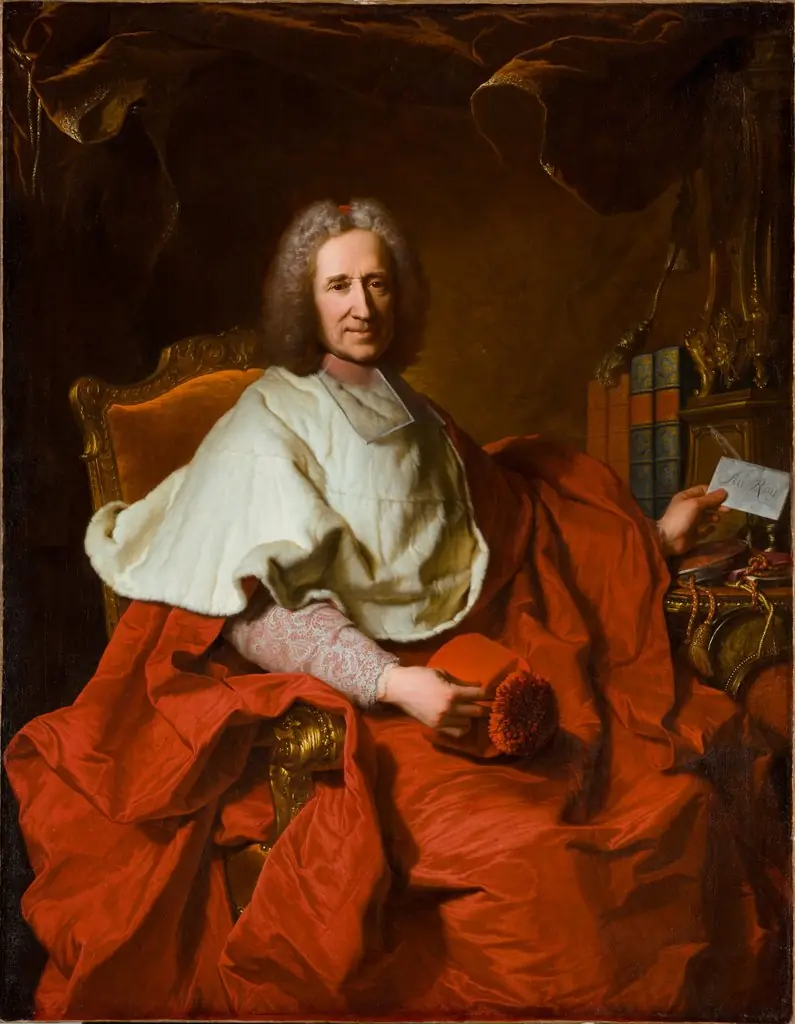
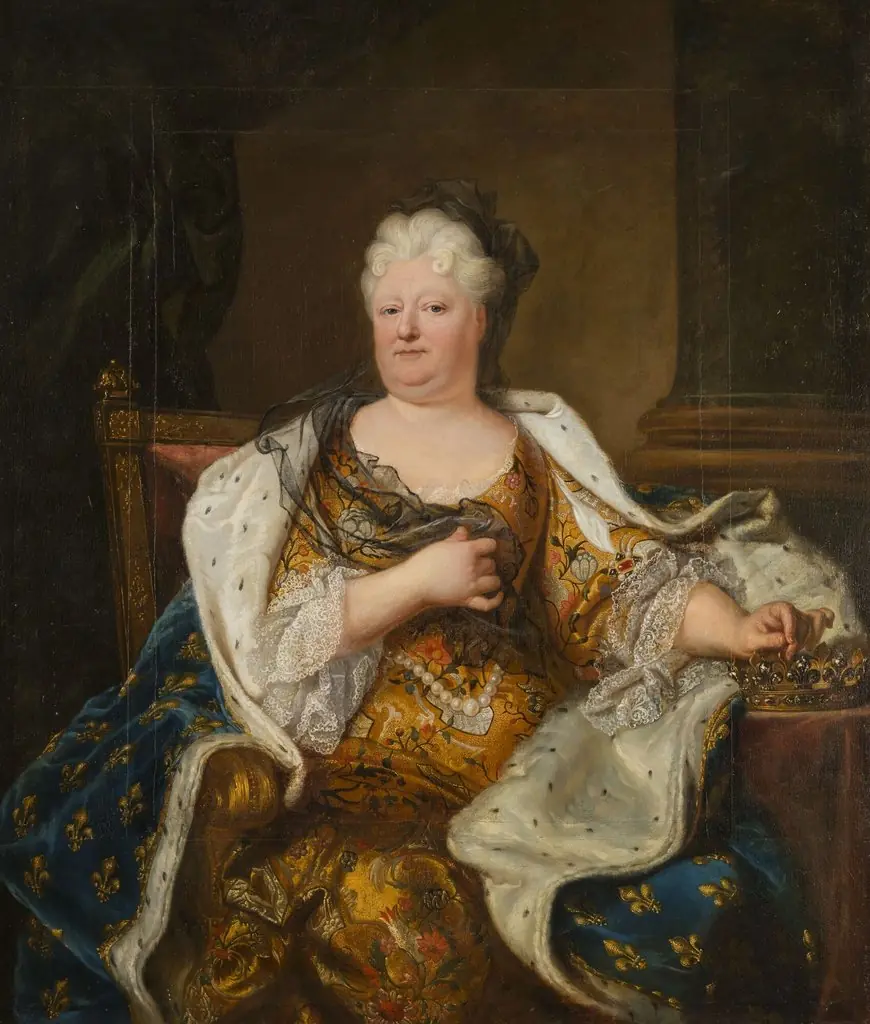
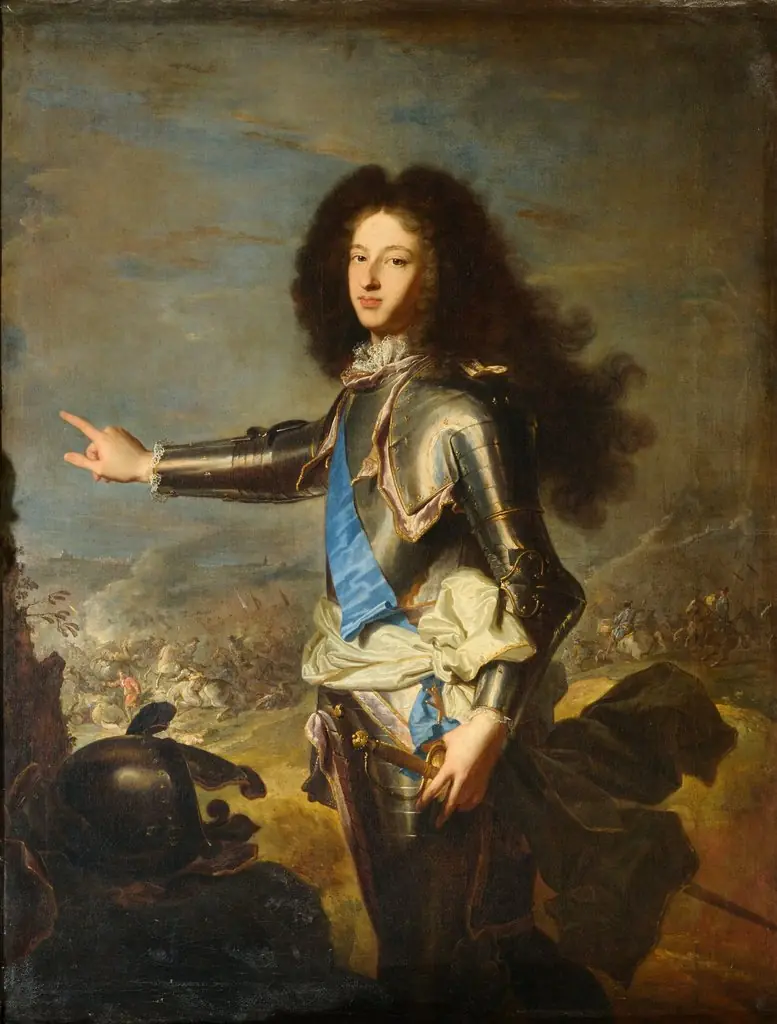
 Porträt des Anne-Jules, Herzog von Noailles (1650-1708)
 Portrait Münchhausen Kopie
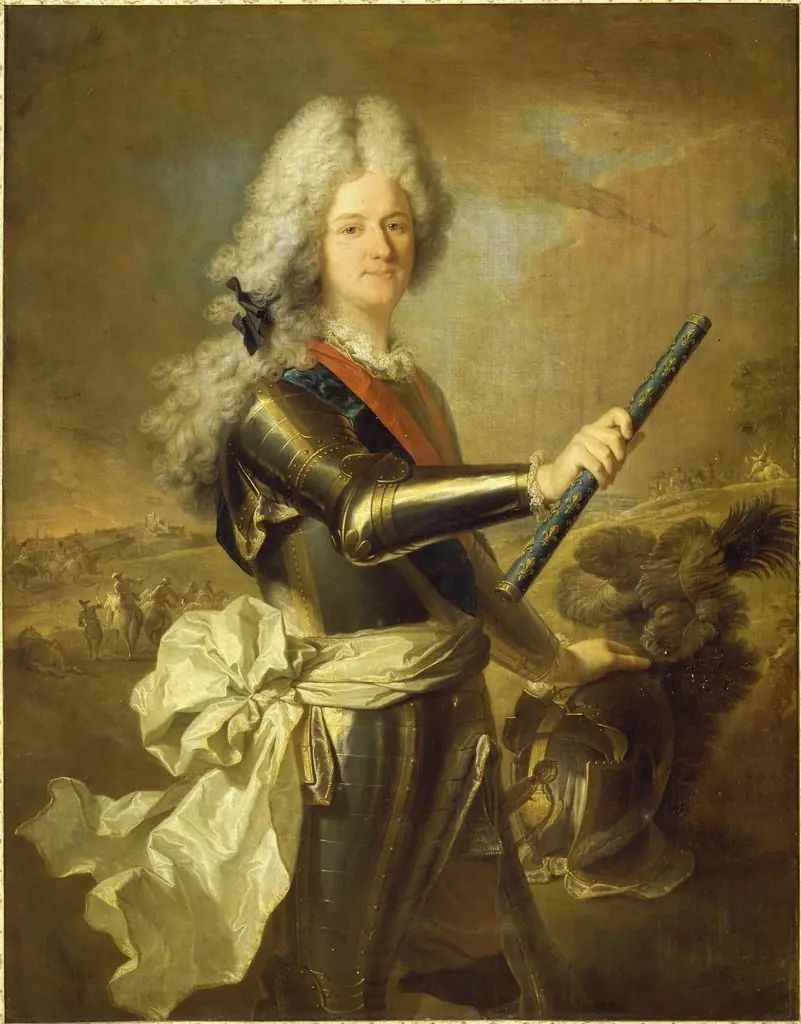 Portrait of James FitzJames, 1st Duke of Berwick (1670-1734)
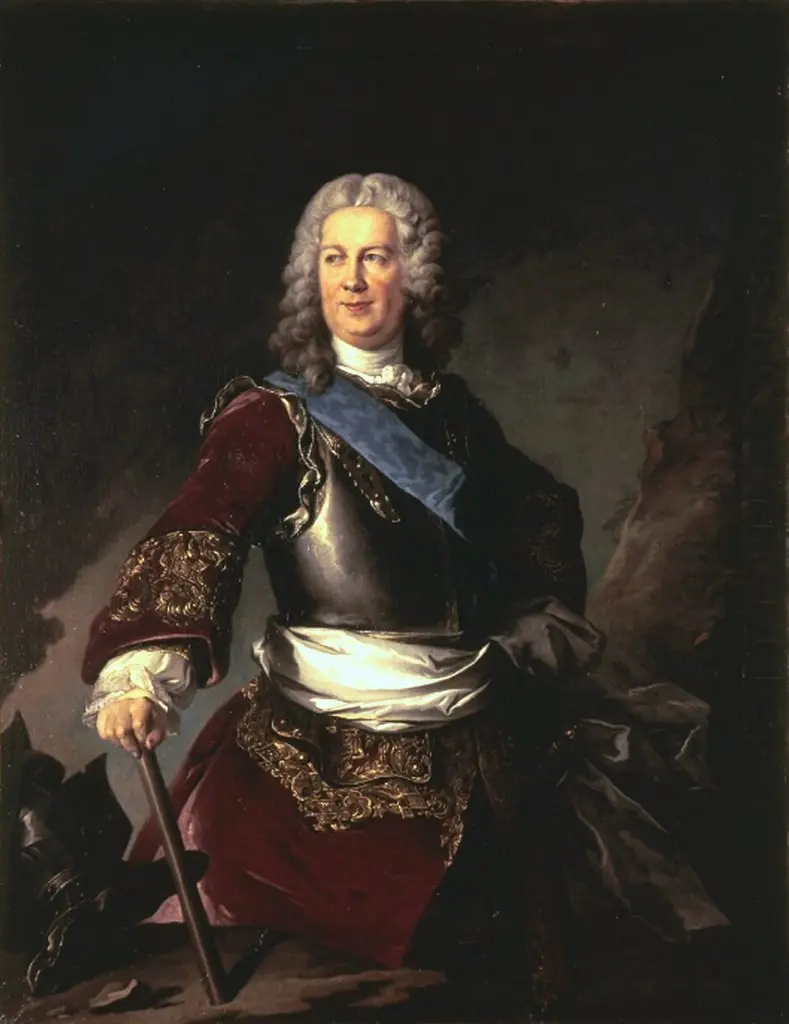 Thomas Goyon de Matignon (1684-1766), comte de Gacé, seigneur de Briquebec, Brigadier des armées du Roi en 1719.
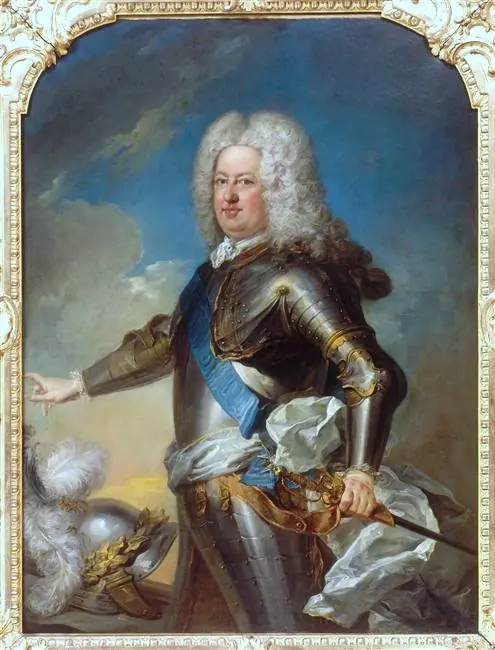 Portrait of Stanisław Leszczyński (1677-1766), King of Poland
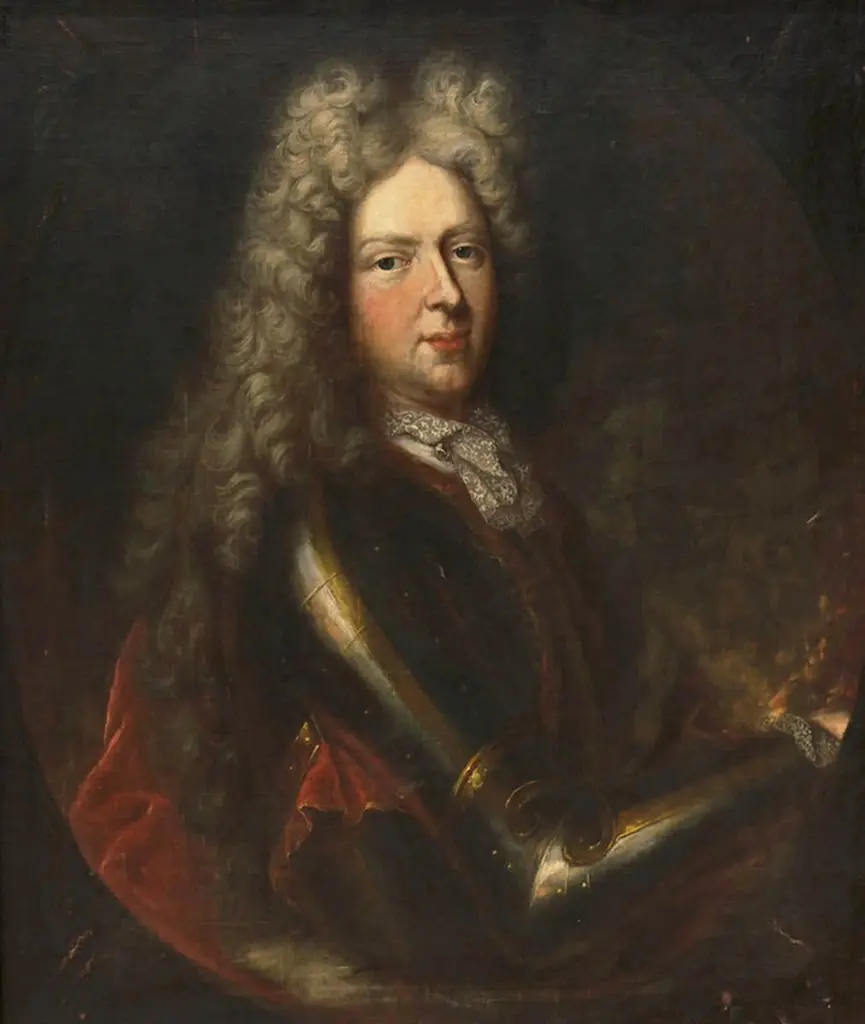 Markgraf Georg Friedrich II von Brandenburg Ansbach
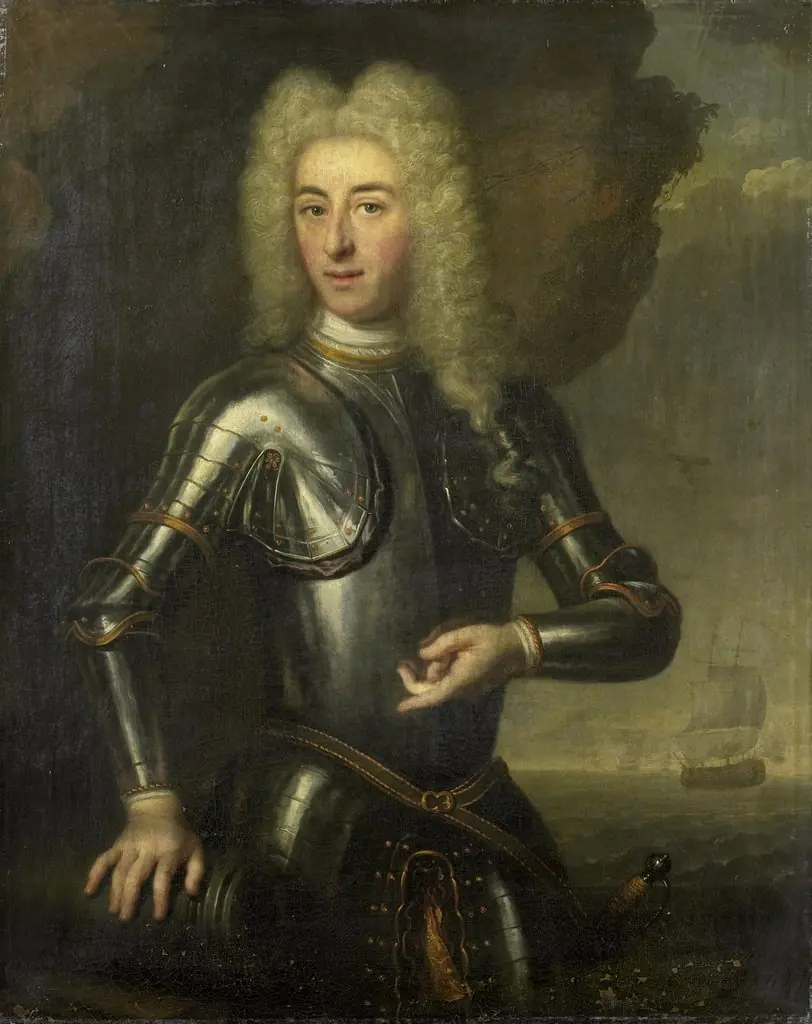 Portrait of Hendrik Lijnslager, Sea Captain with the Admiralty of Amsterdam
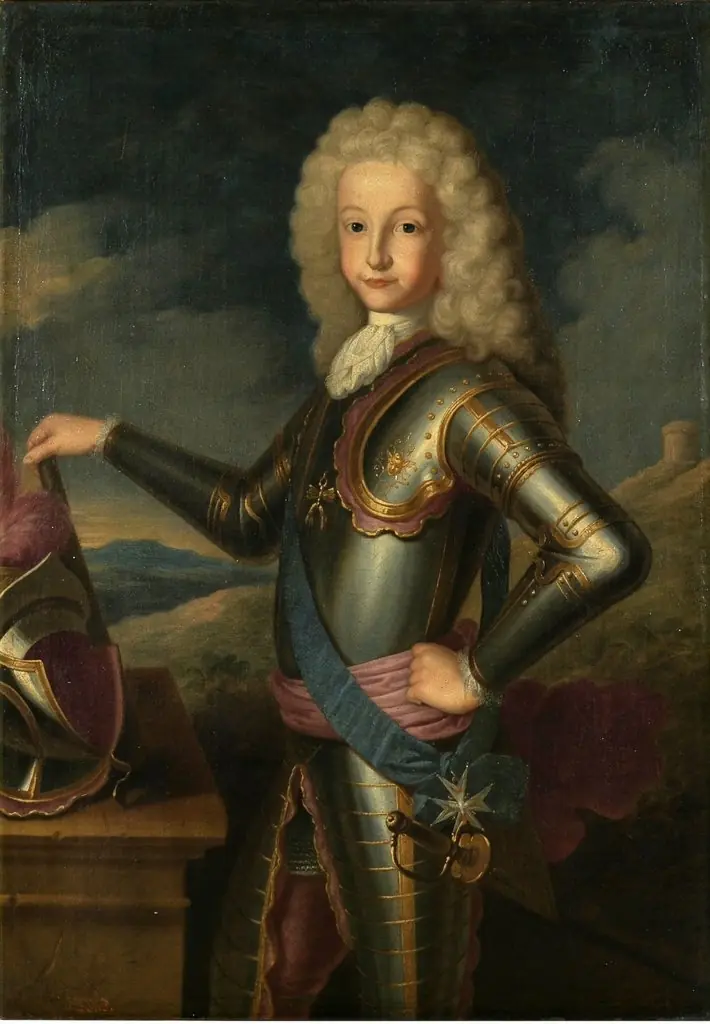 Luis I con armadura a los 10 años
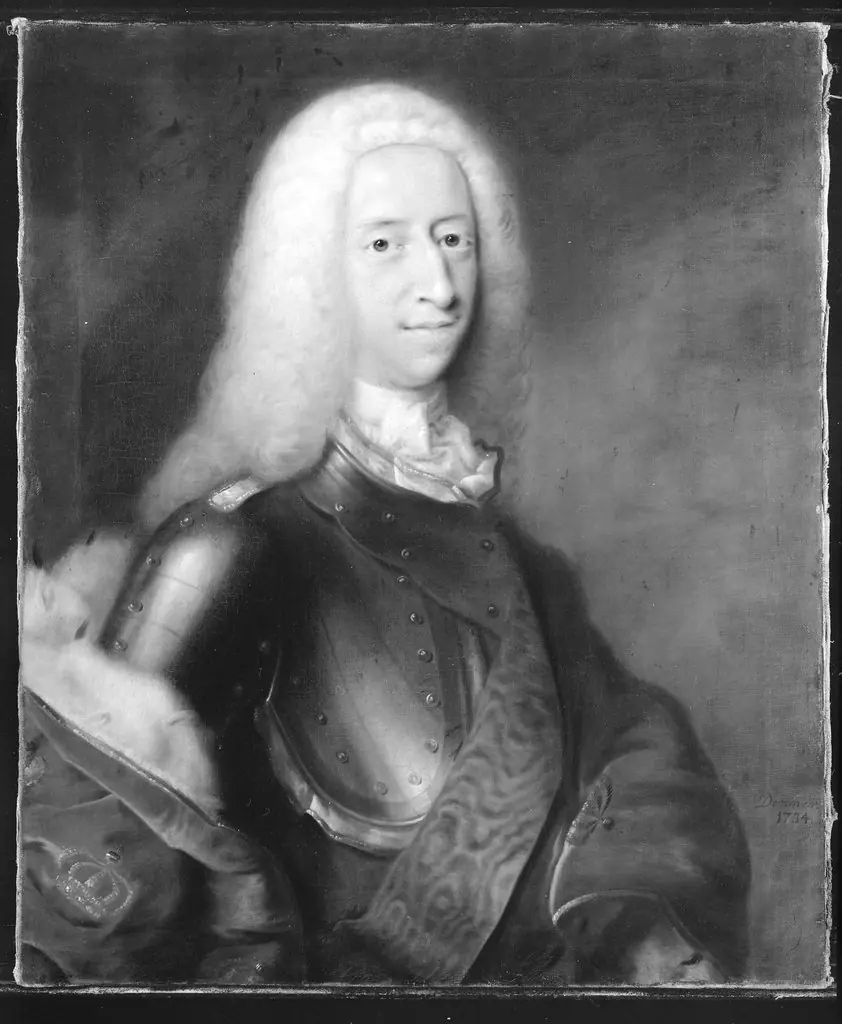 King Christian VI
 King Christian VI