Artwork
Princess Caroline Matilda, Queen of Denmark
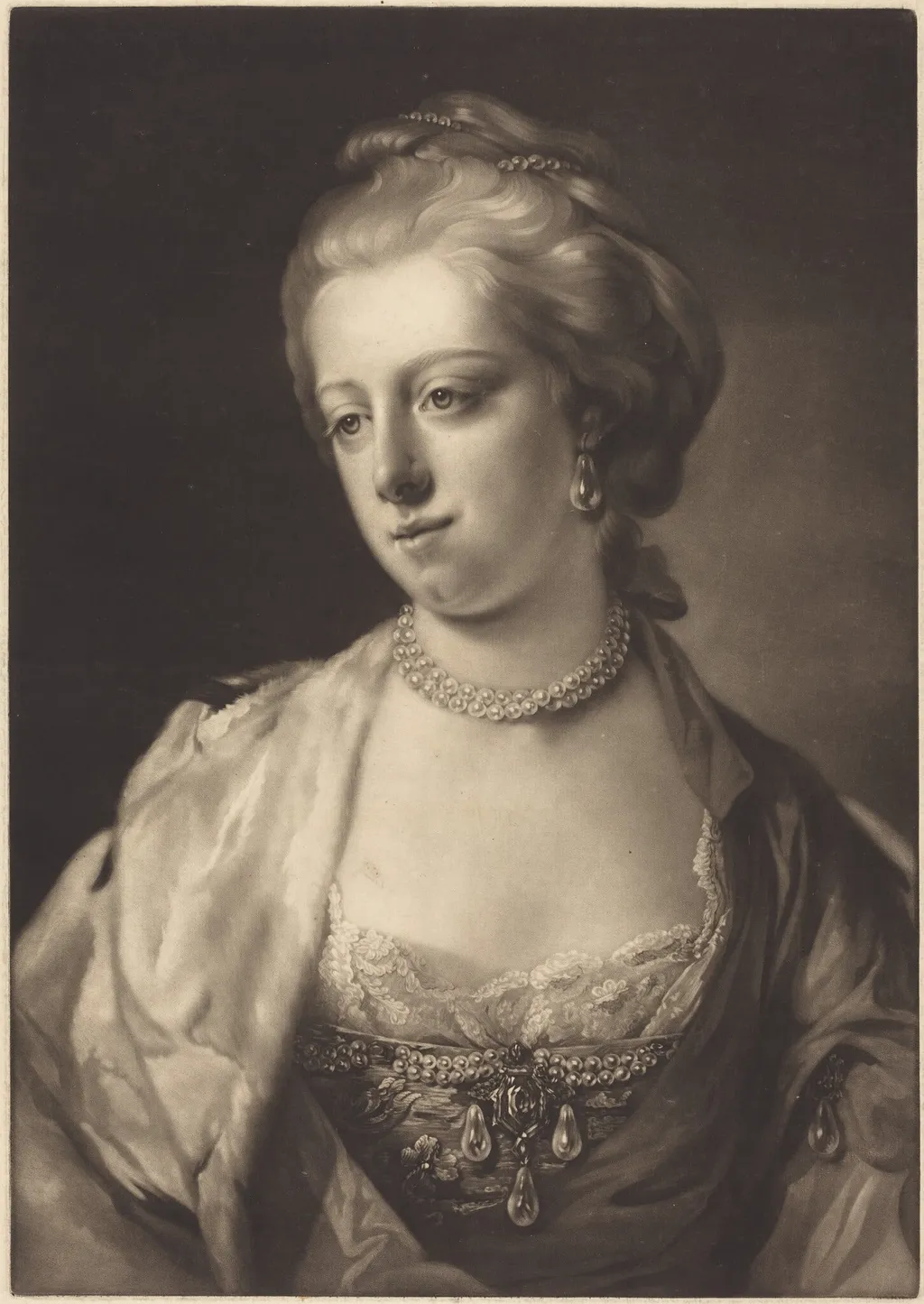
Princess Caroline Matilda, Queen of Denmark is an ink print by the Romanticist artist James Watson. It dates from 1771 and is held in the collection of the National Gallery of Art.
About this work
Overview
A mezzotint on laid paper, created around 1771 by James Watson, depicts Caroline Matilda, Queen of Denmark. The print captures her likeness in a formal portrait, rendered in the tonal richness characteristic of the mezzotint technique. The image is monochromatic, emphasizing texture and light against a deep background to highlight the sitter’s presence.
Subject & Meaning
The portrait serves as a public representation of her status, emphasizing grace over individuality, consistent with courtly conventions of the time.
Caroline Matilda, sister of King George III of England and queen consort to Christian VII of Denmark, is portrayed with quiet dignity. Her composed expression and restrained gestures reflect the expected decorum of royal women in the late 18th century. The portrait serves as a public representation of her status, emphasizing grace over individuality, consistent with courtly conventions of the time.
Technique & Style
Watson employed mezzotint, a printmaking method known for its velvety gradations of tone. The dark background enhances the luminosity of her pale gown and lace, while fine lines define the texture of her jewelry and coiffure. The technique allows subtle transitions between light and shadow, lending a soft, intimate quality to the likeness without overt theatricality.
History & Provenance
The print was made during Caroline Matilda’s tenure as queen, shortly before her political downfall and exile in 1772. Watson, an English engraver, likely based the image on an earlier painting or drawing. As a reproductive print, it circulated among elite audiences, reinforcing her image in Britain and abroad during a period of mounting scandal.
Context
In the 1770s, royal portraiture often prioritized symbolic authority over personal expression. Mezzotints like this one were widely distributed, serving as tools of political and dynastic visibility. Though Caroline Matilda’s later life was marked by controversy, this image preserves the formal ideal of queenship before her fall from favor.
Legacy
The print remains a documented example of British reproductive engraving in the late 18th century. It reflects the transnational circulation of royal imagery and the role of print in shaping public perception of foreign royalty. Though not widely known today, it contributes to the visual record of a queen whose life was shaped by court intrigue and political upheaval.
Artist & collection


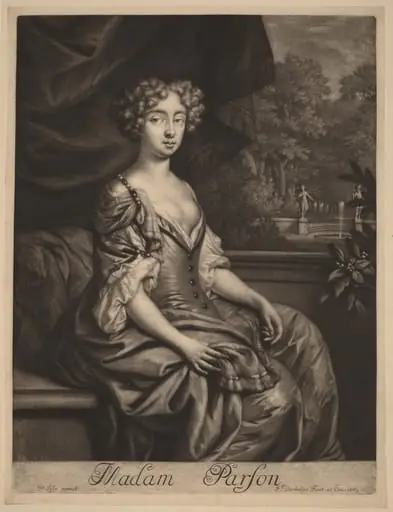 Madam Parson
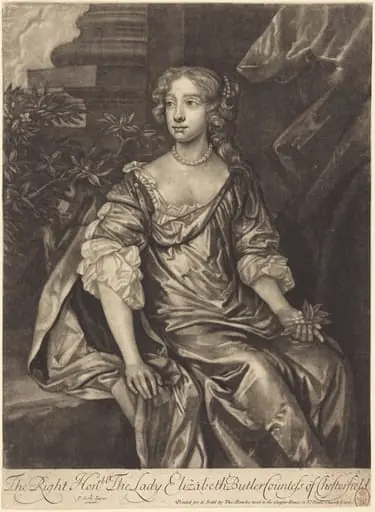 The Right Honorable Lady Elizabeth Butler, Countess of Chesterfield
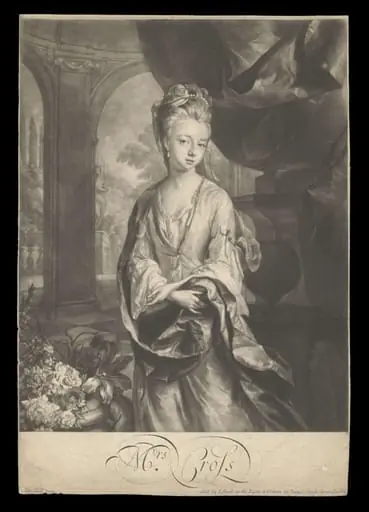 H Beard Print Collection
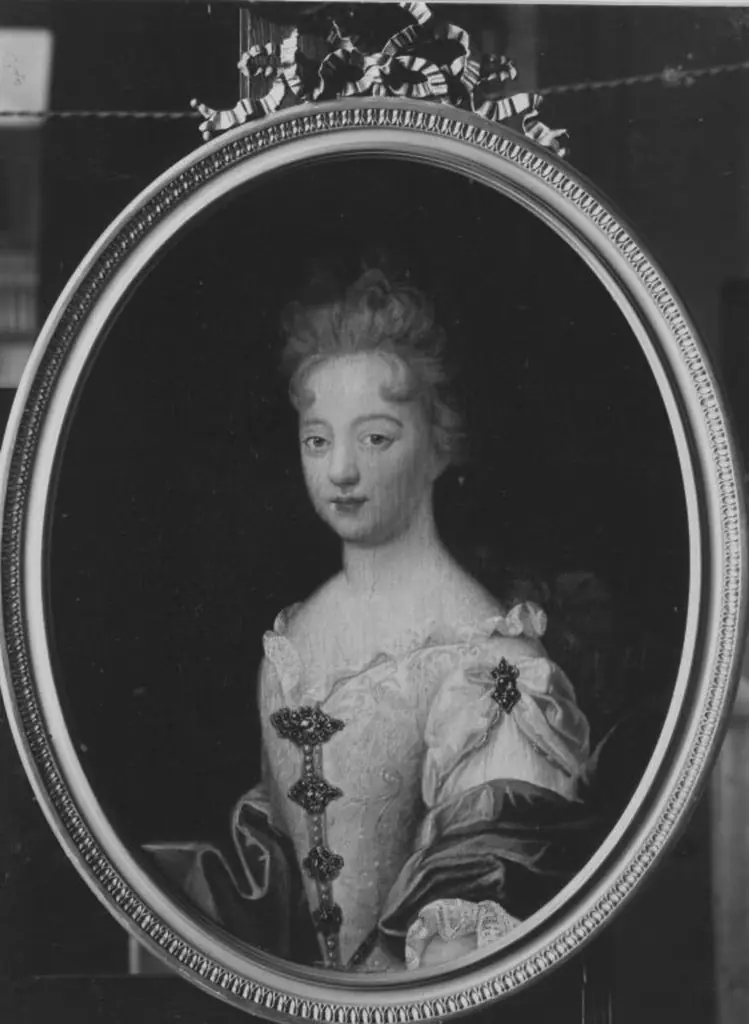 Bildnis einer jungen Prinzessin
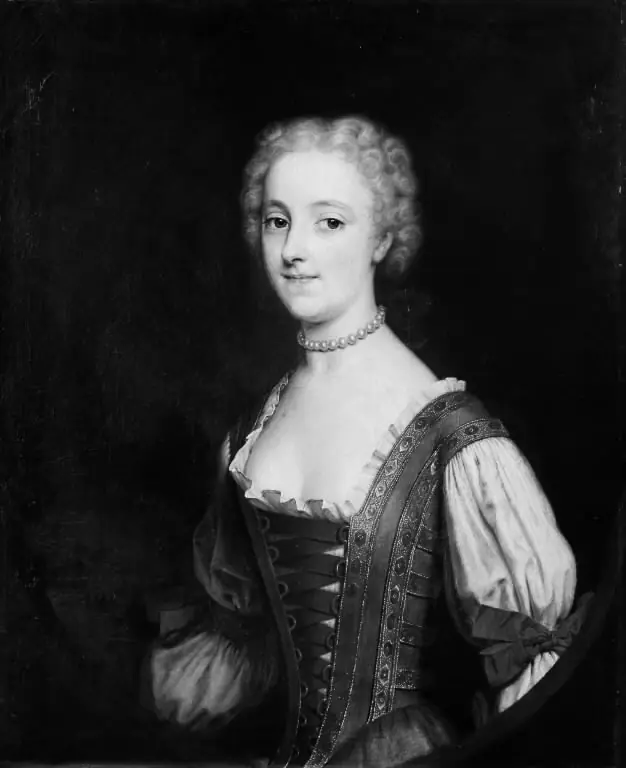 Dame i ungarsk dragt
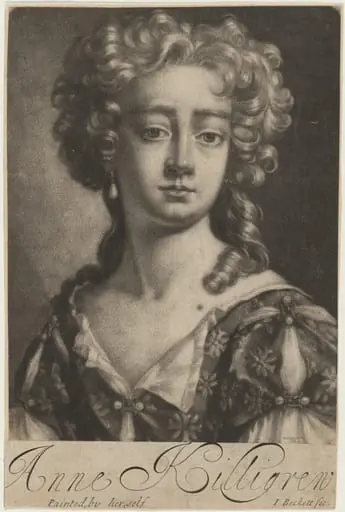 Mrs. Anne Killigrew
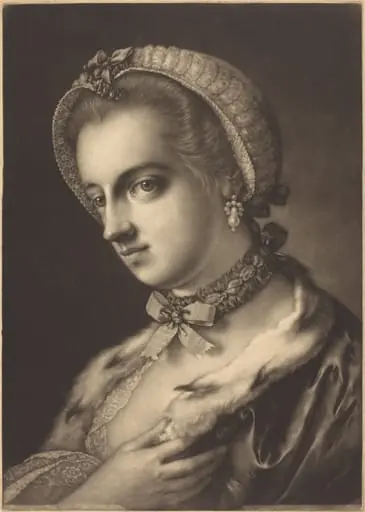 Imaginary Portrait of an English Beauty
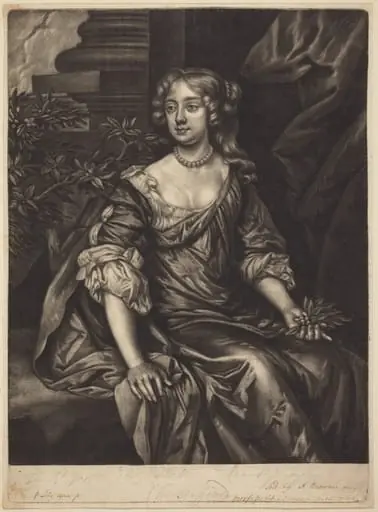 The Right Honorable Lady Elizabeth Butler, Countess of Chesterfield
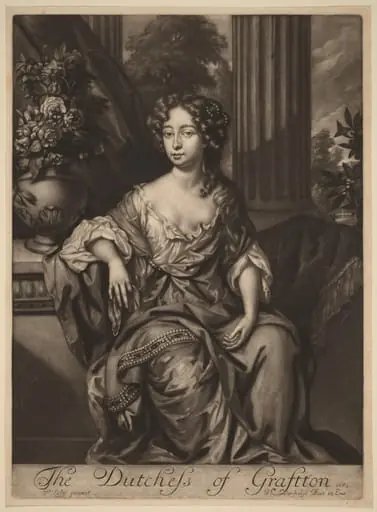 The Duchess of Grafton
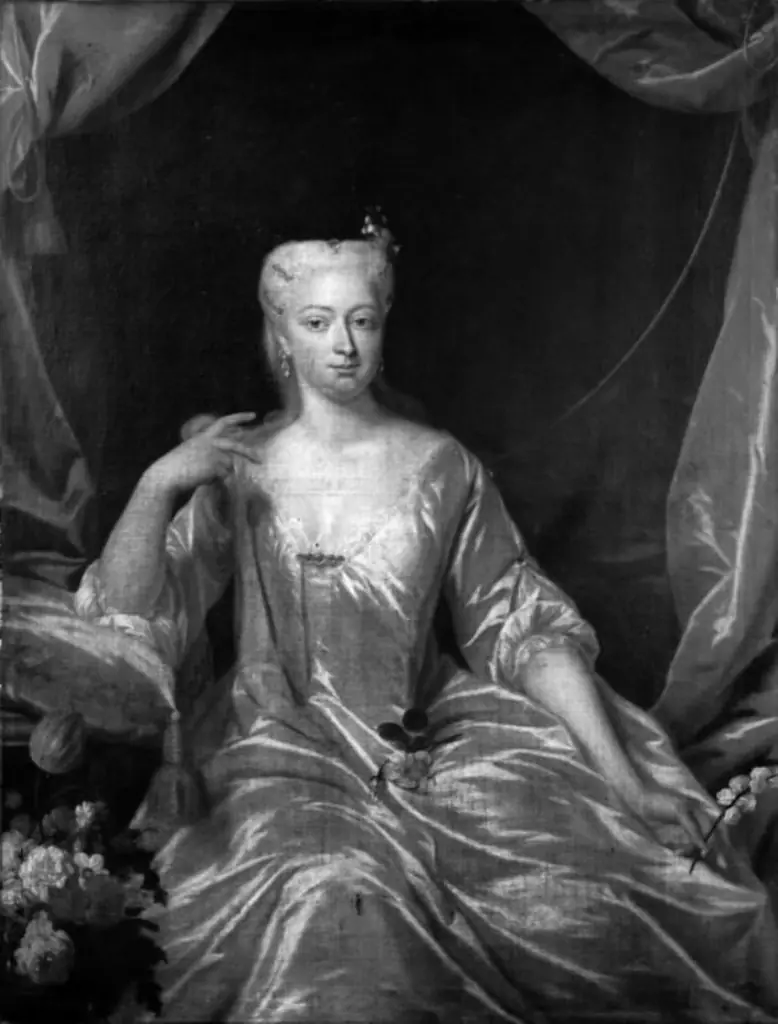 Vilhelm IV af Oraniens gemalinde Anna, datter af Georg II
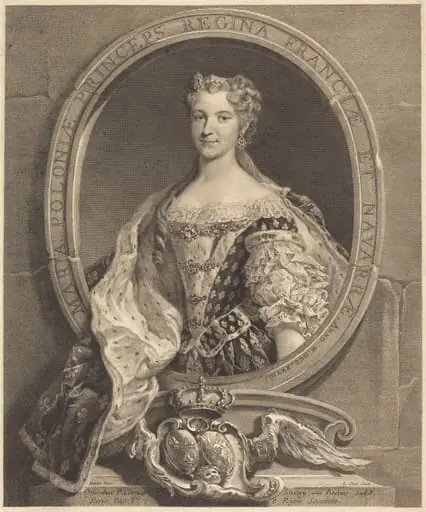 Marie Leszczynska of Poland, Queen of France
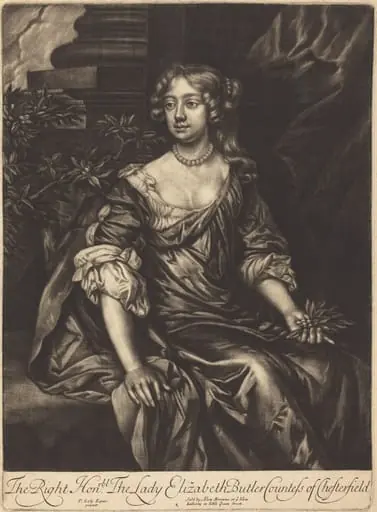 The Right Honorable Lady Elizabeth Butler, Countess of Chesterfield