Artwork
Orchid Pavilion Gathering; Autumn Harvest Festival
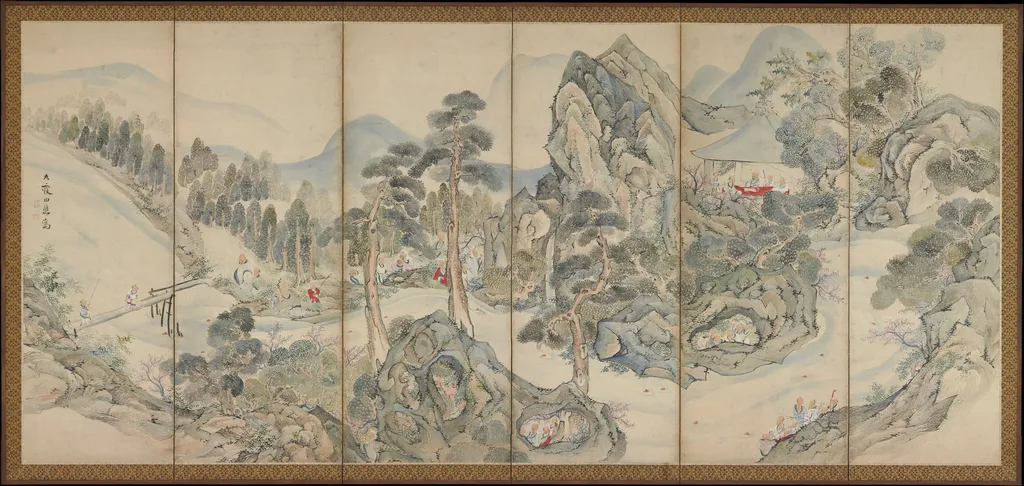
Orchid Pavilion Gathering; Autumn Harvest Festival is an unspecified painting by Ike no Taiga. It dates from 1763 and is held in the collection of the Metropolitan Museum of Art.
About this work
Overview
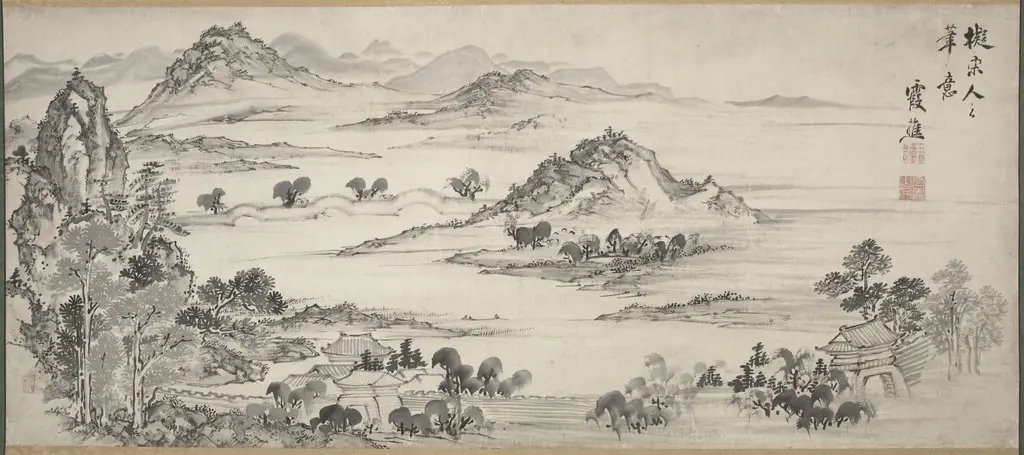
Executed in ink and light color on paper, the work unfolds as a continuous landscape, blending narrative and topography.
Created in 1763 by Ike no Taiga, this handscroll depicts two distinct seasonal scenes: the Orchid Pavilion Gathering, a classical Chinese literary event, and an Autumn Harvest Festival. Executed in ink and light color on paper, the work unfolds as a continuous landscape, blending narrative and topography. Taiga, a Kyoto-based artist, fused Chinese literati traditions with Japanese sensibilities, crafting a visual poem that moves from contemplative solitude to communal activity.
Subject & Meaning
The painting juxtaposes two culturally resonant themes: the scholarly retreat of the Orchid Pavilion, associated with poets of the Jin dynasty, and the rural festivity of autumn harvest. These scenes reflect the literati ideal of balancing intellectual refinement with harmony in nature. The figures—tiny yet distinct—engage in quiet observation, fishing, or celebration, suggesting a rhythm of life attuned to seasonal cycles and cultural memory.
Technique & Style
Taiga employed a soft palette of muted blues, greens, and browns, with subtle accents of red in boats and garments. Brushwork varies from delicate ink washes for distant mountains to precise lines defining figures and architecture. The composition is elongated and horizontal, designed for sequential viewing, inviting the viewer to journey through the landscape. Details are rendered with restraint, emphasizing atmosphere over spectacle.
History & Provenance
The painting was produced during Taiga’s mature period, when he was deeply engaged with Kyoto’s literati circles and corresponded with scholars and artists across Japan. It likely circulated among collectors who valued the fusion of Chinese literary themes with Japanese aesthetic sensibilities. Its survival in good condition suggests it was carefully preserved, possibly within a private collection before entering institutional hands.
Context
In 18th-century Japan, the bunjinga movement flourished as educated elites sought cultural legitimacy through Chinese-inspired art. Taiga, though Japanese, drew from Tang and Song dynasty models, reinterpreting them through local observation. This work reflects a broader trend: the adaptation of classical Chinese motifs to express contemporary ideals of refinement, solitude, and seasonal awareness among Japan’s scholarly class.
Legacy
Taiga’s integration of Chinese literary themes with Japanese landscape painting influenced later generations of literati artists. His ability to convey narrative depth through subtle detail and spatial rhythm set a standard within the bunjinga tradition. While not widely exhibited, this scroll remains a key example of how Edo-period artists reimagined classical models to articulate a uniquely Japanese cultural identity.
Artist & collection
Artist
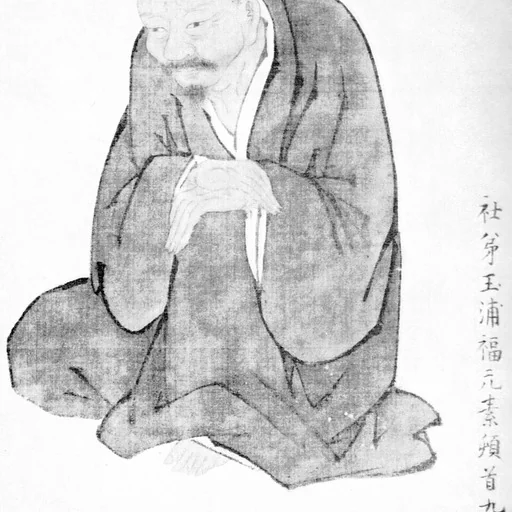
Ike no Taiga (池大雅; June 6, 1723, in Kyōto, Japan — May 30, 1776, in Kyōto) was a Japanese painter and calligrapher born in Kyoto during the Edo period.

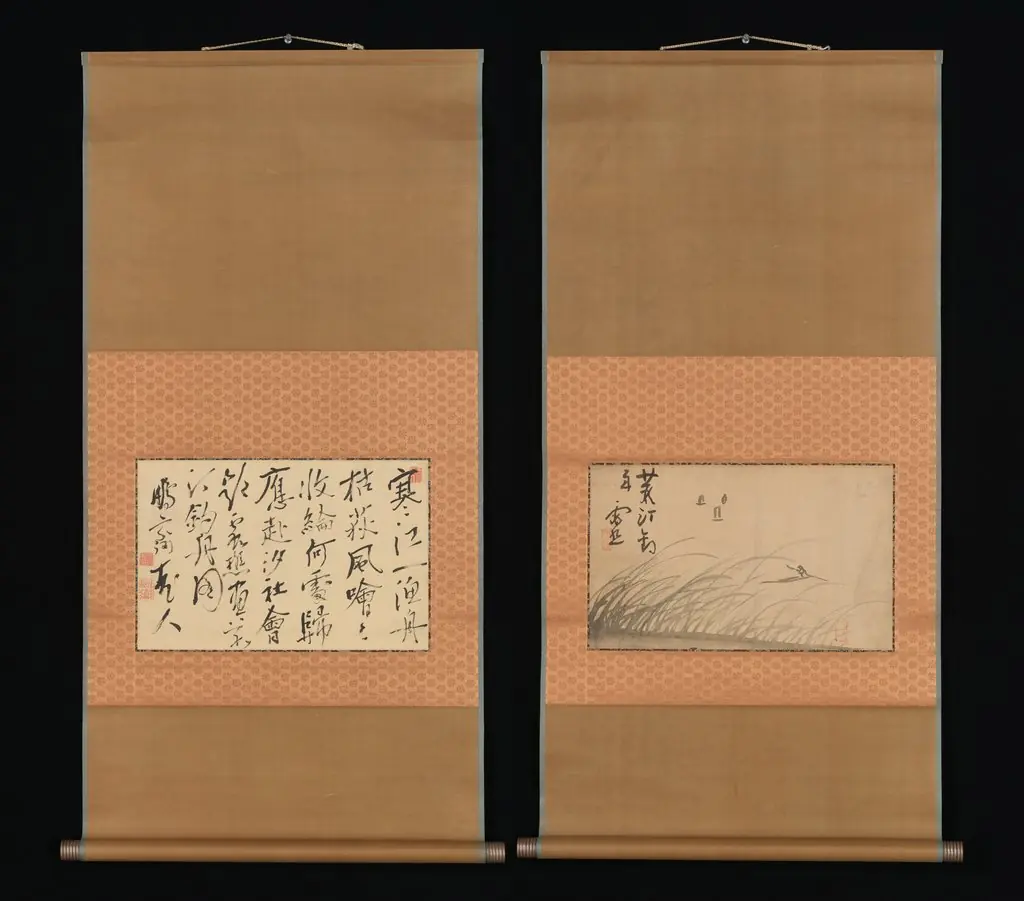
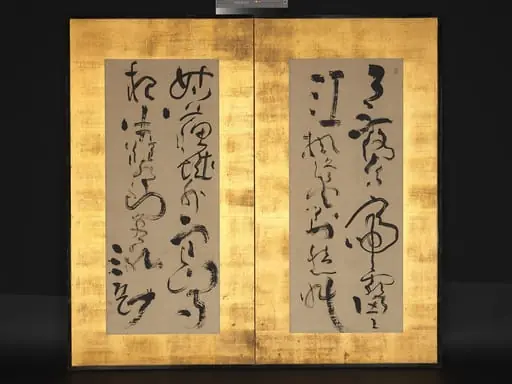
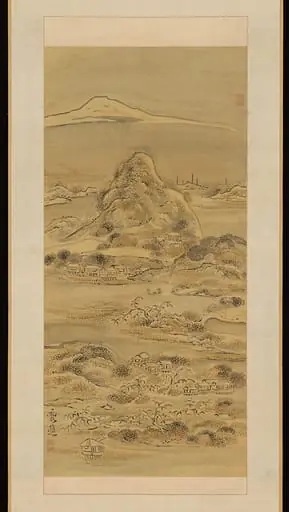
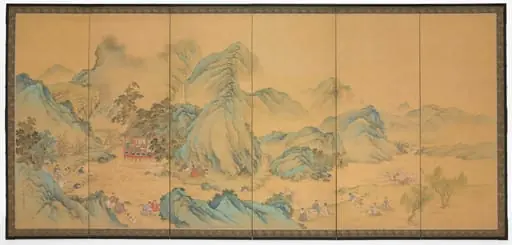 The Gathering at the Orchid Pavilion (front); Geese among Reeds (back)
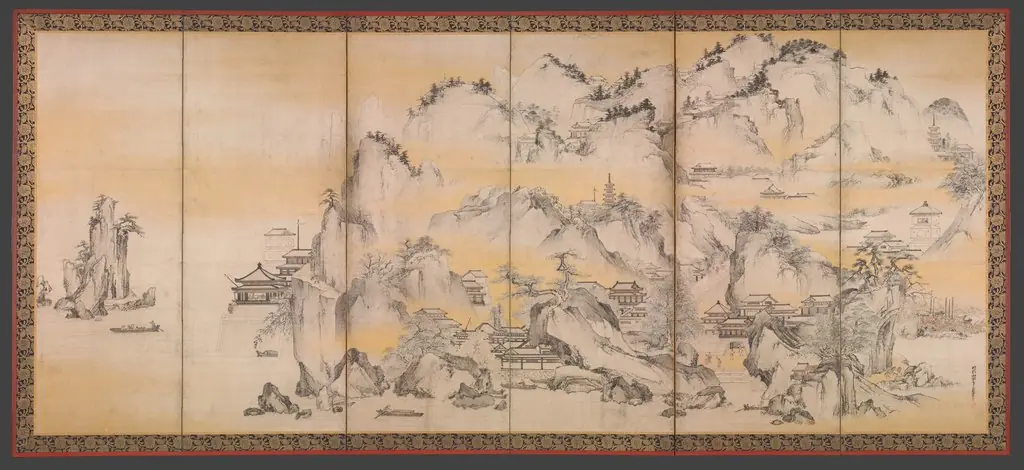 Jinshan Island and West Lake
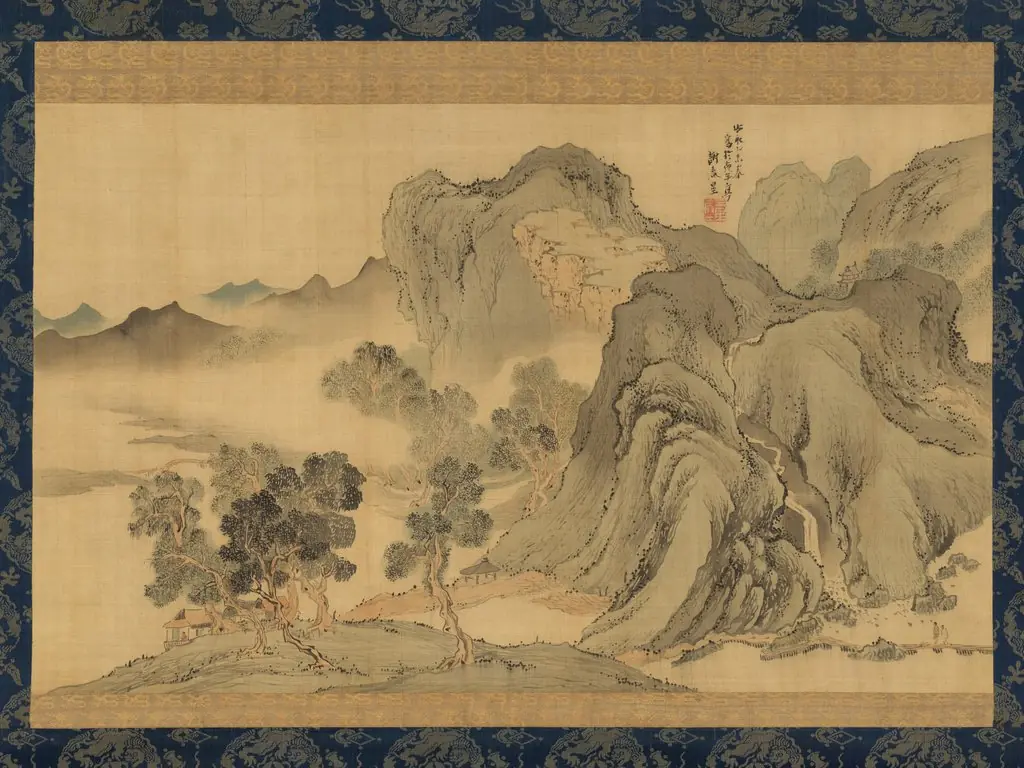 Landscape in Light Colors
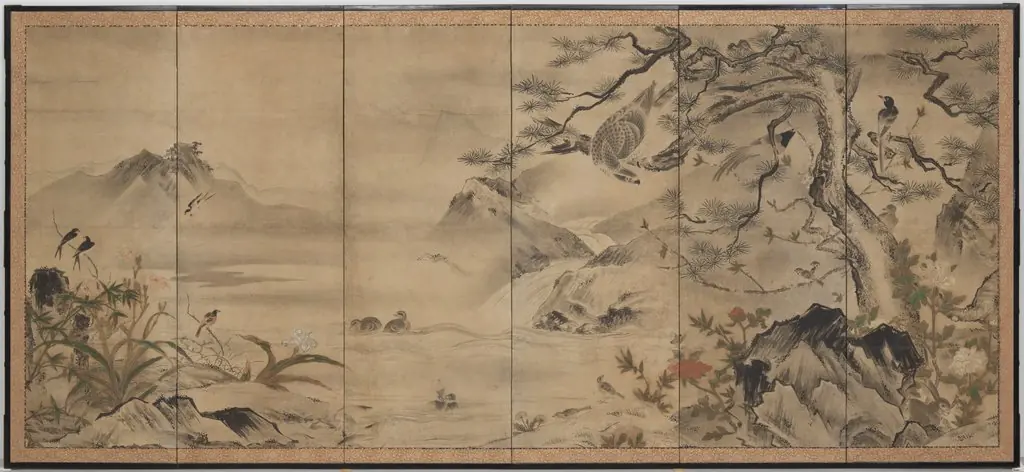 Flowers and Birds
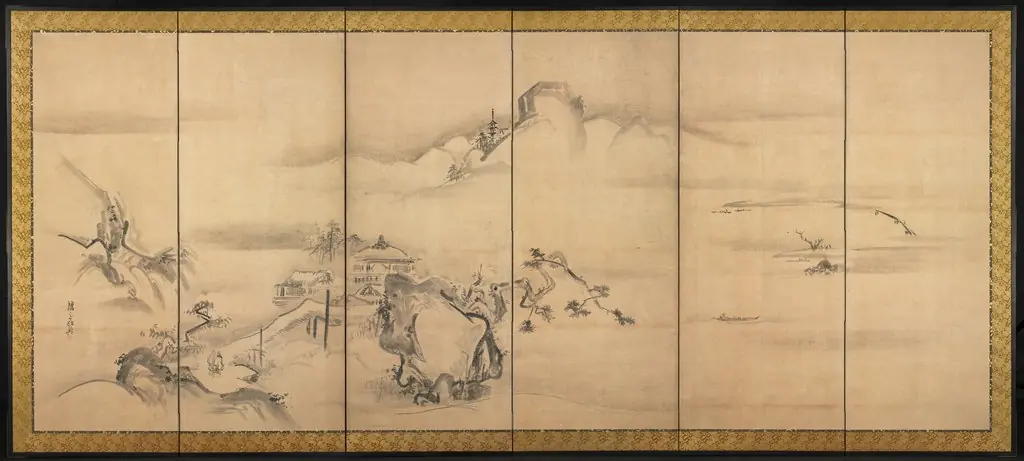 Eight Views of the Xiao and Xiang Rivers
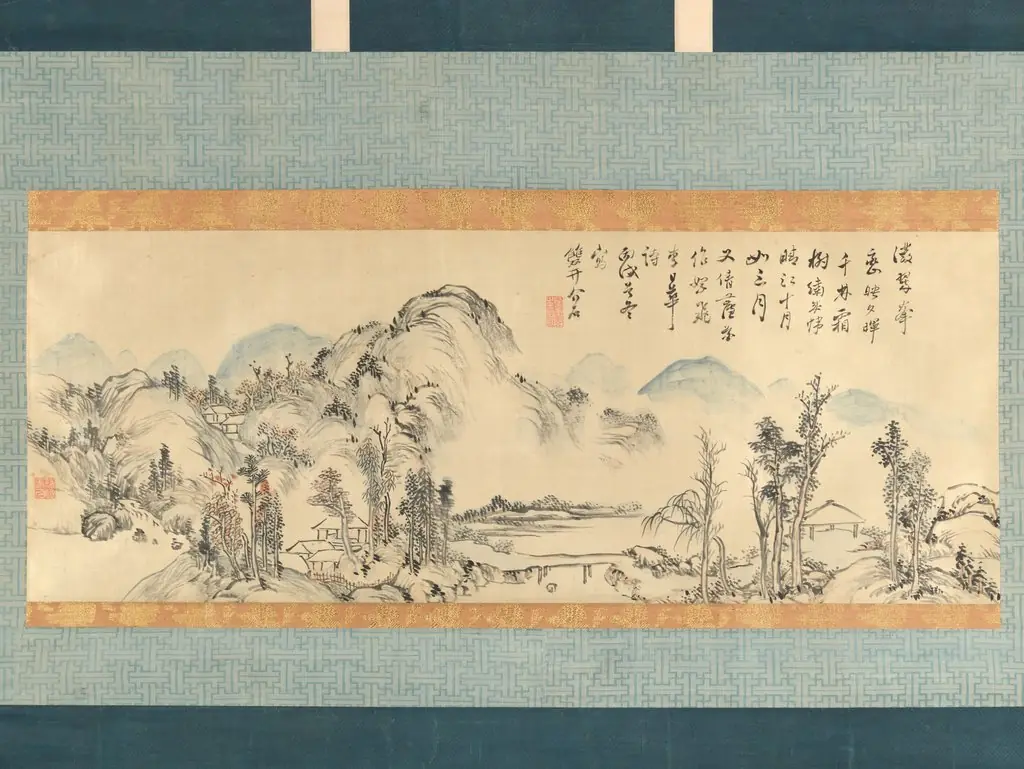 Green Peaks
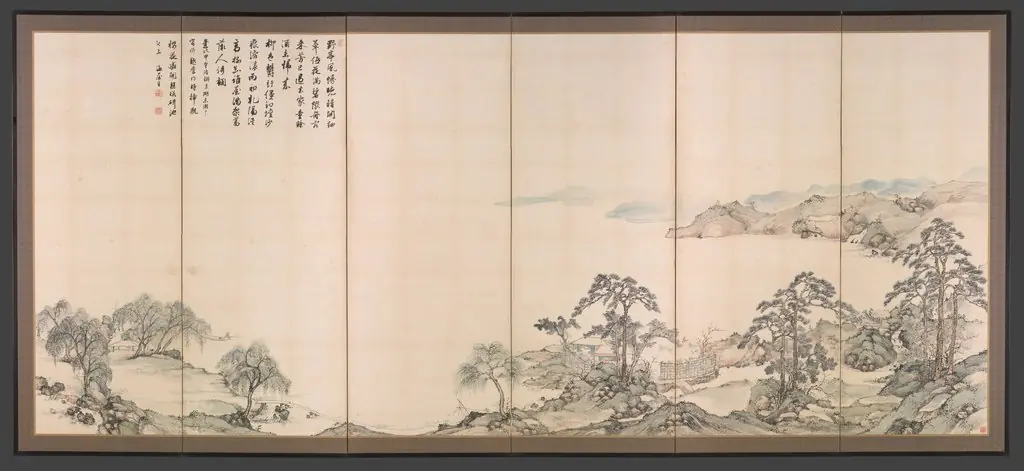 Lake Biwa in Four Seasons
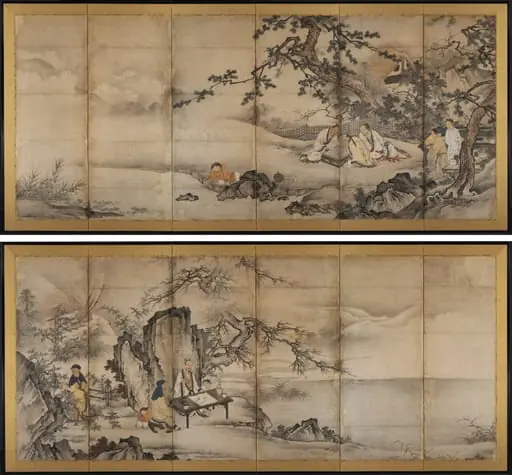 The Four Accomplishments
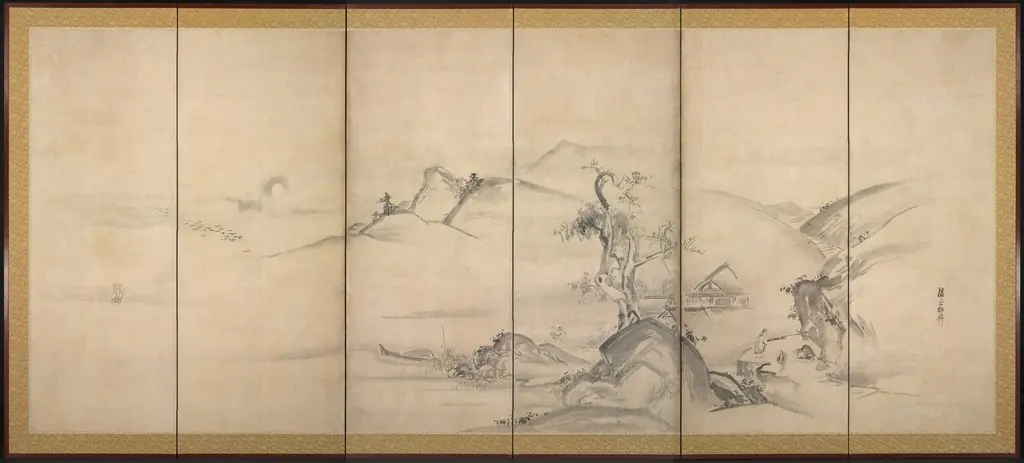 Eight Views of the Xiao and Xiang Rivers
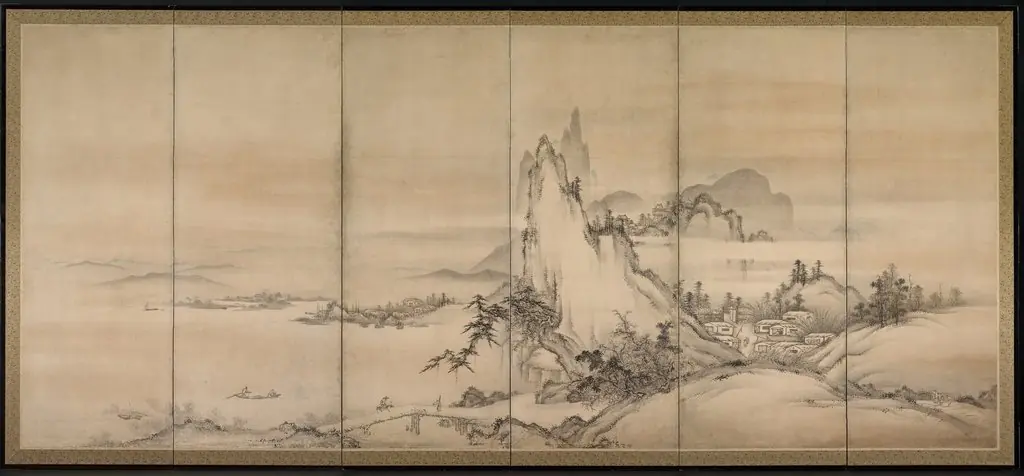 Chinese Landscape
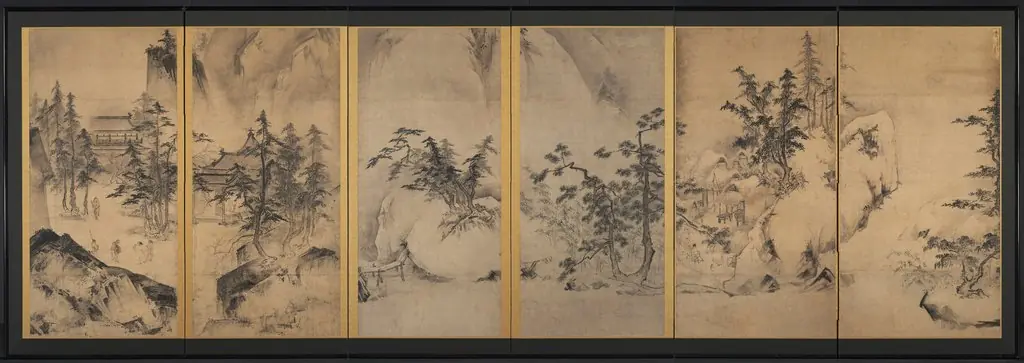 Winter and Spring Landscape
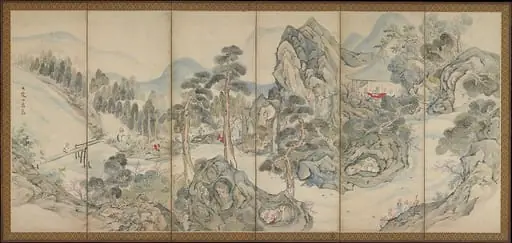 池大雅筆 蘭亭曲水図屏風 秋社図屏風|Orchid Pavilion Gathering; Autumn Harvest Festival