Artwork
池大雅筆 蘭亭曲水図屏風 秋社図屏風|Orchid Pavilion Gathering; Autumn Harvest Festival
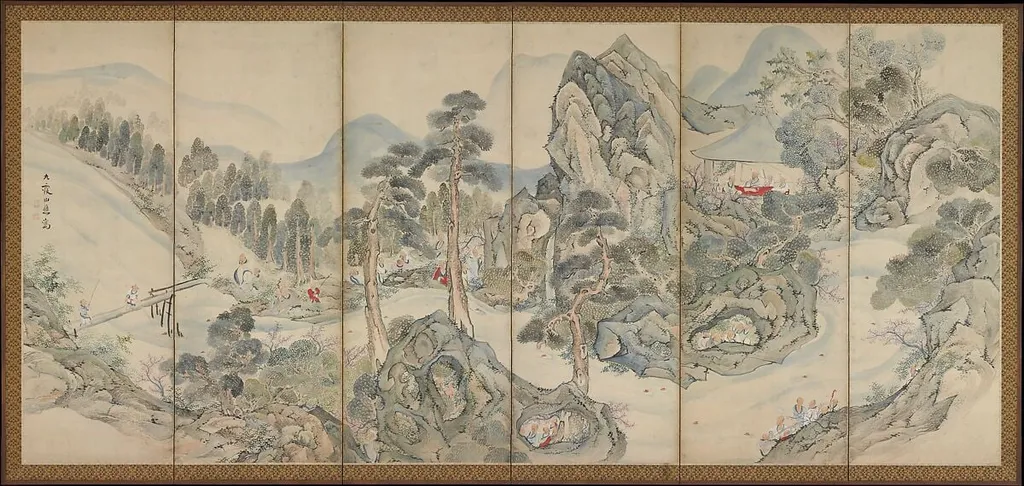
池大雅筆 蘭亭曲水図屏風 秋社図屏風|Orchid Pavilion Gathering; Autumn Harvest Festival is an ink painting by the Baroque artist Ike no Taiga. It dates from 1763 and is held in the collection of the Metropolitan Museum of Art.
About this work
Overview
The Metropolitan Museum of Art holds this work, which exemplifies the Edo-period fusion of Chinese literary themes with Japanese aesthetic sensibilities.
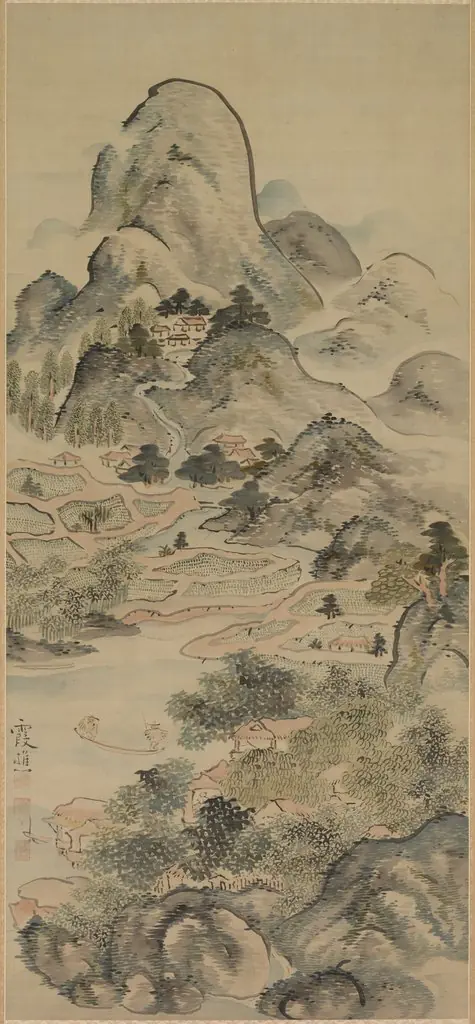
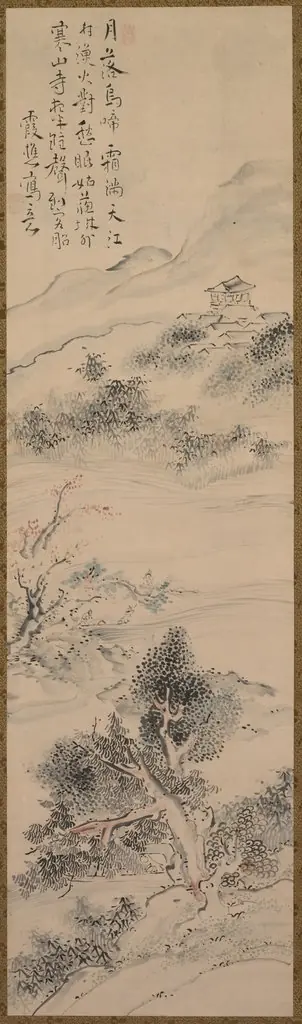
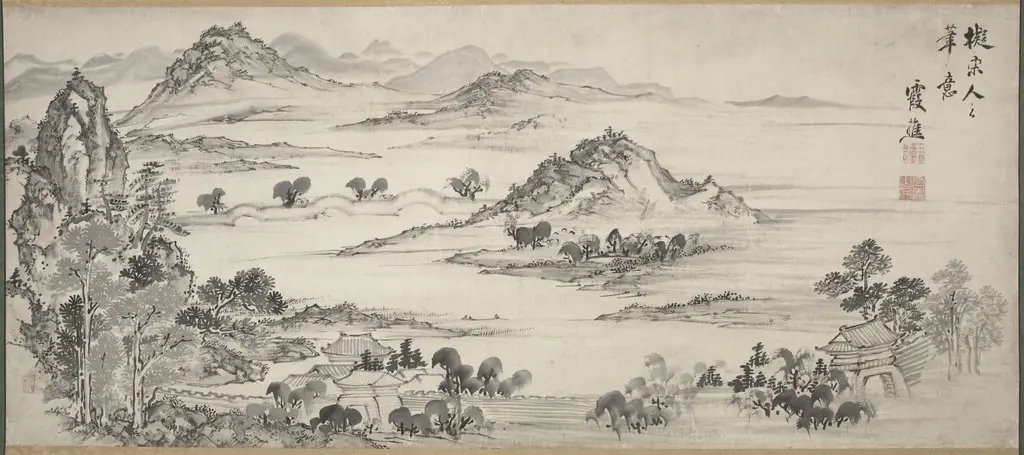
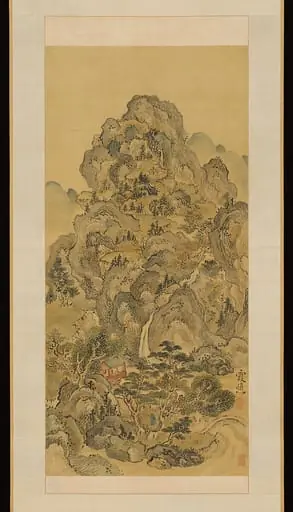
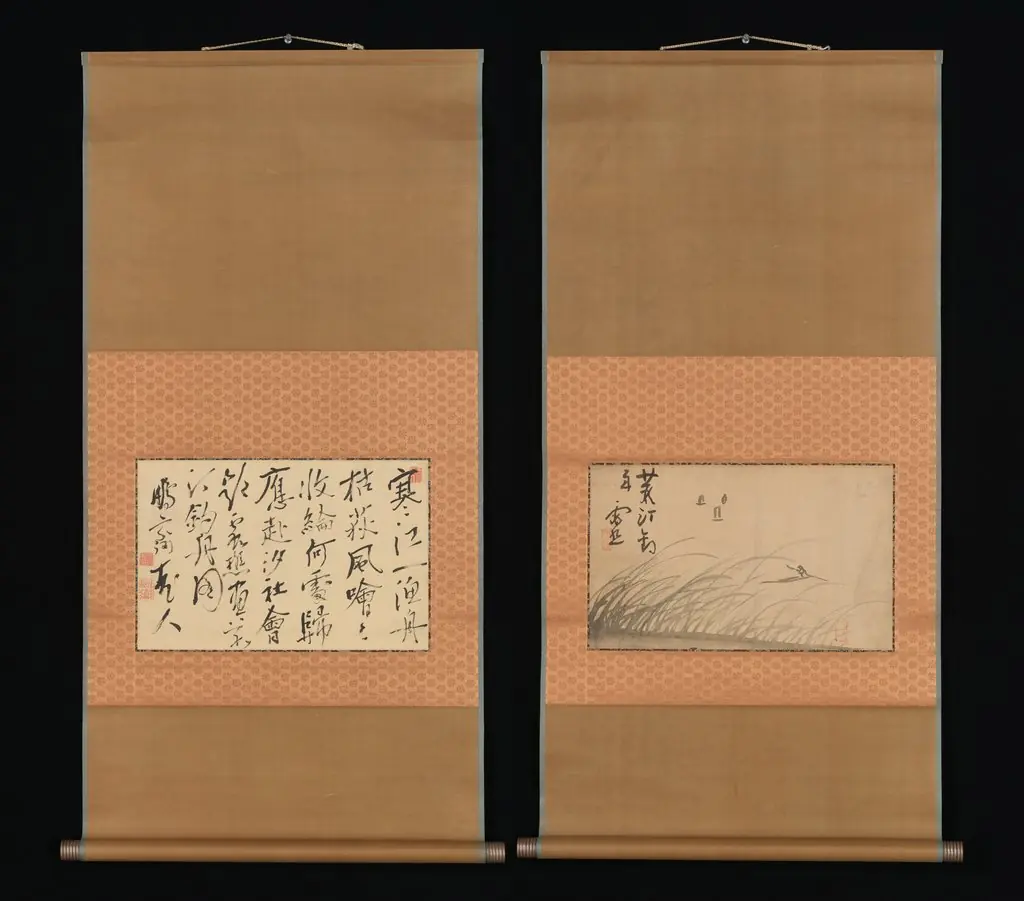
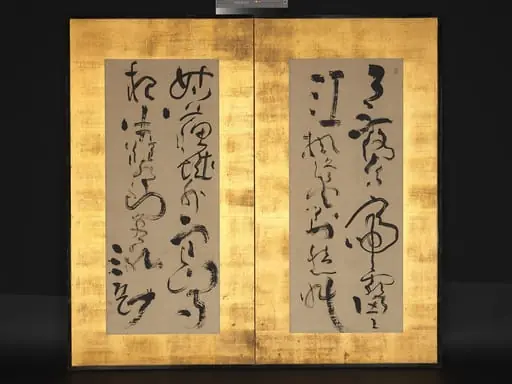
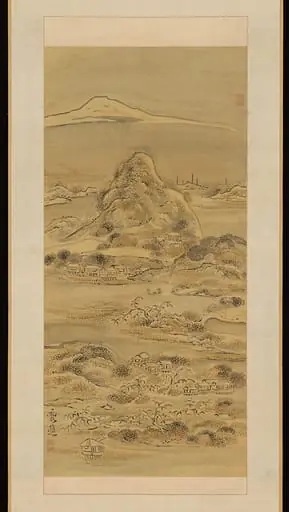
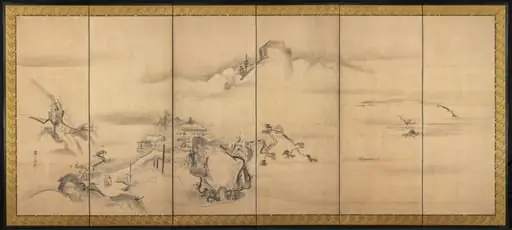
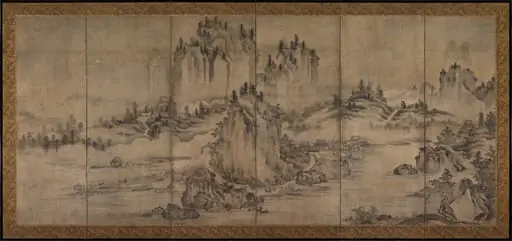
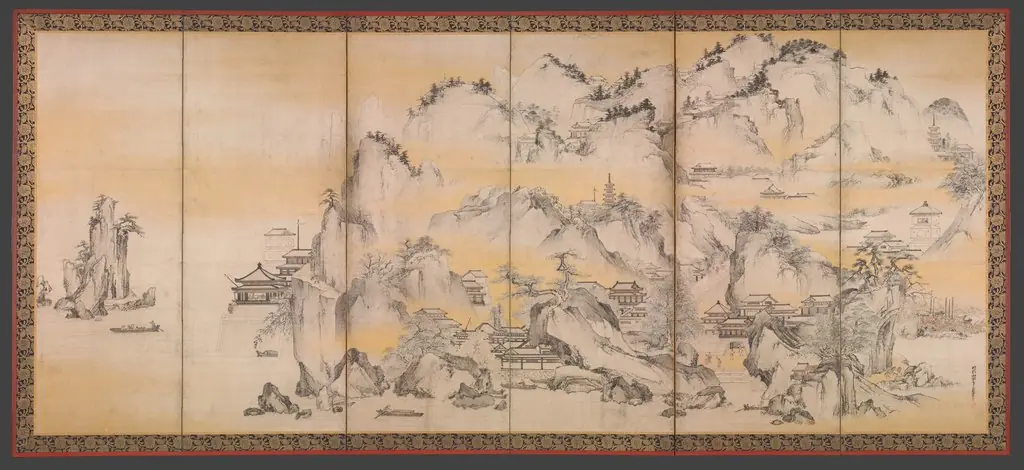
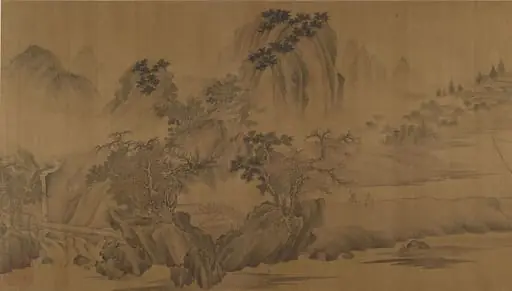
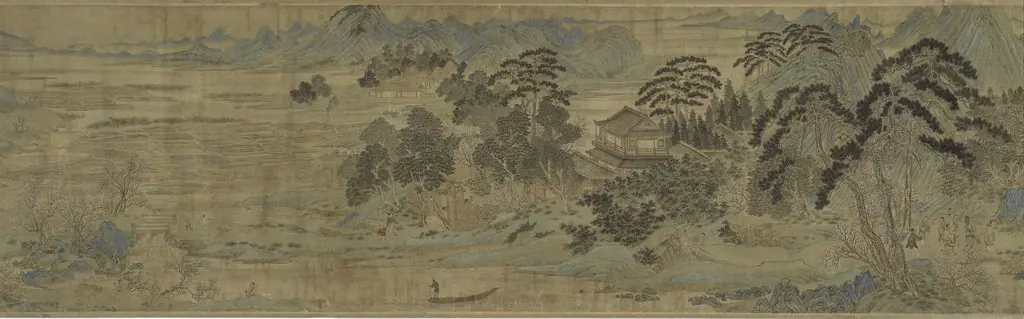
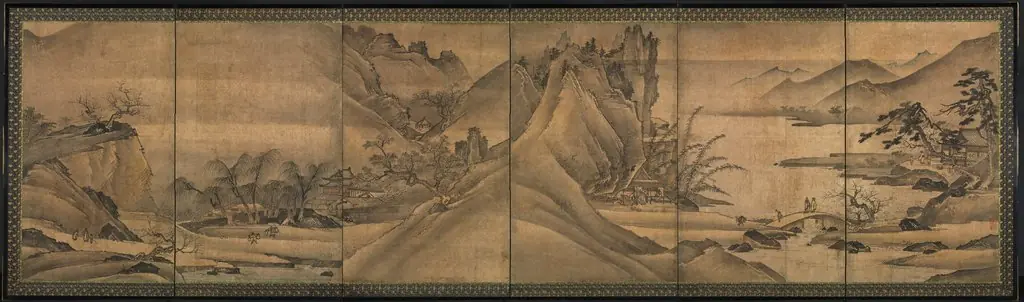
A pair of six-panel folding screens by Ike Taiga, dated around 1763, depicts two distinct seasonal scenes: the Orchid Pavilion Gathering and the Autumn Harvest Festival. Executed in ink and light color on paper, the screens form a continuous landscape that flows across both panels. The Metropolitan Museum of Art holds this work, which exemplifies the Edo-period fusion of Chinese literary themes with Japanese aesthetic sensibilities.
Subject & Meaning
The left screens illustrate the legendary gathering of poets at the Orchid Pavilion in 353 CE, where scholars composed verses beside a winding stream. The right screens portray a rural autumn festival, with villagers celebrating the harvest. Together, they evoke harmony between human ritual and nature’s cycles, reflecting Confucian ideals of cultured leisure and seasonal reverence, adapted through a Japanese lens.
Technique & Style
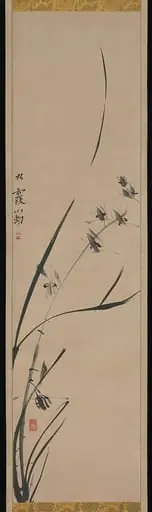
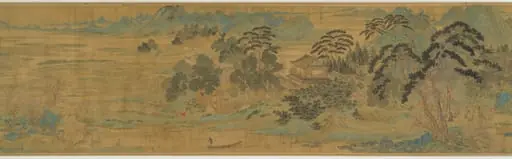
Taiga employed delicate ink washes and subtle color gradients to suggest mist, distance, and texture without rigid outlines. Trees and cliffs are rendered with layered, dry brushstrokes that build volume through tonal variation rather than contour. Occasional touches of red and gold highlight figures and architecture, drawing attention without disrupting the muted palette. The absence of heavy lines enhances the atmospheric depth, characteristic of literati painting traditions.
History & Provenance
Created during Taiga’s mature period in Kyoto, the screens were likely commissioned by a patron familiar with Chinese literary culture. They remained in private Japanese collections before entering the Metropolitan Museum of Art’s holdings. Documentation confirms their attribution to Taiga and their date of circa 1763, aligning with his stylistic peak and engagement with classical Chinese themes.
Context
In mid-18th century Japan, literati painters like Taiga sought inspiration in Chinese antiquity as a counterpoint to dominant Edo commercial styles. The Orchid Pavilion theme, popular among scholar-artists, symbolized refined solitude and intellectual exchange. By pairing it with a native harvest scene, Taiga bridged imported ideals with local customs, reflecting a broader cultural dialogue between China and Japan.
Legacy
Taiga’s screens influenced later Japanese artists by demonstrating how Chinese literary motifs could be reinterpreted with native materials and spatial sensibilities. Their quiet, atmospheric approach contrasted with more decorative trends, preserving a contemplative strand in Edo-period painting. Today, they remain a key reference for understanding how literati aesthetics were localized in Japan beyond mere imitation.
Artist & collection
Artist
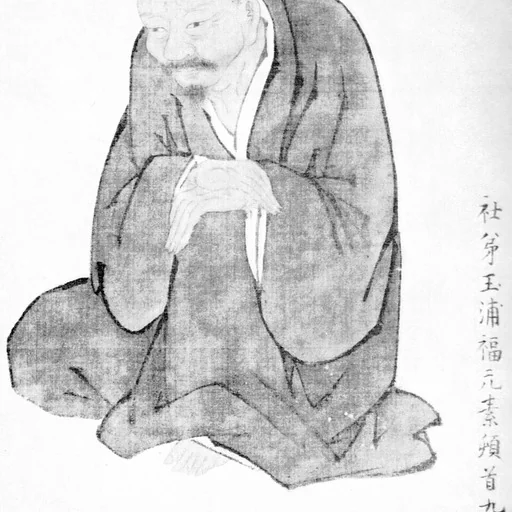
Ike no Taiga (池大雅; June 6, 1723, in Kyōto, Japan — May 30, 1776, in Kyōto) was a Japanese painter and calligrapher born in Kyoto during the Edo period.