Artwork
Auguste-Jean-Marie Guénepin
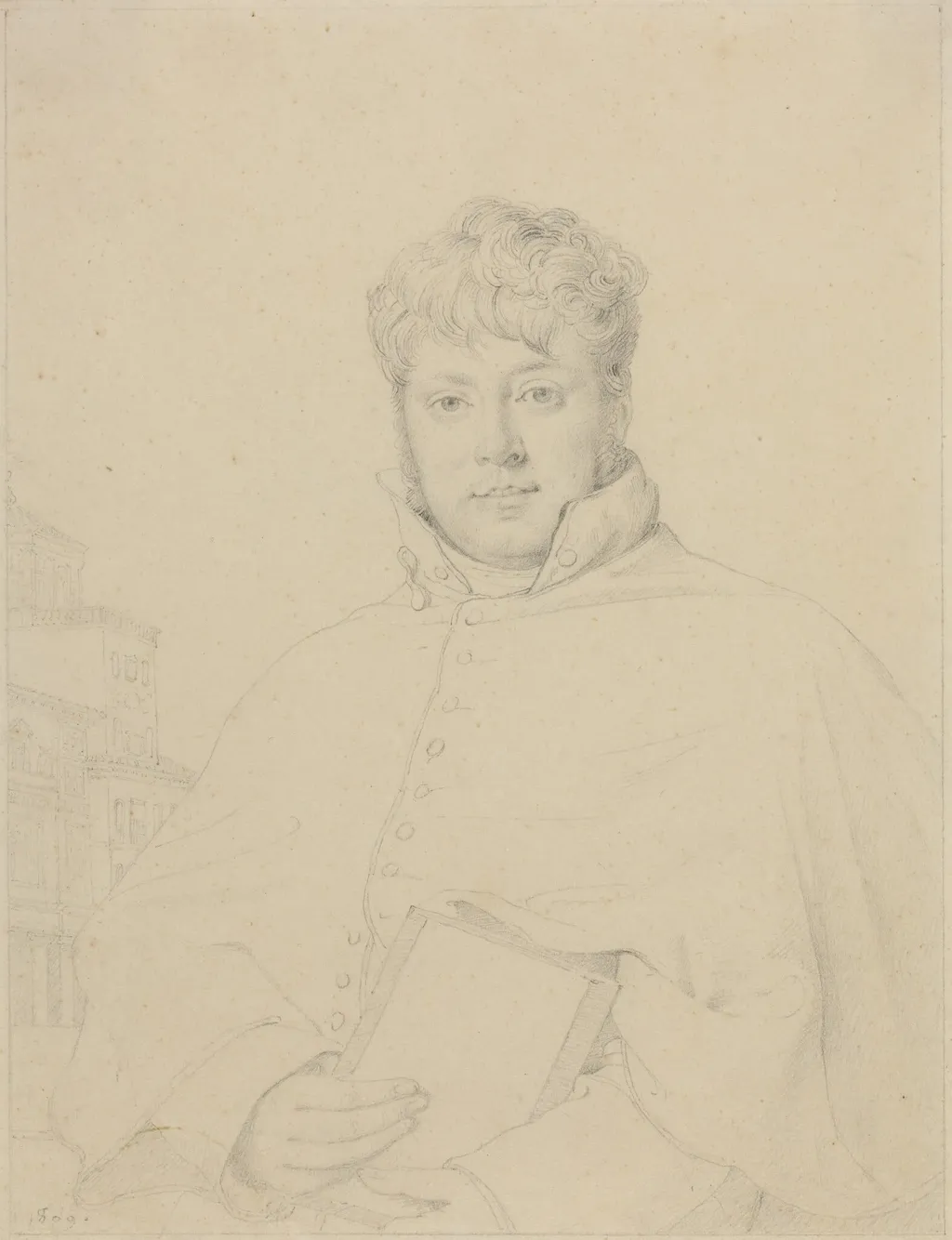
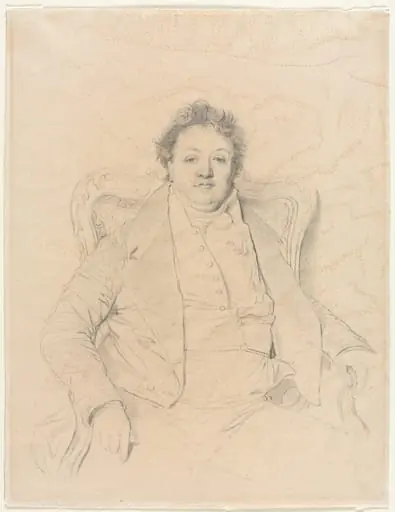
Auguste-Jean-Marie Guénepin is a graphite drawing by the Romanticist artist Jean Auguste Dominique Ingres. It dates from 1809 and is held in the collection of the National Gallery of Art.
About this work
Overview
Auguste-Jean-Marie Guénepin is a graphite drawing on wove paper created by Jean-Auguste-Dominique Ingres in 1809. It exemplifies Ingres's commitment to Neoclassical principles and technical rigor.
Subject & Meaning
The drawing portrays Auguste-Jean-Marie Guénepin, highlighting Ingres's ability to capture individual character through precise, nuanced rendering.
Technique & Style
Executed with graphite on wove paper, the work showcases Ingres's technical precision, a hallmark of his adherence to academic tradition.
History & Provenance
Created in 1809, during a period when Ingres actively countered Romanticism with Neoclassical ideals, the drawing's provenance details are not specified here.
Context
Within the broader artistic landscape, this piece stands as a testament to Ingres's resistance to Romantic trends, upholding classical values in portraiture.
Legacy
While the drawing's direct influence is not detailed, Ingres's portraits, with their expressive yet precise characterizations, would later impact the development of modern art.
Artist & collection

Artist
Jean-Auguste-Dominique Ingres was a French Neoclassical painter. Ingres was profoundly influenced by past artistic traditions and aspired to become the guardian of academic orthodoxy against the ascendant Romantic…

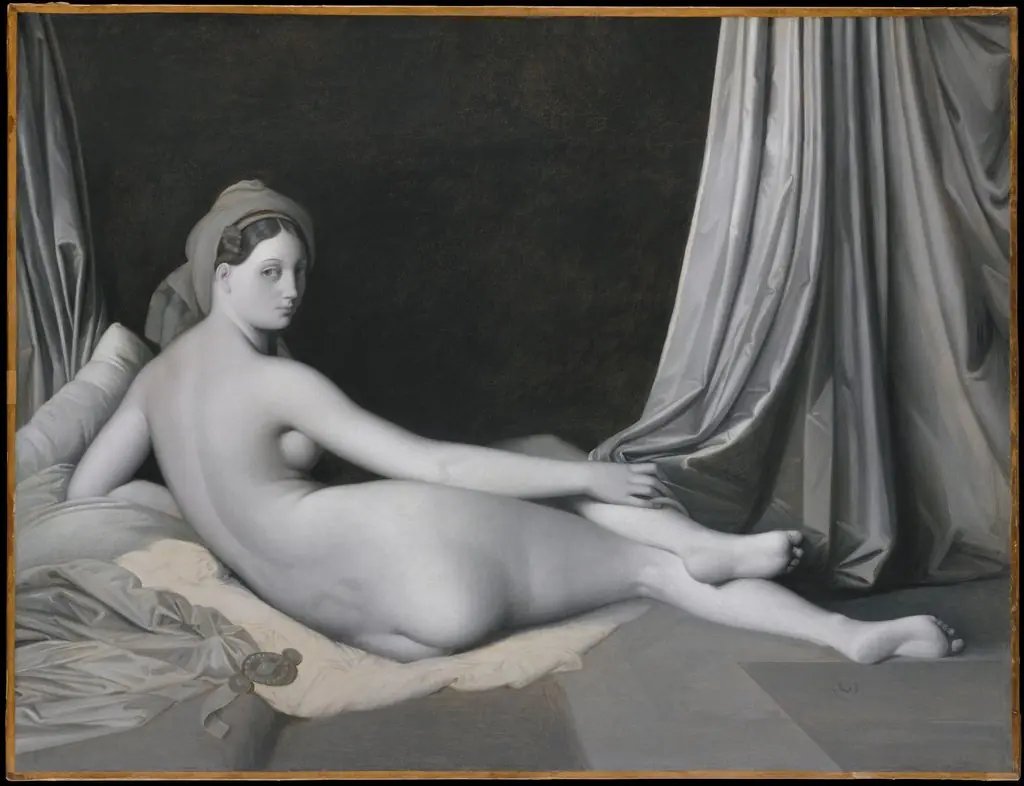
 Charles Thévenin, after Ingres
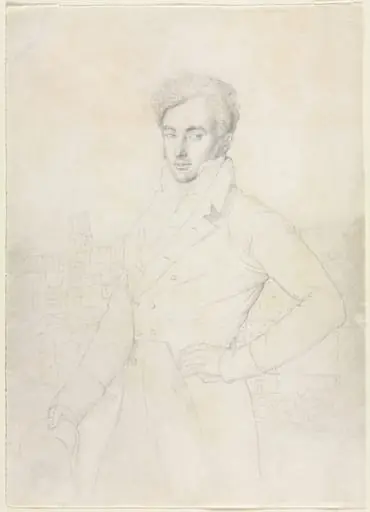 Portrait of a Young Man Standing on the Quirinal with the Turris Comitum in the Background
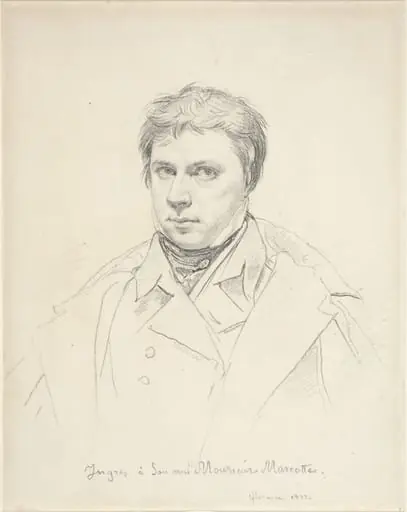 Self-Portrait
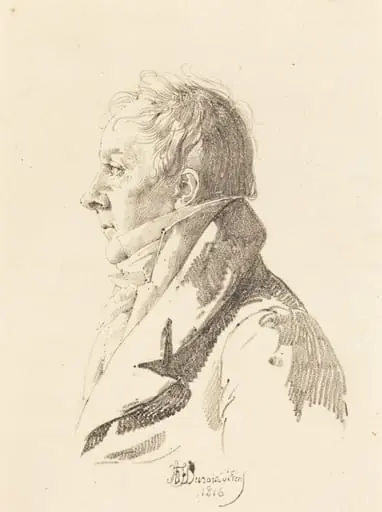 Portrait of a Man
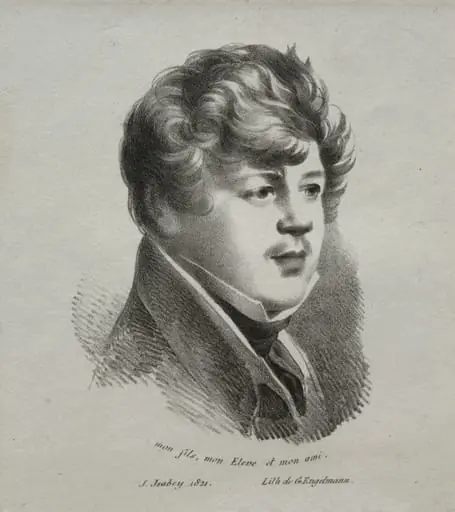 Eugène Isabey
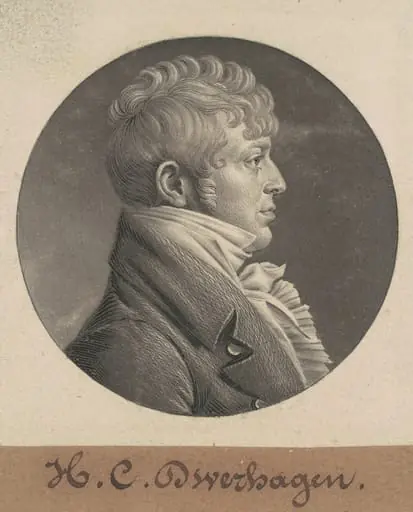 H. C. Dwerhagen
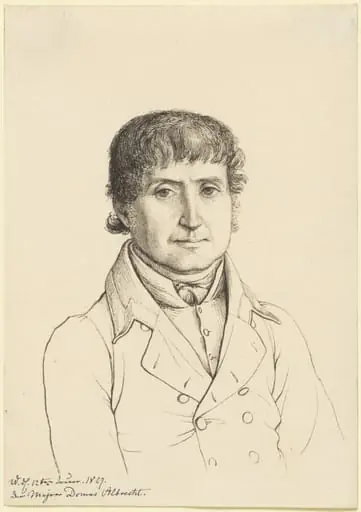 Majordomo Albrecht
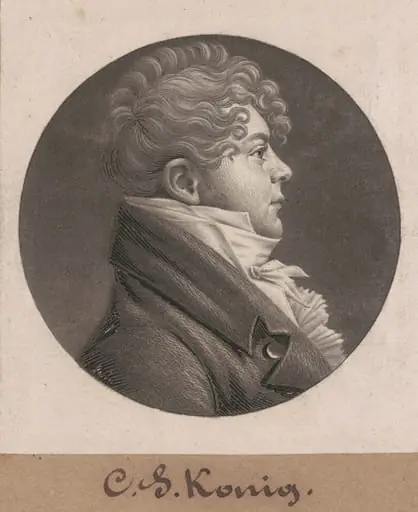 Christian Simon Konig
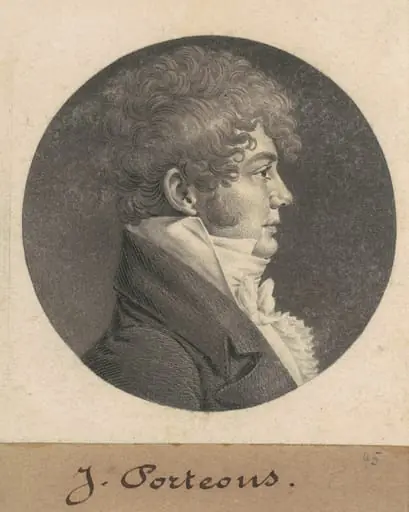 John Porteous
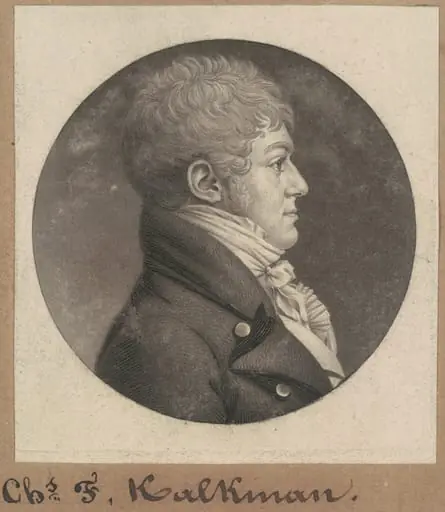 Charles F. Kalkman
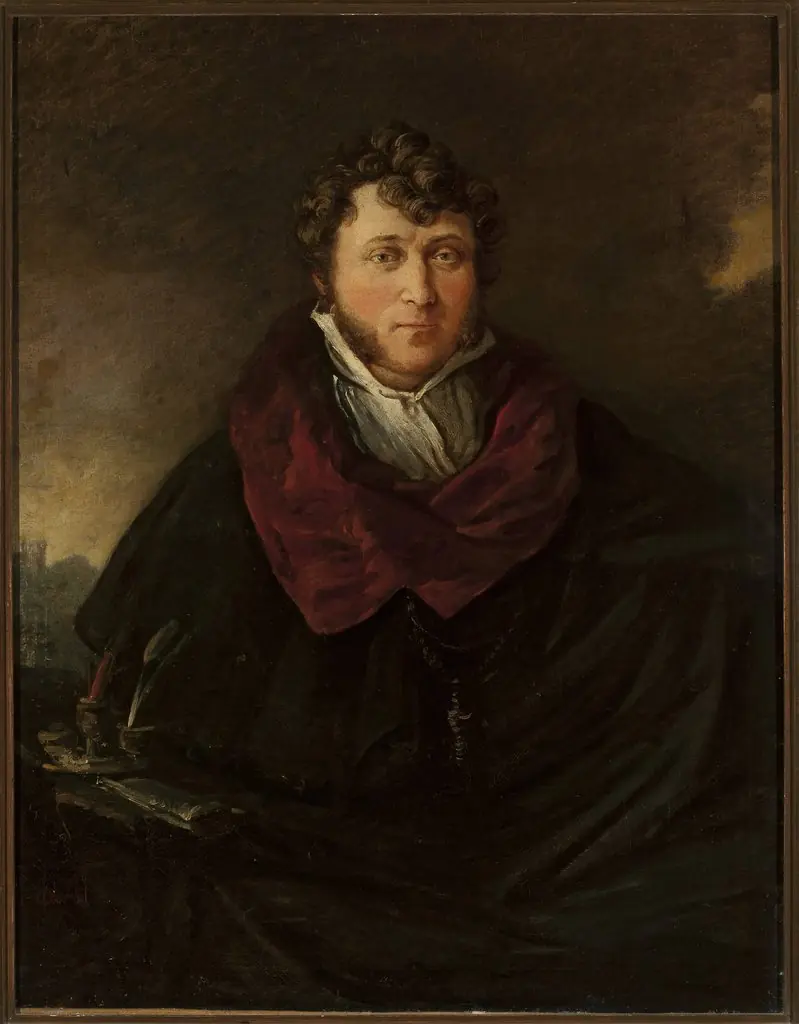 Portrait of Antoni Ostrowski
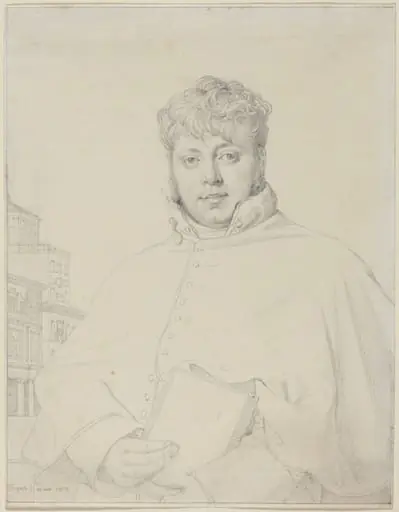 Auguste-Jean-Marie Guénepin