Artwork
Portrait of a Man
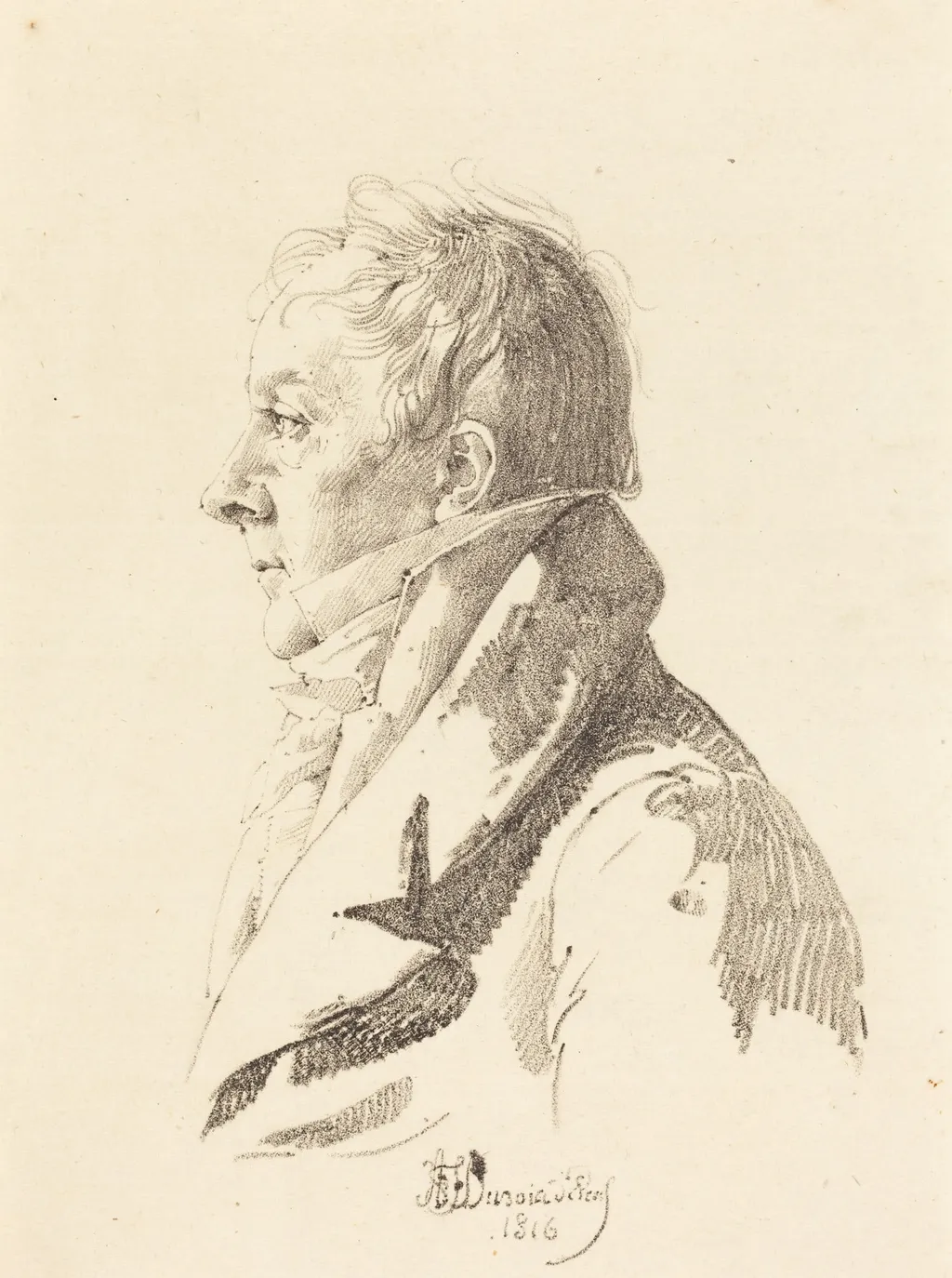
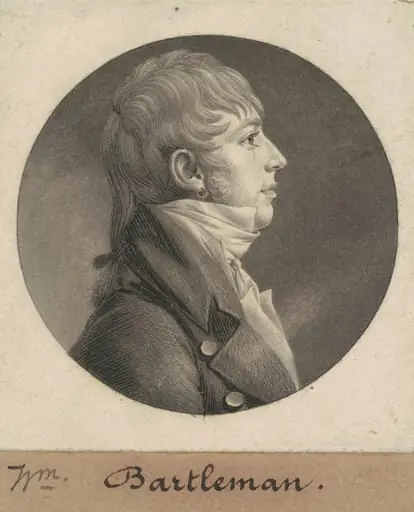
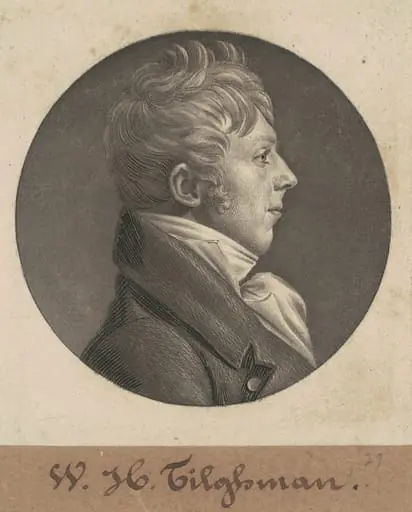
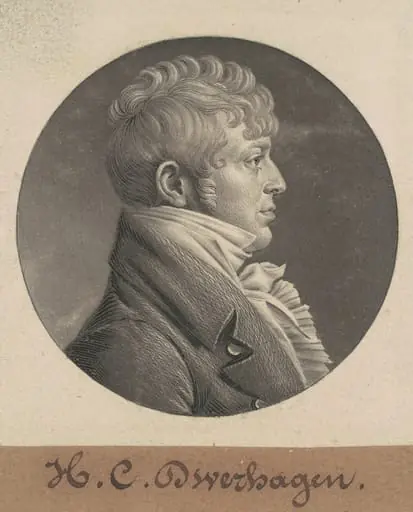
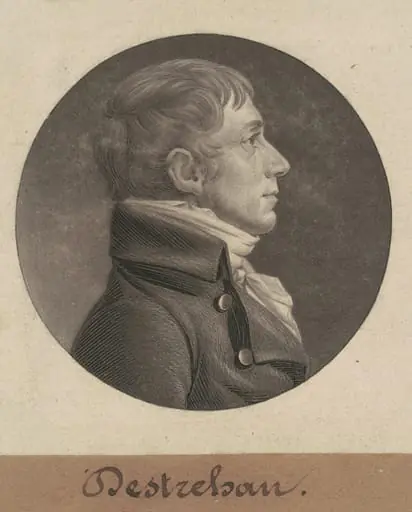
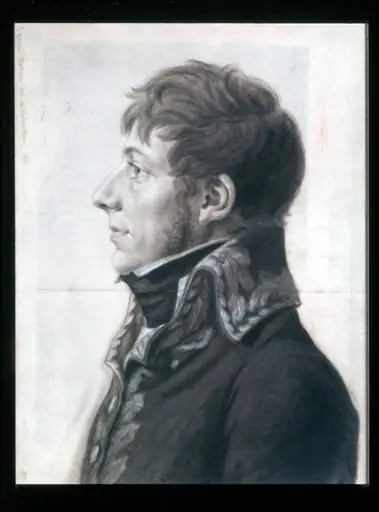
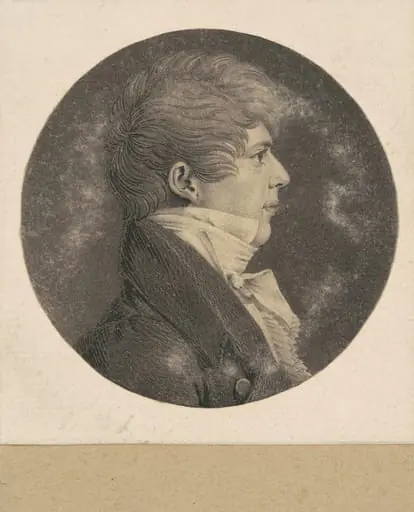
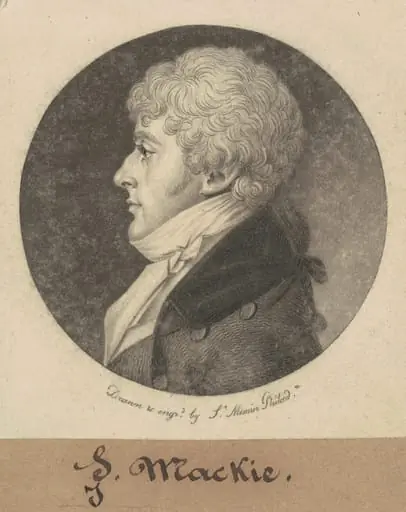
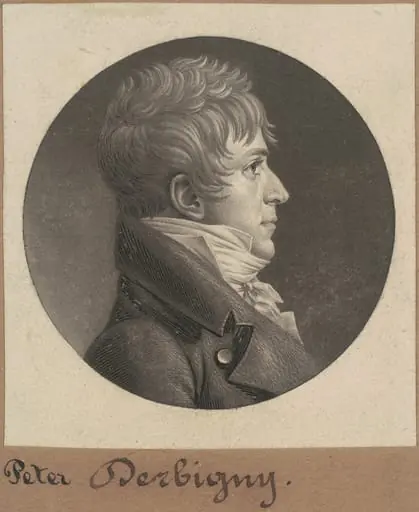
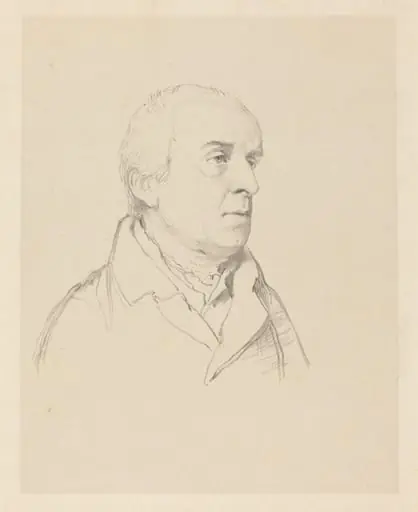
Portrait of a Man is an ink print by the Romanticist artist Honore-Jean Dubois Duperray. It dates from 1816 and is held in the collection of the National Gallery of Art. Created in 1816, this lithographic portrait by Honore‑Jean Dubois Duperray presents a solitary male figure rendered in profile.
About this work
Overview
Created in 1816, this lithographic portrait by Honore‑Jean Dubois Duperray presents a solitary male figure rendered in profile. The image, executed on stone, measures the delicate balance of line and tone typical of early nineteenth‑century printmaking, offering a concise yet nuanced representation of its sitter.
Subject & Meaning
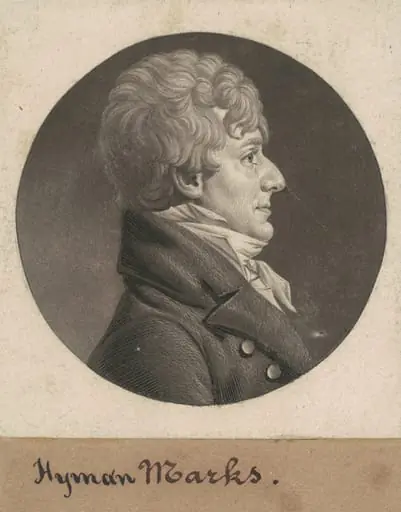
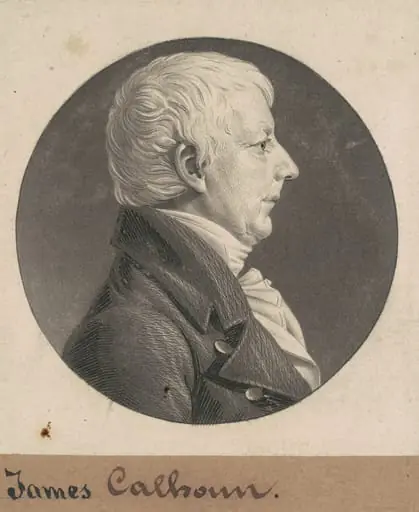
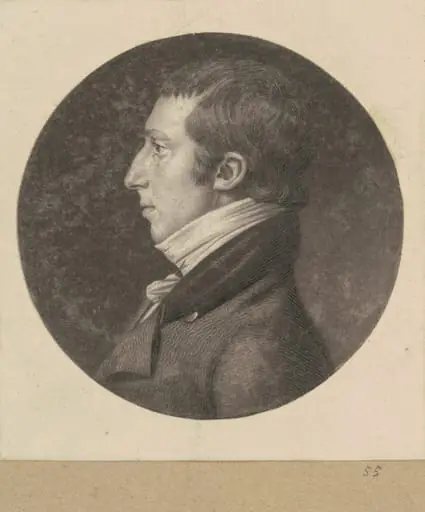
The sitter is shown in a left‑facing profile, his head slightly turned toward the viewer. He wears a dark, high‑collared jacket opened at the throat, and his short, curly hair frames a face defined by subtle shading. The composition suggests a restrained, perhaps formal, portrayal, emphasizing the individual's presence without overt narrative.
Technique & Style
Duperray employs the lithographic process to achieve fine gradations of tone, allowing light and shadow to model the figure’s features. The interplay of delicate hatching and smooth washes creates a sense of three‑dimensionality, while the limited palette reinforces the work’s tonal subtlety. Such handling reflects the period’s exploration of depth within a monochrome medium.
History & Provenance
The print originates from the early post‑Napoleonic era, a time when lithography was gaining popularity among French artists for its capacity to reproduce detailed images quickly. Though specific ownership records are scarce, the work is attributed to Duperray, a lesser‑known practitioner whose prints were circulated among collectors interested in contemporary portraiture.
Artist & collection