Artwork
Research Bucovina. Sucevița Church - overview with exterior painting from one of the longitudinal walls (1980)
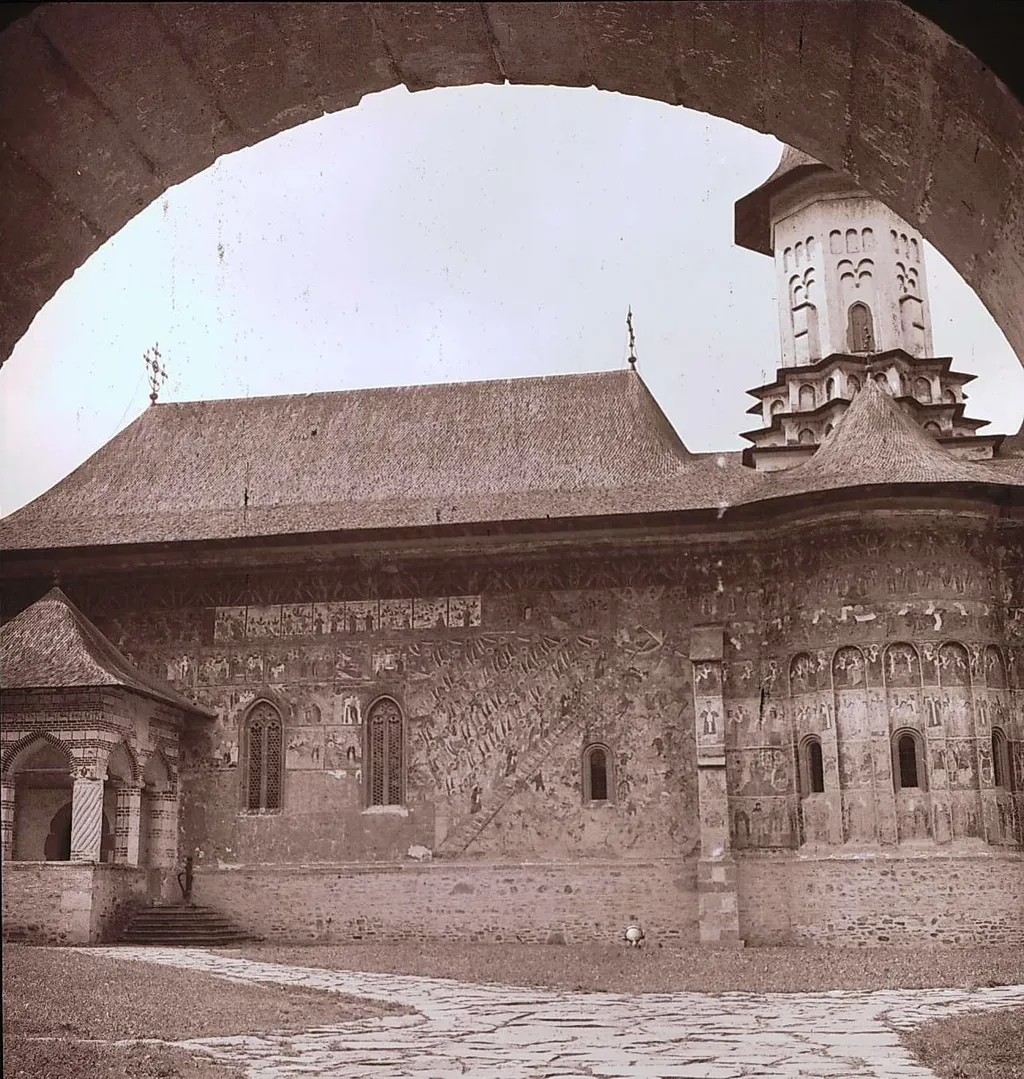
Research Bucovina. Sucevița Church - overview with exterior painting from one of the longitudinal walls (1980) is an unspecified painting by the Byzantine icon painting artist Ioan George Andron. It dates from 1980 and is held in the collection of the "Dimitrie Gusti" National Village Museum. Sucevița Church, dedicated to the Resurrection of the Lord, is a 16th-century Moldavian architectural landmark.
About this work
They survived wind, rain, and 400 years because the monks kept repainting them every generation.
This work shows the east wall of Sucevița Monastery covered in vivid religious murals. The paintings look almost new despite dating back to 1583. Bright blues and reds still pop against the rough stone.
These outdoor frescoes cling to the church’s walls like giant stickers. They survived wind, rain, and 400 years because the monks kept repainting them every generation. The scenes show saints and scenes from the Bible.
This style blends Byzantine icons with Gothic arches. Look up Brâncuși if you want to see more Moldavian art.
Overview
Sucevița Church, dedicated to the Resurrection of the Lord, is a 16th-century Moldavian architectural landmark. Built between 1582 and 1584, it exemplifies the Moldavian style, blending Byzantine, Gothic, and traditional Moldovan wooden church elements. Notably, its exterior paintings are remarkably well-preserved.
Subject & Meaning
The exterior murals depict a narrative sequence of religious scenes, including saints and Biblical episodes, such as the 'Ladder of Virtues'. The dominant use of raw green and red symbolizes spiritual renewal, with red specifically attributed to the Holy Spirit. The chromatic scheme harmonizes with the monastery's natural surroundings.
Technique & Style
The church's style synthesizes Byzantine and Gothic influences with local architectural traditions. The paintings, executed in 1583, feature vivid blues and reds, showcasing a blend of Byzantine iconography and Gothic architectural elements. Regular repainting by monks over generations contributed to their exceptional preservation.
History & Provenance
Constructed during the reign's architectural consolidation inspired by Stefan cel Mare, Sucevița Church was recognized as a World Heritage Site in 2010. Its north side, uniquely preserved, features the 'Ladder of Virtues' scene, distinguishing it among Moldavian churches with exterior paintings.
Context
Sucevița Church's artistic approach is distinct for its unified ensemble of small, individually expressive paintings. It represents the most iconographically complex example among feudal Moldovan churches, reflecting the region's rich cultural heritage.
Artist & collection
Artist
Naïve painters from the 1980s like Petru Mihuțe recorded village life in bold colors straight from tubes.
Museum
"Dimitrie Gusti" National Village Museum
Continue through works from the same source collection.
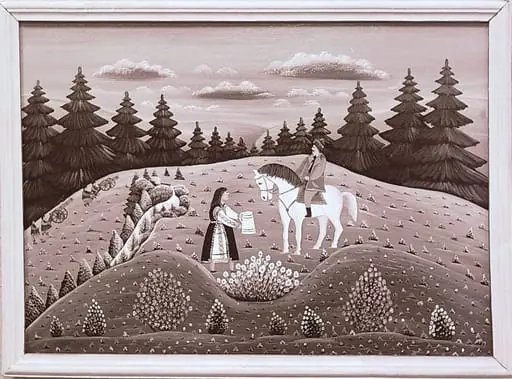 Sequences from the Village Museum, naive painting by Petru Mihuțe - Avram Iancu and Romania (1988)
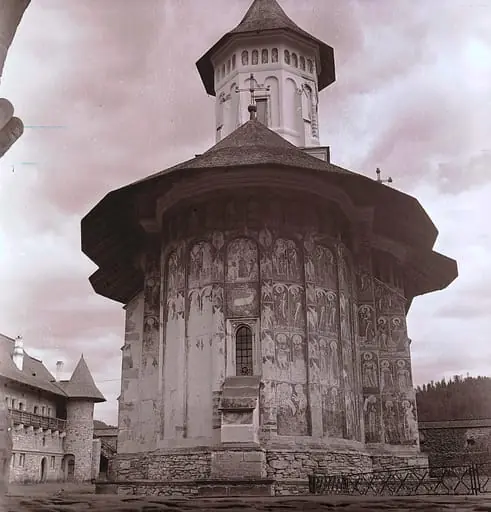 Research Bucovina, Vatra Moldovița. The Monastery And The Church - View With The Absida And The Turla Of The Church (1980)
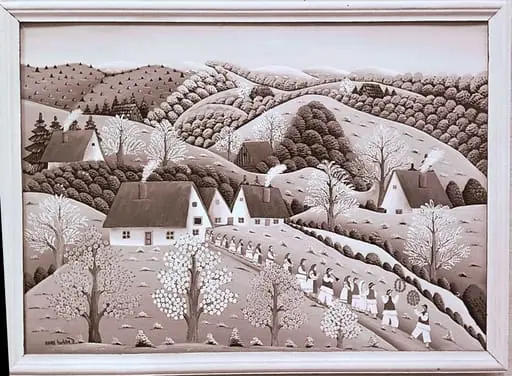 Sequences from the Village Museum, naive painting by Petru Mihuțe - Spring Wedding (1988)
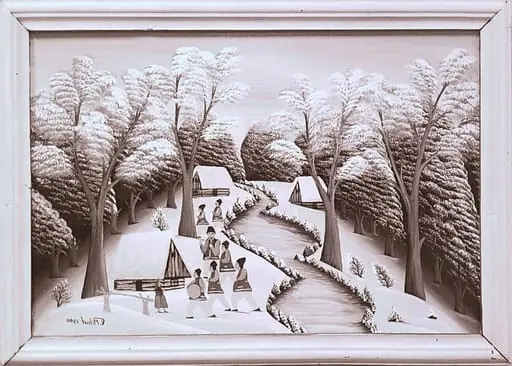 Sequences from the Village Museum, naive painting by Petru Mihuțe - Winter with van (1988)
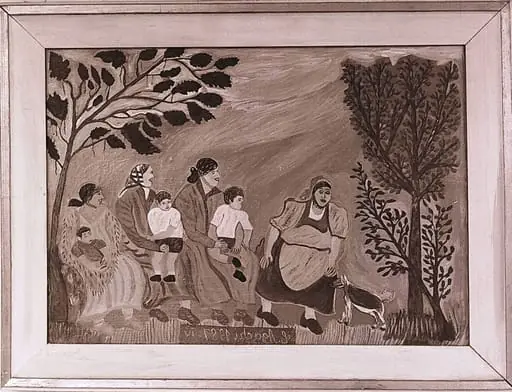 Sequences from the Village Museum, Naive painting by Costache Agachi - The gossip (1988)
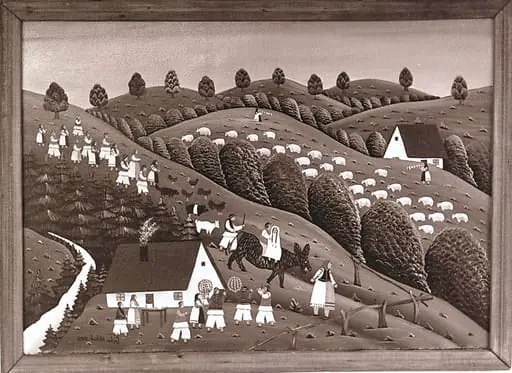 Sequences from the Village Museum, naive painting by Petru Mihuțe - The wedding of the poor boy (1988)
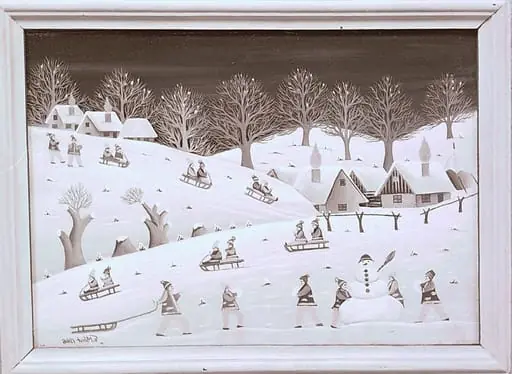 Sequences from the Village Museum, naive painting by Petru Mihuțe - Children at sling (1988)
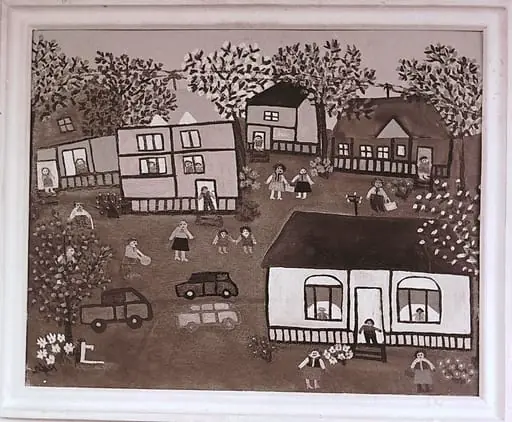 Sequences from the Village Museum, naive painting by Aurora Năfornițe - New houses (1988)
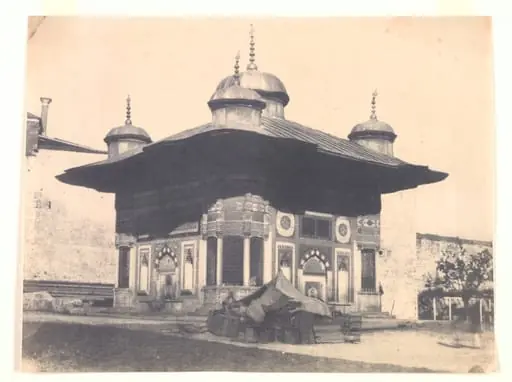 Fountaine de la Sophie, Constantinople
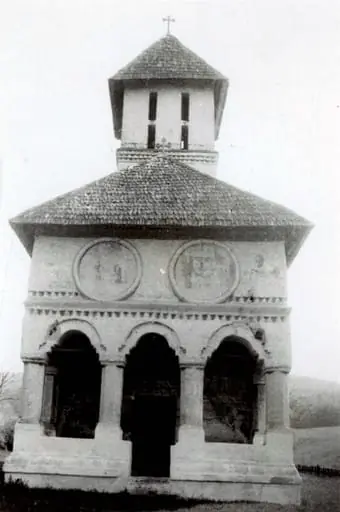 Biserica (monument istoric) din satul Scoica, comuna Andreești, județul Gorj (1990)
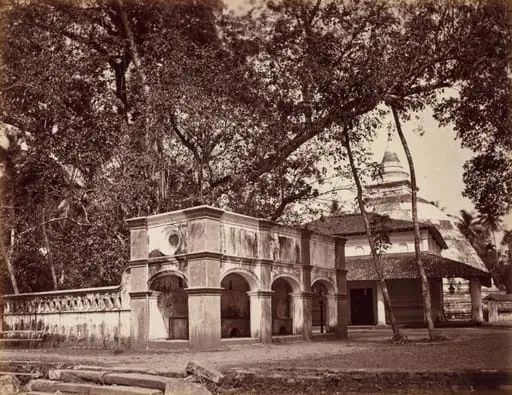 Buddhist Temple, Kalani
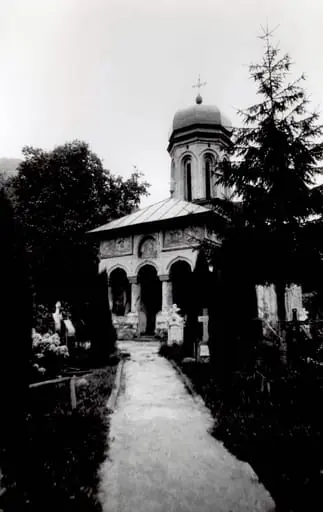 Biserica "Sf. Nicolae", Cîineni Mici, comuna Cîineni, județul Vâlcea (1981)
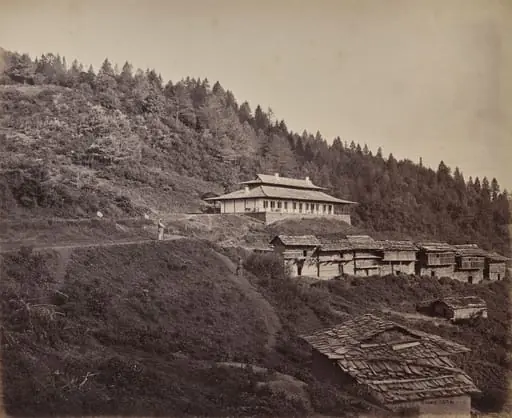 The Upper Himmalayahs. Village of Harkundu with Traveller's Bungalow in Rest-House
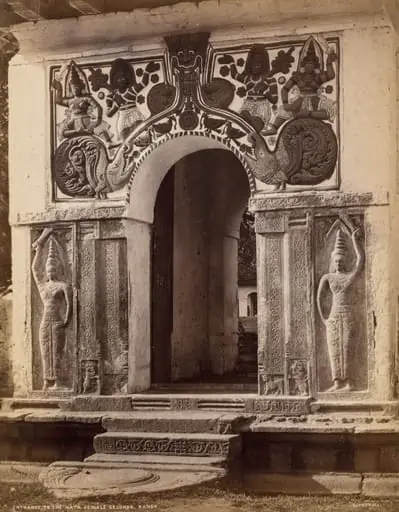 Entrance to the Nata Dewale Grounds, Kandy
 Le Pigeonnier de Roche-Cardon
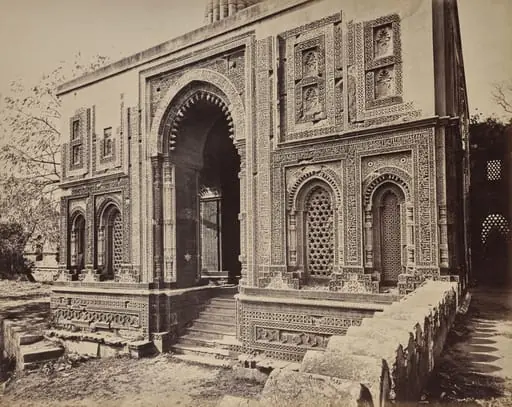 Delhi. Gateway of Allahood Deen's Palace, Old Delhi