Artwork
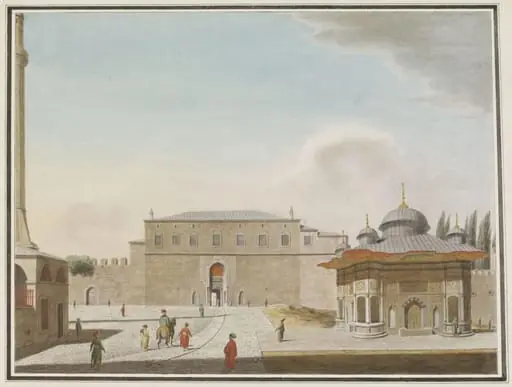
Fountaine de la Sophie, Constantinople
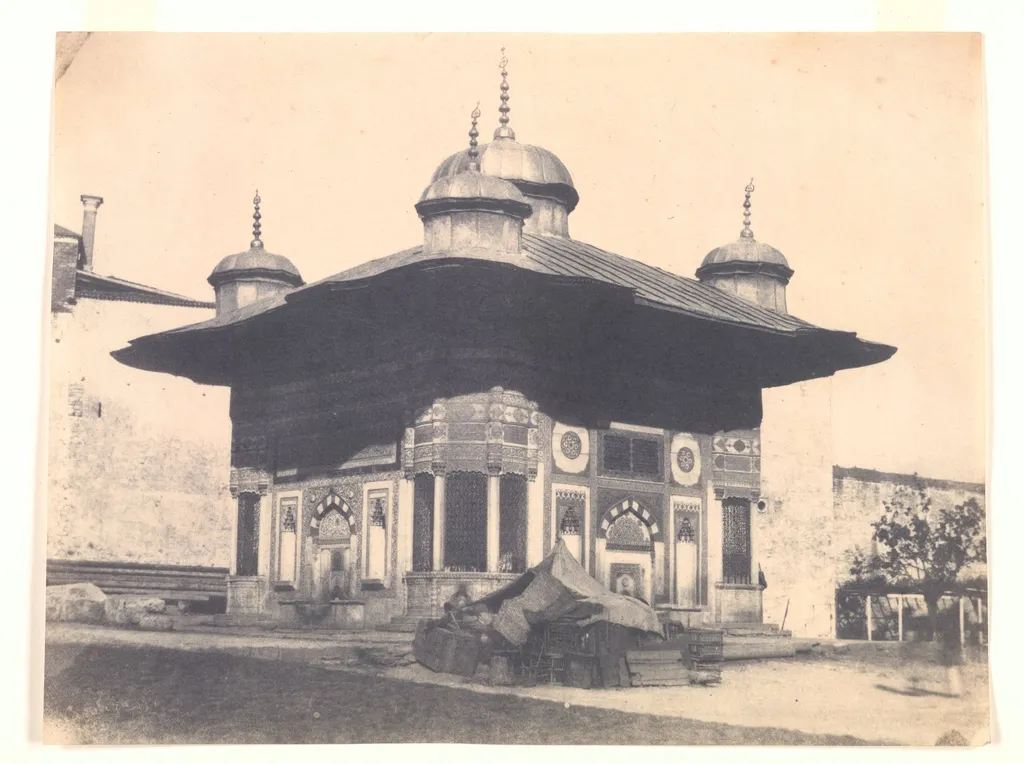
Fountaine de la Sophie, Constantinople is a photography by the Romanticist artist Ernest de Caranza. It dates from 1854 and is held in the collection of the Cleveland Museum of Art.
About this work
Overview
His images, marked by subtle tonal gradations, offer a quiet, detailed record of urban life in mid-19th-century Istanbul.
Ernest de Caranza, a French engineer on a scientific mission to the Ottoman Empire, captured this photograph of a public fountain in Constantinople during his 1852 visit. Though not a professional artist, he developed a personal approach to photography, using the waxed paper negative process and crafting his own chemical fixatives. His images, marked by subtle tonal gradations, offer a quiet, detailed record of urban life in mid-19th-century Istanbul.
Subject & Meaning
The photograph centers on a stone fountain, its architecture rooted in Byzantine or early Ottoman traditions, surrounded by modest streets and buildings. De Caranza framed the scene to emphasize the fountain’s enduring presence amid daily activity, suggesting its role as a civic and social anchor. The composition avoids grandeur, instead honoring the quiet dignity of everyday urban infrastructure in a city layered with history.
Technique & Style
De Caranza employed the waxed paper negative process, a technique requiring meticulous preparation of paper with wax and chemicals. He formulated his own fixative, which softened contrast and imparted a hazy luminosity to shadowed areas. This method produced images with delicate tonal transitions, enhancing the sense of atmosphere without the harshness of later photographic processes. The result is a quiet, ethereal clarity rather than sharp definition.
History & Provenance
The photograph was taken during de Caranza’s travels across Anatolia and the Levant between 1852 and 1855, commissioned as part of a scientific survey of Ottoman infrastructure. His collection remained largely private until later acquired by institutions interested in early photographic documentation of the Near East. This image is among the few surviving examples of his work, valued for its technical innovation and historical record.
Context
In the 1850s, few Westerners had access to firsthand images of Constantinople’s architecture and daily life. De Caranza’s photographs, circulated among European scholars and diplomats, offered a sober, non-romanticized view of the city. His work contrasted with the theatrical Orientalism common in painting, providing instead a documentary perspective grounded in observation and technical precision.
Legacy
De Caranza’s photographs contributed to the early archive of photographic documentation in the Ottoman Empire. His self-taught mastery of the waxed paper process influenced later practitioners seeking alternatives to the wet collodion method. Though little known today, his images remain important for their technical ingenuity and their unembellished portrayal of a city in transition between empires.
Artist & collection

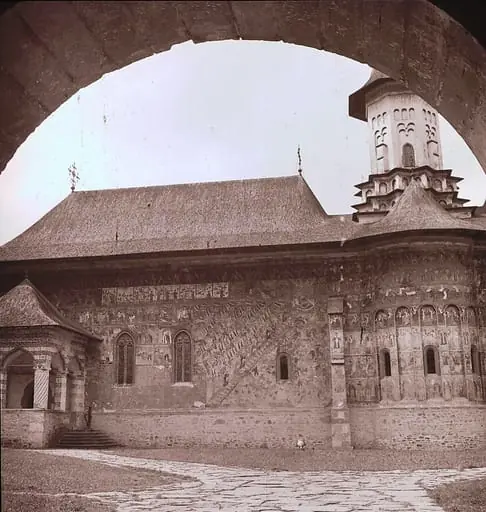 Research Bucovina. Sucevița Church - overview with exterior painting from one of the longitudinal walls (1980)
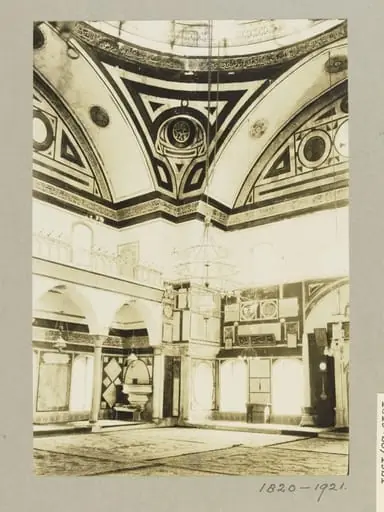 The Mosque of Jazzar Pasha, Acre
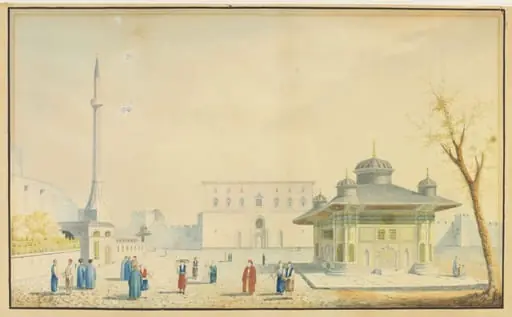 The Bab-i Hümayün or Imperial Gate of Topkapi Sarayi, with the Fountain of Sultan Ahmet III
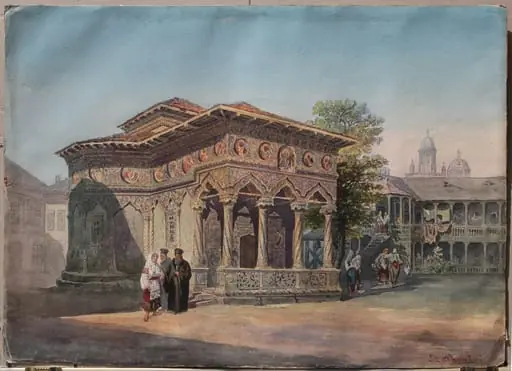 Biserica Stavropoleos
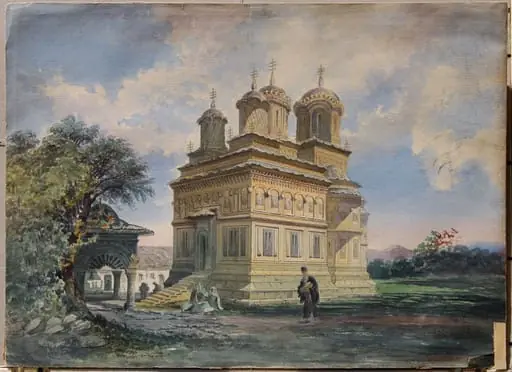 Curtea de Argeș
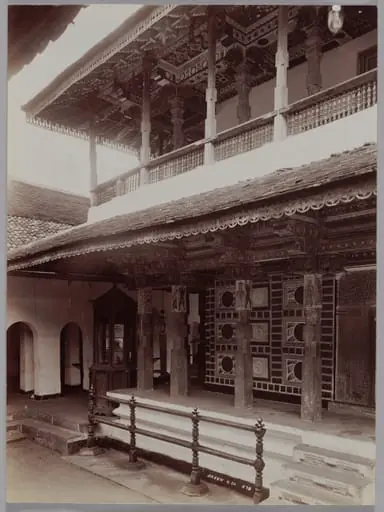 Buddhist Temple in Kandy, Ceylon
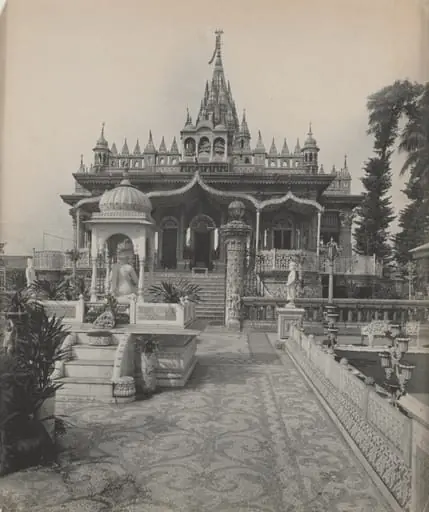 Jain Temple, Calcutta
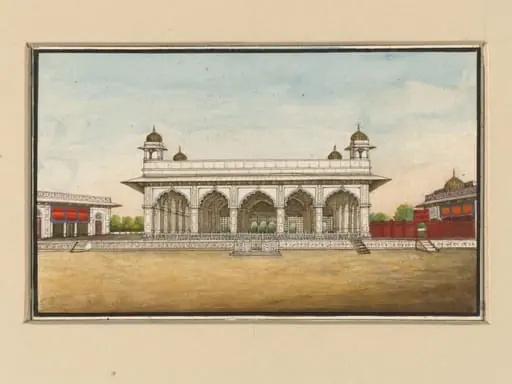 One of four drawings of Mughal architecture.
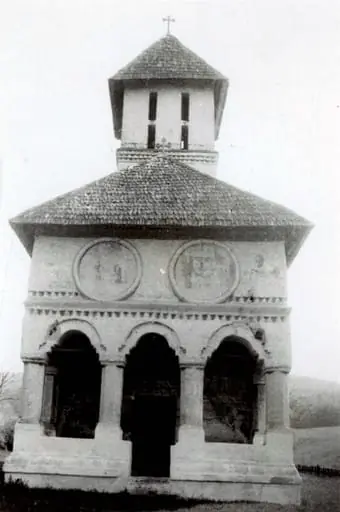 Biserica (monument istoric) din satul Scoica, comuna Andreești, județul Gorj (1990)
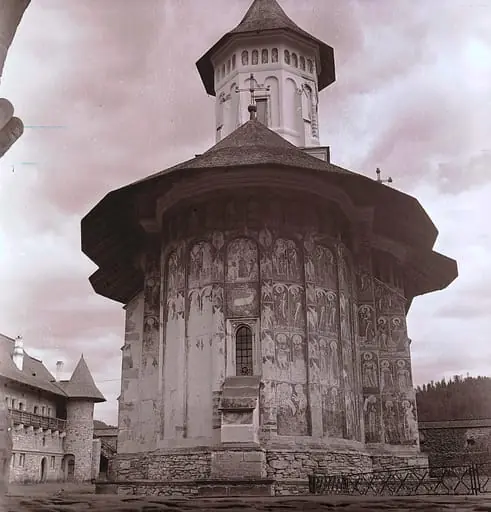 Research Bucovina, Vatra Moldovița. The Monastery And The Church - View With The Absida And The Turla Of The Church (1980)
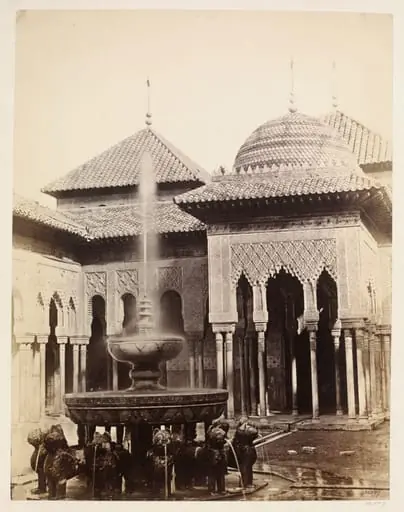 The Alhambra. Fountain and the pavilion of the Court of the Lions
 Bab-i-Hümayün (Imperial Gate) to Topkapi Sarayi, with the Fountain of Sultan Ahmet III