Artwork
Untitled
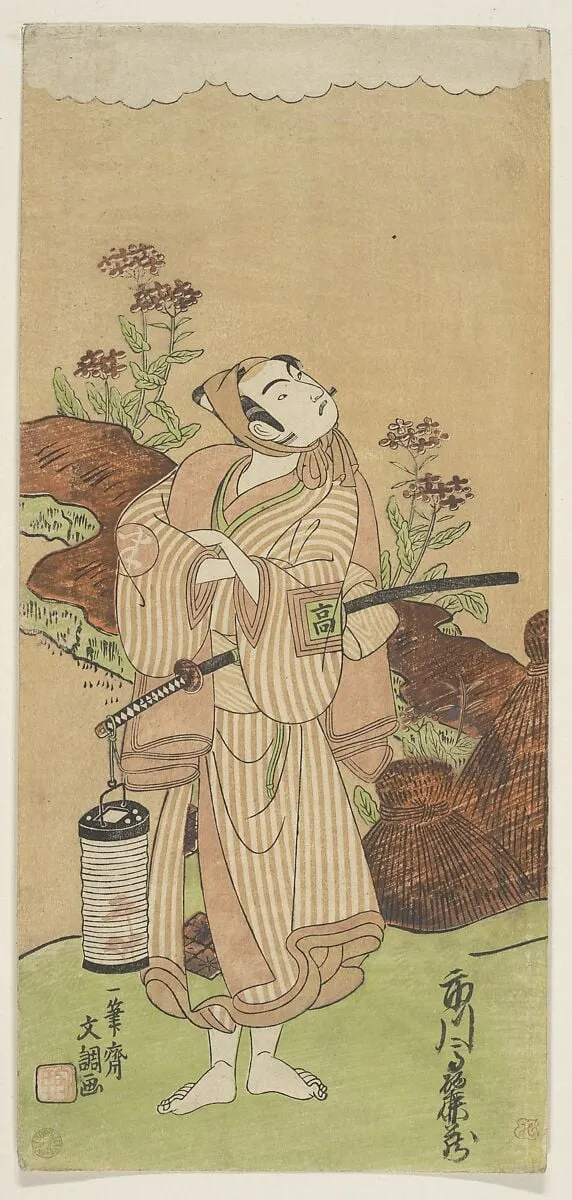
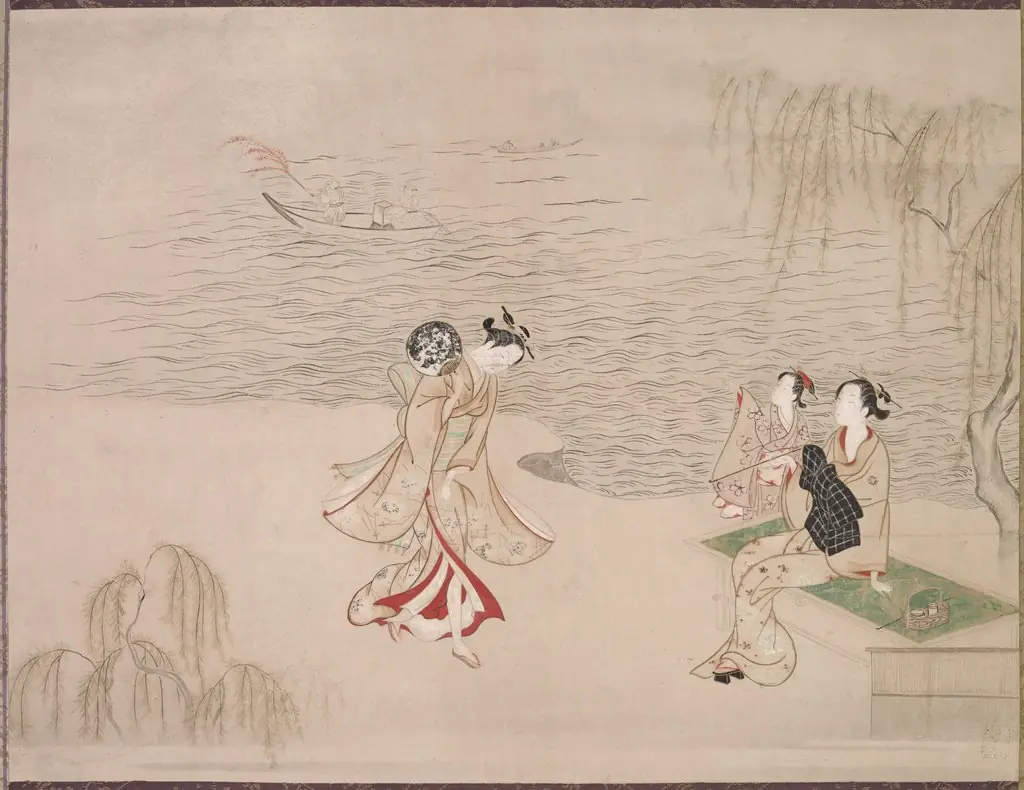
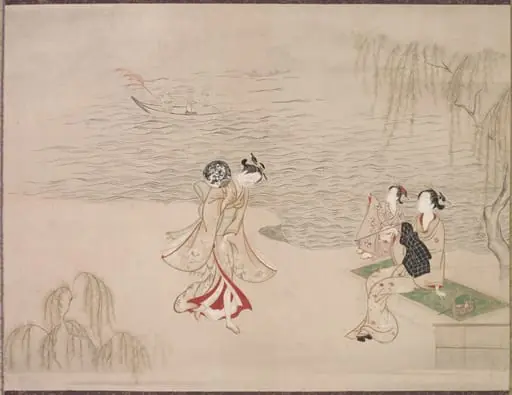
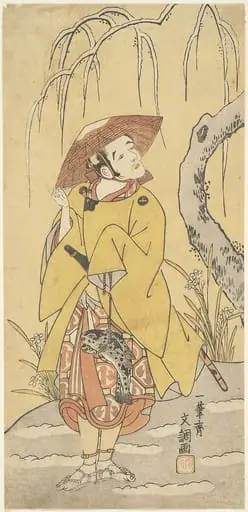
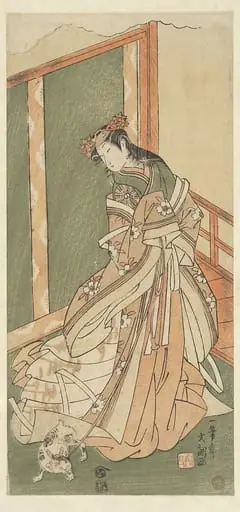
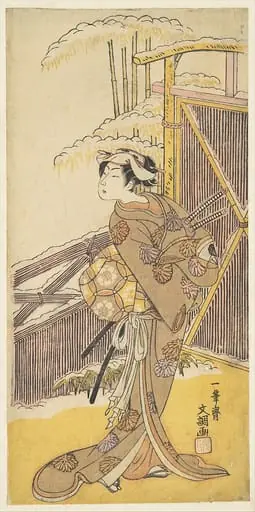
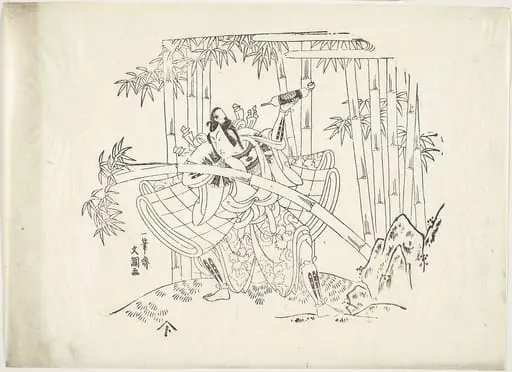
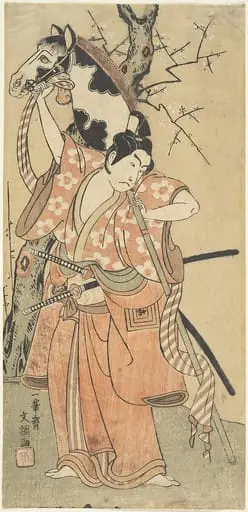
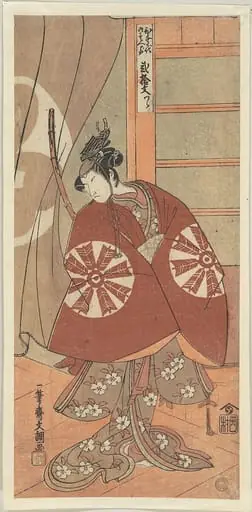
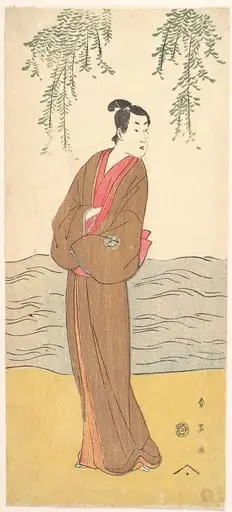
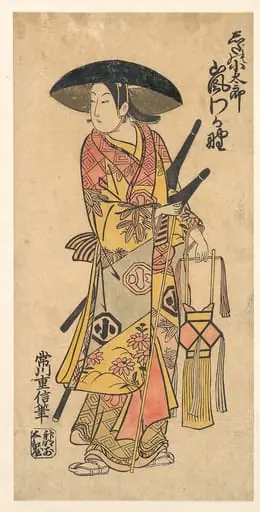
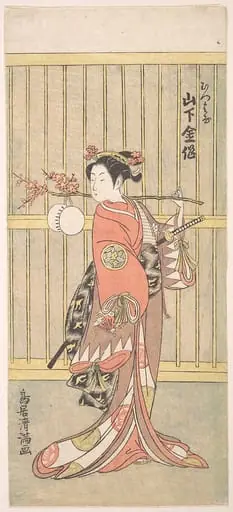
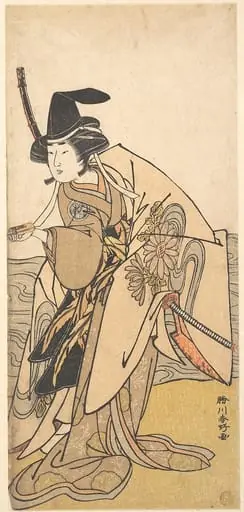
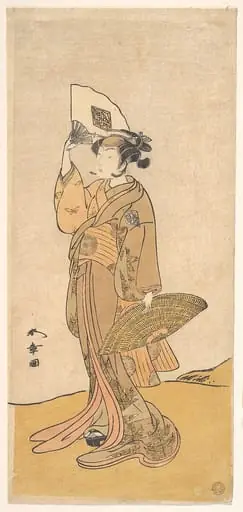
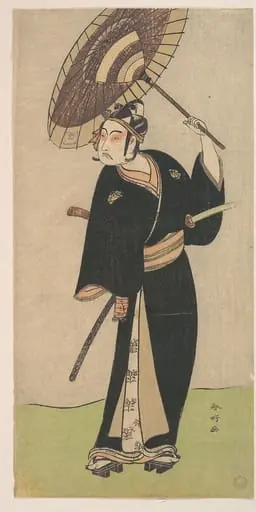
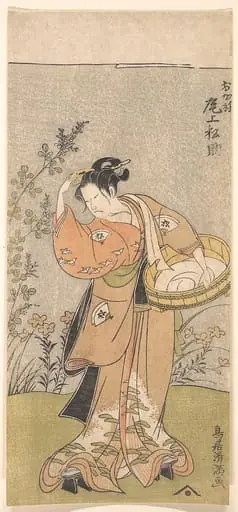
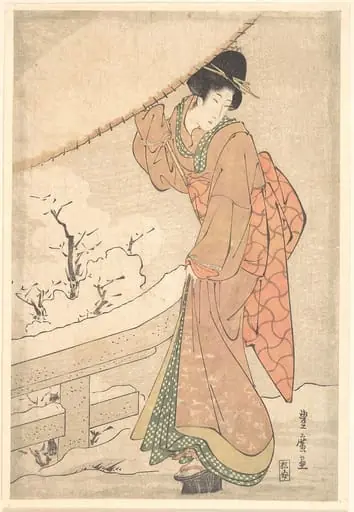
Untitled is an ink print by the Romanticist artist Ippitsusai Bunchō. It dates from 1770 and is held in the collection of the Metropolitan Museum of Art.
About this work
Overview
The piece is part of the collection at The Metropolitan Museum of Art, where it is cataloged as an example of late 18th-century Japanese graphic art.
This woodblock print, dated to 1770, is the work of Ippitsusai Bunchō, a Japanese artist active during the Edo period. Executed in ink and color on paper, it belongs to the ukiyo-e tradition of mass-produced prints. The piece is part of the collection at The Metropolitan Museum of Art, where it is cataloged as an example of late 18th-century Japanese graphic art. Its simple composition and restrained palette reflect the aesthetic values of its time.
Subject & Meaning
The figure is a samurai or gentleman, depicted outdoors in a moment of quiet readiness. He holds a fan and a scroll—symbols of cultural refinement—while his sword suggests martial status. The tethered horse implies he has arrived or is preparing to depart. Surrounding elements like flowers and a stone suggest a natural setting, perhaps a garden or roadside. The scene conveys composure amid transition, capturing a fleeting pause in daily life.
Technique & Style
The print employs bold, clean outlines typical of ukiyo-e, with flat areas of color and minimal shading to suggest volume. Folds in the robe are indicated through subtle gradations and cross-hatching, a technique used to imply texture and depth without perspective. The background is deliberately sparse—just a suggestion of trees and sky—directing focus to the figure. The use of woodblock carving allowed for precise repetition, yet each impression retained individual hand-painted nuances.
History & Provenance
Created in 1770, the print emerged during a period when ukiyo-e flourished in urban Japan, particularly in Edo. Bunchō, known for his refined line work and portraiture, produced many such images of contemporary figures. The print entered The Metropolitan Museum of Art’s collection through documented acquisitions in the 20th century, likely from a private Japanese or Western collector with interest in Edo-period prints.
Context
In late 18th-century Japan, woodblock prints were widely circulated among the merchant class as affordable art. While many depicted actors or courtesans, works like this one portrayed the educated elite—samurai and literati—reflecting their ideals of balance between culture and duty. The restrained composition and absence of dramatic action align with a growing preference for quiet, introspective subjects in printmaking during this era.
Legacy
Bunchō’s prints, though less widely known than those of Hokusai or Hiroshige, contributed to the evolution of ukiyo-e’s thematic range. This work exemplifies how artists moved beyond spectacle toward nuanced portrayals of everyday dignity. Its preservation in a major Western museum underscores its role in shaping international appreciation for Japanese graphic art beyond its original cultural context.
Artist & collection