Artwork
Untitled
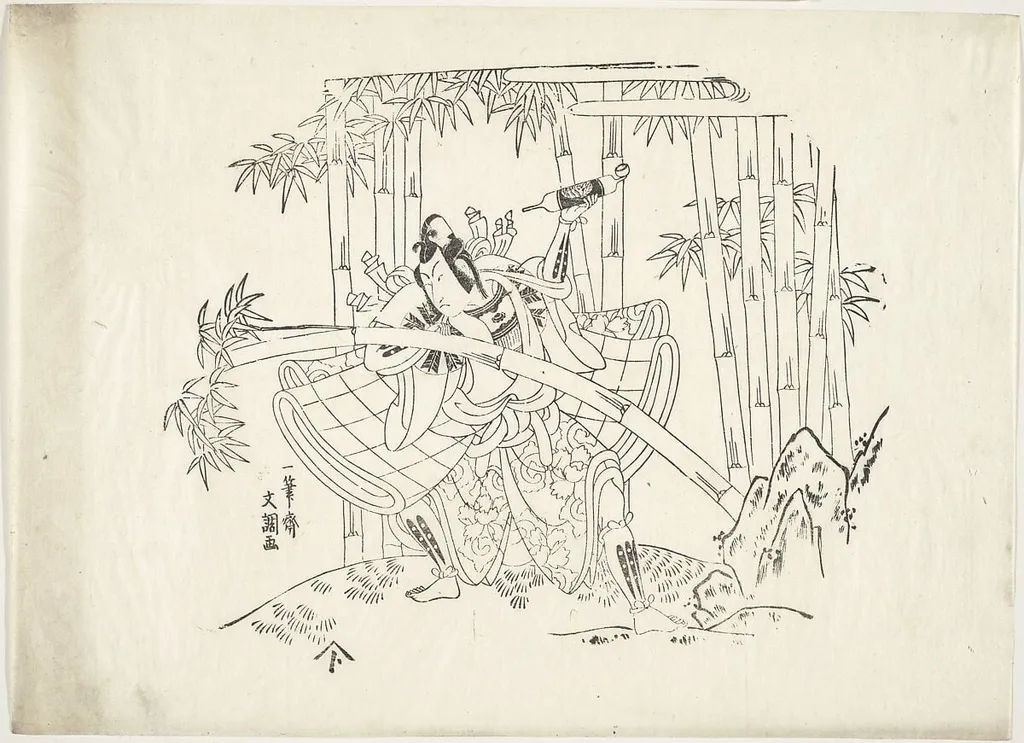
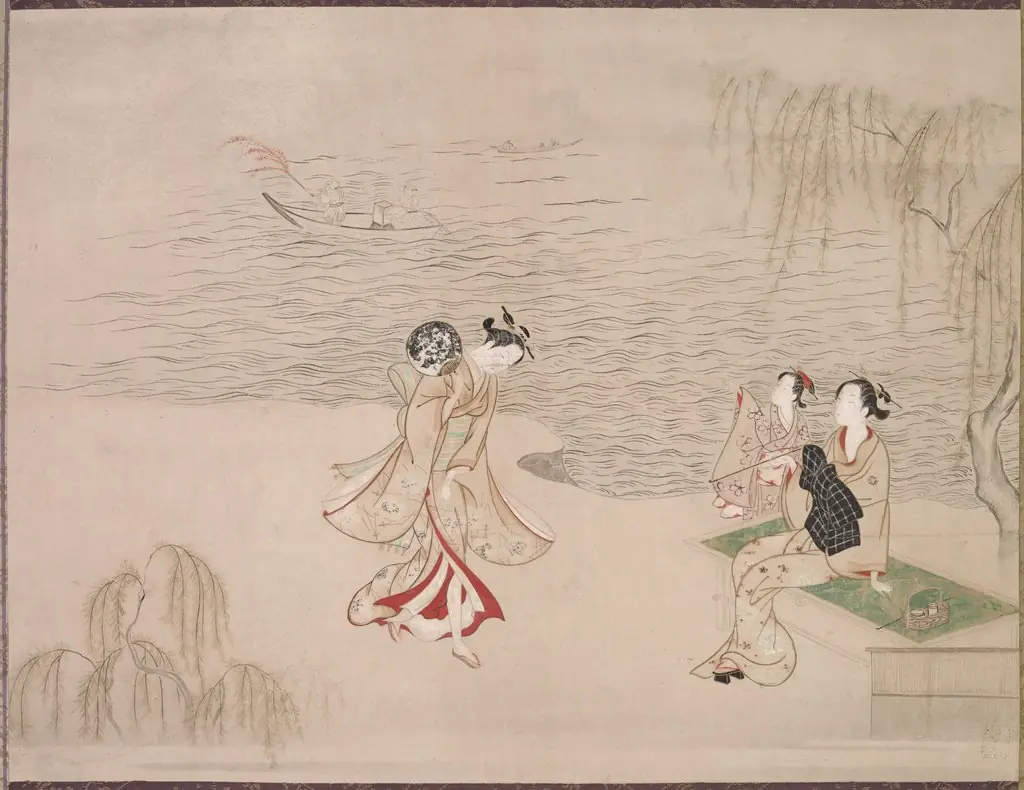
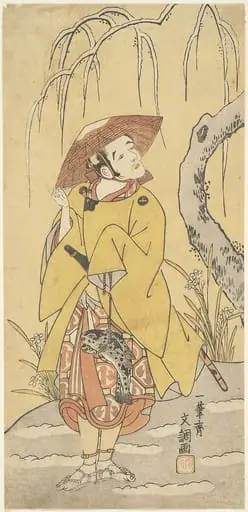
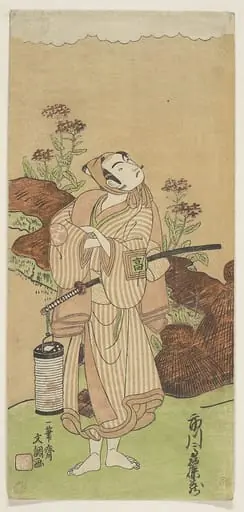
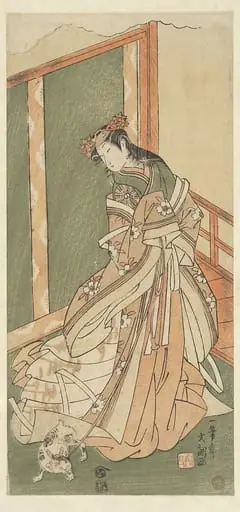
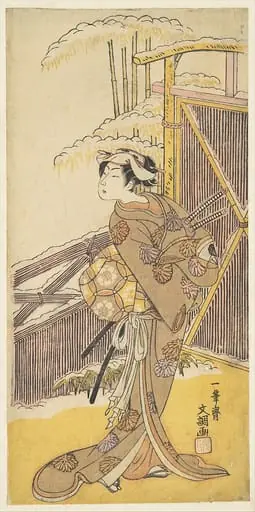
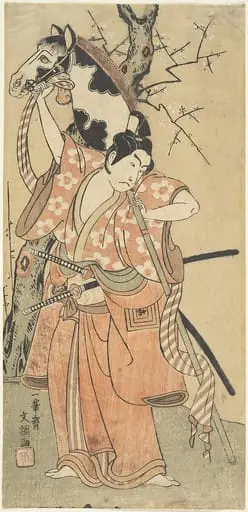
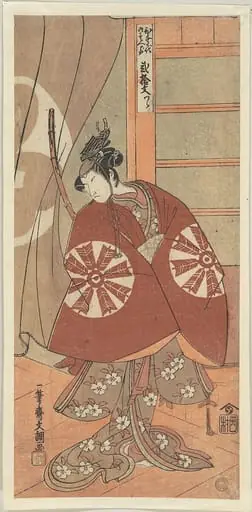
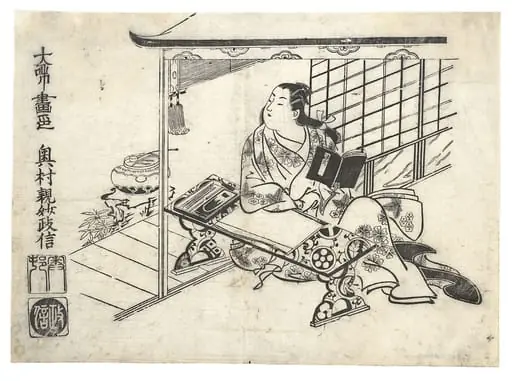
Untitled is an ink print by the Baroque artist Ippitsusai Bunchō. It dates from 1758 and is held in the collection of the Metropolitan Museum of Art.
About this work
Overview
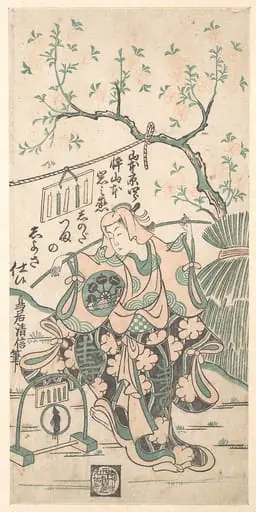
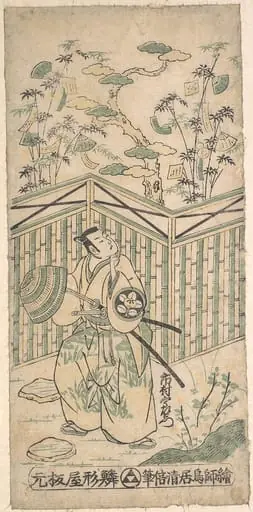
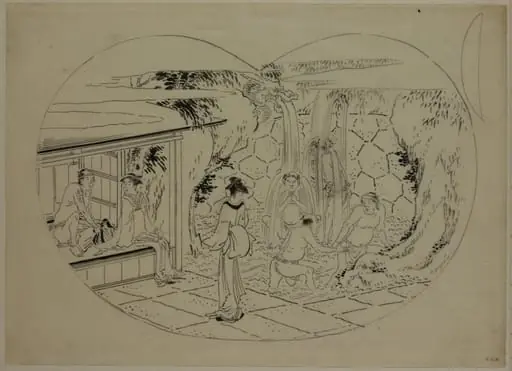
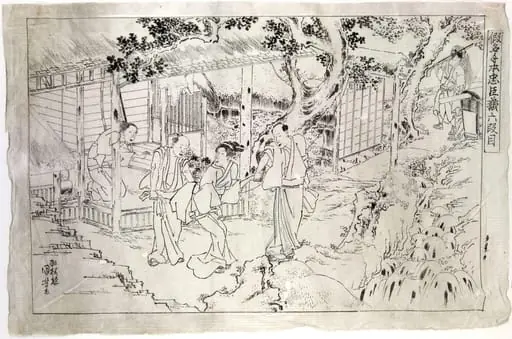
Created in 1758 by Ippitsusai Bunchō, this monochrome woodblock print is executed in ink on paper. It depicts a figure seated in a palanquin, transported by two bearers beneath a natural landscape. The work resides in The Metropolitan Museum of Art’s print collection and exemplifies Edo-period ukiyo-e aesthetics through its restrained palette and dynamic composition.
Subject & Meaning
The scene portrays an elite traveler in ornate attire, shielded from the environment by a hat and fan, while the carriers, bent under the palanquin’s weight, suggest social hierarchy. The outdoor setting—bamboo groves and distant mountains—implies travel through rural or semi-rural terrain, possibly evoking a journey between urban centers or a ceremonial procession.
Technique & Style
Bunchō employed bold, incised lines and controlled shading to convey volume and motion. The bamboo foliage is rendered with swift, angular strokes, lending energy to the composition. Cross-hatching and varying line density define the folds of fabric and the carriers’ postures, demonstrating a refined grasp of tonal contrast without color.
History & Provenance
The print was produced during the mid-Edo period, a time when woodblock printing flourished for both commercial and artistic purposes. It entered The Metropolitan Museum of Art’s collection through documented acquisitions of Japanese prints, likely in the early 20th century, as part of broader efforts to preserve Edo-era graphic arts.
Context
Palanquin travel was common among Japan’s upper classes, especially in regions with limited road infrastructure. Artists like Bunchō often depicted such scenes to appeal to urban audiences fascinated by elite customs. The absence of color aligns with monochrome print traditions, which emphasized line and form over chromatic spectacle.
Legacy
Bunchō’s work contributed to the evolution of ukiyo-e by integrating subtle narrative and naturalistic detail into monochrome formats. His approach influenced later printmakers who prioritized expressive line work over polychrome effects, helping sustain the medium’s artistic credibility beyond popular imagery.
Artist & collection