Artwork
Untitled
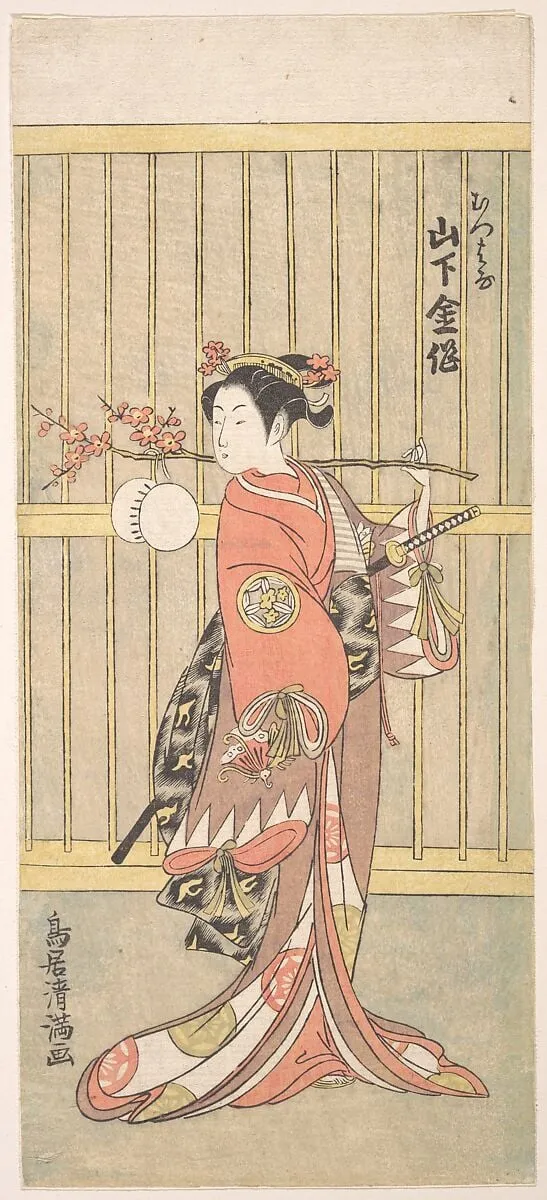
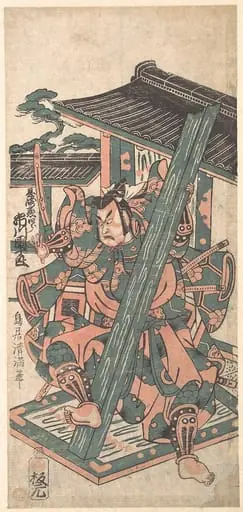
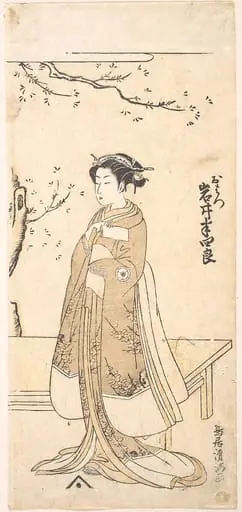
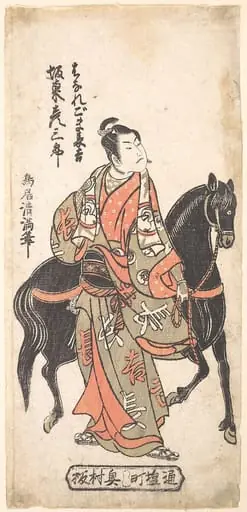
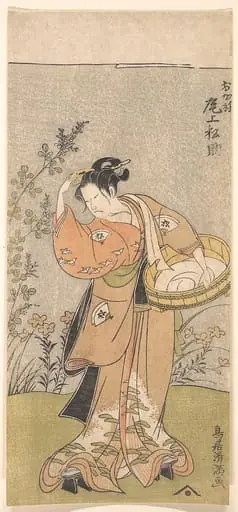
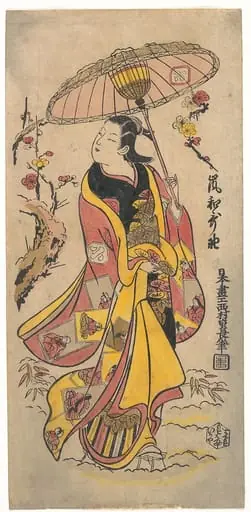
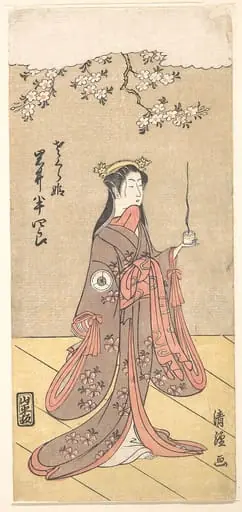
Untitled is an ink print by the Romanticist artist Torii Kiyomitsu. It dates from 1767 and is held in the collection of the Metropolitan Museum of Art.
About this work
Overview
This woodblock print, dated around 1767, is attributed to Torii Kiyomitsu, a key figure in the Torii school of ukiyo-e. Executed in ink and color on paper, it exemplifies the Edo-period print tradition. The work is part of the collection at The Metropolitan Museum of Art, where it is preserved as a representative example of late 18th-century Japanese commercial printmaking.
Subject & Meaning
The moon and plain wall create a serene, intimate setting, possibly evoking themes of solitude or seasonal transition common in Edo-period aesthetics.
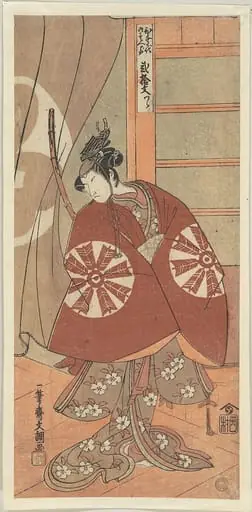
A woman, dressed in a vivid red kimono adorned with a family crest, stands before a lattice door. She holds a fan and a scroll, suggesting a moment of quiet contemplation or ritual. The floral hair ornament and elaborate sleeves imply status and refinement. The moon and plain wall create a serene, intimate setting, possibly evoking themes of solitude or seasonal transition common in Edo-period aesthetics.
Technique & Style
Kiyomitsu employed bold outlines and flat areas of color typical of ukiyo-e, emphasizing the kimono’s pattern and the fan’s detail. The print’s composition relies on strong contrasts between the rich red garment and the muted background. Woodblock carving allowed precise rendering of textures, while layered pigments enhanced the vibrancy of the attire, reflecting the printmaker’s technical mastery and attention to decorative elements.
History & Provenance
Created during the height of ukiyo-e’s popularity, the print likely circulated as a commercial image, possibly for private collectors or as a decorative item. It entered The Metropolitan Museum of Art’s collection through documented acquisitions, though its earlier ownership history remains undocumented. Its survival in good condition reflects careful preservation over centuries.
Context
This work emerged during a period when ukiyo-e prints depicted courtesans, actors, and scenes of urban life. Kiyomitsu, trained in the Torii lineage, specialized in elegant female figures and theatrical subjects. The inclusion of a family crest suggests the subject may represent a noble or merchant-class woman, aligning with broader trends of depicting social identity through dress and symbolism in Edo-period prints.
Legacy
Though less widely known than later ukiyo-e masters, Kiyomitsu’s prints contributed to the evolution of female portraiture in Japanese printmaking. His use of color and composition influenced successors in the Torii school and beyond. This print remains a reference for scholars studying the intersection of fashion, status, and visual culture in 18th-century Japan.
Artist & collection


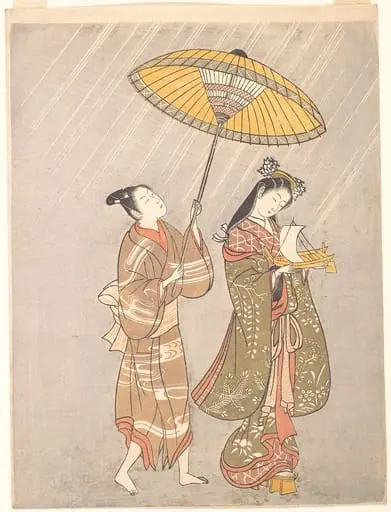
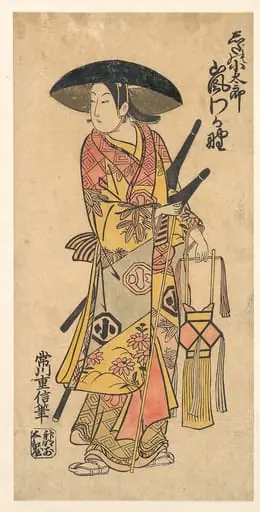 Untitled
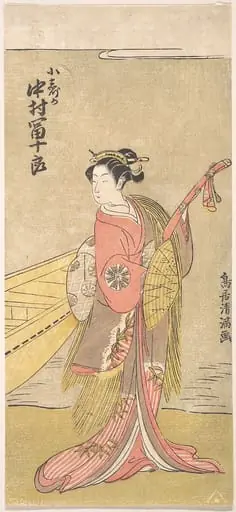 Untitled
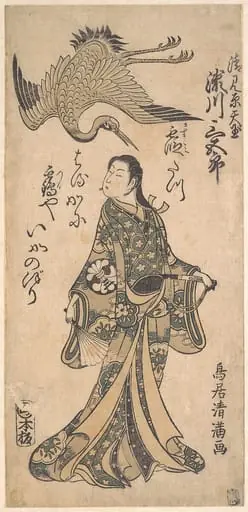 Untitled
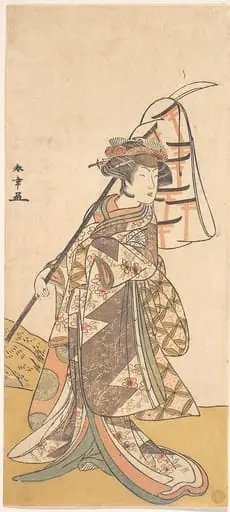 勝川春章画 三代目瀬川菊之丞|Kabuki Actor Segawa Kikunojō III
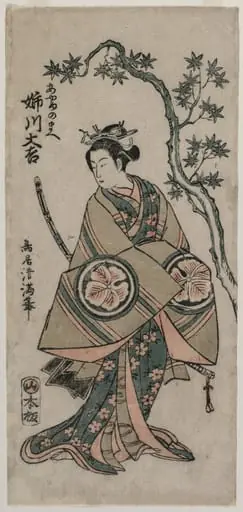 Anekawa Daisuke as Ayame-no-mae
 Untitled
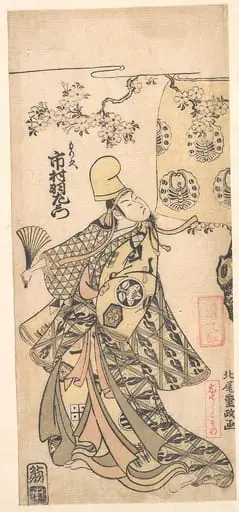 Untitled
 Untitled
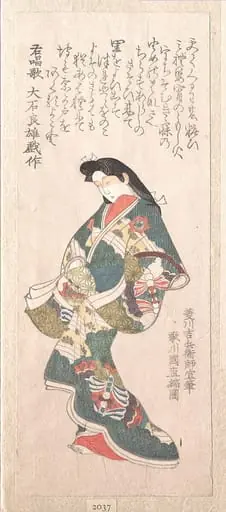 『春雨集』 摺物帖歌川国直画 元禄美人|Spring Rain Collection (Harusame shū), vol. 1: Genroku-style Courtesan
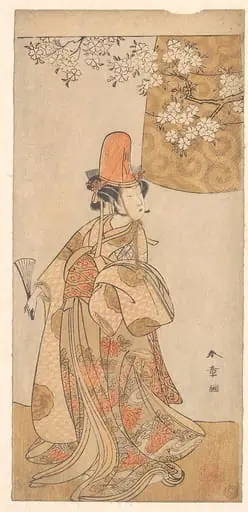 花形見風折烏帽子瀬川富三郎の娘道成寺|Segawa Tomisaburo in the Role of Musume Dojoji in "Hanagatami Kazaori Eboshi"
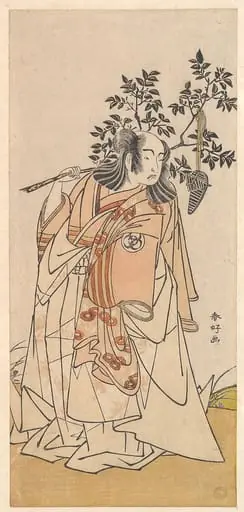 Untitled
 Untitled