Artwork
Madonna and Child in Glory
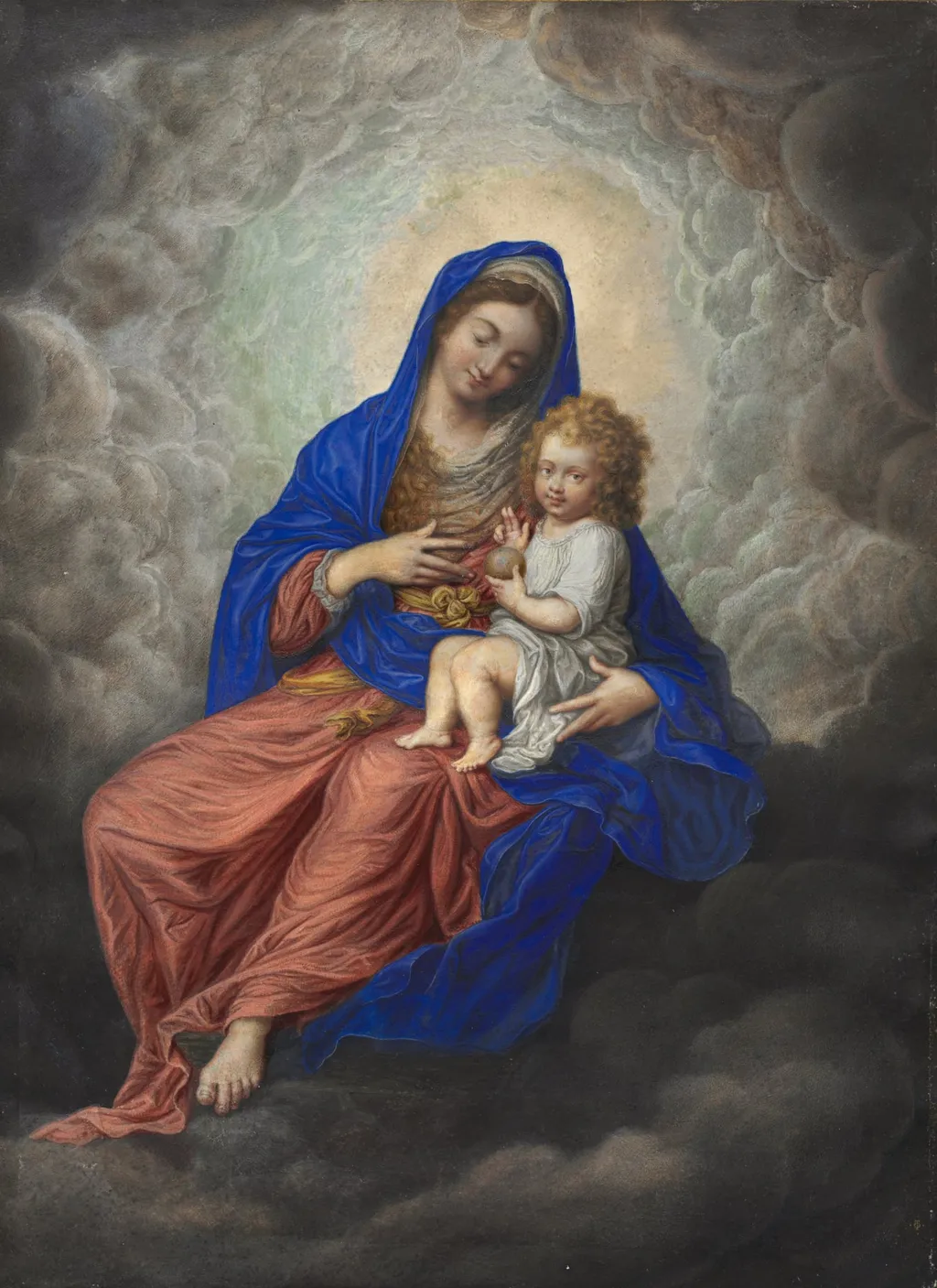
Madonna and Child in Glory is an unspecified portrait miniature by the Baroque artist Isaac Oliver. It dates from 1611 and is held in the collection of the Cleveland Museum of Art.
About this work
Overview
This small portrait miniature, painted by Isaac Oliver in early 17th-century England, depicts the Virgin Mary and Christ Child in a celestial setting.
This small portrait miniature, painted by Isaac Oliver in early 17th-century England, depicts the Virgin Mary and Christ Child in a celestial setting. Uncommon in a Protestant context where religious imagery was discouraged, the work stands apart for its devotional tone and synthesis of continental European traditions. Executed on ivory with fine brushwork, it reflects the artist’s exposure to Italian and Netherlandish models despite his limited travel compared to his continental peers.
Subject & Meaning
The Virgin is shown nursing the infant Jesus, a motif rooted in medieval Catholic iconography known as the Madonna Lactans. Paired with the Christ Child’s gesture of blessing—reminiscent of the Salvator Mundi type—the composition merges maternal tenderness with divine authority. Set against a luminous, cloud-filled sky populated by angelic faces, the scene evokes a private vision rather than public liturgy, suggesting personal devotion in a time when such imagery was publicly suppressed.
Technique & Style
Painted with meticulous detail on a thin ivory panel, the work employs fine brushstrokes and translucent layers to achieve a soft, luminous effect. The palette of warm pinks and blues, combined with subtle chiaroscuro, creates an ethereal atmosphere. The figures appear to float weightlessly, their forms delicately modeled to suggest both humanity and transcendence. The miniature format invites intimate viewing, aligning with private devotional practices.
History & Provenance
Commissioned during the reign of James I, the work likely belonged to a Catholic sympathizer or a member of the court with continental ties. Isaac Oliver, as a leading miniaturist to the royal family, had access to imported prints and artworks, allowing him to absorb Italian and Flemish influences. Its survival suggests it was kept discreetly, possibly within a private collection, avoiding the iconoclastic pressures of the period.
Context
In post-Reformation England, public religious imagery was largely eradicated, and Catholic devotional practices were suppressed. Yet private objects like this miniature reveal a quiet persistence of older traditions among elites. Oliver’s synthesis of Italianate composition with Netherlandish detail reflects the transnational exchange of visual culture, even as England remained officially Protestant. The work exists in tension between public doctrine and private belief.
Legacy
This miniature remains one of the few surviving English examples of its kind, bridging Catholic iconography with Protestant-era constraints. It influenced later generations of miniaturists who sought to blend devotional themes with portraiture. While not widely disseminated in its time, its survival offers insight into the hidden spiritual lives of early modern English elites and the resilience of visual traditions beyond official doctrine.
Artist & collection


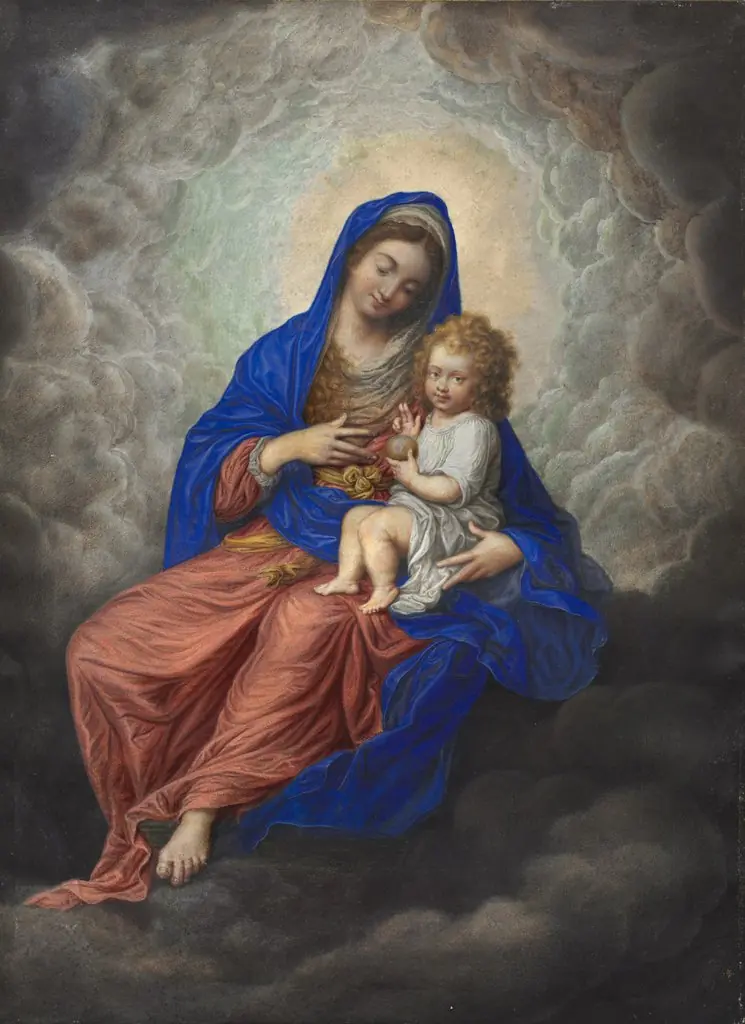 Madonna and Child in Glory
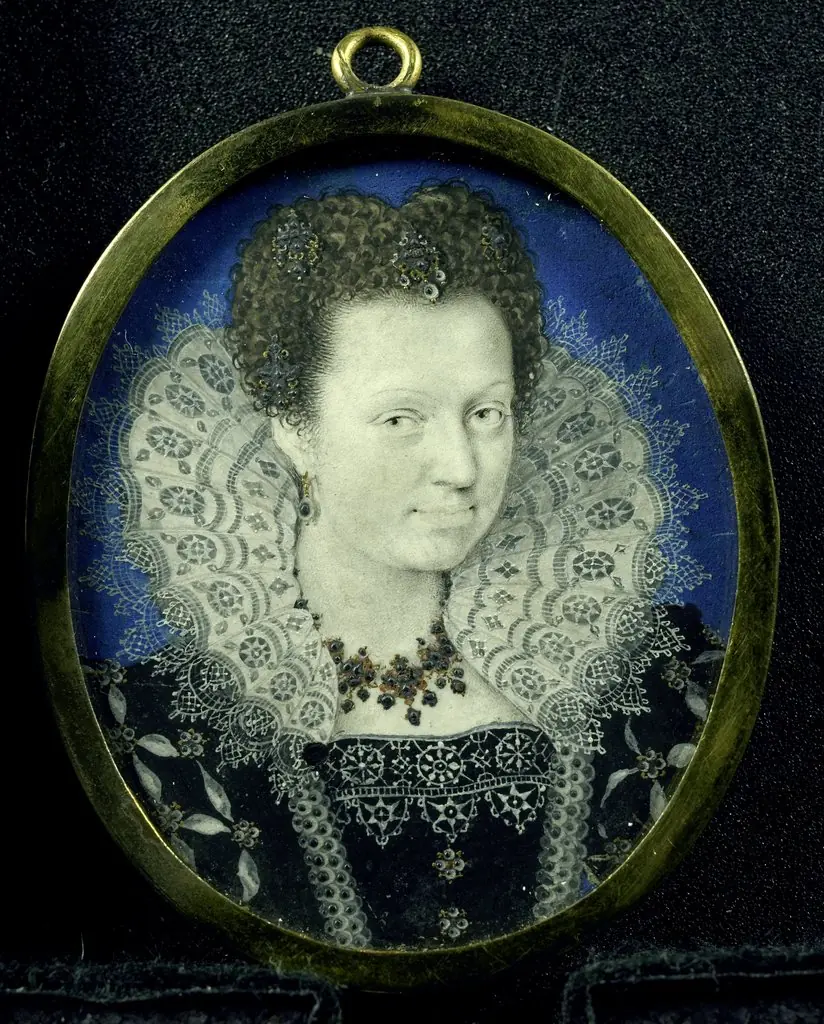 Portret van een vrouw
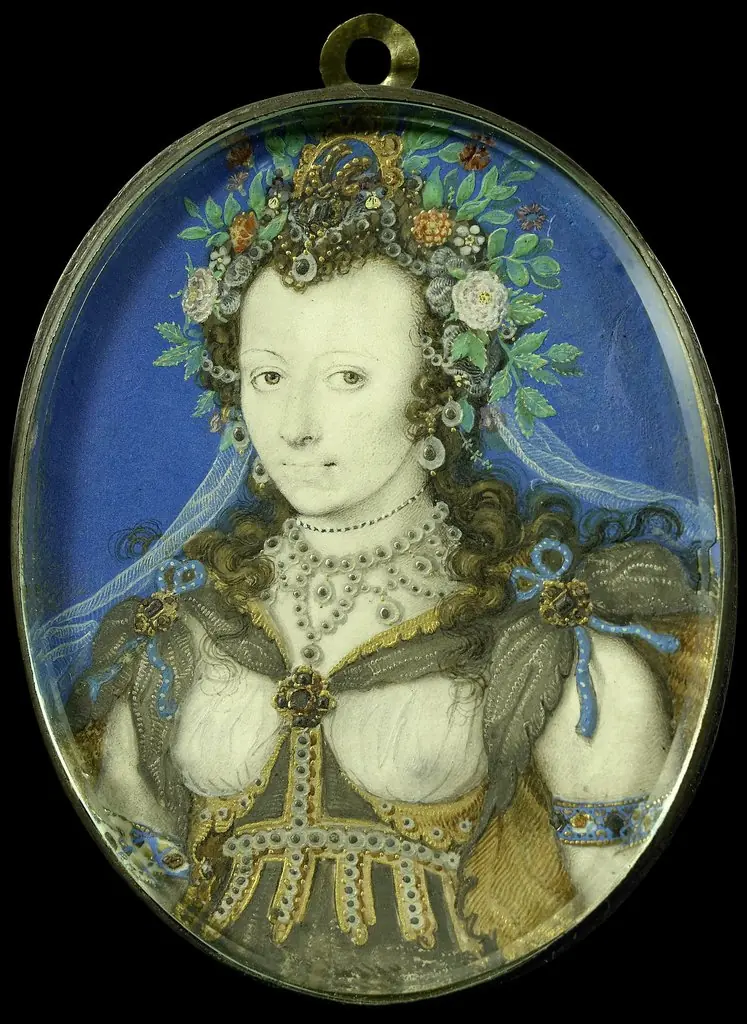 Portret van een vrouw in maskeradekleding als Flora
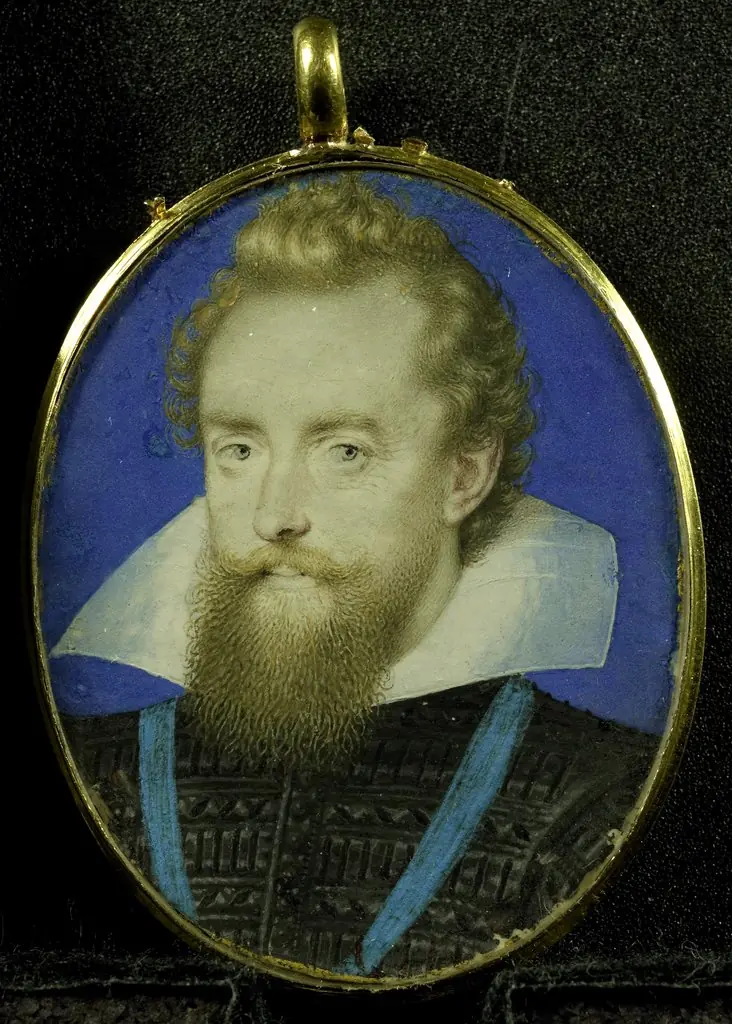 Ludovic Stuart (1574-1623/1624), eerste hertog van Richmond en tweede hertog van Lennox of Thomas Howard (1561-1628), graaf van Suffolk
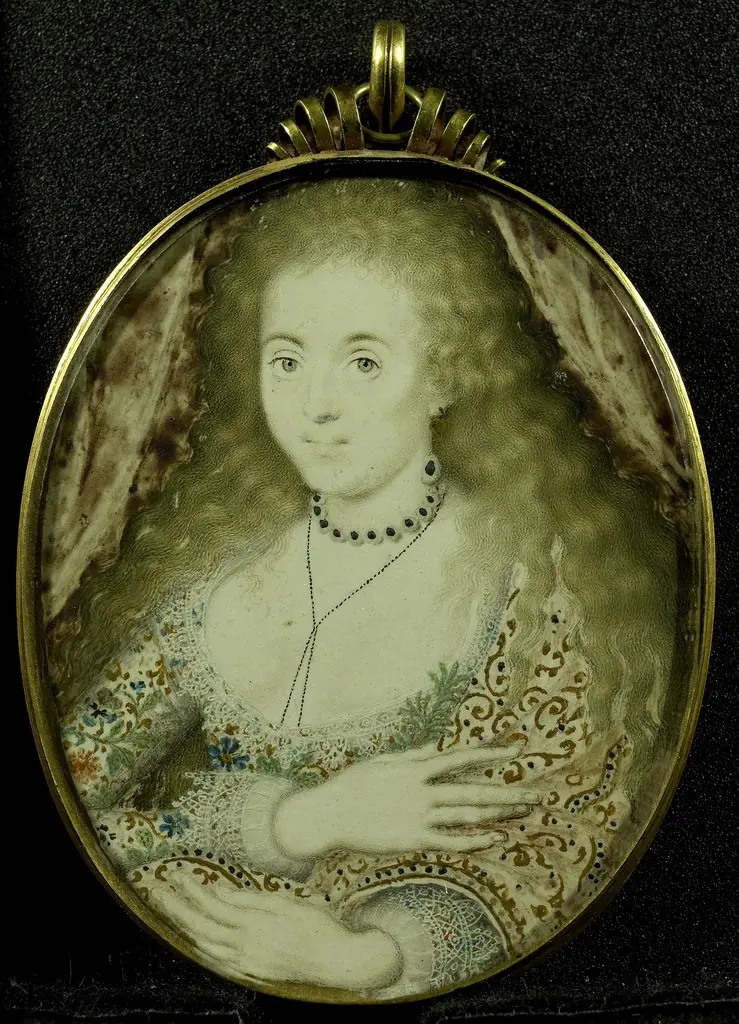 Arabella Stuart
 Porträt der Robert Devereux, 2nd Earl of Essex (1566-1601)
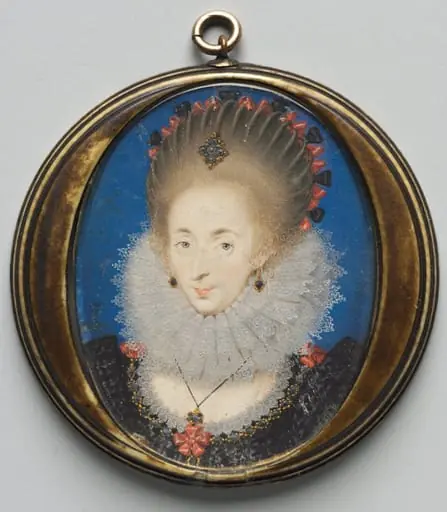 Portrait of Lucy Russell, Countess of Bedford, née Harrington
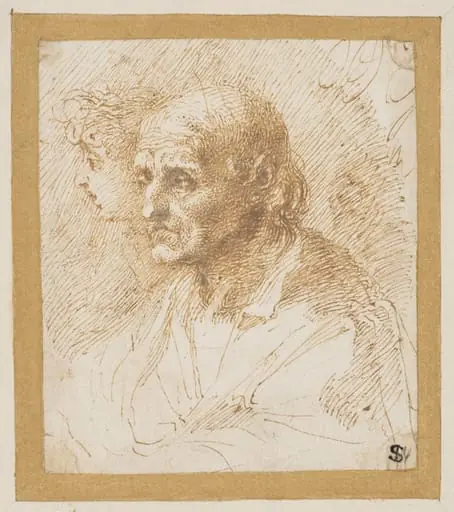 Study of the head of an old man
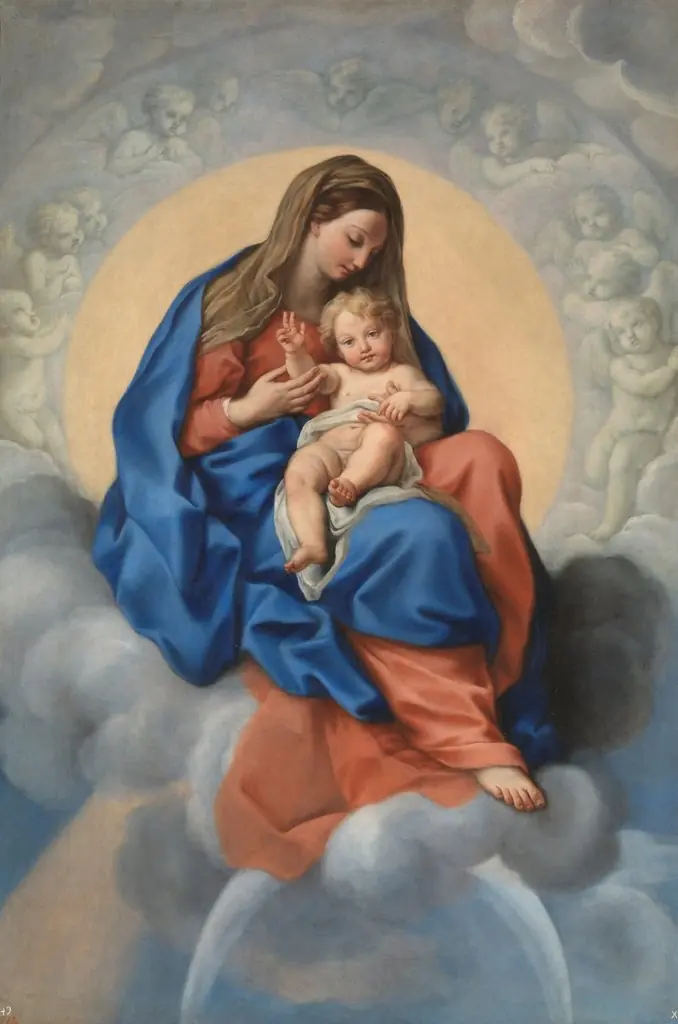 The Virgin and Child in Glory
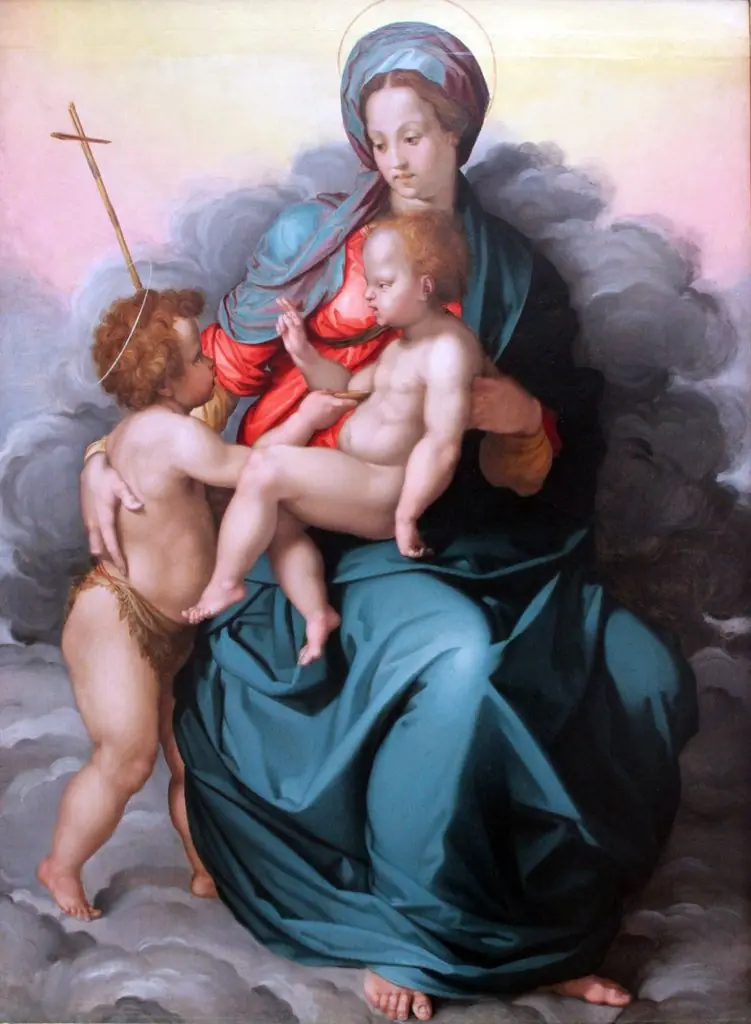 Madonna with Child and Saint John the Baptist on clouds
 The Apparition of the Virgin
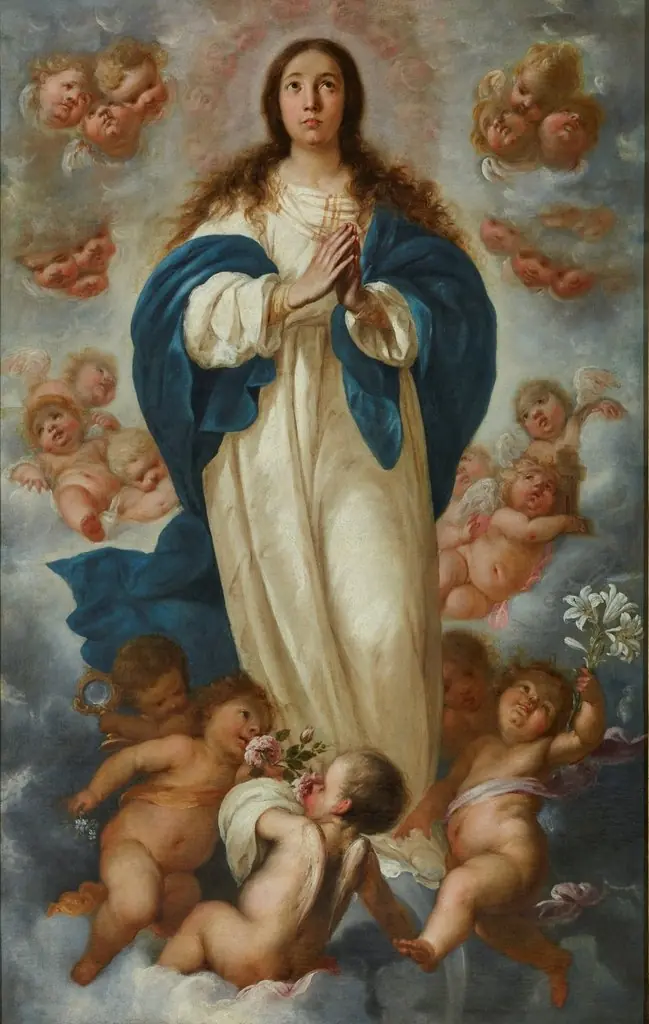 The Immaculate Conception
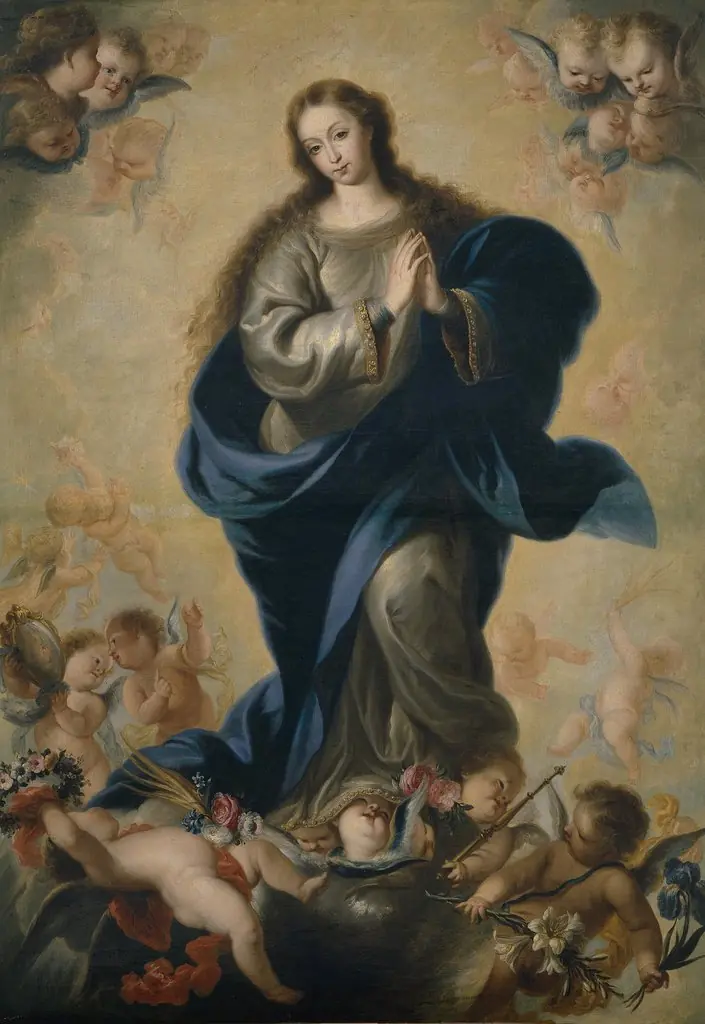 The Immaculate Conception
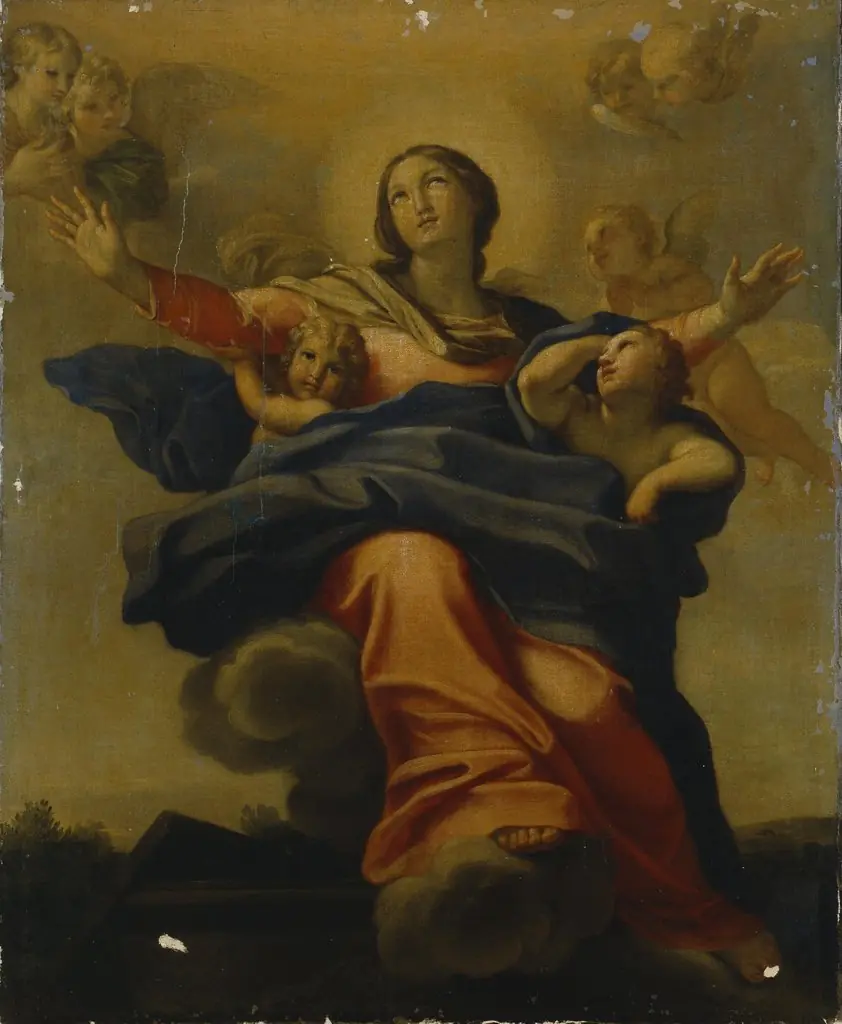 Assumption of the Virgin Mary
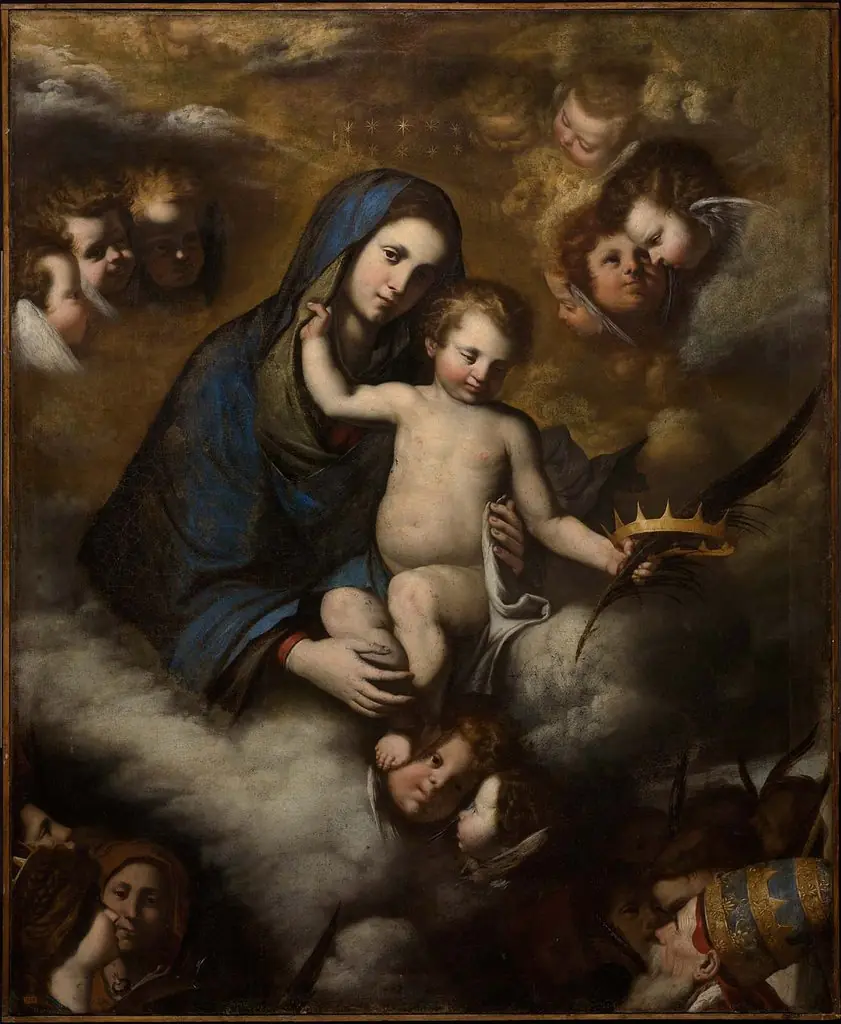 The Virgin and Child in Glory
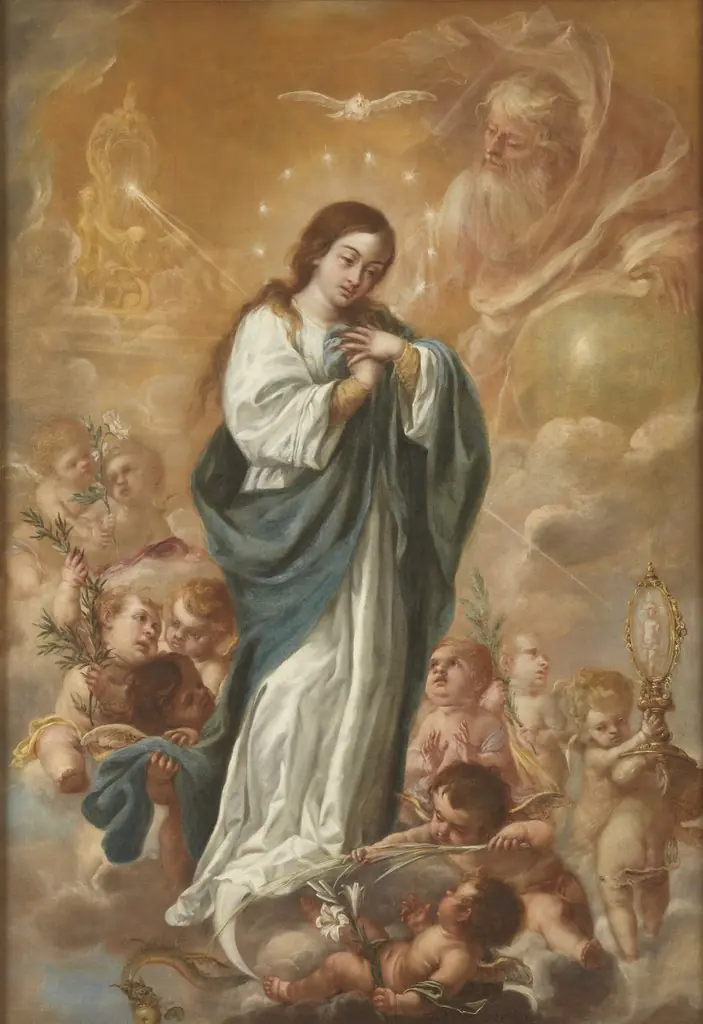 Immaculate Conception
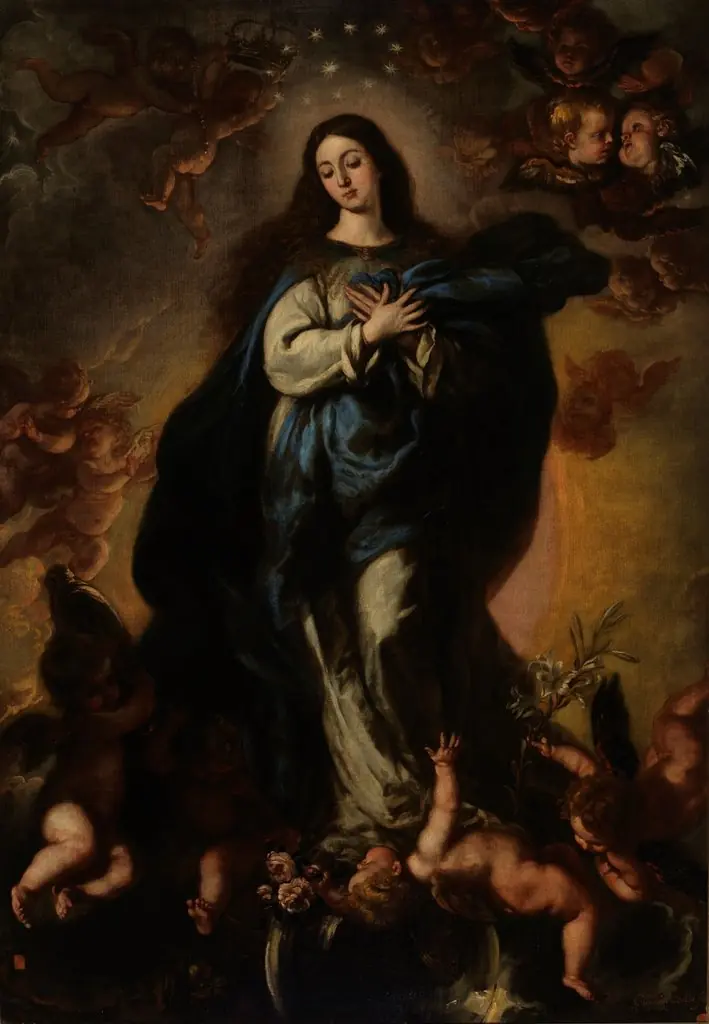 The Immaculate Conception
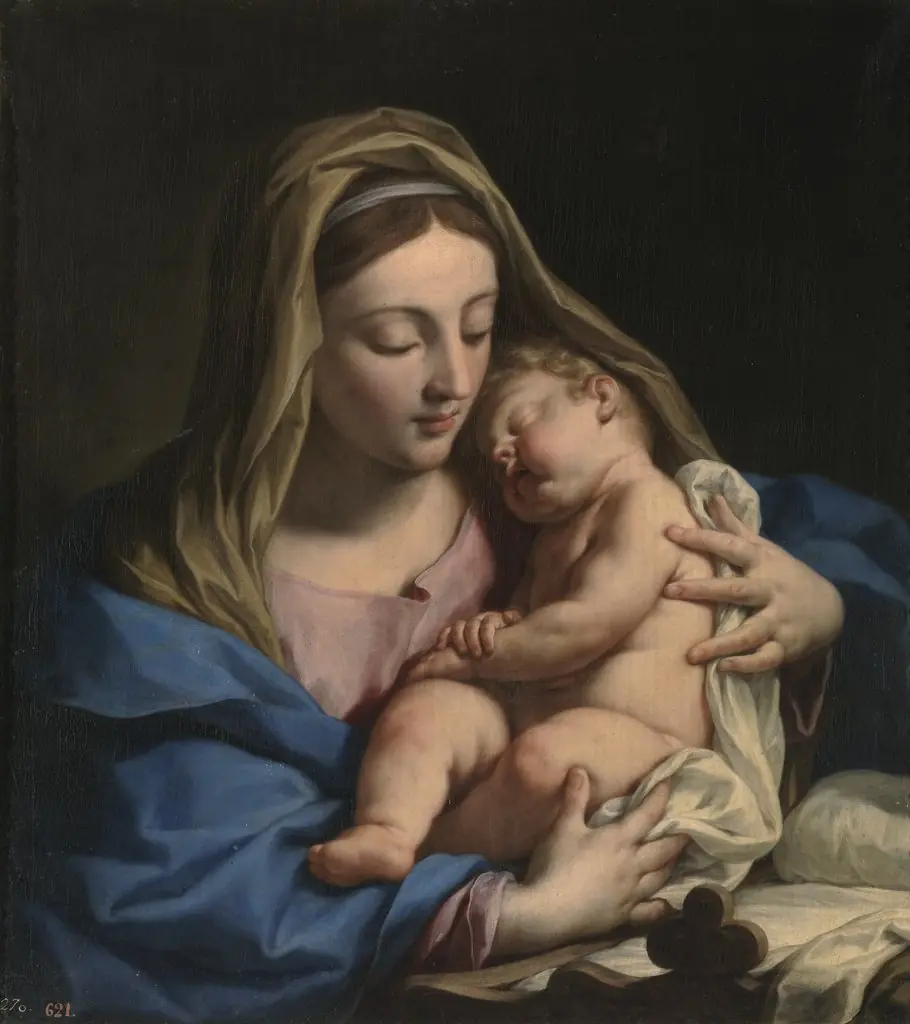 The Virgin and Child
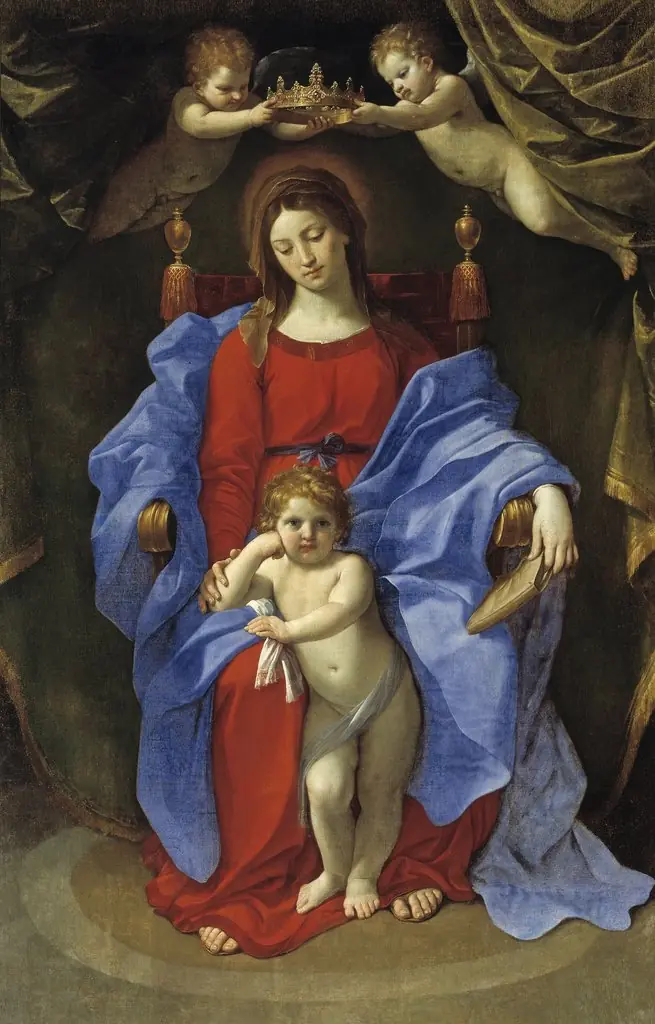 The Virgin of the Chair