Artwork
The Virgin and Child in Glory
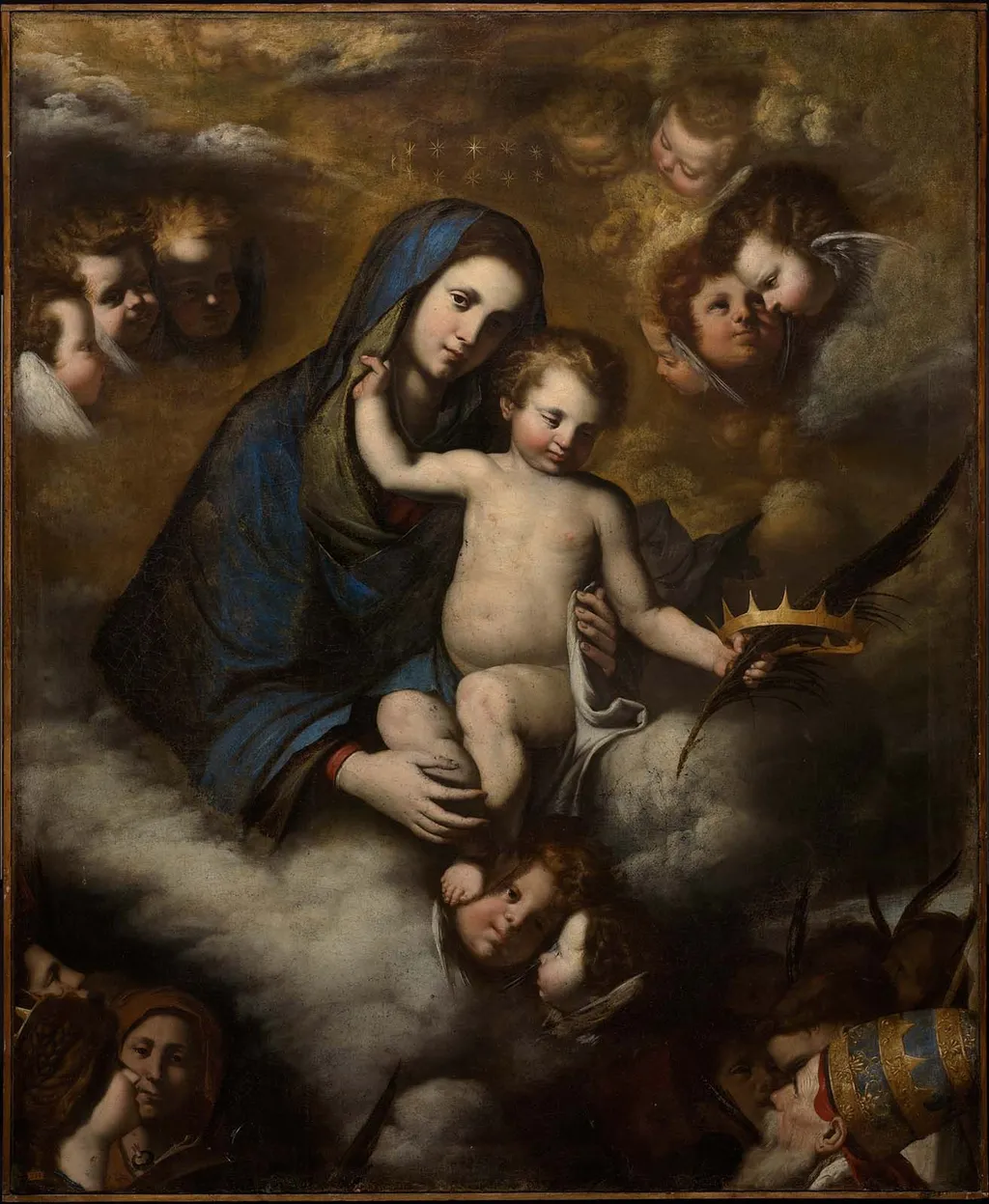
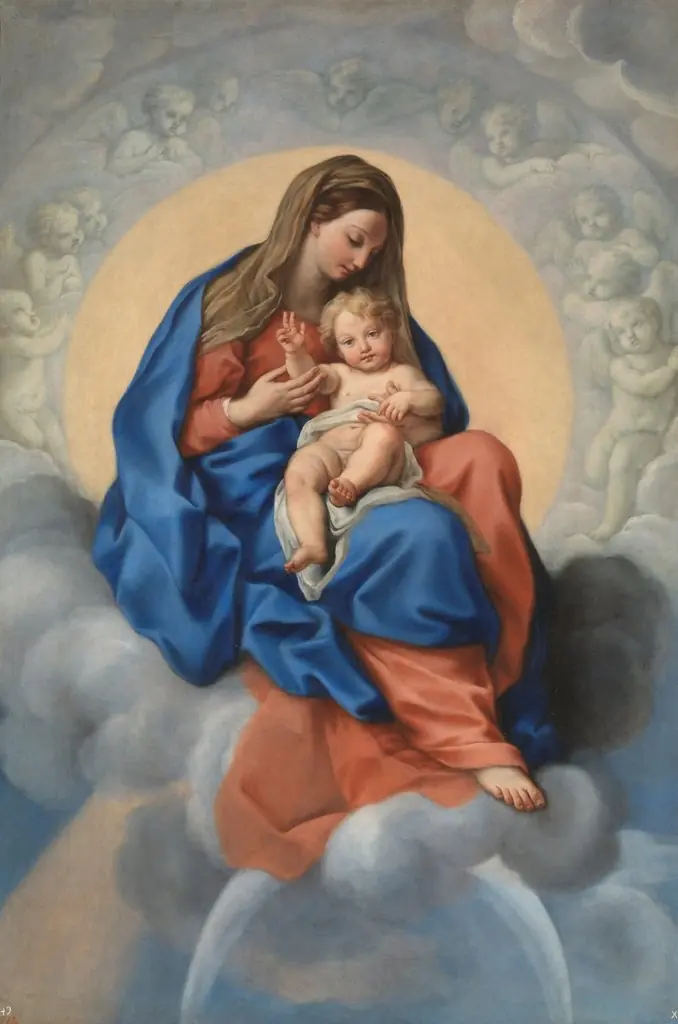
The Virgin and Child in Glory is an oil painting by the Early Baroque Italian artist Pietro Novelli. It dates from 1635 and is held in the collection of the Museum of Fine Arts Boston.
About this work
Overview
The Virgin and Child in Glory is an oil painting created by Sicilian Baroque artist Pietro Novelli around 1635. It features the Virgin Mary and the Christ Child in a heavenly setting.
Subject & Meaning
The painting depicts the Virgin Mary holding the naked Christ Child, surrounded by clouds and winged figures, indicating a celestial scene. The Christ Child holds a golden crown and staff, symbolizing divine authority. The calm expressions of the subjects convey serenity and reverence.
Technique & Style
Novelli employed chiaroscuro, a strong contrast between light and dark, to make the figures stand out against the dark sky. The soft, glowing light in the background enhances the heavenly atmosphere, characteristic of early Baroque Italian style.
History & Provenance
Pietro Novelli, known as the 'Raphael of Sicily,' created this work in his characteristic blend of refined composition and dramatic religious themes. The painting is now part of the collection at the Museum of Fine Arts, Boston.
Context
As a product of the early Baroque period, the painting reflects the era's emphasis on emotional and spiritual intensity through dramatic lighting and composition. Novelli's style, though Sicilian, aligns with broader Italian Baroque trends.
Legacy
While specific lasting impacts of *The Virgin and Child in Glory* on subsequent art are not widely documented, it remains a notable example of Pietro Novelli's contribution to the Baroque movement in Italy, particularly in Sicily.
Artist & collection
Artist
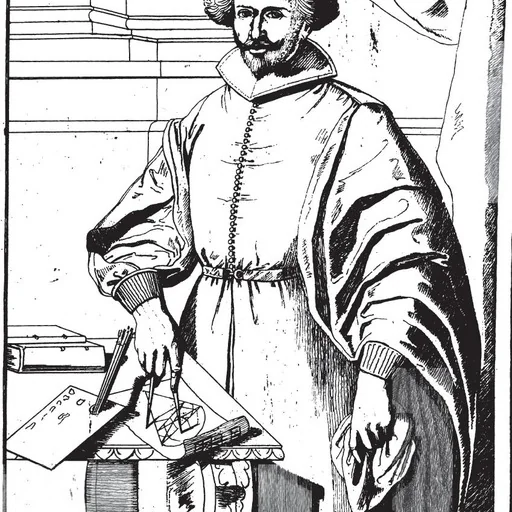
Pietro Novelli (March 2, 1603 – August 27, 1647) was an Italian painter of the Baroque period, active mainly in Palermo.

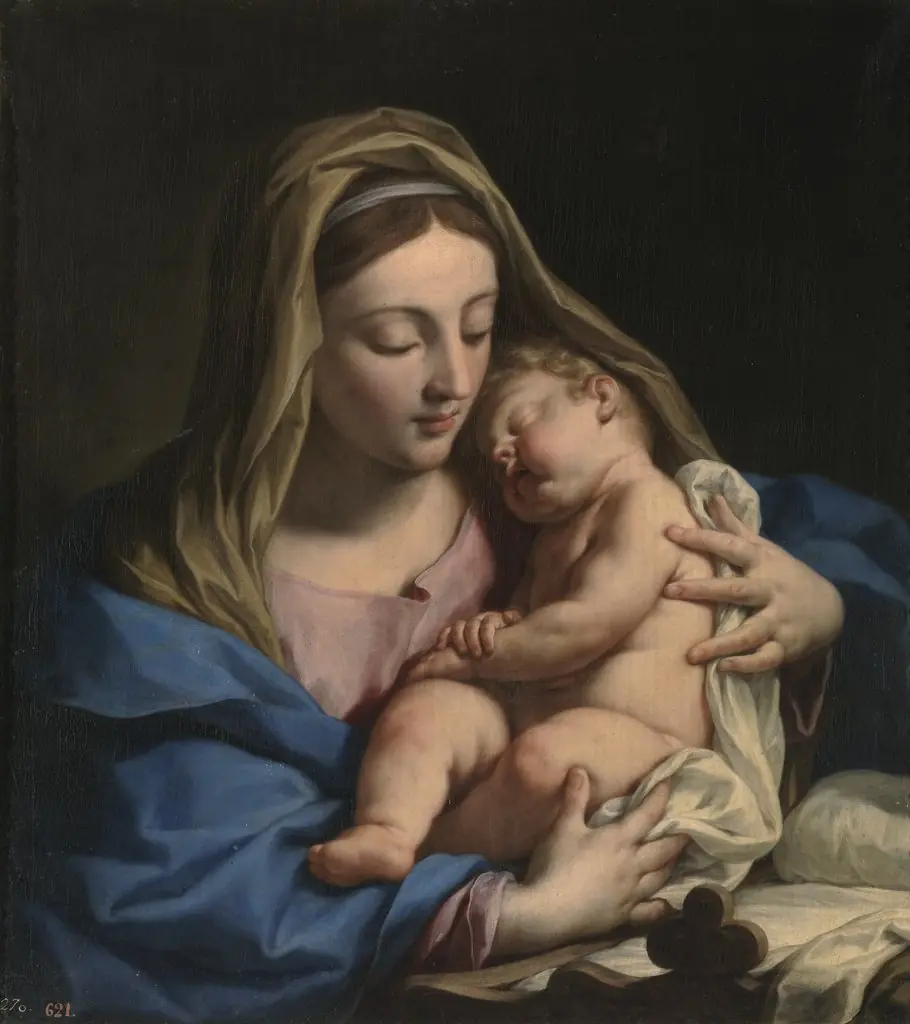 The Virgin and Child
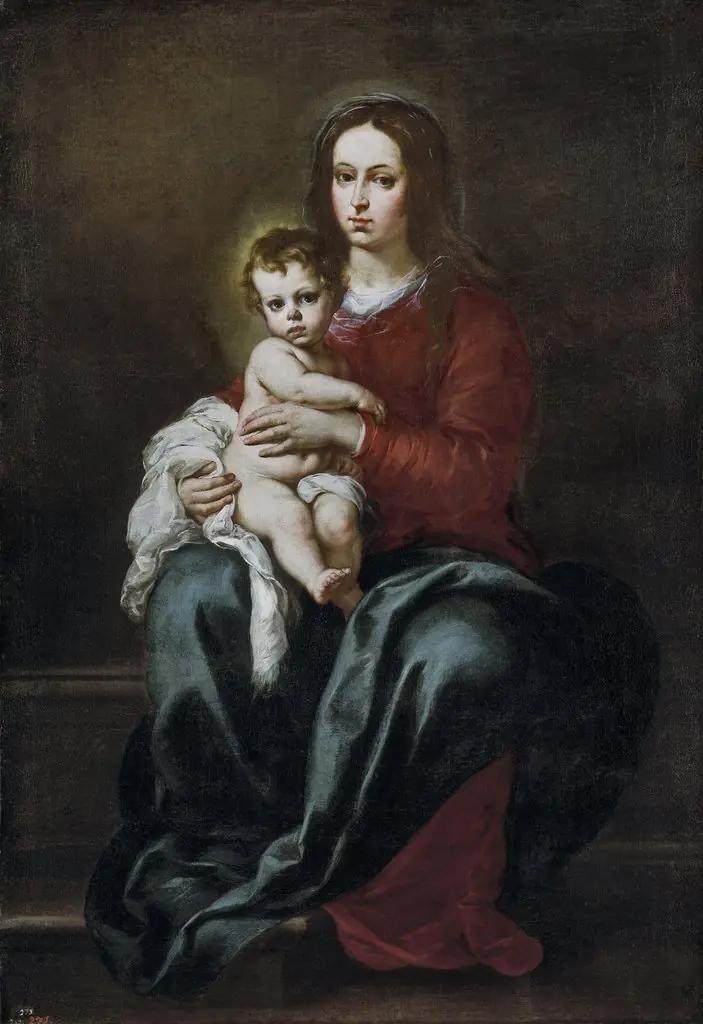 The Virgin and Child
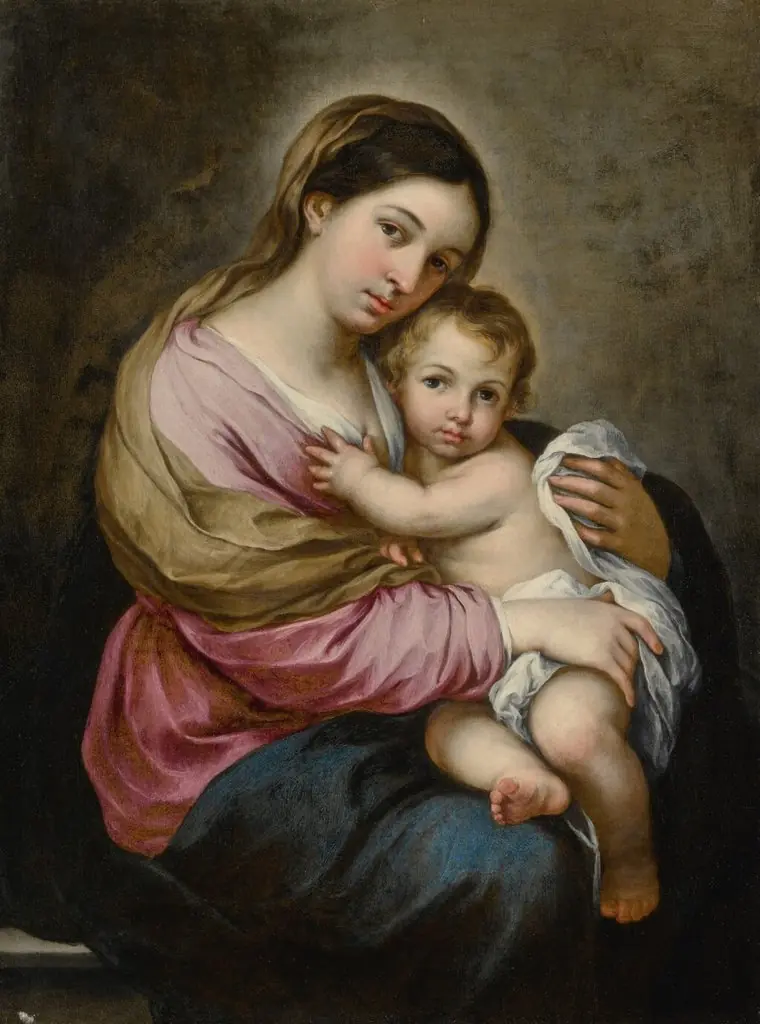 The Virgin and Child
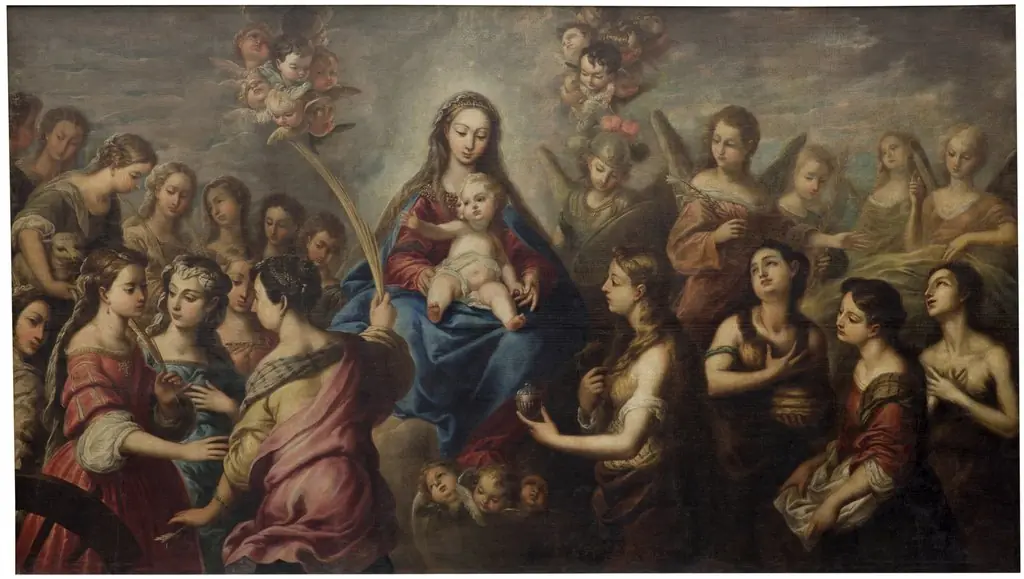 La Virgen con santos y ángeles
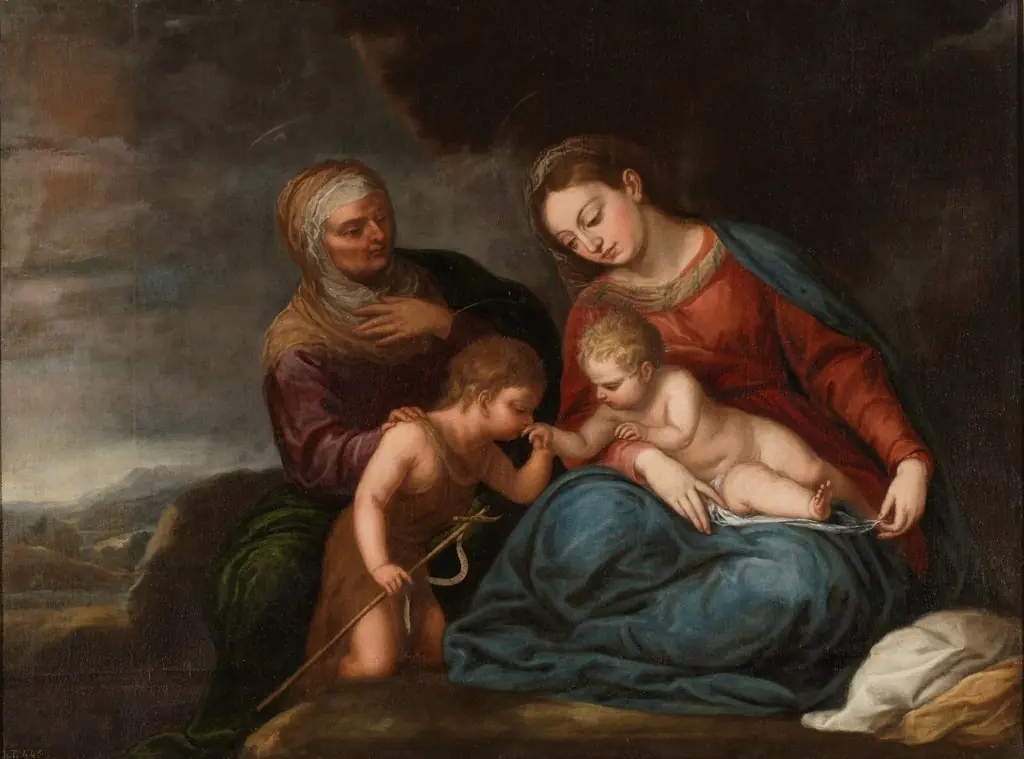 The Virgin and Child with Saints Elizabeth and John
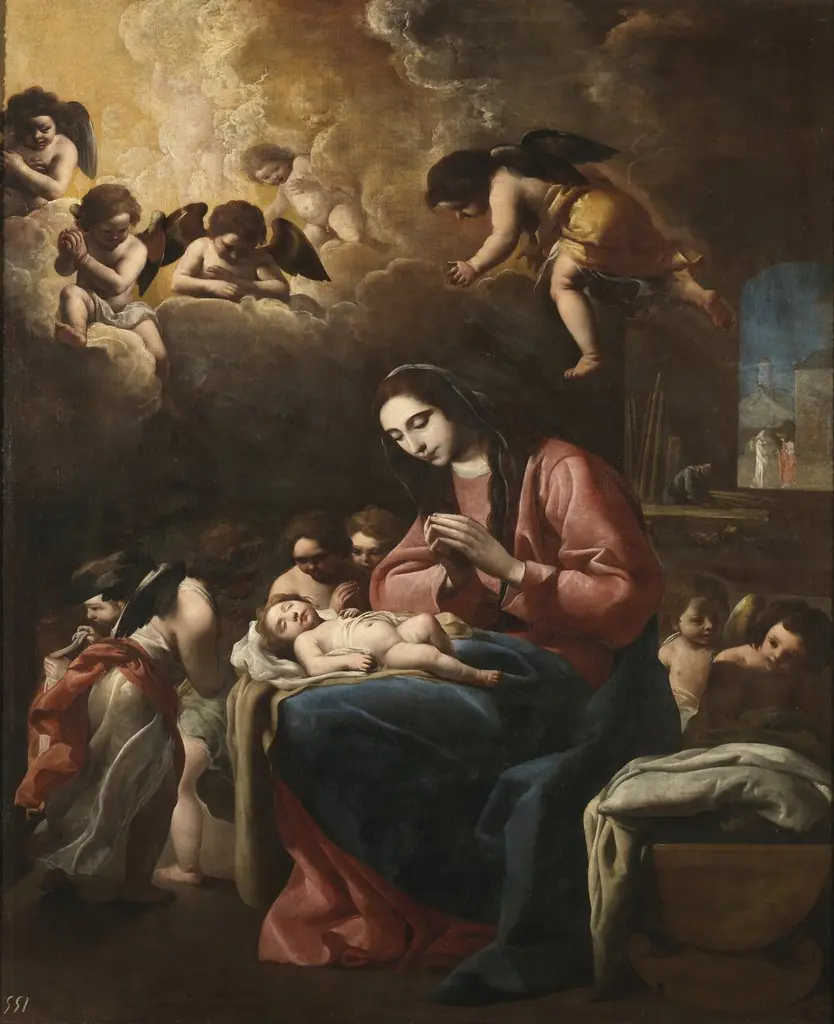 The Virgin and Child with Angels
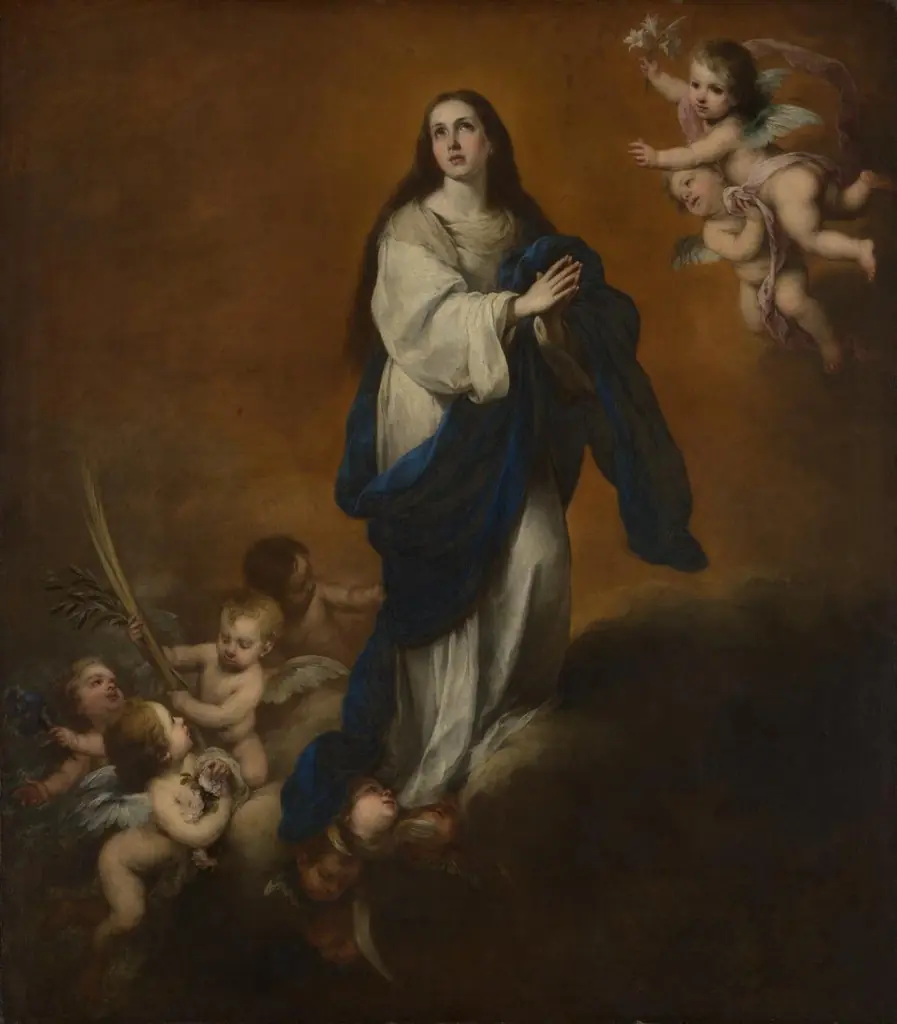 The Immaculate Conception
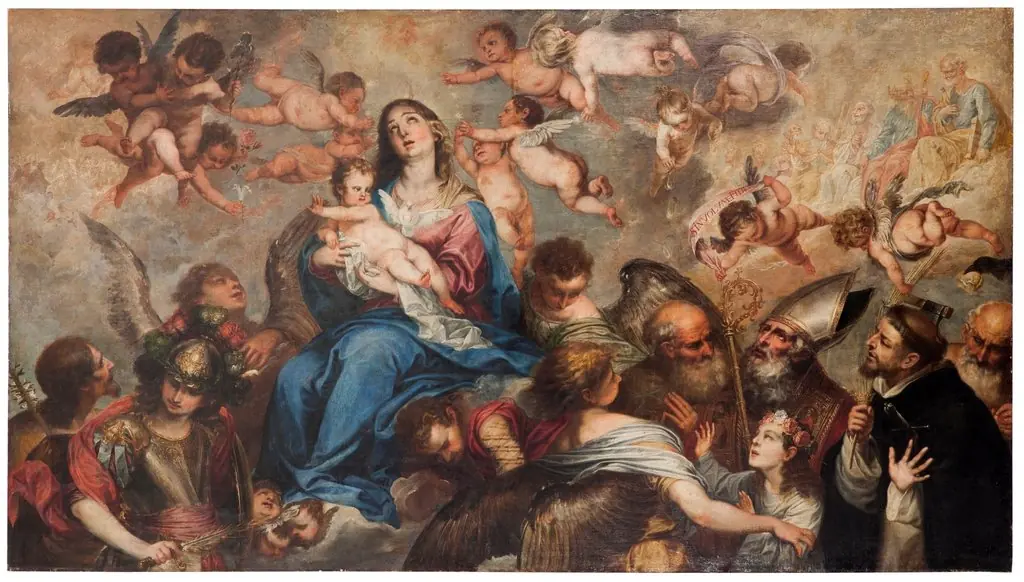 The Virgin with Saints
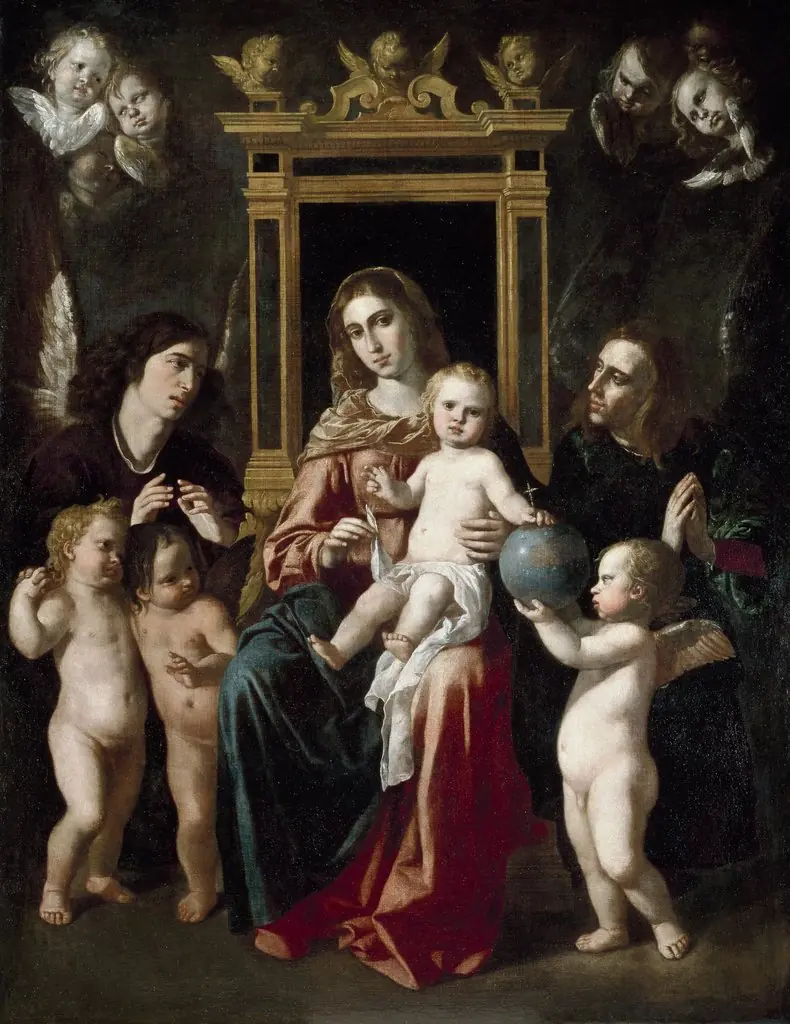 The Virgin and Child on a Throne of Angels
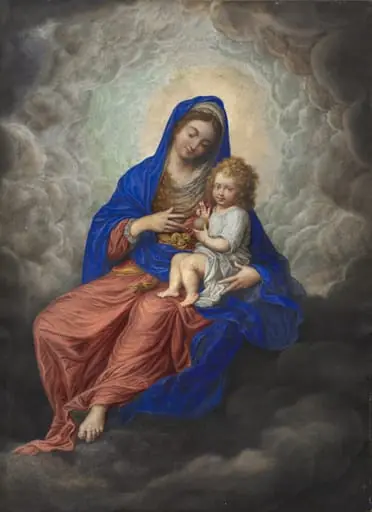 Madonna and Child in Glory
 The Immaculate Conception
 The Virgin and Child in Glory