Artwork
Portrait of a Girl
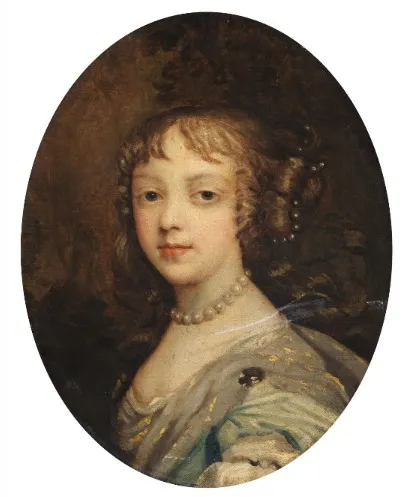
Portrait of a Girl is an oil painting by the Rococo painting artist Peter Lely. It dates from 1659 and is held in the collection of the National Gallery of Ireland. Created circa 1659, this oil portrait presents a young girl rendered with a restrained elegance.
About this work
Overview
Created circa 1659, this oil portrait presents a young girl rendered with a restrained elegance. She faces the viewer directly, her calm expression framed by curled hair embellished with pearls and a delicate pearl necklace. The figure is set against a deep, muted background that isolates her, allowing the subtle play of light to emphasize the modest richness of her blue dress with gold trim.
Subject & Meaning
The sitter, a child of modest standing, is portrayed in a poised yet unembellished manner, suggesting an intention to convey virtue and innocence rather than overt status. The neutral gaze and serene demeanor invite contemplation of youthful purity, while the inclusion of pearls—symbols of wealth and chastity—adds a layer of social aspiration without overt display.
Technique & Style
Lely employs a chiaroscuro approach, juxtaposing illuminated areas of the girl's face and attire against a shadowed backdrop to generate depth. The brushwork is smooth, particularly in the rendering of fabric and jewelry, reflecting the early Rococo inclination toward refined surface treatment. The controlled palette and delicate modeling contribute to a tranquil visual atmosphere.
History & Provenance
The portrait was executed by Sir Peter Lely, a Dutch-born artist who rose to prominence as the principal portraitist of the English court in the mid‑seventeenth century. By the time of this work, Lely had already secured his reputation, later receiving knighthood in 1680. The painting now resides in the National Gallery of Ireland, forming part of its collection of European baroque portraiture.
Artist & collection
Artist
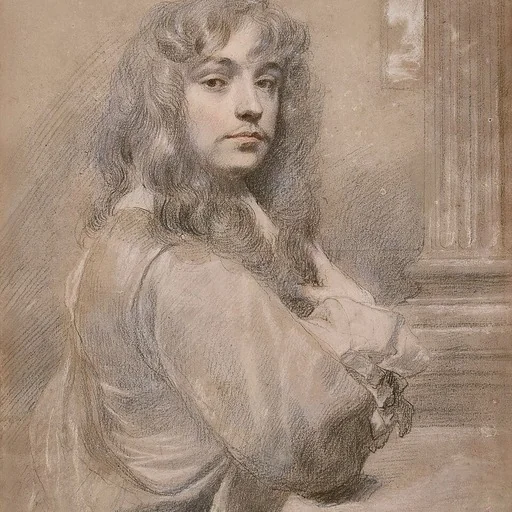
Sir Peter Lely (Dutch: ; 14 September 1618 – 30 November 1680) was a painter of Dutch origin whose career was nearly all spent in England, where he became the dominant portrait painter to the court.

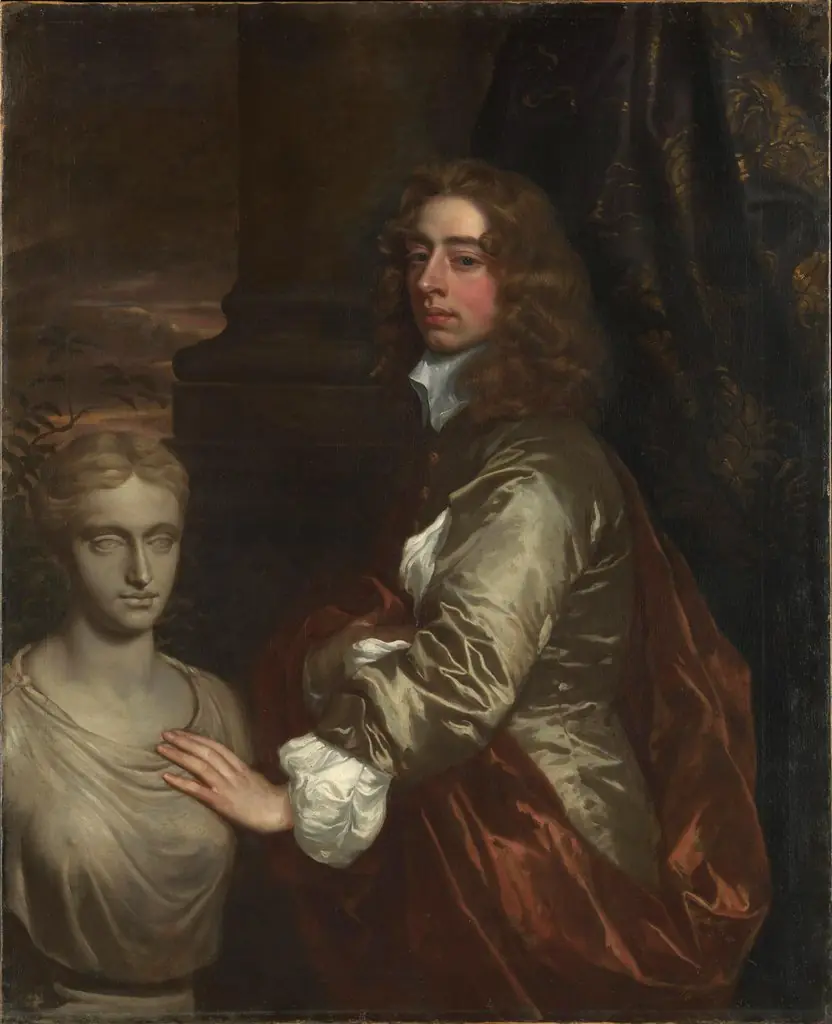 Sir Henry Capel (1638–1696)
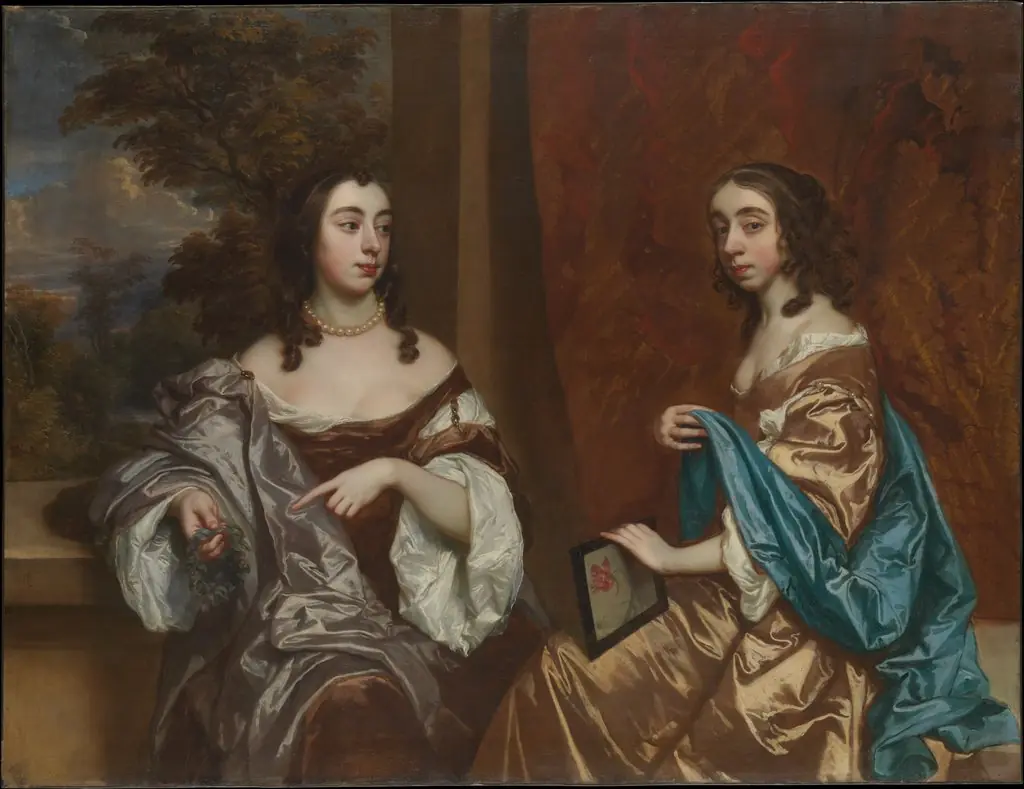 Mary Capel (1630–1715), Later Duchess of Beaufort, and Her Sister Elizabeth (1633–1678), Countess of Carnarvon
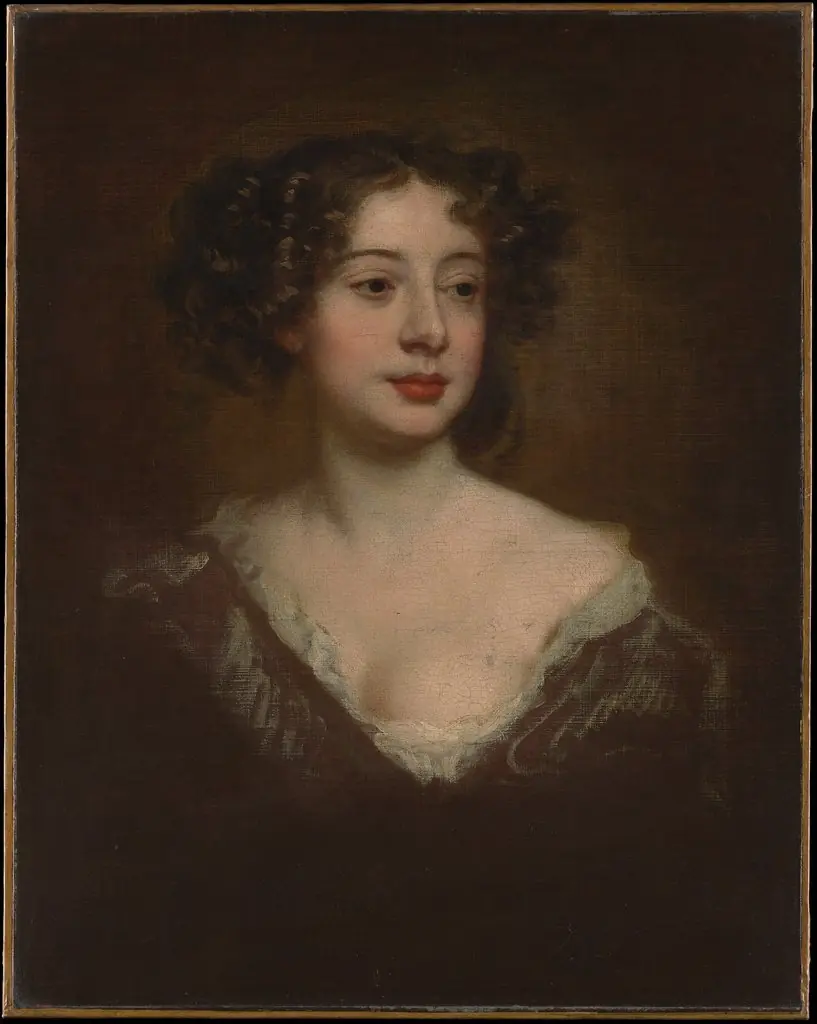 Study for a Portrait of a Woman
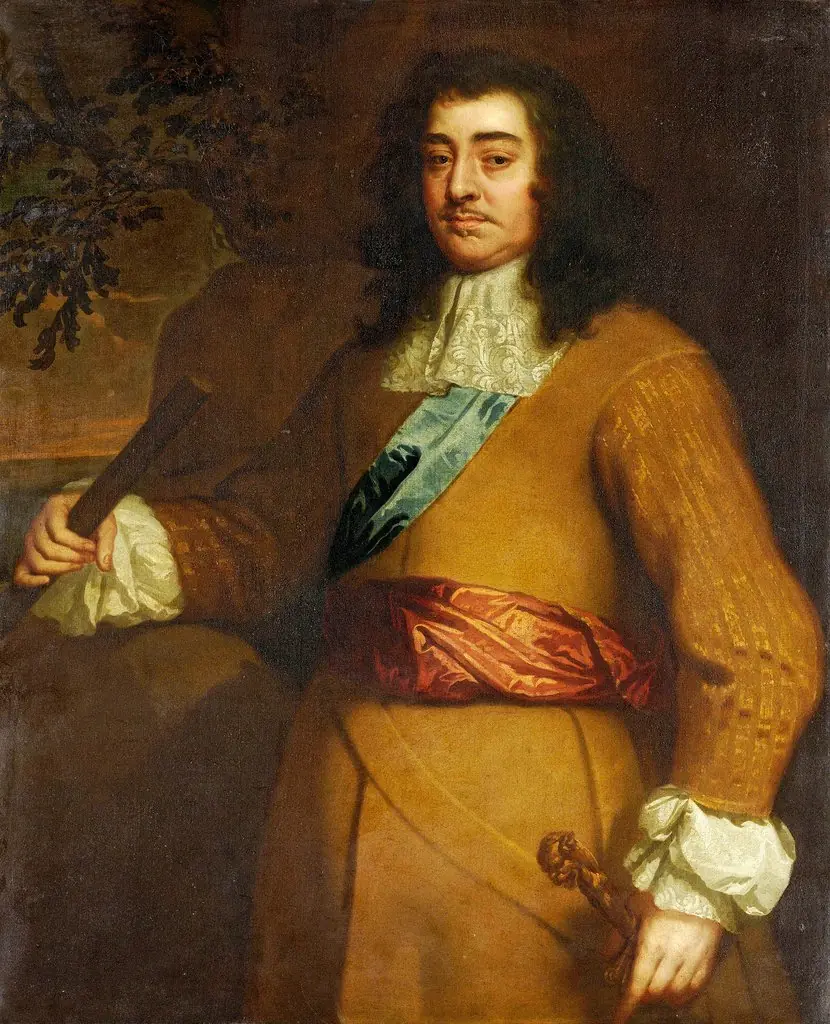 Portrait of George Monck, 1st Duke of Albemarle, English Admiral and Statesman
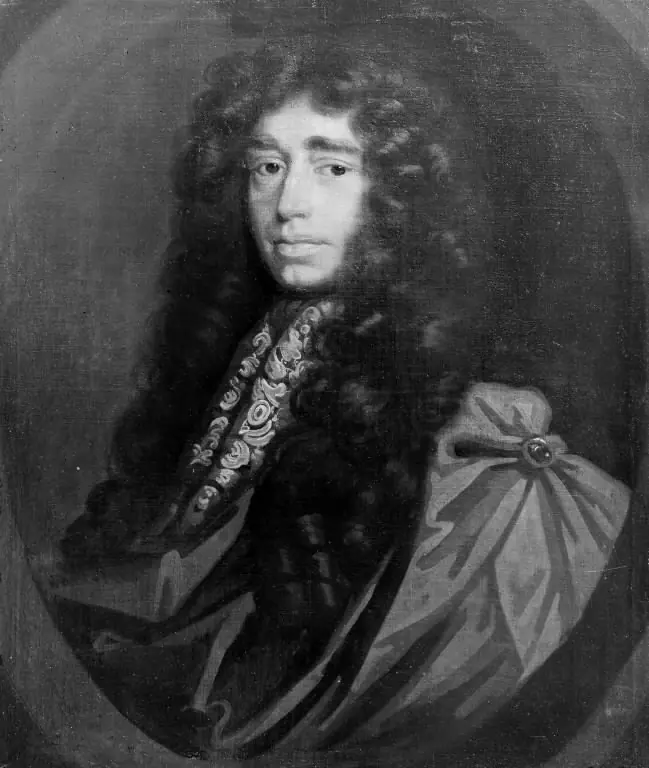 Portrait of a Man
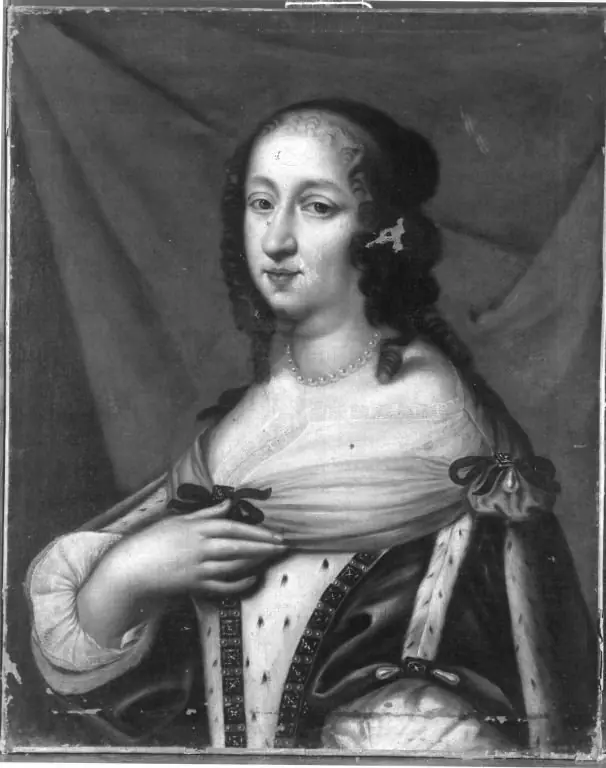 Portrait of a Woman
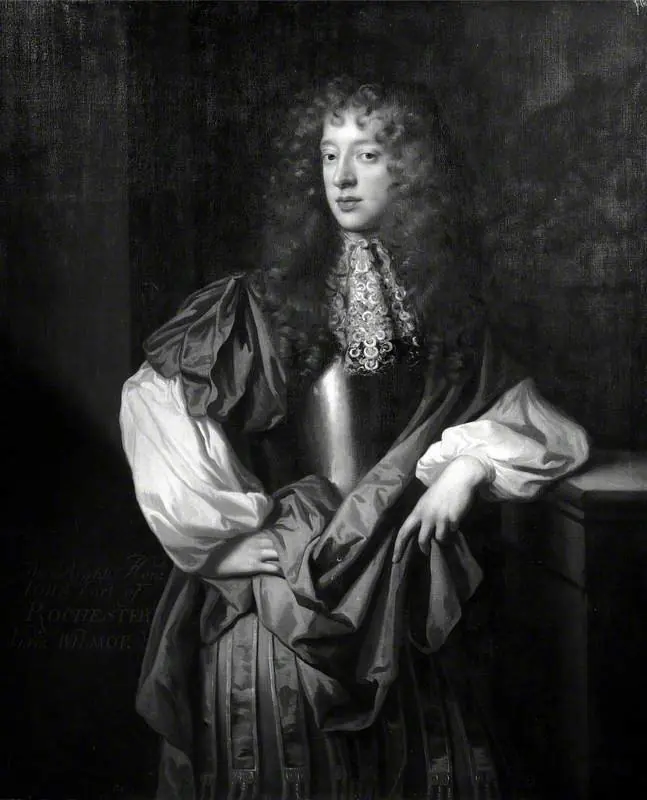 John Wilmot (1647–1680), 2nd Earl of Rochester
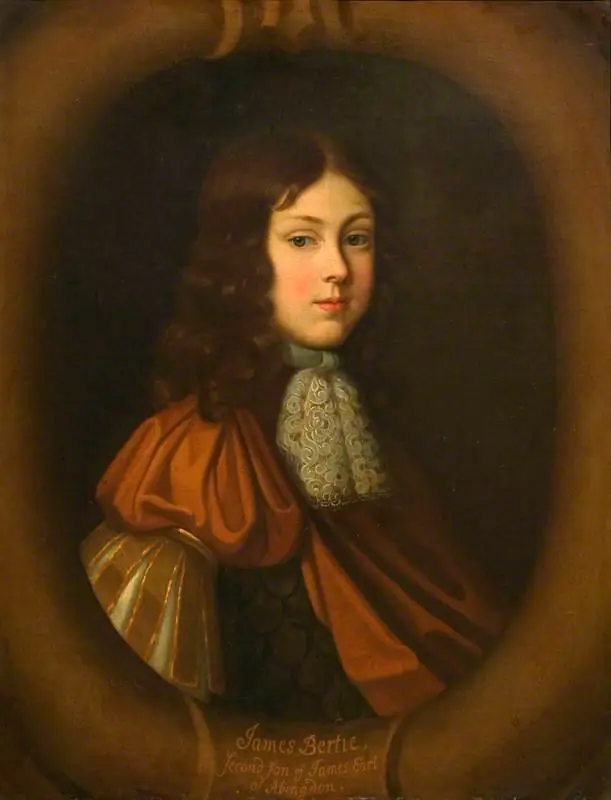 James Bertie (1653–1699), 2nd Son of James, Earl of Abingdon
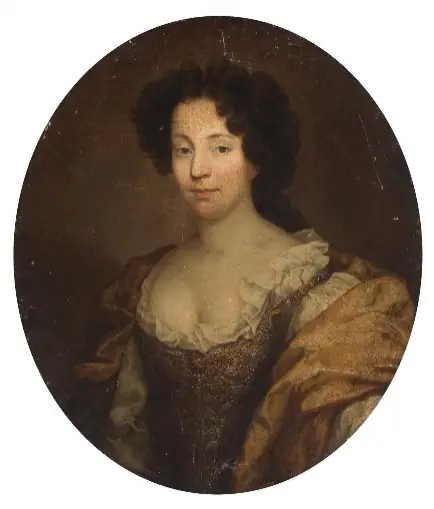 Portrait of a Lady
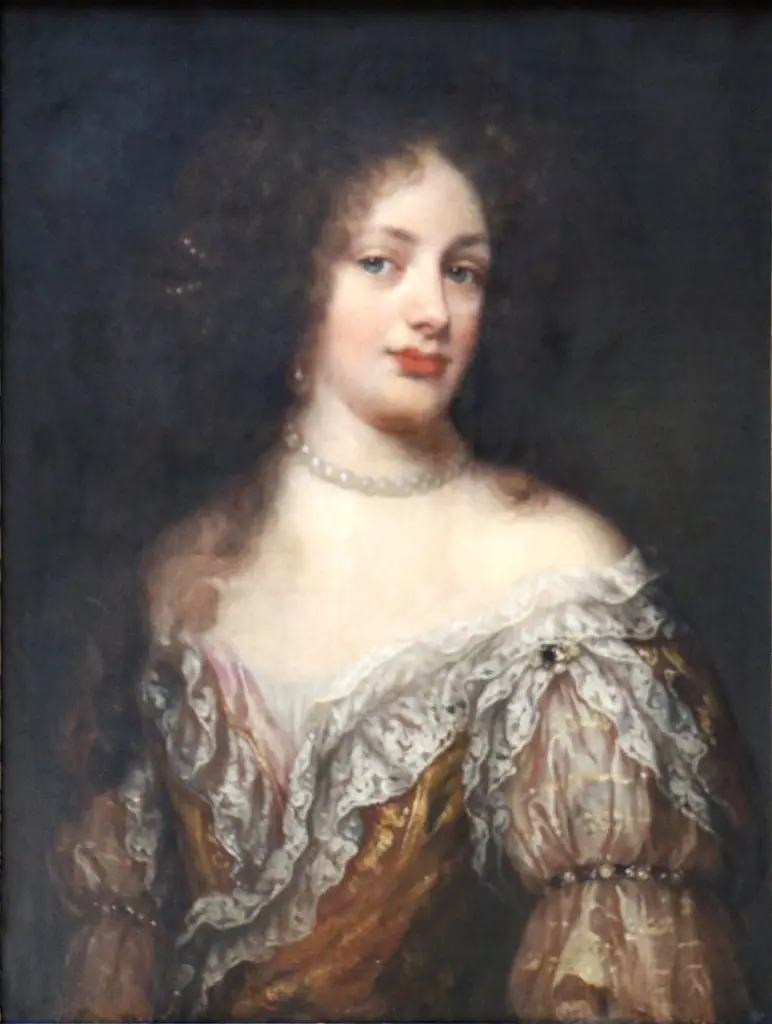 Portrait of a lady
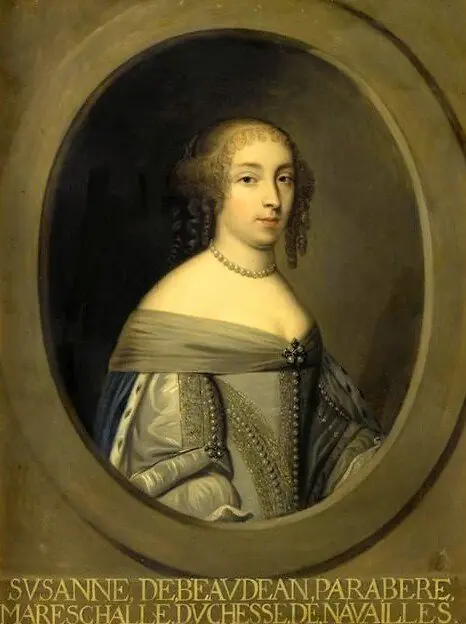 Portrait of Susanne de Baudéan (1625-1700)
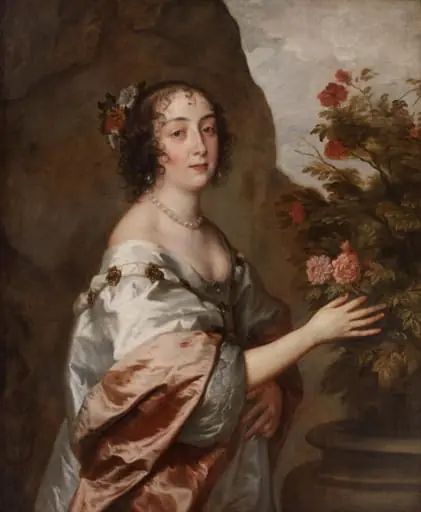 Portrait of a Lady
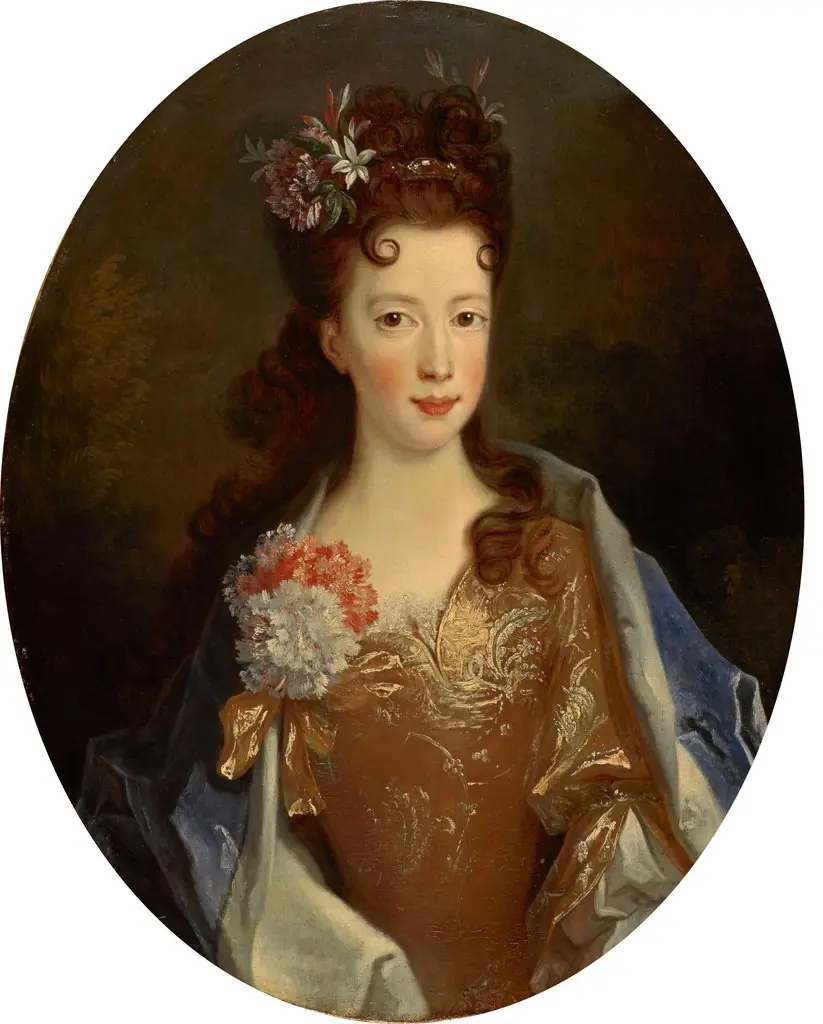 Princess Louisa Maria Teresa Stuart, 1692 - 1712. Daughter of James VII and II
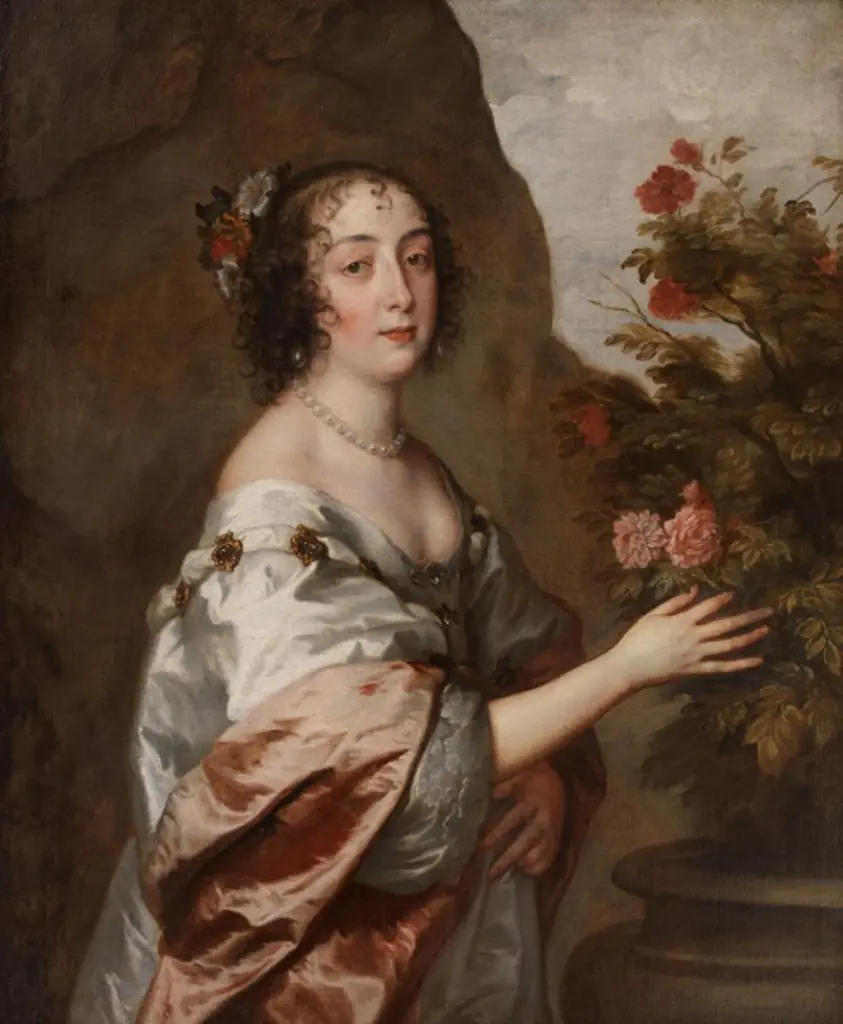 Portræt af en kvinde som Flora
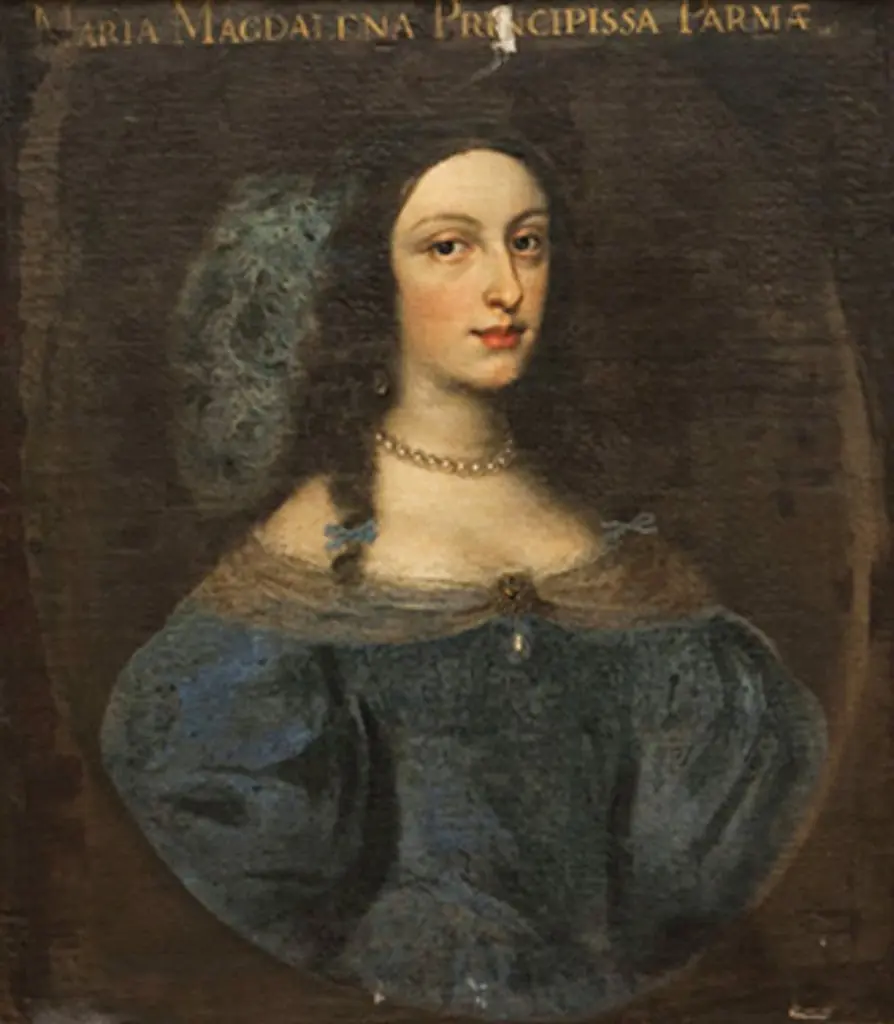 Bildnis einer fürstlichen Witwe
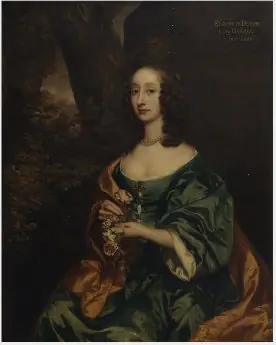 Elizabeth Dering, Lady Darell
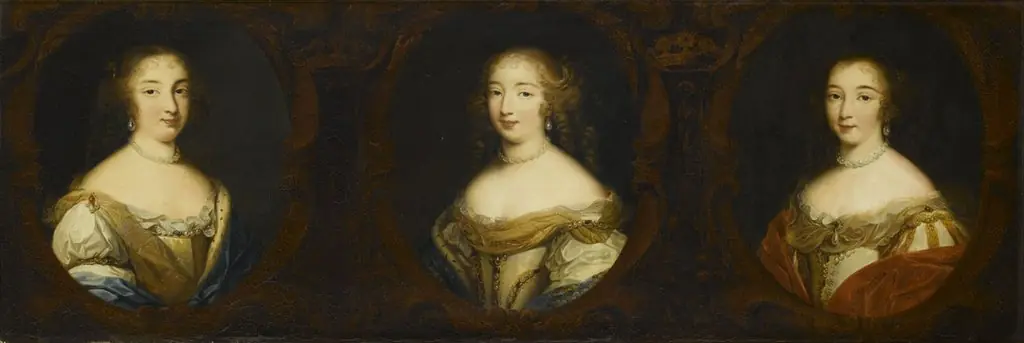 The three sisters of Mademoiselle de Montpensier
 Portrait of Maria Gunning, Countess of Coventry (1733-1760), Wife of the 6th Earl
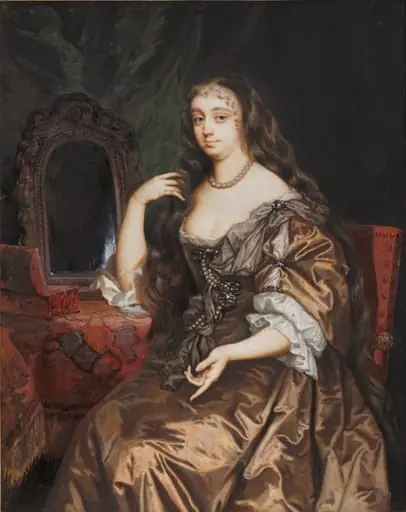 Portrait of Anne Hyde, Duchess of York
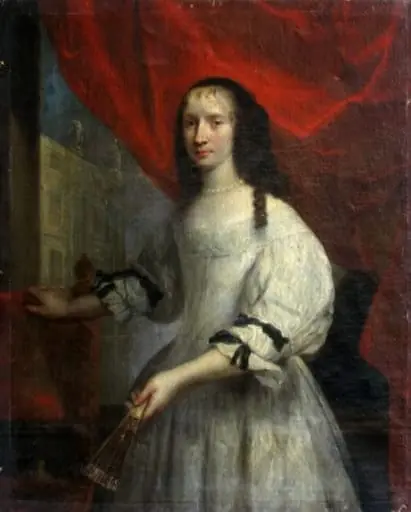 Soția unui general englez ; pandant: Un general englez