Artwork
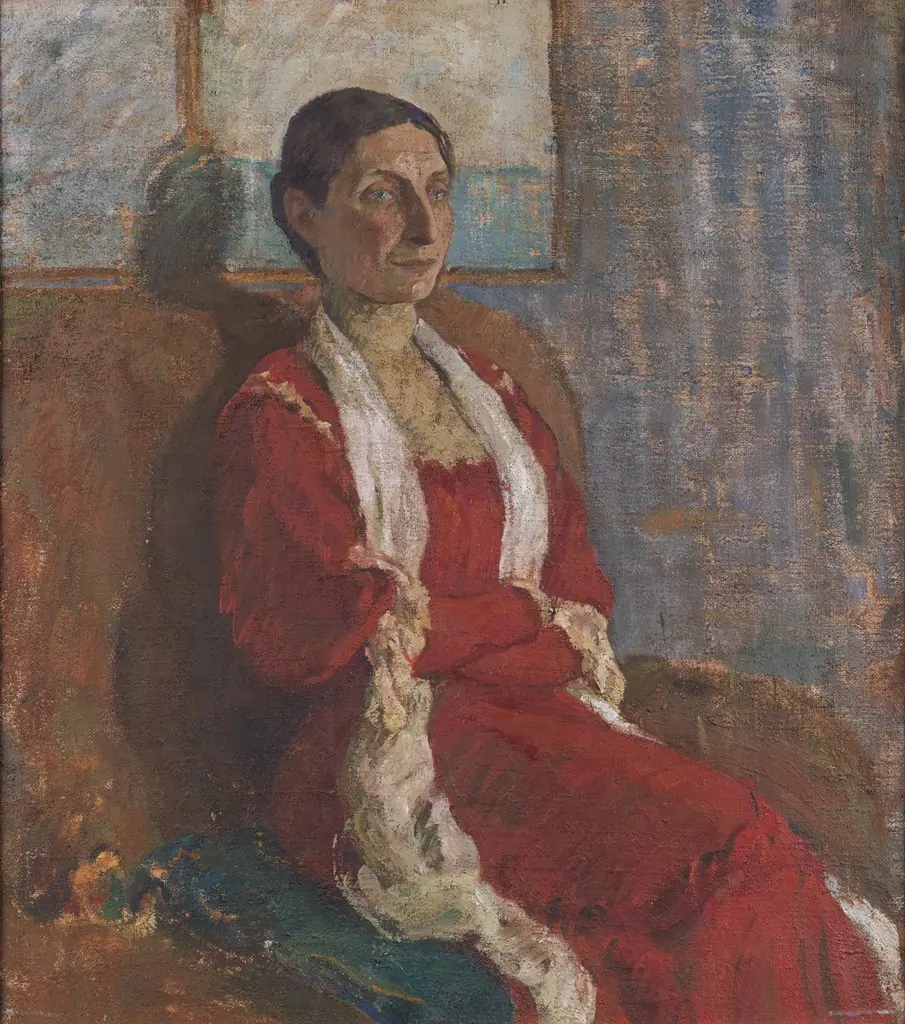
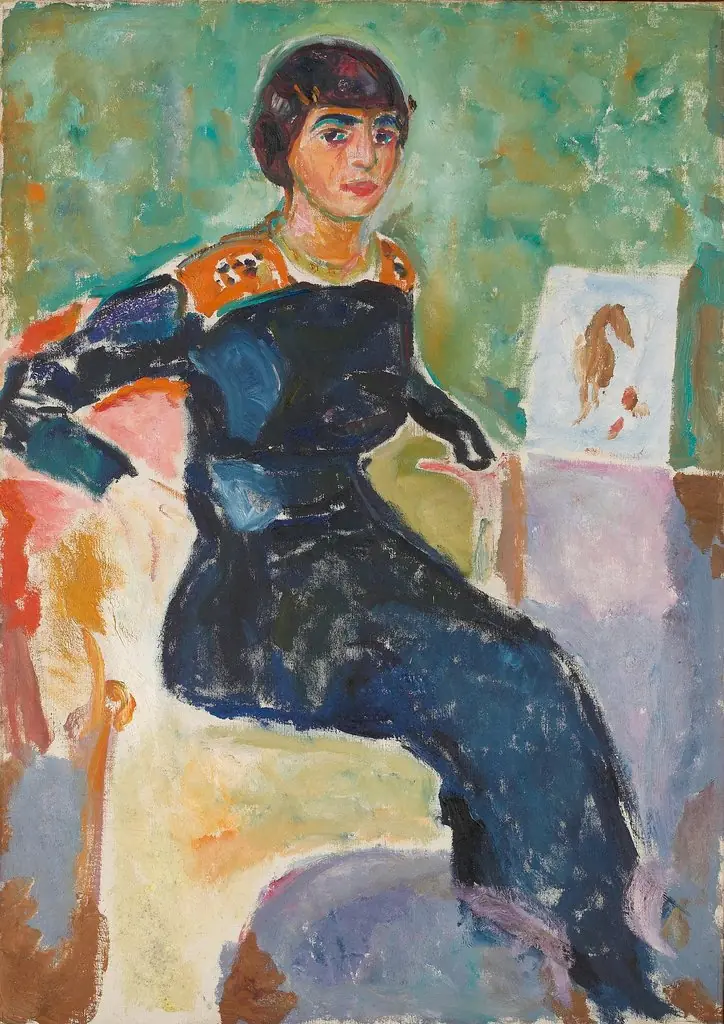
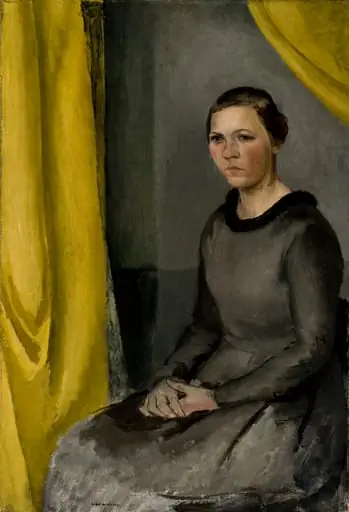
Istuva mustapukuinen nainen
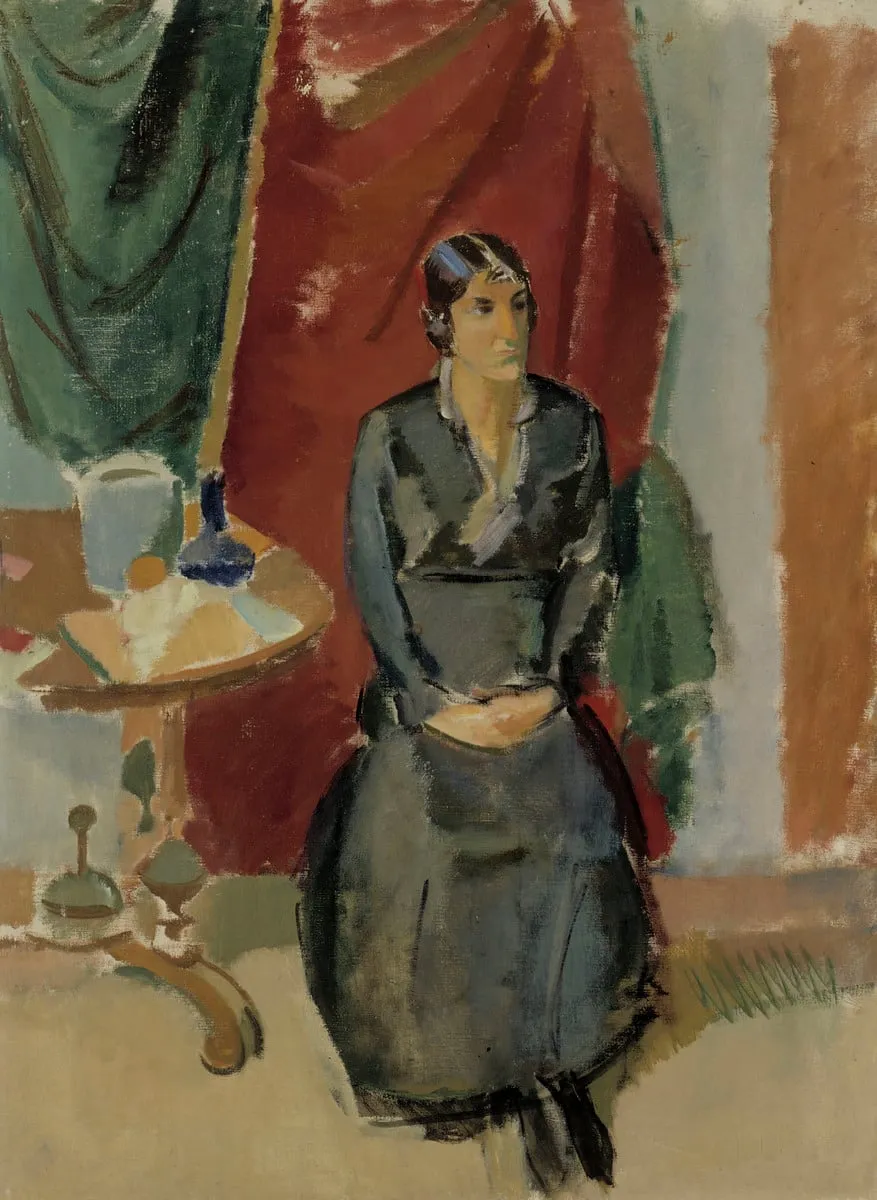
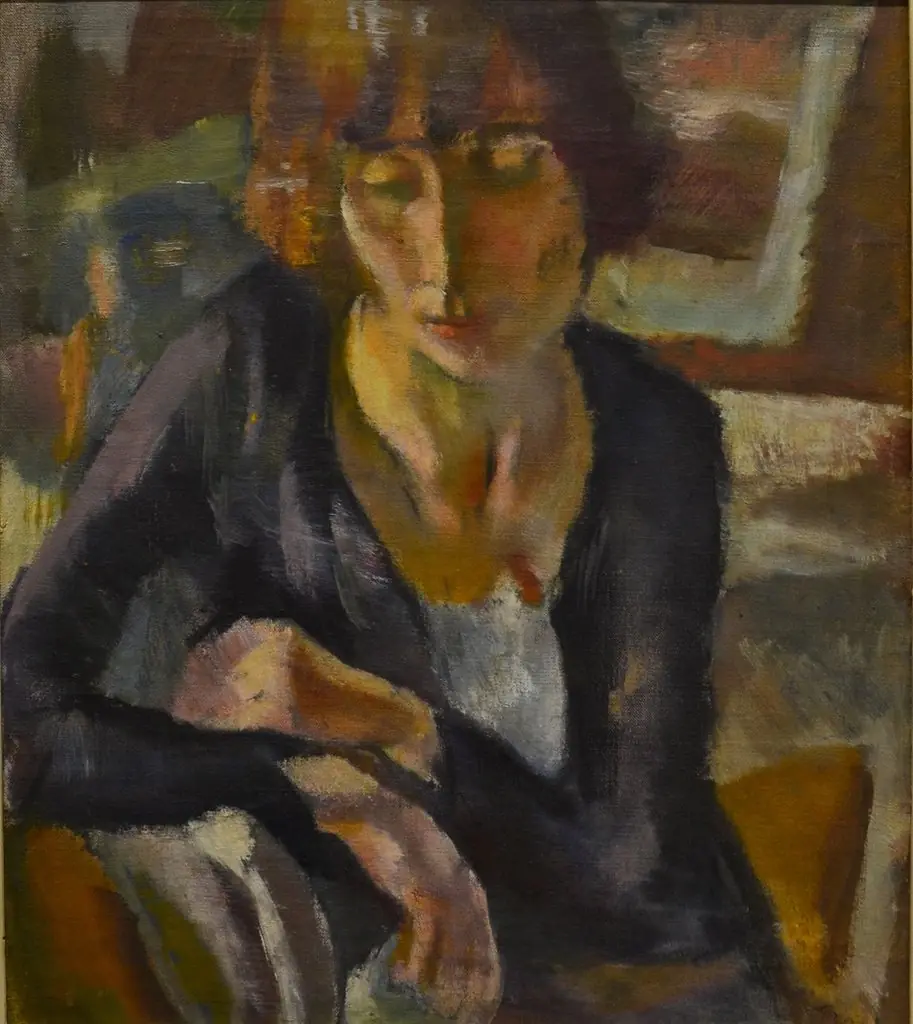
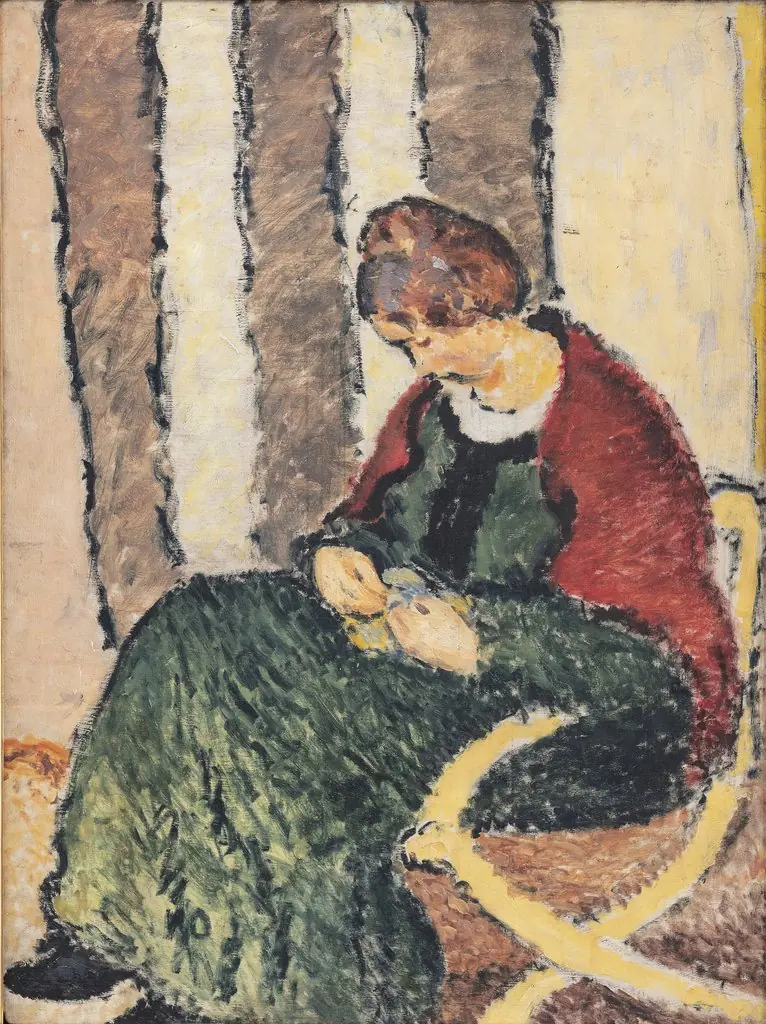
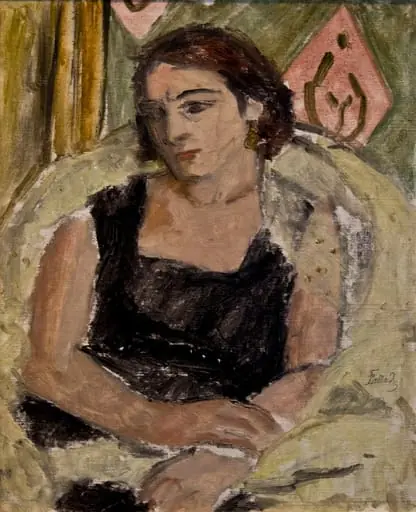
Istuva mustapukuinen nainen is an unspecified painting by Karl Isakson. It dates from 1910 and is held in the collection of the Finnish National Gallery.
About this work
Overview
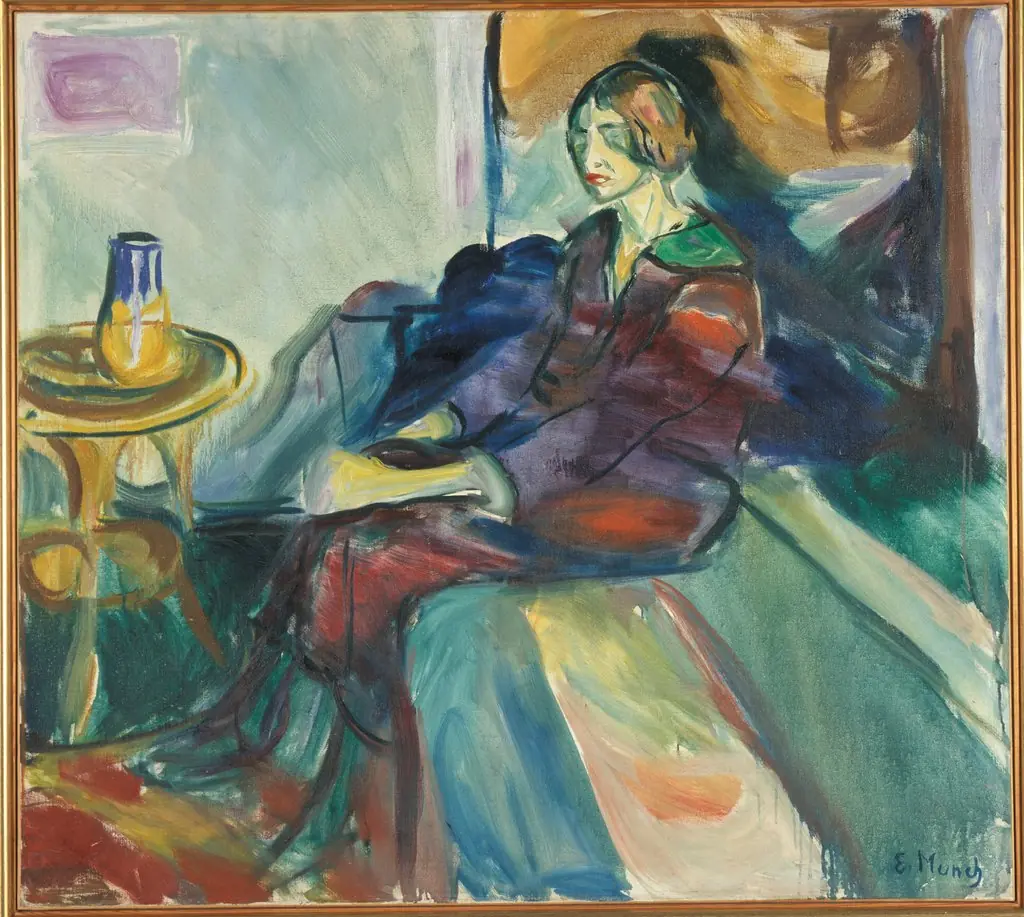
Created around 1910, Karl Isakson’s oil painting titled *Istuva mustapukuinen nainen* portrays a seated woman in an interior setting. The composition is dominated by muted tones, with the figure dressed in a long, dark garment accented by a white collar. Her gaze is directed toward the right, and the surrounding space is defined by simple furnishings and modestly colored drapery.
Subject & Meaning
The central figure appears absorbed in quiet thought, her posture relaxed yet deliberate. The restrained décor—a modest table bearing a few objects, including a blue vase—contributes to an atmosphere of contemplation. The work invites viewers to consider the interior as a private, introspective realm rather than a narrative scene.
Technique & Style
Isakson employs a subdued palette, allowing subtle contrasts of red, green, and white in the curtains to frame the figure without overwhelming her. The handling of light suggests a restrained chiaroscuro, where soft illumination defines the woman’s form against the darker background, emphasizing volume while maintaining the overall calm tonality.
History & Provenance
The painting dates to the early 1910s, a period when Isakson was active in Finland and exploring interior genre scenes. Its title, rendered in Finnish, indicates a focus on domestic subjects typical of the artist’s output during this phase. Documentation of its ownership trail remains limited, with the work primarily referenced in catalogues of Isakson’s early oeuvre.
Artist & collection
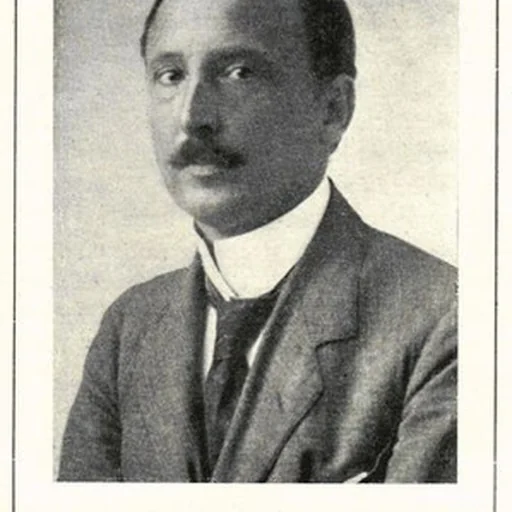
Artist
Karl Oscar Isakson (16 January 1878, in Stockholm – 19 February 1922) was a Swedish painter who spent much of his professional life in Denmark where he is considered to be one of the fathers of Modernism.