Artwork
Go Gatsu|The Fifth Month
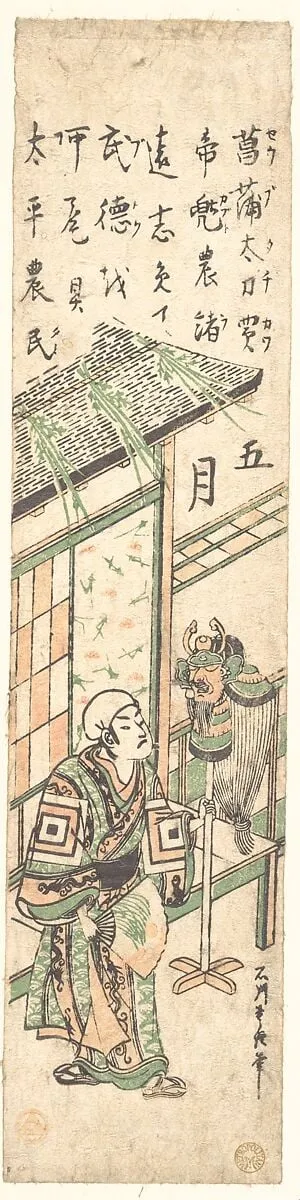
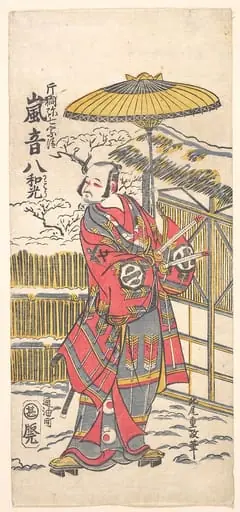
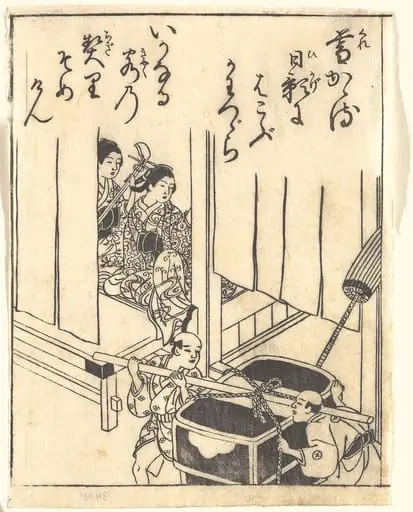
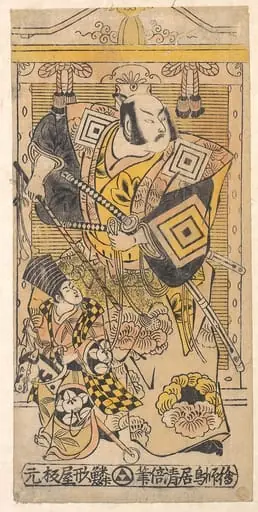
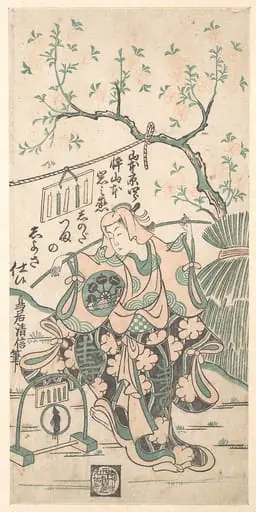
Go Gatsu|The Fifth Month is an ink print by the Baroque artist Ishikawa Toyonobu. It dates from 1748 and is held in the collection of the Metropolitan Museum of Art.
About this work
Overview
Go Gatsu (The Fifth Month) is a woodblock print created by Ishikawa Toyonobu around 1748, utilizing ink and color on paper. It is part of The Metropolitan Museum of Art's collection.
Subject & Meaning
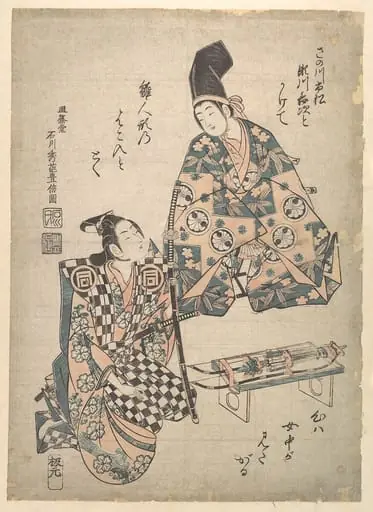
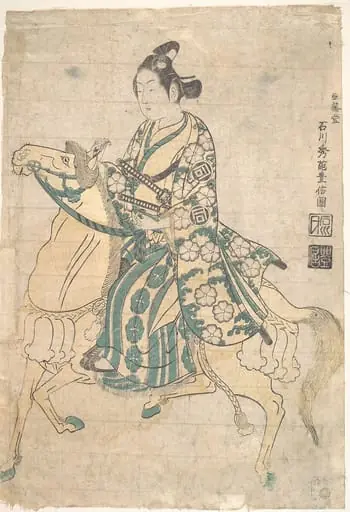
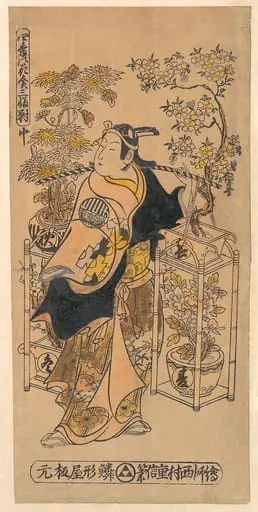
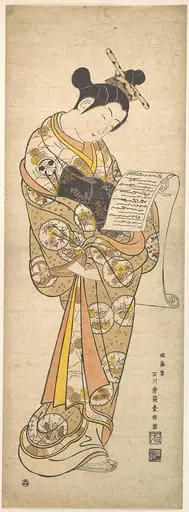
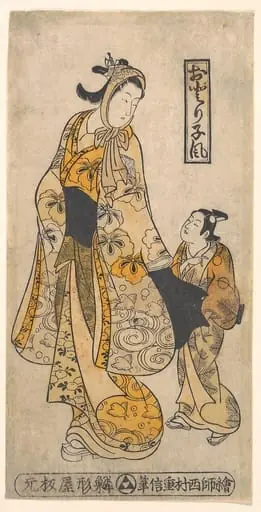
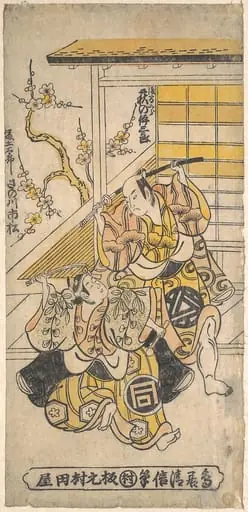
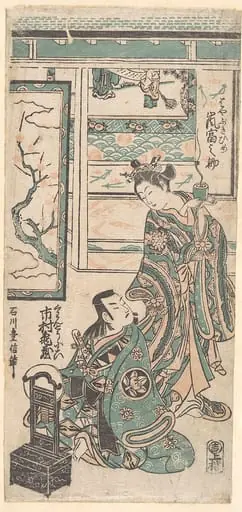
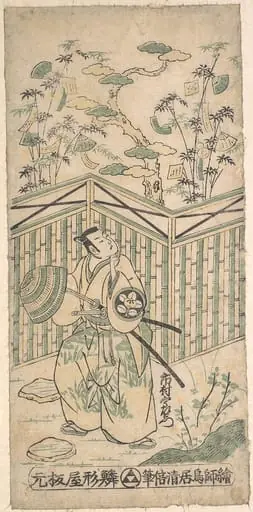
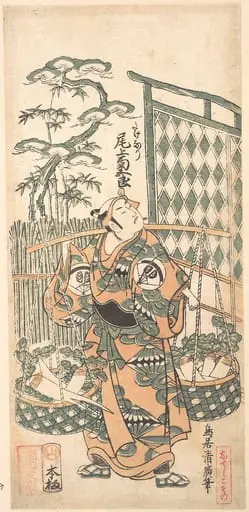
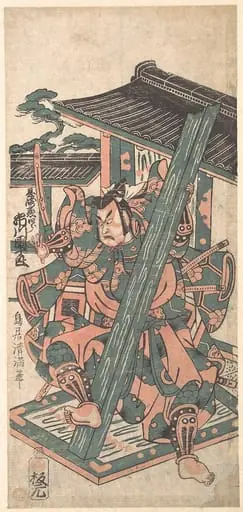
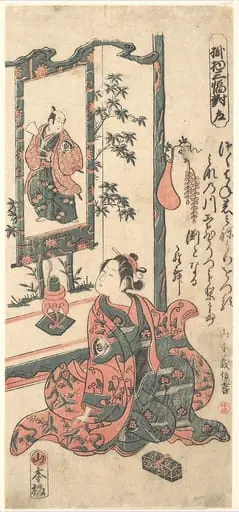
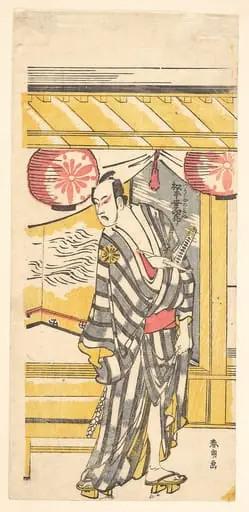
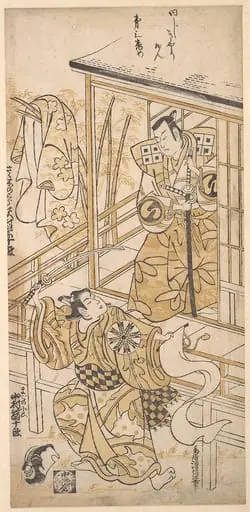
The print depicts a serene domestic scene featuring a man in a distinctive green and white robe with large, patterned pockets. He stands under a wooden roof, engaged with two elaborately dressed dolls on a small table, suggesting a contemplative or celebratory moment, potentially linked to a traditional festival or ritual.
Technique & Style
Executed in the traditional woodblock print medium, the work showcases Toyonobu's use of vibrant colors and detailed design elements, such as the textured tiled background, Japanese writing, and the distinctive attire of both the figure and the dolls, highlighting the artist's attention to detail and compositional balance.
History & Provenance
Created circa 1748, Go Gatsu is attributed to Ishikawa Toyonobu. The print is currently housed at The Metropolitan Museum of Art, though specific details about its acquisition history are not provided here.
Context
This work reflects the aesthetic and cultural values of 18th-century Japan, particularly in its depiction of traditional clothing and potential allusions to seasonal or festive themes, common in ukiyo-e art of the period.
Legacy
As part of Toyonobu's oeuvre, Go Gatsu contributes to the broader legacy of Japanese woodblock printing, influencing subsequent generations of artists and offering a glimpse into the daily life and traditions of Edo-period Japan.
Artist & collection
Artist
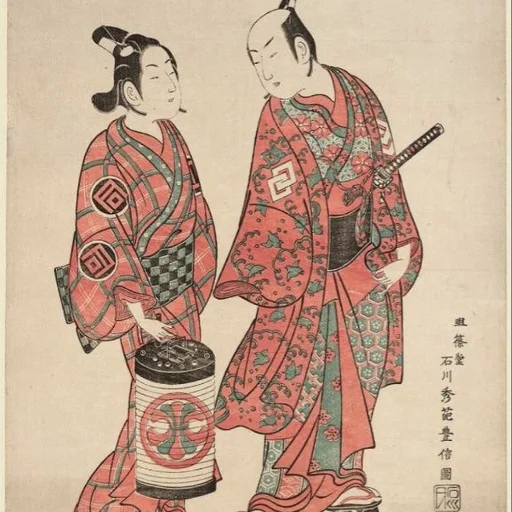
Ishikawa Toyonobu spent his life in Edo, now Tokyo, where he carved and printed the everyday scenes of city life.