Artwork
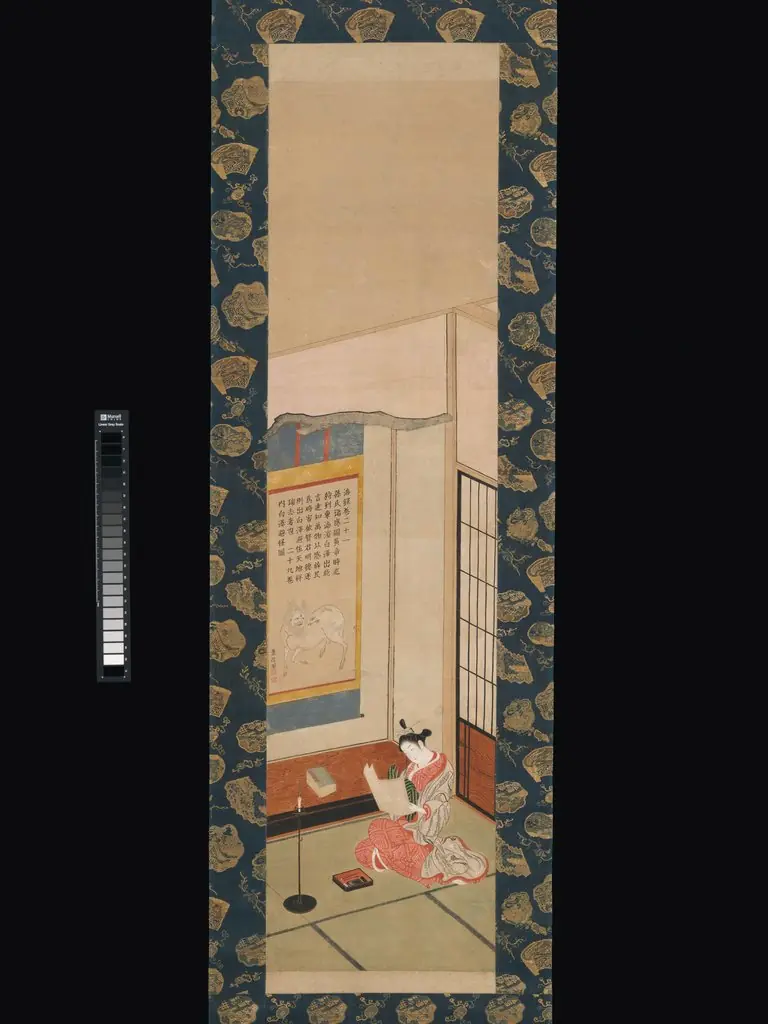
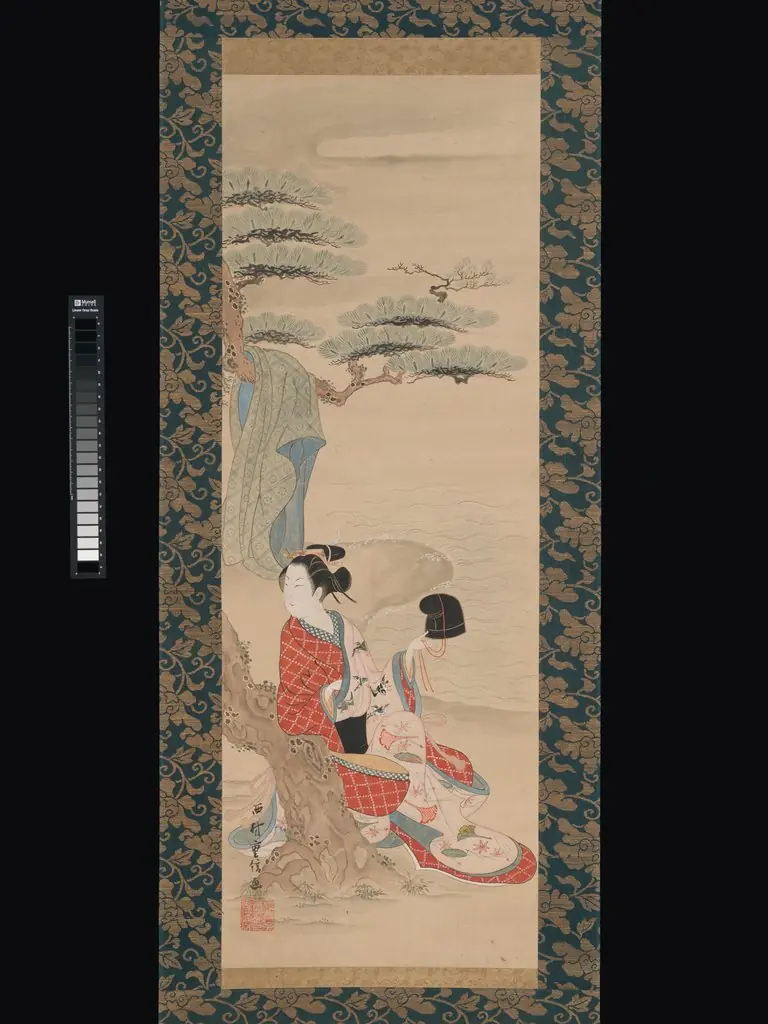
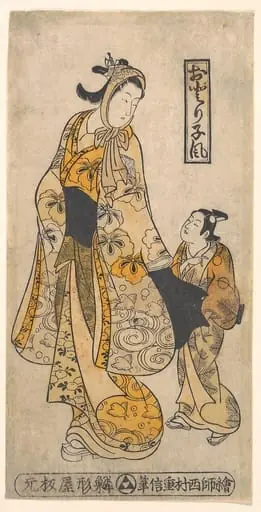
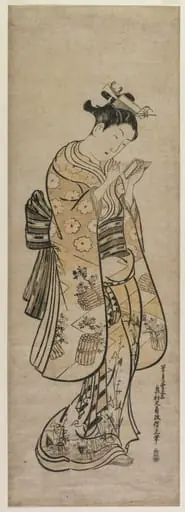
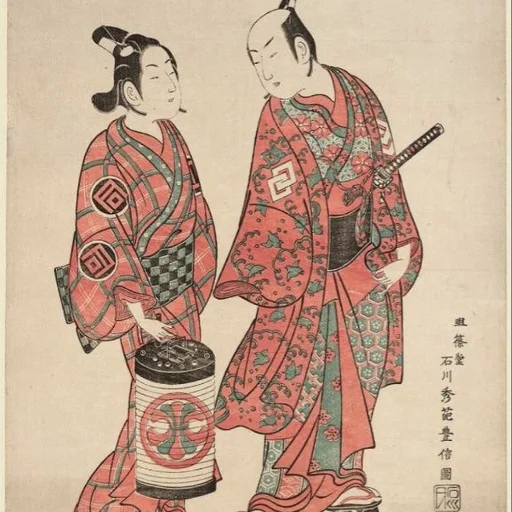
初代瀬川菊之丞の傾城図|The Kabuki Actor Segawa Kikunojo in the Role of a Courtesan Reading a Letter
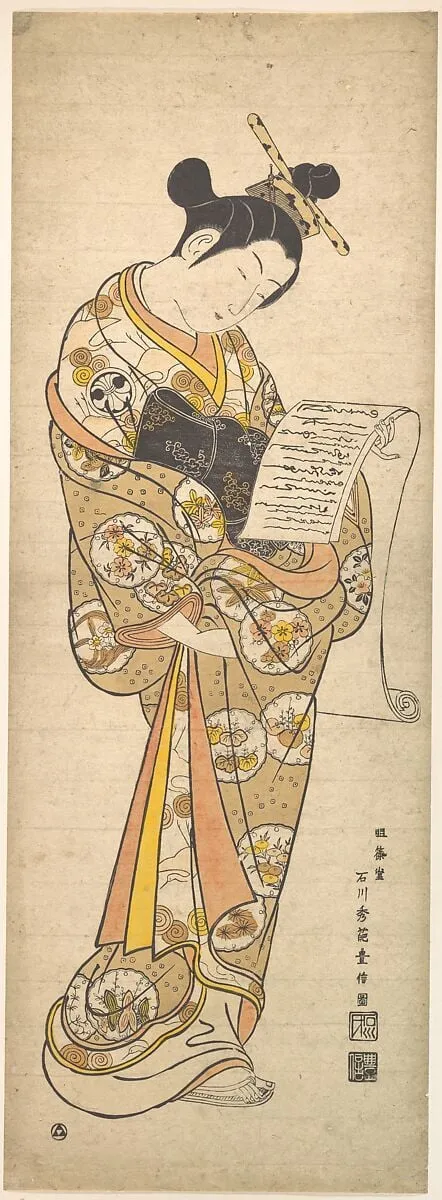
初代瀬川菊之丞の傾城図|The Kabuki Actor Segawa Kikunojo in the Role of a Courtesan Reading a Letter is an ink print by the Baroque artist Ishikawa Toyonobu. It dates from 1744 and is held in the collection of the Metropolitan Museum of Art. This woodblock print, dated around 1744, depicts the kabuki actor Segawa Kikunojo I portraying a courtesan in a moment of quiet reflection.
About this work
Overview
This woodblock print, dated around 1744, depicts the kabuki actor Segawa Kikunojo I portraying a courtesan in a moment of quiet reflection. Created by Ishikawa Toyonobu, it belongs to the ukiyo-e tradition of Japanese printmaking. The work is part of the collection at The Metropolitan Museum of Art, where it exemplifies the genre’s blend of theatrical performance and intimate domestic imagery.
Subject & Meaning
The figure, dressed as a high-ranking courtesan, is shown reading a letter with closed eyes and lowered head, suggesting introspection or emotional weight.
The figure, dressed as a high-ranking courtesan, is shown reading a letter with closed eyes and lowered head, suggesting introspection or emotional weight. The pose and expression convey a private moment, contrasting with the public nature of kabuki theater. The act of reading a letter implies personal correspondence, possibly romantic or melancholic, aligning with common themes in Edo-period popular culture.
Technique & Style
Ishikawa Toyonobu employed fine lines and layered color blocks to render the courtesan’s ornate kimono, featuring soft gradients of yellow, orange, and white floral motifs. The background is a muted brown, enhancing the figure’s presence without distraction. Hair and hat are rendered with precision, while the closed eyes and subtle hand gesture emphasize stillness, a hallmark of Toyonobu’s sensitive portraiture.
History & Provenance
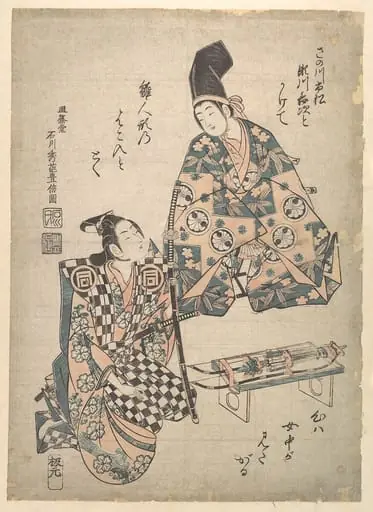
Produced during the mid-Edo period, the print reflects the popularity of actor portraits among urban audiences. It was likely part of a series celebrating Segawa Kikunojo I, a renowned onnagata known for his portrayals of women. The print entered The Metropolitan Museum of Art’s collection through documented acquisitions in the 20th century, preserving its original condition and historical context.
Context
In 18th-century Edo, ukiyo-e prints served as both art and ephemera, capturing the culture of pleasure districts and kabuki theaters. Actor portraits like this one were mass-produced and collected by fans. The depiction of a courtesan reading a letter taps into literary and theatrical tropes of longing and secrecy, resonating with urban viewers familiar with such narratives.
Legacy
Ishikawa Toyonobu’s work contributed to the evolution of actor portraiture in ukiyo-e, influencing later artists like Utamaro. This print stands as an early example of psychological nuance in the genre, moving beyond mere likeness to suggest inner life. Its preservation allows continued study of gender performance, visual culture, and the intersection of theater and print in Edo society.
Artist & collection
Artist
Ishikawa Toyonobu spent his life in Edo, now Tokyo, where he carved and printed the everyday scenes of city life.