Artwork
Untitled
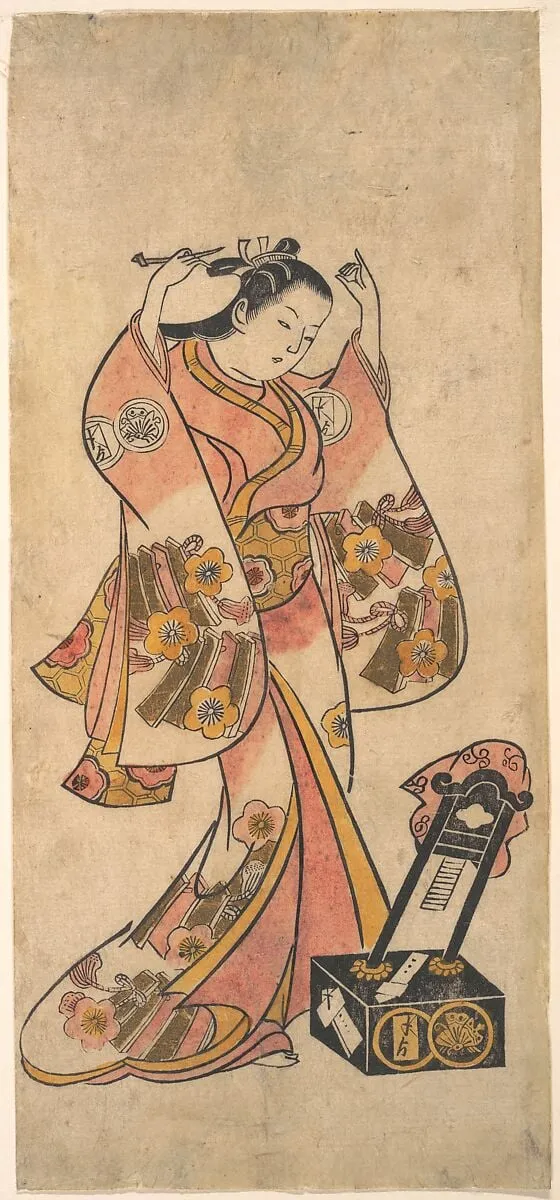
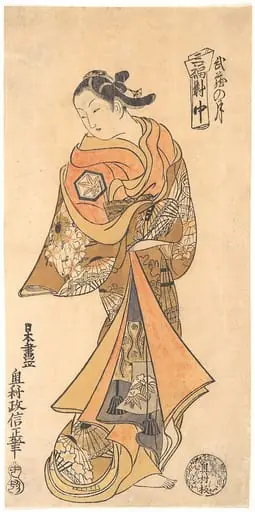
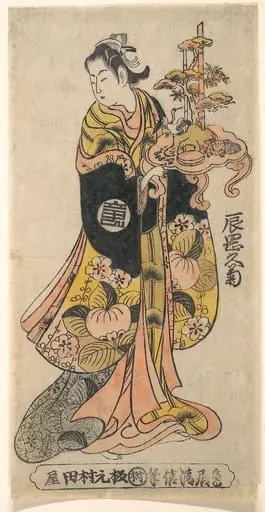
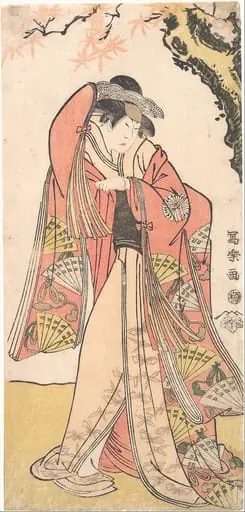
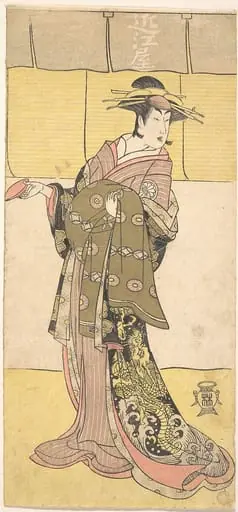
Untitled is an ink print by the Baroque artist Torii Kiyomasu II. It dates from 1763 and is held in the collection of the Metropolitan Museum of Art.
About this work
Overview
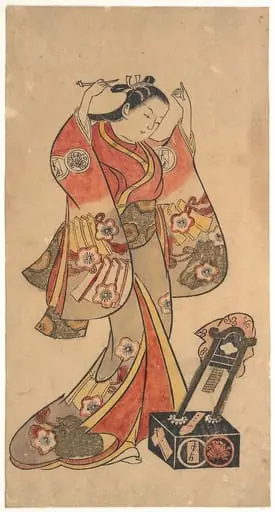
The composition emphasizes bold color and simplified form, isolating the subject against a blank background to intensify visual impact.
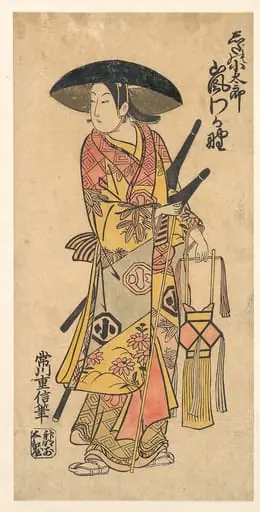
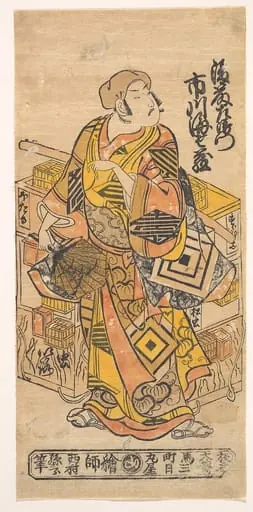
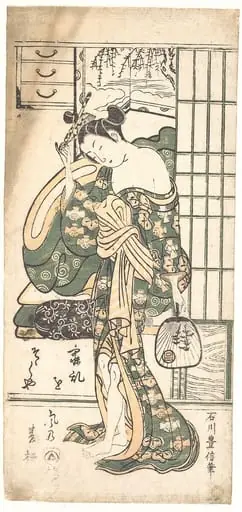
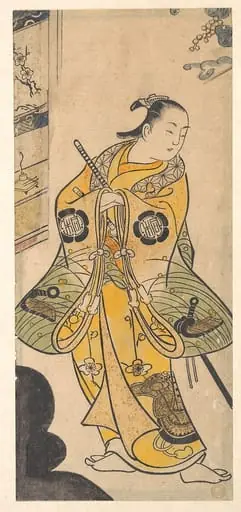
This woodblock print, dated 1763, is attributed to Torii Kiyomasu II and belongs to the Metropolitan Museum of Art’s print collection. Executed in ink and color on paper, it exemplifies the ukiyo-e tradition of depicting theatrical figures with heightened stylization. The composition emphasizes bold color and simplified form, isolating the subject against a blank background to intensify visual impact.
Subject & Meaning
The figure is a kabuki actor portrayed in costume, not as an individual but as a character from performance. The bright pink robe, adorned with gold cherry blossoms and swirling motifs, signals a dramatic role, likely female or ornate. The fan and stringed wooden box suggest musical or ceremonial context, aligning with stage conventions. Elaborate makeup and elevated hairstyle reinforce theatrical disguise, distancing the image from realism.
Technique & Style
The print employs woodblock carving to achieve sharp outlines and flat planes of color. Gold pigment, applied sparingly, highlights decorative patterns on the robe, adding luminosity without texture. The absence of background detail focuses attention on the figure’s form and costume. Color choices are deliberate and saturated, characteristic of Torii school aesthetics that prioritized stage presence over naturalism.
History & Provenance
Created during the mid-Edo period, the print reflects the popularity of kabuki theater and the Torii studio’s role in producing actor portraits. Though unsigned, stylistic elements align with Kiyomasu II’s known works from the 1760s. It entered the Metropolitan Museum of Art’s collection as part of its broader acquisition of Japanese prints in the early 20th century.
Context
In 18th-century Edo, actor prints were mass-produced souvenirs for theatergoers, serving as both advertising and collectibles. The Torii school specialized in these images, codifying visual conventions for identifying roles and statuses. This print’s emphasis on costume and makeup reflects how audiences recognized characters through standardized theatrical signs rather than individual expression.
Legacy
Works like this helped define the visual language of ukiyo-e actor prints, influencing later artists and shaping Western perceptions of Japanese theater. Its preservation in major collections underscores its role in documenting performance culture. Though not widely exhibited, it remains a reference for studying costume, color use, and the intersection of print and stage in Edo-period Japan.
Artist & collection

Artist
Torii Kiyomasu II spent his life making bold, eye-catching prints to draw crowds to kabuki shows in Tokyo.