Artwork
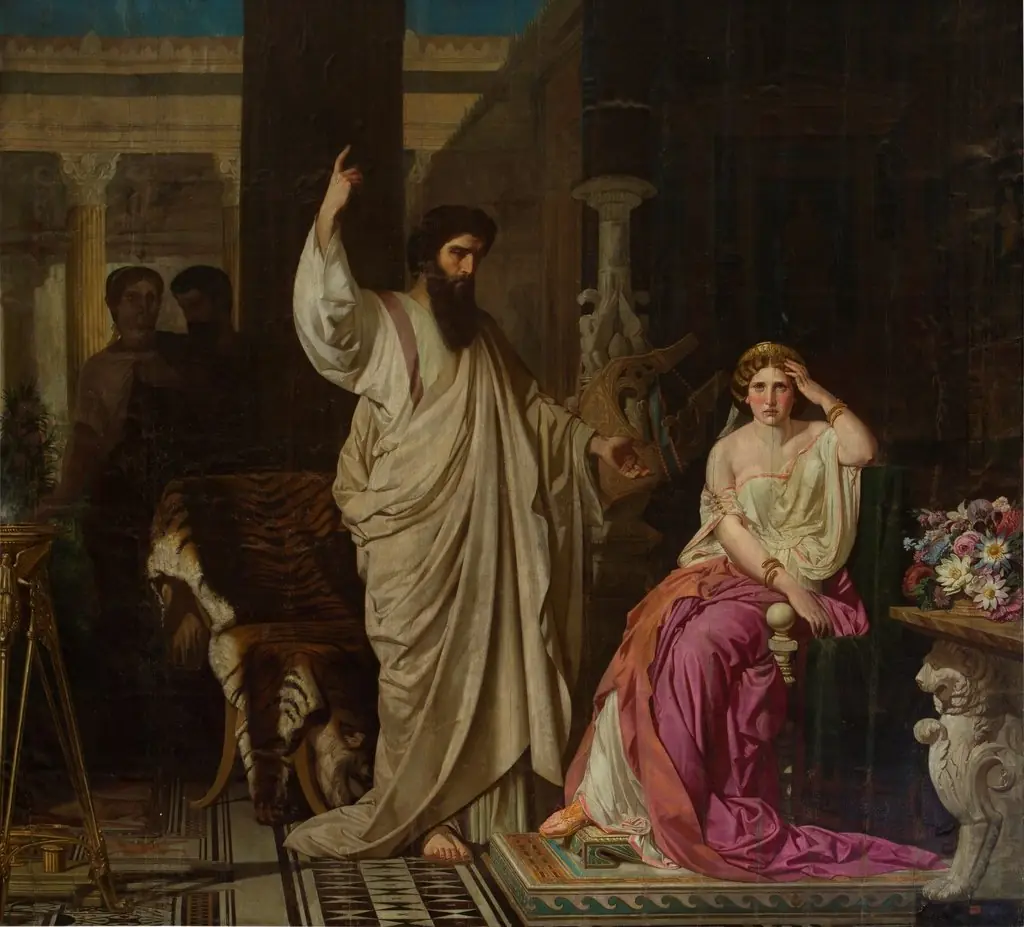
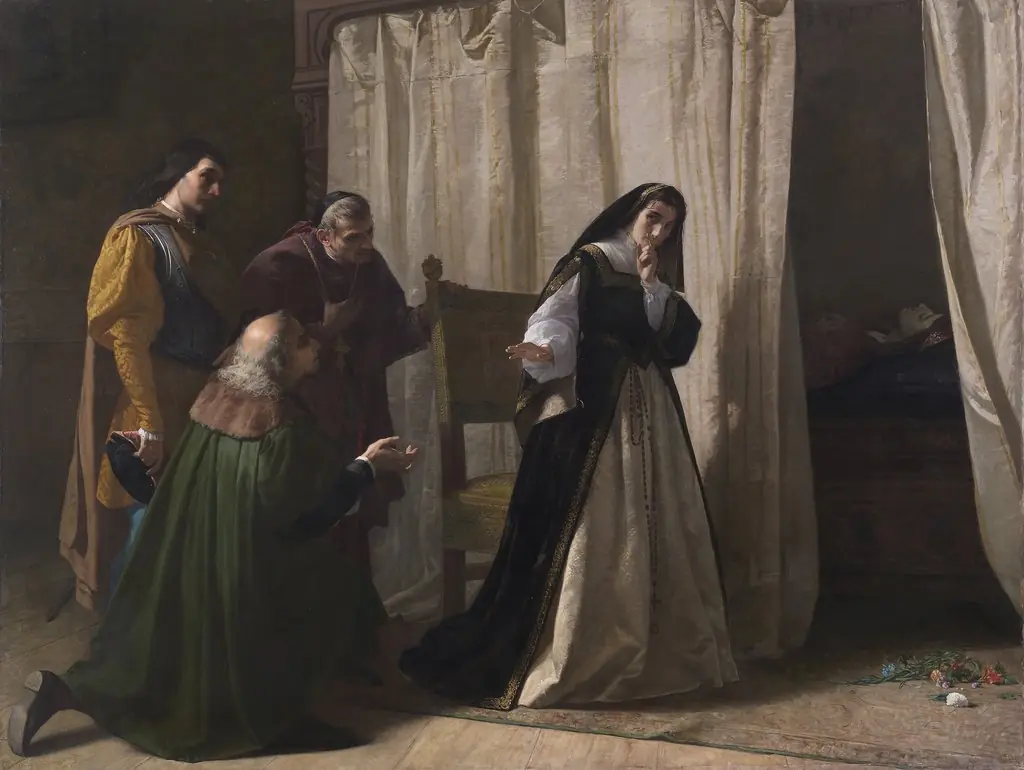
Doña Mariana de Pineda en el momento de despedirse de las beatas de Santa María Egipciaca en cuyo beaterio estaba presa para ir a la capilla
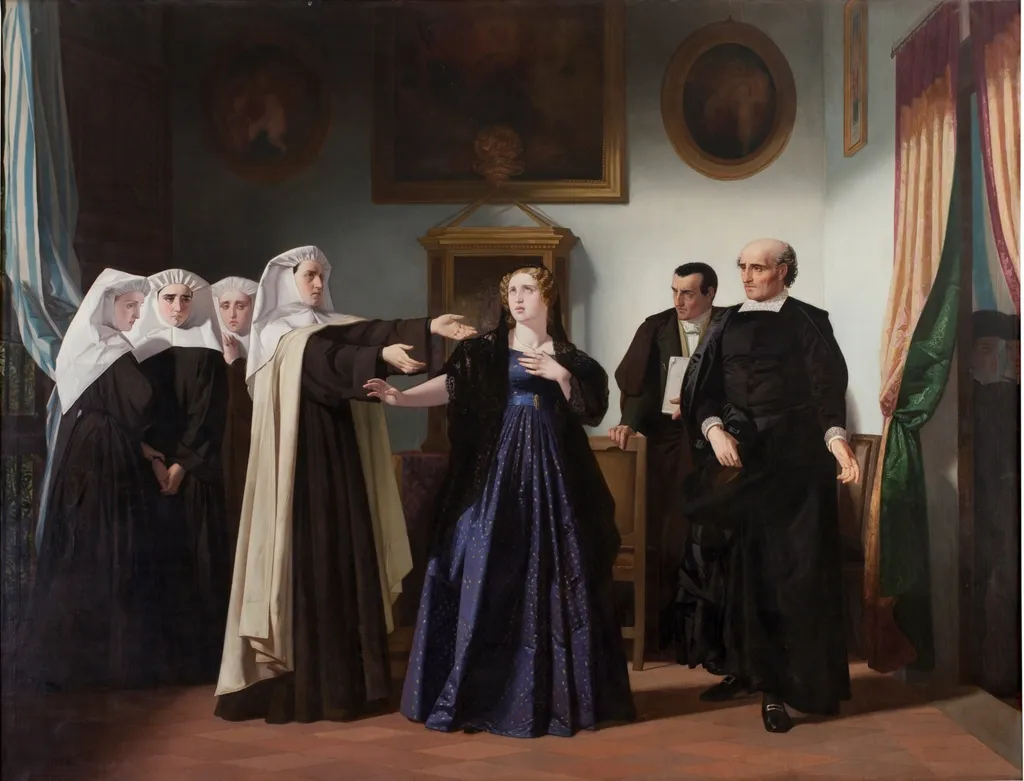
Doña Mariana de Pineda en el momento de despedirse de las beatas de Santa María Egipciaca en cuyo beaterio estaba presa para ir a la capilla is an oil painting by Isidoro Lozano. It dates from 1862 and is held in the collection of the Museo del Prado.
About this work
Overview
Doña Mariana de Pineda en el momento de despedirse de las beatas de Santa María Egipciaca is an 1862 oil painting by Spanish artist Isidoro Lozano, currently housed at the Museo del Prado.
Subject & Meaning
The painting captures the moment of Doña Mariana de Pineda's departure from the Santa María Egipciaca beaterio, where she was imprisoned.
The painting captures the moment of Doña Mariana de Pineda's departure from the Santa María Egipciaca beaterio, where she was imprisoned. At the center, Doña Mariana, dressed in blue with a black shawl, is the focal point, surrounded by six figures: four beata sisters in black robes and white headcoverings, a cleric in a black robe, and a man in a black suit, all directing their attention towards her.
Technique & Style
Lozano employs his characteristic realistic and detailed approach in this work. The somber atmosphere is achieved through a predominantly dark color palette, accentuated by the formal, serious expressions of the subjects. The composition's depth is enhanced by the contrast between the central figure's blue dress and the surrounding monochrome attire.
History & Provenance
Created in 1862, the painting has been part of the Museo del Prado's collection, highlighting its significance within Spanish art historical collections.
Context
The work reflects 19th-century Spanish artistic tendencies towards historical and socially conscious themes, with Lozano's realism serving to narrate a specific, potentially controversial, historical moment involving Doña Mariana de Pineda's imprisonment and departure.
Legacy
As part of the Prado's holdings, the painting contributes to the museum's narrative of Spanish artistic evolution, particularly in the realm of realism. It also preserves a glimpse into the life and legacy of Doña Mariana de Pineda, a figure of historical interest.
Own this work as a print
Artist & collection