Artwork
The madness of Joanna of Castile
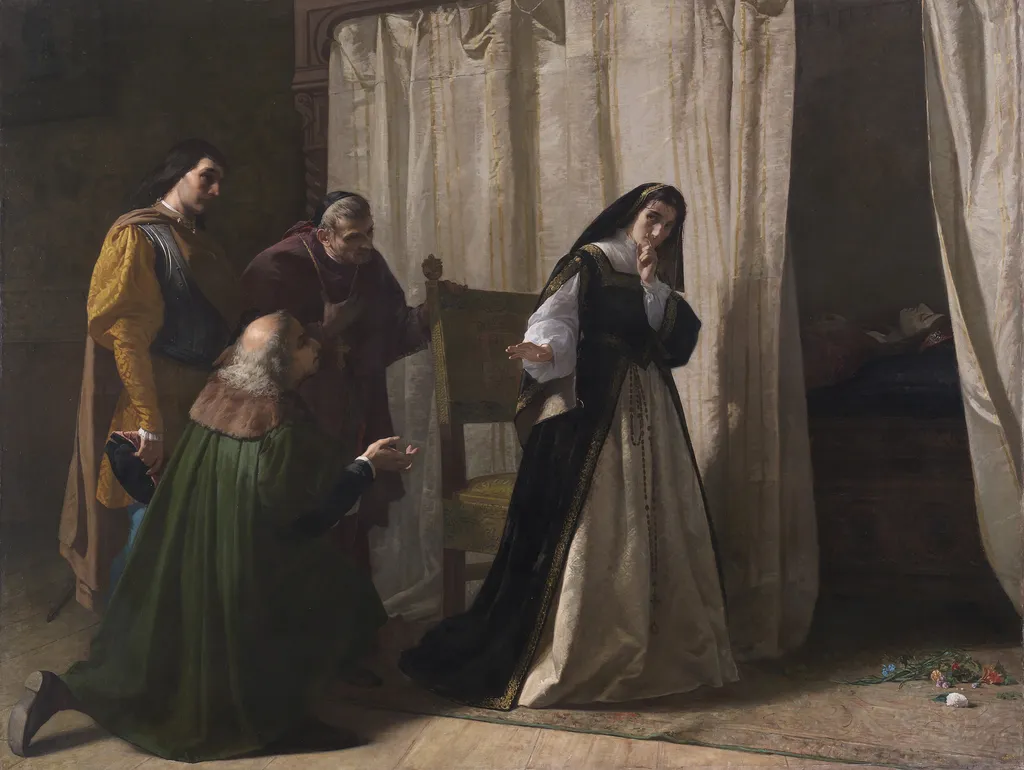
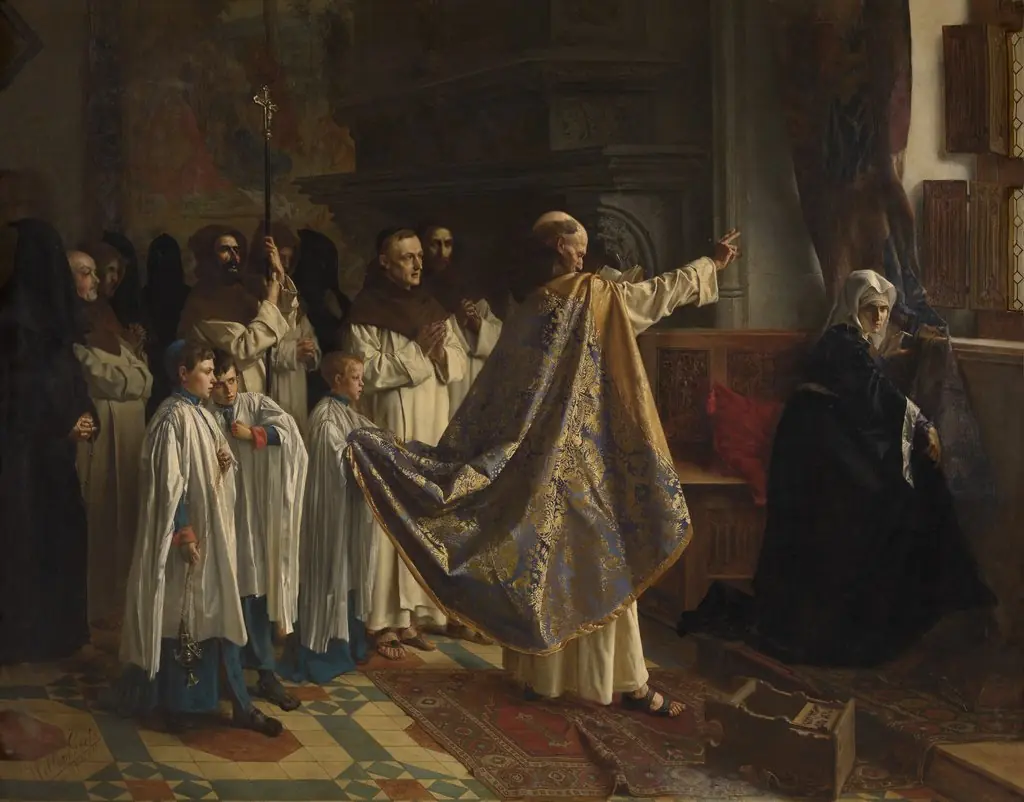
The madness of Joanna of Castile is an oil painting by Lorenzo Vallés. It dates from 1866 and is held in the collection of the Museo del Prado.
About this work
Overview
Joanna stands at the center, her posture tense and gaze fixed inward, while four men surround her in varied poses of concern or restraint.
Painted in 1866 by Lorenzo Vallés, this oil work depicts a moment from the life of Joanna of Castile, daughter of Ferdinand and Isabella. The scene is set in a modest interior with soft light filtering through white curtains. Joanna stands at the center, her posture tense and gaze fixed inward, while four men surround her in varied poses of concern or restraint. The painting captures a psychological moment rather than a historical narrative.
Subject & Meaning
The painting portrays Joanna during a period of intense emotional distress, likely reflecting historical accounts of her mental decline following the death of her husband, Philip the Fair. Her hand pressed to her mouth suggests suppressed anguish, while the men—possibly courtiers or family members—appear uncertain how to respond. The scene conveys isolation amid care, emphasizing the tension between public duty and private suffering.
Technique & Style
Vallés employs a restrained palette dominated by dark tones, with subtle gold accents on Joanna’s dress drawing attention to her form. The lighting is soft and directional, illuminating her face and hands while leaving the surrounding figures in partial shadow. Brushwork is precise but not overly detailed, favoring emotional clarity over ornate decoration. The composition centers Joanna, reinforcing her psychological dominance in the scene.
History & Provenance
Created in 1866, the painting entered the collection of the Museo del Prado shortly after its completion. It was produced during a period of renewed interest in Spanish historical figures, particularly those whose lives reflected political turmoil and personal tragedy. The work has remained in the museum’s holdings since its acquisition, with no documented changes in ownership or significant restoration.
Context
Vallés painted this during the 19th-century Spanish romantic movement, which often revisited medieval and early modern figures to explore themes of national identity and suffering. Joanna of Castile, known historically as Juana la Loca, became a symbol of misunderstood royalty and institutional neglect. The painting reflects contemporary fascination with psychological depth and the private lives of historical women.
Legacy
Though not widely exhibited outside Spain, the painting remains a key example of 19th-century Spanish historical genre painting. It contributes to the visual discourse around Joanna’s legacy, offering a humanized portrayal distinct from sensationalized accounts. Its quiet intensity and restrained drama continue to inform interpretations of her life in art and cultural memory.
Own this work as a print
Artist & collection

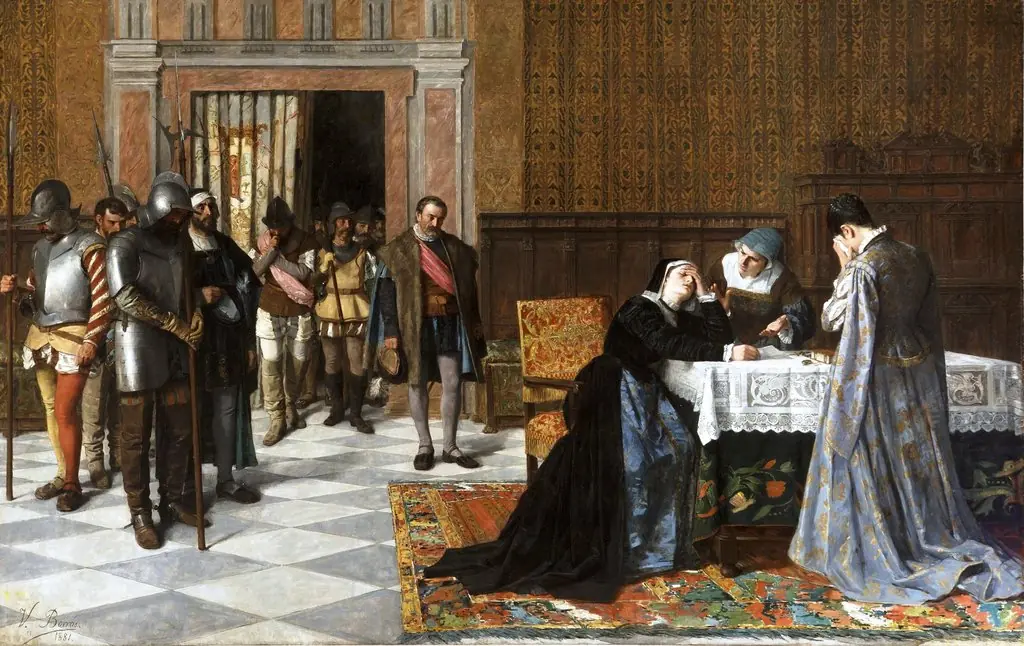 Doña María Pacheco de Padilla después de Villalar
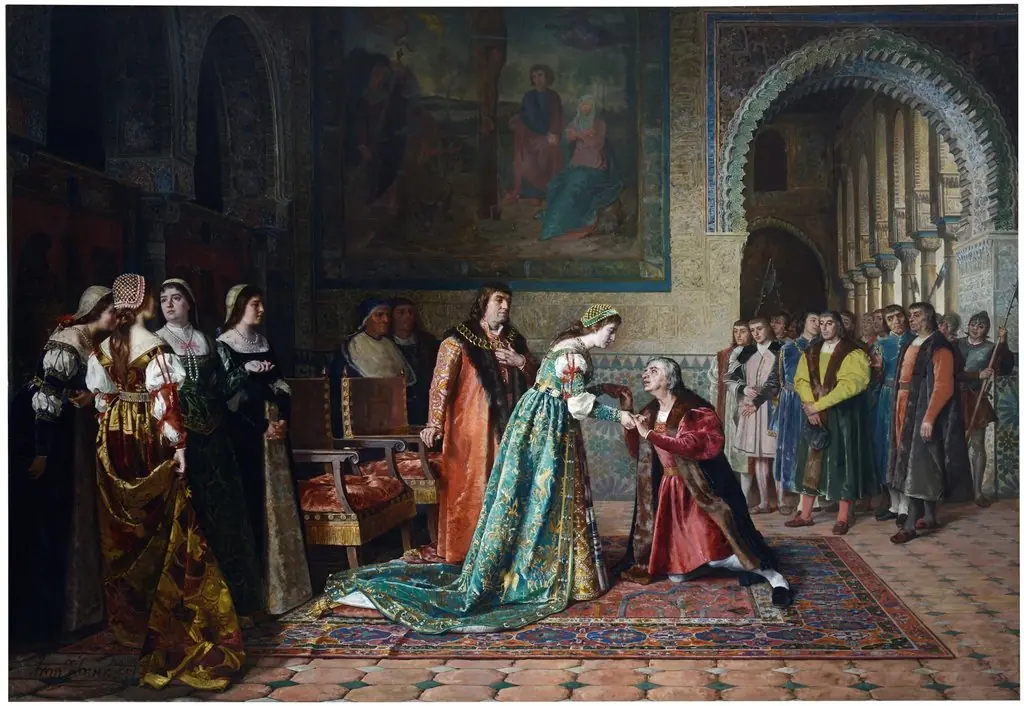 Reposición de Colón
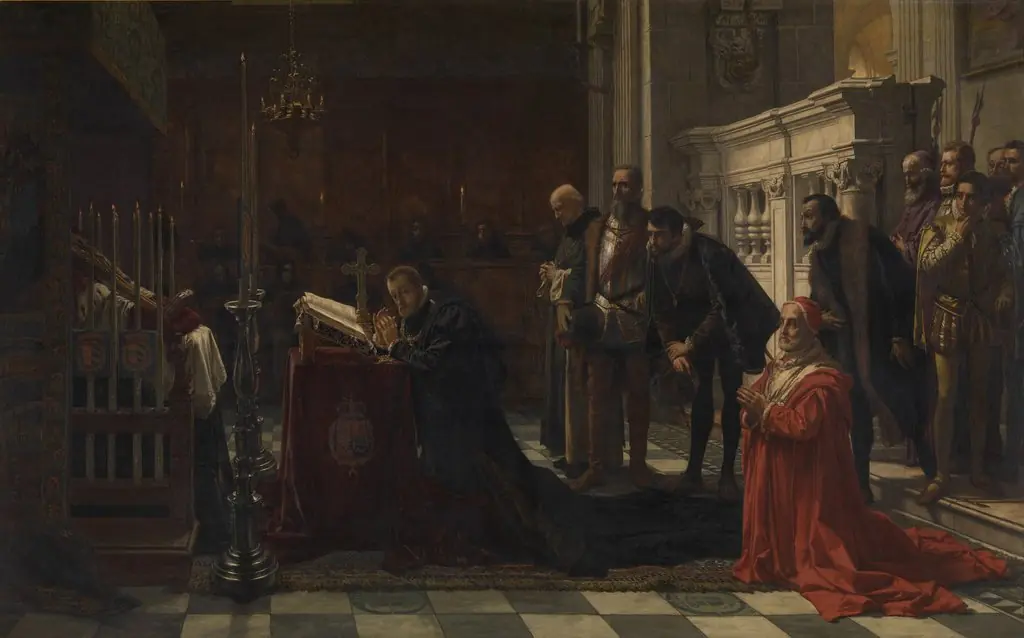 Philip II of Spain Honours Don John of Austria
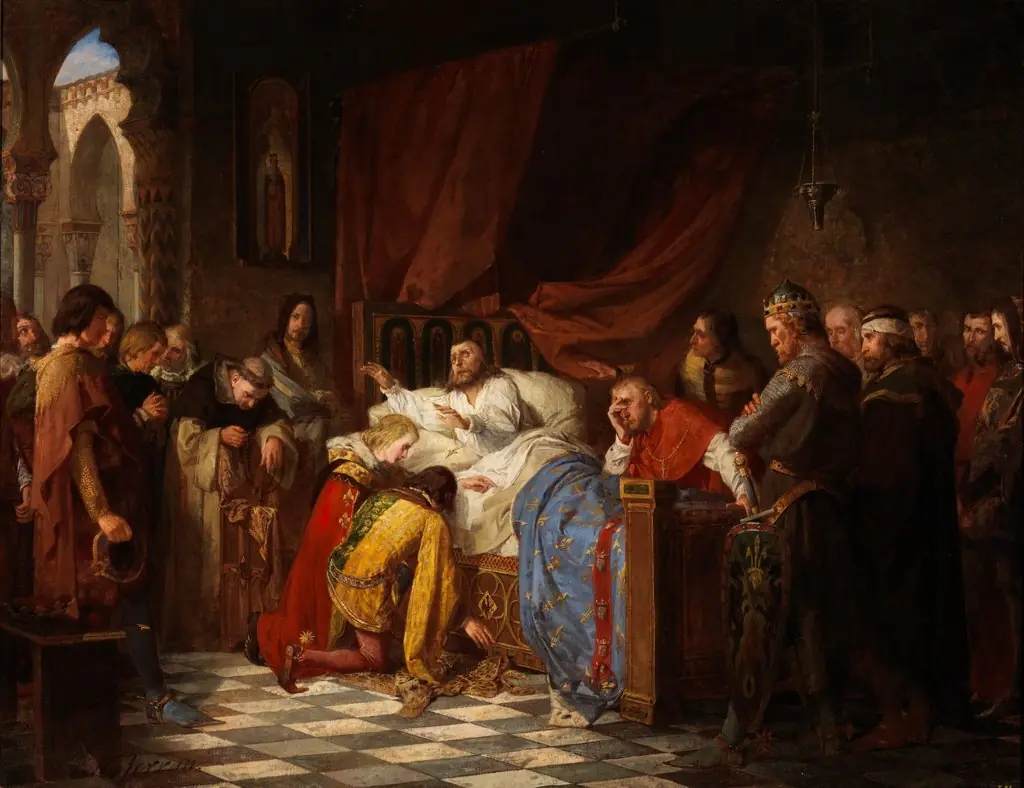 Felipe III de Francia moribundo bendiciendo a sus hijos
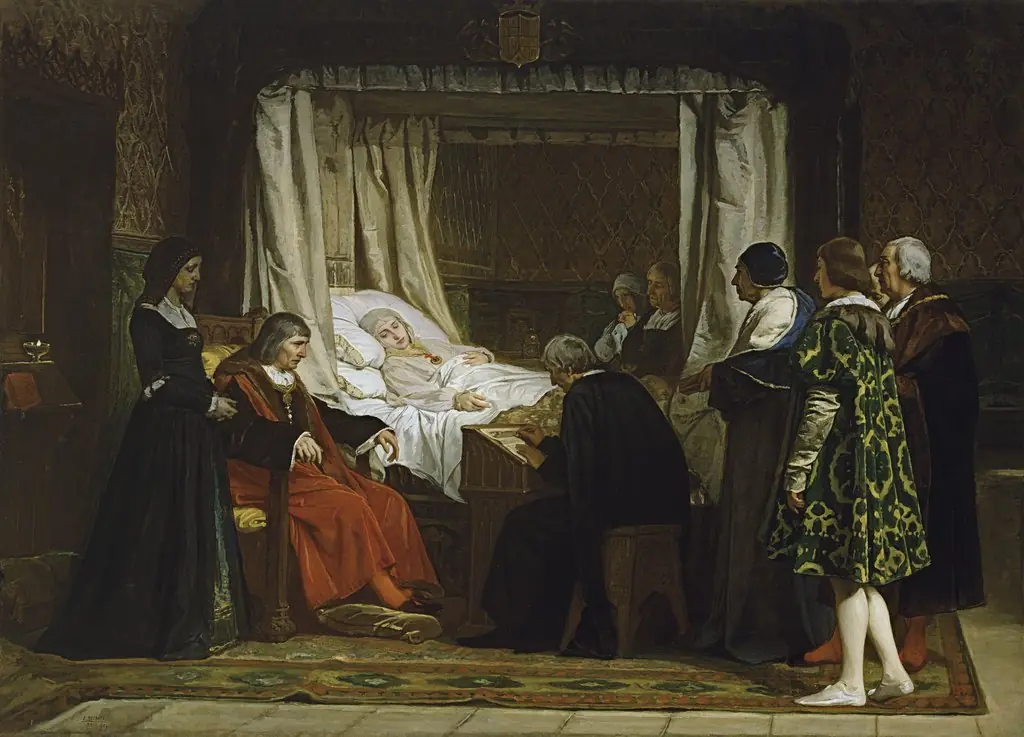 Queen Isabel la Católica dictating her last will and testament
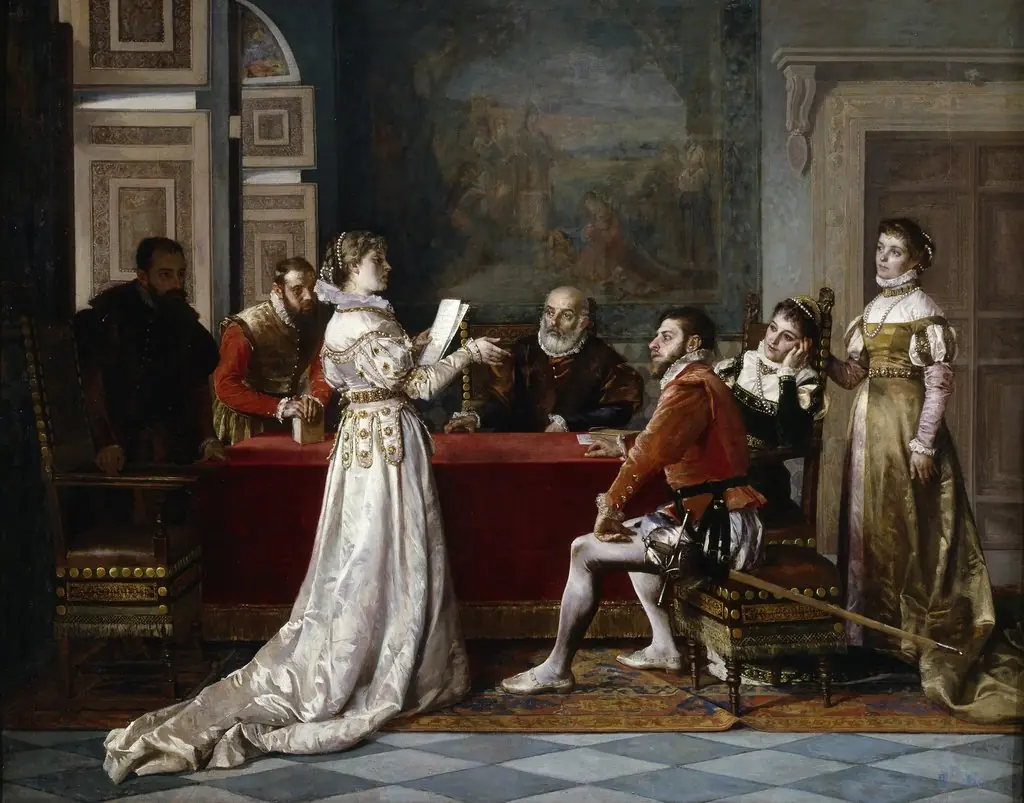 La poetisa
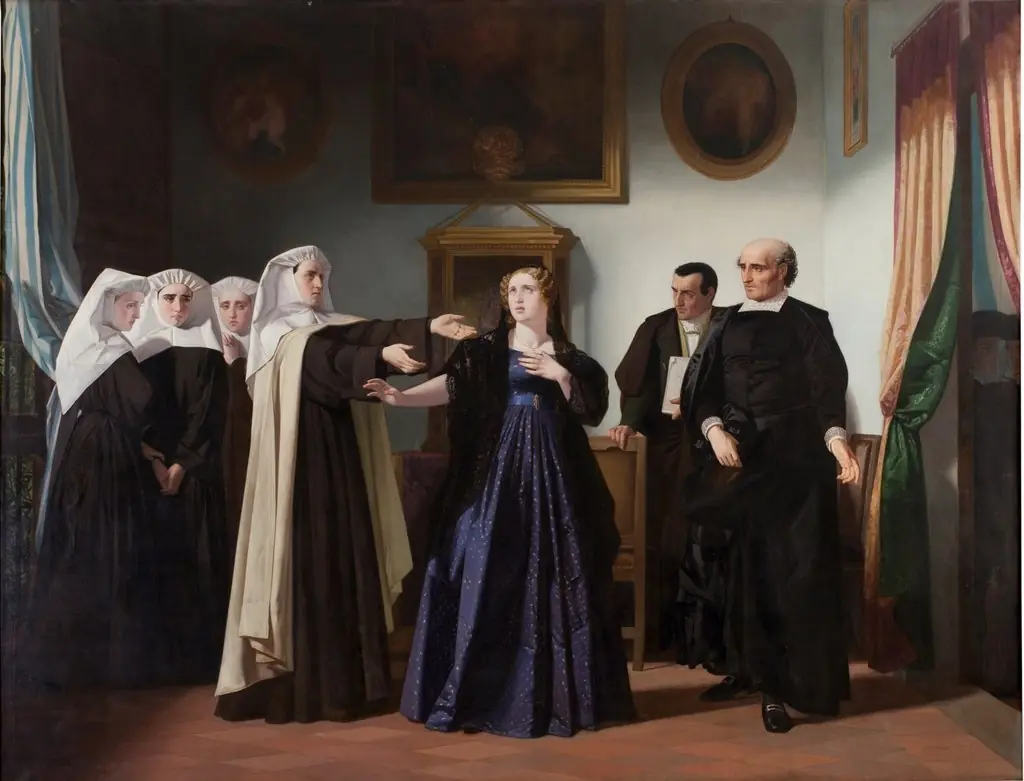 Doña Mariana de Pineda en el momento de despedirse de las beatas de Santa María Egipciaca en cuyo beaterio estaba presa para ir a la capilla
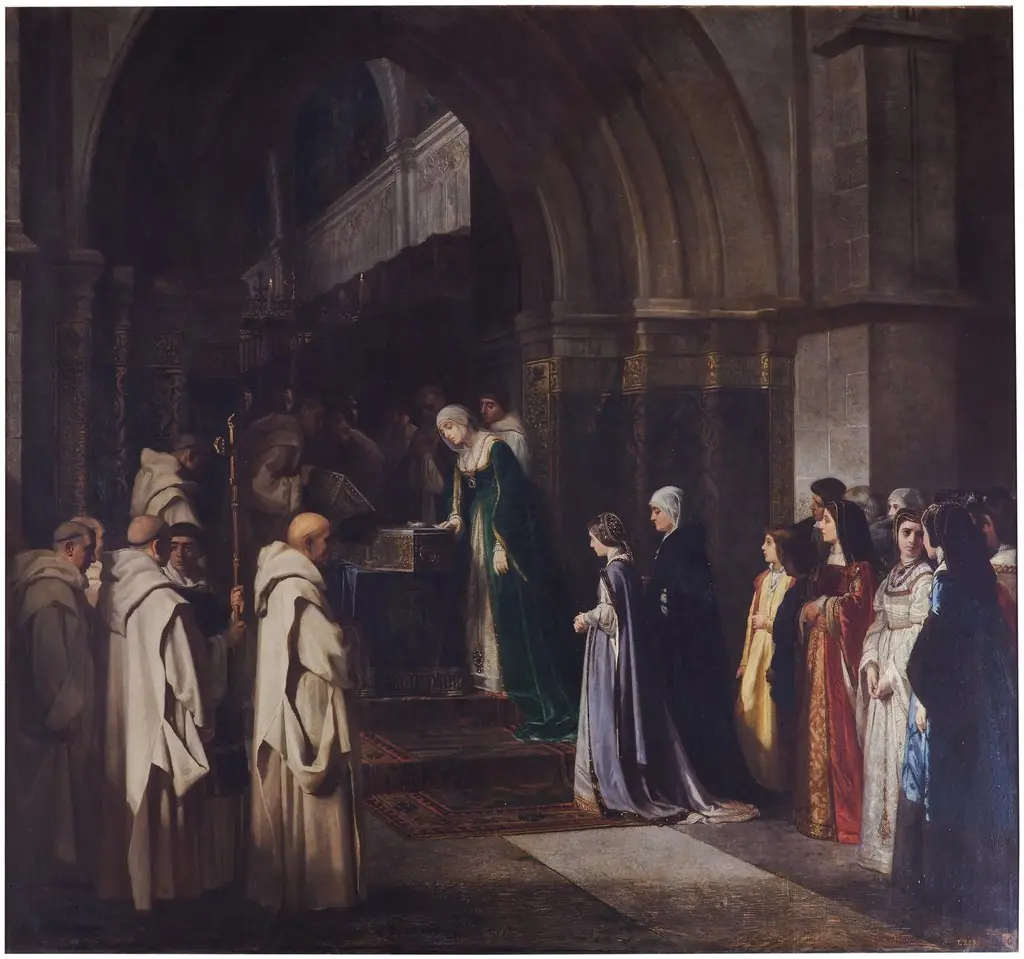 Doña Isabel la Católica en la cartuja de Miraflores
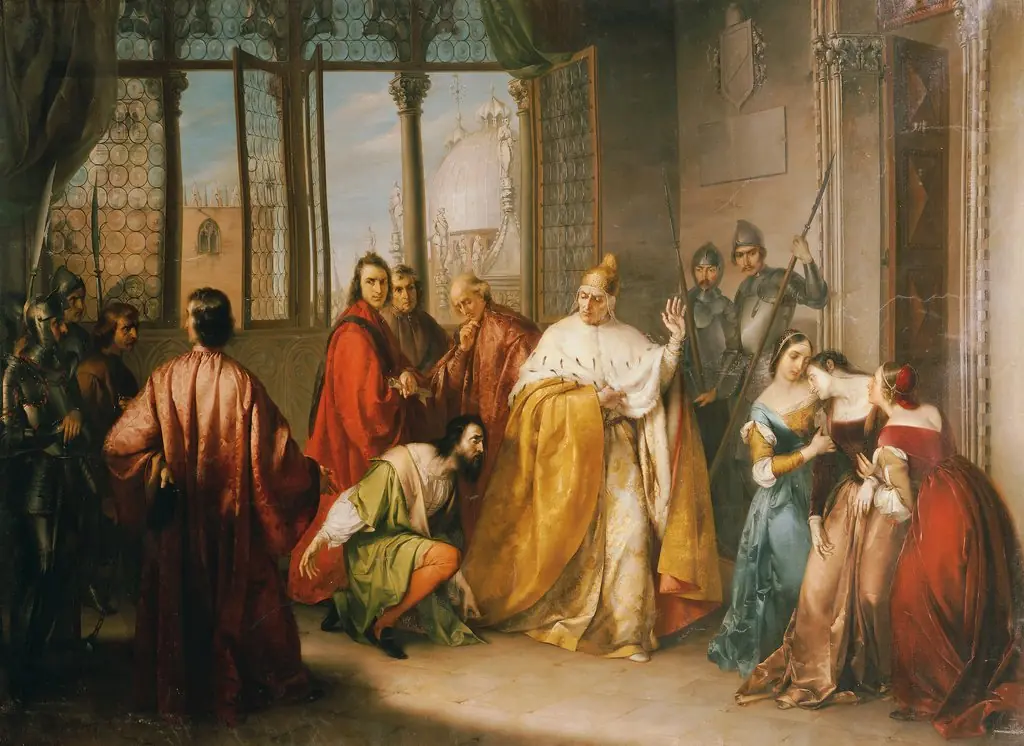 Der Doge Francesco Foscari schickt seinen Sohn Giacomo in die Verbannung ("I due Foscari")
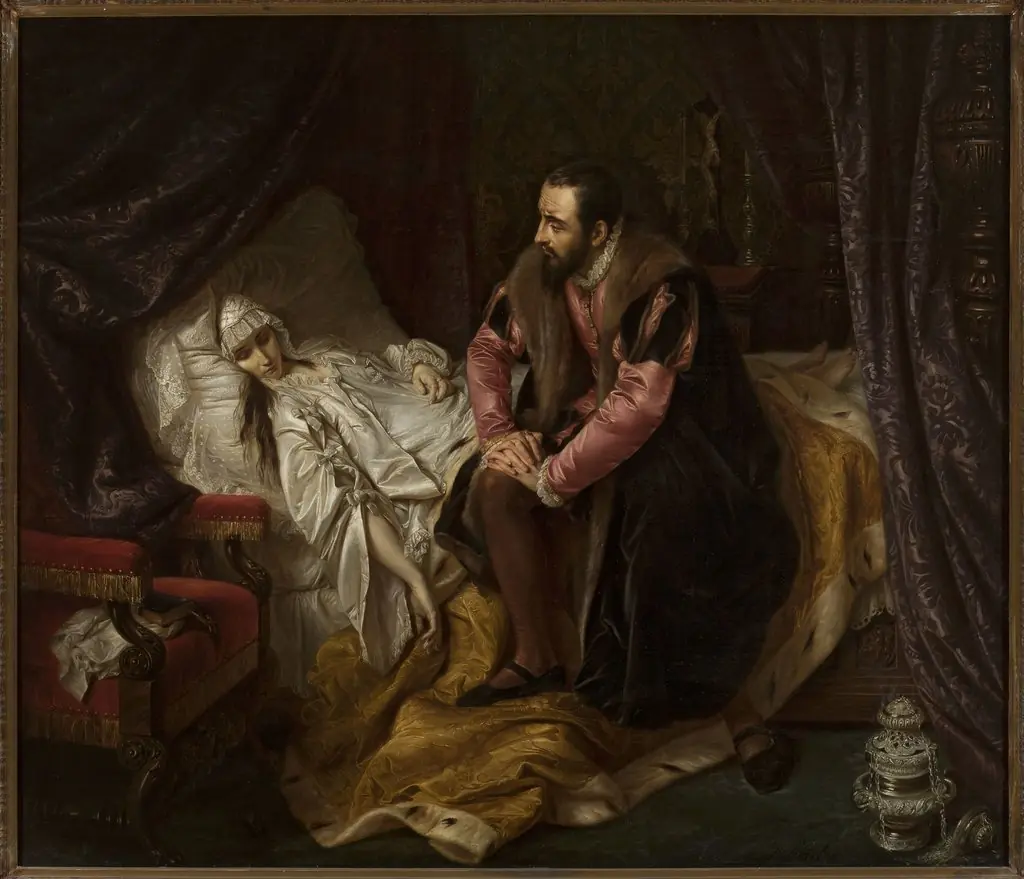 Death of Barbara Radziwiłł
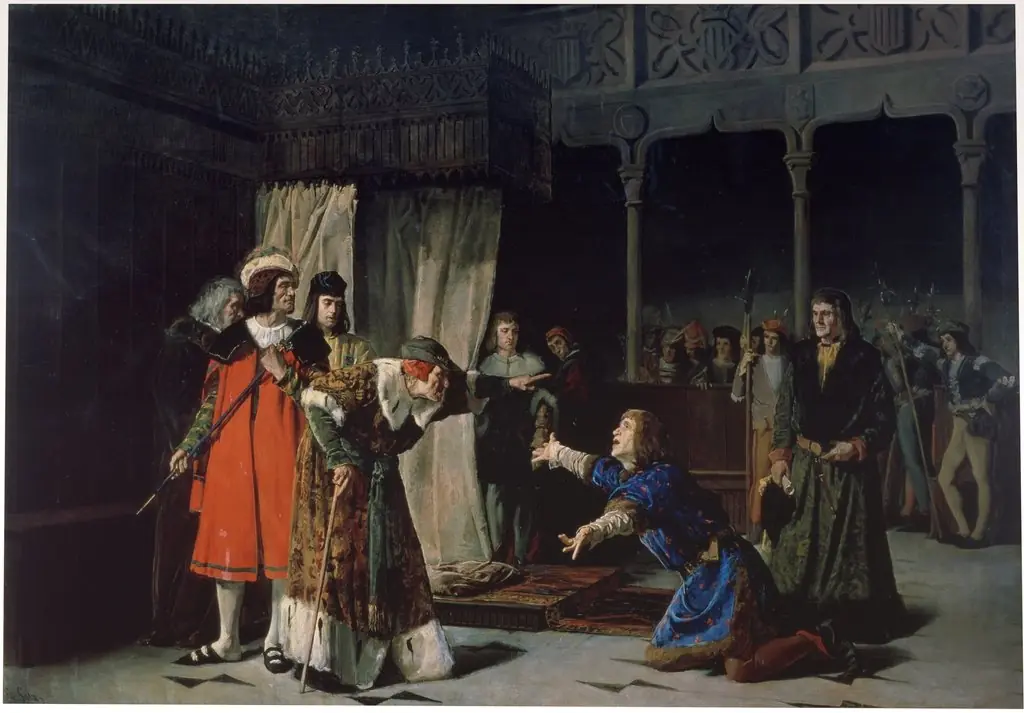 La prisión del príncipe de Viana
 Exorcism of Joanna of Castile