Artwork
Motiv decorativ III
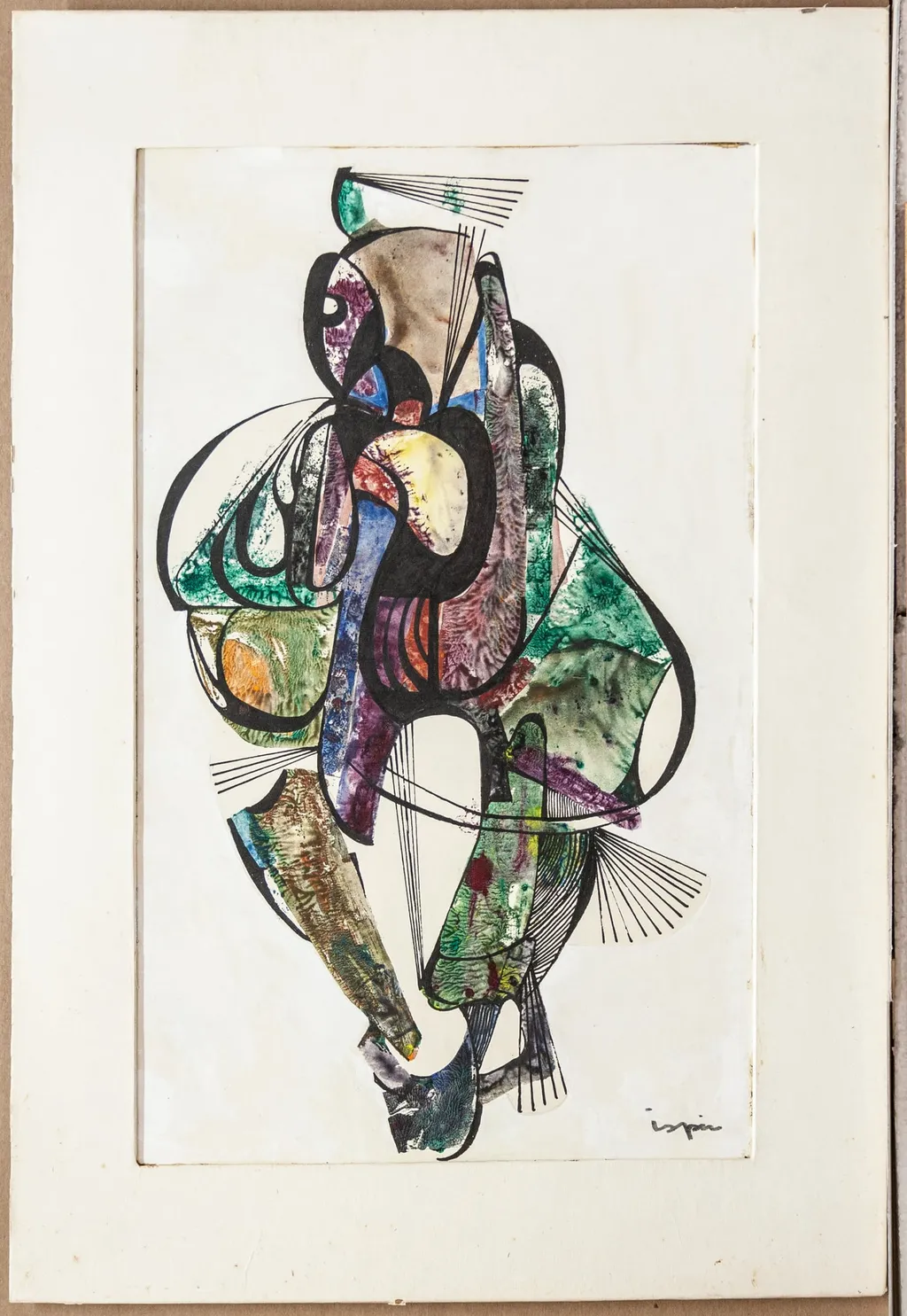
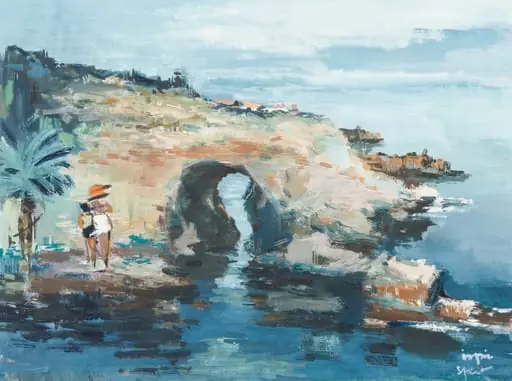
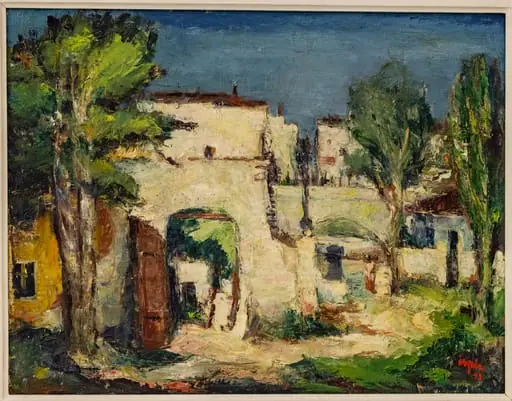
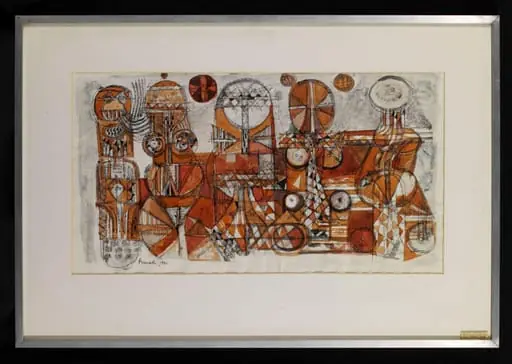
Motiv decorativ III is a print by Eugen Ispir. It dates from 1950 and is held in the collection of the Gavrila Simion Eco-Museum Research Institute Tulcea.
About this work
Overview
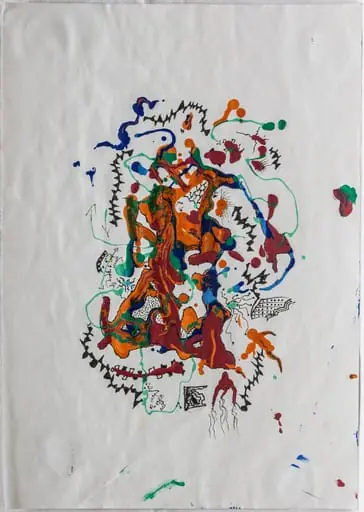
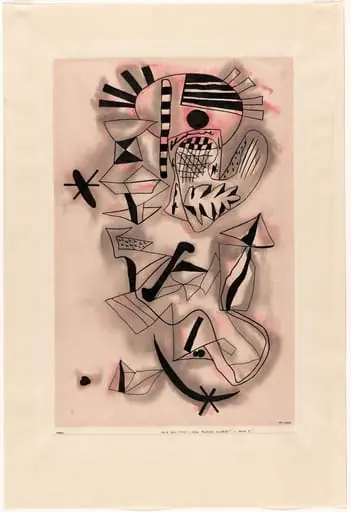
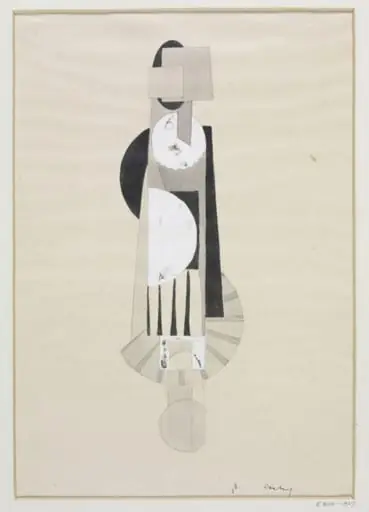
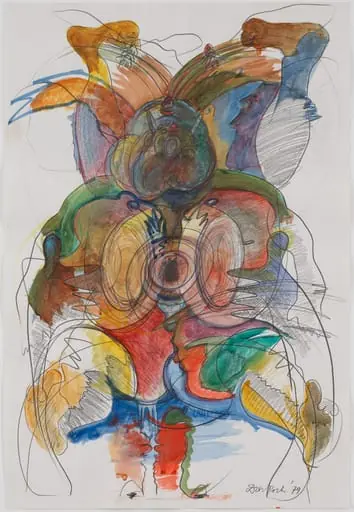
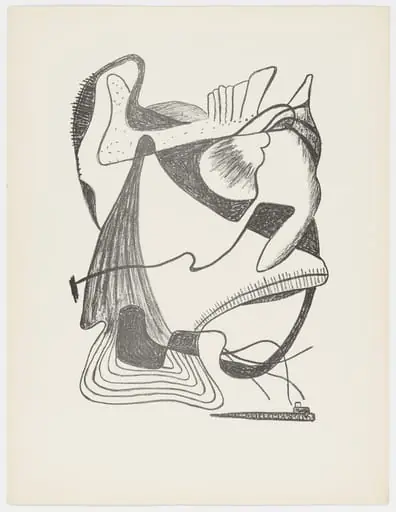
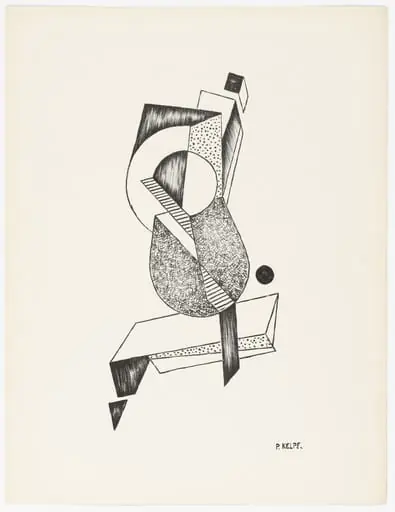
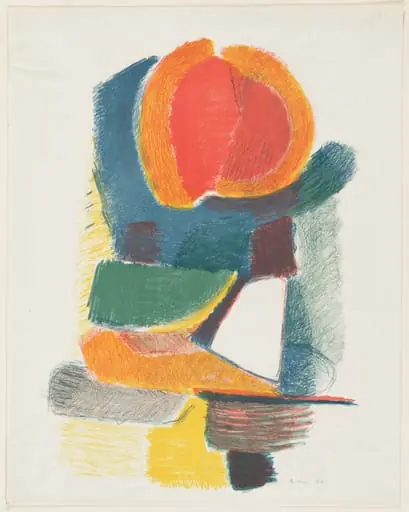
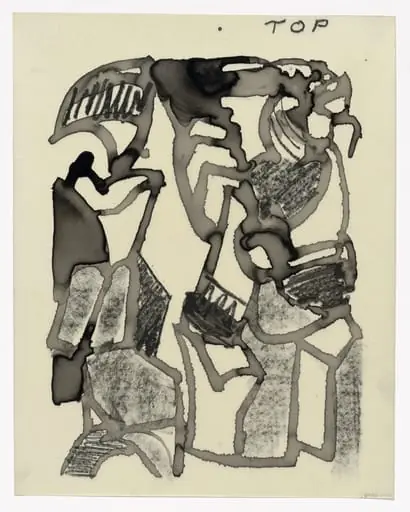
Motiv decorativ III is a graphic work by Romanian artist Eugen Ispir, dated around 1950. It resides in the collection of the Museum of Ethnography. The piece presents a stylized human form through abstracted shapes and non-naturalistic coloration, emphasizing expressive distortion over representational accuracy. Its composition invites attention to formal elements rather than narrative content.
Subject & Meaning
The figure lacks identifiable traits or contextual clues, resisting clear symbolic interpretation. Its elongated neck, oversized head, and disproportionately small feet suggest a deliberate departure from anatomical norms. The absence of narrative or cultural markers implies the work prioritizes formal experimentation over storytelling, functioning as an exploration of bodily abstraction.
Technique & Style
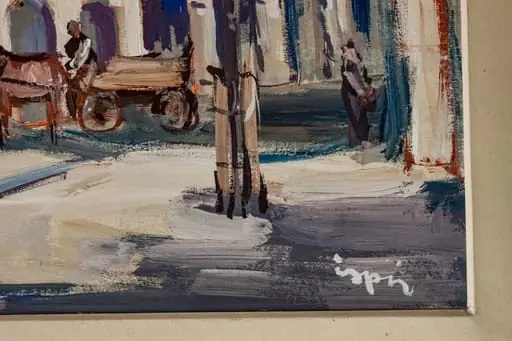
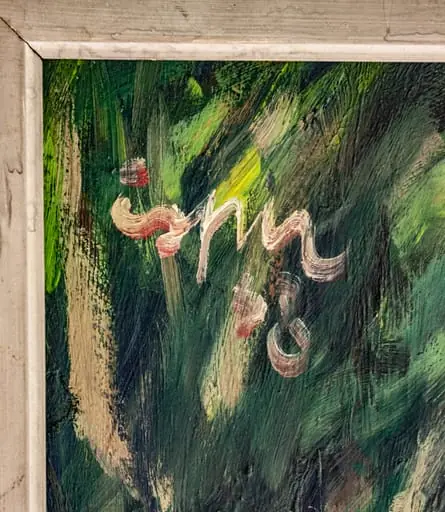
The signature in the corner confirms authorship without anchoring the image to a specific identity or story.
Ispir employs flat, unmodulated planes of color—greens, purples, and yellows—bound by heavy black outlines. Paint application appears rapid and uneven, contributing to a raw, tactile quality. Limbs are contorted into fluid, almost liquefied forms, enhancing the sense of movement and instability. The signature in the corner confirms authorship without anchoring the image to a specific identity or story.
History & Provenance
Created in the early 1950s, the work entered the Museum of Ethnography’s collection shortly after its making. It reflects a period in Romanian art when artists engaged with modernist abstraction while navigating state-imposed cultural policies. Its preservation suggests institutional recognition of its formal innovation, even amid prevailing realist trends.
Context
In postwar Romania, artistic expression was often constrained by socialist realism. Ispir’s work diverges from these mandates, aligning instead with broader European tendencies toward expressive distortion. While not overtly political, its non-conformist aesthetic quietly resisted dominant norms, positioning it within a quieter current of experimental art during a restrictive era.
Legacy
Motiv decorativ III remains a singular example of Ispir’s graphic experimentation. It contributes to the understanding of Romanian modernism beyond official channels, illustrating how artists navigated abstraction under political pressure. The work continues to be referenced in studies of mid-century Eastern European visual culture for its bold formal choices and emotional resonance.
Artist & collection
Artist
Eugen Ispir painted quiet scenes of places: orchards, riverbanks, Paris streets, and Split’s harbor.
Museum
Gavrila Simion Eco-Museum Research Institute Tulcea
Continue through works from the same source collection.