Artwork
The Column of Marcus Aurelius with an Obelisk
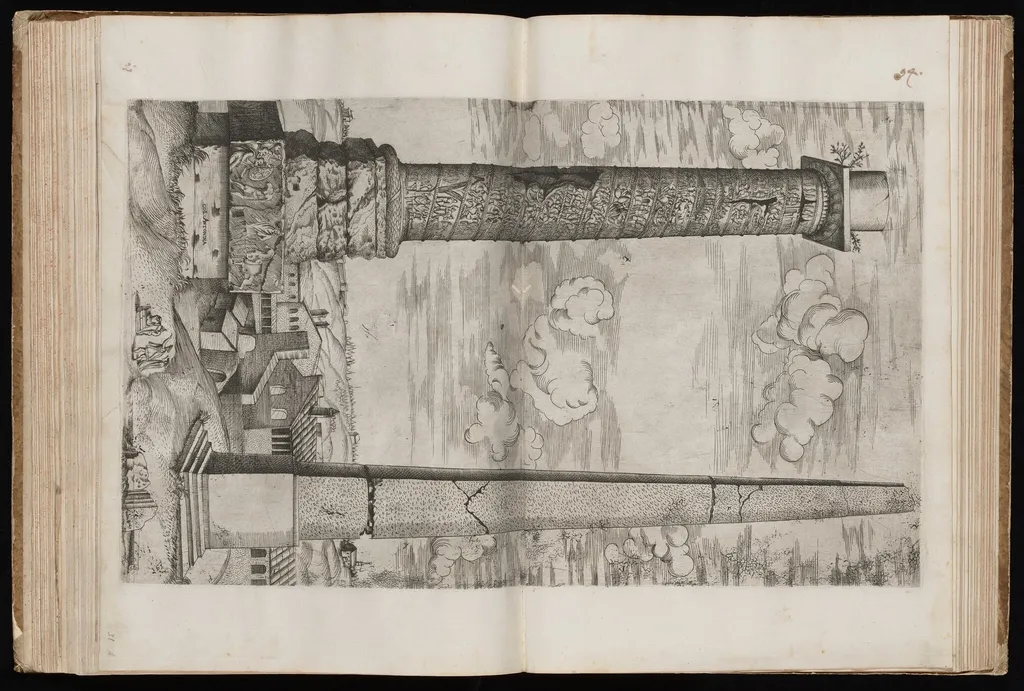
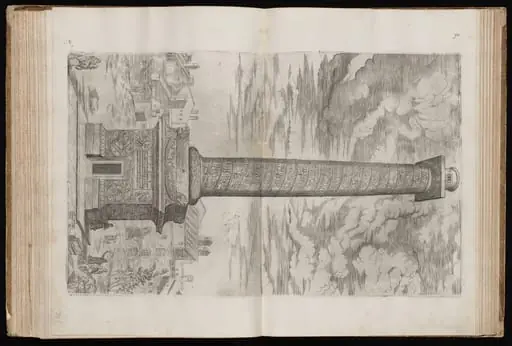
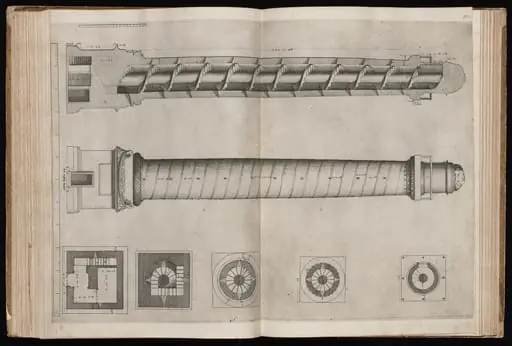
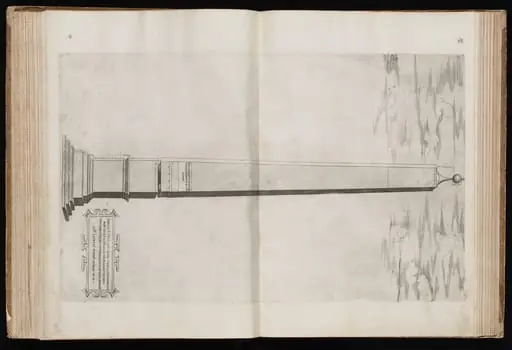
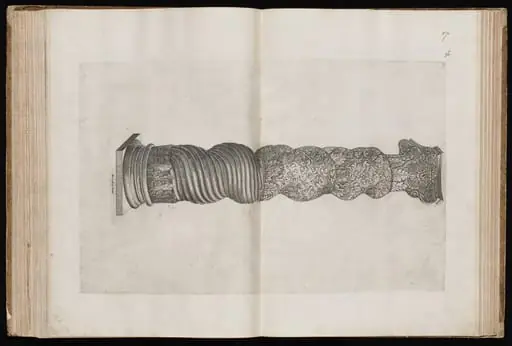
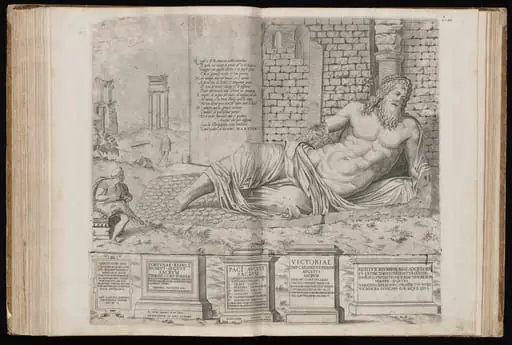
The Column of Marcus Aurelius with an Obelisk is an ink print by the Renaissance artist Italian 16th Century. It dates from 1544 and is held in the collection of the National Gallery of Art. This 1544 engraving depicts the Column of Marcus Aurelius, a Roman monument in Piazza Colonna, Rome.
About this work
Look close at the tiny obelisk next to it: it’s the same one that now tops Rome’s Fountain of the Four Rivers.
A 1544 engraving shows Rome’s tall Column of Marcus Aurelius in Piazza Colonna, carved with battle scenes. The artist used cross-hatching to shade the stone, making shadows pop against bright sky. You can still see the real column today—it’s covered in the same soldier-carved stories.
Look close at the tiny obelisk next to it: it’s the same one that now tops Rome’s Fountain of the Four Rivers. Artists later copied this trick of pairing columns and obelisks to show off Roman power.
This engraving lives at the National Gallery of Art, Washington.
Overview
This 1544 engraving depicts the Column of Marcus Aurelius, a Roman monument in Piazza Colonna, Rome. The print is a representation of the ancient column, which still stands today.
Subject & Meaning
The column, nearly 30 meters tall, is adorned with reliefs illustrating the military campaigns of Emperor Marcus Aurelius. Paired with it in the engraving is a small obelisk, later relocated to top the Fountain of the Four Rivers in Rome.
Technique & Style
The engraving employs cross-hatching to create shading on the column, contrasting dark shadows with a bright sky. This technique highlights the carved battle scenes on the column's surface.
Context
The pairing of the column and obelisk in the engraving was a visual motif later adopted by artists to convey Roman power and authority.
History & Provenance
The Column of Marcus Aurelius dates to the 2nd century AD, while the engraving was created in the 16th century. The print is now housed at the National Gallery of Art, Washington.
Artist & collection

Artist
A 16th-century Italian sculptor left us small bronze works in dark brown and gold.