Artwork
A Landscape with Classical Ruins
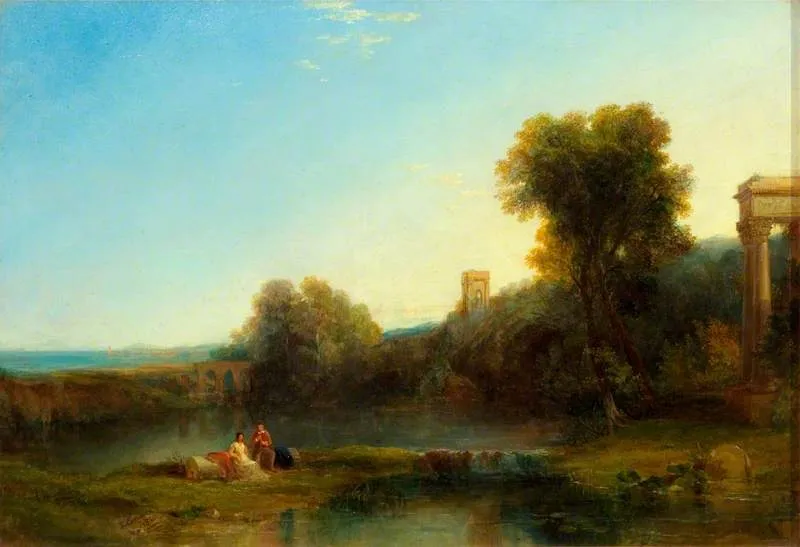
A Landscape with Classical Ruins is an oil painting by the British Romanticist artist Thomas Creswick. It dates from 1830 and is held in the collection of the Victoria and Albert Museum.
About this work
Overview
Its quiet composition and restrained palette distinguish it from more dramatic Romantic treatments of the same theme.
Thomas Creswick painted *A Landscape with Classical Ruins* in 1830 using oil on canvas. A member of the Birmingham School, he focused on naturalistic landscapes infused with historical suggestion. The work is part of the Victoria and Albert Museum’s collection, reflecting 19th-century British interest in combining observed nature with evocative architectural remnants. Its quiet composition and restrained palette distinguish it from more dramatic Romantic treatments of the same theme.
Subject & Meaning
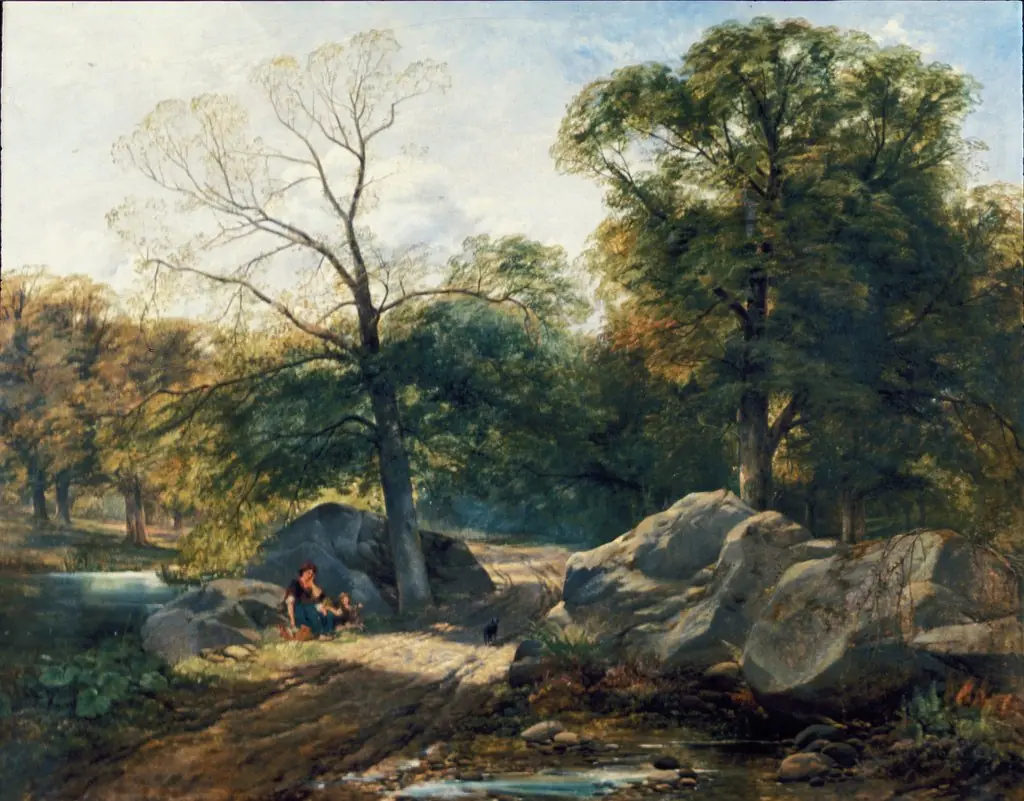
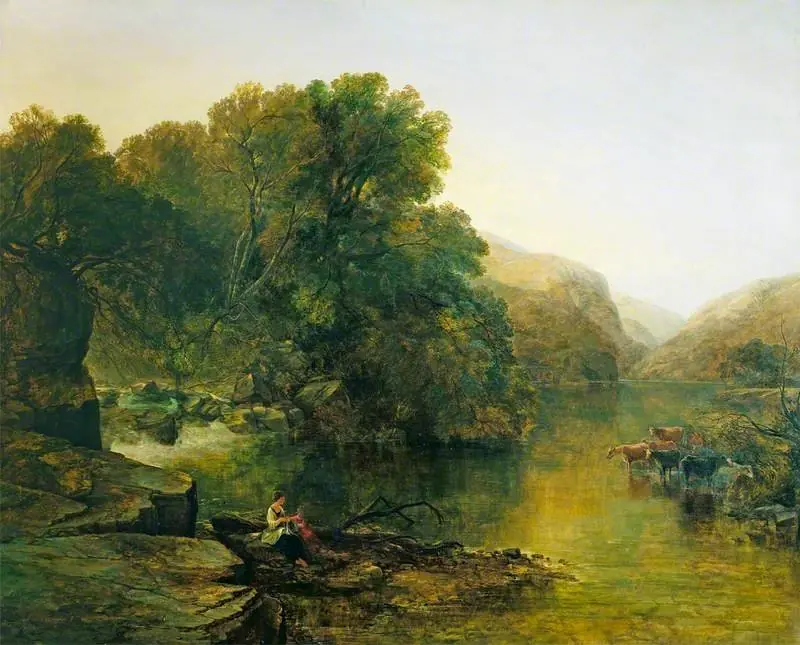
The scene depicts a tranquil rural setting with weathered classical ruins nestled among trees and water. A small group of figures gathers near the shore, their presence subtle and unobtrusive. The ruins suggest the passage of time and the fading of ancient civilizations, while the living landscape around them implies continuity. The painting invites contemplation rather than narrative, emphasizing harmony between nature and the traces of human history.
Technique & Style
Creswick employed soft, blended brushwork and a muted, warm tonality to create a sense of calm. The sky is rendered with delicate cloud formations, and the foliage is suggested through layered greens rather than detailed rendering. Light is diffused evenly, avoiding strong contrasts. This approach aligns with the British Romantic preference for mood over spectacle, favoring atmospheric coherence over theatrical effect.
History & Provenance
Painted in 1830, the work entered the Victoria and Albert Museum’s collection as part of its broader effort to document British artistic developments in the 19th century. Creswick was known for his topographical accuracy and illustrations for publications, but this piece reflects his independent artistic vision. Its survival in public hands suggests it was valued during its time, though it never achieved widespread fame.
Context
In the 1830s, British artists increasingly turned to landscapes infused with classical references as a way to meditate on time, memory, and national identity. Creswick’s work emerged alongside the rise of the picturesque movement and growing public interest in antiquity, fueled by archaeological discoveries and Grand Tour narratives. His approach was less idealized than continental peers, grounded in observed reality.
Legacy
While not widely reproduced or celebrated in major art histories, Creswick’s painting exemplifies a quiet strand of British Romanticism that prioritized serenity and reflection. His integration of ruins into everyday landscapes influenced later topographical painters and contributed to a broader cultural habit of seeing nature as a vessel for historical contemplation.
Artist & collection
Artist
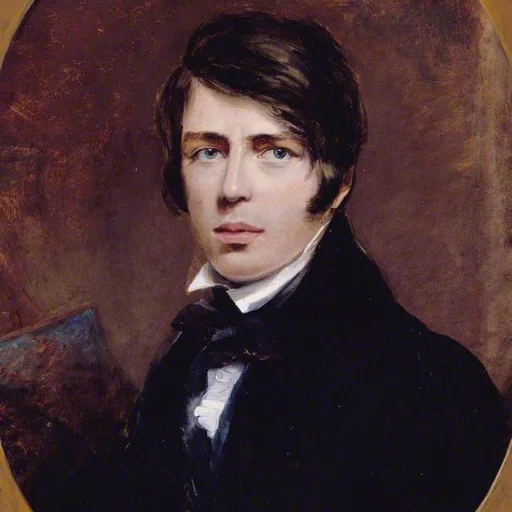
Thomas Creswick (5 February 1811 – 28 December 1869) was a British landscapist and illustrator, and one of the best-known members of the Birmingham School of landscapists.

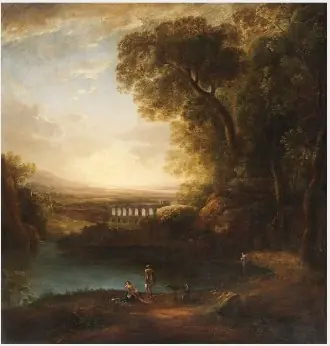 A Landscape with Diana and Attendants
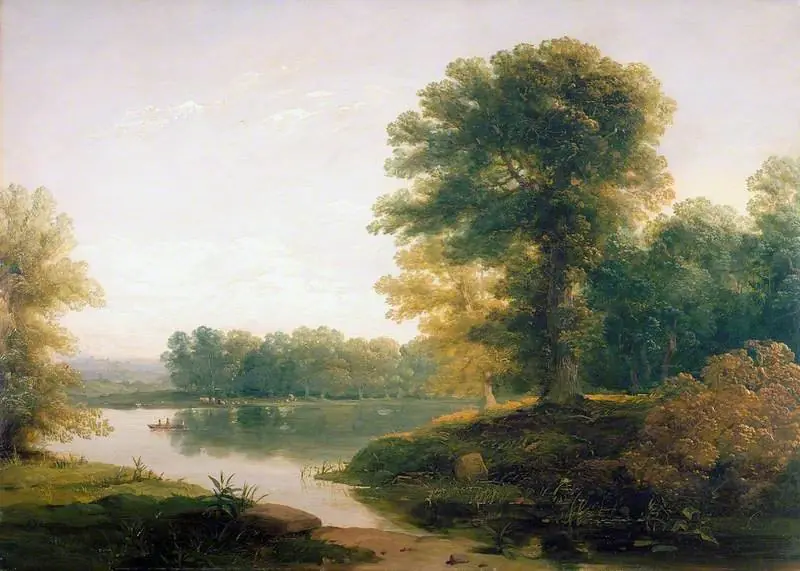 Landscape
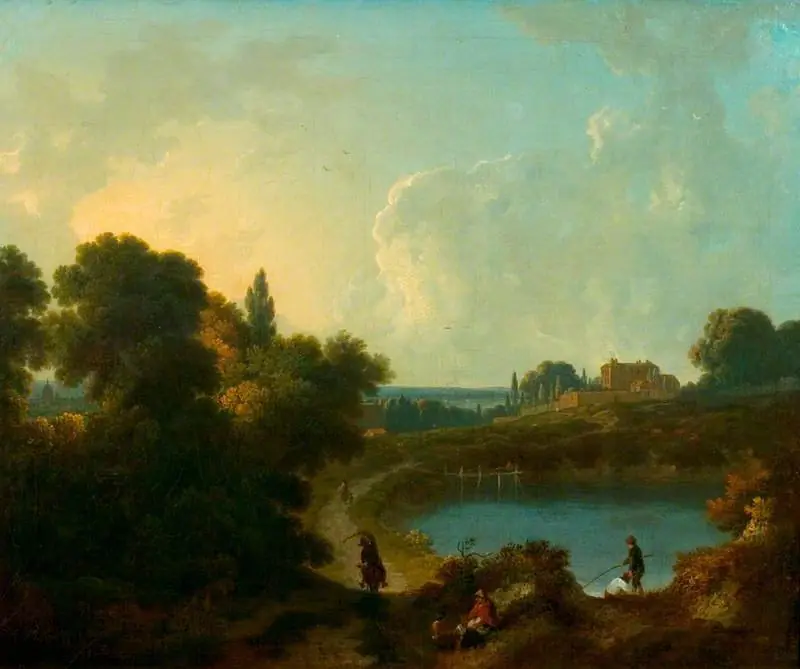 View at Hampstead
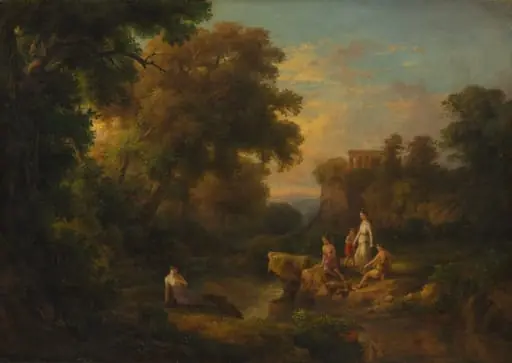 Diana and Her Nymphs
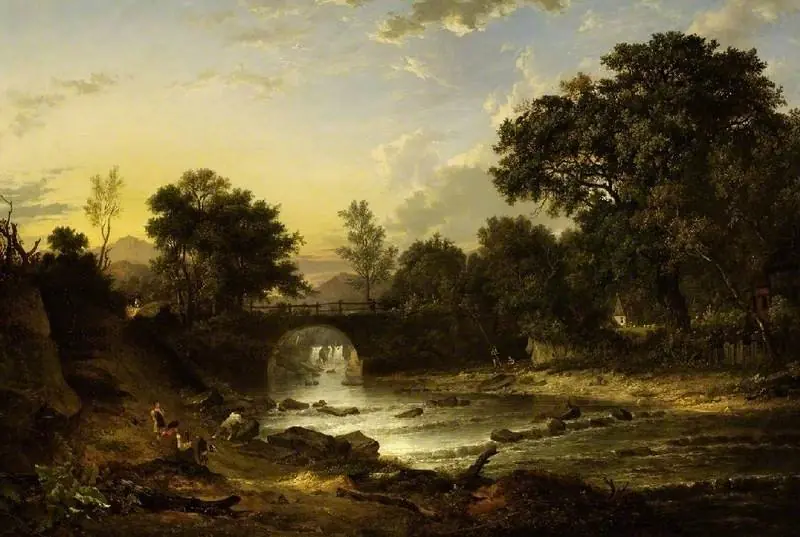 A view of the Douglas Bridge near Inverary, Argyllshire
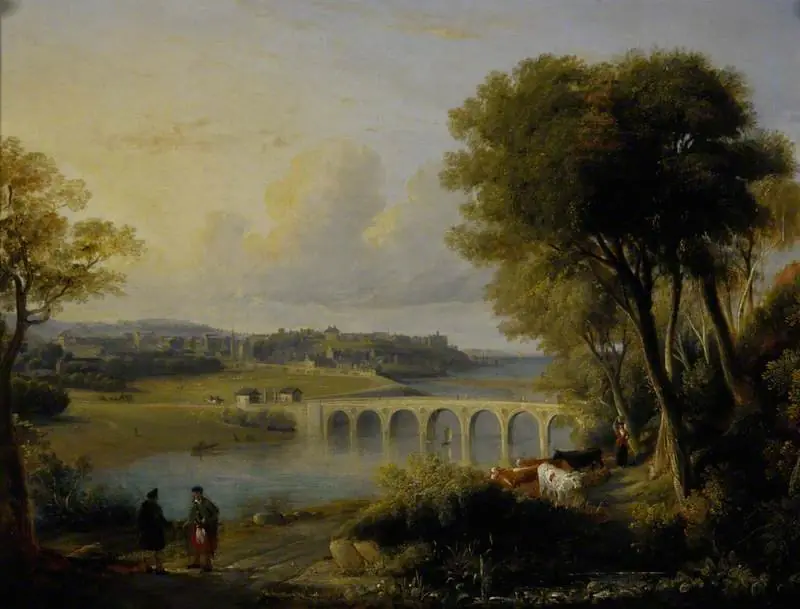 View of Banff with the Bridge over the River Deveron
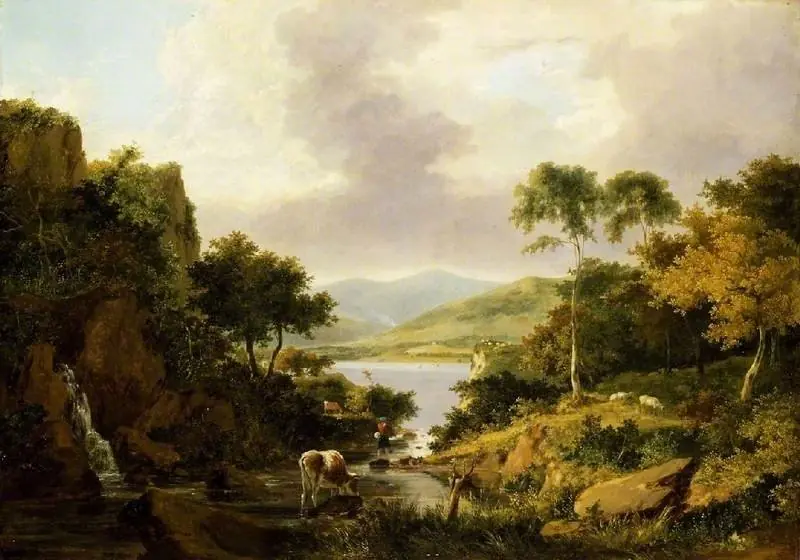 Loch Etive, Argyllshire
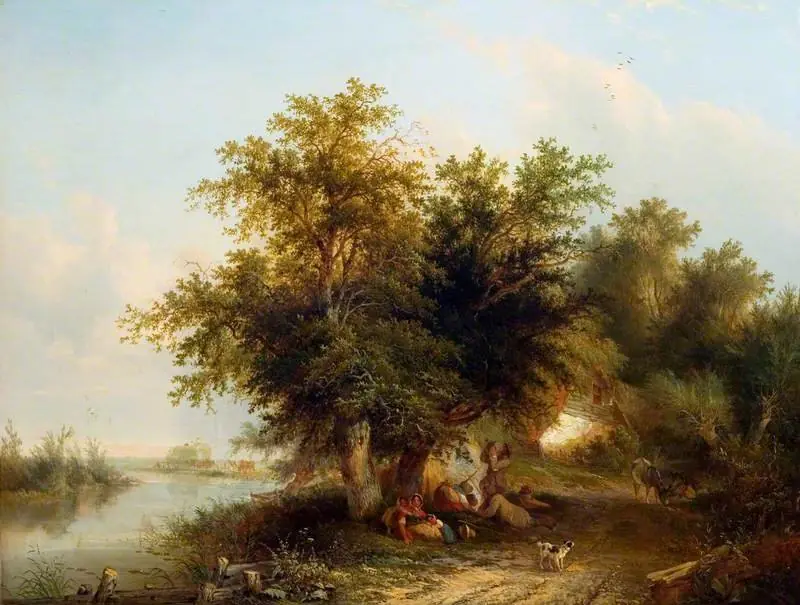 Landscape with Gypsies and Haymakers
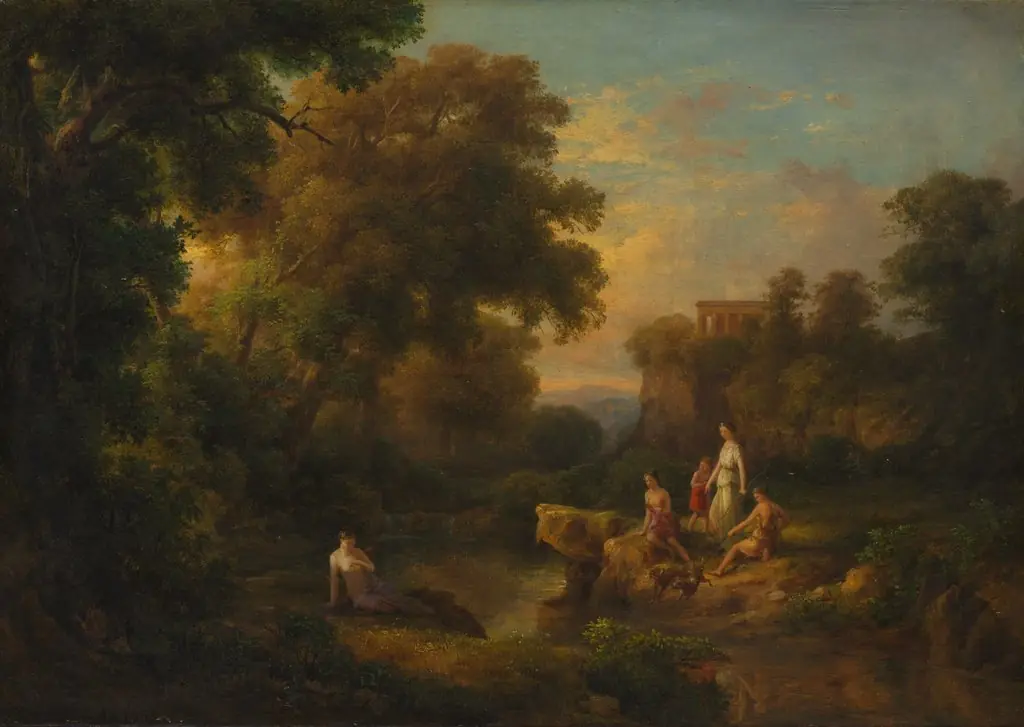 Diana and Her Nymphs
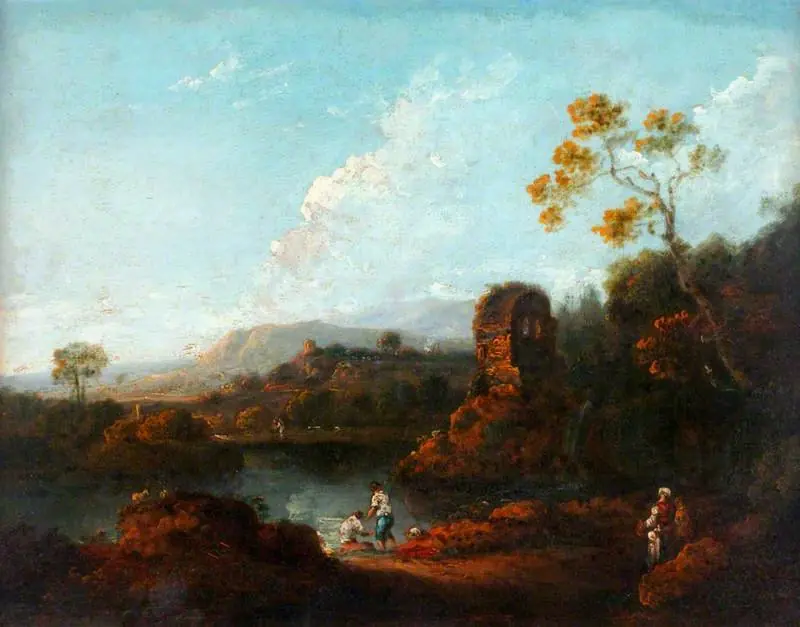 Landscape with a River and Ruins