Artwork
Glaucus and Scylla
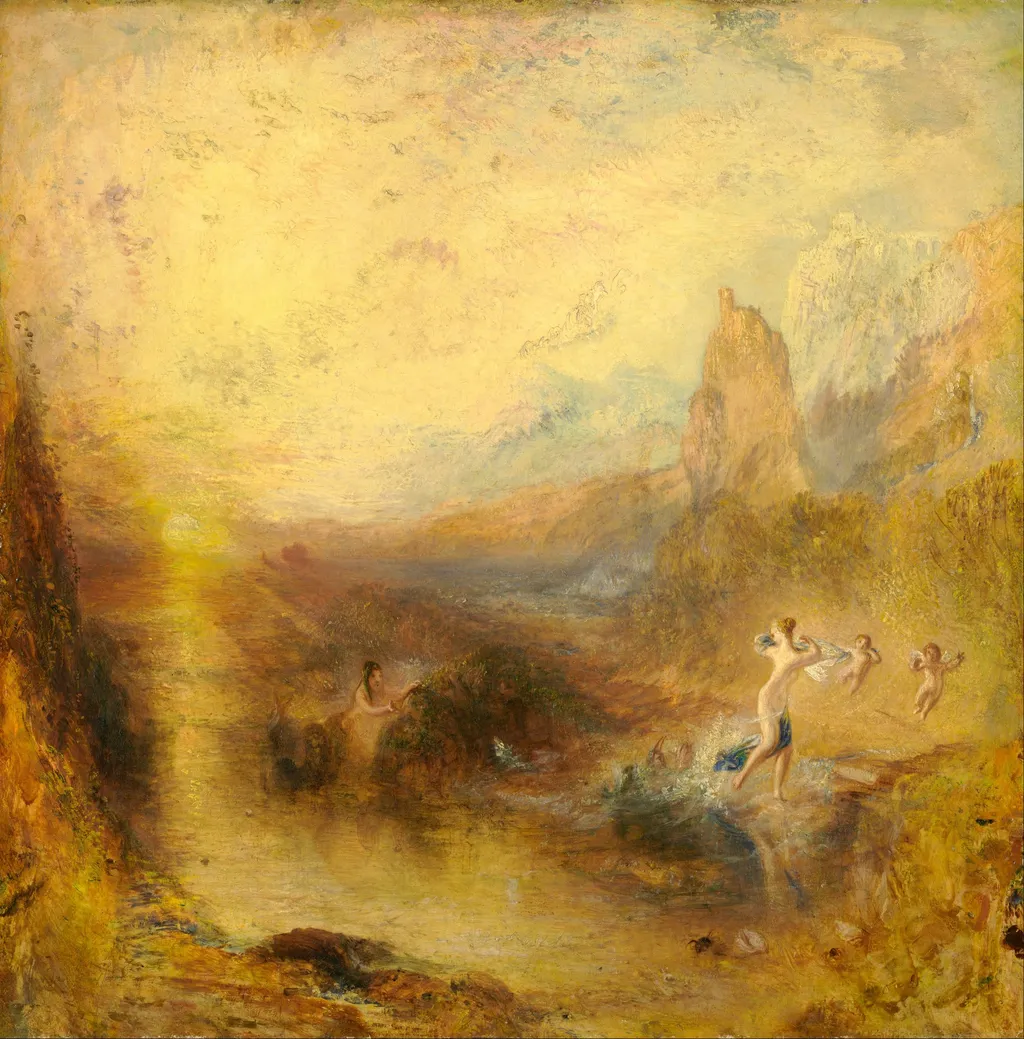
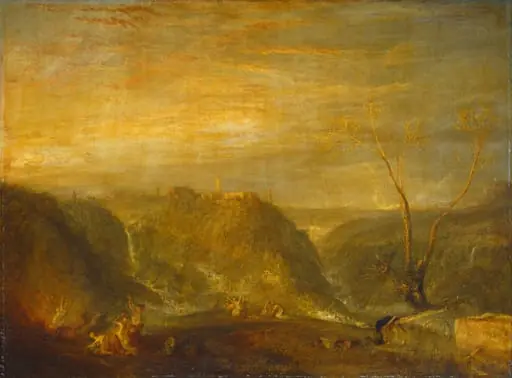
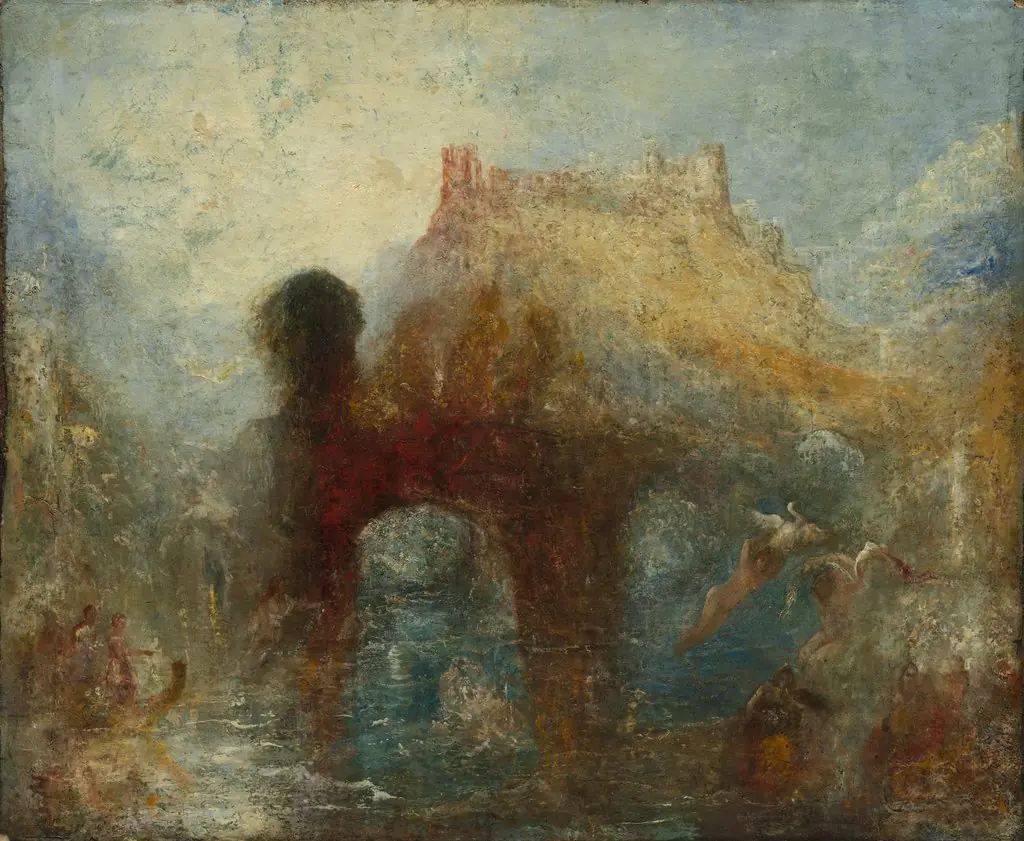
Glaucus and Scylla is an oil painting by the British Romanticist artist Joseph Mallord William Turner. It dates from 1841 and is held in the collection of the Kimbell Art Museum. J.
About this work
Overview
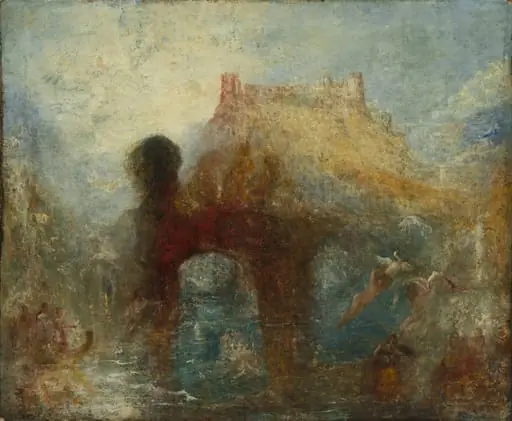
The work presents a mythological episode drawn from Ovid’s *Metamorphoses*, set against a stark seascape of rock and water.
J.M.W. Turner’s oil painting *Glaucus and Scylla* was completed in 1841, near the end of the artist’s long career. The work presents a mythological episode drawn from Ovid’s *Metamorphoses*, set against a stark seascape of rock and water. Turner’s palette is restrained, dominated by earthy browns, muted yellows and cool greys, while his handling of light and shadow creates a palpable sense of depth.
Subject & Meaning
The composition visualises the tragic love triangle of the sea‑god Glaucus, the nymph Scylla, and the sorceress Circe. In the narrative, Circe, jealous of Glaucus’s affection for Scylla, transforms him into a monstrous creature to frighten the nymph. Turner captures the moment of confrontation, emphasizing the emotional tension between desire and betrayal.
Technique & Style
Turner employs a pronounced chiaroscuro, using strong contrasts of light and dark to model the figures and the looming rock formation. The brushwork is loose, hinting at the emerging abstract tendencies of his late period, while still retaining enough detail to convey the mythic scene. The muted tonal scheme reinforces the Romantic mood of awe and danger.
History & Provenance
The painting was first shown at the Royal Academy’s 1841 exhibition in London’s National Gallery. It was intended as a pendant to Turner’s *Dawn of Christianity* (also known as *Flight into Egypt*), though earlier plans may have linked it to his *Bacchus and Ariadne*. After passing through private hands, the work entered the Kimbell Art Museum’s collection in Fort Worth, Texas, following its acquisition in 2007.
Context
Created during the final decade of Turner’s life, *Glaucus and Scylla* reflects his position as a leading figure of British Romanticism while hinting at the more experimental, almost abstract compositions that would influence later modernists. The choice of a classical subject aligns with the era’s fascination with antiquity, yet Turner’s treatment foregrounds atmospheric effects over strict narrative clarity.
Own this work as a print
Artist & collection
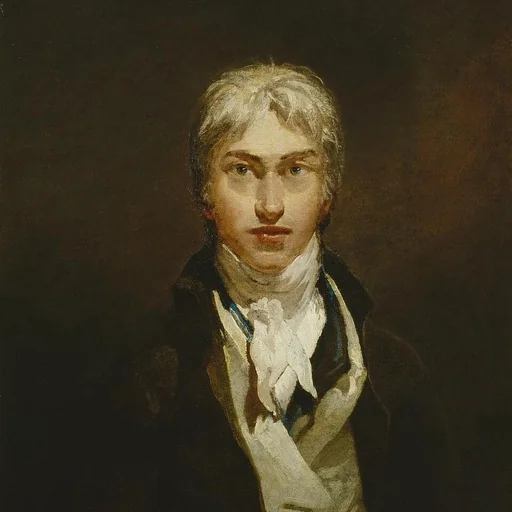
Artist
Joseph Mallord William Turner was born in 1775 at Maiden Lane, Covent Garden, where his father kept a barber and wig-making shop.