Artwork
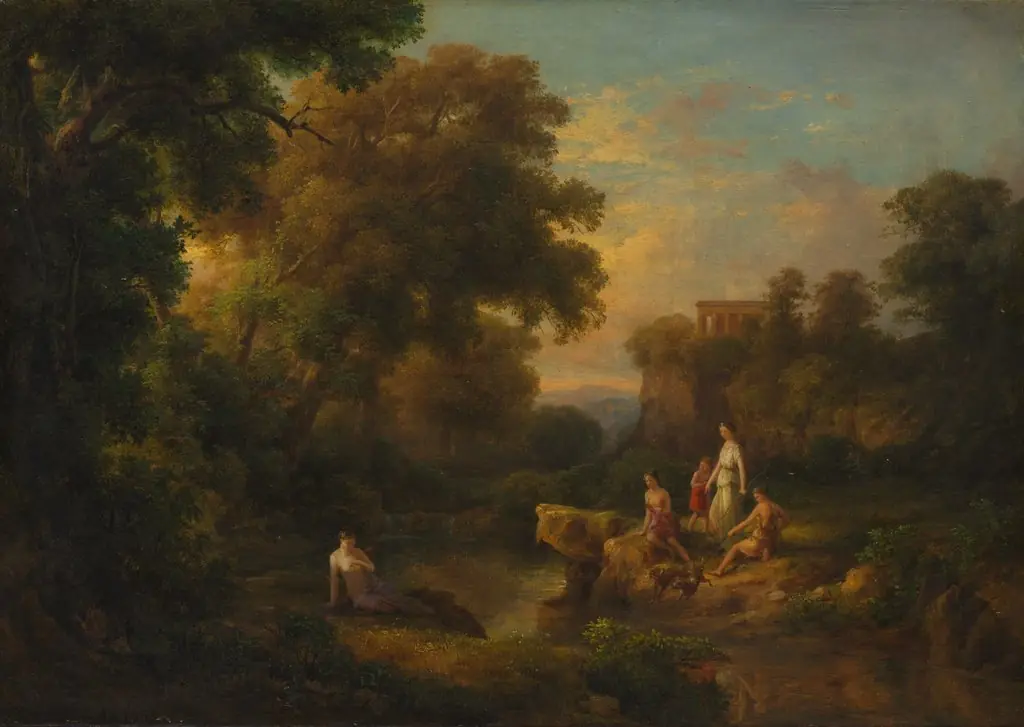
Diana and Her Nymphs
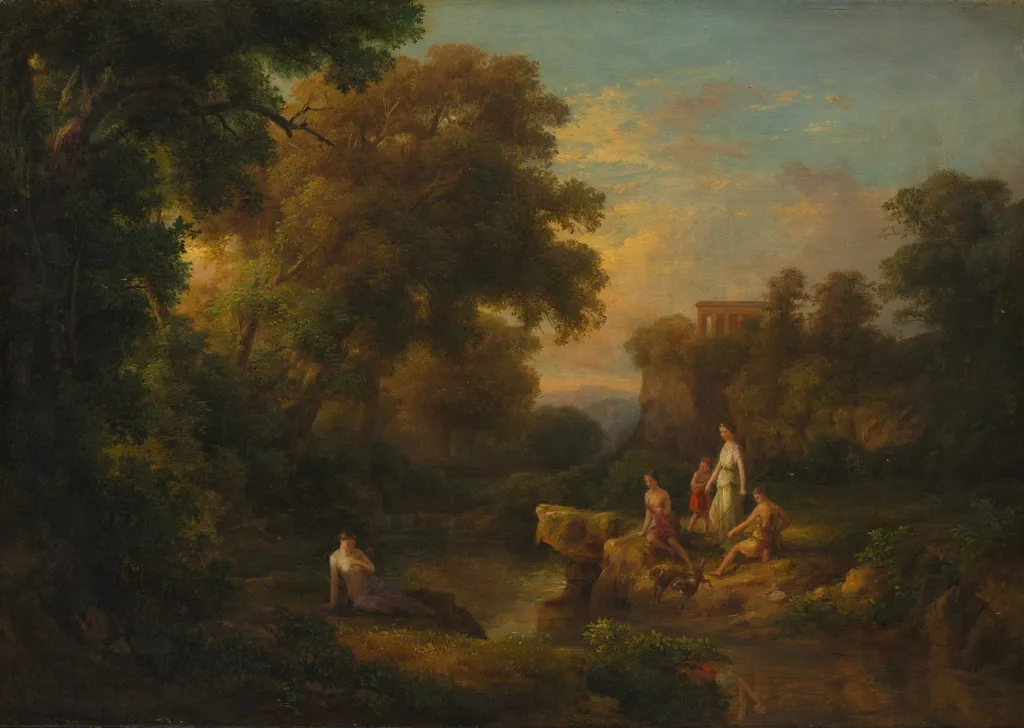
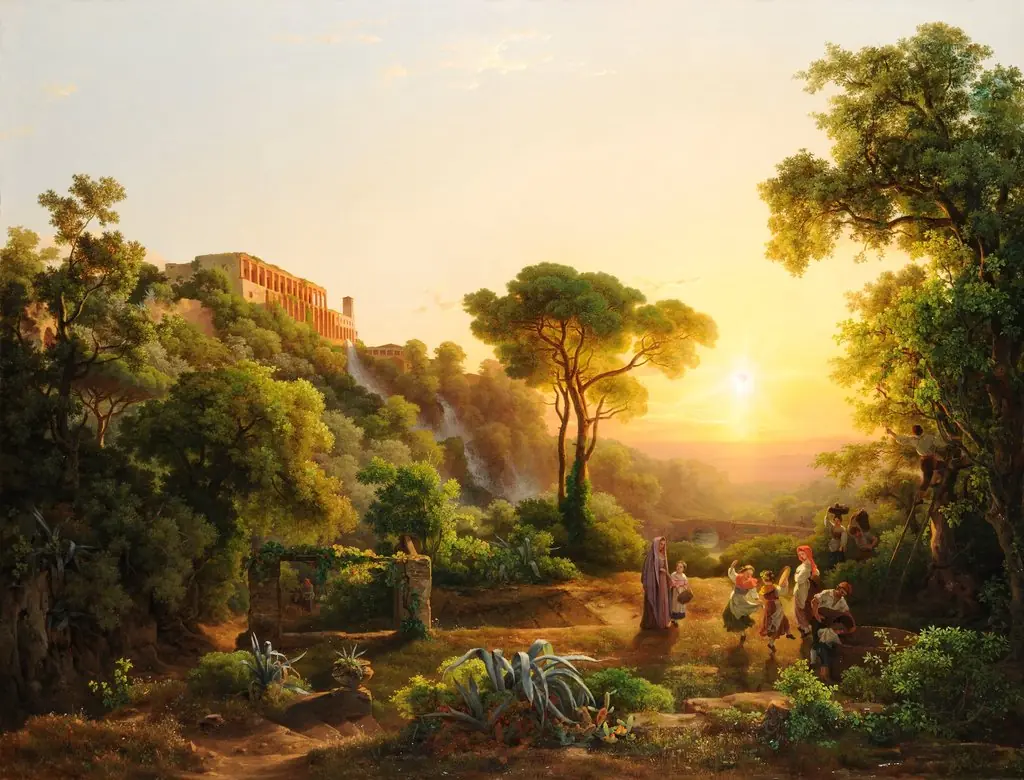
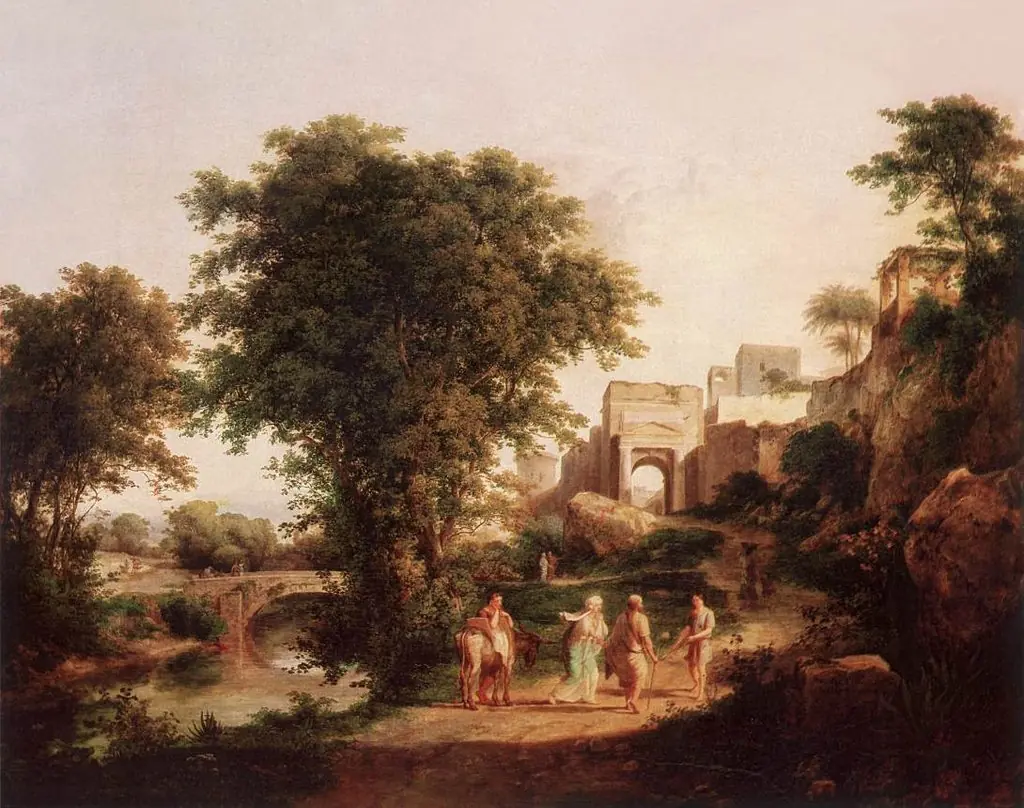
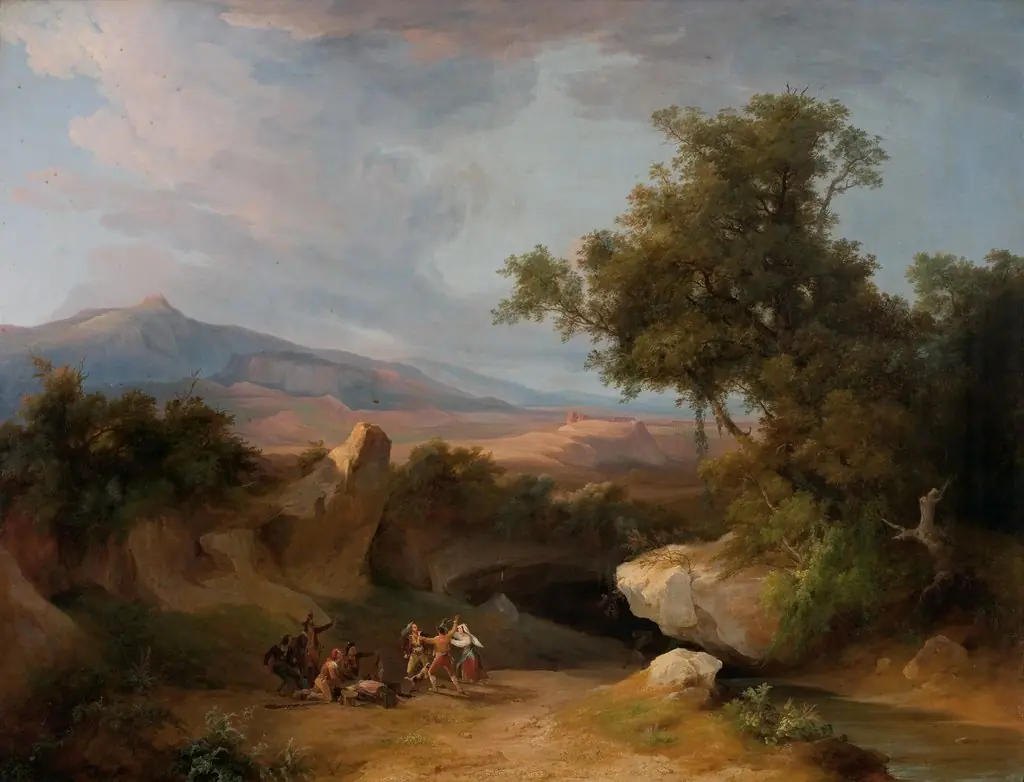
Diana and Her Nymphs is an unspecified painting by the Impressionist artist Károly Markó. It dates from 1853 and is held in the collection of the Cleveland Museum of Art.
About this work
Overview
Painted in 1853 by Hungarian artist Károly Markó the Elder, this work portrays a mythological gathering of the goddess Diana and her attendants.
Painted in 1853 by Hungarian artist Károly Markó the Elder, this work portrays a mythological gathering of the goddess Diana and her attendants. Markó, who spent much of his life in Italy, infused the scene with the quiet grandeur of classical antiquity. The painting is part of the permanent collection at The Cleveland Museum of Art, where it reflects his enduring engagement with Italian landscapes and mythological themes.
Subject & Meaning
The scene depicts Diana, goddess of the hunt and the moon, surrounded by her nymphs in a secluded woodland setting. Dressed in white and positioned near a modest temple, she appears as a calm, authoritative figure, while the others relax in natural poses. The composition suggests a moment of rest after the hunt, evoking themes of purity, nature, and divine solitude without overt narrative drama.
Technique & Style
Markó employed soft, warm lighting to unify the figures with their surroundings, using gentle brushwork to render foliage and stone. The figures are rendered with restrained detail, prioritizing atmospheric harmony over anatomical precision. The temple in the background, subtly integrated into the landscape, reinforces a classical aesthetic rooted in Romantic-era interpretations of antiquity.
History & Provenance
Created during Markó’s later years in Italy, the painting reflects his decades-long immersion in Italian art and culture. He died in Florence in 1860, and the work remained within European collections before entering the Cleveland Museum of Art’s holdings. Its provenance traces through private collections in Central Europe, though specific acquisition details prior to its museum entry are not fully documented.
Context
In mid-19th century Europe, mythological subjects remained popular among artists influenced by Neoclassicism and Romanticism. Markó, though primarily a landscape painter, turned to myth to explore idealized nature and human harmony with the environment. His approach diverged from dramatic historical scenes, favoring serene, contemplative moments that aligned with contemporary tastes for tranquil, poetic imagery.
Legacy
Though not widely exhibited outside institutional collections, the painting exemplifies Markó’s unique synthesis of Hungarian sensibility and Italian artistic tradition. It stands as a quiet testament to his ability to convey myth through understated naturalism, influencing later Hungarian artists who sought to reconcile classical themes with regional identity.
Own this work as a print
Artist & collection
Artist
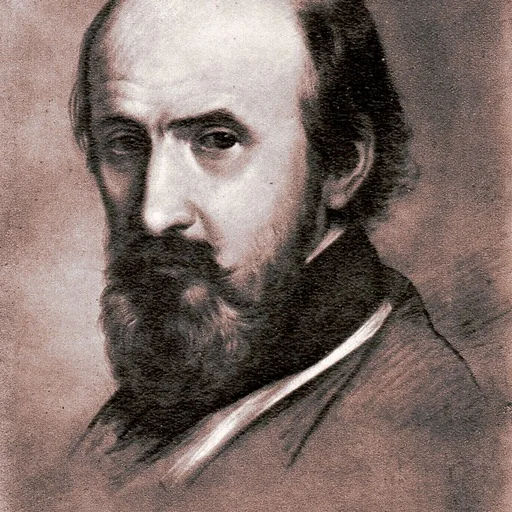
Károly Markó, also known as Carlo Marco (25 September 1791, Lőcse (today Levoča, Slovakia) – 19 November 1860, at the Villa Medici di Lappeggi near Bagno a Ripoli, Italy) was one of the first Hungarian landscape painters.