Artwork
High Street, Oxford
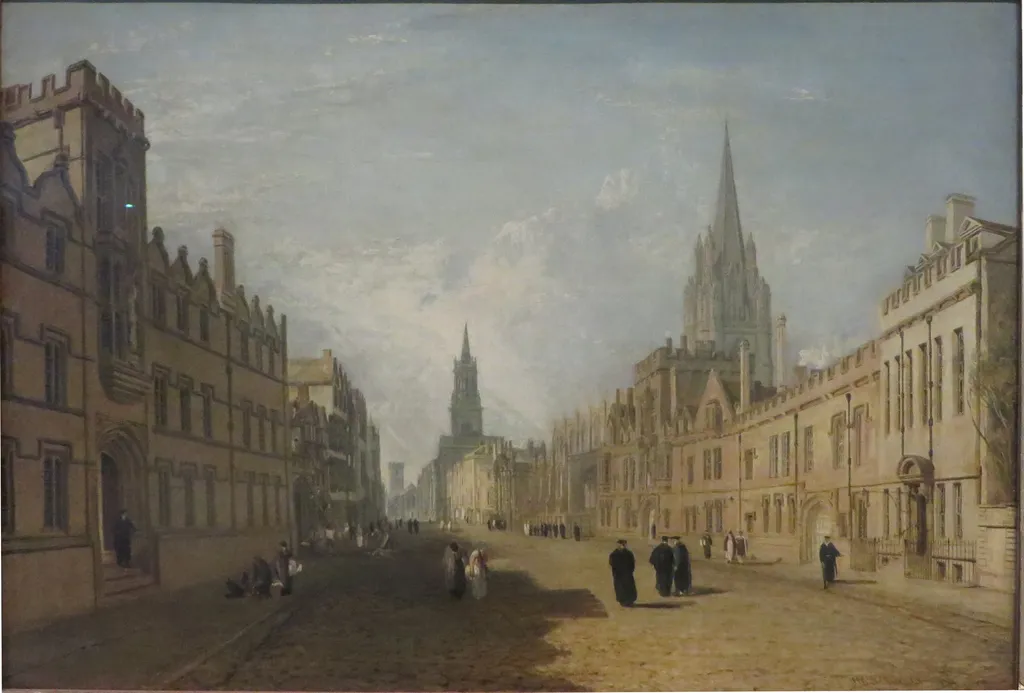
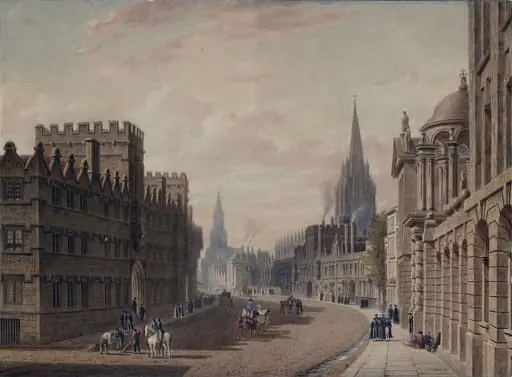
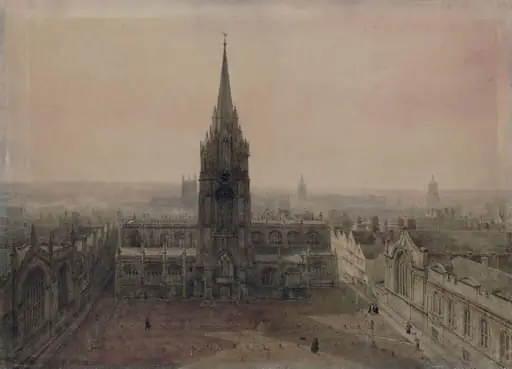
High Street, Oxford is an oil painting by Joseph Mallord William Turner. It dates from 1810 and is held in the collection of the Ashmolean Museum. J.
About this work
Overview
Commissioned by architect James Wyatt for reproduction as an engraving, the work documents the city’s architectural hierarchy with quiet precision.
J. M. W. Turner’s oil painting High Street, Oxford, completed in 1810, captures a precise urban vista along Oxford’s principal thoroughfare. Commissioned by architect James Wyatt for reproduction as an engraving, the work documents the city’s architectural hierarchy with quiet precision. It now resides in the Ashmolean Museum, having entered the national collection in 2015 after a public fundraising effort secured its acquisition from private hands.
Subject & Meaning
The painting presents a westward view of Oxford’s High Street, framing key collegiate and ecclesiastical structures: University College to the left, All Souls to the right, and the spires of All Saints and St Mary’s at the center. In the distance, Carfax Tower—once part of St Martin’s Church—marks the historic crossroads of the city. The scene conveys order and continuity, reflecting Oxford’s identity as a center of learning and civic tradition, rendered without overt drama or narrative.
Technique & Style
Turner employs a restrained palette and controlled brushwork, emphasizing architectural clarity over expressive flourish. Light filters evenly across the stone facades, defining form through subtle tonal shifts rather than bold contrasts. The sky, softly rendered with pale clouds, balances the verticality of the spires. Figures in the foreground are minimal and unobtrusive, serving to scale the scene rather than direct attention. The composition channels the topographical precision of his teacher, Thomas Malton.
History & Provenance
Commissioned by James Wyatt for engraving and sale at his Oxford shop, the painting remained in private collections for much of its history. It was on long-term loan to the Ashmolean Museum from 1997 until 2015, when it was transferred to public ownership in lieu of inheritance taxes. Acquisition was made possible through grants from the Heritage Lottery Fund, Art Fund, and Ashmolean patrons, ensuring its permanent place in the museum’s collection.
Context
Turner painted this scene during a period when topographical views of British towns were in demand among patrons seeking documented records of urban landscapes. His training under Thomas Malton, a noted architectural draughtsman, informed his attention to structural accuracy. While contemporaries often idealized such scenes, Turner’s approach here is observational, aligning with the growing interest in precise civic representation during the early 19th century.
Legacy
High Street, Oxford stands as an early example of Turner’s engagement with urban topography before his later, more atmospheric works. Its preservation and public acquisition underscore its value as a historical document of Oxford’s architectural fabric. The painting continues to serve as a reference for scholars studying the evolution of British landscape painting and the relationship between art and civic identity in the Regency era.
Artist & collection
Artist
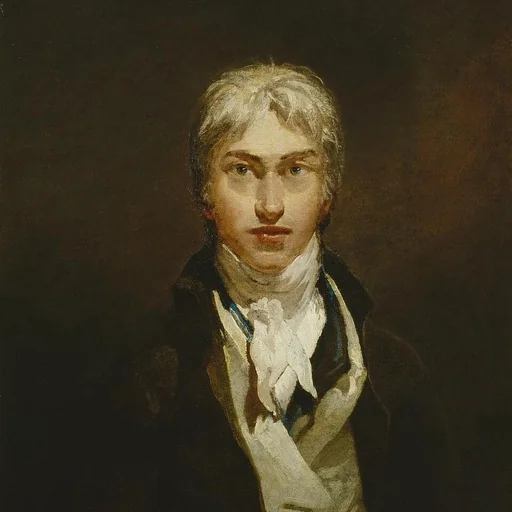
Joseph Mallord William Turner was born in 1775 at Maiden Lane, Covent Garden, where his father kept a barber and wig-making shop.