Artwork
Trees beside the River, with Bridge in the Middle Distance
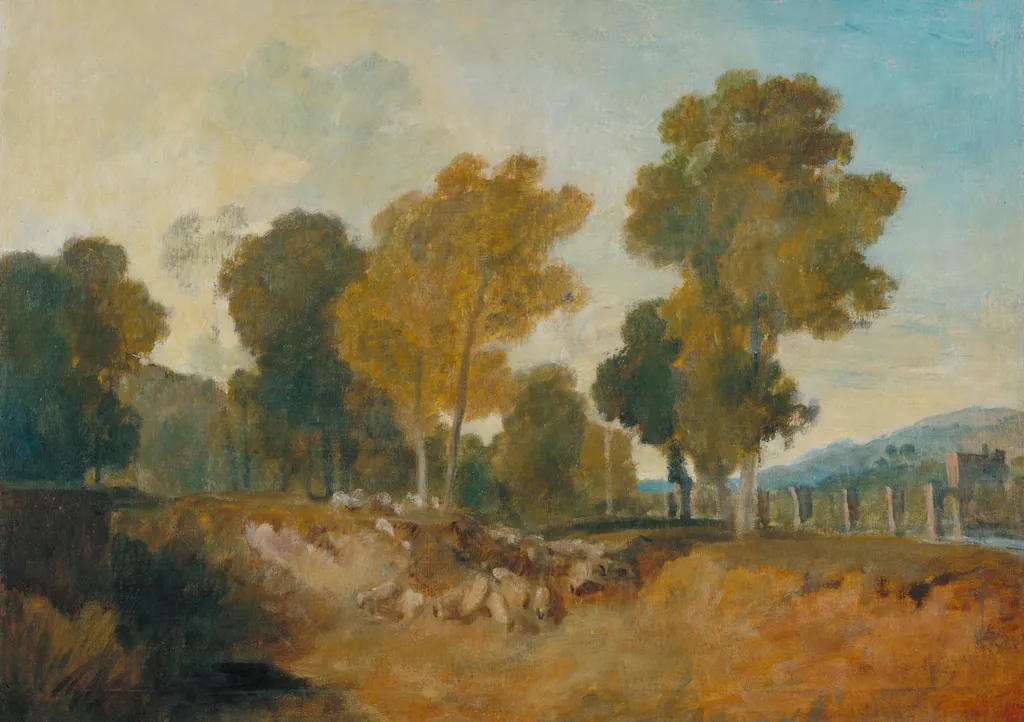
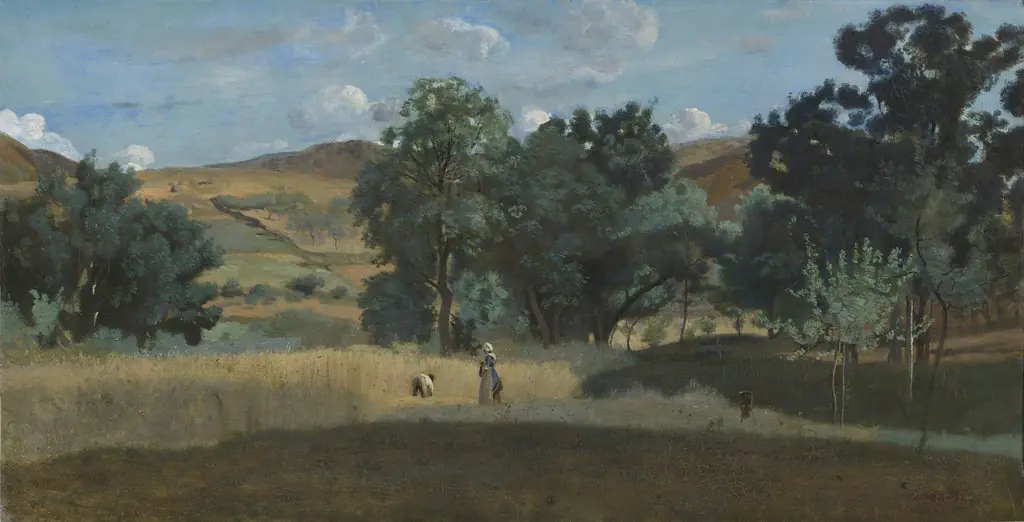
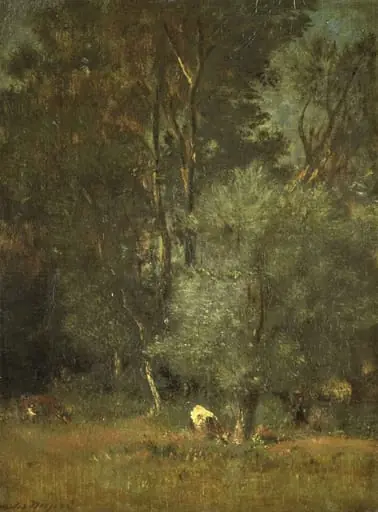
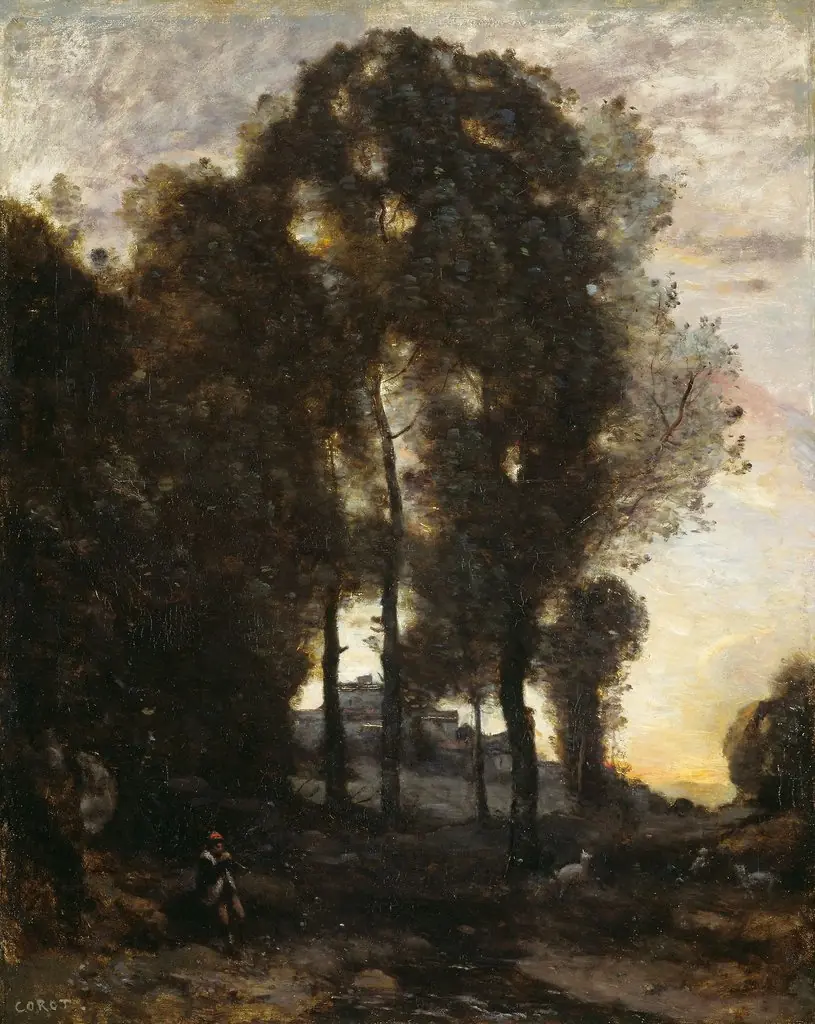
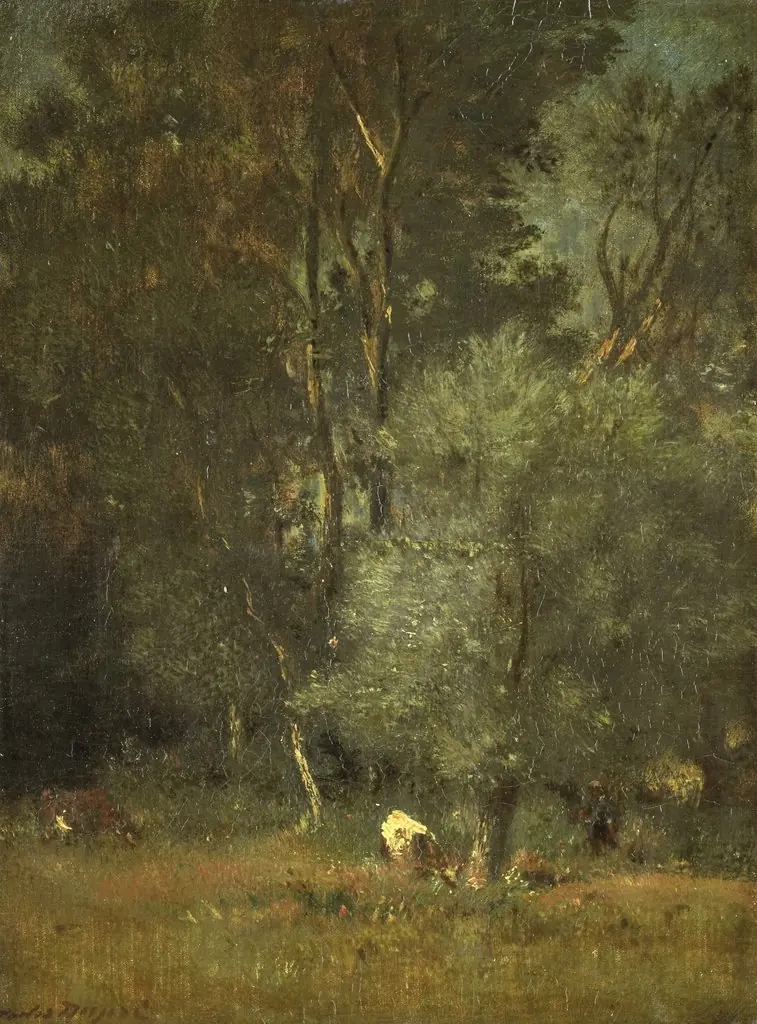
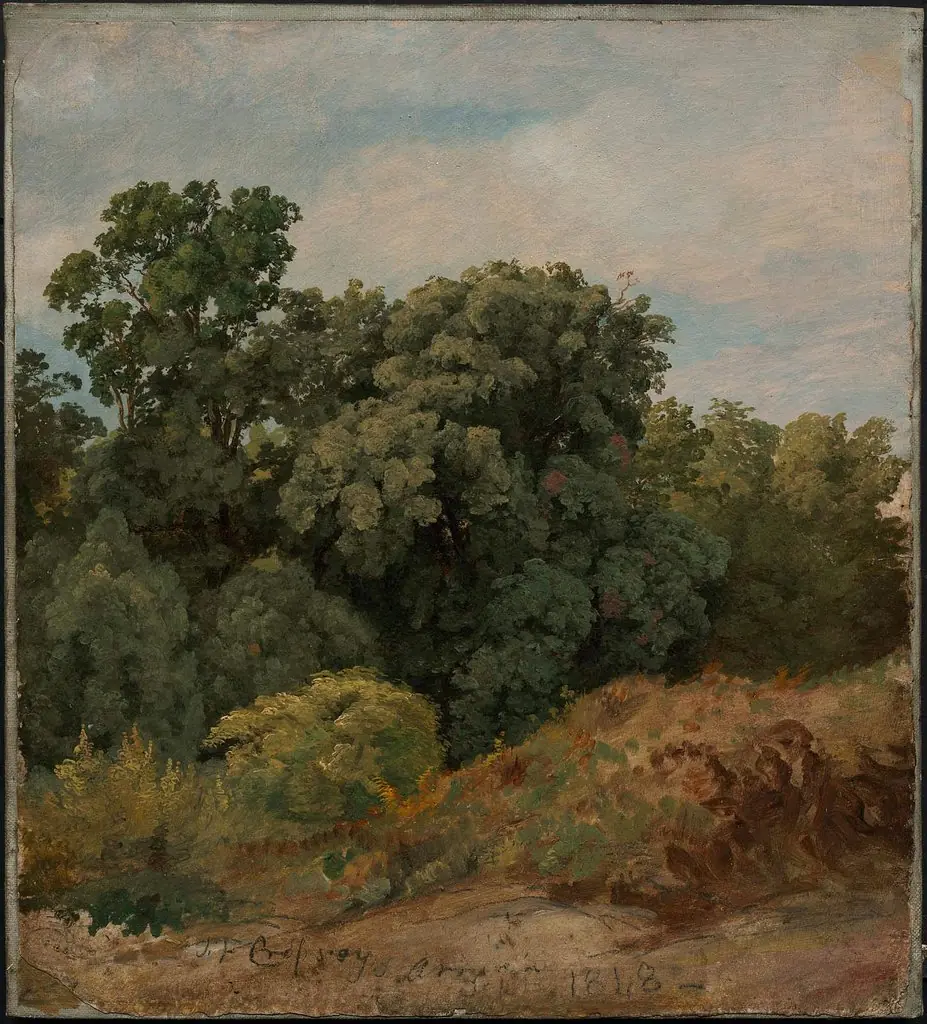
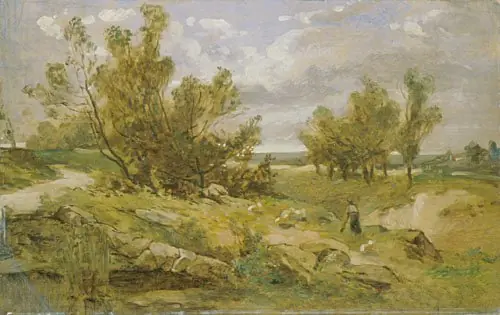
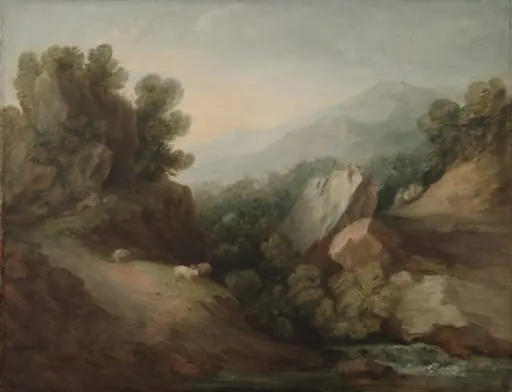
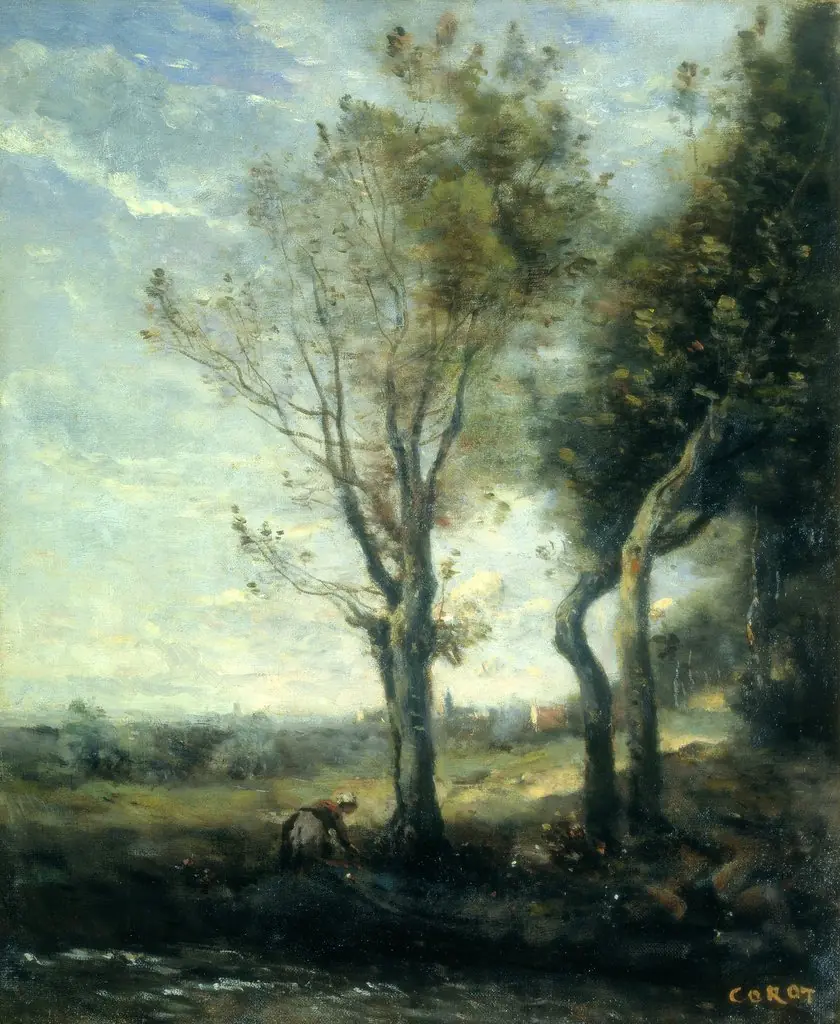
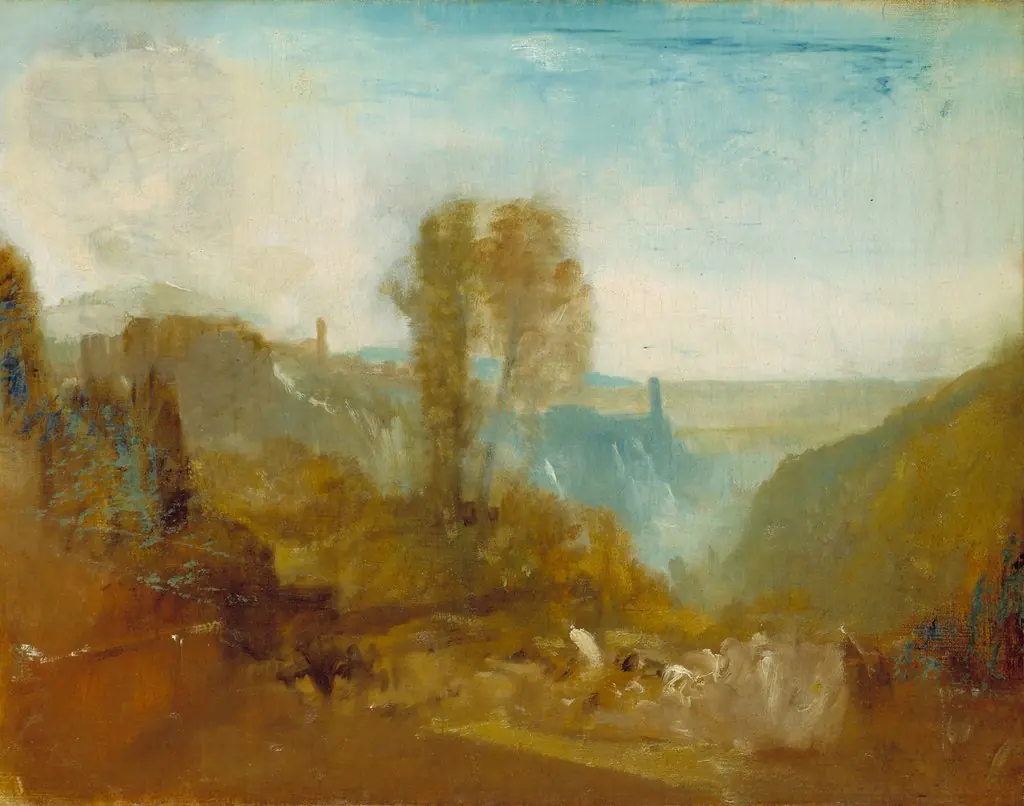
Trees beside the River, with Bridge in the Middle Distance is an oil painting by Joseph Mallord William Turner. It dates from 1806 and is held in the collection of the National Gallery.
About this work
Overview
It is part of the permanent collection at Tate Britain, where it reflects his developing approach to natural observation and atmospheric effect.
Painted in 1806, *Trees beside the River, with Bridge in the Middle Distance* is an oil on canvas landscape by J.M.W. Turner. It captures a quiet riverside scene with trees framing the foreground and a distant bridge crossing the water. The work belongs to Turner’s early Romantic period, before his later experiments with light and abstraction. It is part of the permanent collection at Tate Britain, where it reflects his developing approach to natural observation and atmospheric effect.
Subject & Meaning
The painting presents a tranquil rural scene, emphasizing harmony between nature and human infrastructure. The bridge, though modest, suggests quiet passage and connection, while the trees anchor the composition with vertical rhythm. There is no human presence, reinforcing a contemplative mood. Turner avoids narrative drama, instead inviting stillness and reflection through the balance of forms and the gentle flow of the river.
Technique & Style
Turner employs loose, visible brushwork to suggest texture in foliage and water, avoiding rigid detail. His handling of light is subtle, with soft transitions between tones that evoke early morning or late afternoon. Color is restrained but carefully modulated—greens, browns, and pale blues create cohesion. The brushstrokes are deliberate yet fluid, conveying movement in the air and water without overt stylization, characteristic of his pre-romantic phase.
History & Provenance
Created in 1806, the painting was likely made during Turner’s travels along the Thames or other English rivers. It entered the Tate Britain collection through the Turner Bequest, a large donation of his works following his death in 1851. The painting has remained in public ownership since, with no significant changes in ownership or restoration history recorded in major archives.
Context
In the early 1800s, Turner was refining his landscape style amid growing interest in Romantic ideals—emotional response to nature, the sublime, and individual perception. This work aligns with contemporaries like Constable but shows Turner’s distinct focus on atmosphere over topographical precision. It predates his more radical experiments with light and color, positioning it as a transitional piece in his artistic evolution.
Legacy
While not among Turner’s most celebrated works, this painting illustrates his foundational approach to landscape: prioritizing mood over detail, and light over line. It foreshadows his later innovations in capturing transient effects, influencing later generations who sought to depict perception rather than representation. Its presence in Tate Britain ensures continued study as part of his broader contribution to British landscape painting.
Own this work as a print
Artist & collection
Artist
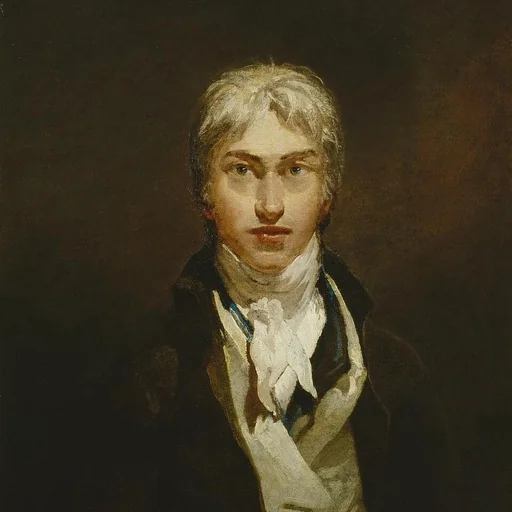
Joseph Mallord William Turner was born in 1775 at Maiden Lane, Covent Garden, where his father kept a barber and wig-making shop.