Artwork
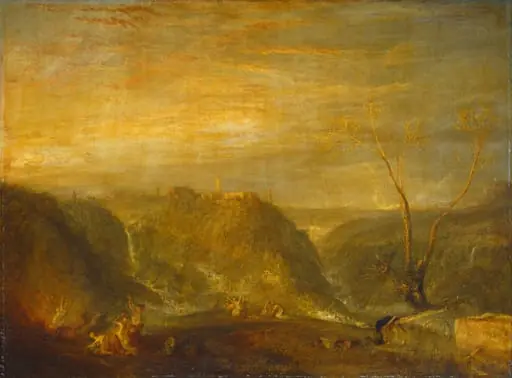
Tivoli, the Cascatelle
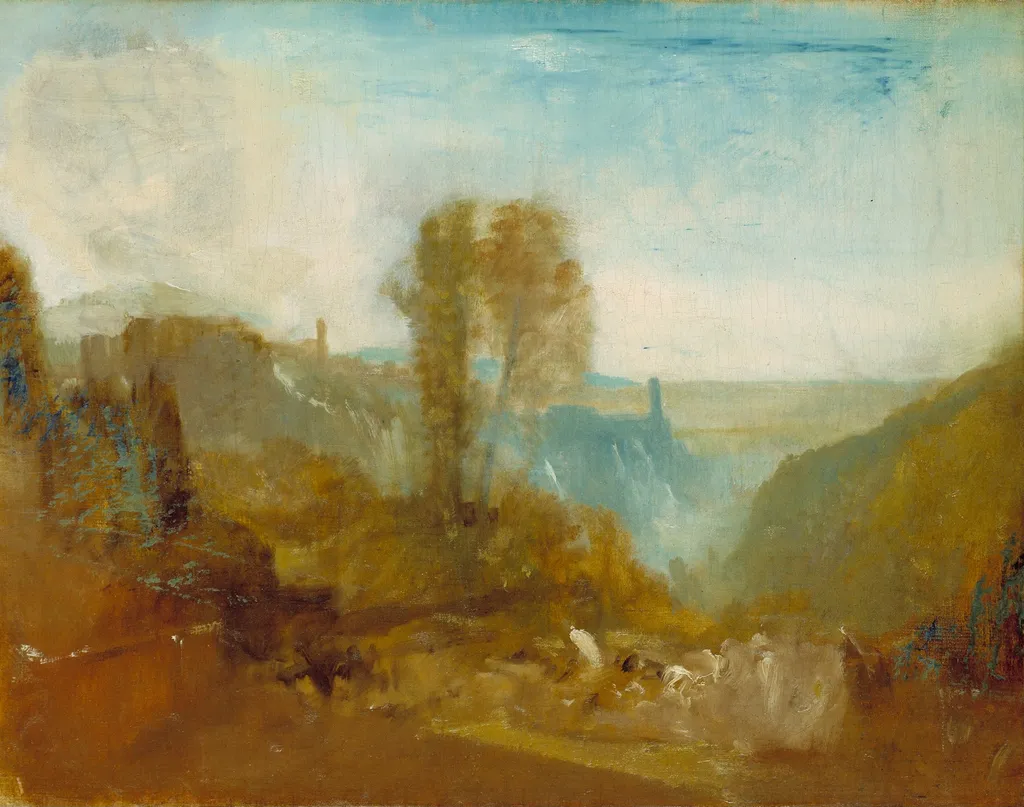
Tivoli, the Cascatelle is an oil painting by Joseph Mallord William Turner. It dates from 1827 and is held in the collection of the National Gallery.
About this work
Overview
It reflects Turner’s deep engagement with natural light and atmospheric effects, characteristic of his mature Romantic style.
Joseph Mallord William Turner completed *Tivoli, the Cascatelle* in 1827 as an oil on canvas landscape. The work captures a view of the cascading waterfalls near Tivoli, Italy, rendered with loose brushwork and layered pigments. It reflects Turner’s deep engagement with natural light and atmospheric effects, characteristic of his mature Romantic style. The painting resides in the collection of Tate Britain, where it remains a key example of his European travel-inspired works.
Subject & Meaning
The scene depicts the Cascatelle, a series of artificial waterfalls in the gardens of Villa Gregoriana near Tivoli. Turner emphasizes the interplay between water, rock, and foliage, not as a topographical record but as an emotional response to nature’s grandeur. The composition suggests movement and transience, aligning with Romantic ideals that valued nature’s sublime power over human order.
Technique & Style
Turner employed oil paint with layered glazes to achieve luminous depth and atmospheric haze. His brushwork varies from fine detail in the foreground rocks to broad, fluid strokes in the waterfall and sky. The blending of cool blues and muted browns with accents of white and yellow creates a sense of shimmering light, a hallmark of his late style. Glazing techniques allowed him to build subtle tonal transitions without harsh edges.
History & Provenance
Painted during Turner’s second Italian journey, the work was likely produced in his London studio from sketches made on site. It entered the Turner Bequest after his death in 1851 and was later transferred to Tate Britain, where it has remained in public collection since the museum’s founding. Its preservation reflects its significance in the artist’s oeuvre and the institutional commitment to his legacy.
Context
Created during the height of Romanticism, the painting responds to a cultural fascination with classical ruins and natural spectacle in Italy. Turner’s approach diverged from topographical accuracy, favoring emotional resonance over detail. His treatment of light and motion anticipated later movements, though he worked independently of emerging Realist trends that prioritized everyday subject matter.
Legacy
*Tivoli, the Cascatelle* exemplifies Turner’s role in shifting landscape painting toward abstraction through expressive color and dissolving form. While not directly part of Impressionist circles, his methods of capturing light and atmosphere influenced later artists who sought to convey sensory experience over literal representation. The work continues to inform discussions on the evolution of modern painting.
Own this work as a print
Artist & collection
Artist
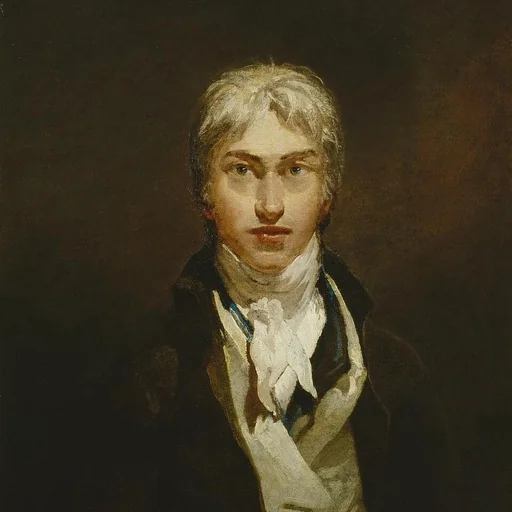
Joseph Mallord William Turner was born in 1775 at Maiden Lane, Covent Garden, where his father kept a barber and wig-making shop.

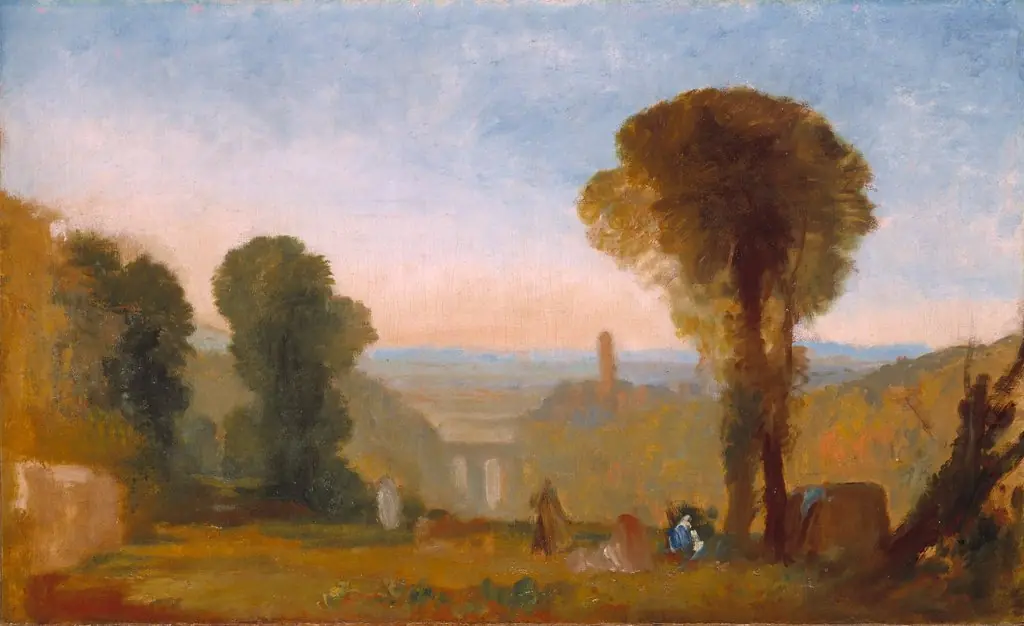 Italian Landscape with Bridge and Tower
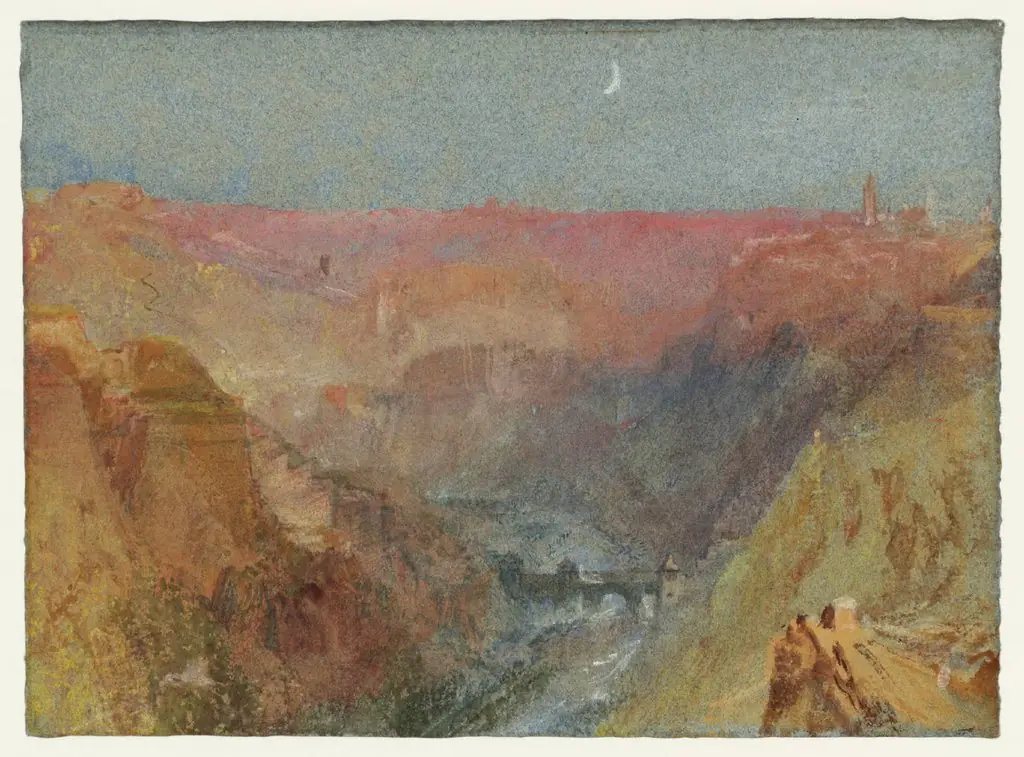 Luxembourg from the Alzette Valley to the North
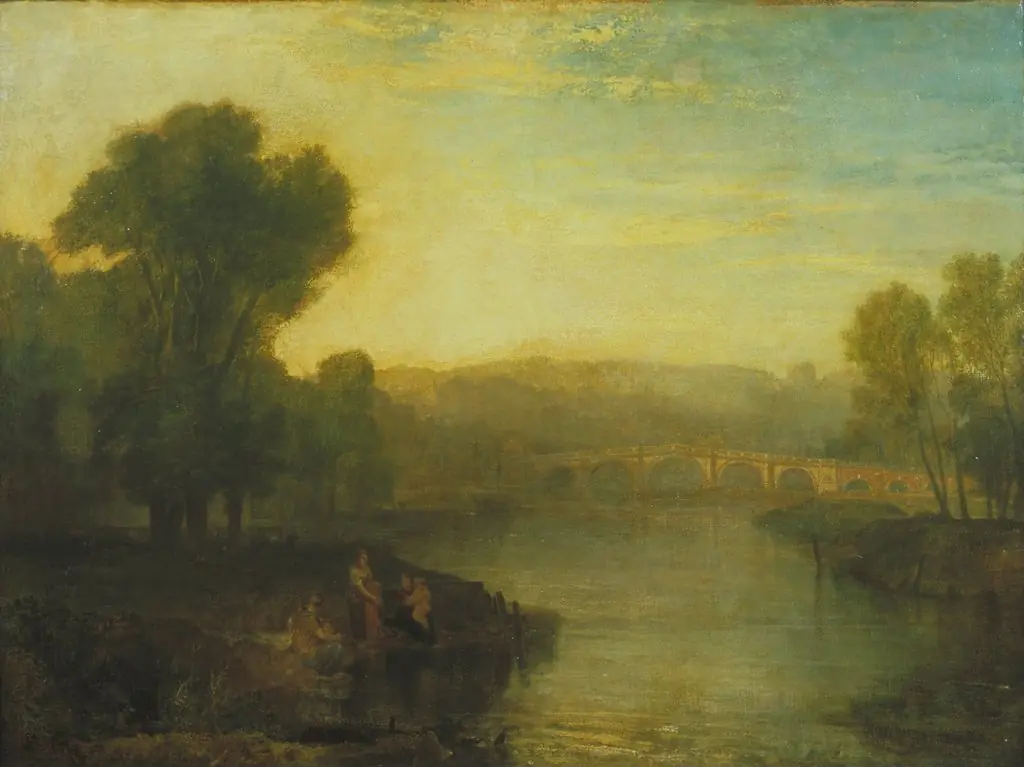 View of Richmond Hill and Bridge
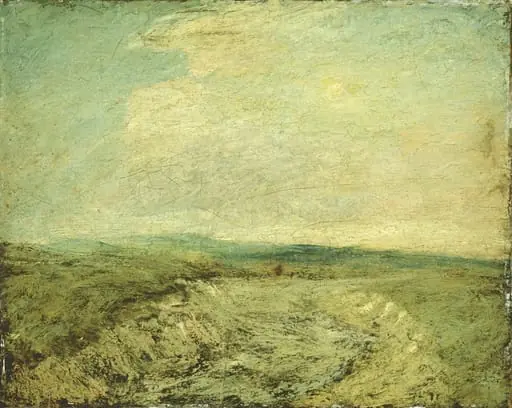 The Essex Canal
 A Swiss Pass
 Mountain Landscape with two Figures at the Right
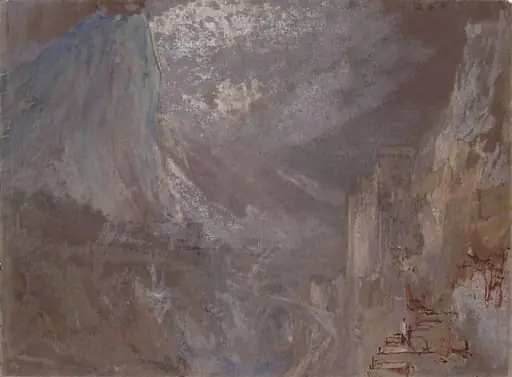 A View in the Basses Alpes.
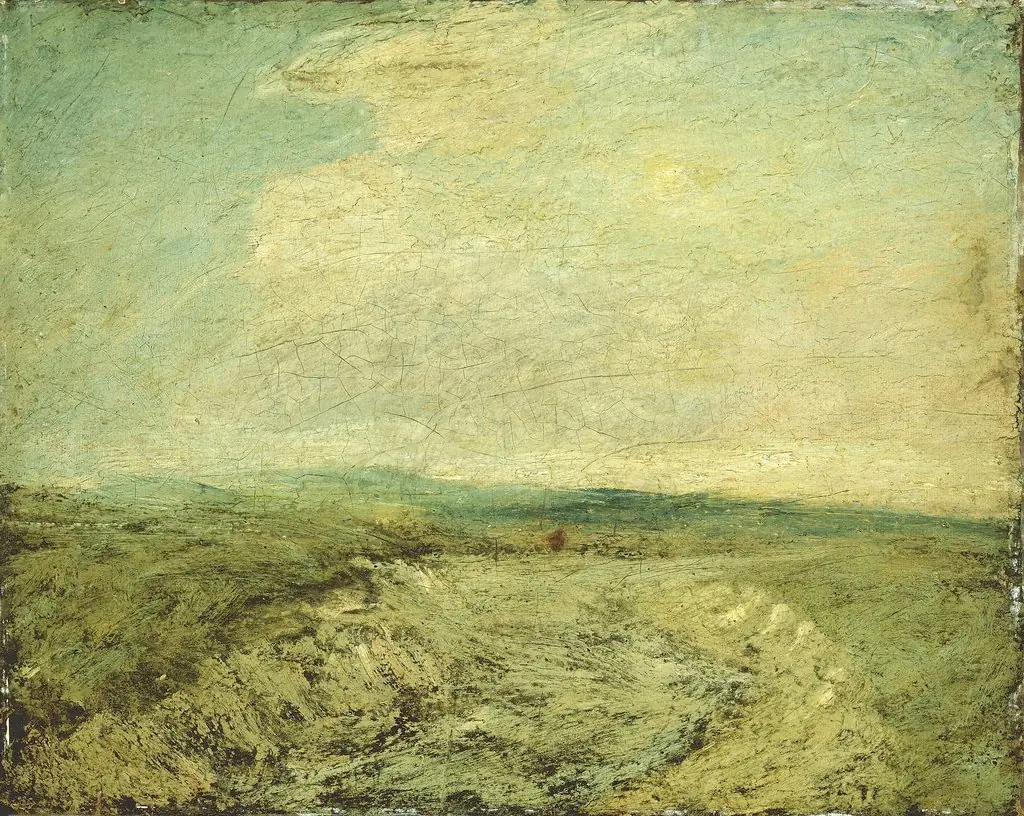 The Essex Canal
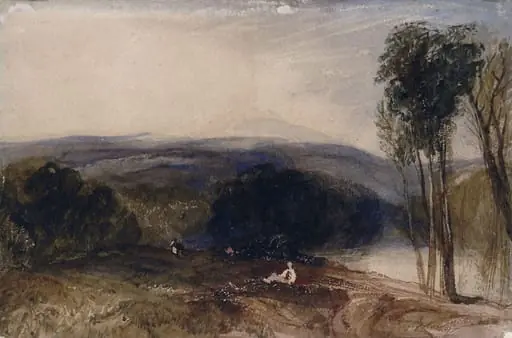 Landscape with river and mountain
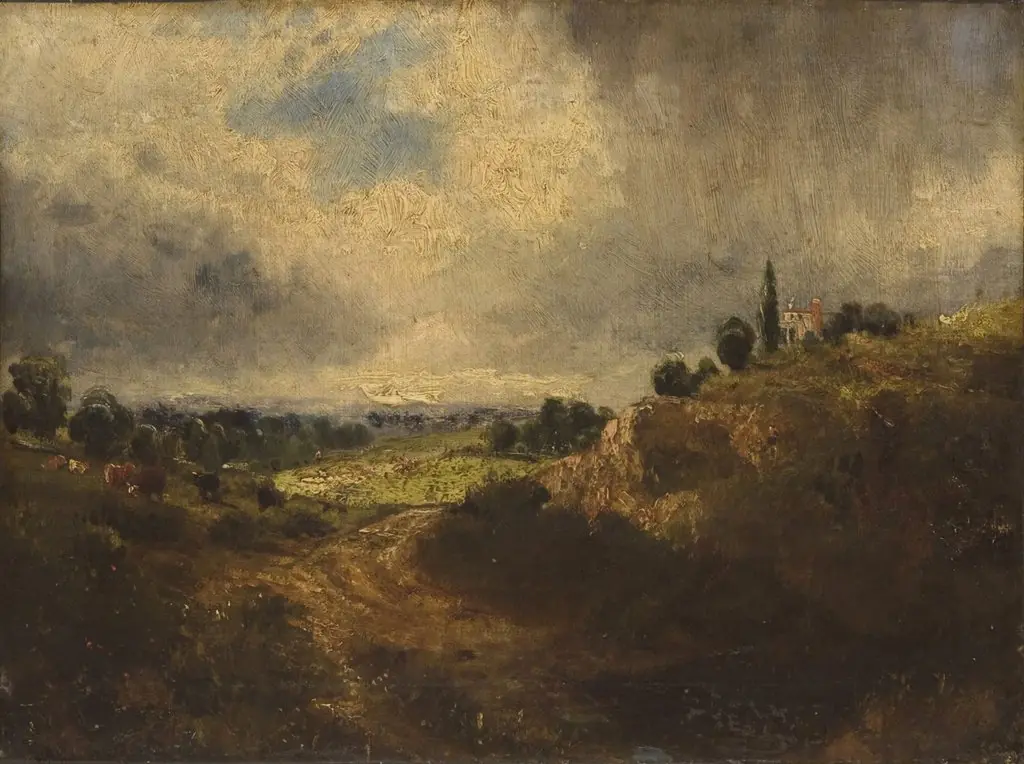 Branch Hill Pond, Hampstead Heath
 Trees beside the River, with Bridge in the Middle Distance
 Waterfall