Artwork
Woman Playing the Lute
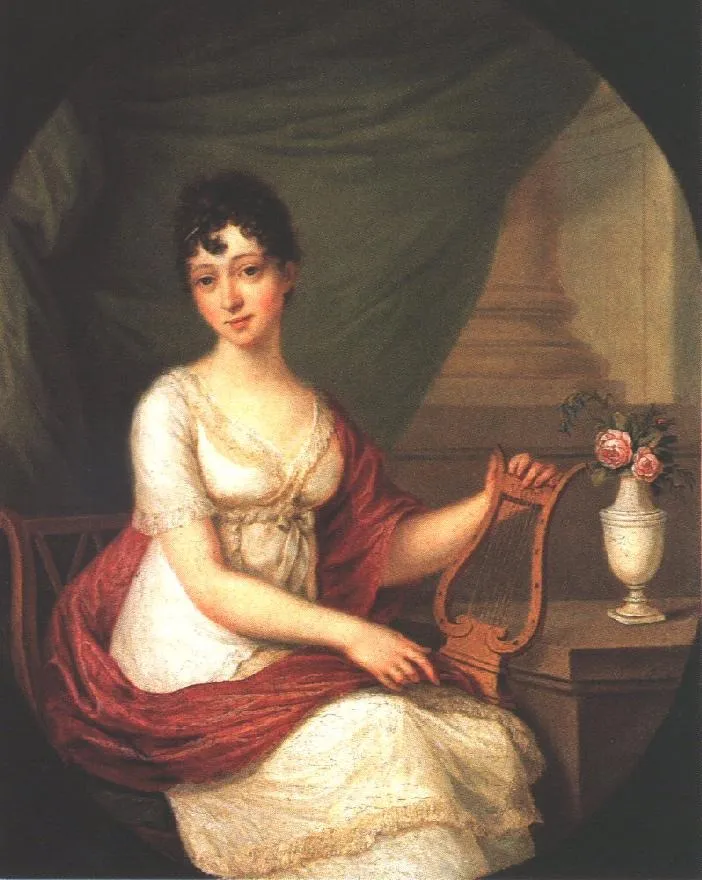
Woman Playing the Lute is an oil painting by the Biedermeier artist János Donát. It dates from 1811 and is held in the collection of the Hungarian National Gallery.
About this work
Overview
Painted in 1811 by János Donát, this oil on canvas depicts a solitary woman engaged with a lute. The work resides in the Hungarian National Gallery and reflects early 19th-century Hungarian portraiture. Its restrained palette and intimate composition emphasize stillness over narrative, aligning with domestic themes common in the period’s visual culture.
Subject & Meaning
The woman, absorbed in her instrument, suggests a moment of private reflection rather than performance. Her serene expression and averted gaze imply inward focus, possibly evoking ideals of refined femininity and musical cultivation in bourgeois households. The lute, historically linked to intimacy and courtly leisure, reinforces a quiet, contemplative mood without overt symbolism.
Technique & Style
Donát employs subtle chiaroscuro to model the woman’s form, softening transitions between light and shadow on her dress and face. The brushwork is precise yet unobtrusive, particularly in rendering the lute’s carved details and the texture of the red shawl. The muted green background recedes gently, isolating the figure and enhancing the painting’s quiet intimacy.
History & Provenance
Created in 1811, the painting entered the collection of the Hungarian National Gallery in the 19th century, likely through state acquisition or donation. Its preservation reflects early efforts to document national artistic output during a period of cultural consolidation. No significant alterations or documented restorations are recorded in its provenance.
Context
In early 19th-century Hungary, domestic scenes featuring music-making were popular among the educated middle class, symbolizing moral refinement and cultural identity. Donát, trained in Vienna, absorbed Central European academic traditions, blending them with local sensibilities. This work aligns with broader European trends of intimate portraiture, though it avoids theatricality.
Legacy
Though not widely exhibited beyond Hungary, the painting remains a representative example of Donát’s portraiture and early national art. It contributes to scholarly understanding of how Hungarian artists adapted Western techniques to depict everyday life with restraint. Its endurance in the national collection underscores its role in shaping cultural memory.
Artist & collection

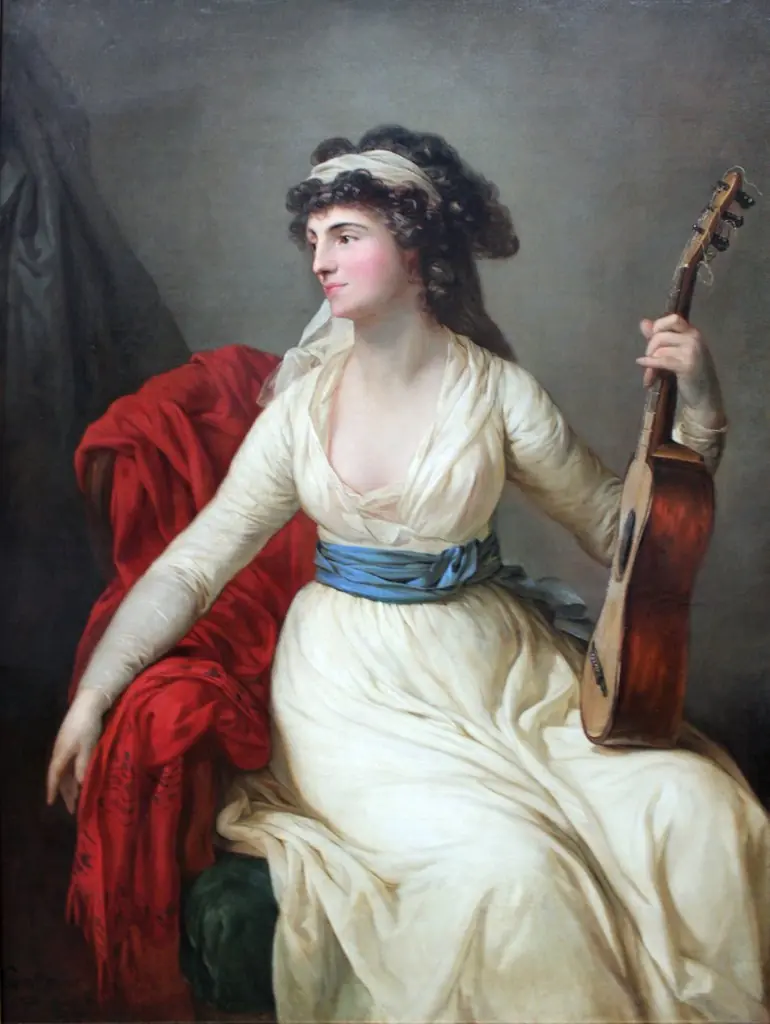 Johanna Margarete Christine Gräfin von Brühl
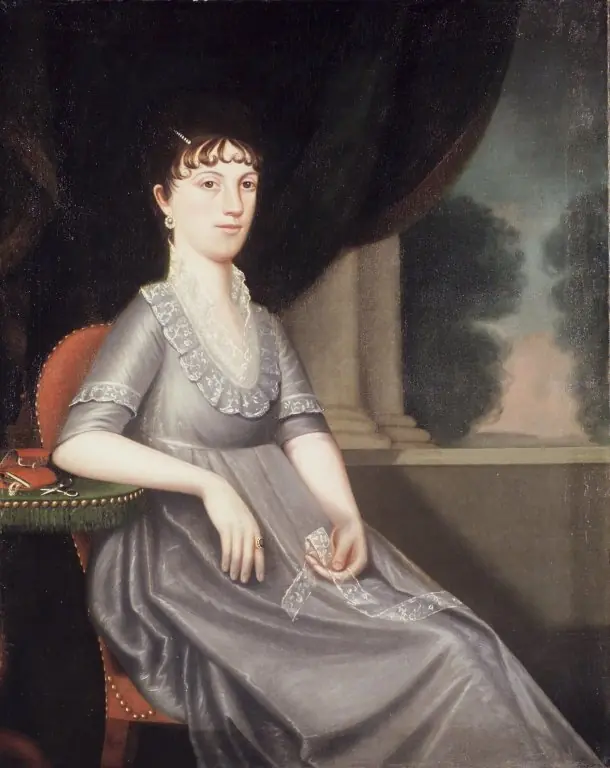 Mrs. Ebenezer Porter (Lucy "Patty" Pierce Merwin)
 Soția lui Simon Schreiber
 A Young Lady
 Mama
Mama Portrait of Sofia Apraxina
 Therese Klein von Traussenburg, soția maiorului von Kokh
 Portrait of Anna Elisabeth Battier, née Storp
 Untitled
 Portrait of Yekaterina Samoilova
 Portrait of a Woman
 Portrait of Countess Darya I. Uvarova