Artwork
Johanna Margarete Christine Gräfin von Brühl
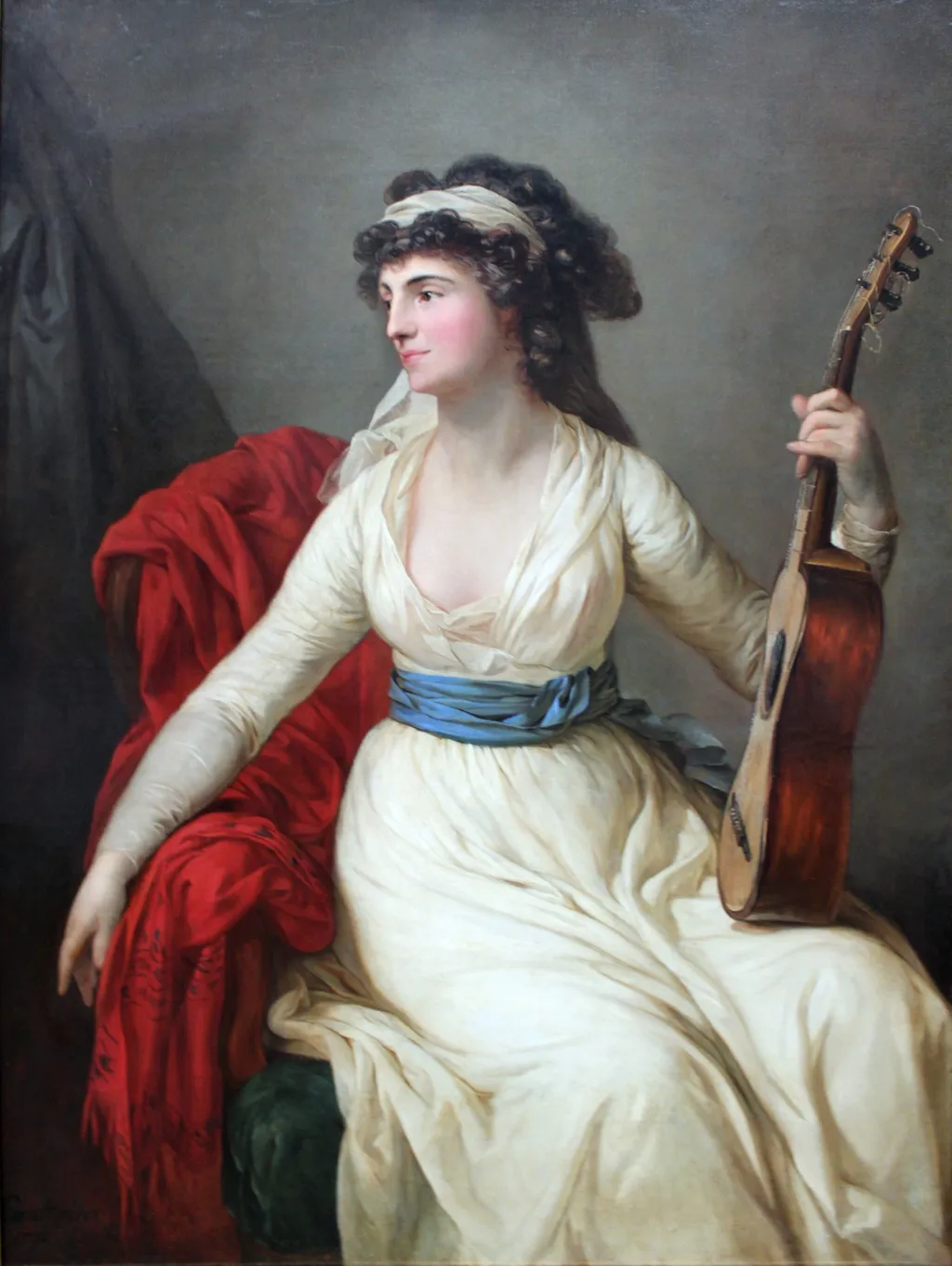
Johanna Margarete Christine Gräfin von Brühl is an oil painting by the Rococo painting artist Anton Graff. It dates from 1798 and is held in the collection of the Gemäldegalerie Alte Meister.
About this work
This portrait depicts a woman in a white dress with a blue sash around her waist, holding a guitar.
This portrait depicts a woman in a white dress with a blue sash around her waist, holding a guitar. She is seated on a chair with a red fabric draped over it.
The woman's attire and hairstyle suggest a formal setting, possibly from the late 18th century. Her gaze is directed to the side, adding a sense of quiet contemplation to the scene.
To learn more about the artist behind this work, explore the paintings of Anton Graff.
Overview
Anton Graff painted this portrait of Johanna Margarete Christine Gräfin von Brühl in 1798 using oil on canvas. The work is part of the Gemäldegalerie Alte Meister’s collection in Dresden. Graff, a Swiss artist active in the late 18th century, was known for his restrained yet penetrating portraits of European nobility and intellectuals, capturing character with subtle precision rather than theatrical flourish.
Subject & Meaning
The sitter, a member of the influential Brühl family, is depicted in formal attire with a blue sash and white gown, suggesting aristocratic status. Her hold of a guitar implies cultural refinement and musical interest, common markers of educated nobility. Her sideways gaze conveys introspection, avoiding direct engagement with the viewer, which may reflect personal reserve or the conventions of portraiture at the time.
Technique & Style
Graff employed a muted palette and soft modeling to render the sitter’s features with quiet realism. The texture of fabric, from the silk dress to the red drapery, is suggested through delicate brushwork rather than elaborate detail. The background remains unobtrusive, focusing attention on the figure. His approach diverges from Rococo ornamentation, favoring clarity and psychological presence over decorative excess.
History & Provenance
The painting was completed in 1798 and entered the Gemäldegalerie Alte Meister’s collection in Dresden, where it remains today. It likely passed through the Brühl family’s holdings before institutional acquisition. No records indicate significant alterations or reattributions, and its provenance aligns with Graff’s documented commissions among German and Saxon aristocracy during the late 1790s.
Context
In the late 18th century, portrait painting among European nobility emphasized dignity and personal character over grandeur. Graff’s work reflects this shift, influenced by Enlightenment ideals of individuality. His portraits of figures like Schiller and Frederick the Great reveal a consistent interest in psychological depth, positioning him as a bridge between Baroque formality and emerging Romantic sensibilities.
Legacy
Graff’s portraits, including this one, are valued for their understated realism and emotional restraint. While not widely celebrated in popular culture, his work significantly influenced German portraiture of the period. The painting contributes to scholarly understanding of aristocratic identity and artistic practice in Saxony during the transition from the 18th to the 19th century.
Own this work as a print
Artist & collection
Artist
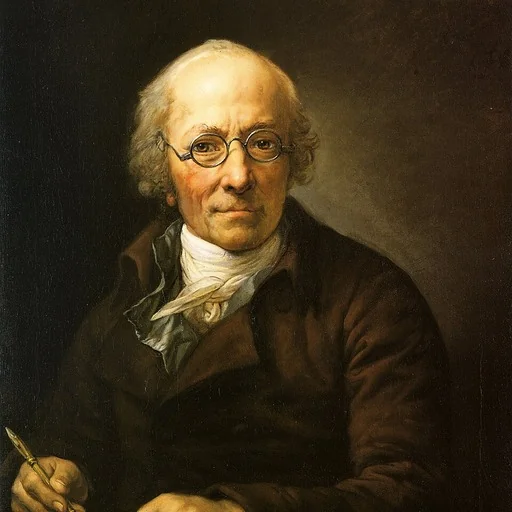
Anton Graff (18 November 1736 – 22 June 1813) was a Swiss portrait artist. Among his famous subjects were Friedrich Schiller, Christoph Willibald Gluck, Heinrich von Kleist, Frederick the Great, Friederike Sophie…

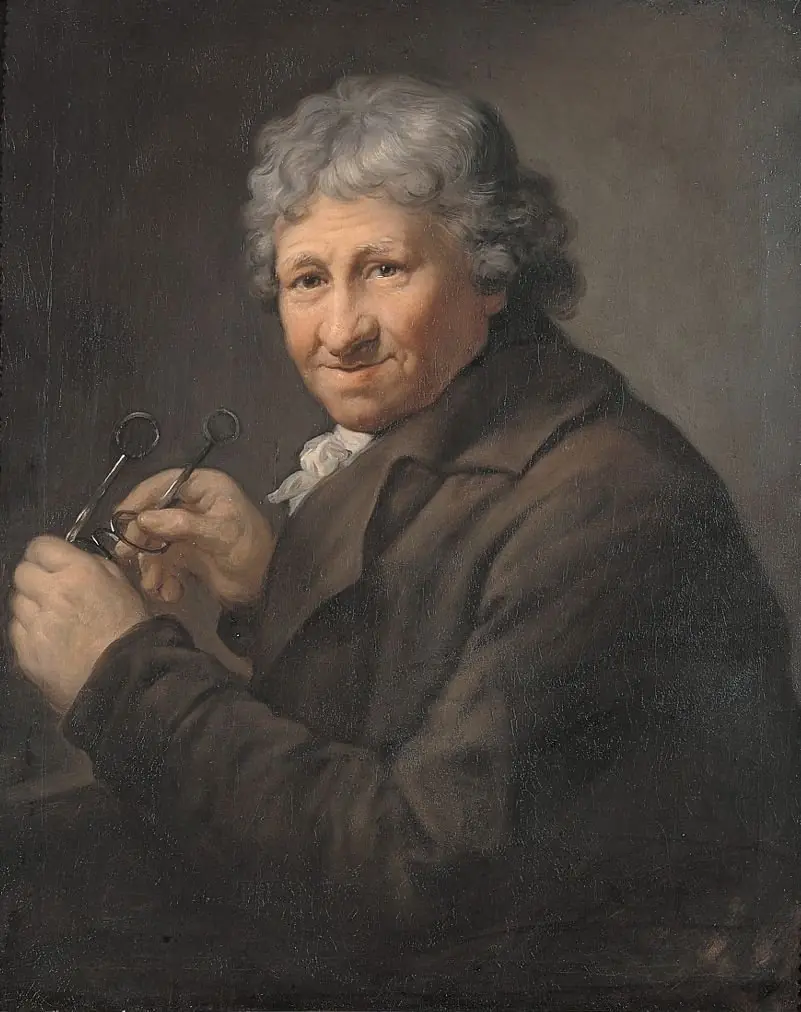 Daniel Chodowiecki
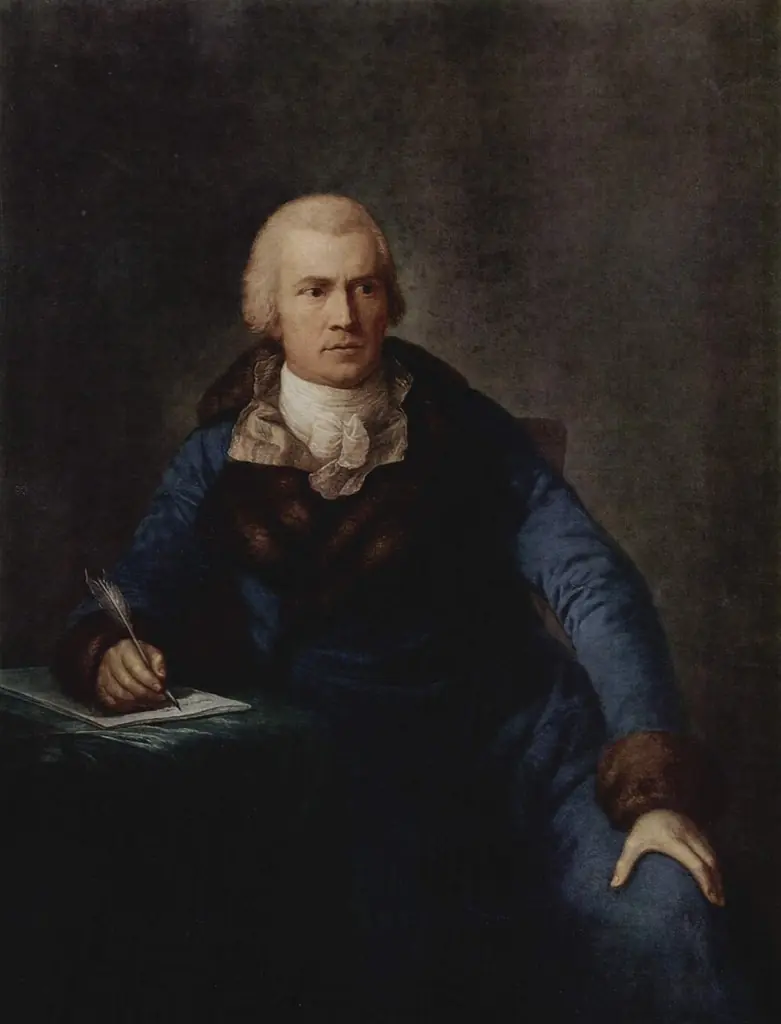 Portrait of a Man
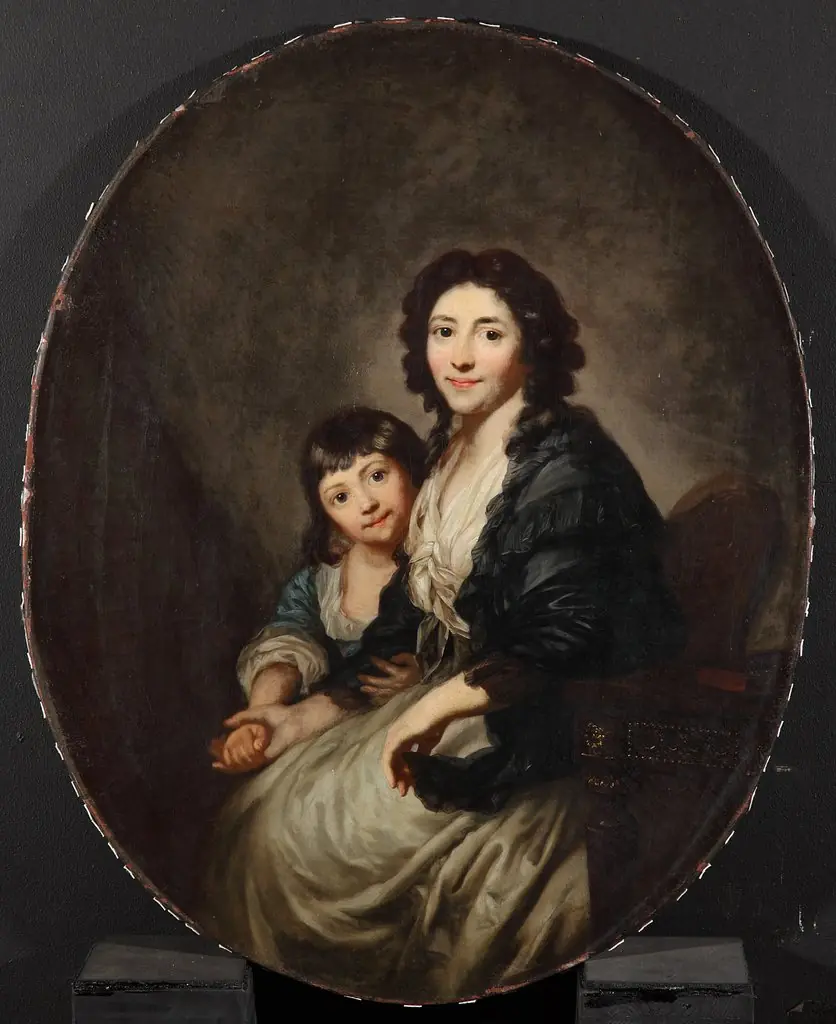 Elizabeth Sophia Augusta Graff, born Sulzer (1753-1812) and her Daughter Caroline Susanne (1781-1828)
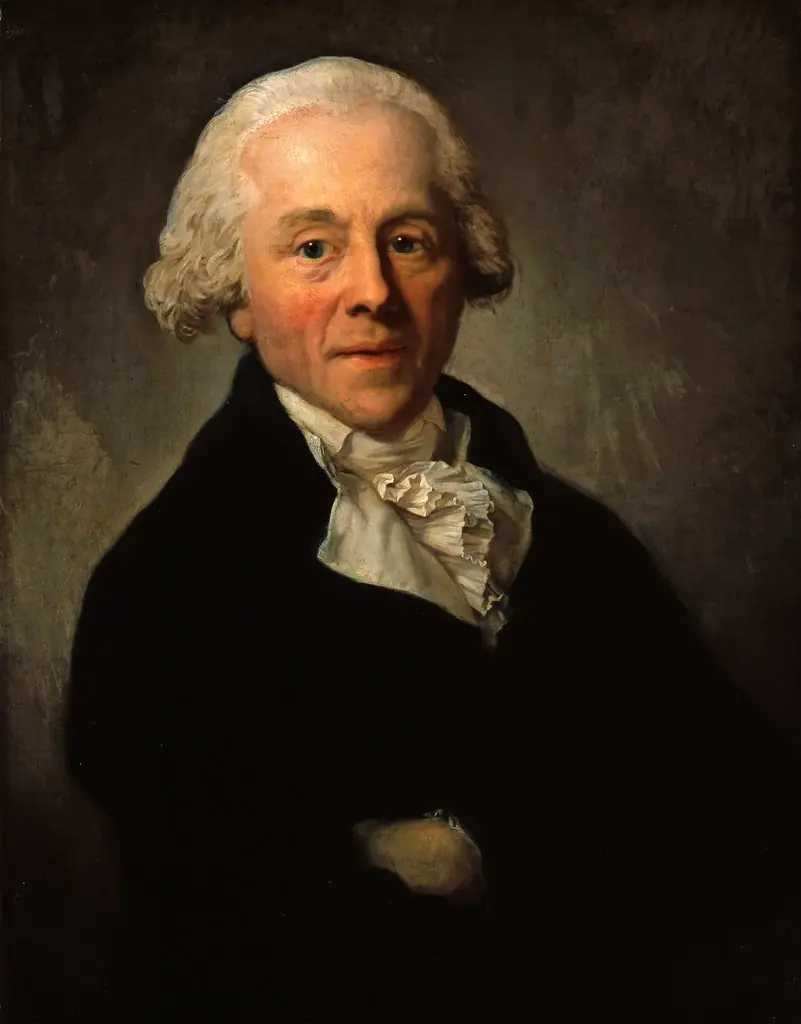 Friedrich Ludolf Hansen (1738-1803)
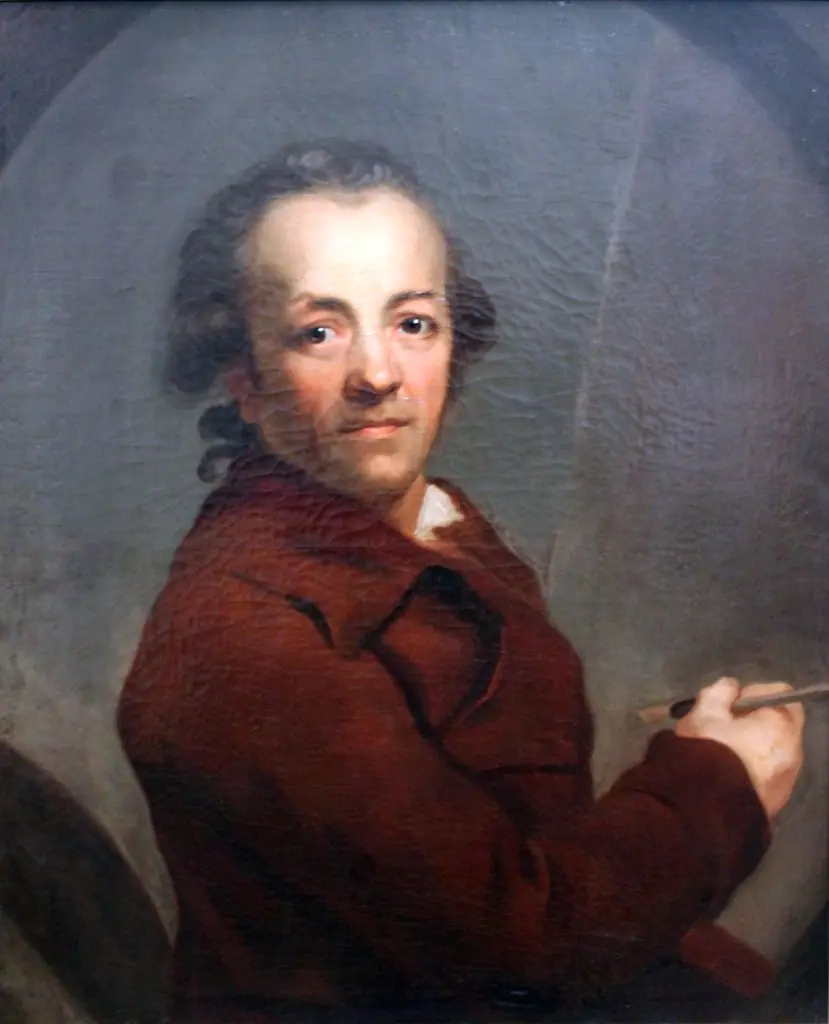 Self-portrait
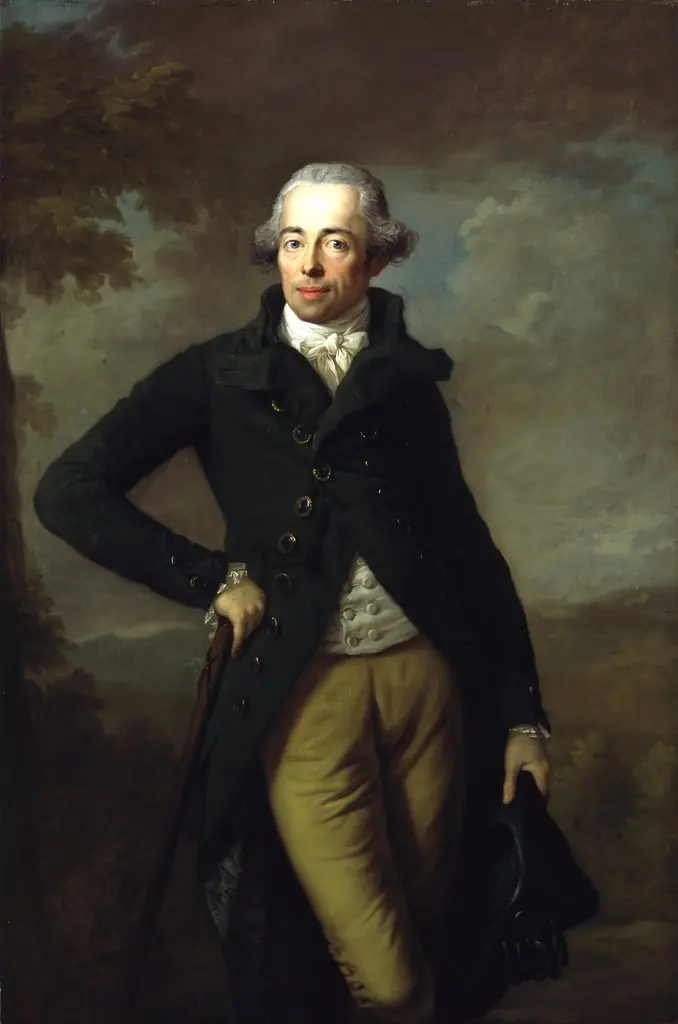 Heinrich XIV. Reuss Elder Line (Reuß ältere Linie) (1749-1799)
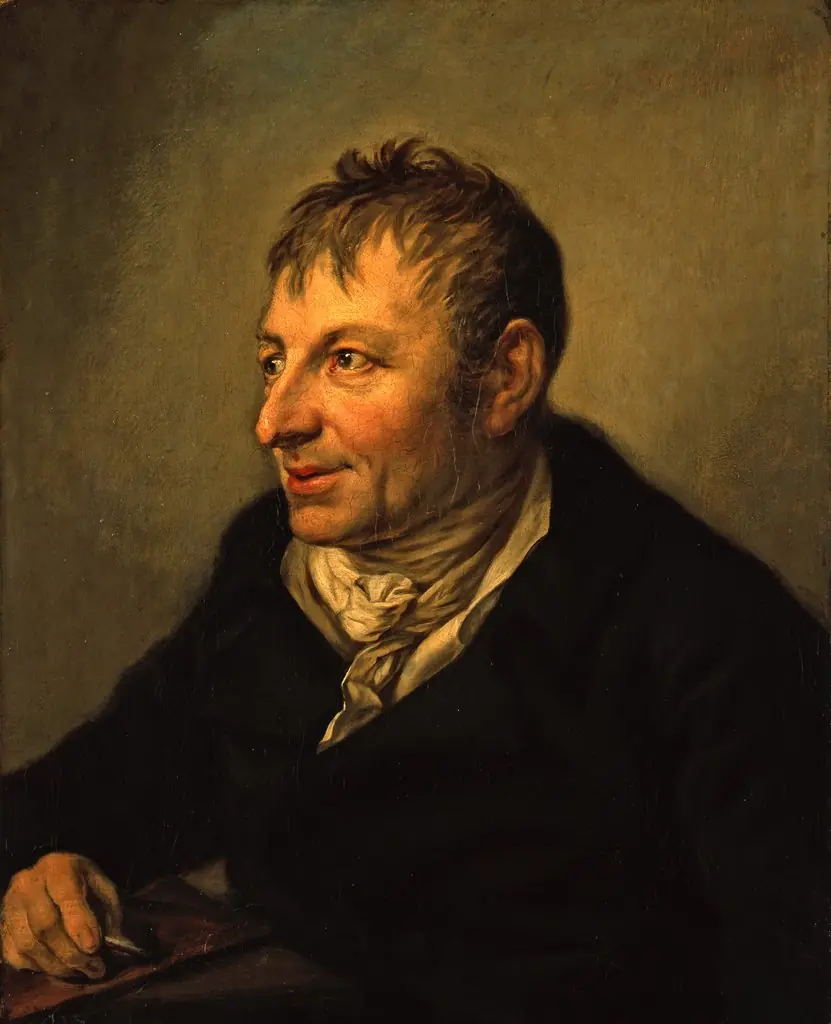 Portrait and History Painter Carl Friedrich Demiani (1768-1828)
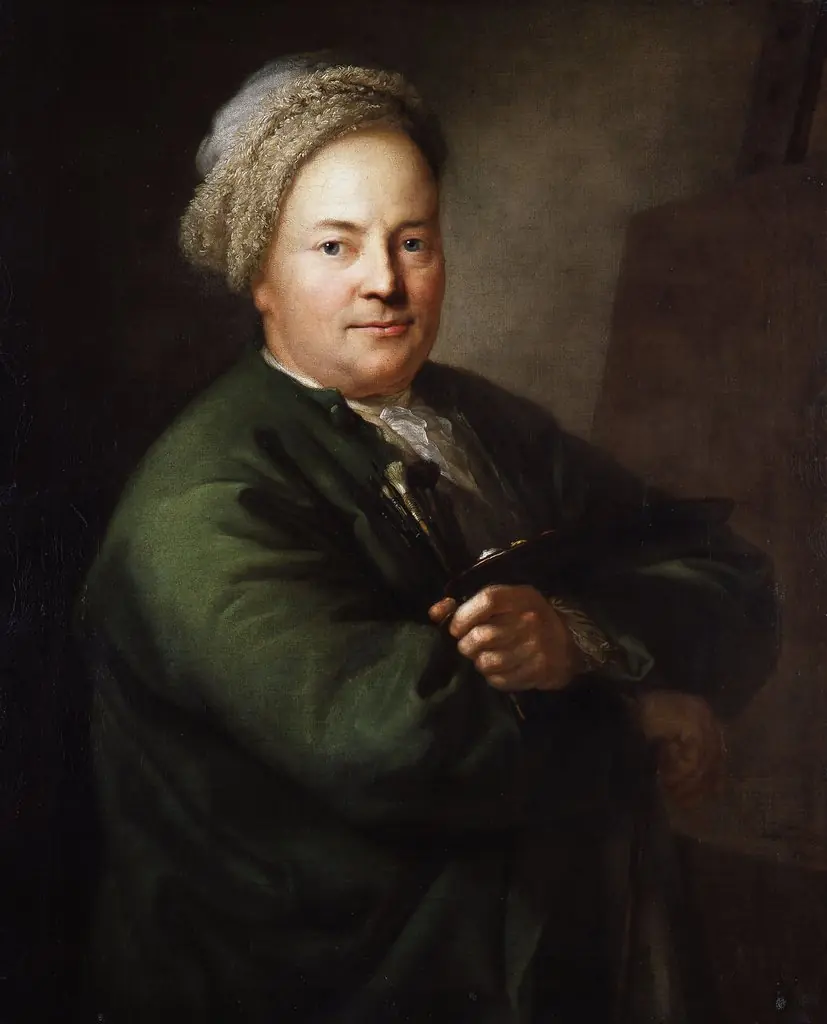 The Painter Christian Wilhelm Ernst Dietrich (1712-1774)
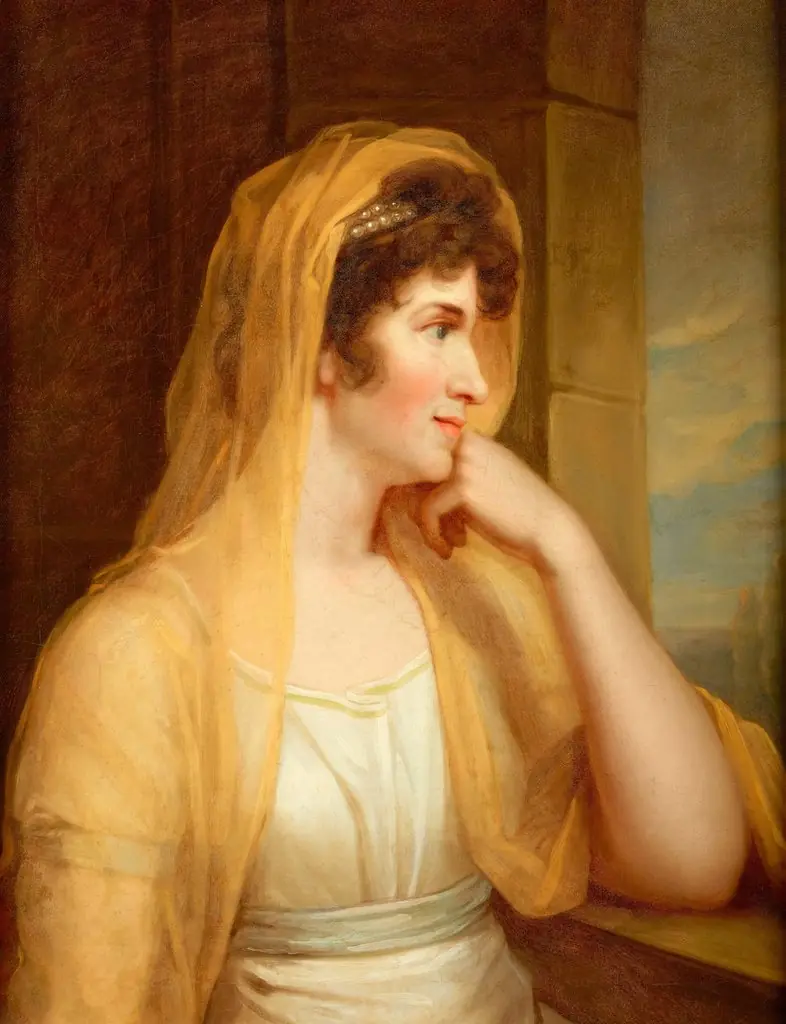 Portret hr. Petroneli z Jabłonowskich Wodzickiej, żony Józefa (1777-1859)
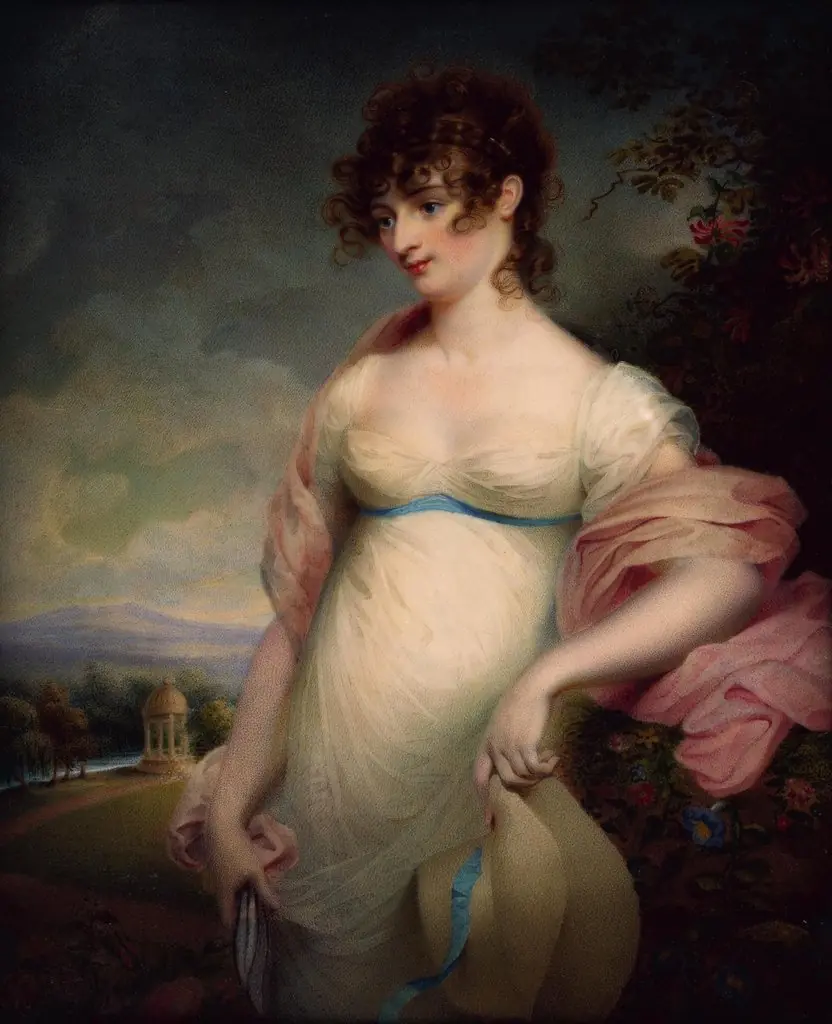 A Young Lady
 Портрет Д.С. Яковлевой
 Portrait of countess Esterhazy
 Portrait of Yekaterina Samoilova
 The Court Opera singer Theresa Hall as "Eva" in Joseph Haydn's "Creation"
 Logofeteasa Maria Dudescu
 Juliette Récamier
 Woman Playing the Lute
 Sappho
 Soția lui Simon Schreiber
 Porträt der Elizaveta Grigorevna Temkina (b.1775)