Artwork
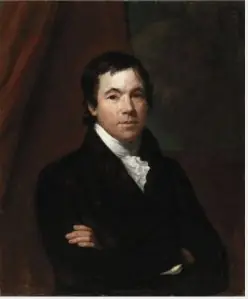
Portrait of a Man
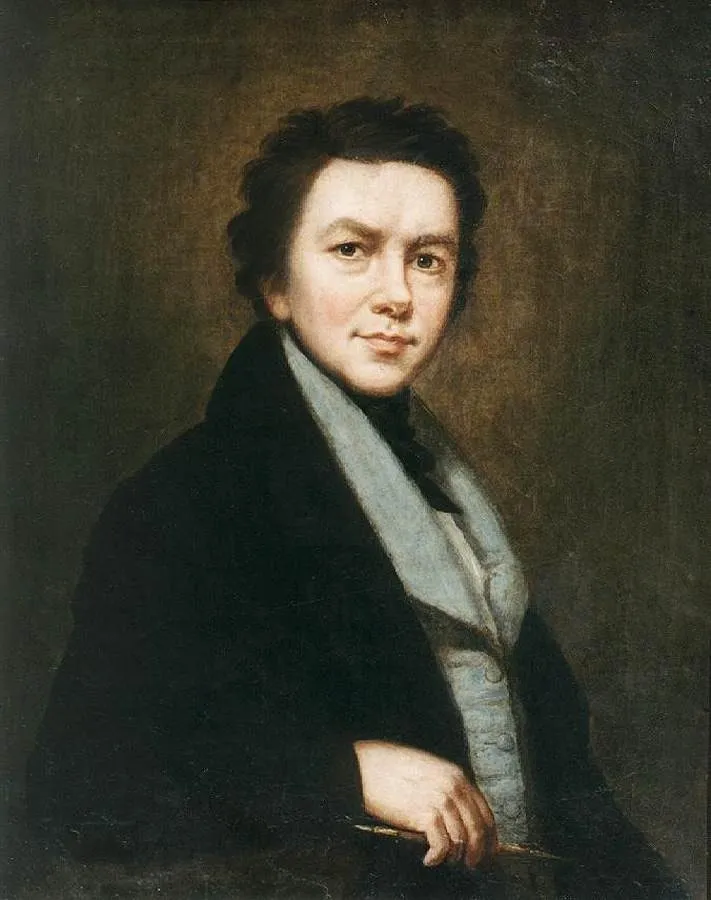
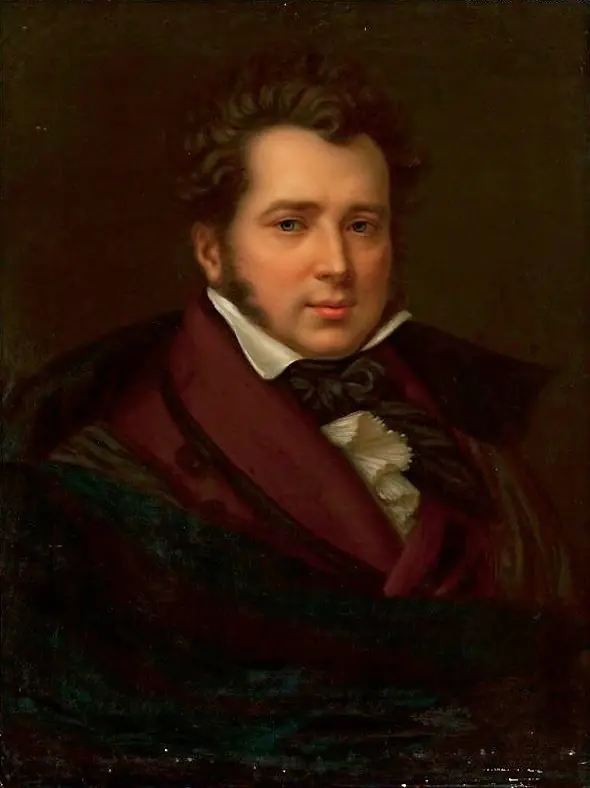
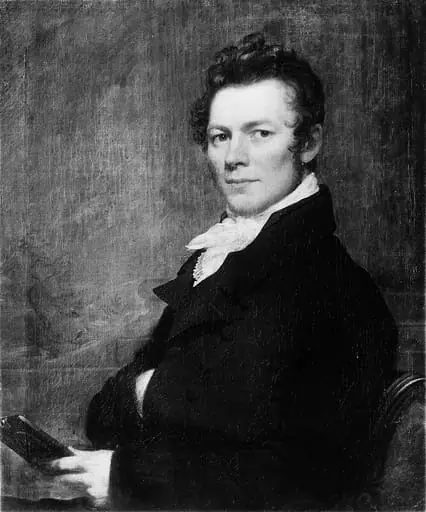
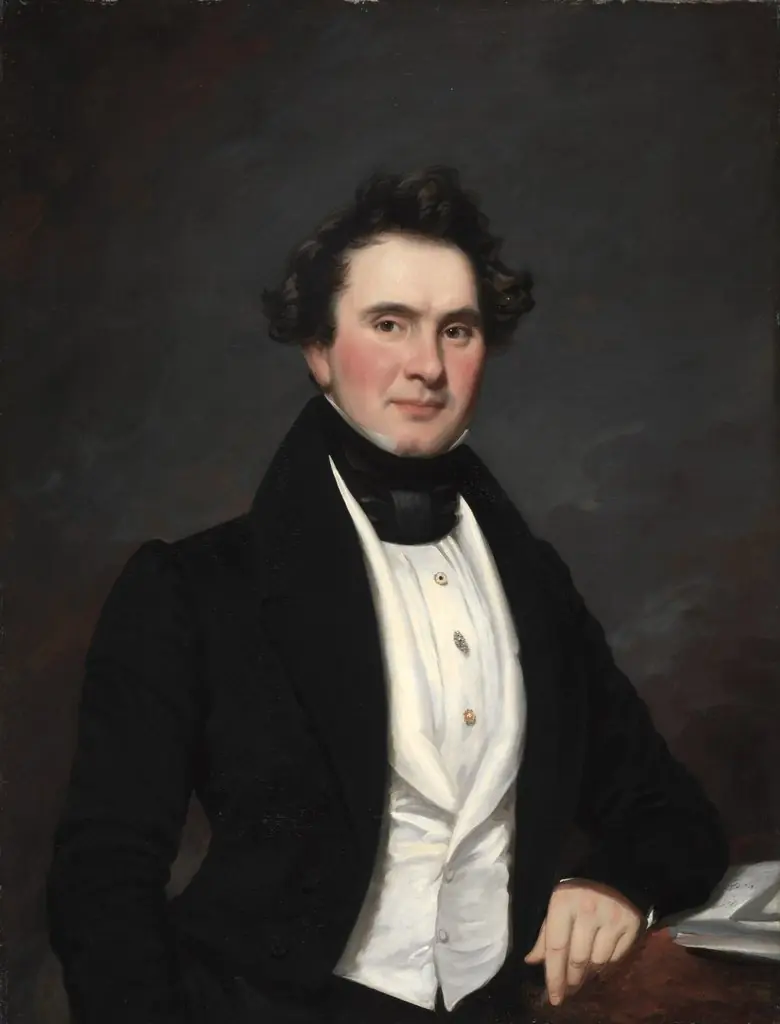
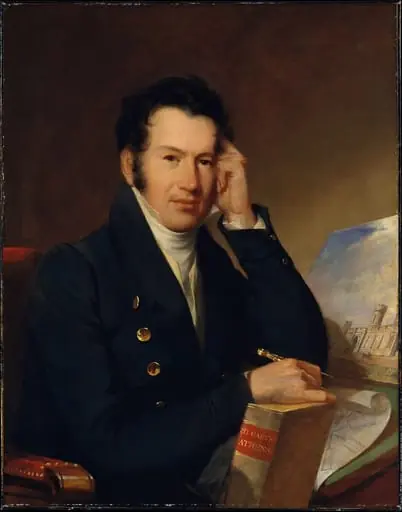
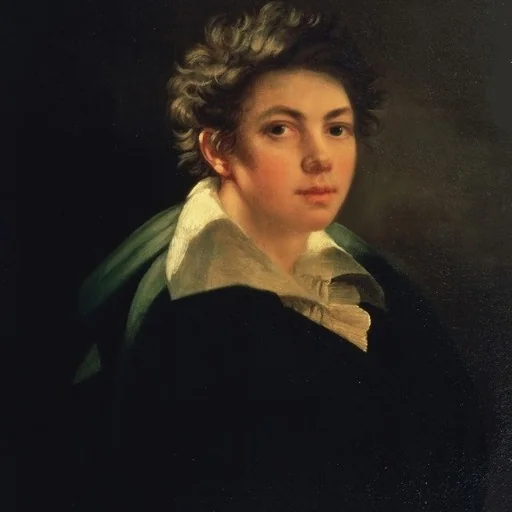
Portrait of a Man is an oil painting by the Biedermeier artist János Rombauer. It dates from 1813 and is held in the collection of the Hungarian National Gallery.
About this work
Overview
Rombauer, active in the Kingdom of Hungary and briefly in Saint Petersburg, worked within the restrained aesthetic of the Biedermeier period.
Painted in 1813 by János Rombauer, this oil portrait captures a man in quiet repose. Rombauer, active in the Kingdom of Hungary and briefly in Saint Petersburg, worked within the restrained aesthetic of the Biedermeier period. The painting is part of the Hungarian National Gallery’s collection, reflecting early 19th-century Hungarian portraiture and its engagement with Central European artistic trends.
Subject & Meaning
The sitter, dressed in a dark jacket and pale shirt, holds a paintbrush in his right hand, suggesting a professional or personal connection to art. His demeanor is composed, with no overt display of status or emotion. The brush functions not as a prop but as an indicator of identity, aligning the subject with the creative class without resorting to symbolic grandeur.
Technique & Style
Rombauer employs a muted palette and soft modeling to convey texture and form. The brushwork is precise yet unobtrusive, favoring clarity over dramatic contrast. Shadows define the contours of the face and clothing with subtlety, characteristic of Biedermeier’s emphasis on domestic realism. The background remains neutral, directing focus entirely to the figure and his instrument of craft.
History & Provenance
The painting entered the Hungarian National Gallery’s holdings in the 19th or early 20th century, likely through state acquisition or donation. Rombauer’s documented activity in Hungary and Russia supports its regional origin. No earlier ownership records are widely known, but its preservation suggests it was valued within artistic circles soon after its creation.
Context
Created during the Biedermeier era, the portrait reflects a cultural shift toward intimate, middle-class representation in Central Europe. Unlike aristocratic portraiture, this work avoids ornamentation, emphasizing quiet dignity. The sitter’s identity as an artist aligns with growing recognition of creative professionals in post-Napoleonic society, where art was increasingly seen as a vocation rather than a courtly pursuit.
Legacy
Rombauer’s portrait stands as a modest but significant example of Hungarian Biedermeier art. It contributes to the understanding of how artists portrayed their own profession during a period of social change. While not widely exhibited internationally, it remains a key reference in studies of 19th-century Hungarian visual culture and the representation of artistic identity.
Artist & collection
Artist
Johann Rombauer (Hungarian: Rombauer János, Slovak: Ján Rombauer; 28 May 1782 – 12 February 1849) was a portrait painter in the Kingdom of Hungary.