Artwork
Self-Portrait
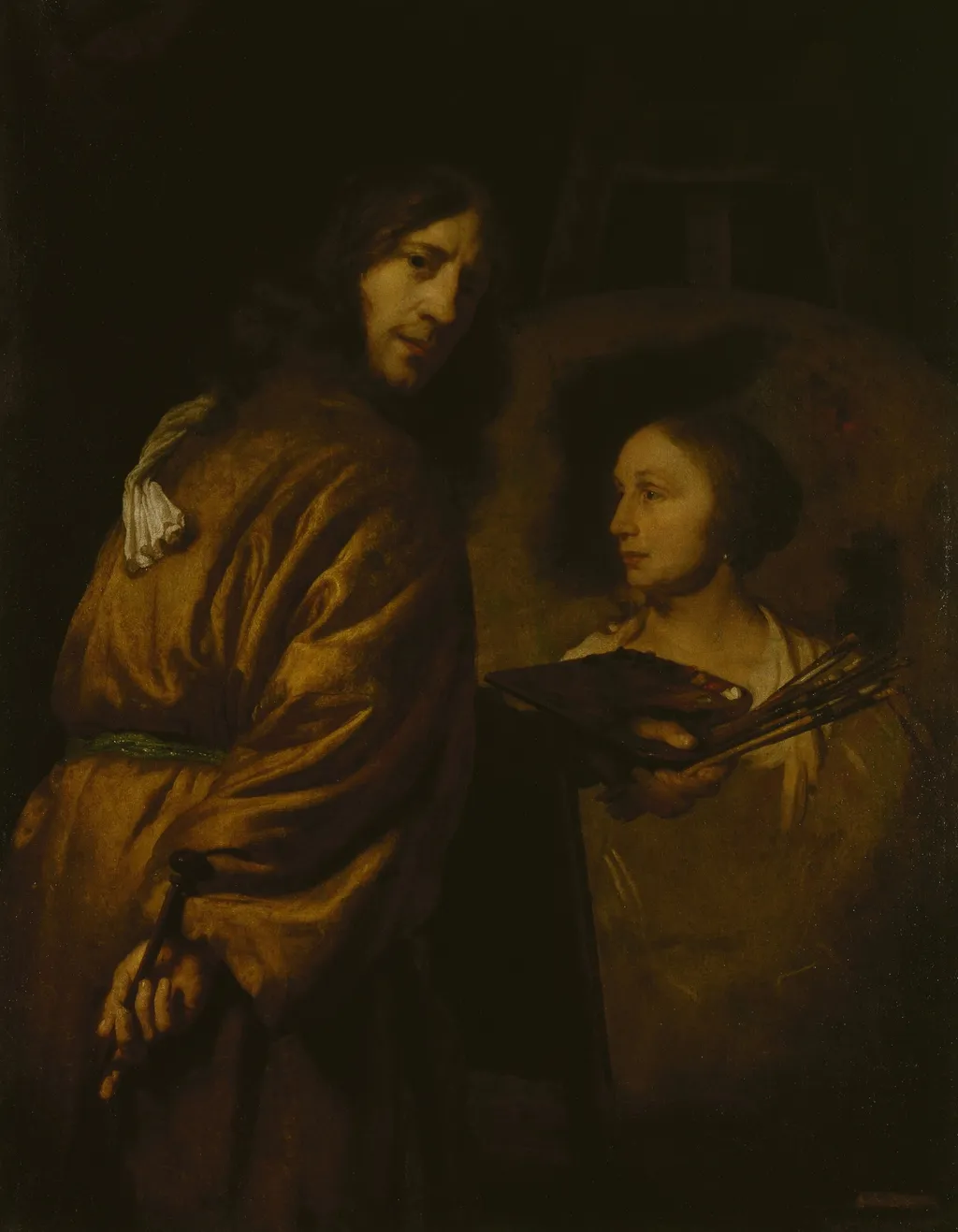
Self-Portrait is an oil painting by the Dutch Golden Age artist Jürgen Ovens. It dates from 1670 and is held in the collection of the Hermitage Museum.
About this work
Overview
Jürgen Ovens' 1670 oil painting, Self-Portrait, is a notable work from the Dutch Golden Age. The artist, known for his portraits and association with Rembrandt, created this piece during a period of significant artistic innovation.
Subject & Meaning
The painting depicts two figures: a man in a brown robe with long hair, and a woman in white with short hair, holding painting tools. The man gazes directly at the viewer, while the woman looks at him, suggesting a personal or professional relationship.
Technique & Style
Ovens employs chiaroscuro to create depth and contrast, with the figures standing out against a dark background. This technique, characteristic of his training under Rembrandt, adds a sense of volume and drama to the composition.
History & Provenance
Self-Portrait is now held in the State Hermitage Museum. Ovens, who worked in Amsterdam and for the Dukes of Holstein-Gottorp, was a prominent portrait painter of his time, and this work reflects his skill and artistic lineage.
Own this work as a print
Artist & collection
Artist
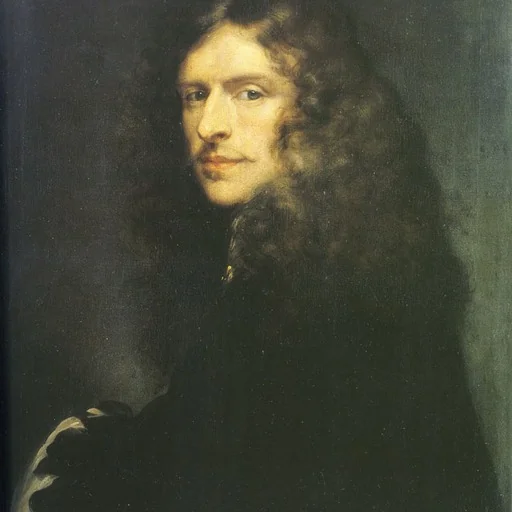
Jürgen Ovens (1623 – 9 December 1678), also known as Georg, or Jurriaen Ovens whilst in the Netherlands, was a portrait painter and art-dealer from North Frisia and, according to Arnold Houbraken, a pupil of Rembrandt.

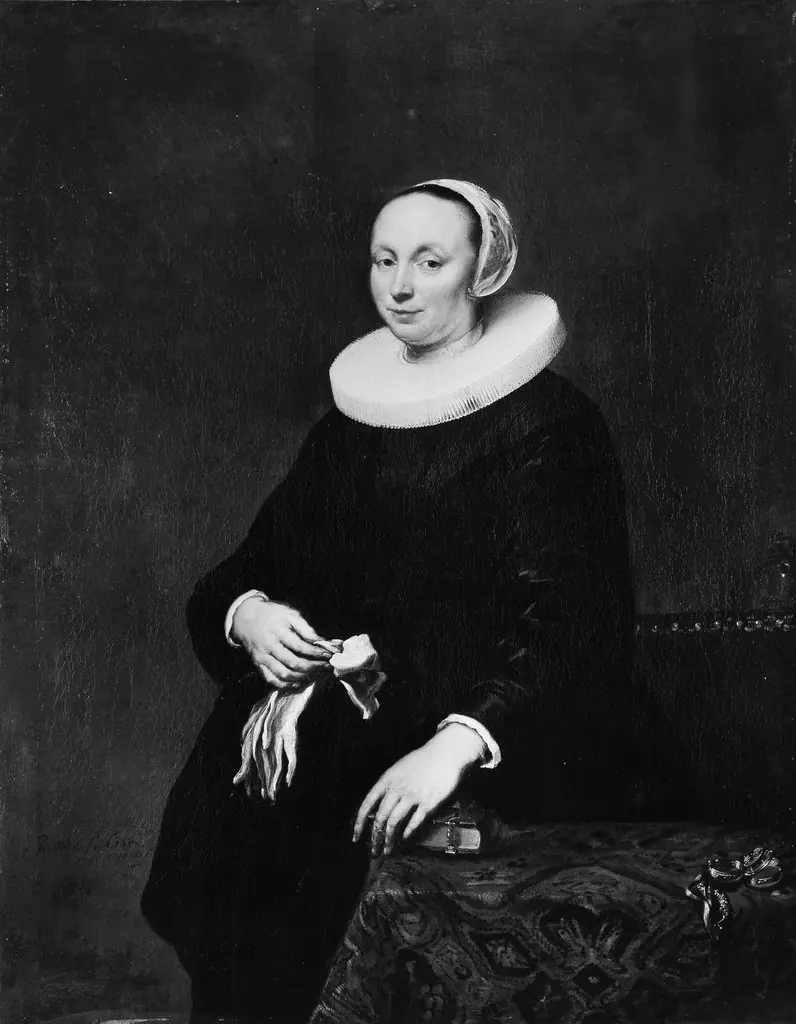 Portrait of a Woman
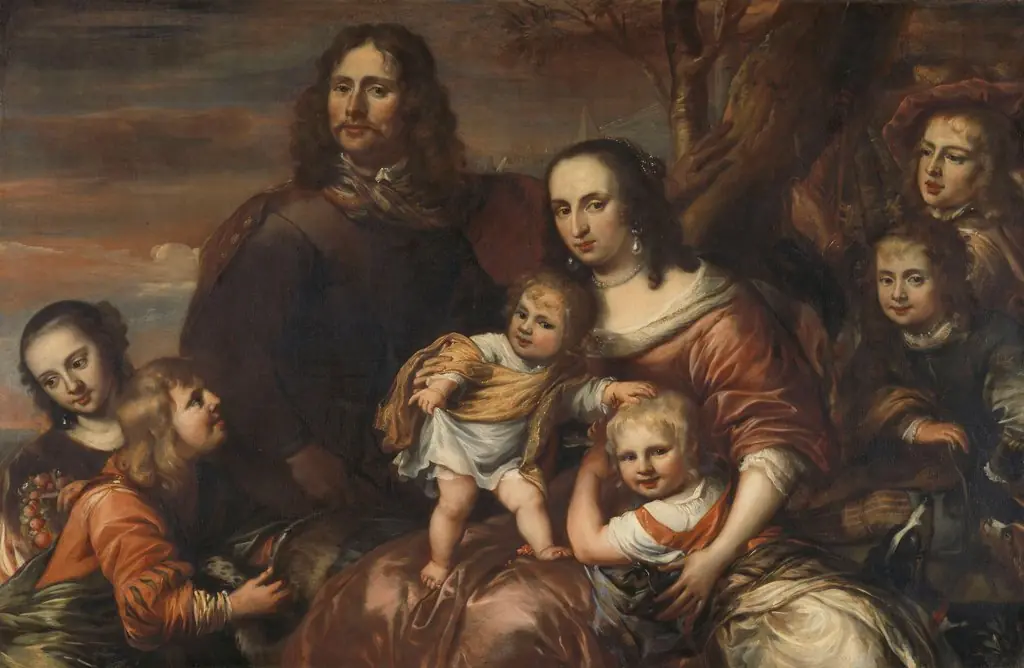 A couple with six children
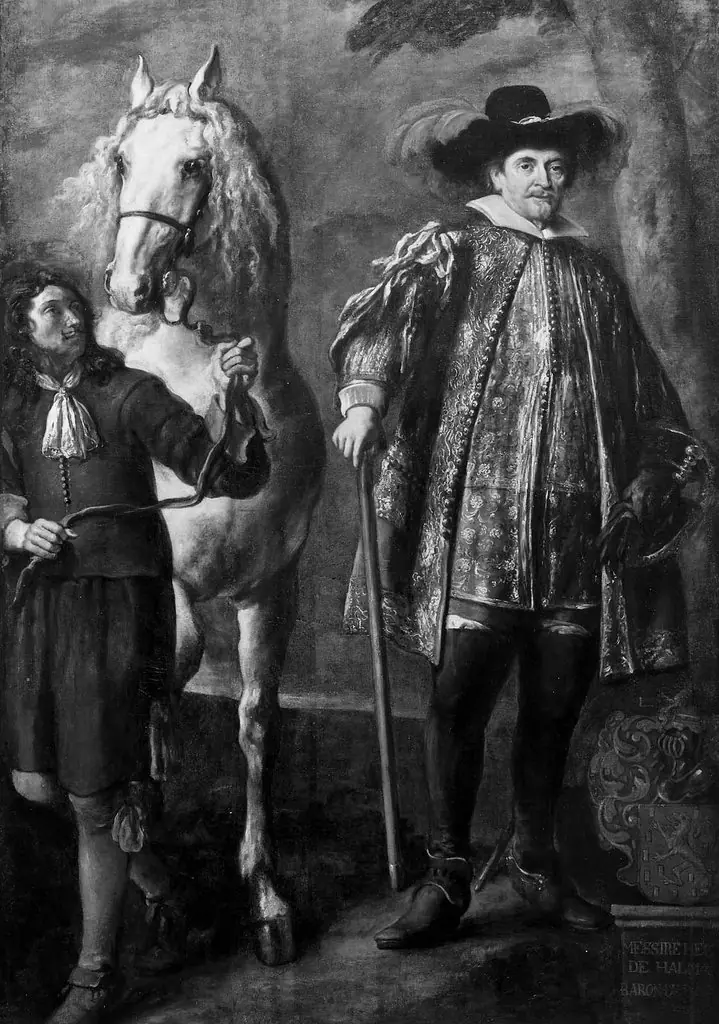 Hendrik van Halmale with his Horse and Groom
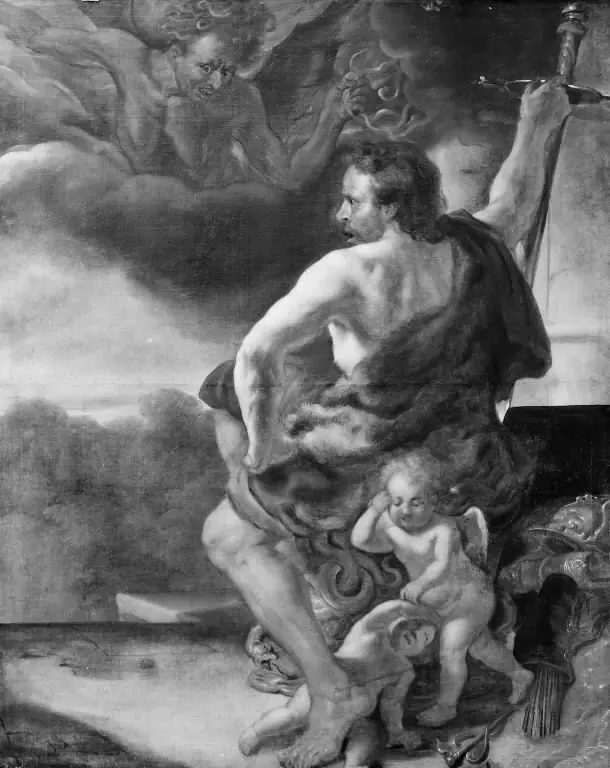 Hercules and Envy
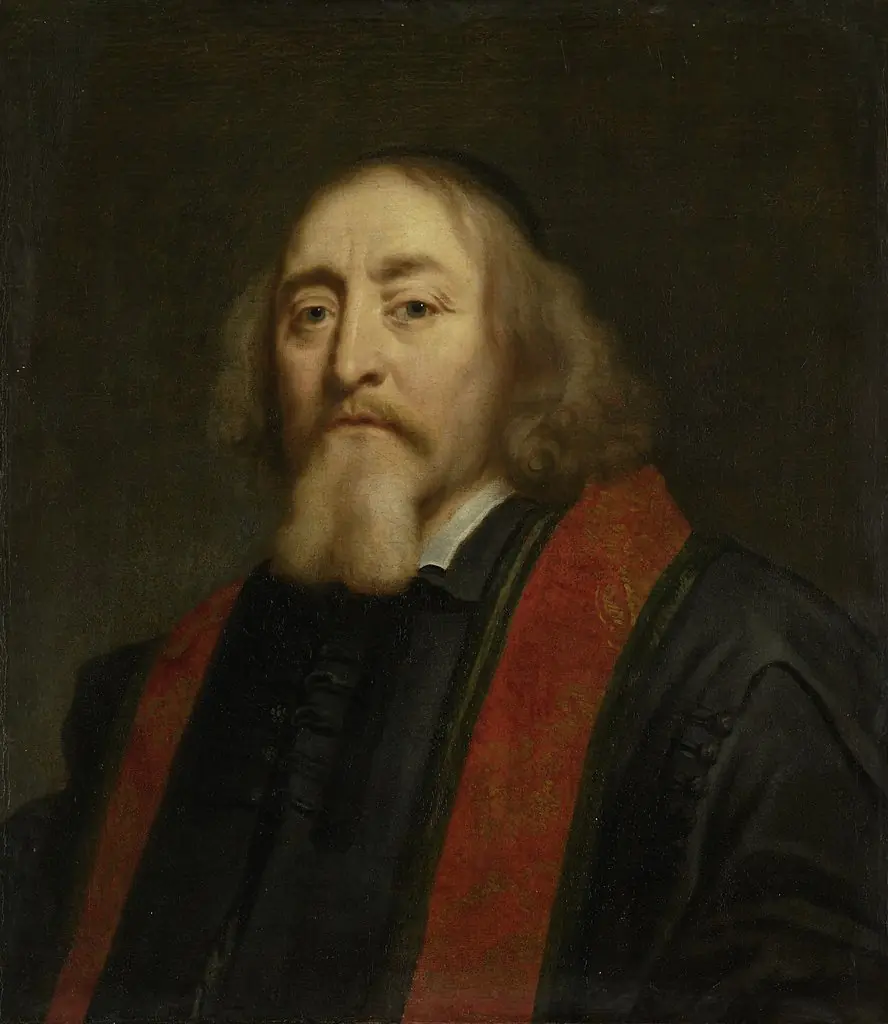 Jan Amos Comenius (Komensky) (1592-1670). Czech humanist and pedagogue. Exiled as a leader of the Moravian or Bohemian Brethren and settled in Amsterdam in 1656
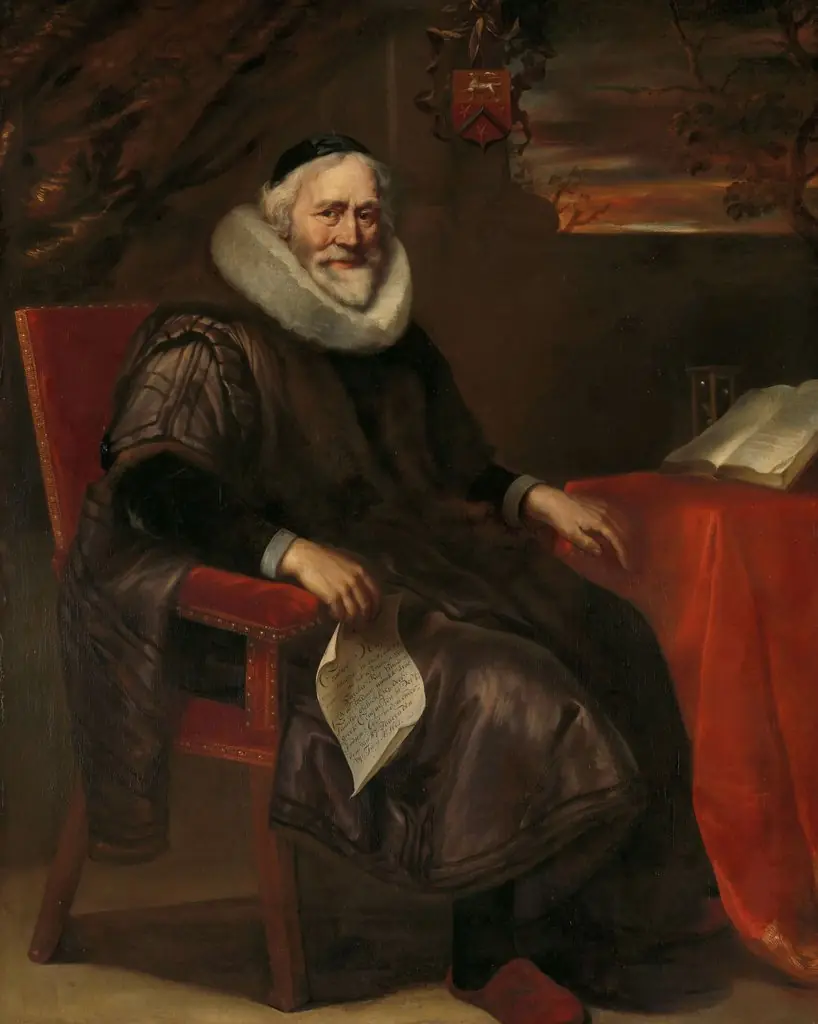 Cornelis Nuyts (1574-1661). Amsterdam merchant
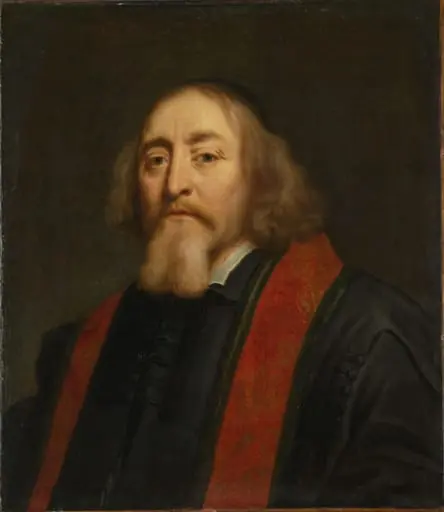 Portrait of Jan Amos Comenius
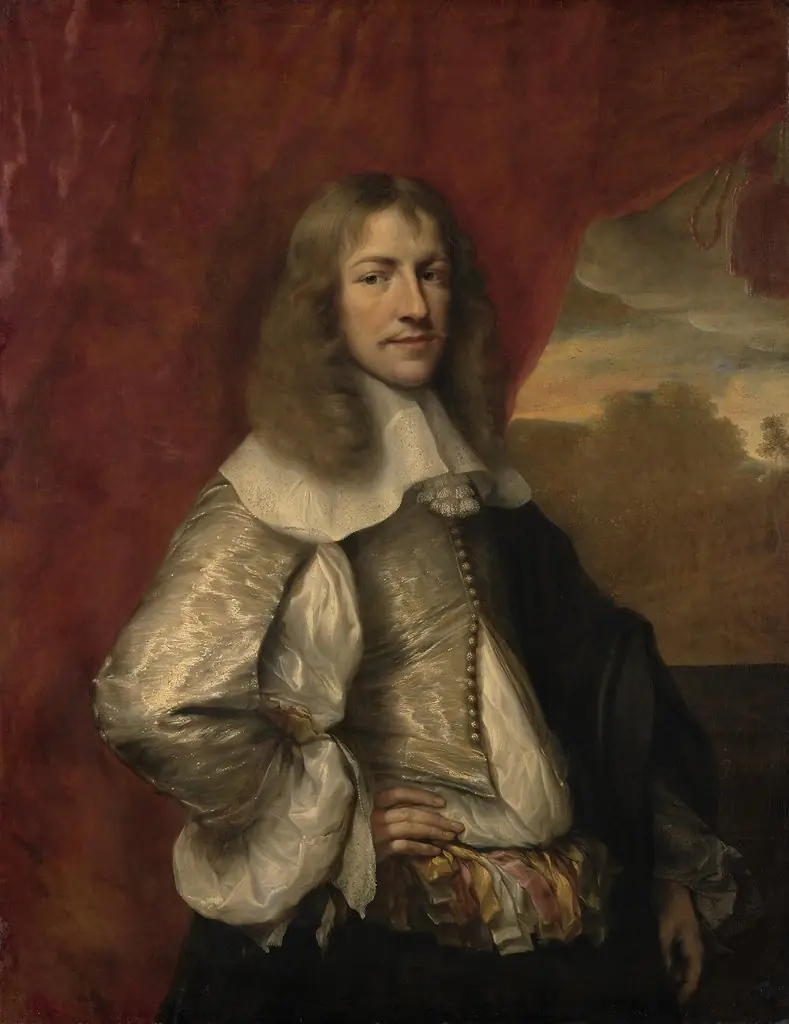 Portrait of Mr. Jan Bernd Schaep (1633-1666)
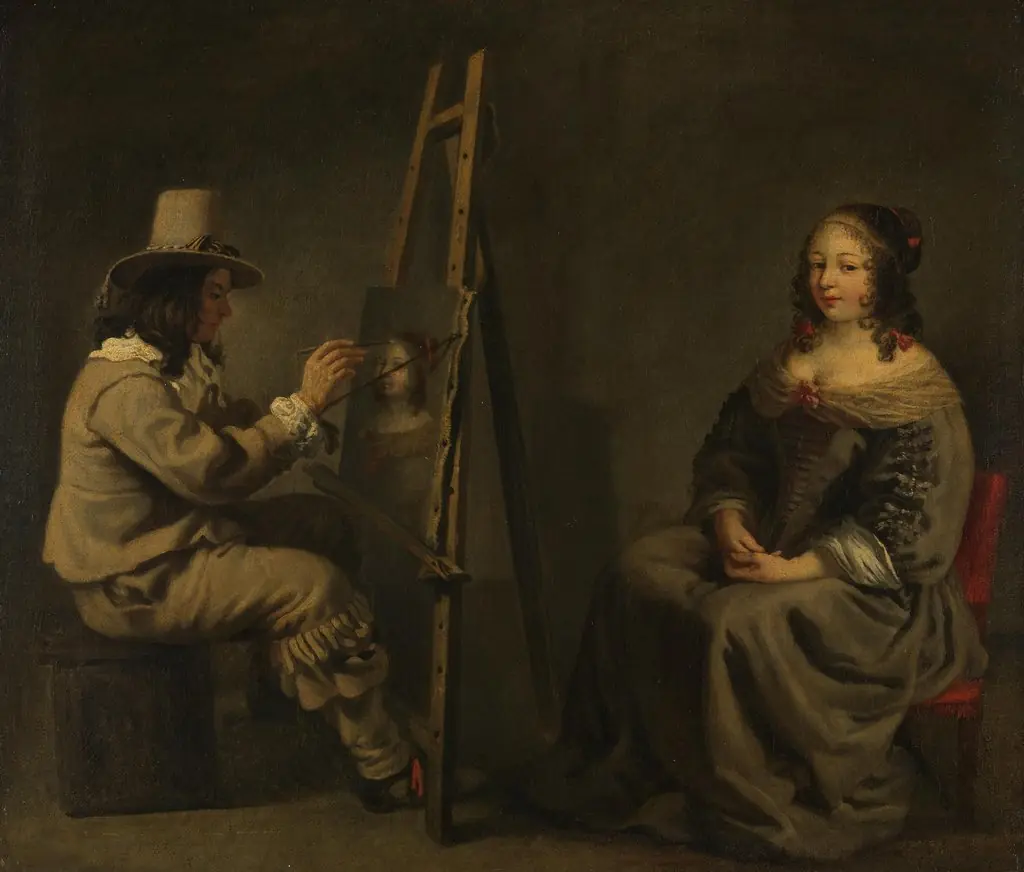 Maler und Modell (Umkreis)
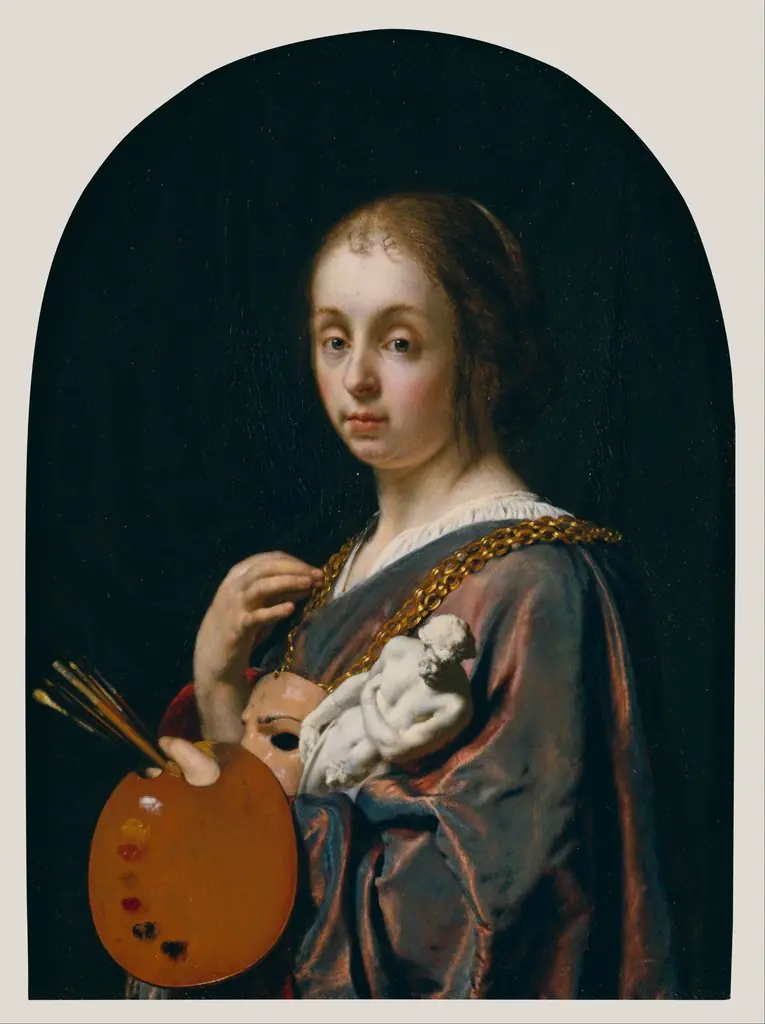 Pictura (An Allegory of Painting)
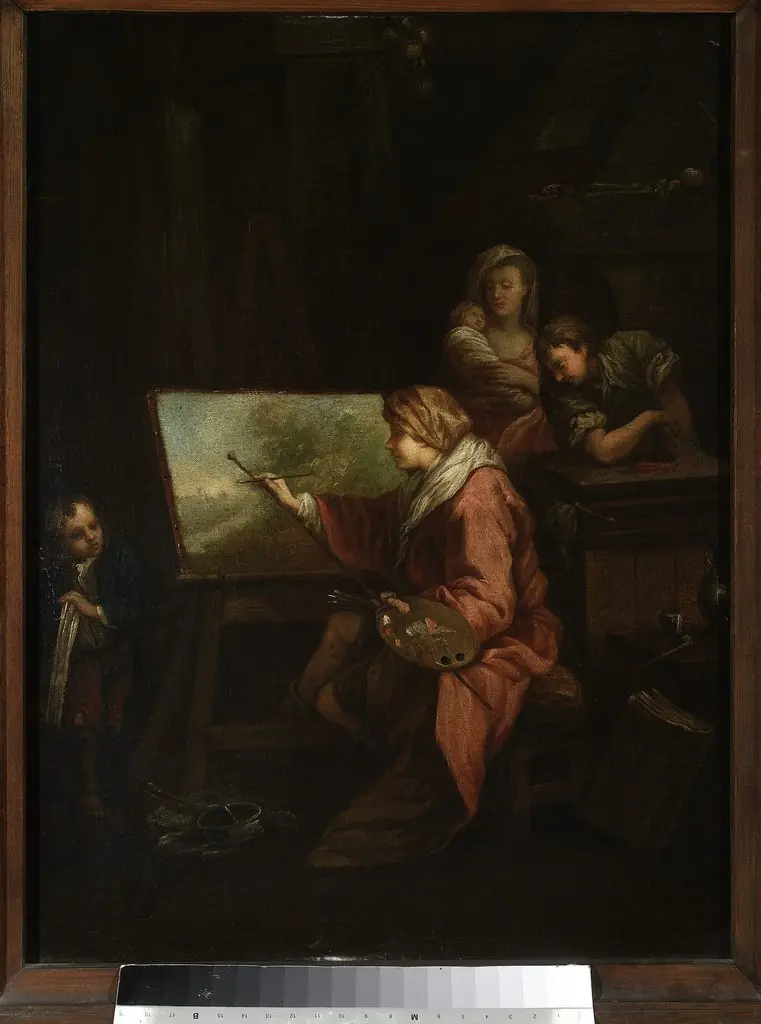 In the painter's studio (“Le peintre de paysage” or “Le peintre a son chevalet”)
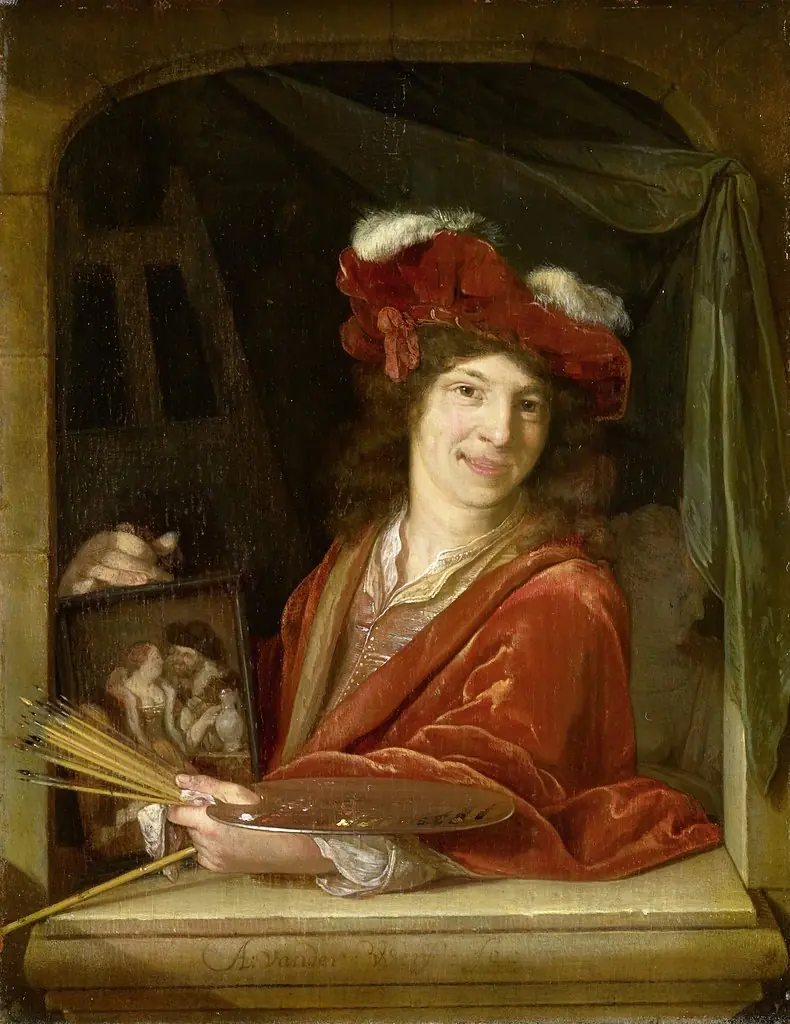 A young Painter
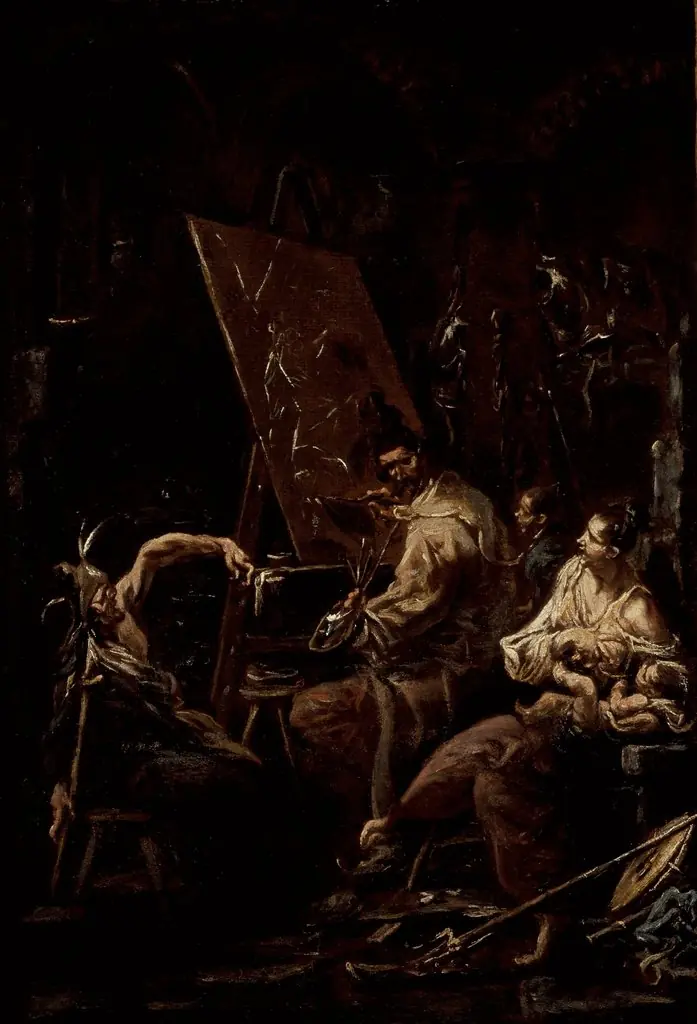 The Artist's Studio
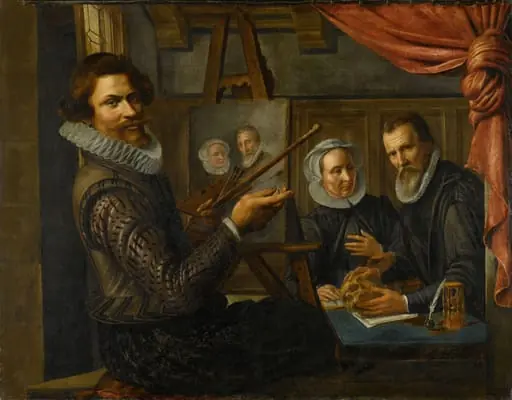 Untitled
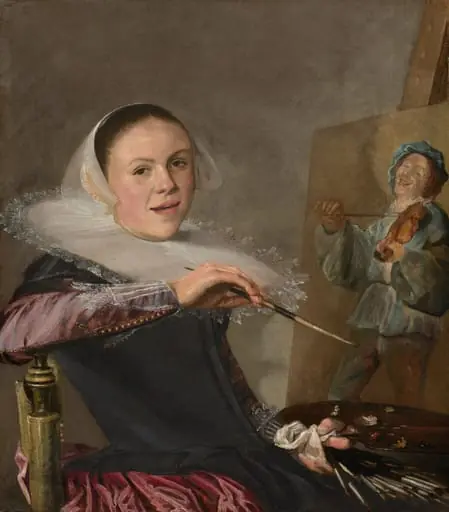 Self-Portrait
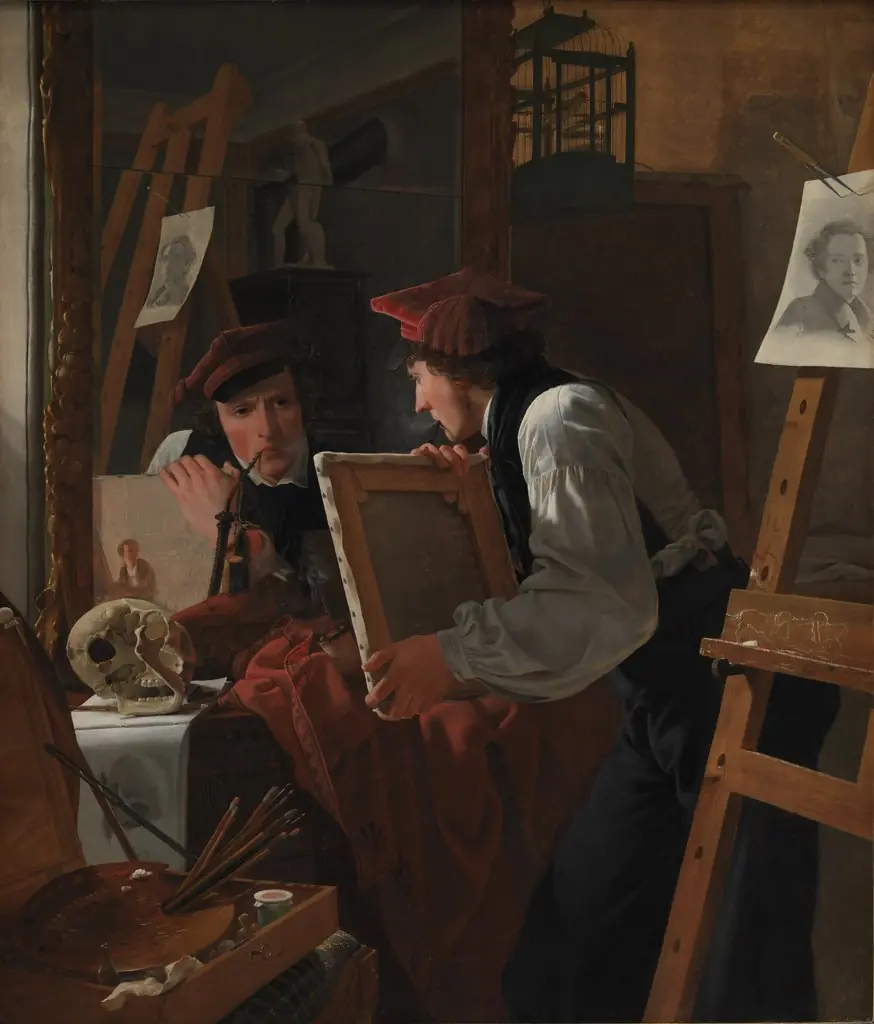 A Young Artist (Ditlev Blunck) Examining a Sketch in a Mirror
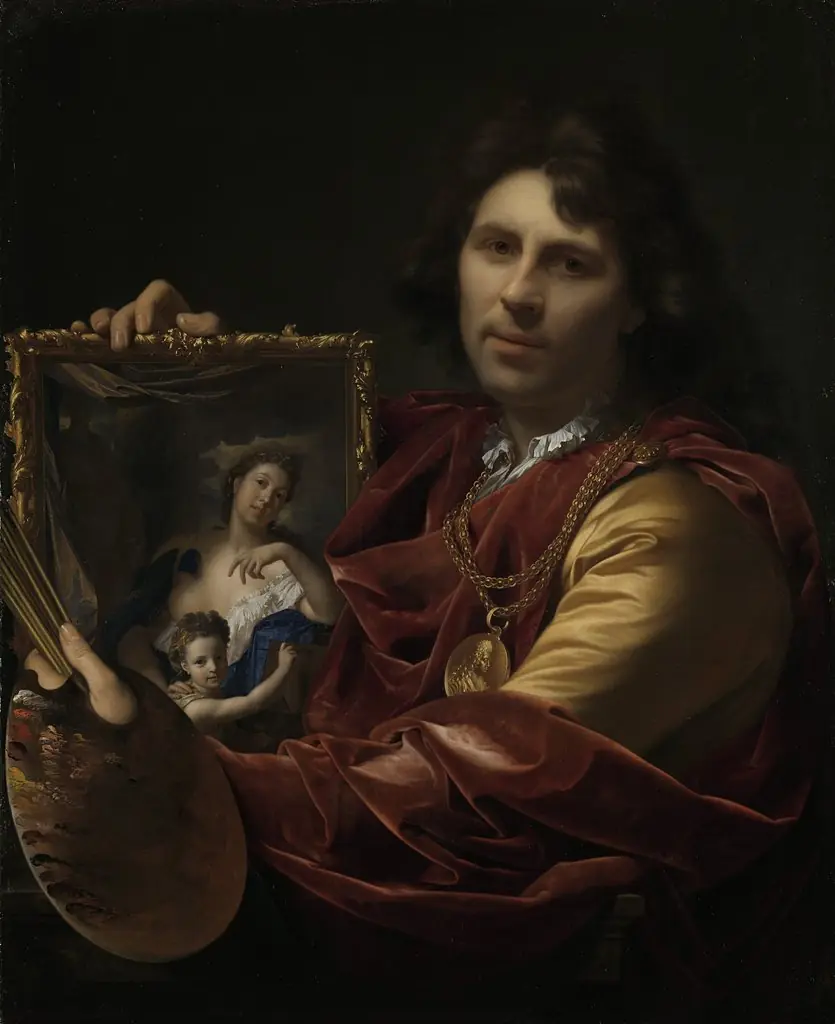 Self-portrait with the Portrait of his Wife, Margaretha van Rees, and their Daughter Maria
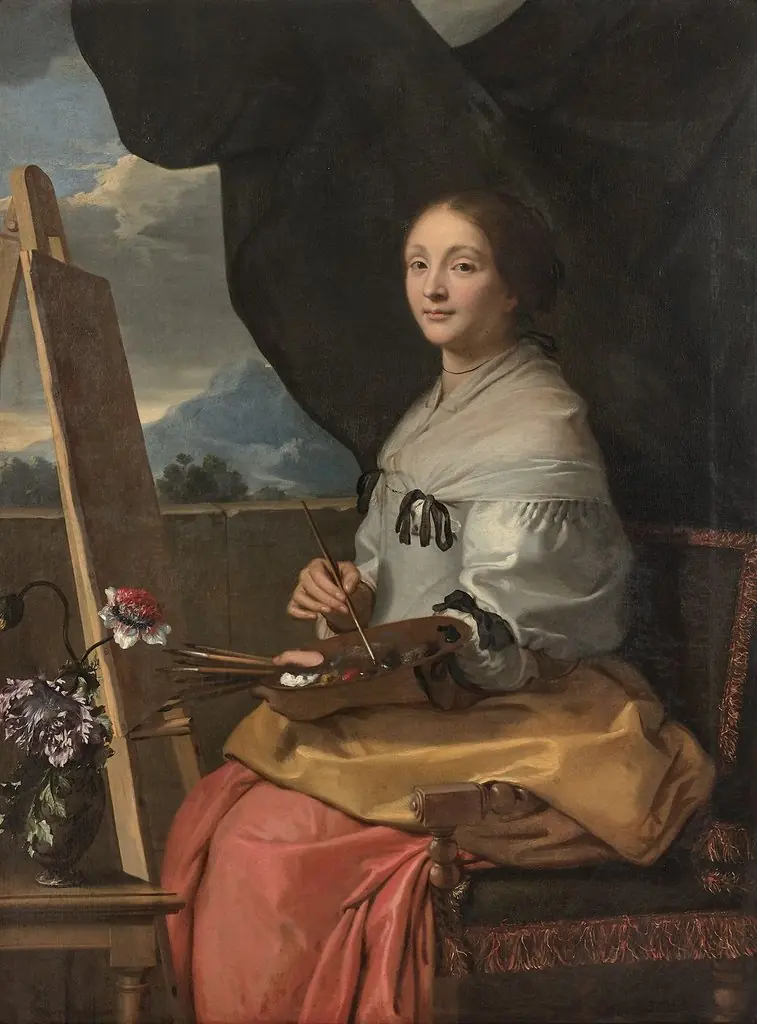 Portrait of Catherine Duchemin
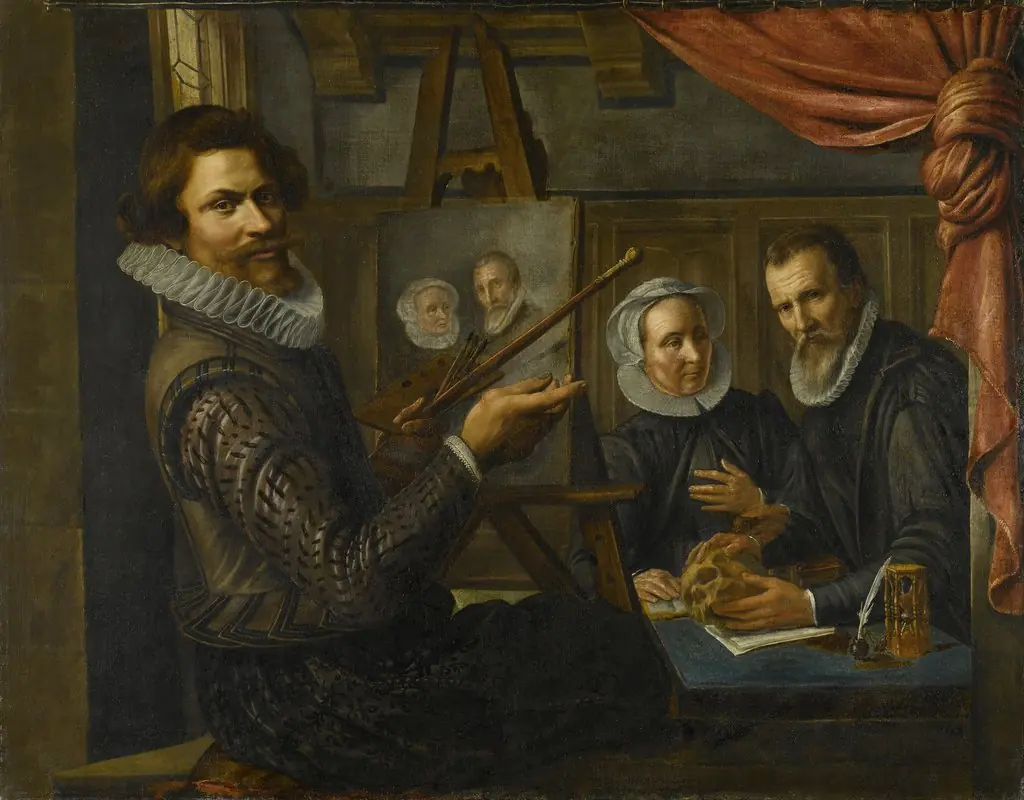 The painter in his studio painting the portrait of a couple
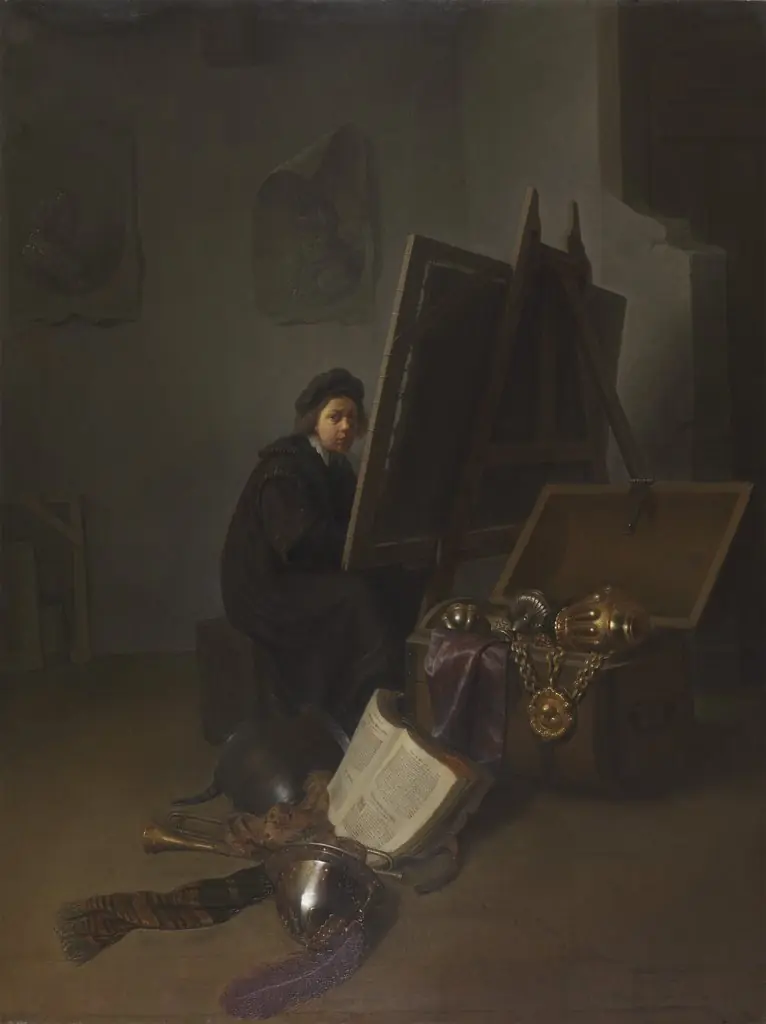 An Artist in his Studio (Self-portrait?)