Artwork
Portrait of the son of Henryk Doboli
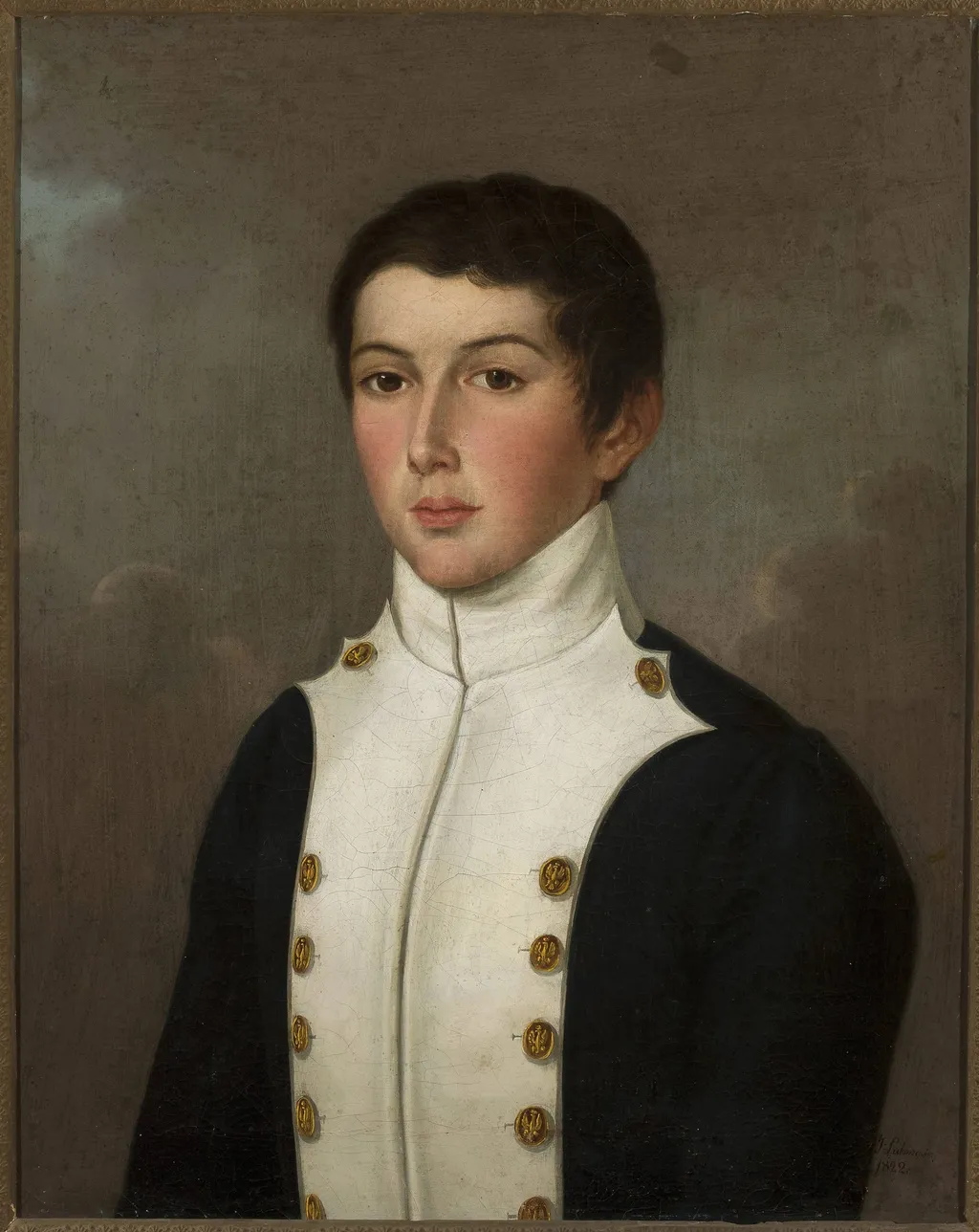
Portrait of the son of Henryk Doboli is an oil painting by the Realist artist Józafat Ignacy Łukaszewicz. It dates from 1822 and is held in the collection of the National Museum in Warsaw. Painted in 1822 by Józefat Ignacy Łukaszewicz, this oil-on-canvas portrait depicts the son of Henryk Doboli, a Polish-Lithuanian nobleman.
About this work
Overview
It is part of the permanent collection at the National Museum in Warsaw, where it serves as a quiet example of domestic portraiture from the post-partition era.
Painted in 1822 by Józefat Ignacy Łukaszewicz, this oil-on-canvas portrait depicts the son of Henryk Doboli, a Polish-Lithuanian nobleman. Executed in a restrained, observational style, the work reflects the emerging tendencies of realism in early 19th-century Polish art. It is part of the permanent collection at the National Museum in Warsaw, where it serves as a quiet example of domestic portraiture from the post-partition era.
Subject & Meaning
The subject is a young man, identified as the son of Henryk Doboli, portrayed in a military-style uniform with gold buttons and a high collar. His neutral gaze and composed posture suggest dignity and restraint rather than flamboyance. The absence of symbolic elements or elaborate setting shifts focus to the individual’s presence, emphasizing personal identity over social status or narrative.
Technique & Style
Łukaszewicz employed oil paint with subtle tonal gradations to render the texture of fabric and skin with quiet precision. The dark background isolates the figure, enhancing the clarity of form. Brushwork is controlled and unembellished, avoiding romantic flourish. The lighting is even and naturalistic, supporting the work’s commitment to direct observation over idealization.
History & Provenance
The painting was completed in 1822 and remained within the Doboli family’s possession before entering the National Museum in Warsaw’s collection. Its transition into public ownership likely occurred in the late 19th or early 20th century, during a period of increased institutional efforts to preserve Polish cultural heritage amid foreign rule.
Context
Created during the Congress Kingdom of Poland under Russian control, the portrait reflects a cultural climate where private identity was preserved amid political suppression. Portraiture became a subtle means of asserting national continuity. Łukaszewicz, trained in the academic tradition, aligned with emerging realist values that prioritized truthful representation over theatricality.
Legacy
Though not widely exhibited outside Poland, the portrait stands as a representative example of early realism in Polish art. It contributes to the understanding of how domestic portraiture functioned as a vehicle for personal and cultural identity during a time of national fragmentation. Its preservation underscores the museum’s role in safeguarding regional artistic traditions.
Artist & collection
Artist
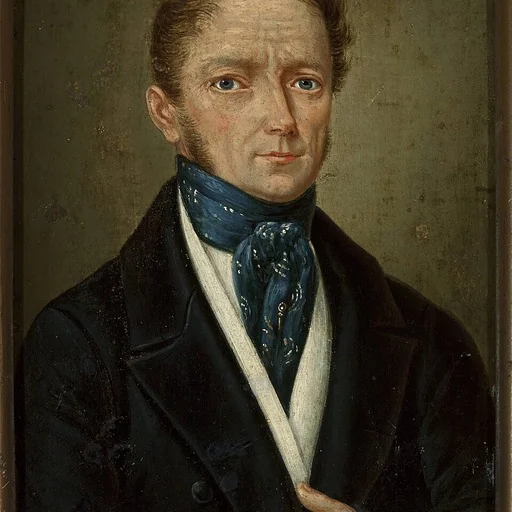
Józefat Ignacy Łukaszewicz (Lithuanian: Juozapas Ignotas Lukaševičius; 6 November 1789 – 3 January 1850) was a Polish-Lithuanian painter.

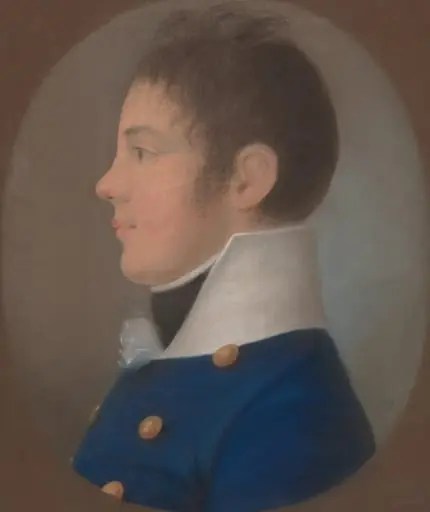 Portrait of a Young Man in Profile
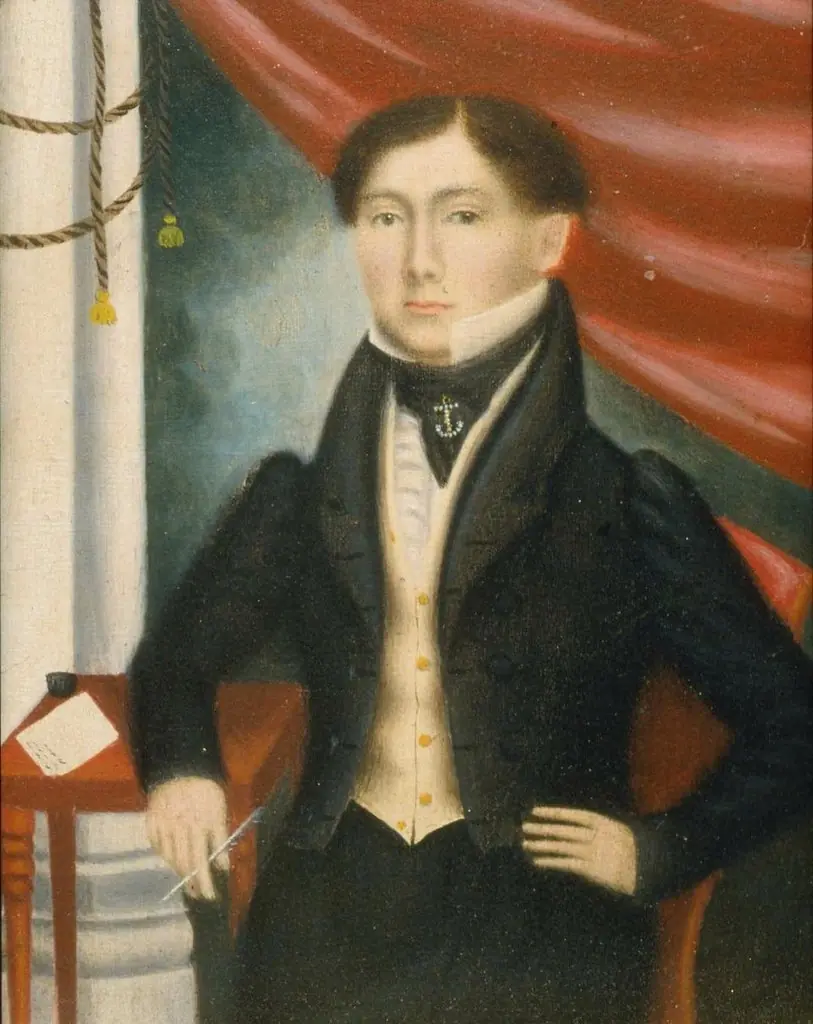 Man at Desk
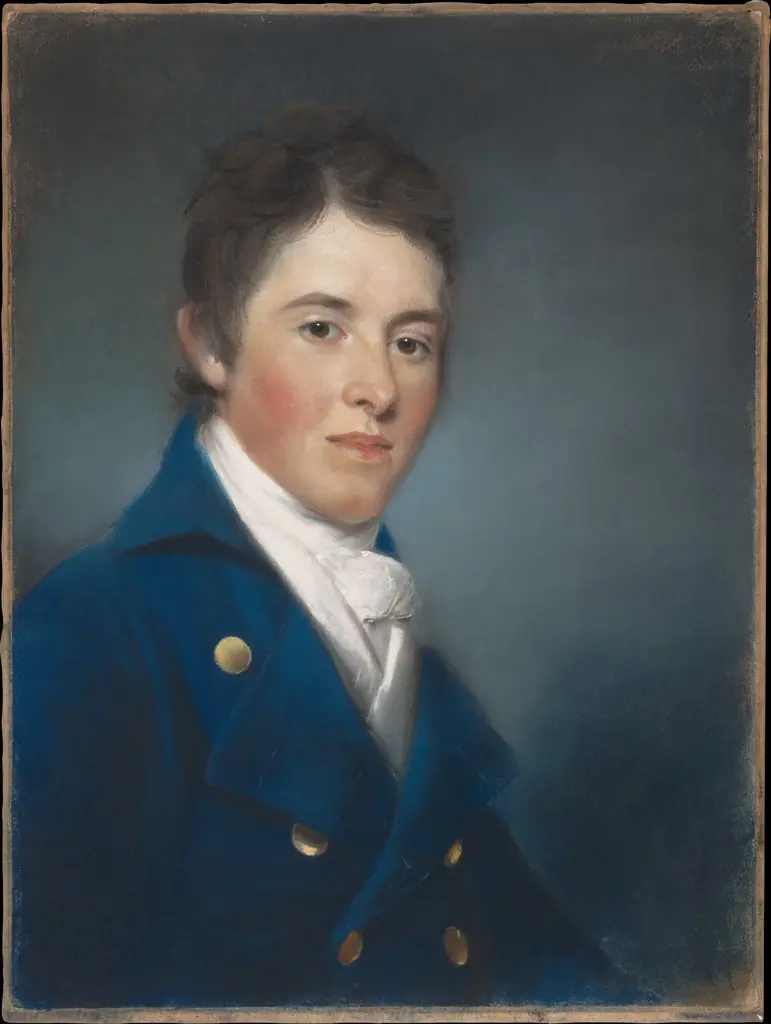 Robert Shurlock (1772–1847)
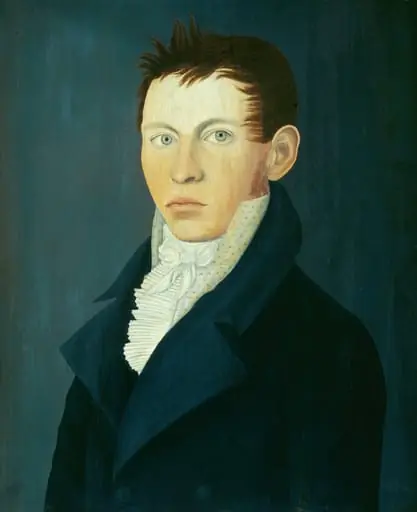 Possibly Harlan Page
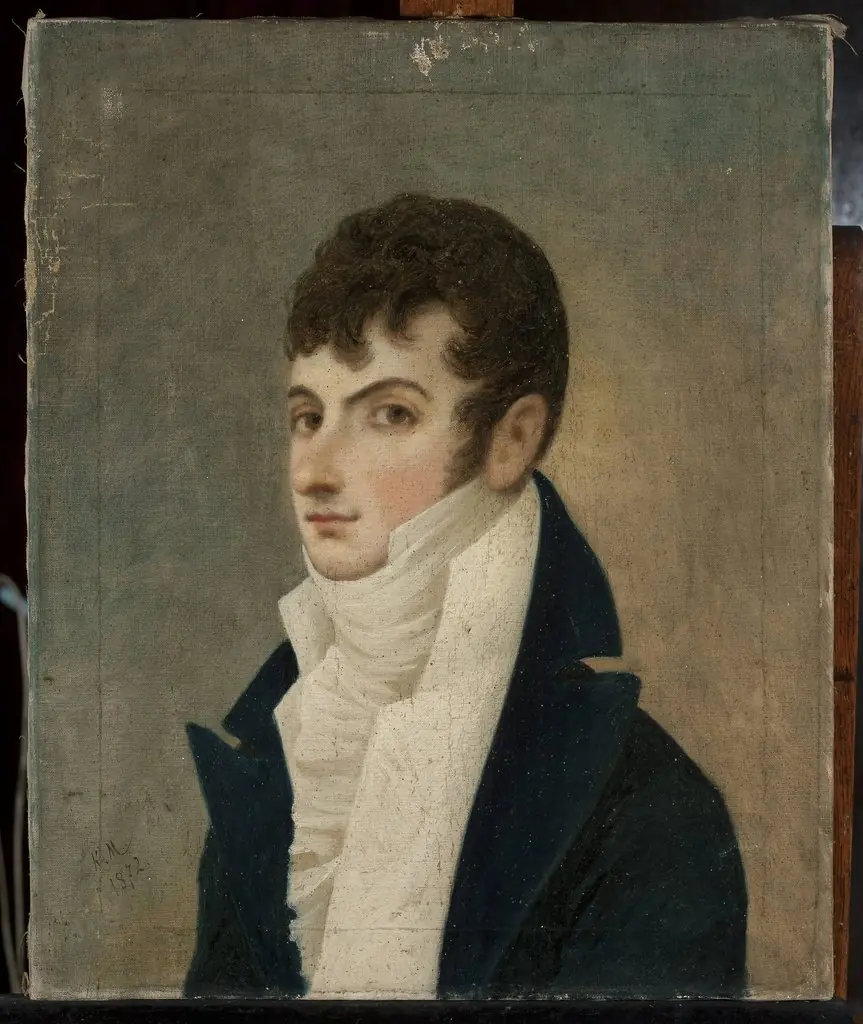 Portrait of Count Paweł Sołtyk, castellan of Sandomierz
 Daniel Carmick
 Per Otto Adelborg
 Portrait of Grand Duke Nikolai Pavlovich
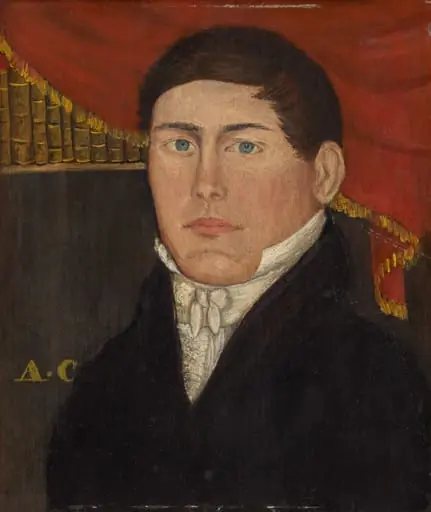 Dr. Alvah Cook
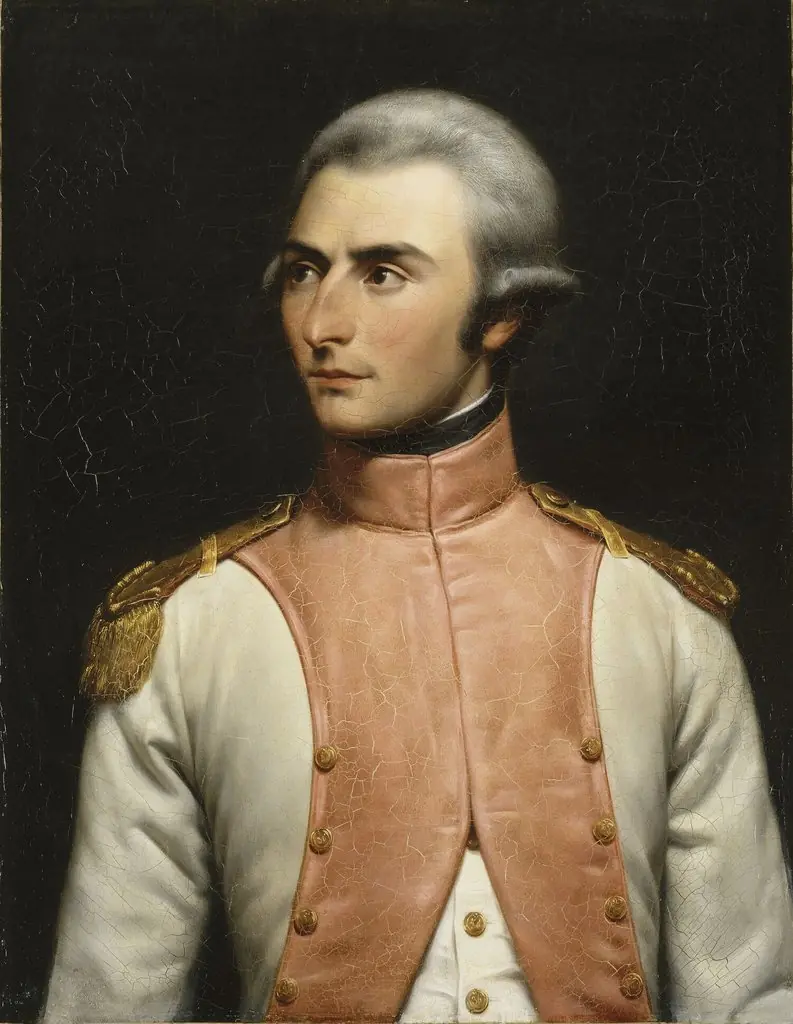 Jean-Baptiste-Jules Bernadotte, lieutenant in the 36th line regiment in 1792
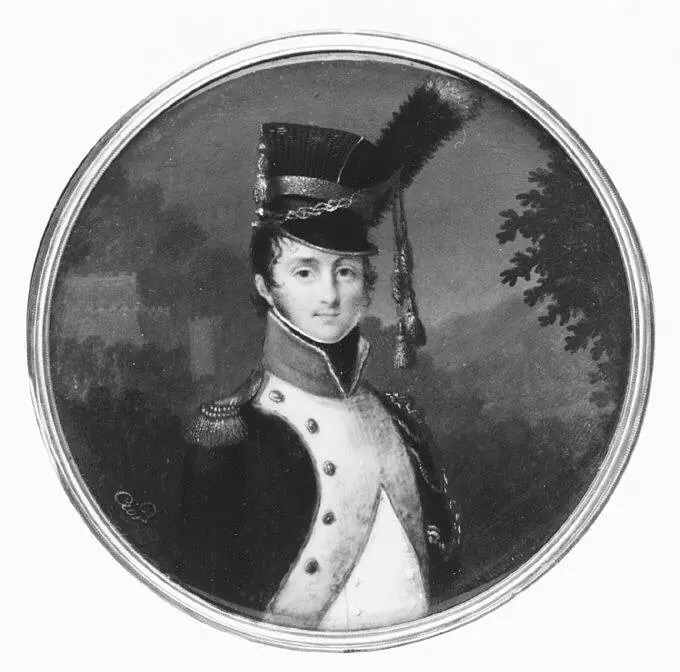 Portrait of an Officer
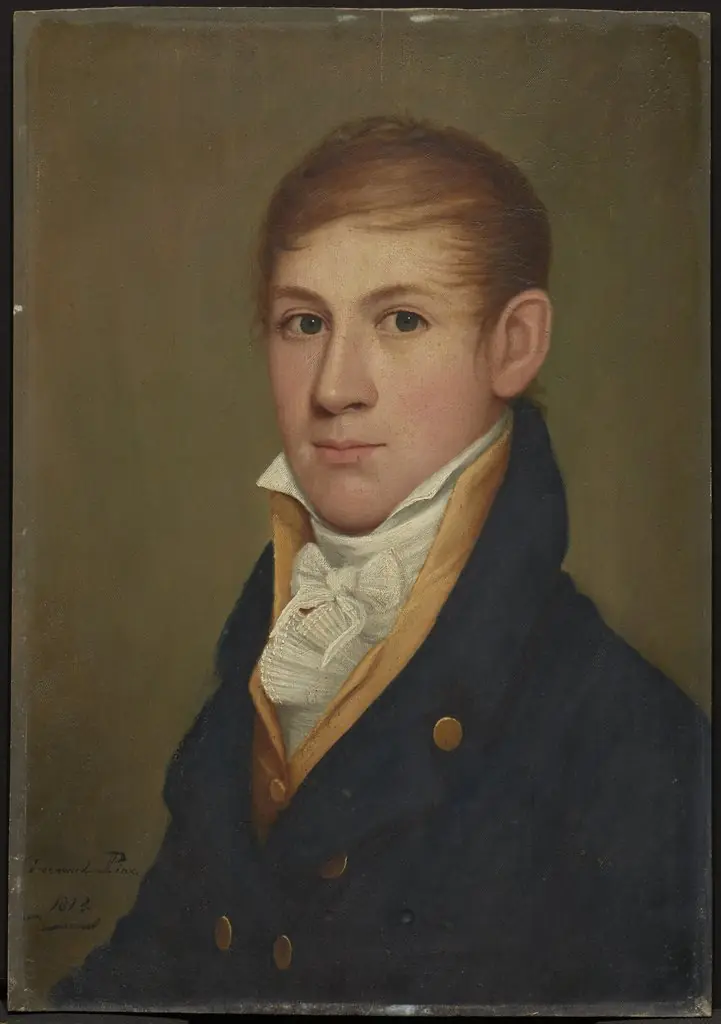 A Gentleman (one of pair of portraits)