Artwork
Studies of figures for the painting “Tartars’ flight”
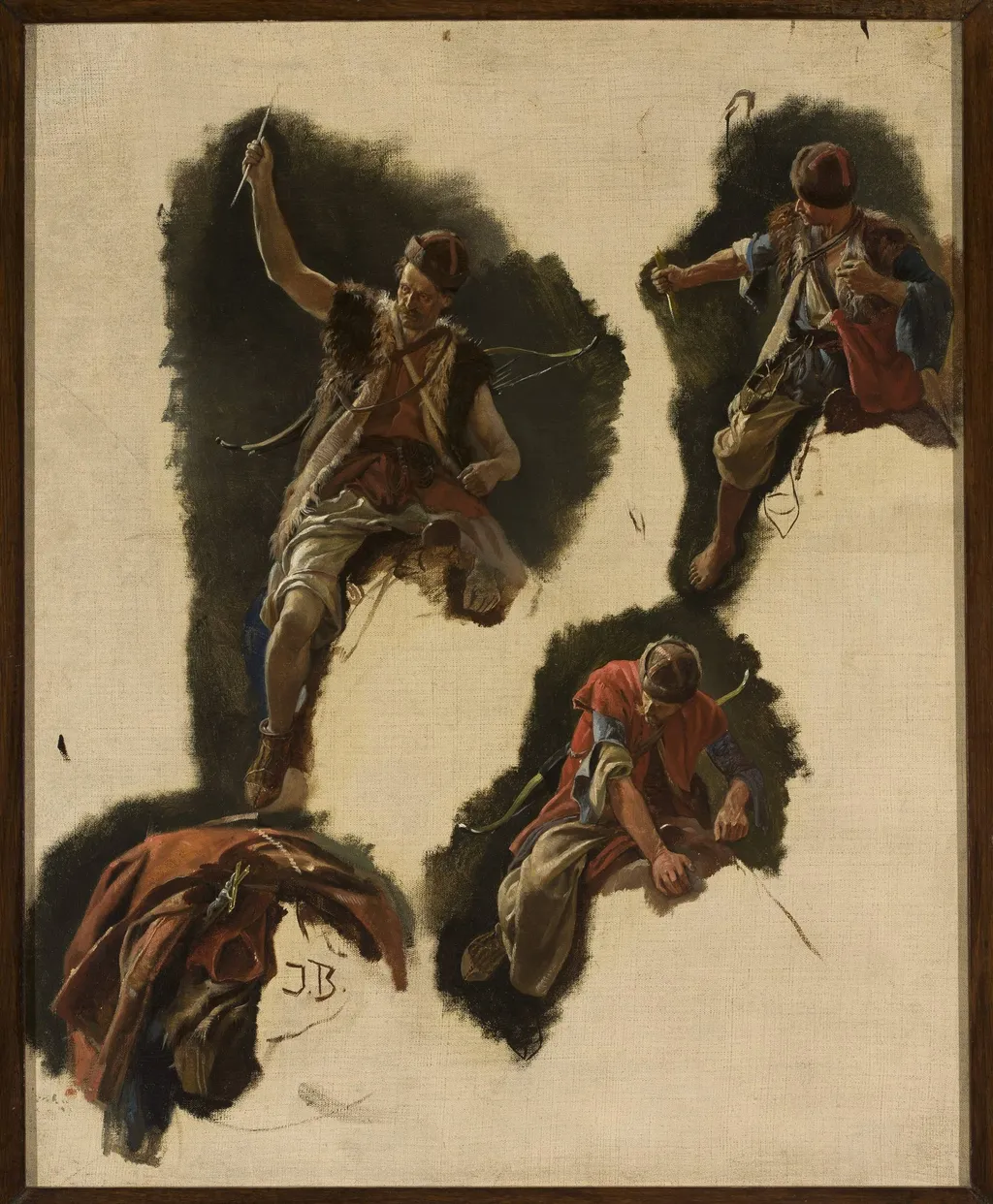
Studies of figures for the painting “Tartars’ flight” is an oil painting by the Realist artist Józef Brandt. It dates from 1863 and is held in the collection of the National Museum in Warsaw.
About this work
Overview
Created in 1863 by Polish artist Józef Brandt, this oil study was prepared as preparatory work for the larger composition titled 'Tartars’ Flight.
Created in 1863 by Polish artist Józef Brandt, this oil study was prepared as preparatory work for the larger composition titled 'Tartars’ Flight.' It captures three horsemen in varied postures, each rendered with attention to costume and gesture. The piece belongs to Brandt’s broader engagement with historical military scenes and reflects his commitment to documenting the physicality and attire of Central Asian warriors as they appeared in Polish-Lithuanian conflicts.
Subject & Meaning
The three figures represent Tartar cavalrymen in motion, likely fleeing after a raid or battle. Their weapons—bows and arrows—are held or slung with urgency, suggesting movement rather than stillness. The attire, blending fur, wool, and leather, reflects the material culture of steppe nomads encountered in Eastern European borderlands. The study does not depict a narrative moment but isolates forms to inform the final painting’s composition and authenticity.
Technique & Style
Brandt employed oil paint with a direct, observational approach, emphasizing form over detail. Dark, undefined shadows enclose the figures, isolating them against a neutral beige ground and enhancing their three-dimensionality. Chiaroscuro is used subtly to model musculature and fabric folds, while loose brushwork in clothing suggests motion. The absence of landscape or context focuses attention on the human figures and their equipment, characteristic of preparatory studies in 19th-century realism.
History & Provenance
The study entered the collection of the National Museum in Warsaw, where it remains part of the institution’s holdings of Brandt’s works. As a preparatory piece, it was likely retained by the artist or passed to family before institutional acquisition. Its preservation reflects the museum’s interest in documenting the artistic process behind Brandt’s larger historical canvases, which were widely exhibited in Poland during the late 19th century.
Context
In 1863, Poland was under partition, and historical subjects offered a means of preserving national identity through art. Brandt, influenced by military history and ethnographic detail, sought to depict the Tartars not as caricatures but as distinct, physically grounded figures. His studies were informed by contemporary scholarship and firsthand observation, aligning with broader European trends toward empirical accuracy in historical painting.
Legacy
This study exemplifies Brandt’s methodical approach to historical reconstruction, influencing later Polish artists interested in military themes. While the final painting 'Tartars’ Flight' is less frequently displayed today, this preparatory work endures as a testament to his dedication to anatomical and cultural precision. It remains a key reference for understanding how 19th-century Polish painters engaged with the visual legacy of Eastern borderland conflicts.
Artist & collection
Artist
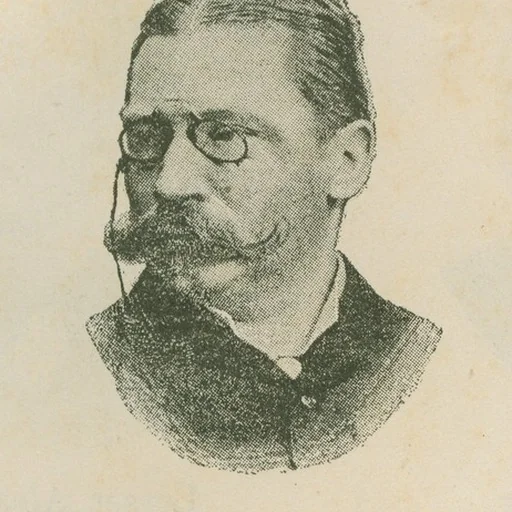
Józef Brandt (1841–1915) was a Polish painter best known for his paintings of battles in Polish history, often featuring horses.

![Portrait of Artur Potocki [?], by Józef Brandt](https://artifactworldgallery.com/img/jozef-brandt--portrait-of-artur-potocki--d7e333cc44b53046-w320.webp)
 Tavern in Rome, sketch
 The Siege of Tortona, or The Thirst of the People of Tortona (La Costanza dei tortonesi)
 Figures in Italia Costume
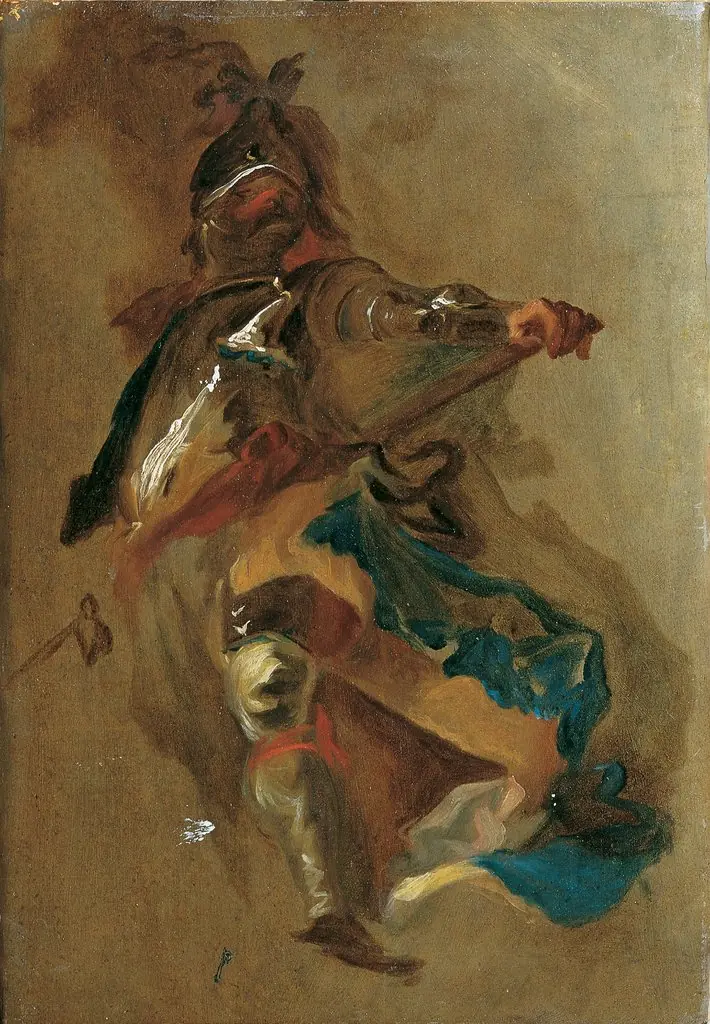 Standing Fieldman
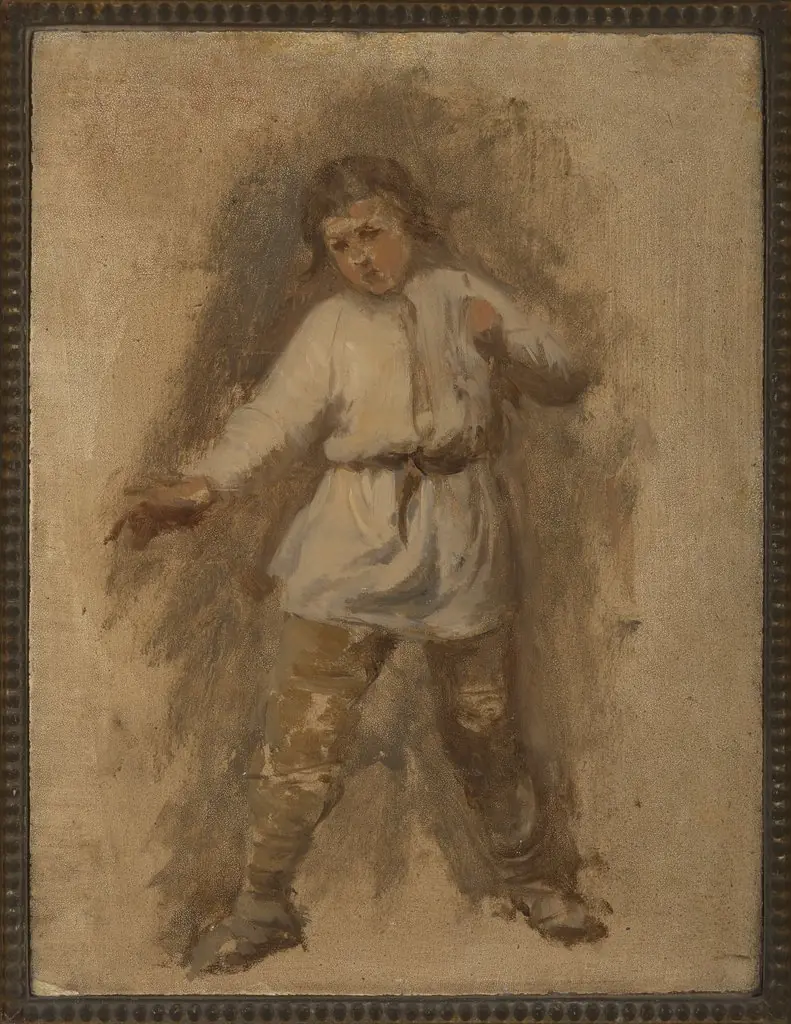 Country Boy
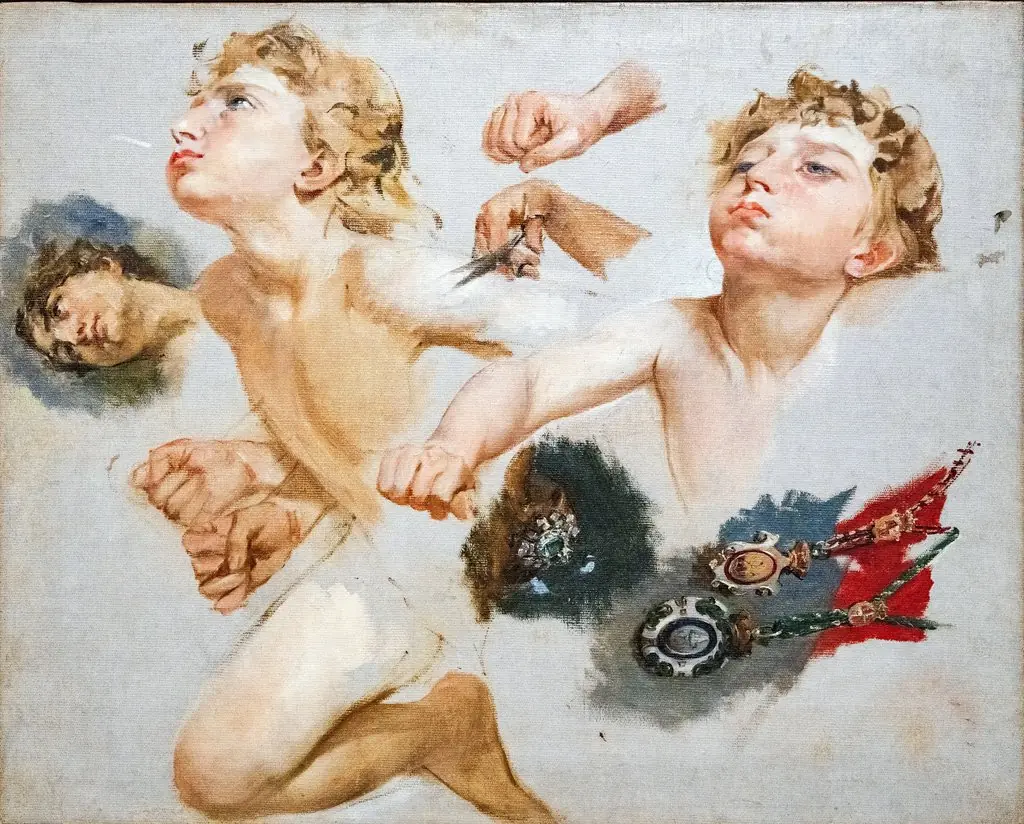 Study of Zephyrus for «The Triumph of Day over Night Preceded by Dawn»
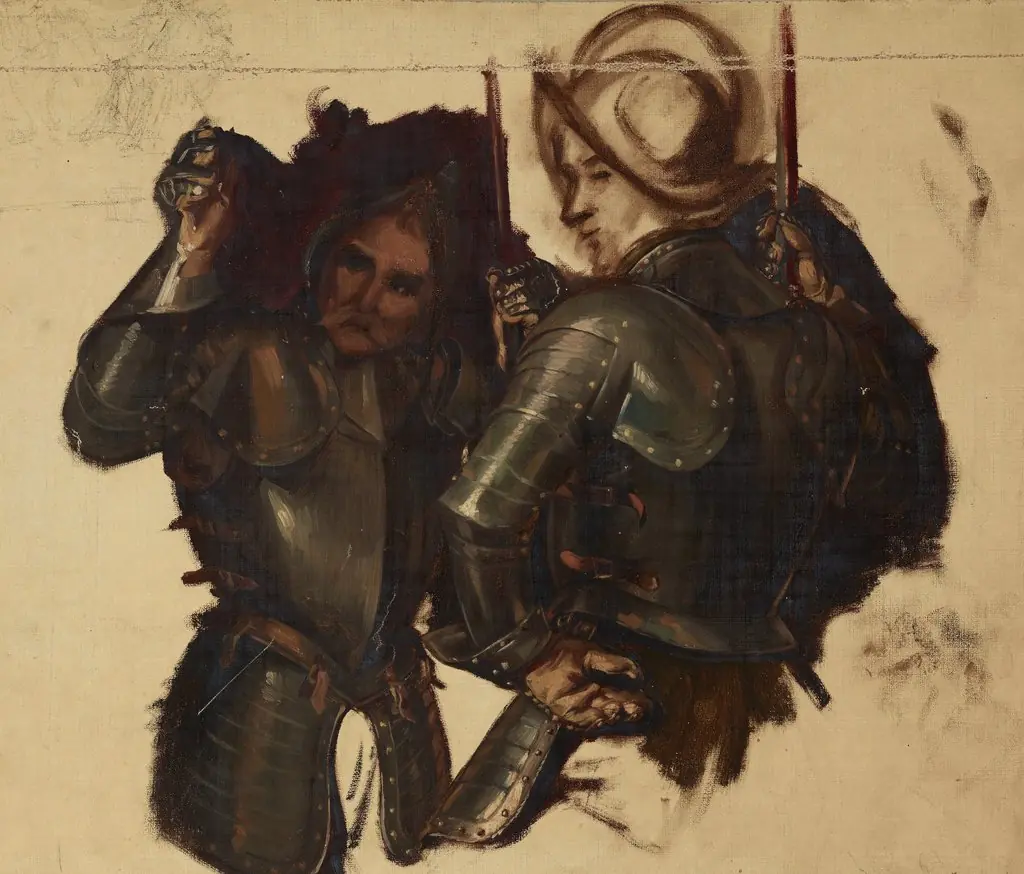 Figures of Armoured Guards. Study to the Painting "Catherine Jagiellon in Gripsholm Prison"
 Studiu pentru atacul de la Smârdan
 Folk scene – king among peasants
 Richard Menzel Posing in Eighteenth-Century Costume
 Bandit Taking up His Post
 Sacrifice of Melchizedek