Artwork
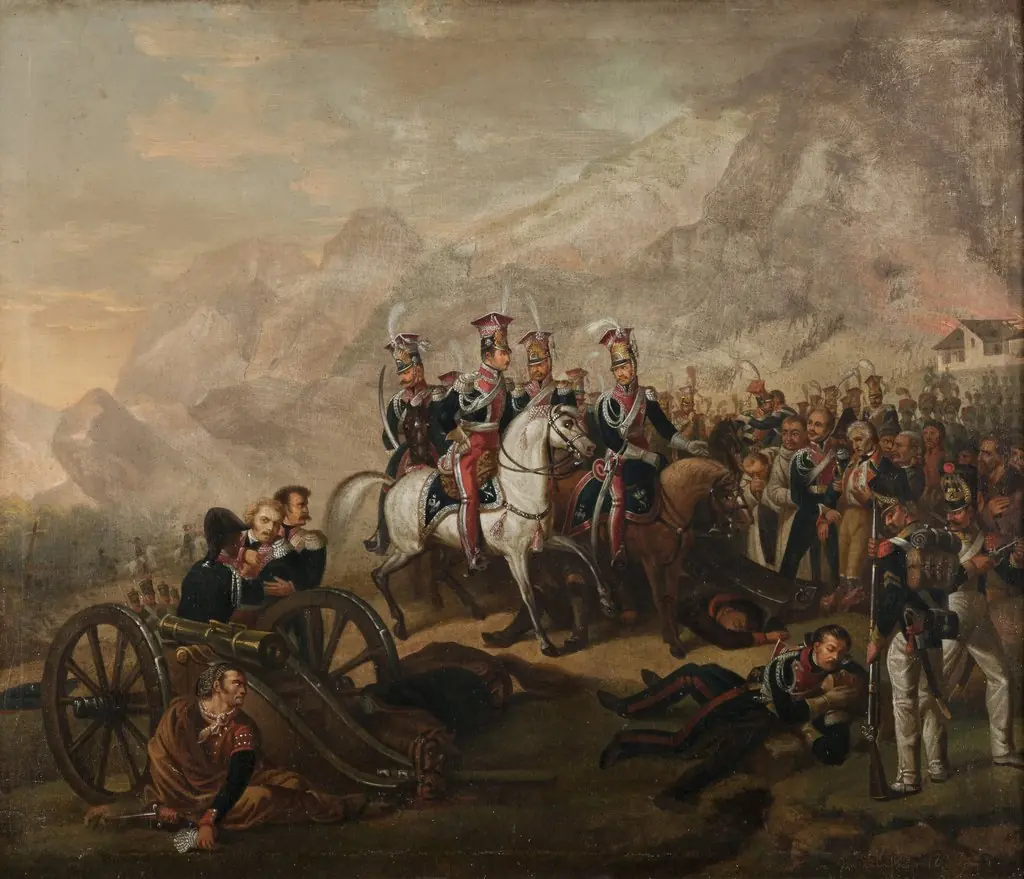
Battle scene: Wincenty Krasiński receives the report from Kozietulski after the battle of Somosierra (copy, after Horace Vernet)
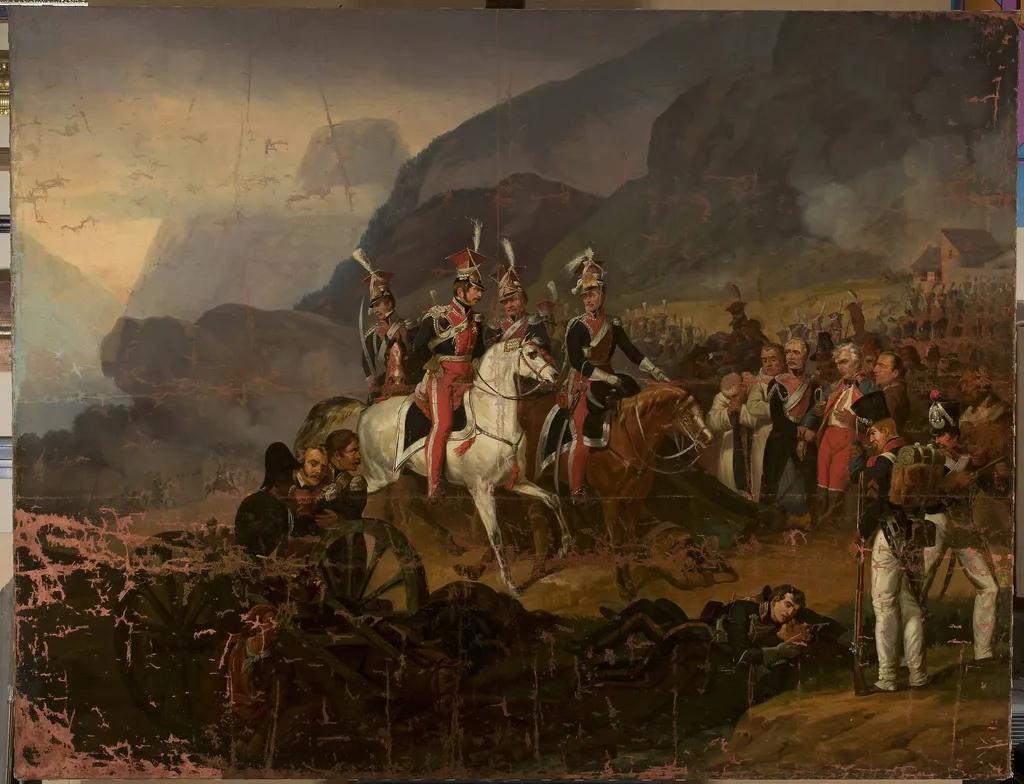
Battle scene: Wincenty Krasiński receives the report from Kozietulski after the battle of Somosierra (copy, after Horace Vernet) is an oil painting by Józef Polkowski. It dates from 1857 and is held in the collection of the National Museum in Warsaw.
About this work
Overview
Józef Polkowski’s 1857 oil on canvas, titled *Battle scene: Wincenty Krasiński receives the report from Kozietulski after the battle of Somosierra*, is part of the collection of the National Museum in Warsaw. The work is a copy after a composition by Horace Vernet and presents a moment of military communication set amid the turmoil of a historic engagement.
Subject & Meaning
The central narrative shows Polish commander Wincenty Krasiński listening to a report delivered by cavalry officer Kozietulski following the 1808 charge at Somosierra. The figures, arrayed on horseback and in uniform, convey the urgency of battlefield intelligence, while the surrounding smoke and rugged terrain underscore the chaos and stakes of the Napoleonic conflict.
Technique & Style
Polkowski employs oil paint to balance warm ochres and cool blues, creating depth between the foreground riders and the distant, smoky hills. The brushwork renders the uniforms and weaponry with precise detail, while broader strokes suggest movement in the horsemen and the billowing smoke, lending the scene a dynamic, almost cinematic quality.
History & Provenance
Executed as a faithful reproduction of Vernet’s original composition, the painting entered the National Museum’s holdings in Warsaw after its acquisition in the late 19th century. Its presence in the museum reflects the institution’s effort to document Polish military heritage through works that echo earlier French representations of the same events.
Context
The Battle of Somosierra, a decisive cavalry action during the Peninsular War, was celebrated in 19th‑century European art for its dramatic charge. Polkowski’s version, created half a century later, aligns with a Polish tradition of commemorating national heroes and illustrates how French visual narratives were adapted for local audiences.
Artist & collection

 Somosierra
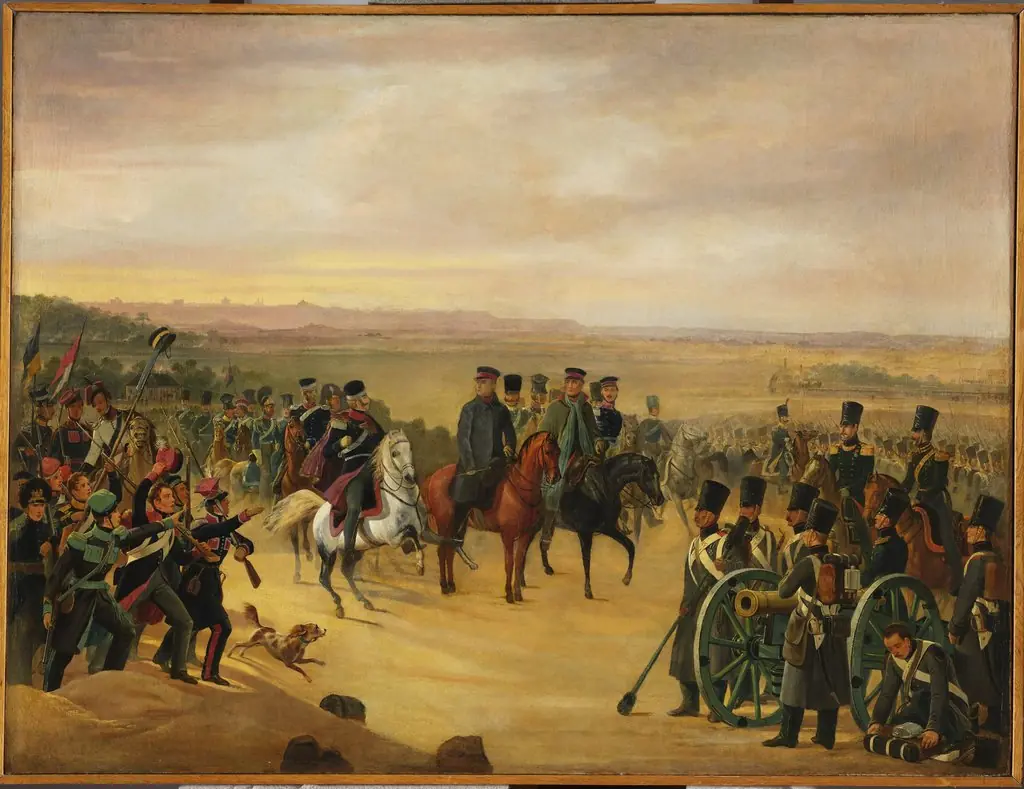 General Józef Chłopicki and Skrzynecki among soldiers
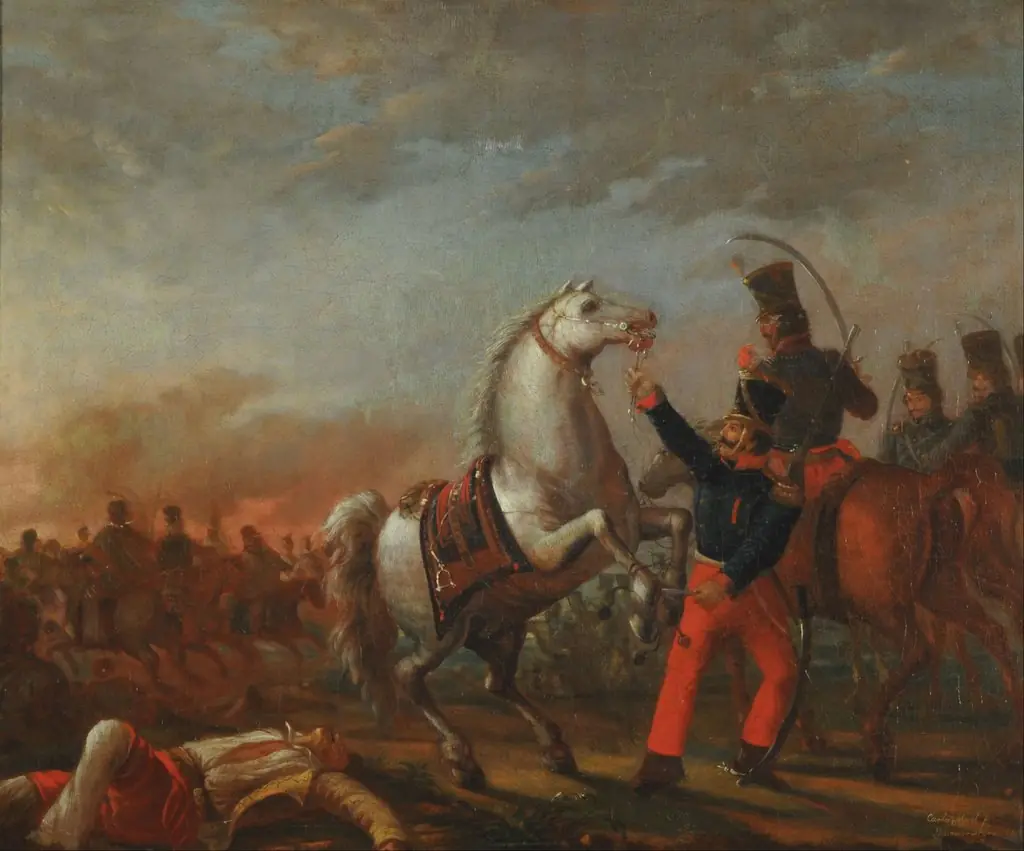 Carga de caballería - Serie Usos y Costumbres de Buenos Aires
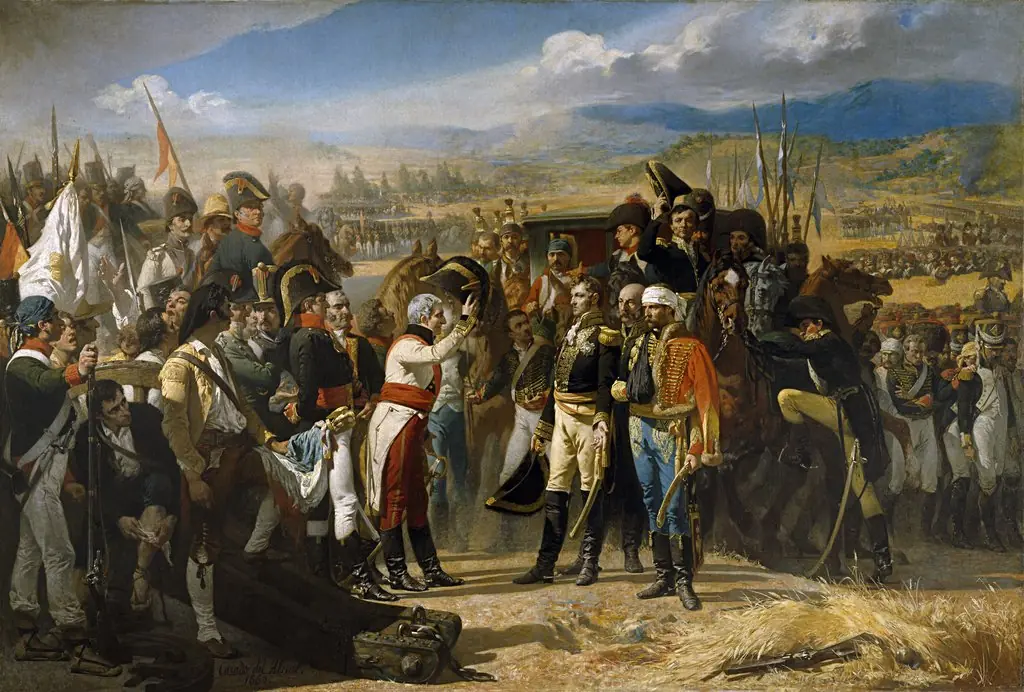 The Surrender of Bailén
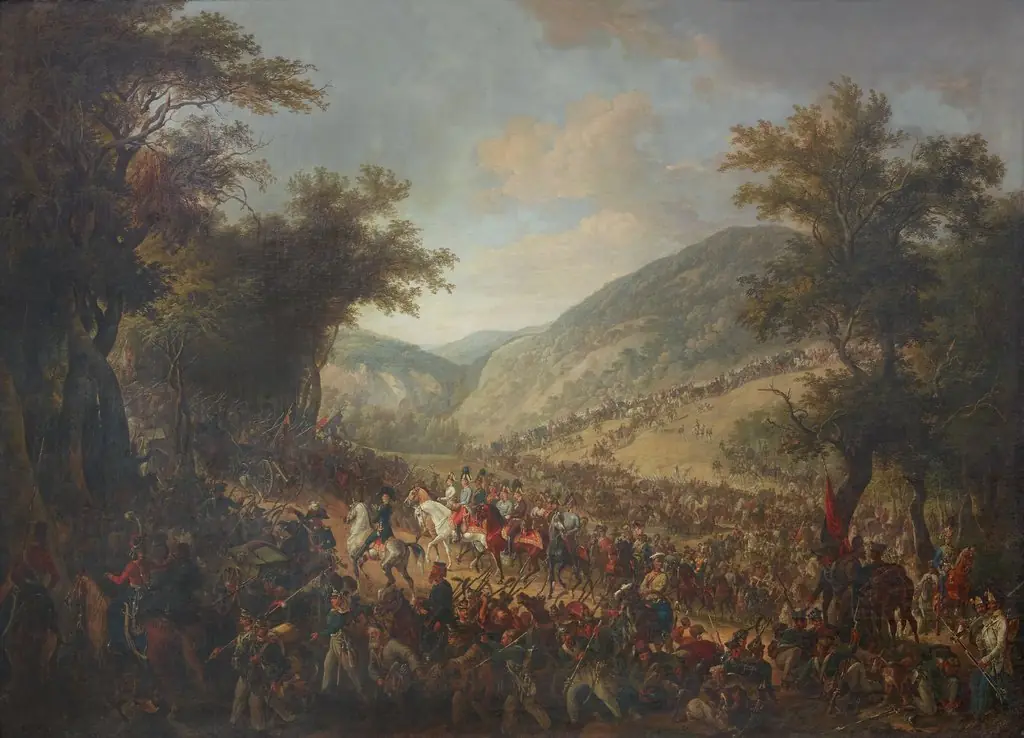 Die verbündeten Heere, Kaiser Franz I. (II.) von Österreich mit dem Kronprinzen Ferdinand an der Spitze, überschreiten im Juli 1815 die Vogesen
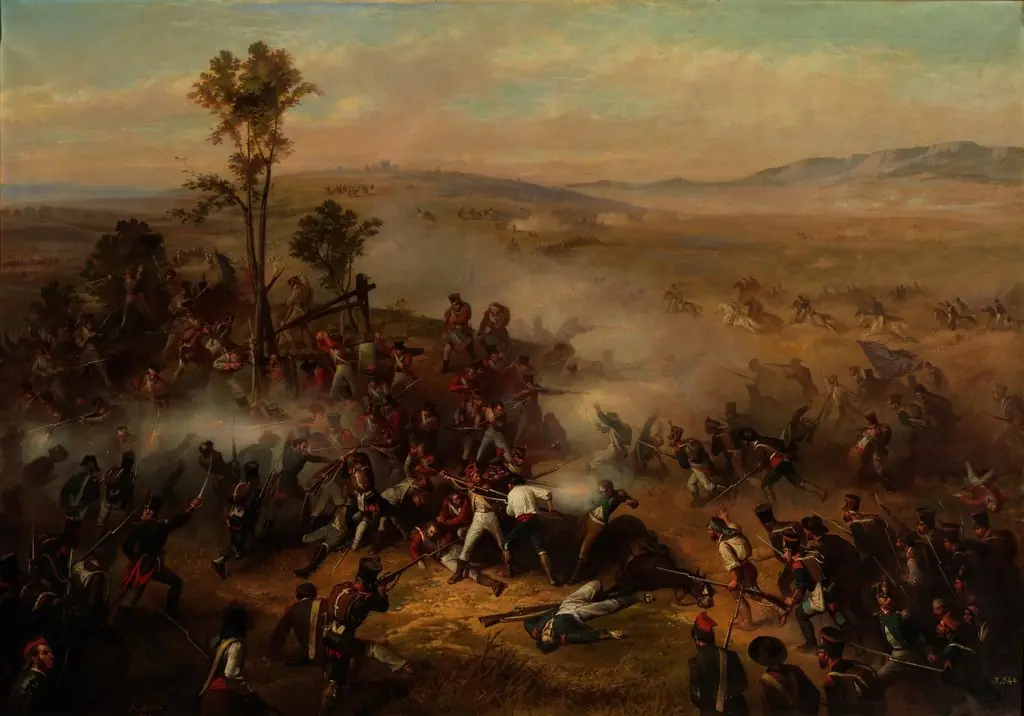 Episodio de la batalla de Bailén
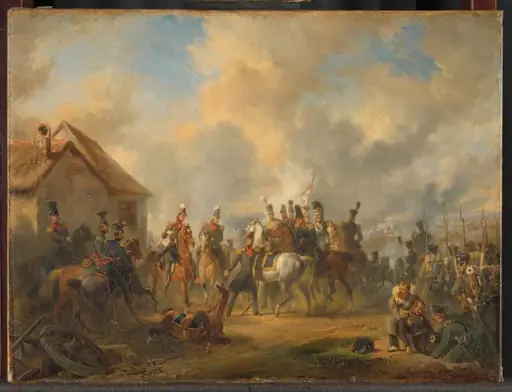 De Slag bij Bautersem, gedurende de Tiendaagse Veldtocht
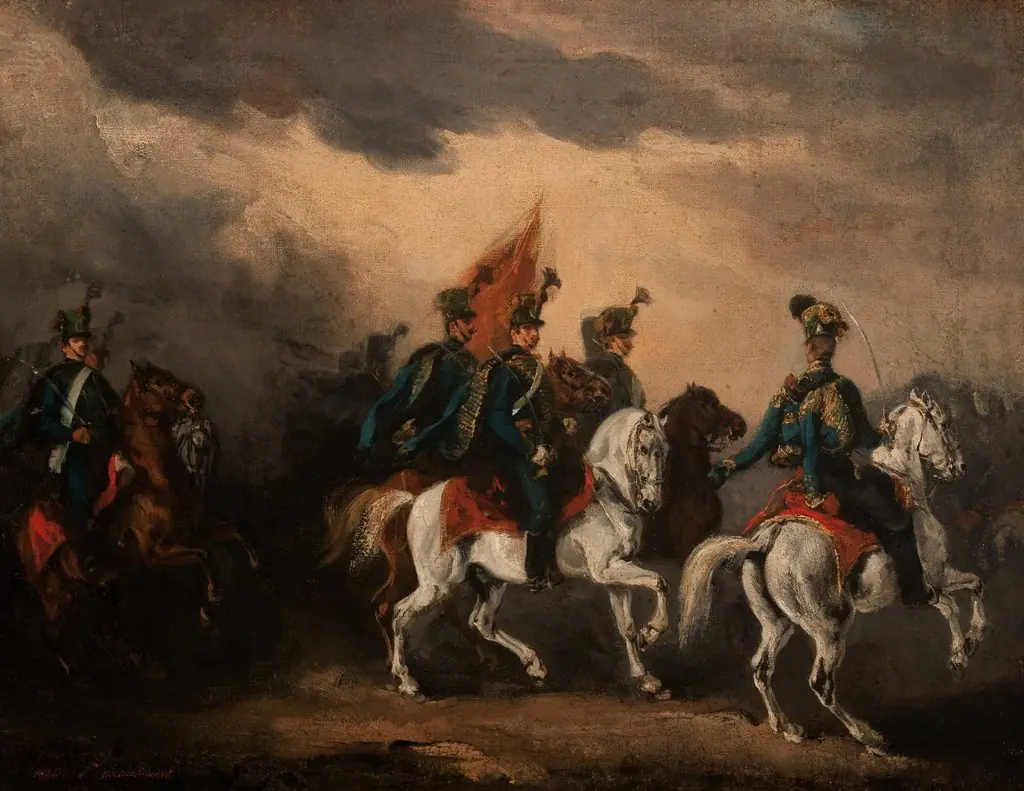 Blue Hussars
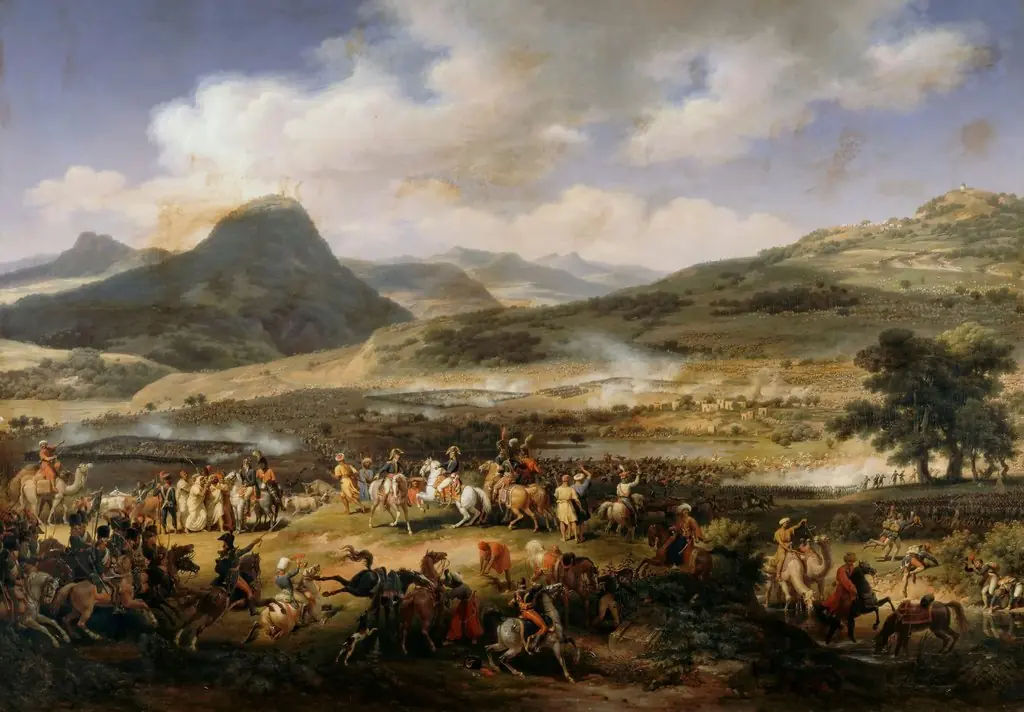 The Battle of Mount Tabor
 La Batalla de Almansa