Artwork
The Surrender of Bailén
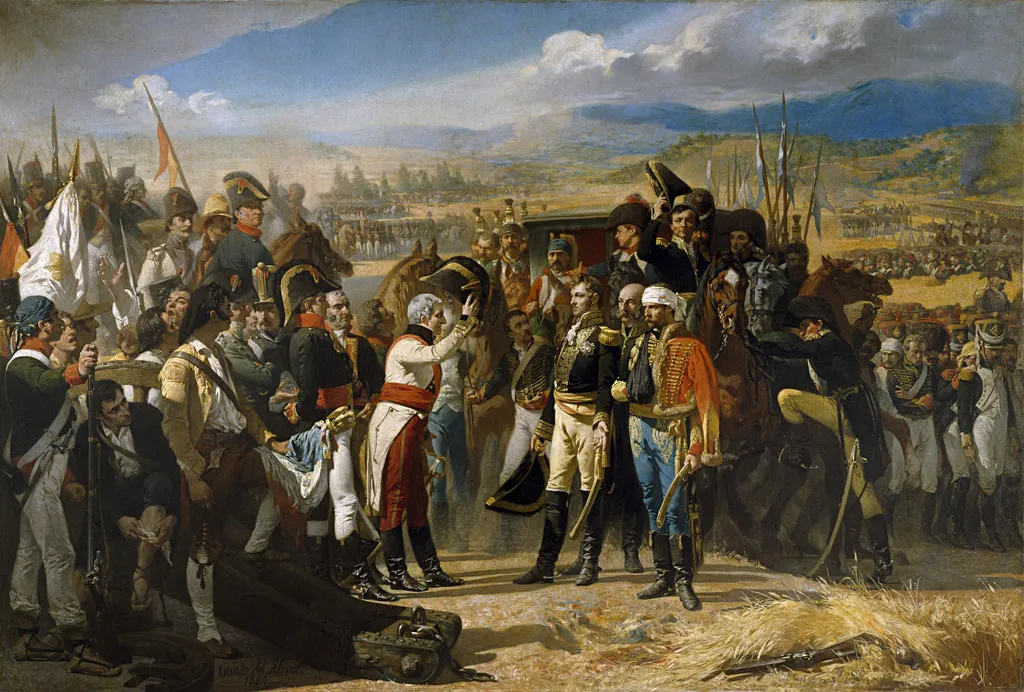
The Surrender of Bailén is an oil painting by José Casado del Alisal. It dates from 1864 and is held in the collection of the Museo del Prado.
About this work
This painting tells the story of a big moment in Spain’s fight against France. Spanish troops forced French forces to give up after a battle in 1808.
The victory at Bailén became a proud symbol for Spain. People still remember it as a turning point when regular citizens stood up to a powerful army.
Check out more works by José Casado del Alisal.
Overview
The scene captures a pivotal moment in the Peninsular War, when Napoleon’s attempt to install his brother as king of Spain triggered widespread rebellion.
Painted in 1864 by Spanish artist José Casado del Alisal, The Surrender of Bailén is an oil-on-canvas historical work depicting the capitulation of French forces to Spanish troops in July 1808. The scene captures a pivotal moment in the Peninsular War, when Napoleon’s attempt to install his brother as king of Spain triggered widespread rebellion. The painting serves as a visual record of a military defeat that resonated far beyond the battlefield.
Subject & Meaning
The painting portrays French General Pierre Dupont and his officers surrendering to Spanish commanders after their defeat at Bailén. The moment symbolizes the unexpected strength of Spanish resistance against a dominant imperial power. It reflects national pride in civilian-led uprisings and the collapse of French invincibility, reinforcing the idea that local determination could challenge established military hierarchies.
Technique & Style
Casado del Alisal employs a formal, theatrical composition typical of 19th-century academic history painting. Figures are arranged with clear hierarchy, lighting emphasizes key participants, and detailed uniforms convey historical accuracy. The palette is restrained, favoring earth tones and muted military hues, enhancing the gravity of the scene without overt dramatization.
History & Provenance
Commissioned by the Spanish state, the painting was completed in 1864 and later entered the collection of the Museo del Prado in Madrid. Its creation coincided with a period of renewed national reflection in Spain, following decades of political instability. The work was intended to reinforce collective memory of the Peninsular War as a foundational moment of Spanish identity.
Context
The Battle of Bailén occurred during the early phase of the Peninsular War, when Spanish militias and regular troops united against French occupation. It was the first major defeat of a Napoleonic army in open battle, inspiring resistance across Europe. The event was widely publicized and later mythologized in Spanish culture as a triumph of popular will over foreign domination.
Legacy
The Surrender of Bailén remains a key reference in Spanish historical art, frequently cited in discussions of 19th-century national identity. While its immediate political impact faded with time, the painting continues to be studied for its representation of military surrender and civic resistance. It anchors the visual narrative of Spain’s struggle during the Napoleonic era in public memory.
Own this work as a print
Artist & collection

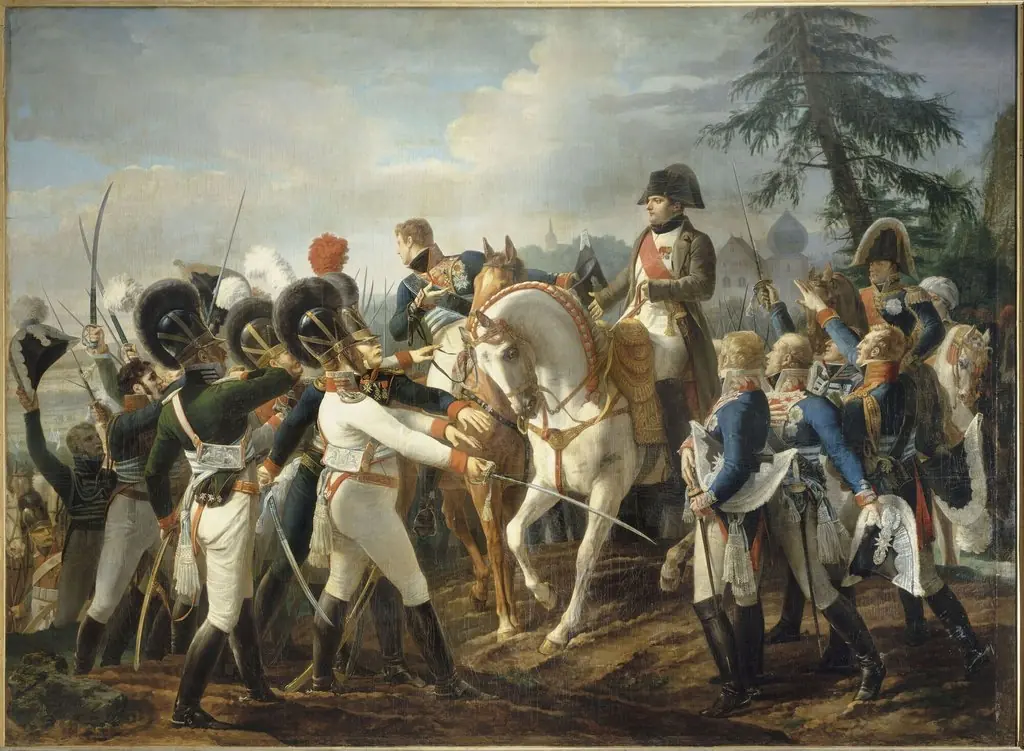 Napoléon harangue les troupes bavaroises et wurtembourgeoises à Abensberg, 20 avril 1809
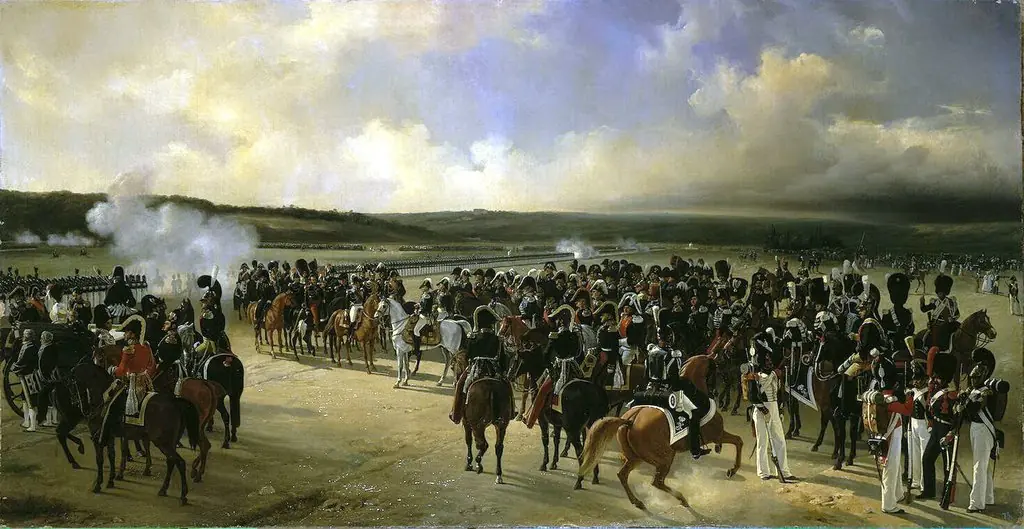 Review of the French Guards in the Presence of Charles X
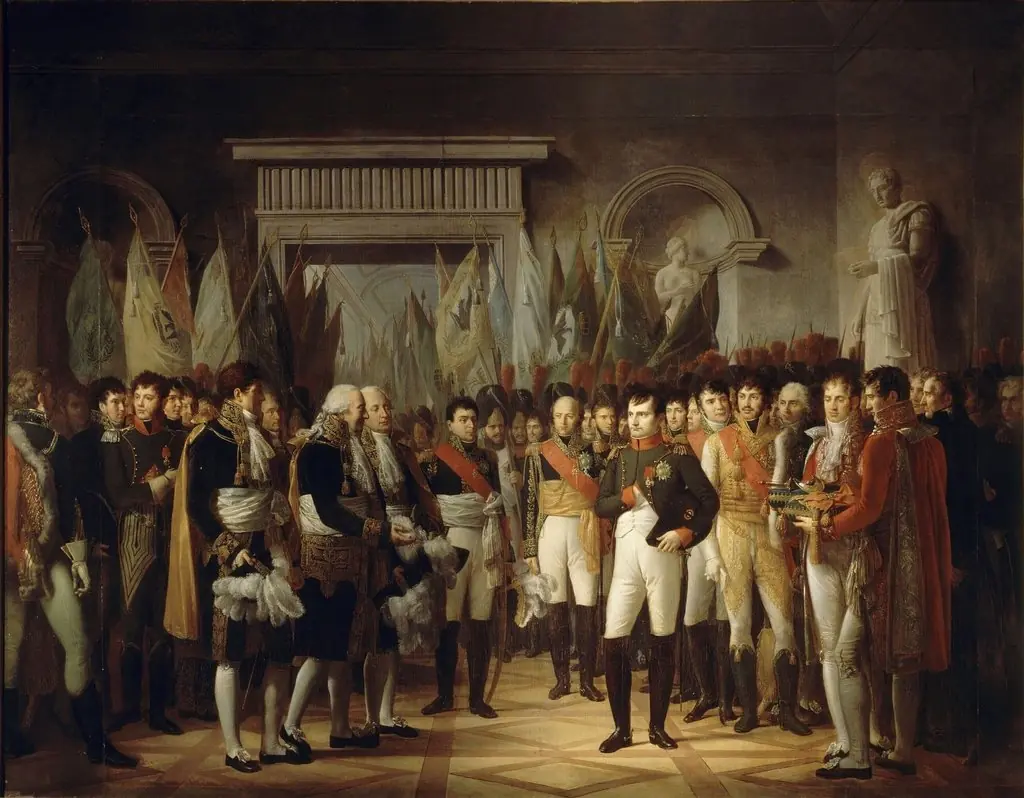 The Emperor receiving the deputies of the Conservative Senate in Berlin at the royal palace, 19 November 1806
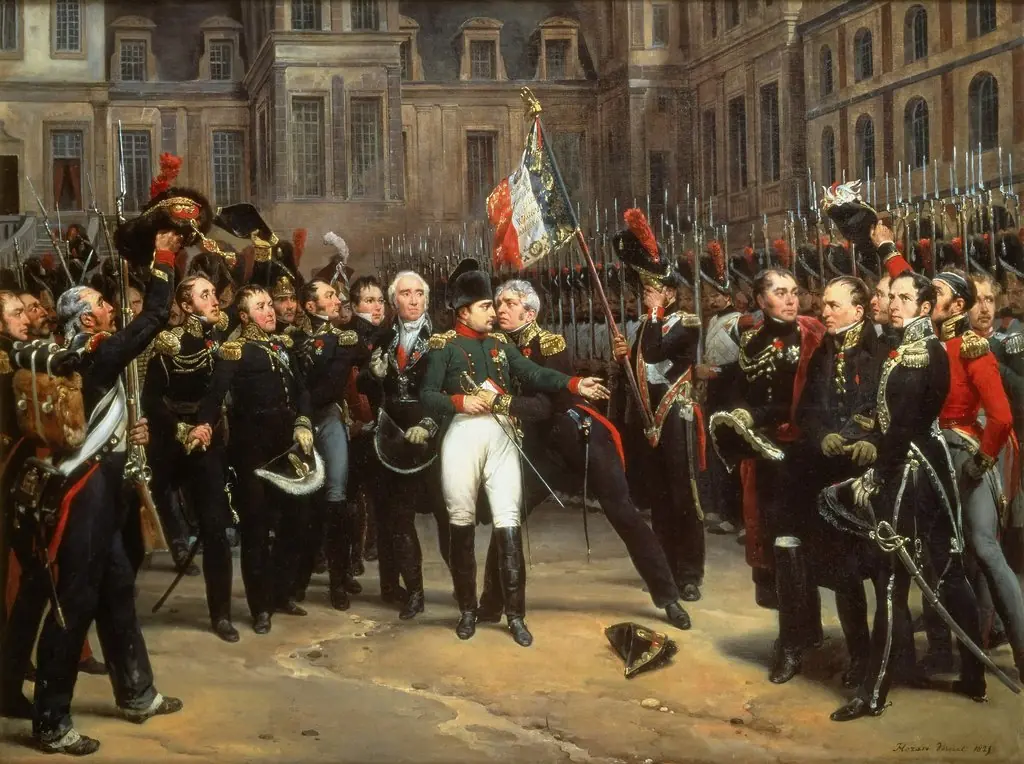 Napoleon bids farewell to his Guard at Fontainebleau on 20 April 1814
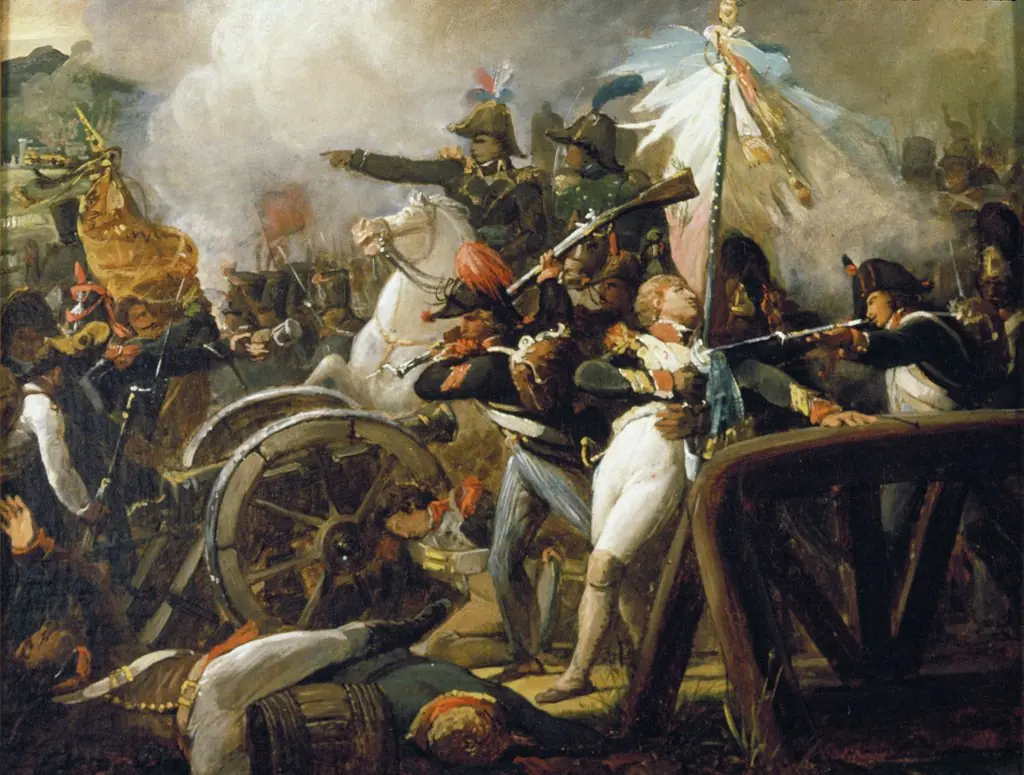 Battle on a Bridge
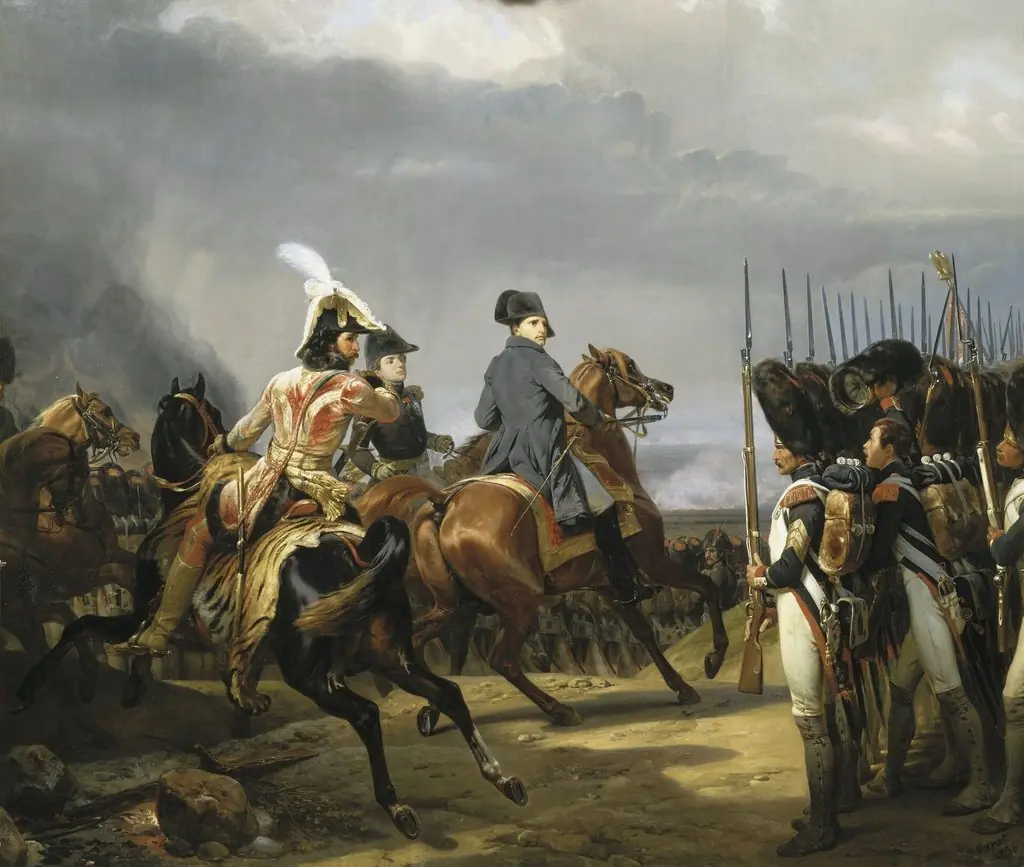 The battle of Jena, October 14, 1806
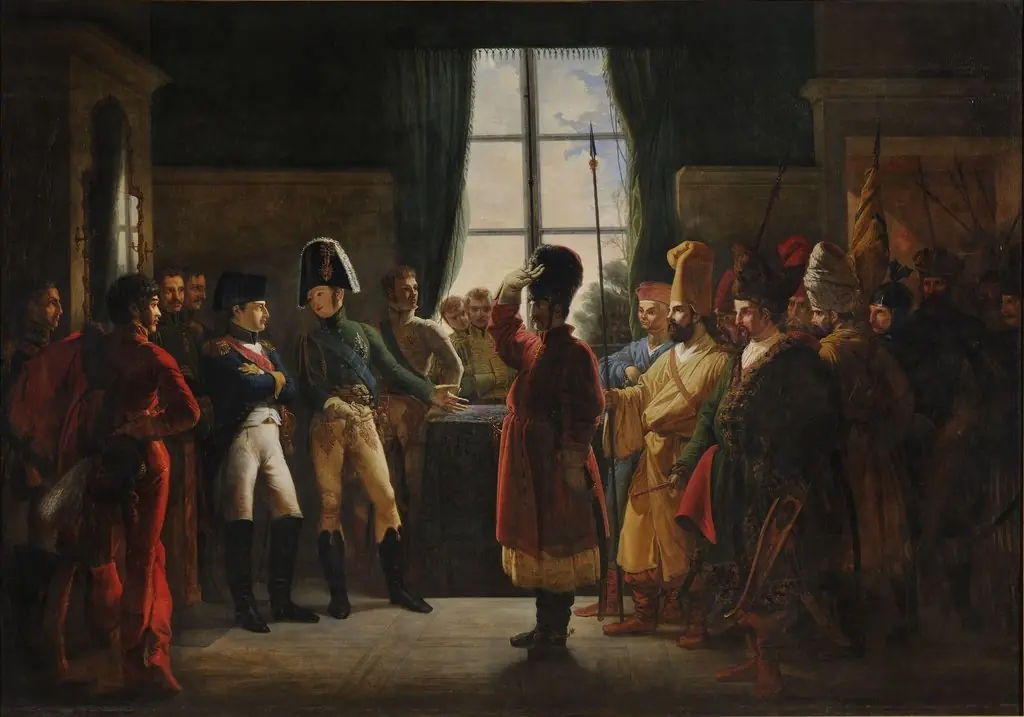 Alexander I presents to Napoleon I the Kalmyks, Cossacks and Baskirs of the Russian army, July 9, 1807
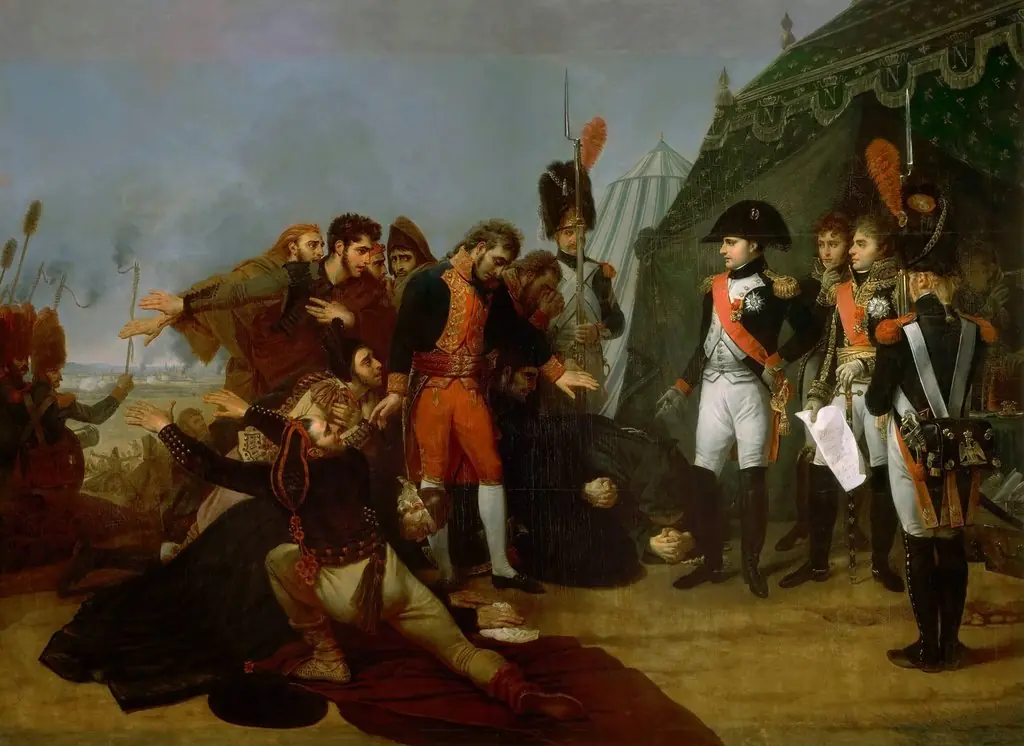 Napoleon accepts the surrender of Madrid, 4 December 1808
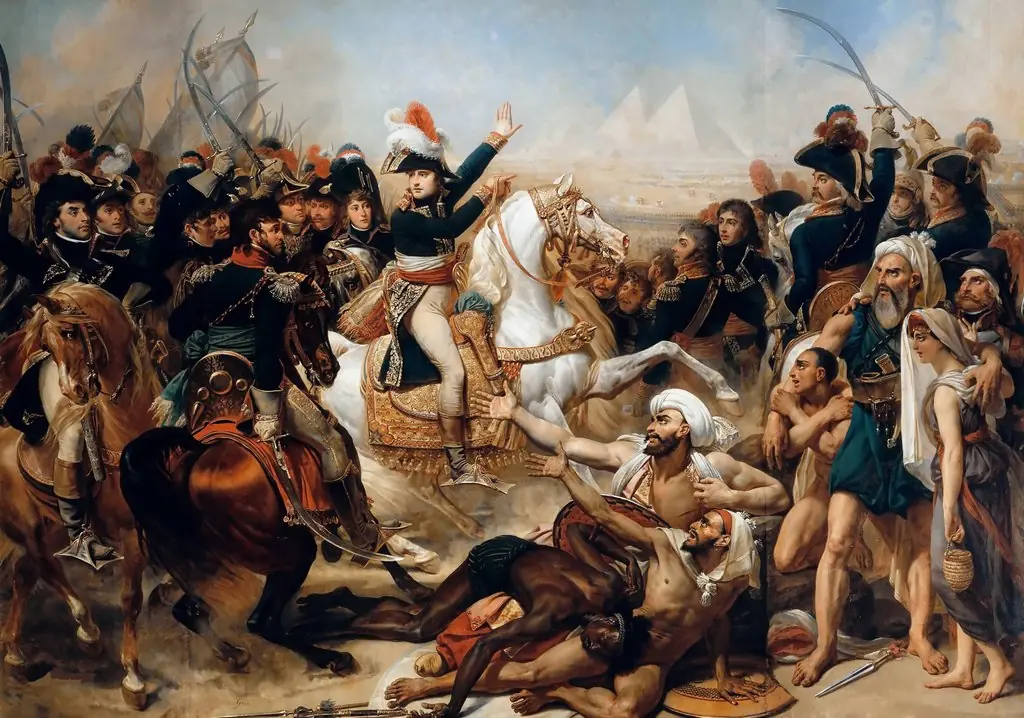 The Battle of the Pyramids
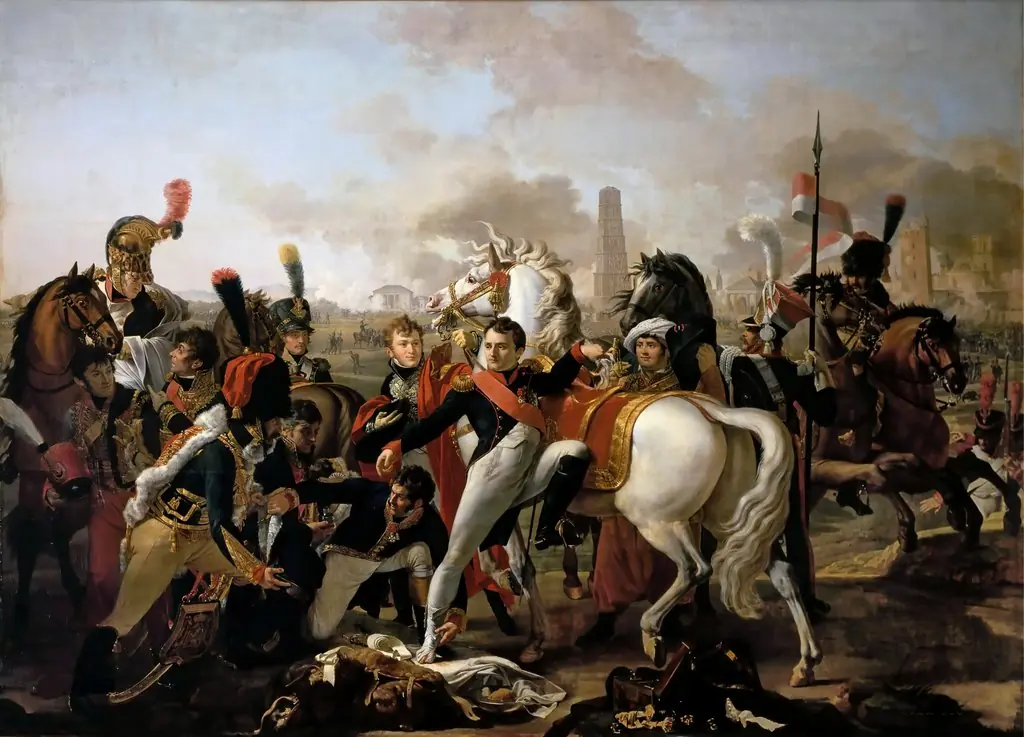 Napoleon dismounting with an injured foot at Regensburg, aided by the Surgeon, Yvan, April 23, 1809
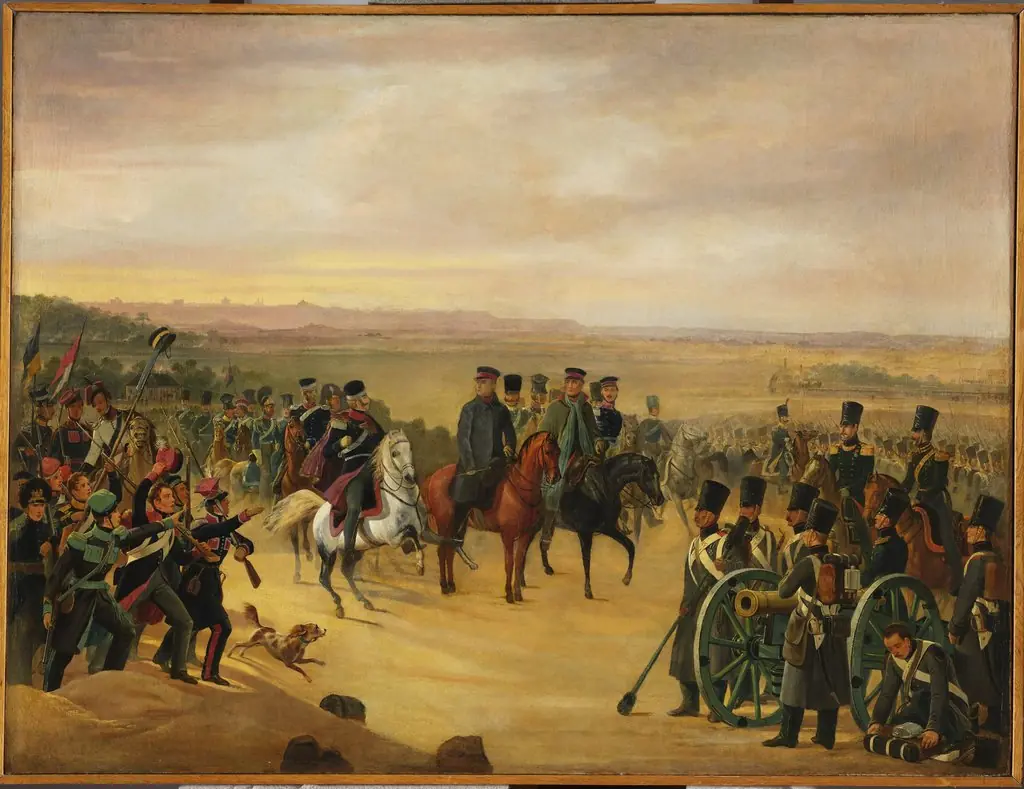 General Józef Chłopicki and Skrzynecki among soldiers
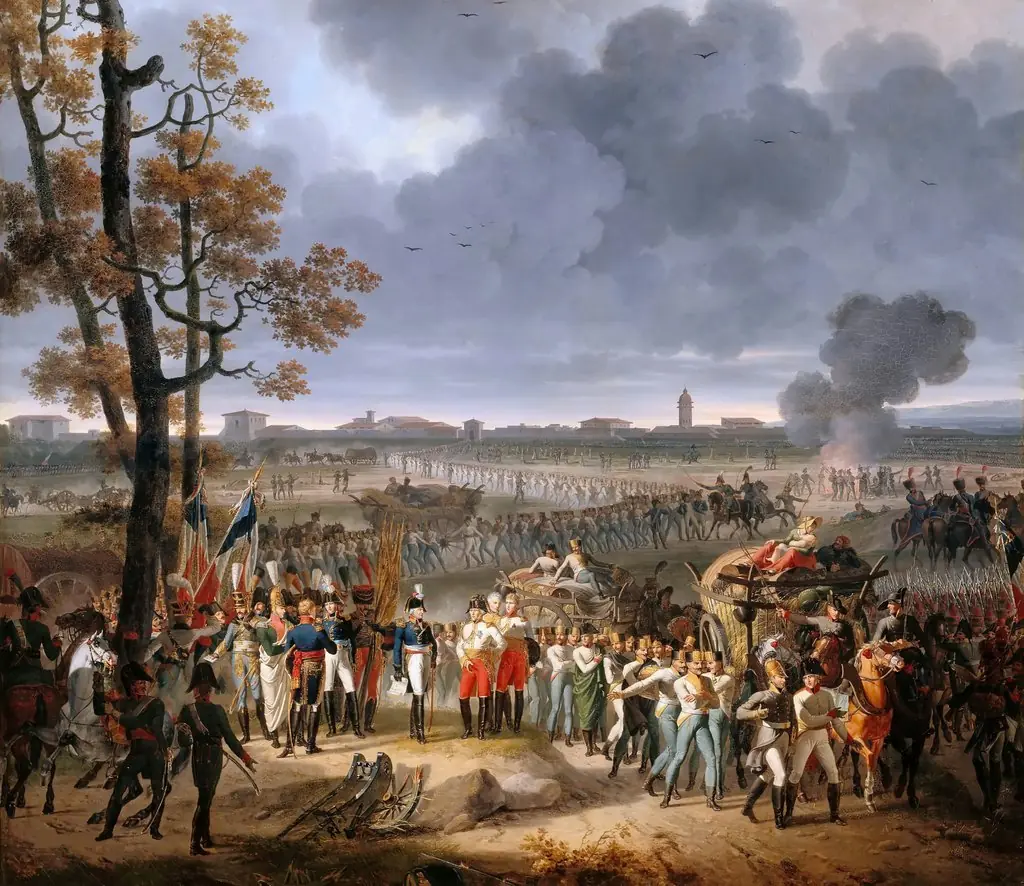 Surrender of Mantua, February 2, 1797