Artwork
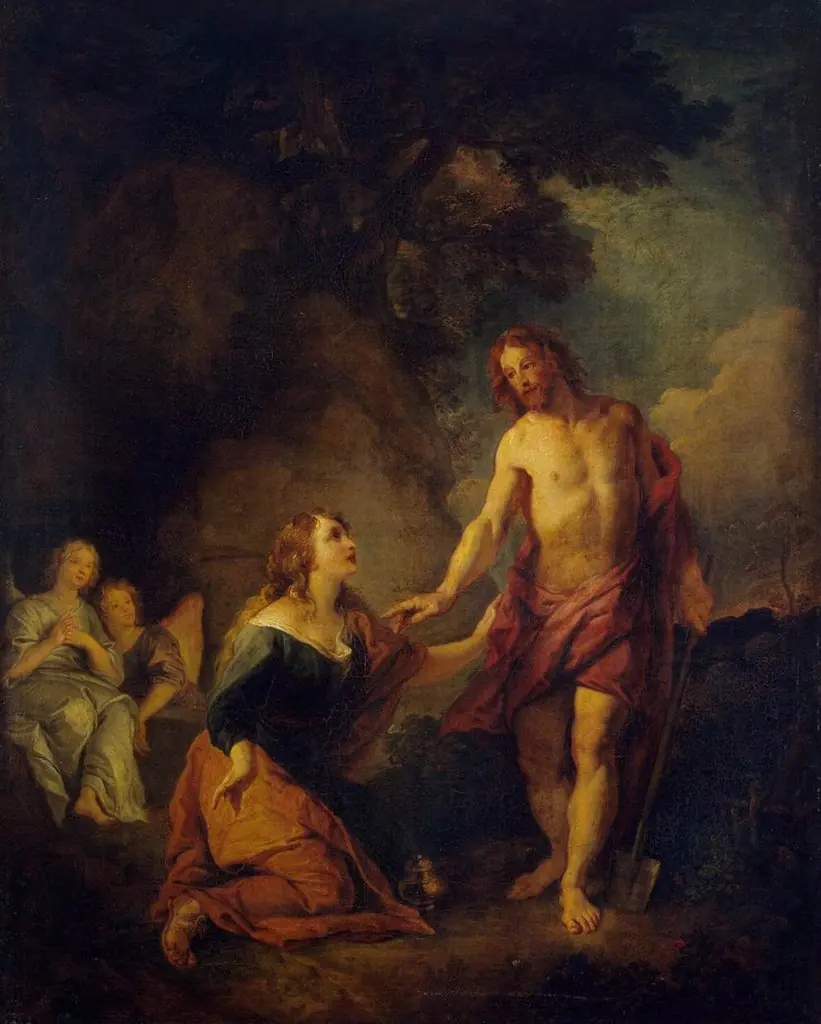
Christ appears as a gardener to the three Marys
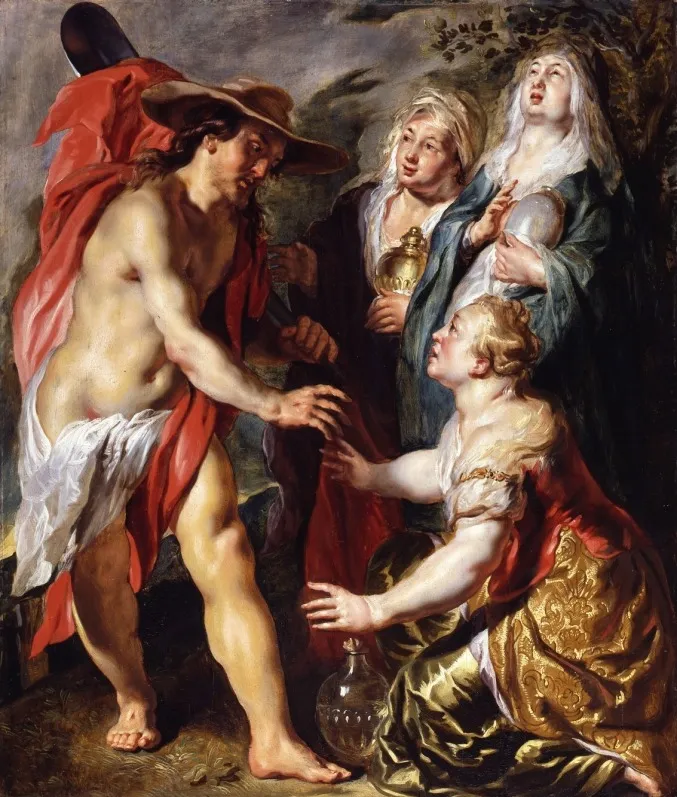
Christ appears as a gardener to the three Marys is a paint painting by the Flemish Baroque painting artist Jacob Jordaens. It dates from 1611 and is held in the collection of the Gemäldegalerie Berlin.
About this work
Overview
It captures a moment from the Gospel narrative in which the risen Christ is recognized by three women at his tomb.
Painted in 1611 by Jacob Jordaens, this work belongs to the early phase of Flemish Baroque art. It captures a moment from the Gospel narrative in which the risen Christ is recognized by three women at his tomb. Executed in oil on panel, the painting reflects Jordaens’ early style before he became the dominant figure in Antwerp following the departures of Rubens and van Dyck. It is now part of the Gemäldegalerie Berlin’s collection.
Subject & Meaning
The scene depicts Christ, disguised as a gardener, revealing himself to Mary Magdalene, Mary the mother of James, and the Virgin Mary. Their kneeling postures and raised hands convey recognition and reverence, while Christ’s calm gesture suggests quiet revelation. The moment alludes to John 20:15, where Christ’s identity is initially obscured, emphasizing spiritual perception over physical sight. The composition centers on emotional revelation rather than dramatic spectacle.
Technique & Style
Jordaens employs chiaroscuro to model the figures with strong contrasts between light and shadow, enhancing their three-dimensionality. The dark, indistinct background isolates the group, directing focus to their gestures and expressions. Robes are rendered with soft folds and muted tones, while Christ’s red cloak provides a subtle focal point. The brushwork is precise yet unembellished, reflecting a restrained Baroque sensibility grounded in naturalism.
History & Provenance
Commissioned during Jordaens’ formative years, the painting entered the Berlin collection in the 19th century as part of the Prussian royal holdings. It was likely acquired through the broader European redistribution of religious art following the Reformation and Napoleonic seizures. No significant alterations or restorations are documented, preserving its original tonal balance and compositional clarity.
Context
In early 17th-century Antwerp, religious imagery remained central to artistic production despite rising secular interests. Jordaens, working in the shadow of Rubens, developed a more grounded, human-centered approach to biblical scenes. This painting reflects the Counter-Reformation emphasis on personal devotion and emotional engagement with sacred narratives, aligning with contemporary devotional practices in the Southern Netherlands.
Legacy
Though less celebrated than Jordaens’ later works, this painting illustrates his early mastery of narrative clarity and psychological nuance. It stands as a quiet example of how Flemish artists adapted biblical themes to emphasize intimate human moments. Its preservation in Berlin allows continued study of Jordaens’ development before his full emergence as a leading regional painter.
Artist & collection
Artist
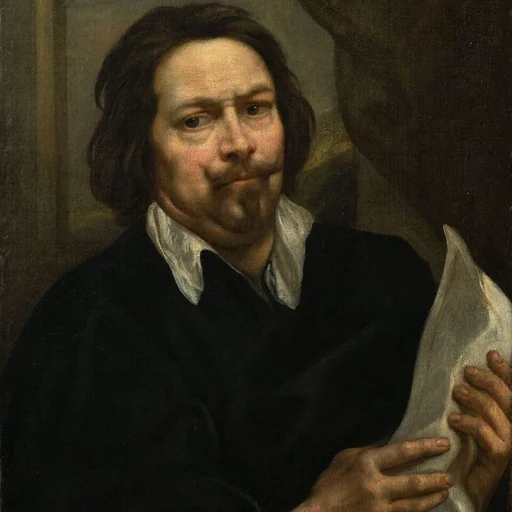
Jacques (Jacob) Jordaens (19 May 1593 – 18 October 1678) was a Flemish painter, draughtsman and a designer of tapestries and prints.

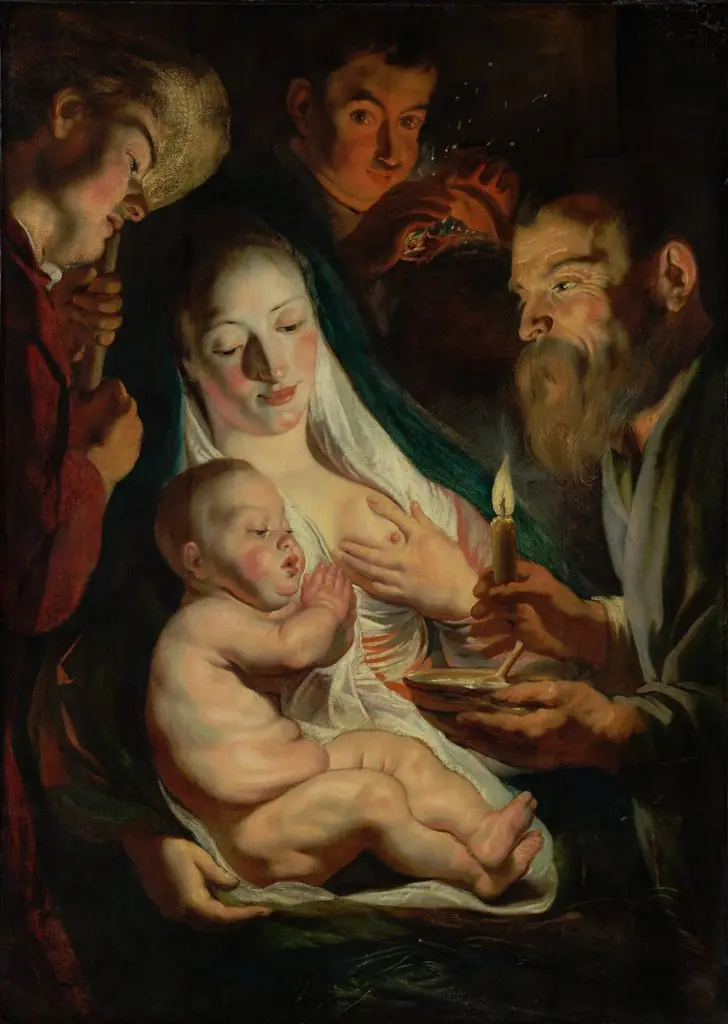 The Holy Family with Shepherds
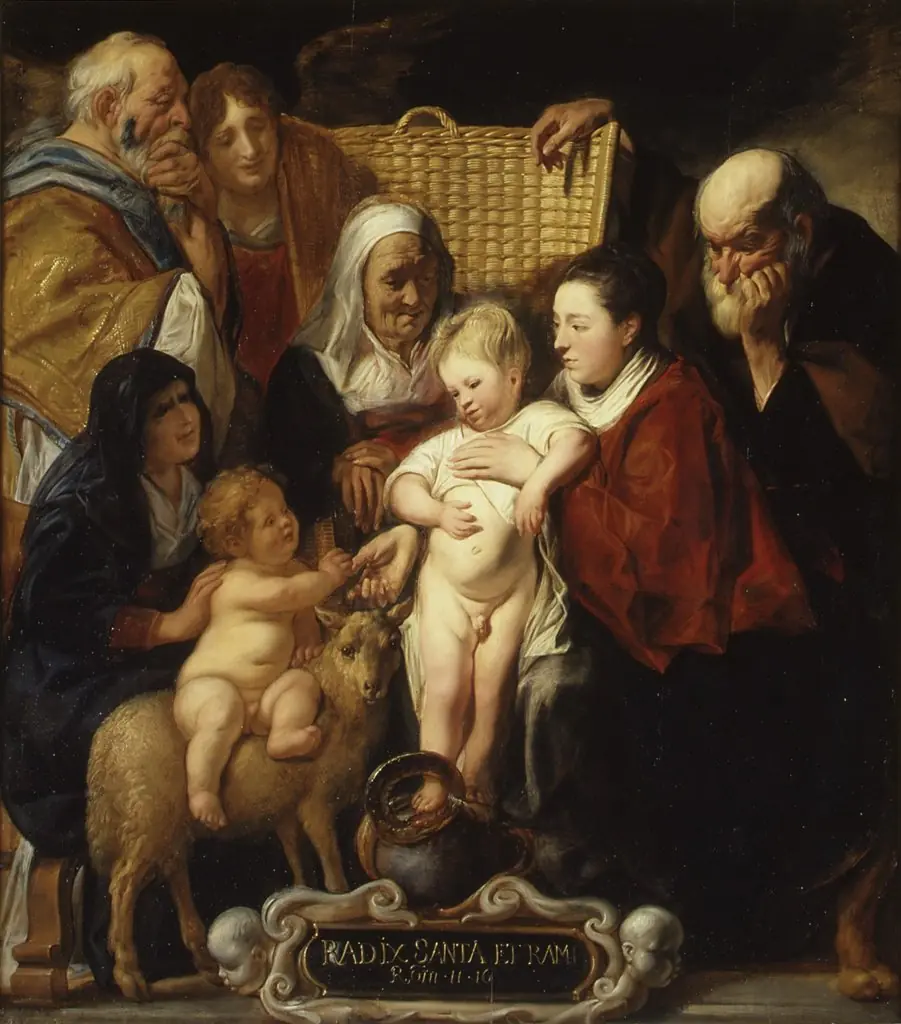 The Holy Family with Saint Anne and the Young Baptist and His Parents
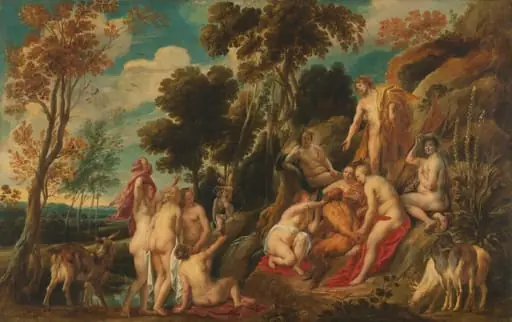 Untitled
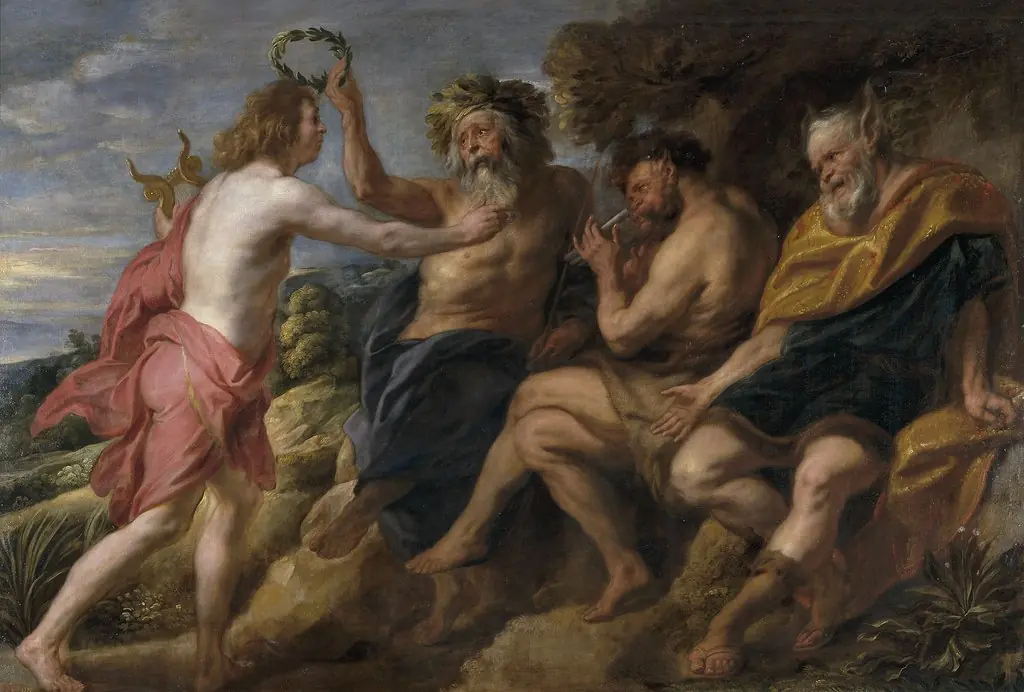 Apollo as Victor over Pan
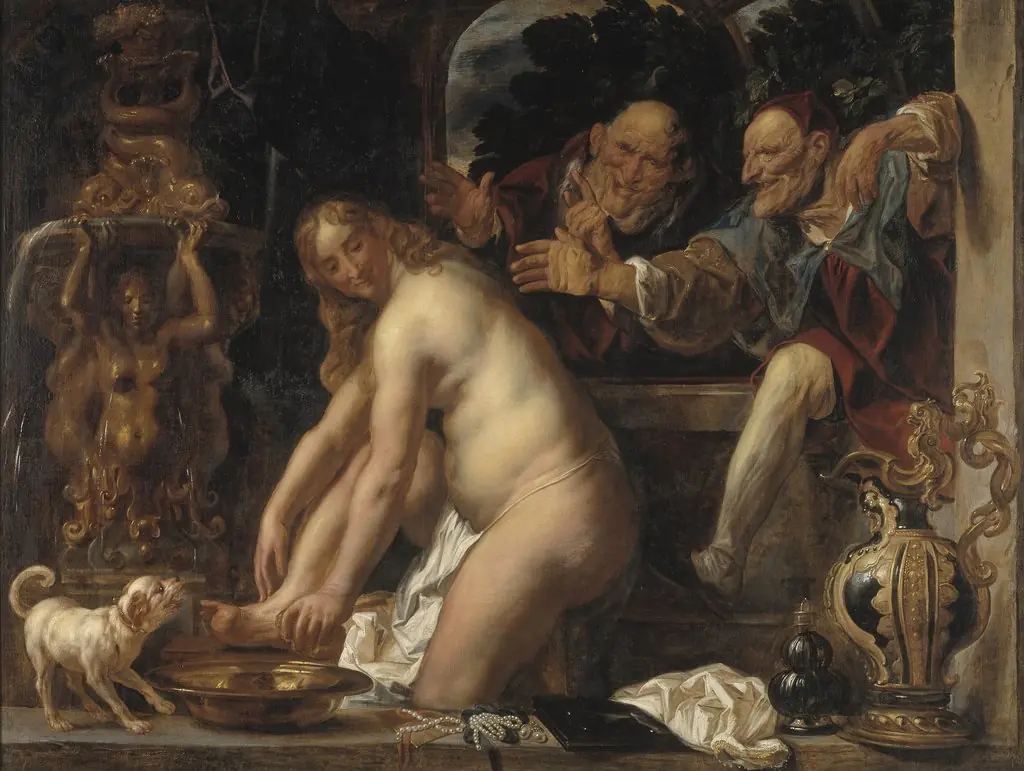 Susanna and the Elders
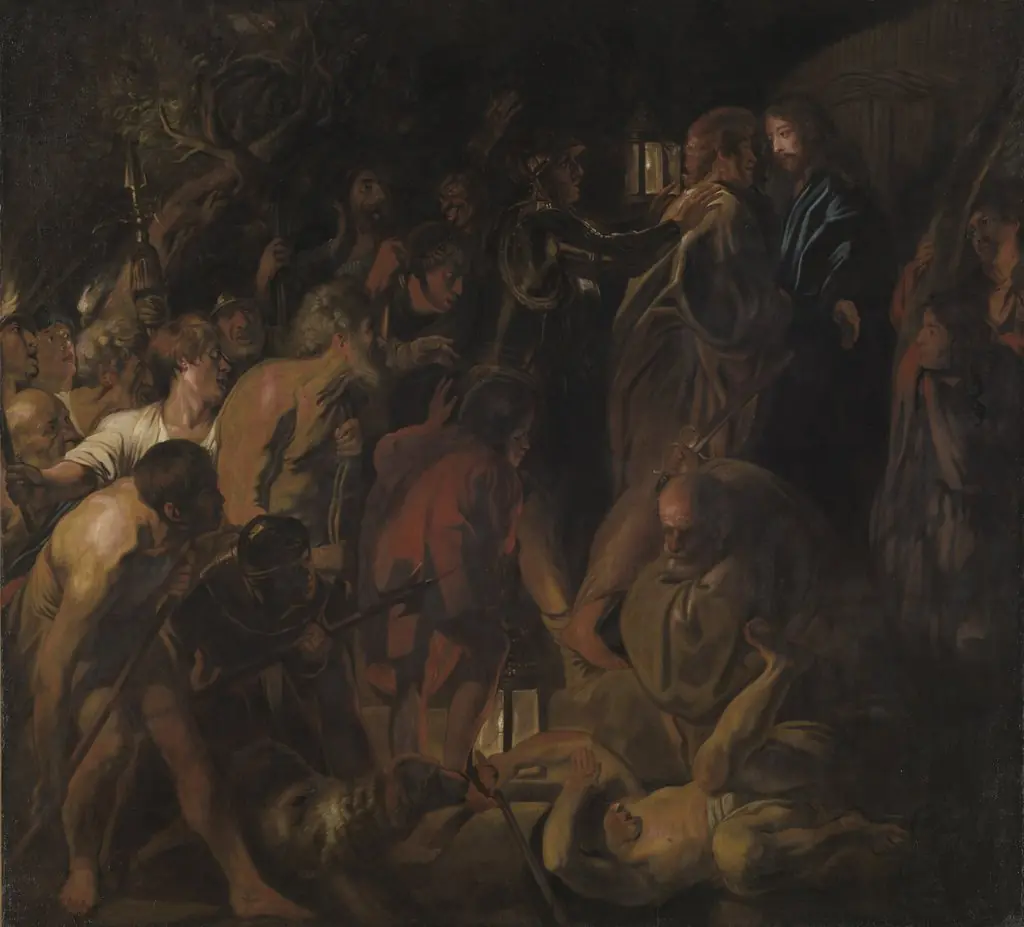 The Betrayal of Christ
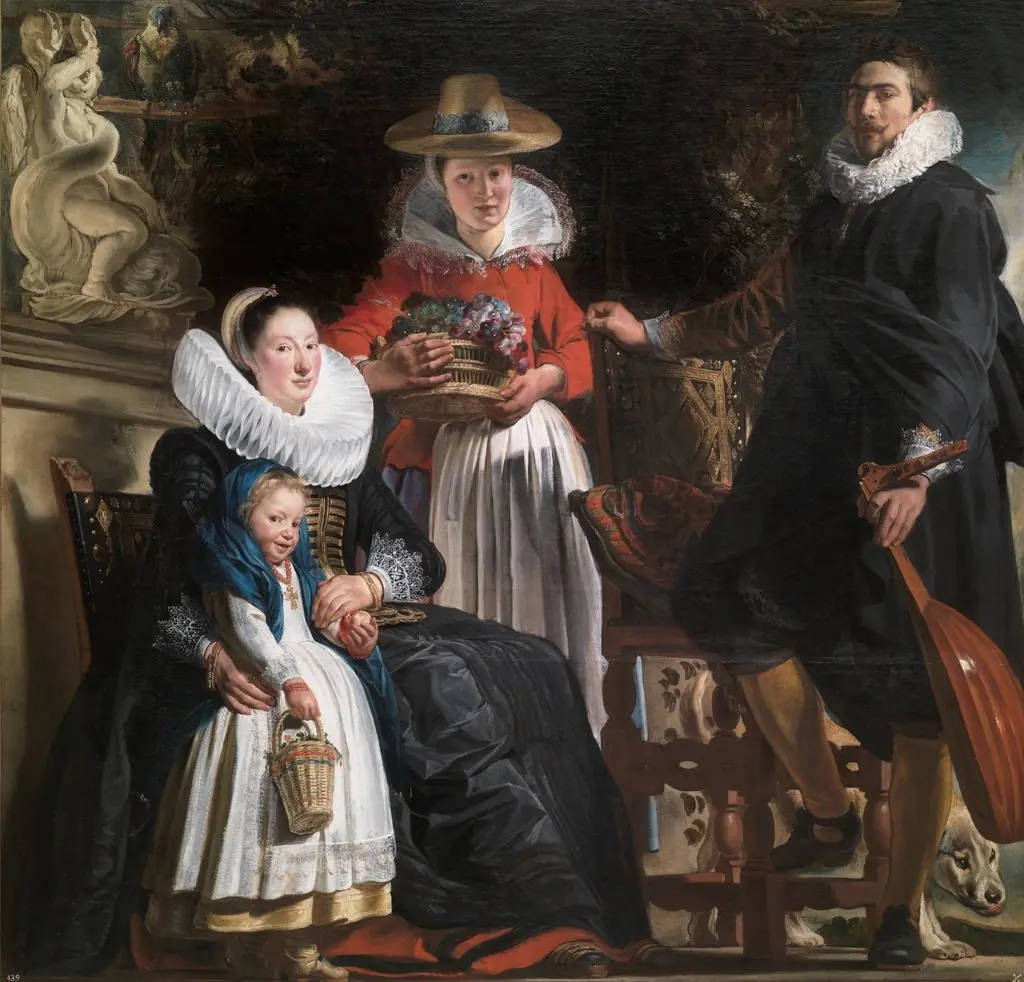 Portrait of the artist with his family
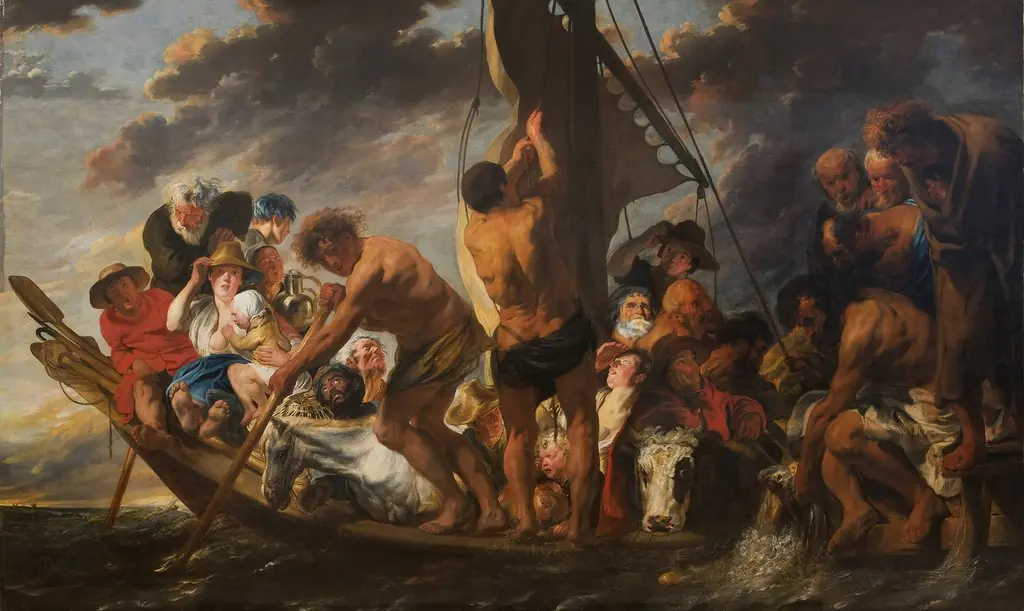 The Tribute Money. Peter Finding the Silver Coin in the Mouth of the Fish. Also called "The Ferry Boat to Antwerp"
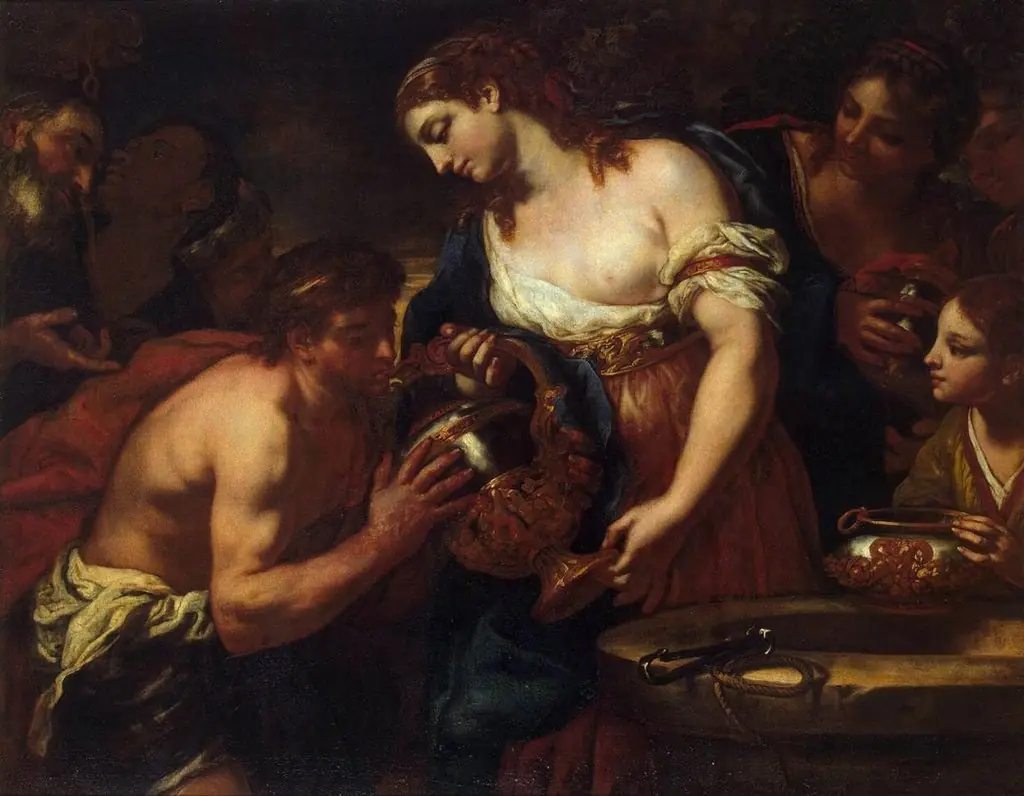 Eleazar and Rebekah at the Well
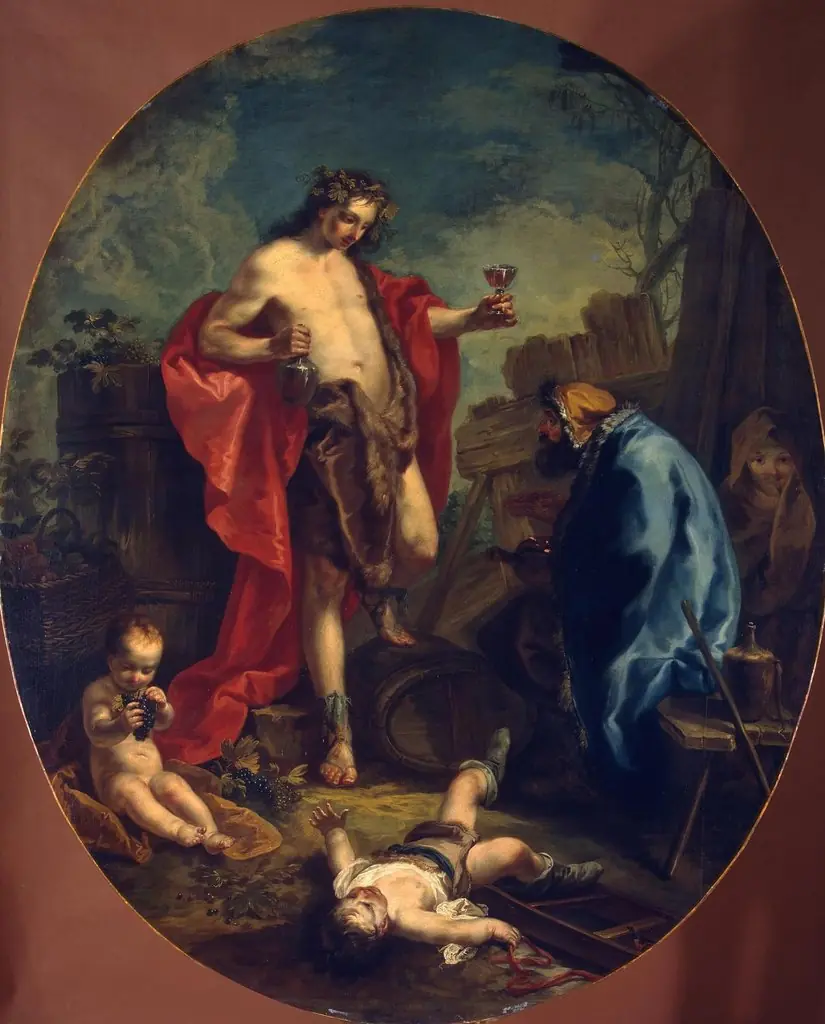 Autumn and Winter
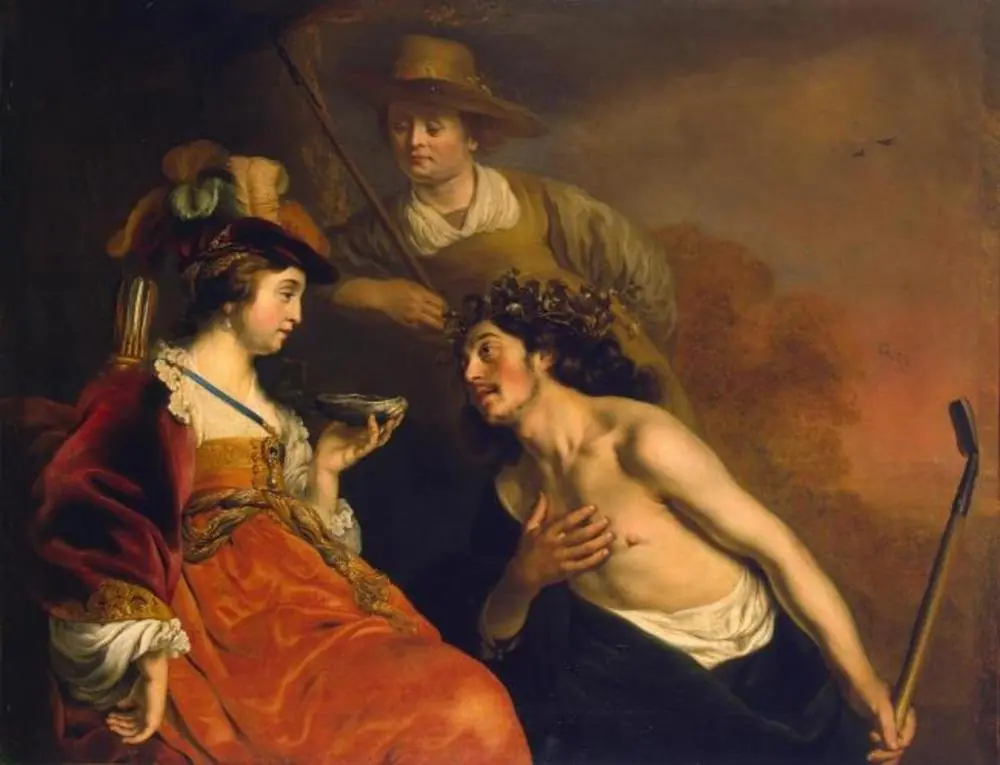 Granida and Daifilo
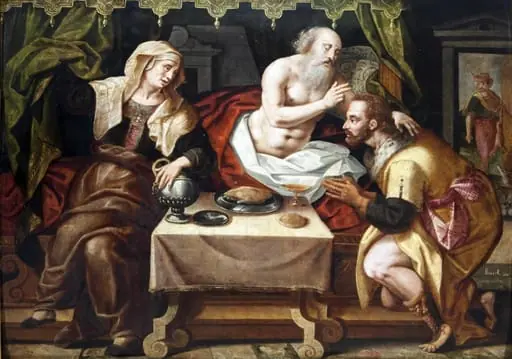 Binecuvântarea lui Iacob
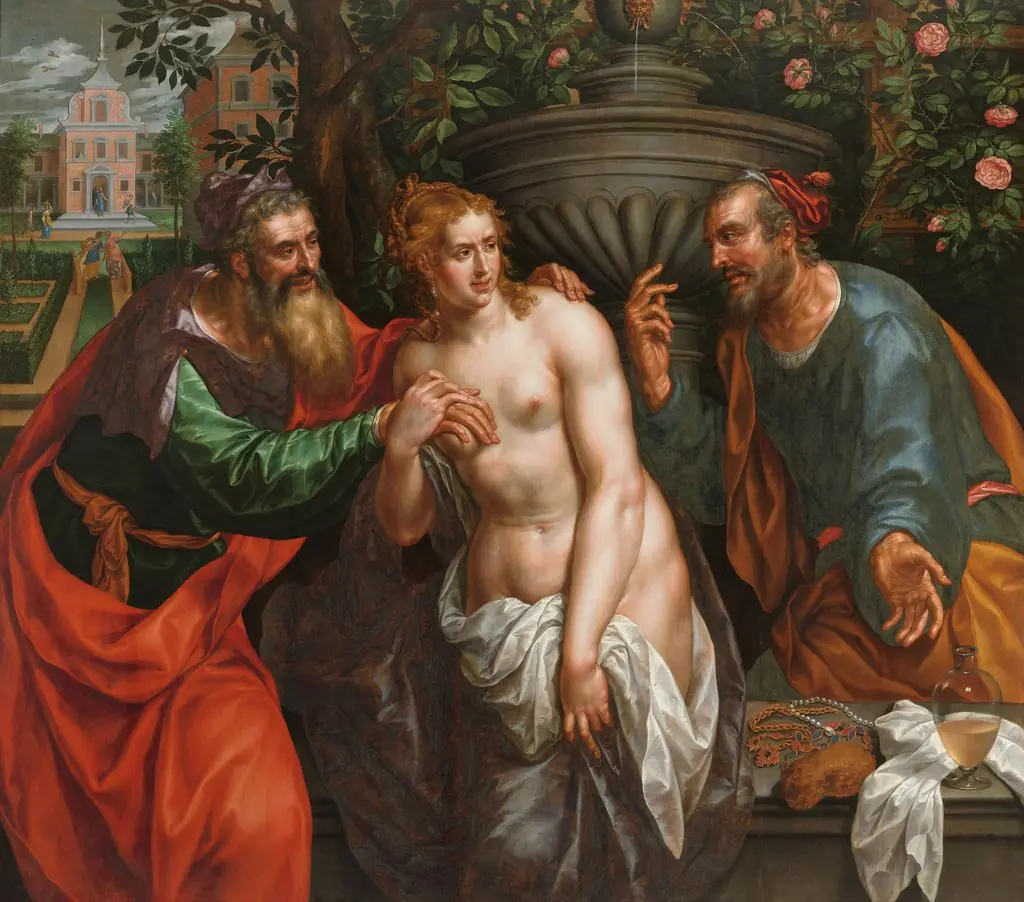 Susanna and the elders
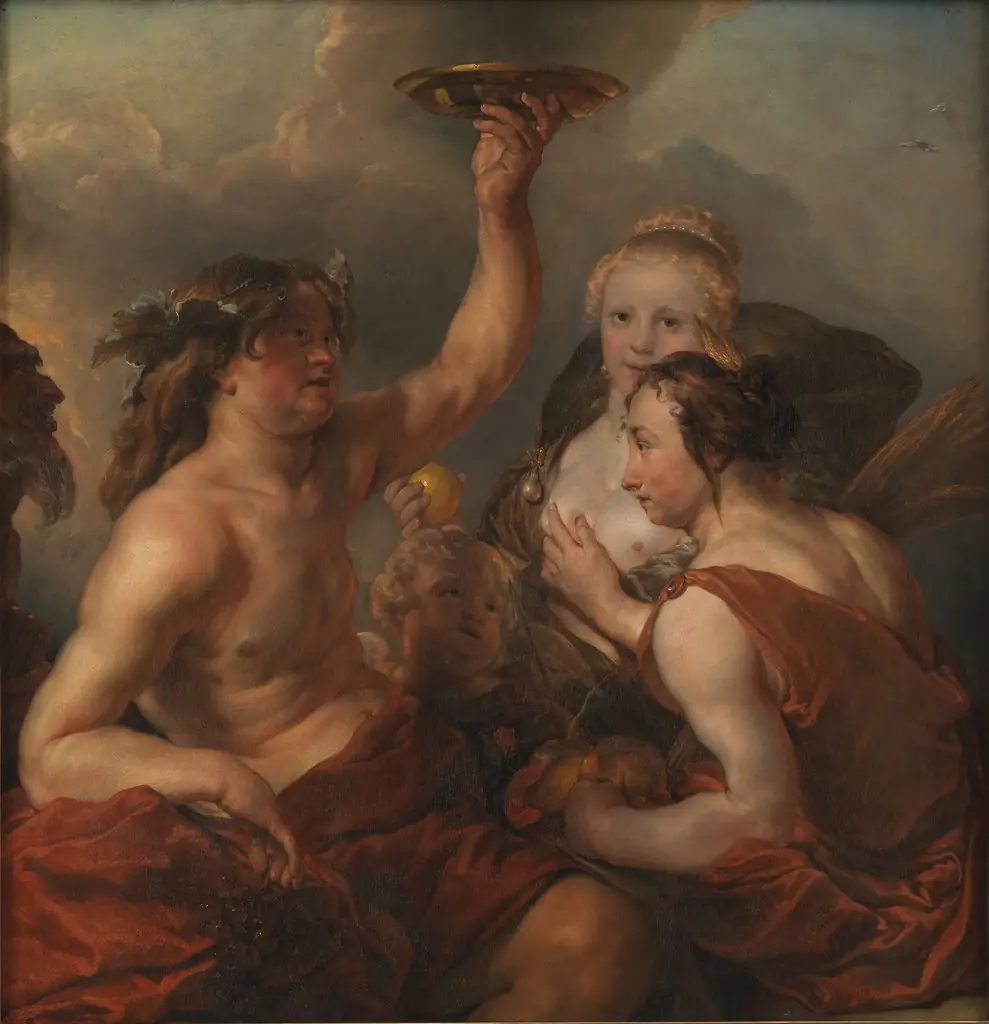 Bacchus, Ceres and Venus
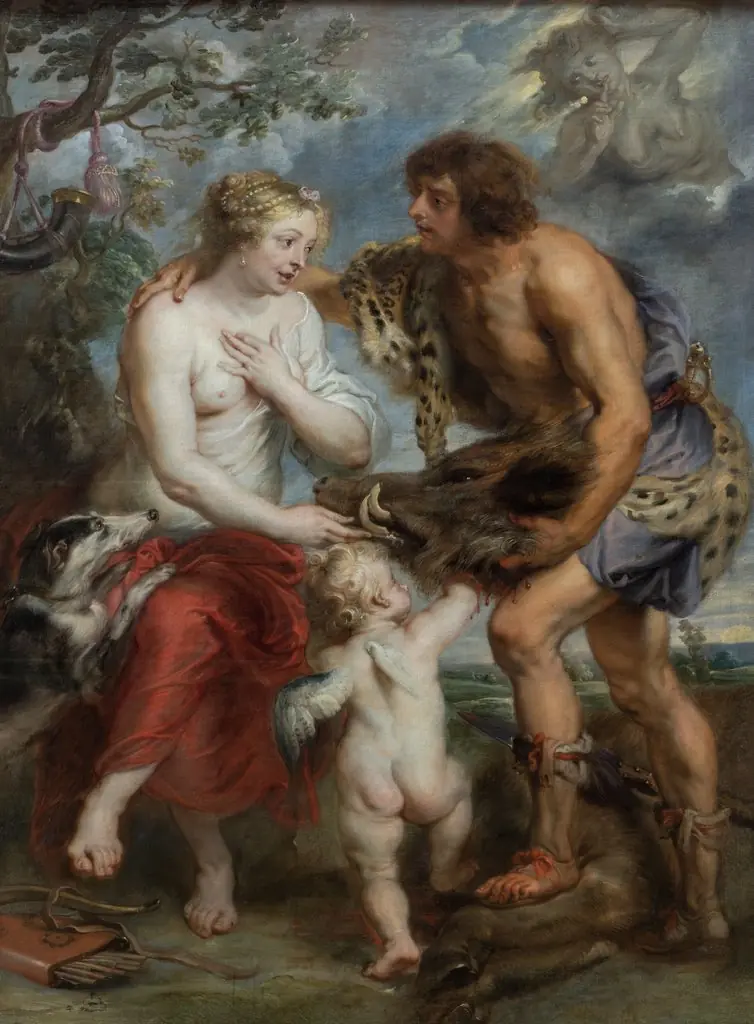 Meleager presents the head of the Calydonian boar to Atalanta
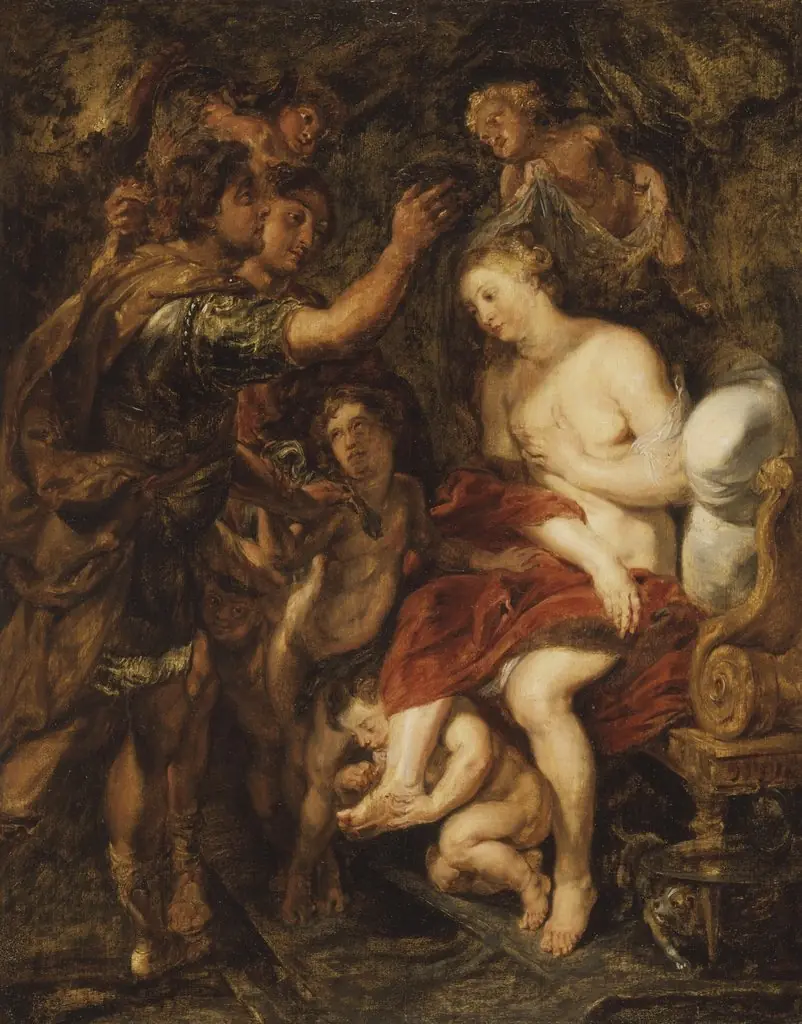 The Crowning of Roxana
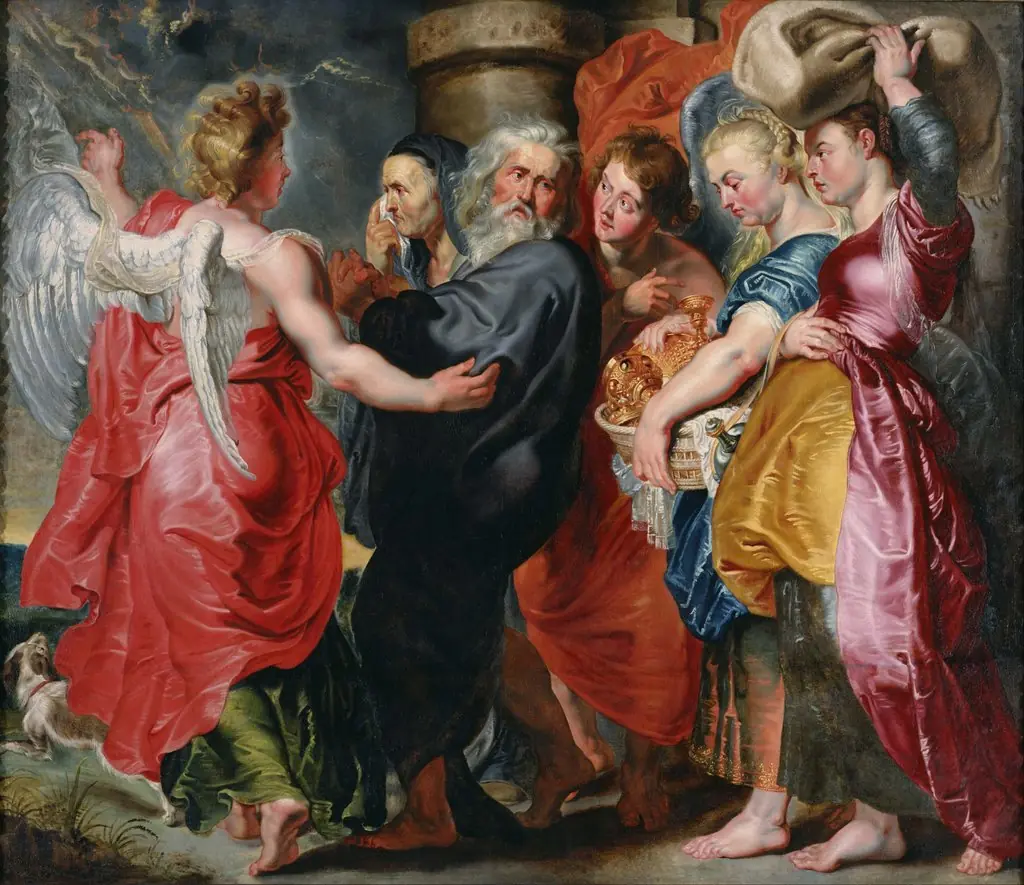 The Flight of Lot and His Family from Sodom (after Rubens)
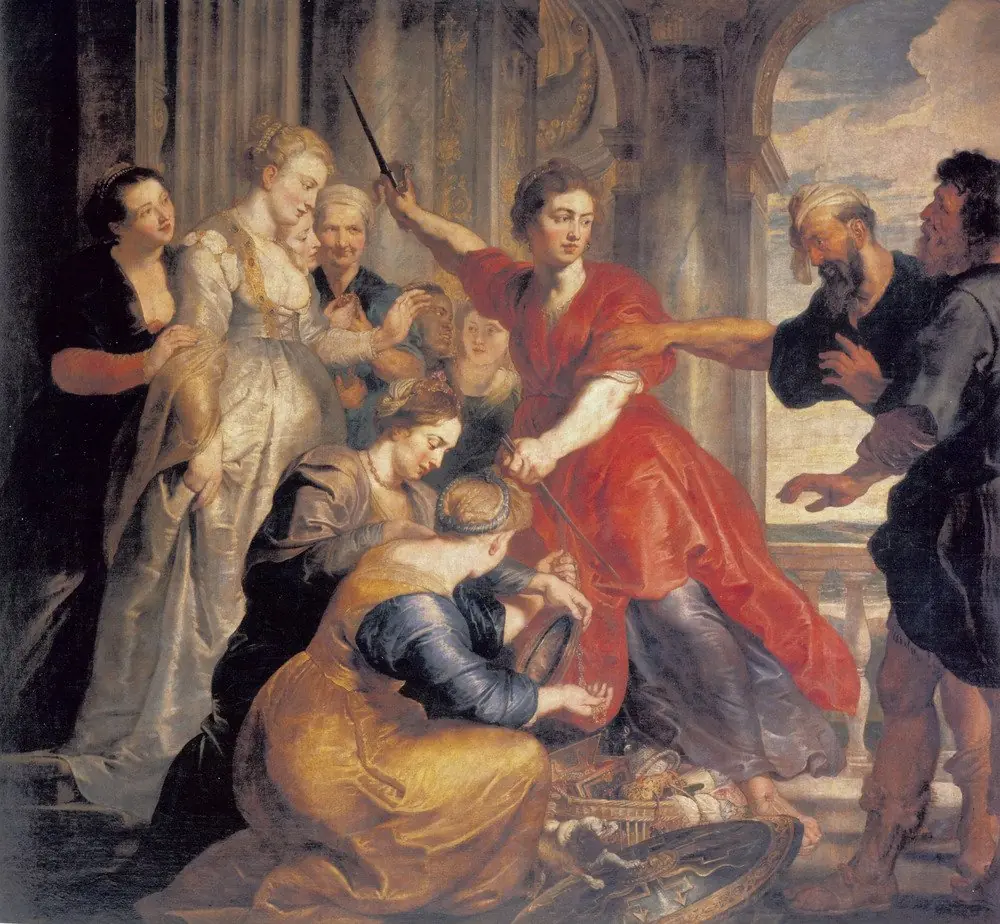 Achilles discovered by Ulysses and Diomedes
 Finding of Erichthonius
 Christ Appearing to Mary Magdalene