Artwork
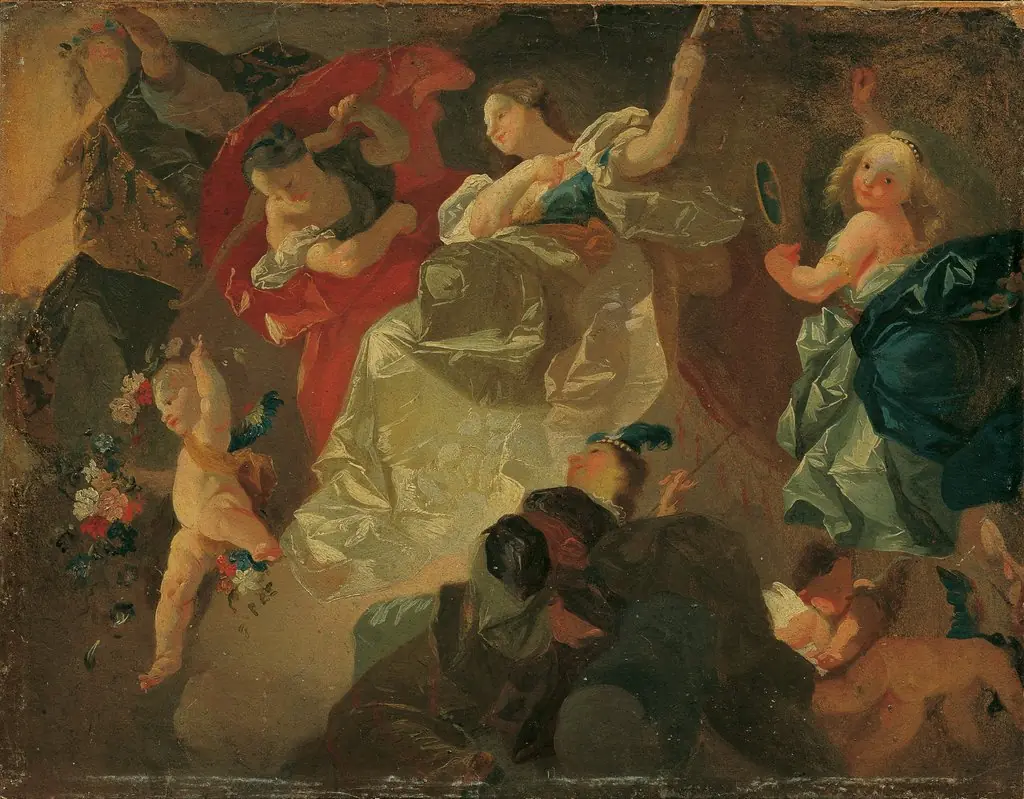
Triumph of the three Christian Virtues
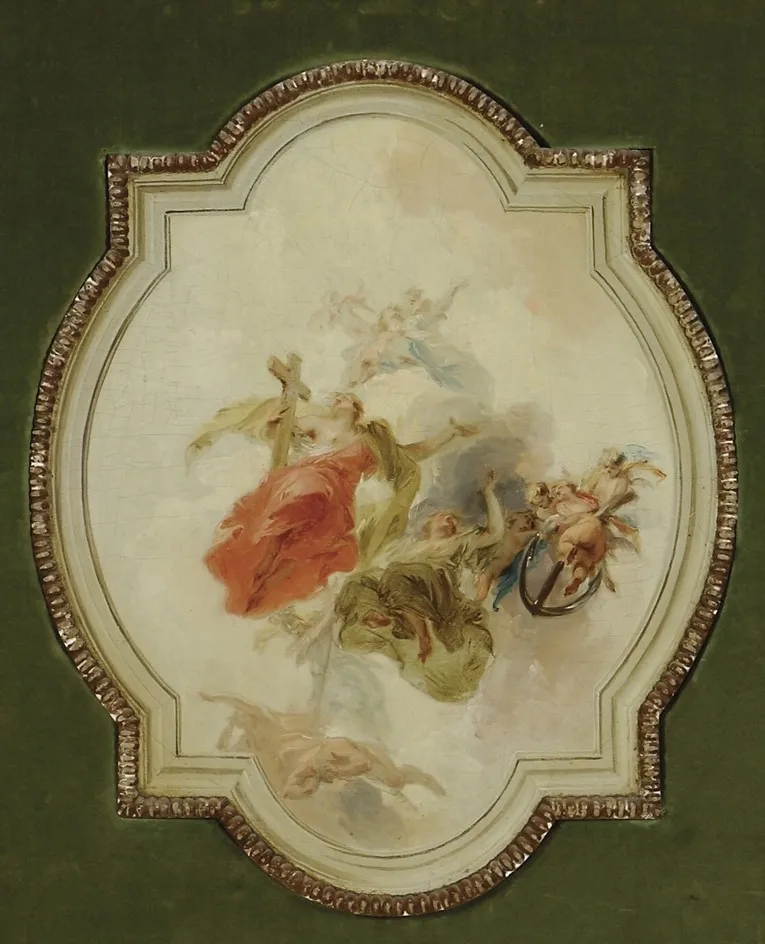
Triumph of the three Christian Virtues is an oil painting by the Rococo painting artist Jacob de Wit. It dates from 1734 and is held in the collection of the Ashmolean Museum.
About this work
Overview
Triumph of the three Christian Virtues is an oil painting created by Dutch artist Jacob de Wit around 1734, classified under the Rococo movement, and currently part of the Ashmolean Museum's collection.
Subject & Meaning
The painting depicts a celestial scene with multiple figures, prominently featuring a woman in a red dress and a man in a green robe, all afloat amidst clouds, symbolizing the triumph of the three Christian virtues in a heavenly context.
Technique & Style
De Wit employed a dynamic composition, juxtaposing warm (red, green) and cool tones against a light beige background, enhanced by chiaroscuro to create depth and volume, characteristic of Rococo's emphasis on movement and light.
History & Provenance
Created circa 1734 by Jacob de Wit, known for religious themes and interior decoration, the work is now housed at the Ashmolean Museum.
Context
As a Rococo piece, it reflects the era's fondness for lighthearted, airy, and emotionally charged artworks, often with religious undertones, tailored to the tastes of 18th-century European aristocracy and religious institutions.
Legacy
While specific impact on the art world is not broadly documented, it contributes to the understanding of Rococo's reach in Dutch religious art and De Wit's contribution to the movement.
Artist & collection
Artist
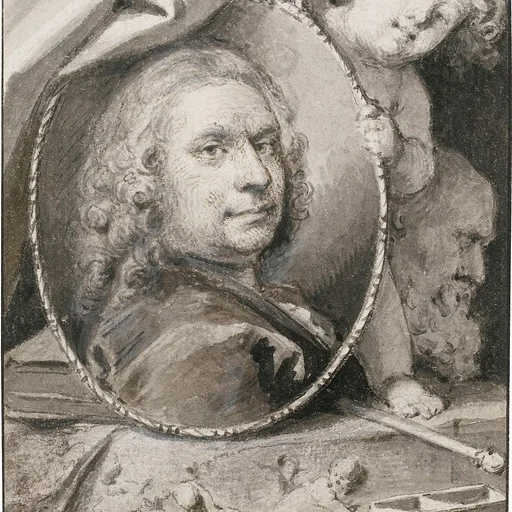
Jacob de Wit (19 December 1695 – 12 November 1754) was a Dutch painter and interior decorator. He is best known for his depictions of religious scenes.

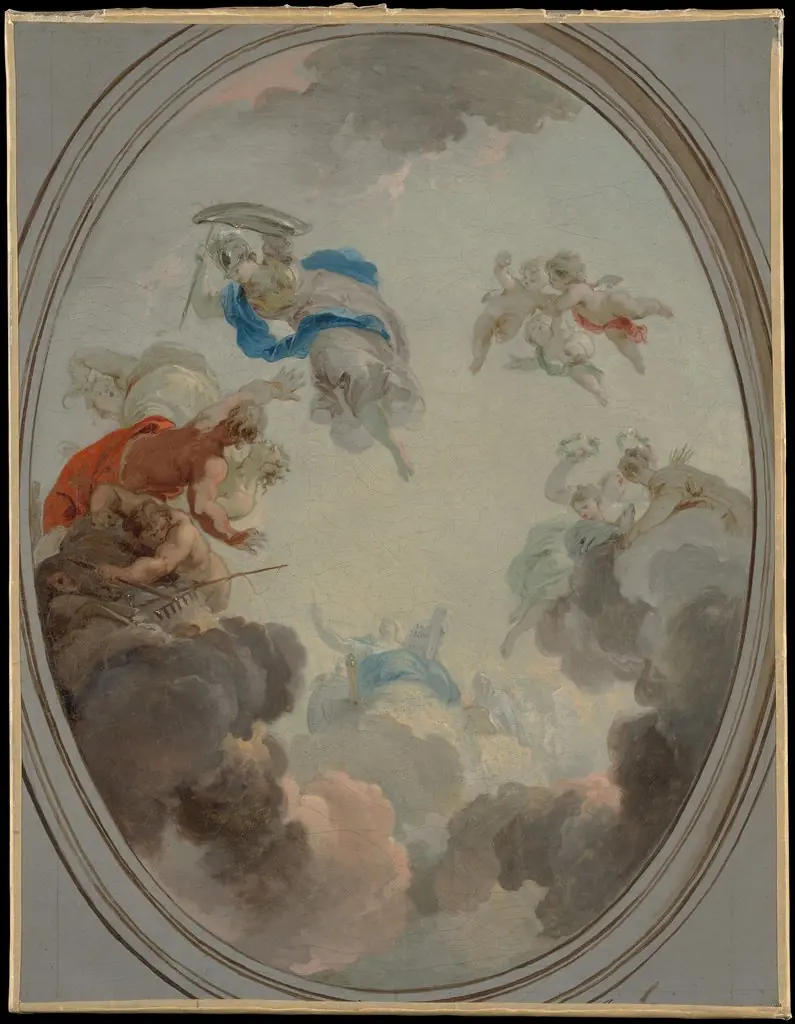
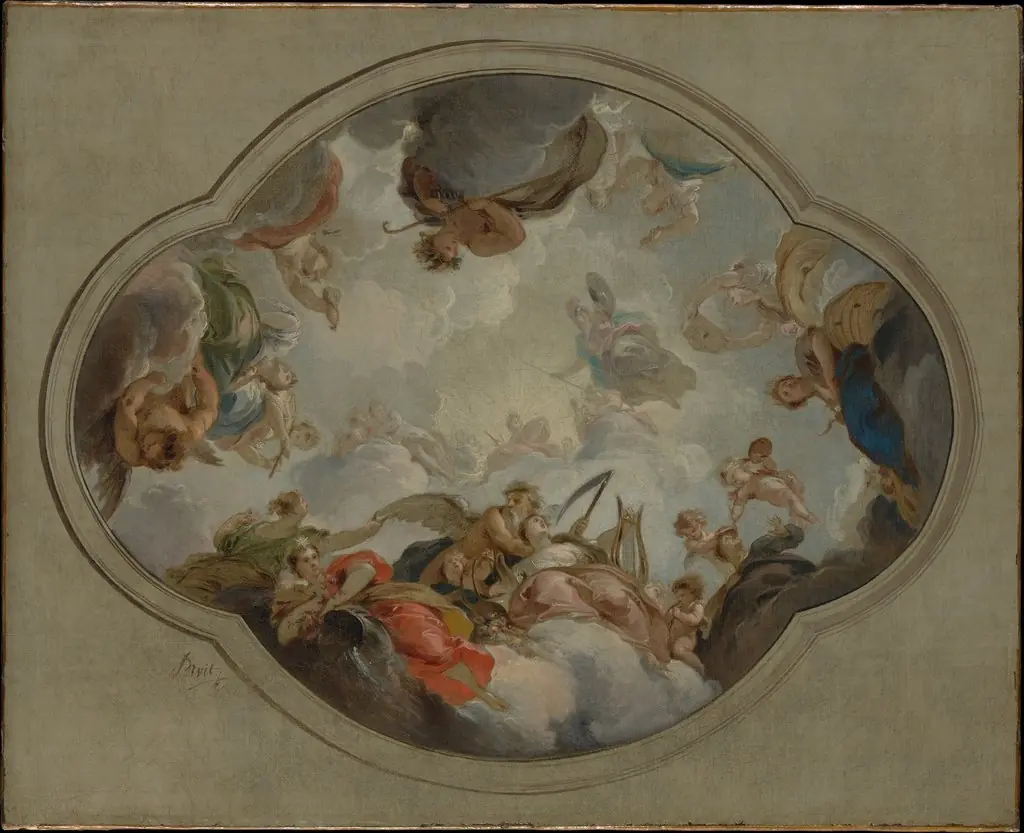
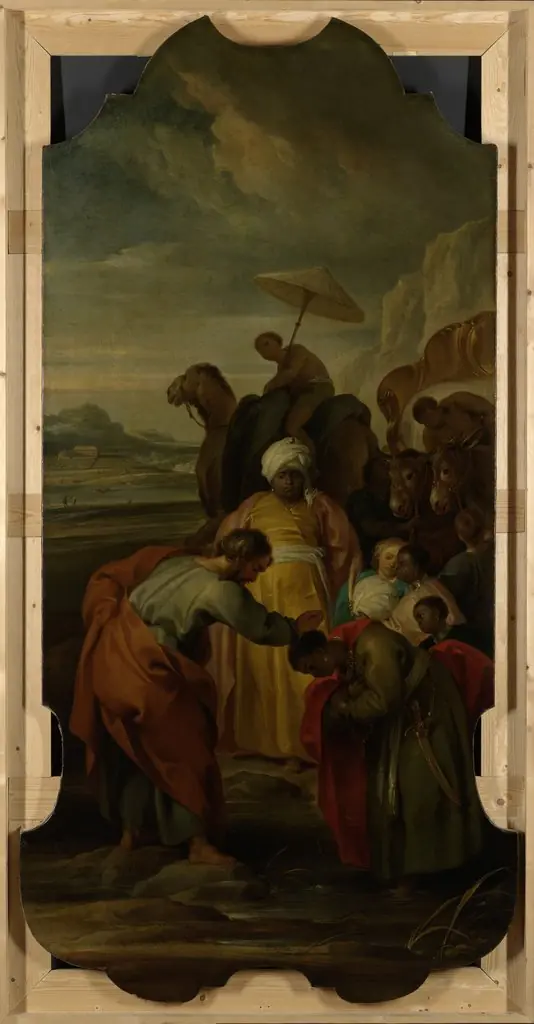
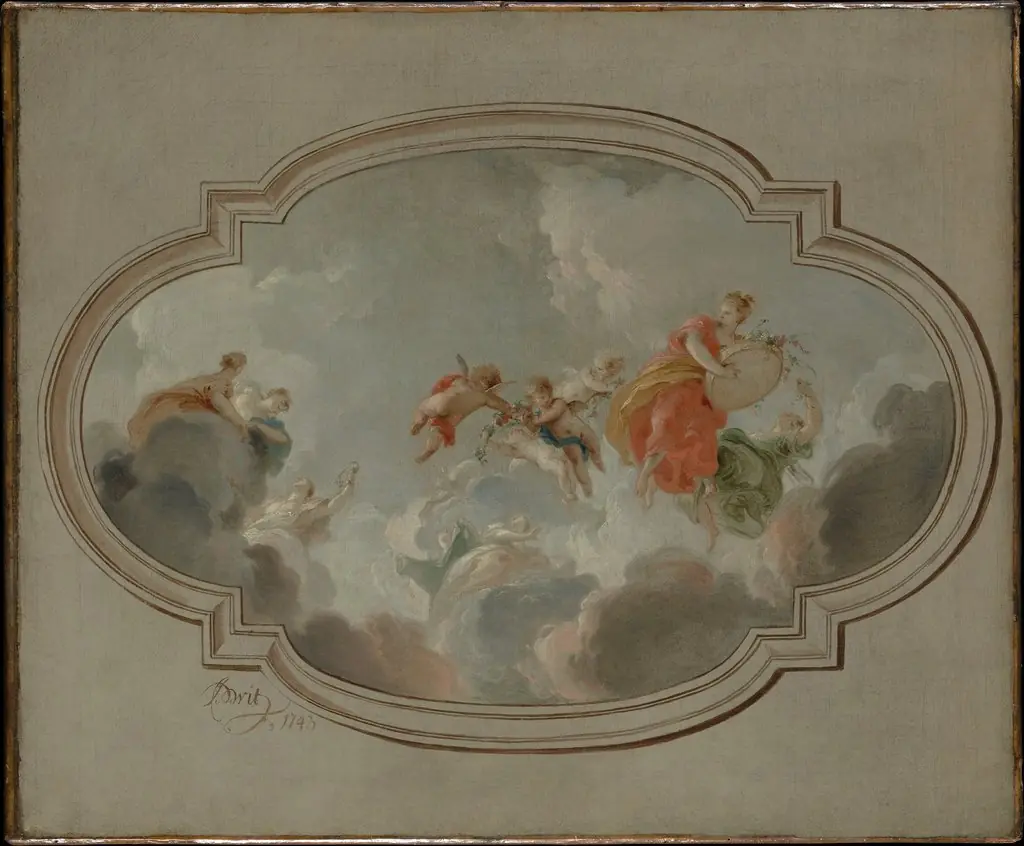
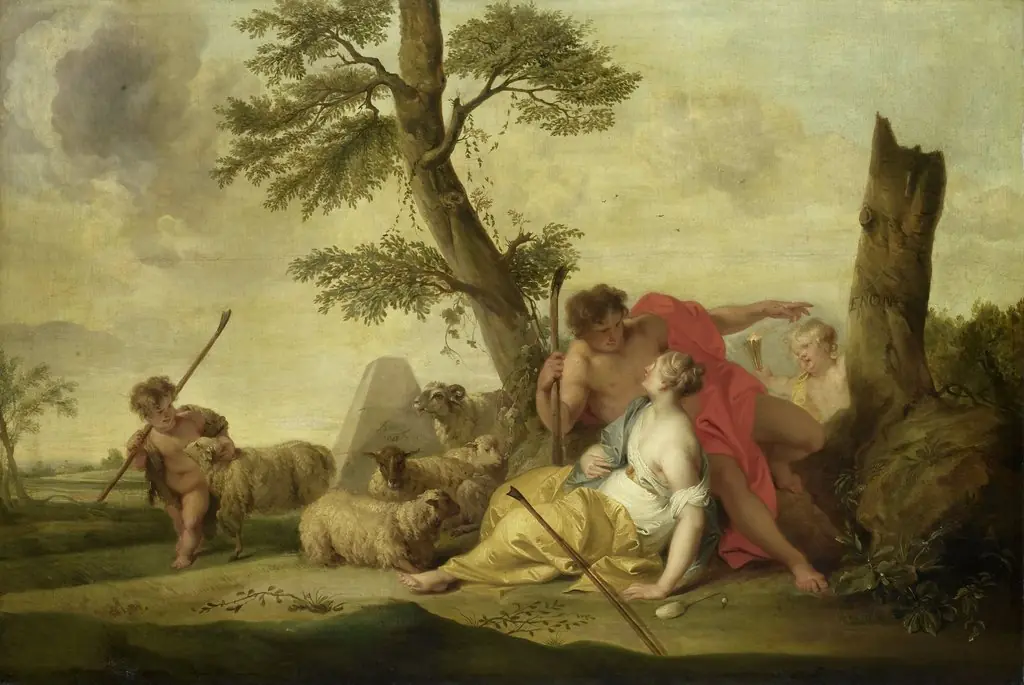
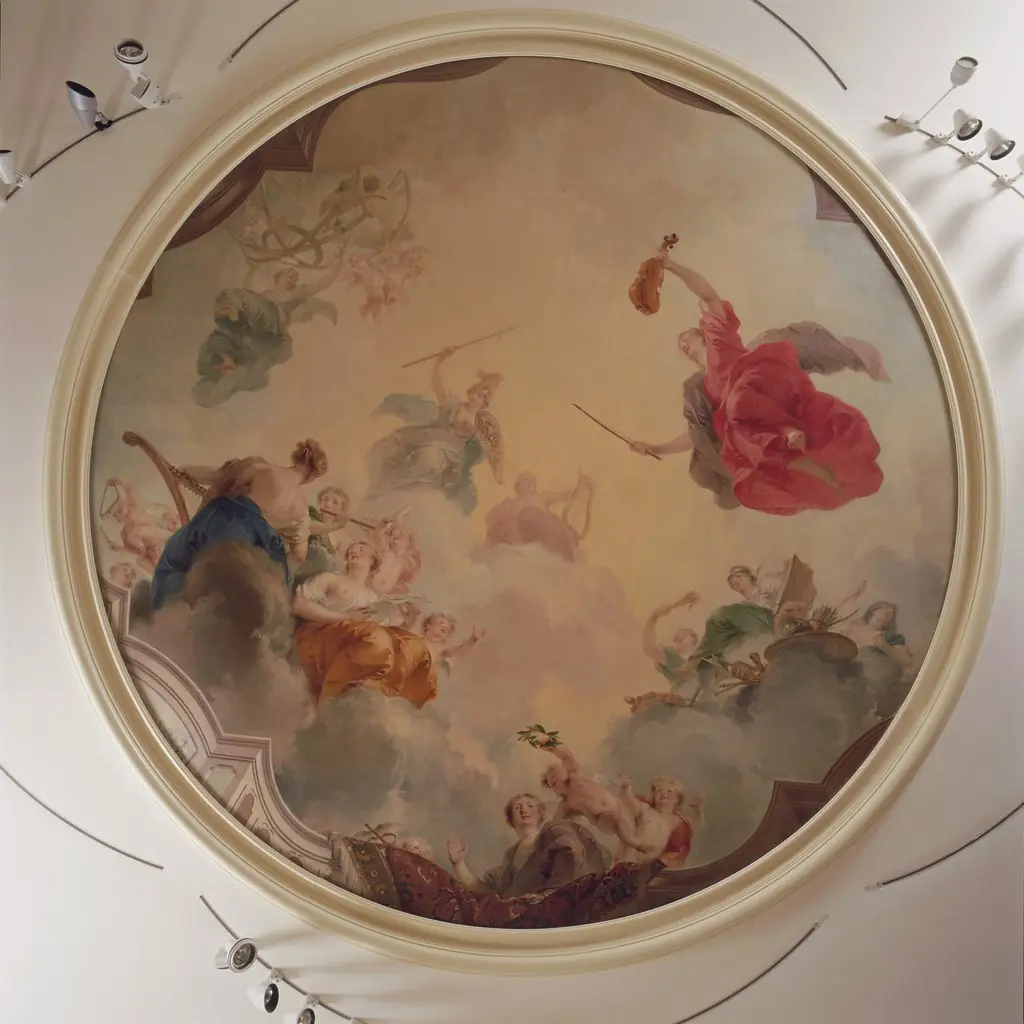
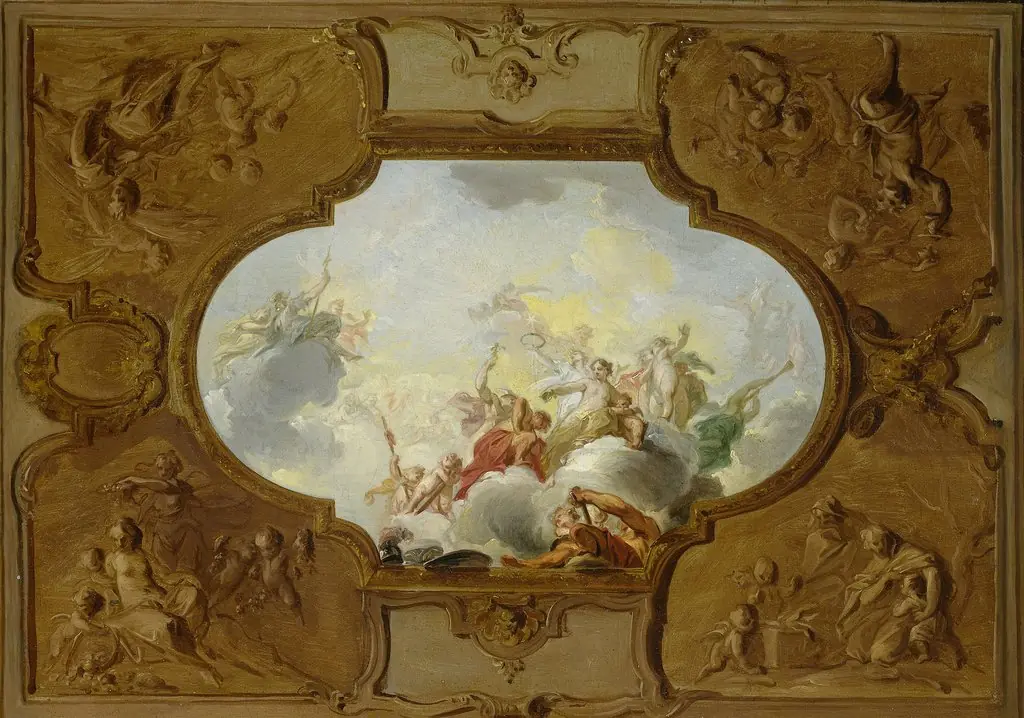
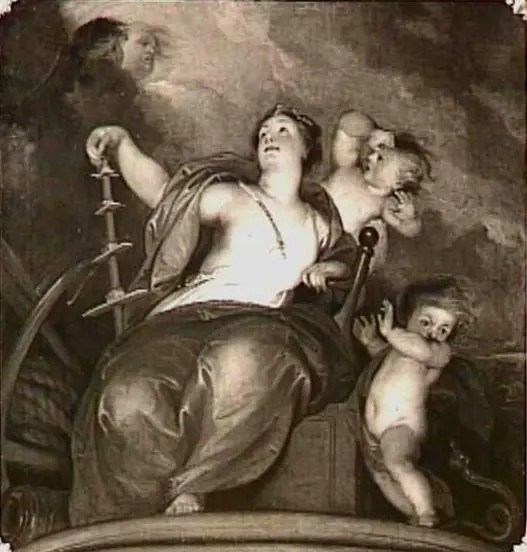
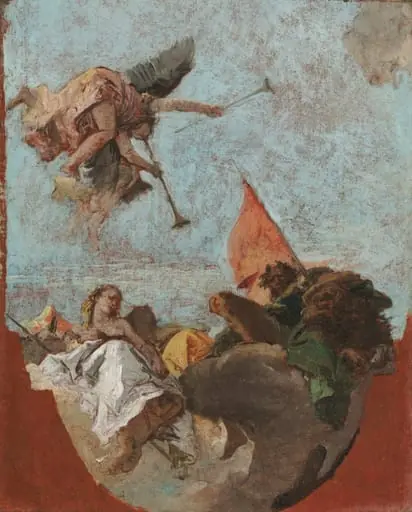 Sketch for a Ceiling
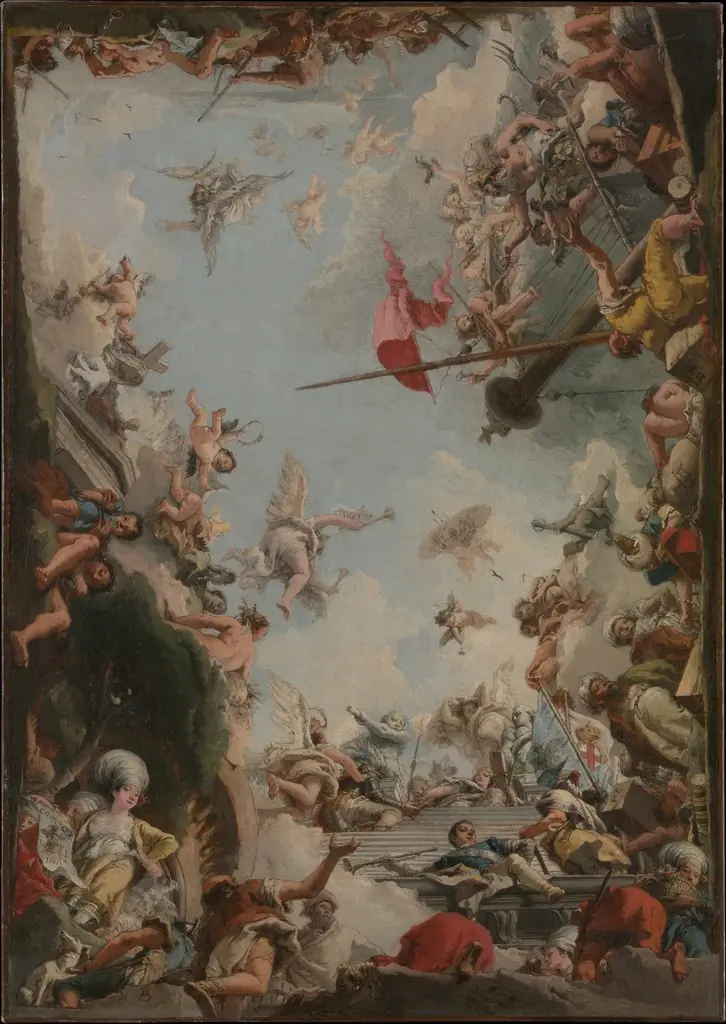 The Glorification of the Giustiniani Family
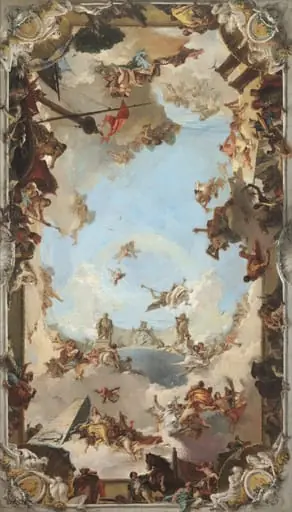 Wealth and Benefits of the Spanish Monarchy under Charles III
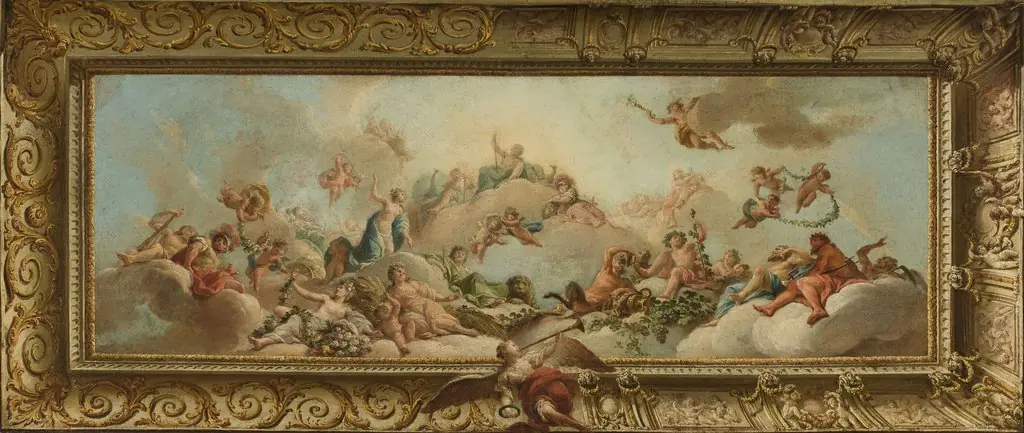 Greeting of Venus at Mount Olympus
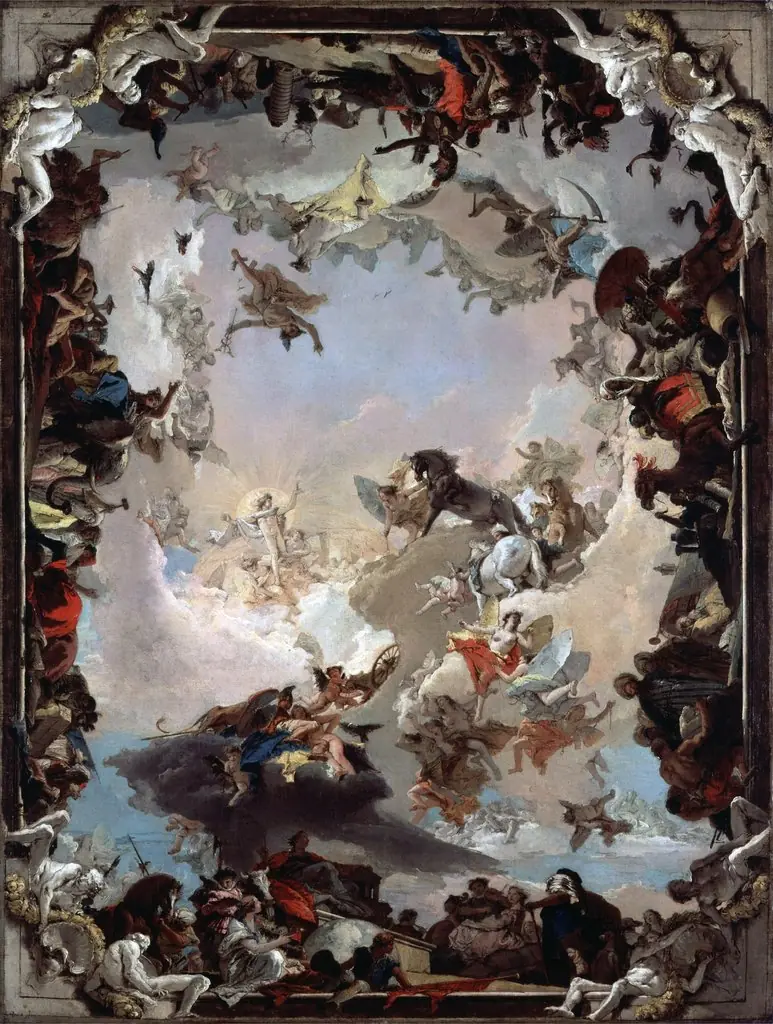 Allegory of the Planets and Continents
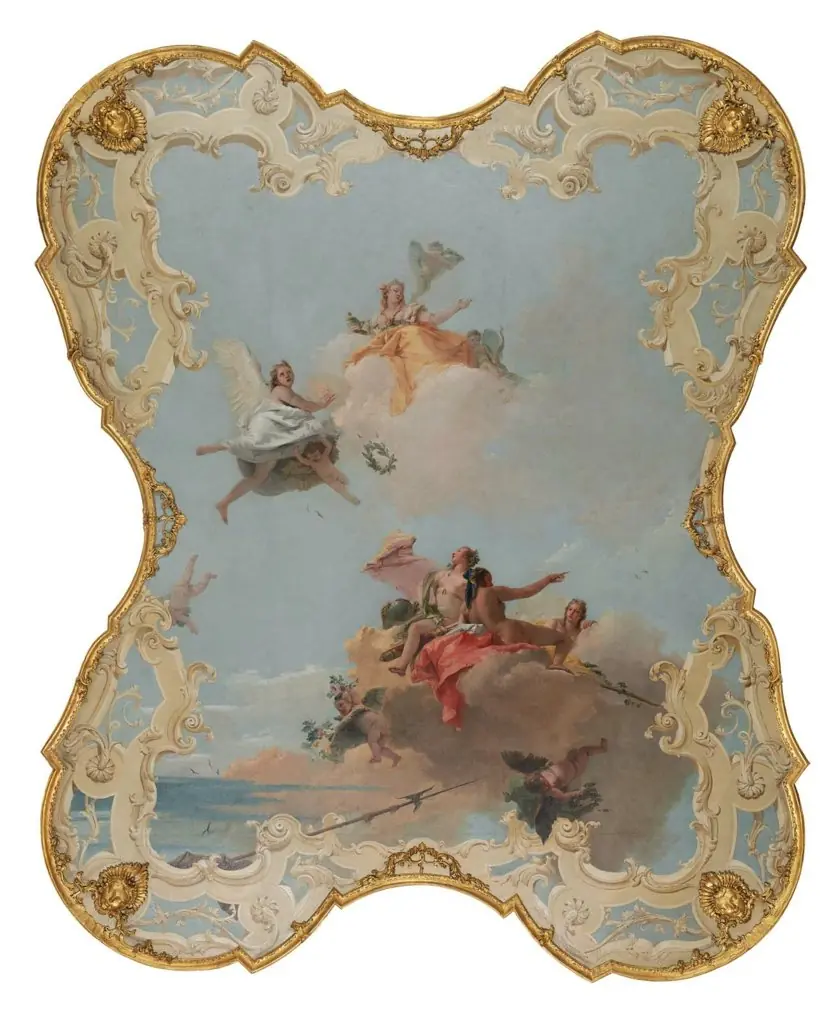 Virtue and Nobility Crowning Love
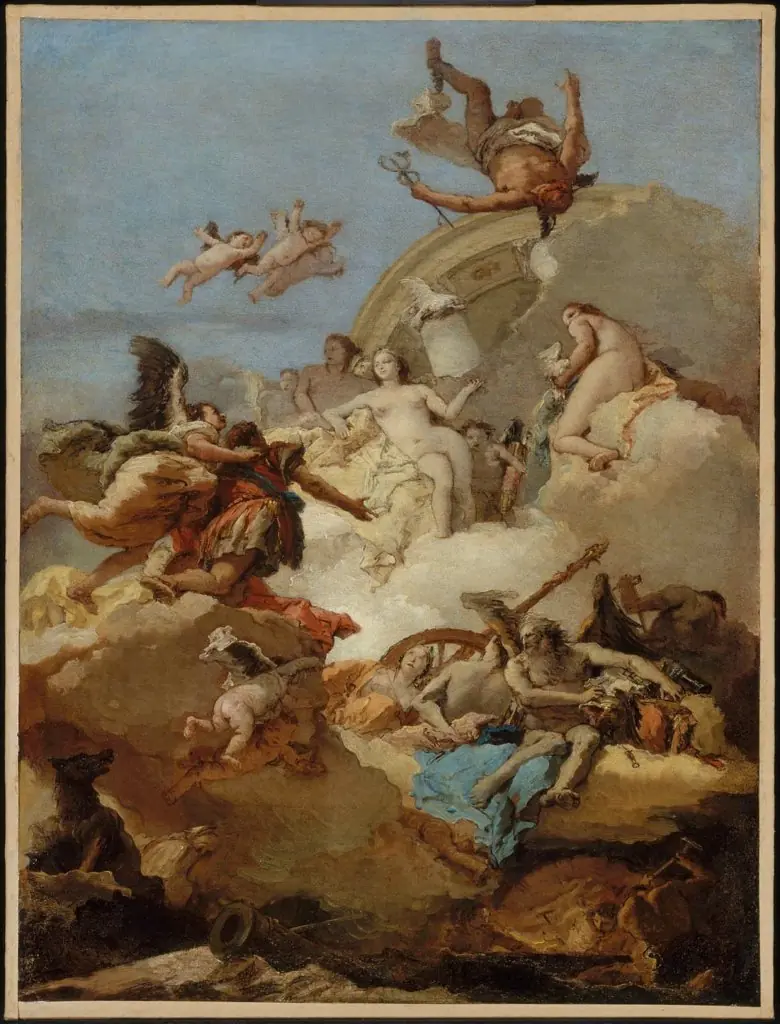 Apotheosis of Aeneas
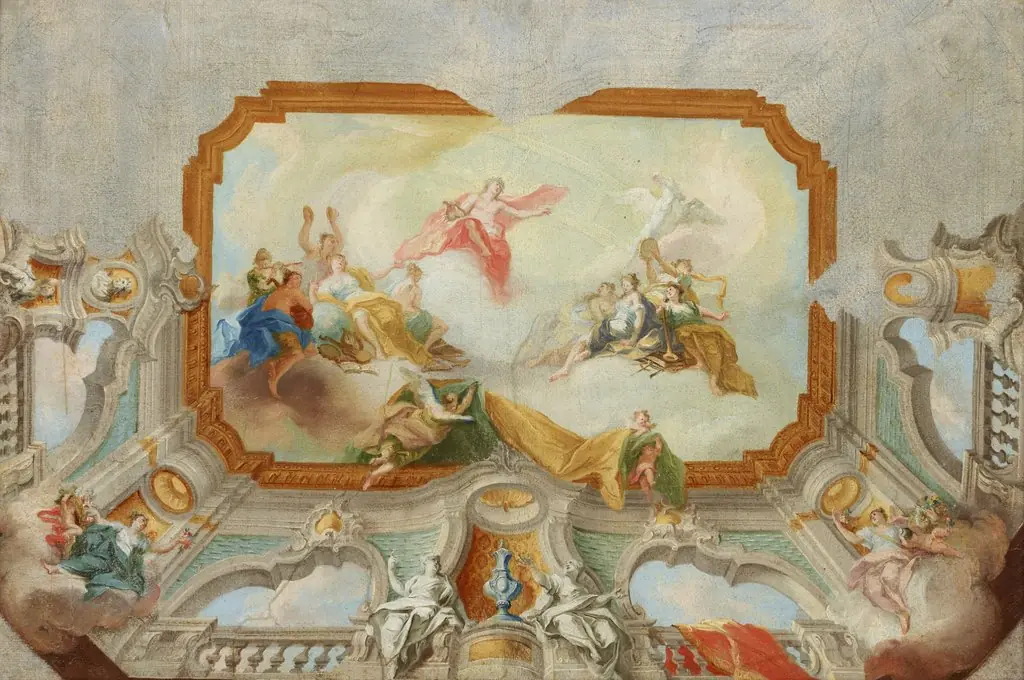 Apollo with the Muses – Project for a Plafond
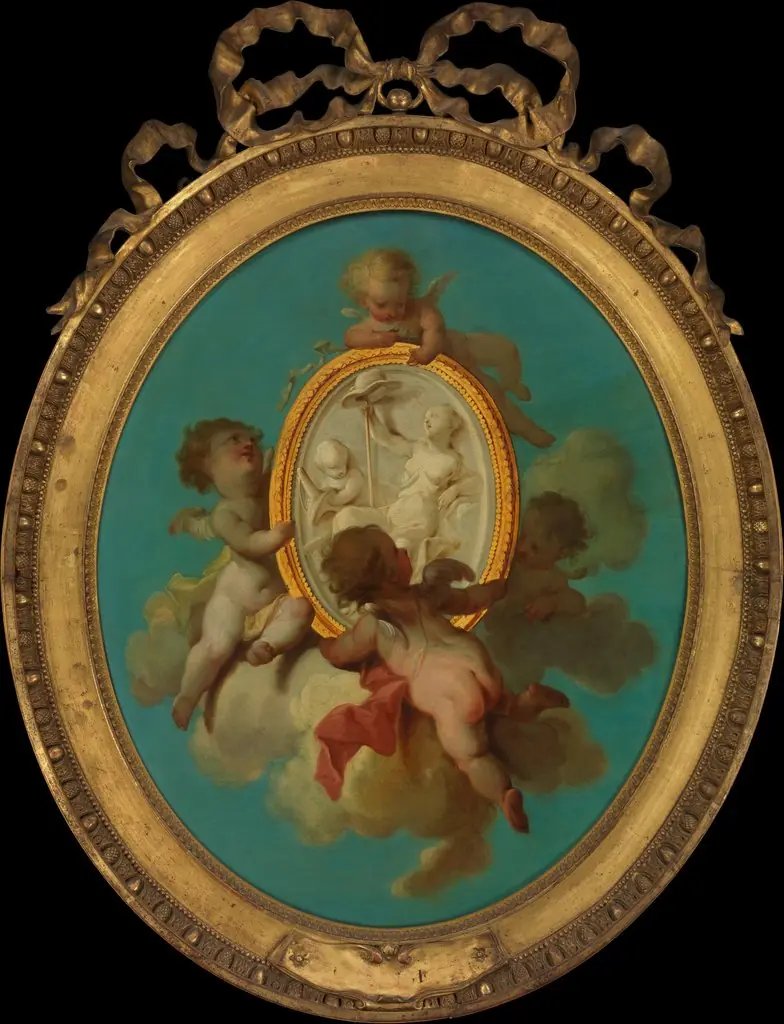 Putti with a Medallion
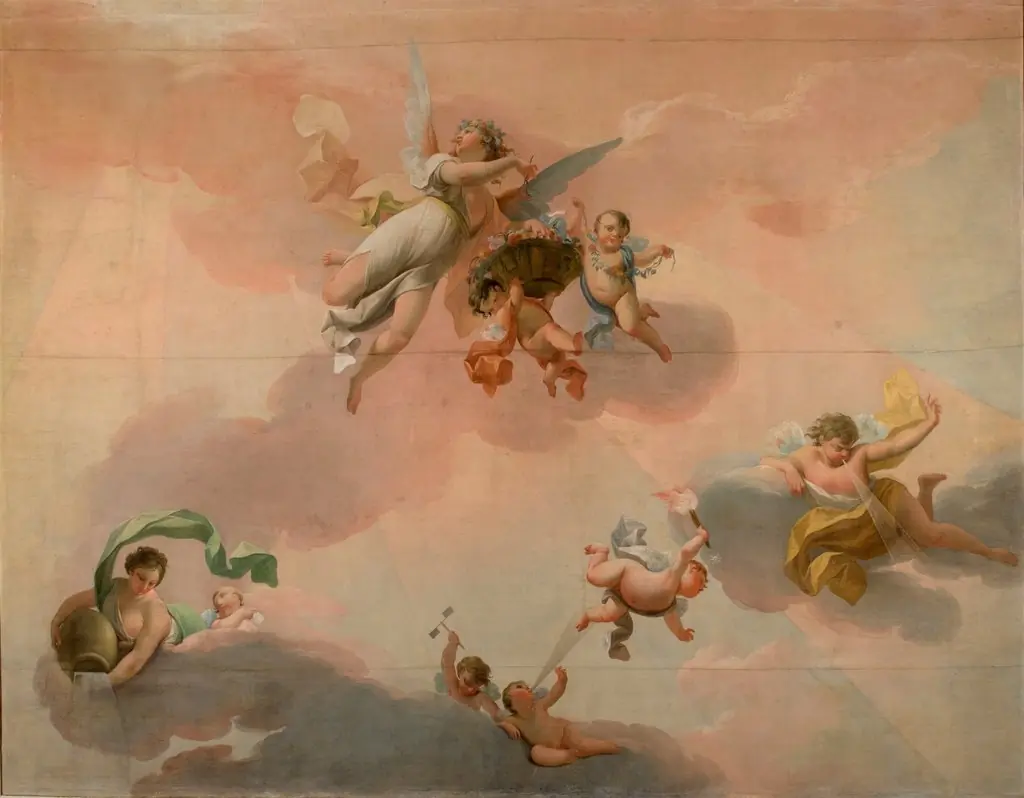 Alegoría de la Aurora
 Virtues