Artwork
Virtue and Nobility Crowning Love
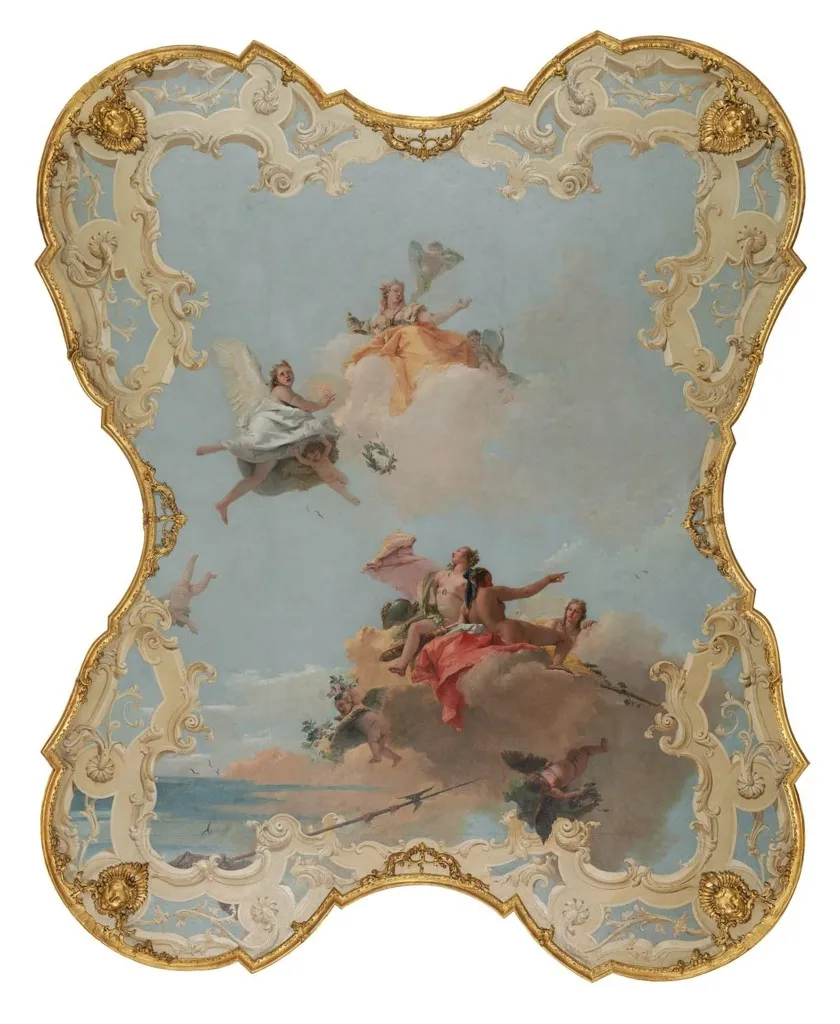
Virtue and Nobility Crowning Love is an oil painting by the Rococo painting artist Giovanni Battista Tiepolo. It dates from 1760 and is held in the collection of the Museum of Fine Arts Boston.
About this work
Overview
Giovanni Battista Tiepolo’s oil on canvas, Virtue and Nobility Crowning Love, dates to 1760. The work exemplifies the late Rococo style, combining allegorical figures with a light, decorative palette. It is part of the collection of the Museum of Fine Arts in Boston, where it is displayed among other 18th‑century European paintings.
Subject & Meaning
The composition presents personifications of virtue and nobility bestowing a crown upon a central figure representing love. This allegorical arrangement reflects Enlightenment ideals that moral excellence and aristocratic virtue elevate and protect the power of love, a theme common in Tiepolo’s mythological and religious oeuvre.
Technique & Style
Executed in oil, the painting showcases Tiepolo’s fluid brushwork and luminous color scheme, hallmarks of the Rococo’s airy elegance. The artist employs a soft chiaroscuro to model the figures, while the delicate handling of drapery and atmospheric background convey a sense of movement and grace.
History & Provenance
Created in the mid‑18th century, the canvas entered the Museum of Fine Arts, Boston, through acquisition in the early 20th century. Its provenance traces a typical path for Tiepolo’s works, moving from private aristocratic collections in Italy to public institutions abroad.
Context
At the time of its execution, Tiepolo was a leading figure in Venetian painting, responding to the tastes of European courts that favored decorative, allegorical subjects. The painting reflects the broader cultural shift toward secular, moralizing themes that accompanied the decline of Baroque grandeur.
Artist & collection

Artist
Giovanni Battista Tiepolo, also known as Giambattista Tiepolo, was an Italian painter and printmaker from the Republic of Venice who painted in the Rococo style, considered an important member of the 18th-century Venetian school.

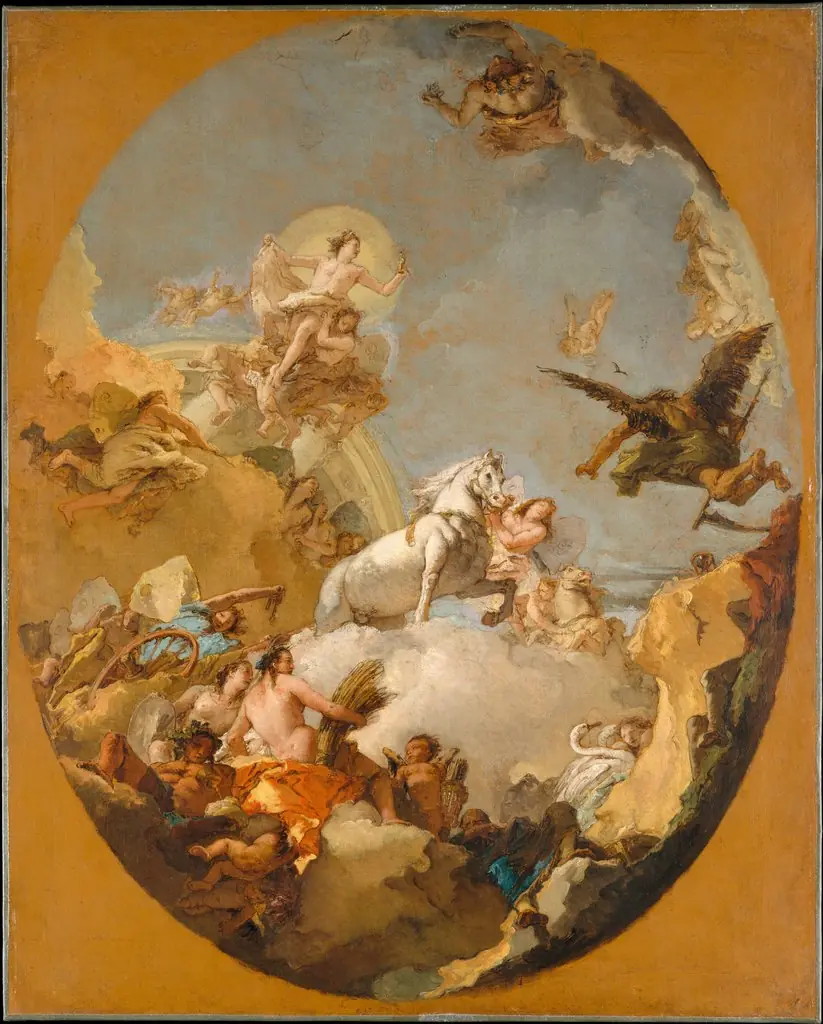
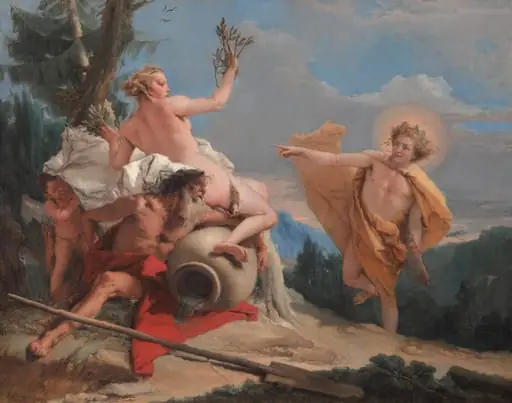
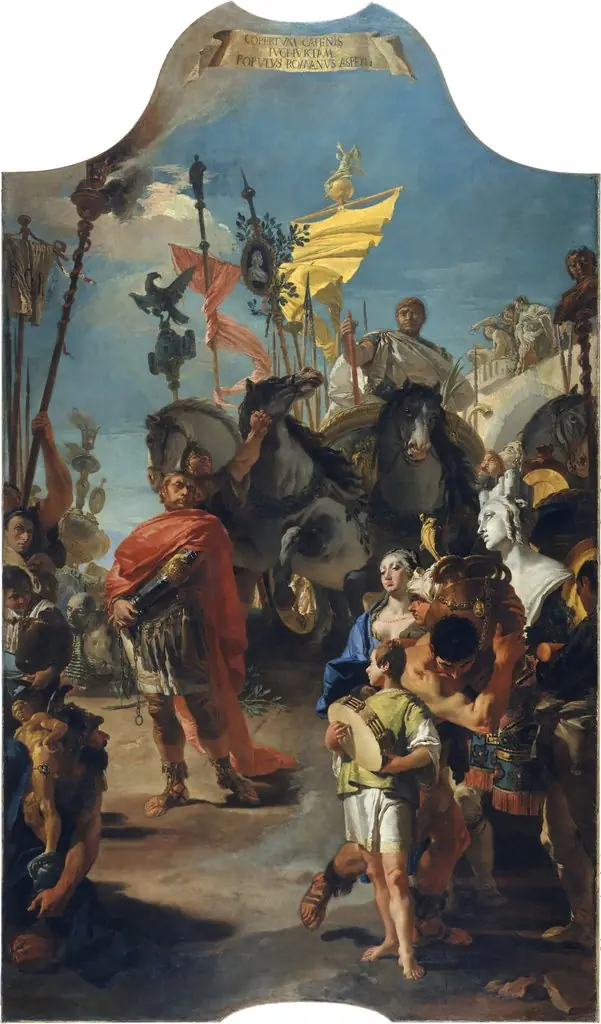
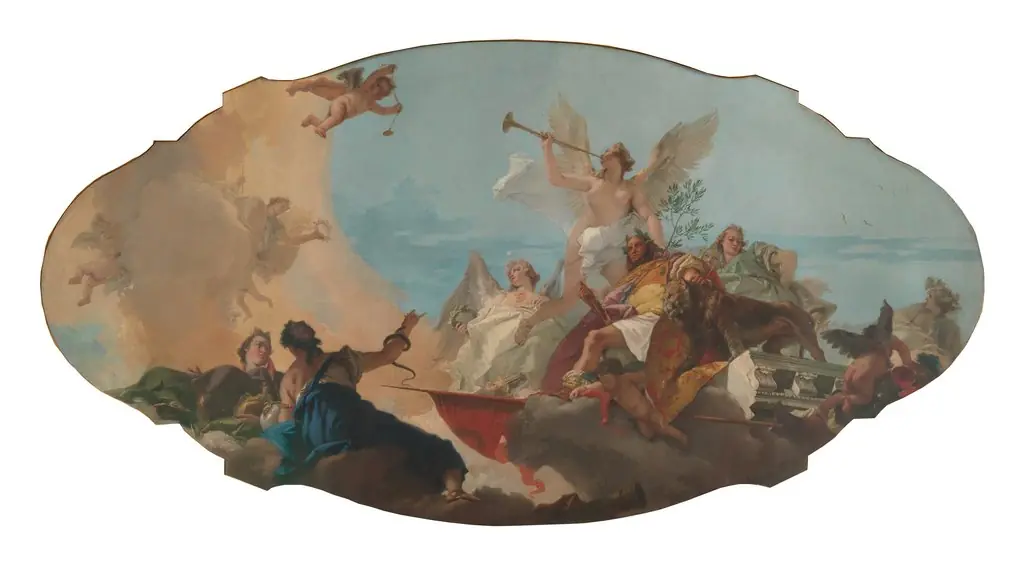 The Glorification of the Barbaro Family
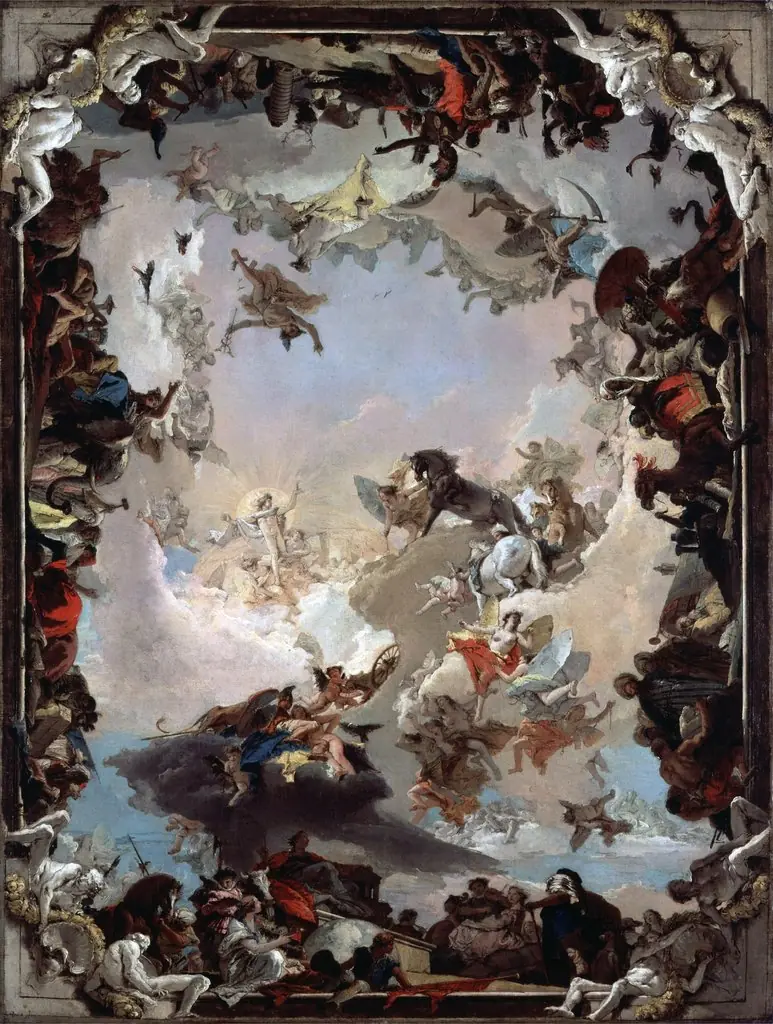
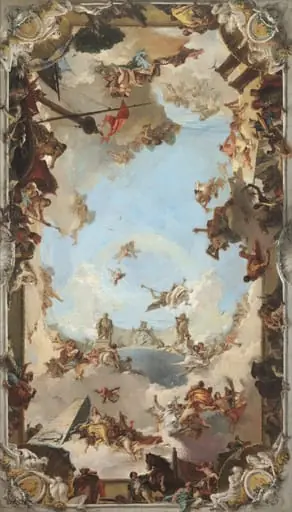 Wealth and Benefits of the Spanish Monarchy under Charles III
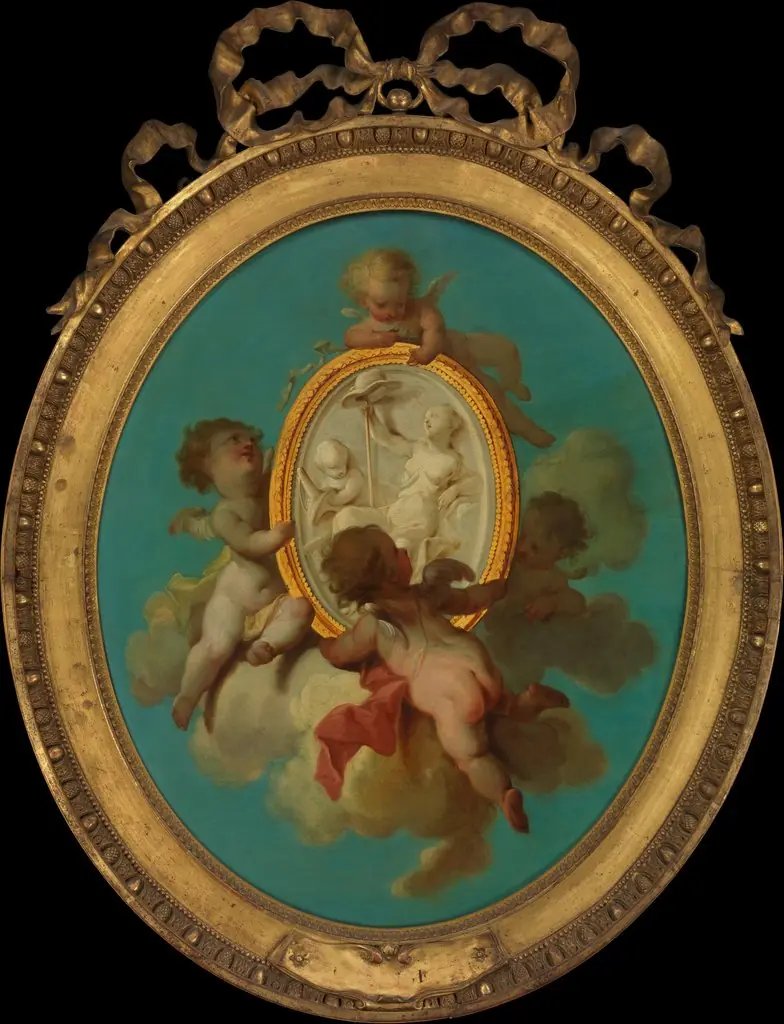 Putti with a Medallion
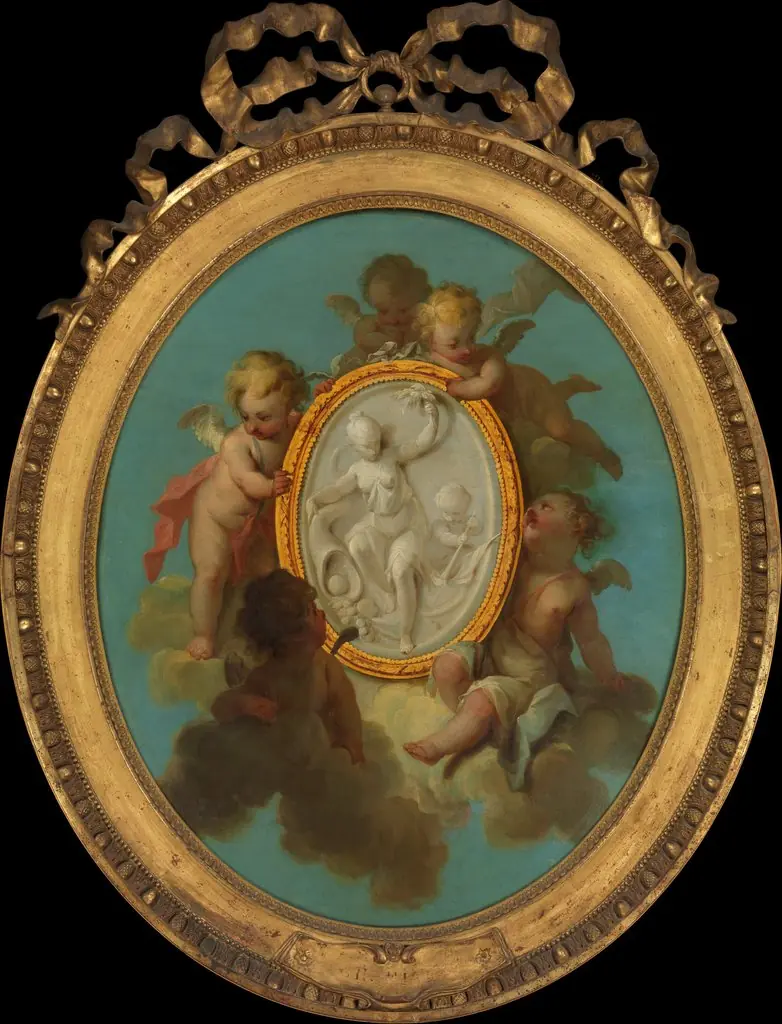 Putti with a Medallion
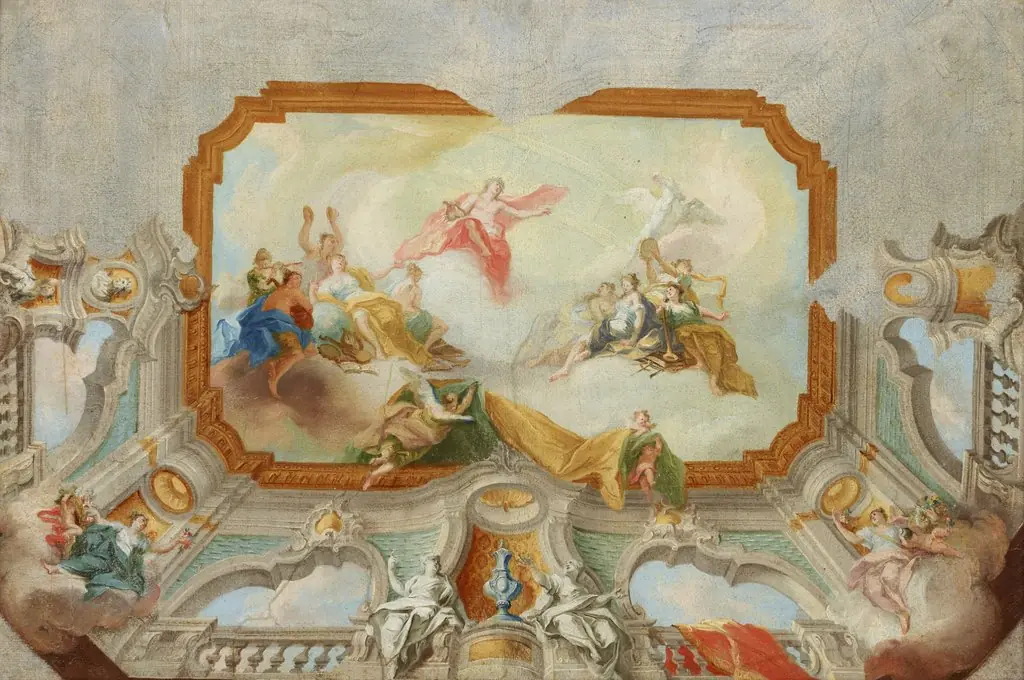 Apollo with the Muses – Project for a Plafond
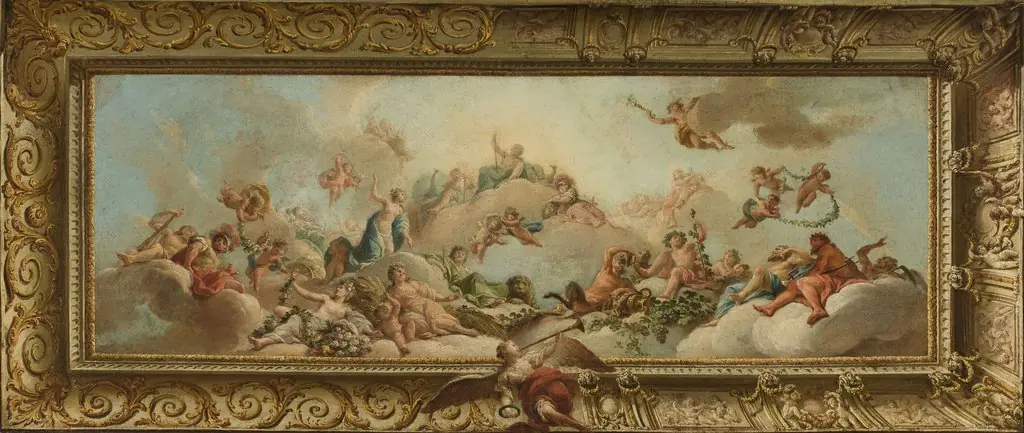 Greeting of Venus at Mount Olympus
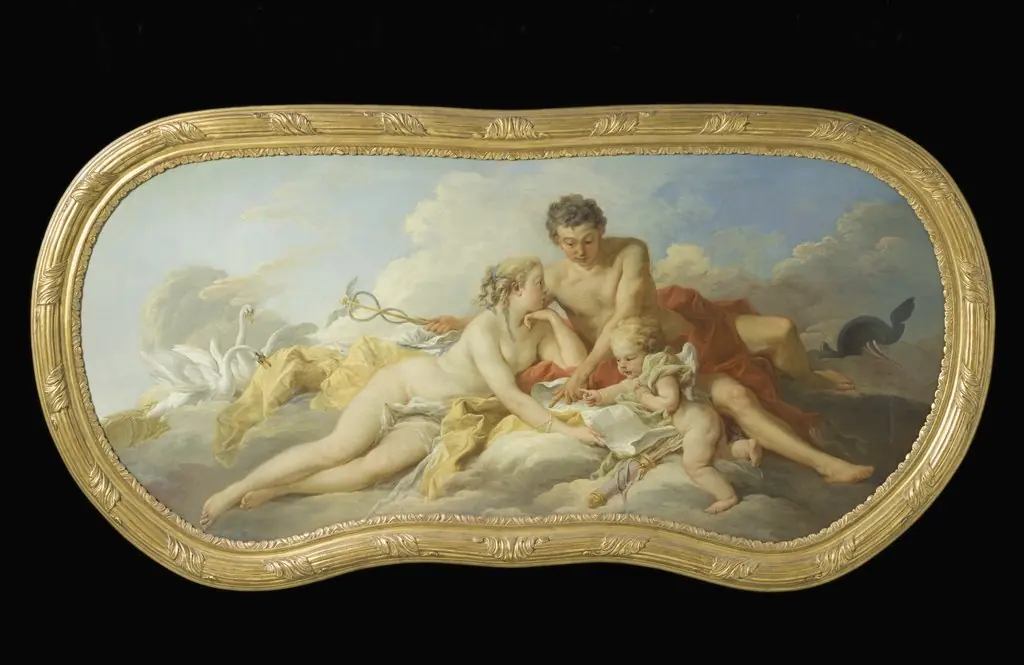 Venus and Mercury Instructing Cupid
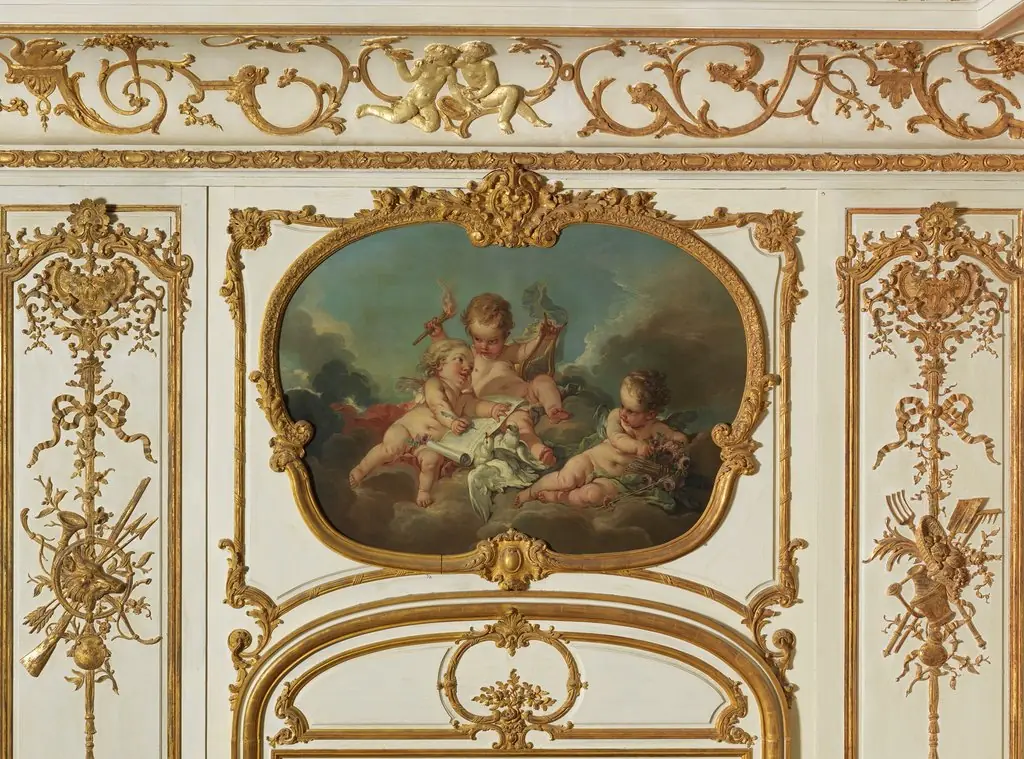 Allegory of Lyric Poetry
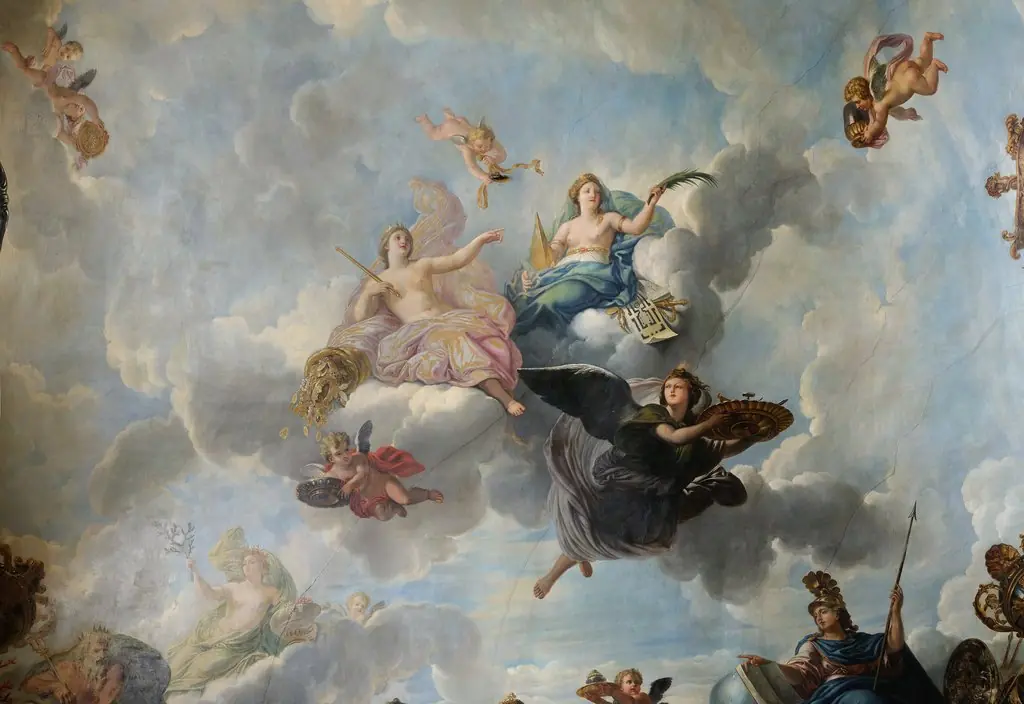 Figure of the Royal Magnificence, Immortality and Progress in the Fine Arts
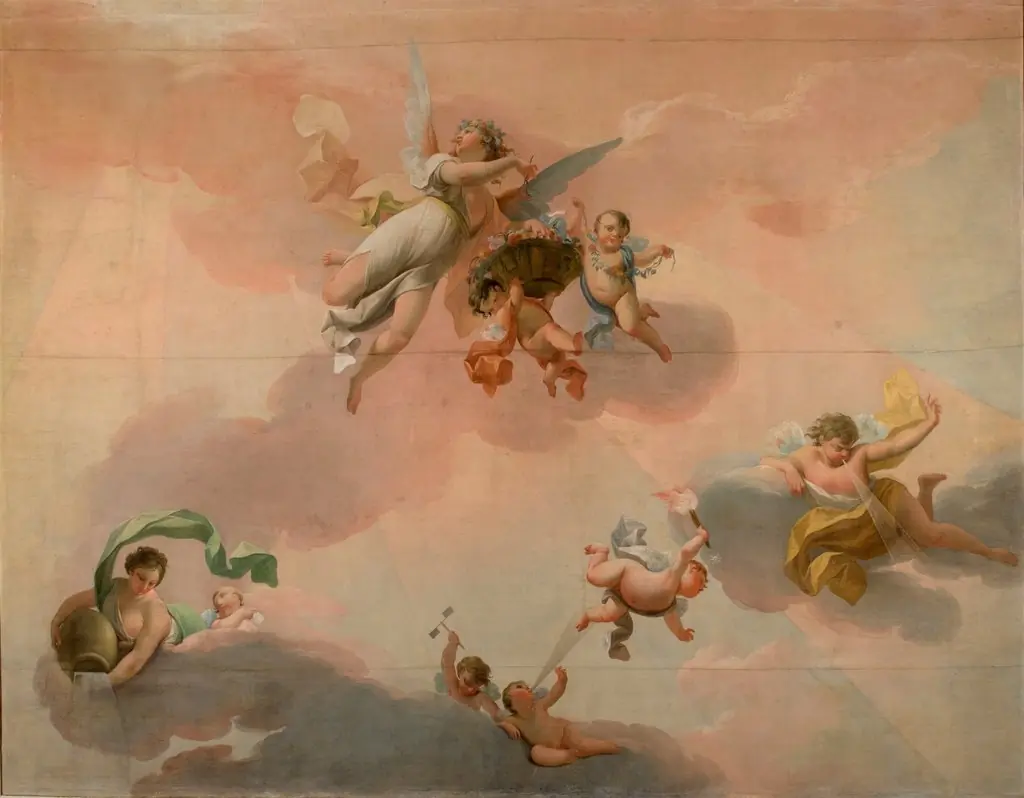 Alegoría de la Aurora
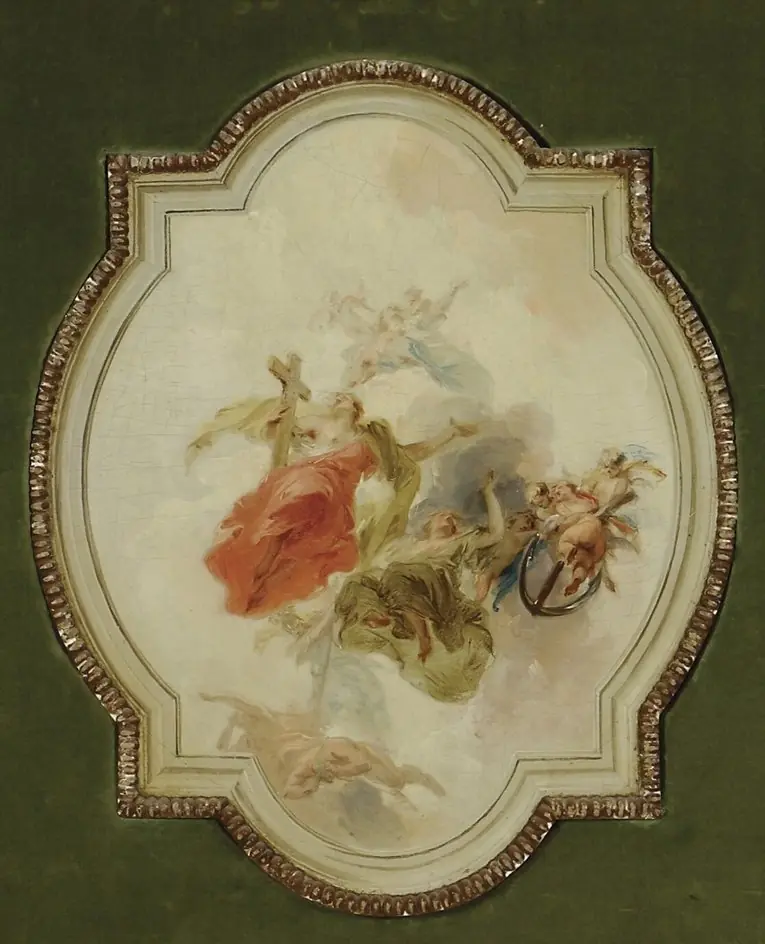 Triumph of the three Christian Virtues