Artwork
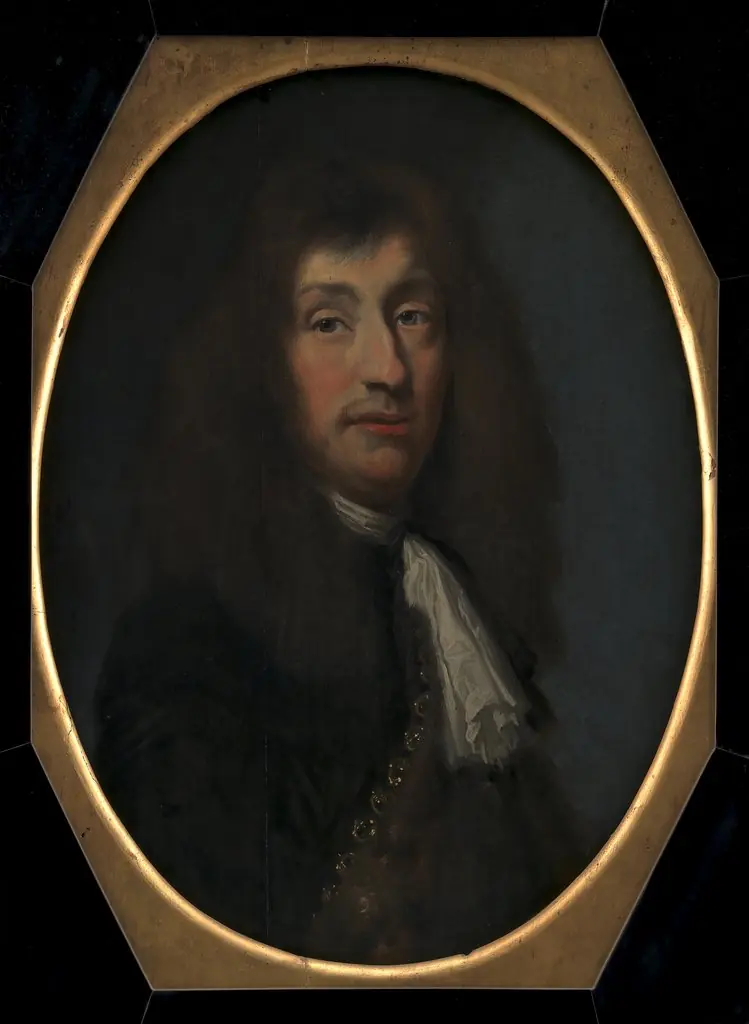
Portrait of a Knight of Malta
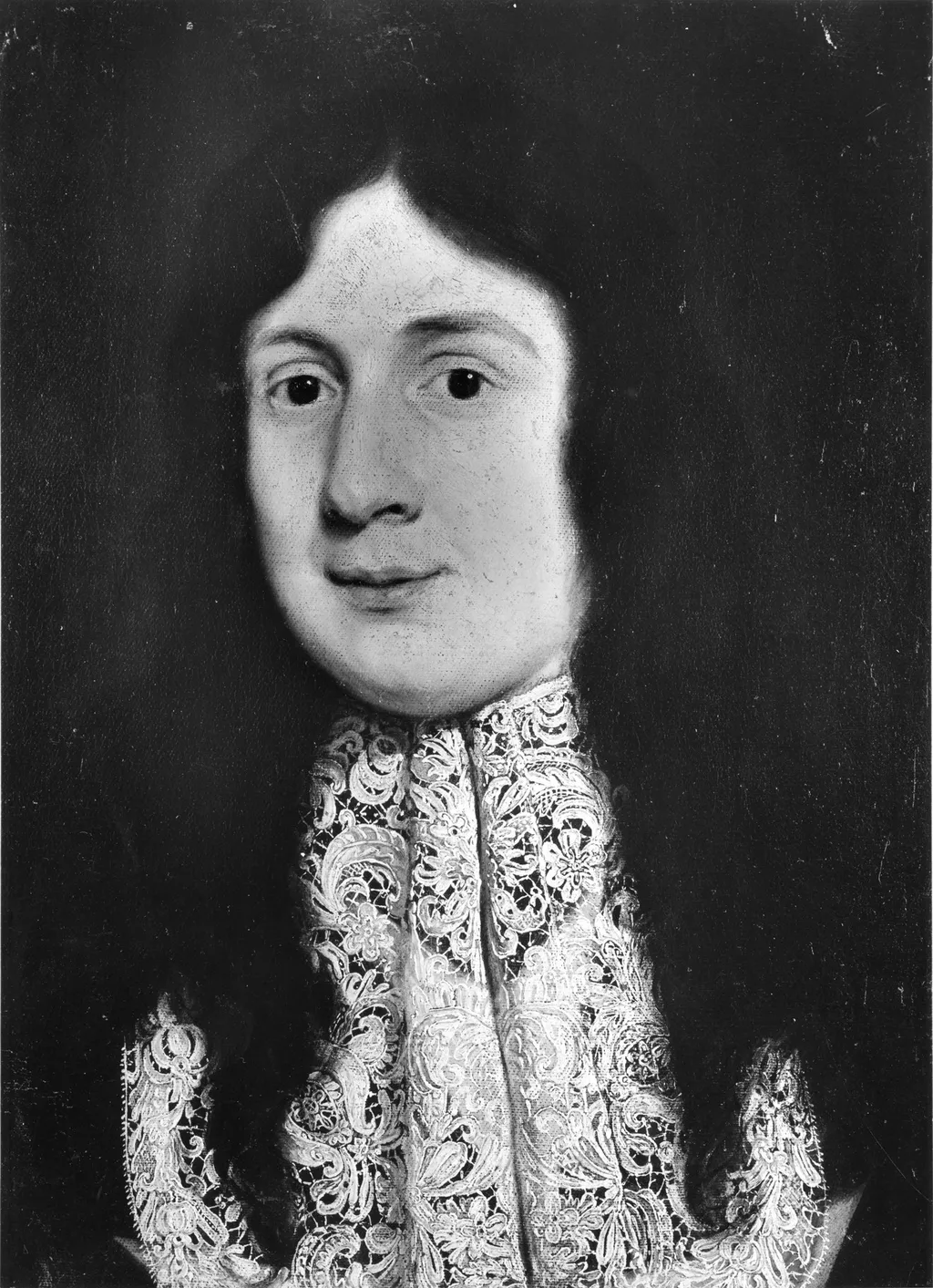
Portrait of a Knight of Malta is an oil painting by the Flemish Baroque painting artist Jacob Ferdinand Voet. It dates from 1669 and is held in the collection of the Walters Art Museum.
About this work
Overview
Voet, a Flemish artist known for his refined depictions of aristocratic subjects, completed the work after years of working in Italian and French courts.
Painted in 1669 by Jacob Ferdinand Voet, this oil portrait captures a member of the Knights of Malta during the height of the Baroque era. Voet, a Flemish artist known for his refined depictions of aristocratic subjects, completed the work after years of working in Italian and French courts. The painting is now part of the Walters Art Museum’s collection, representing the international reach of Flemish portraiture in the 17th century.
Subject & Meaning
The sitter is identified as a knight of the Order of Malta, a chivalric institution with religious and military significance. His formal attire, including a dark cloak and elaborate lace collar, signals both his noble status and adherence to the order’s strict codes. The restrained expression and direct gaze convey dignity and solemnity, reflecting the values of discipline and piety central to the knightly identity.
Technique & Style
Voet employed oil paint with meticulous attention to texture and light, particularly in the rendering of the lace collar, where fine threads and shadows are delicately suggested. The dark, unmodeled background isolates the figure, enhancing the three-dimensionality of his face and garments. Realism is prioritized over ornamentation, aligning with the Flemish Baroque tradition of capturing individual presence with quiet precision.
History & Provenance
Created during Voet’s mature period after his time in Rome and Paris, the portrait likely originated in a European court setting where the Knights of Malta maintained influence. It entered the Walters Art Museum’s collection in the early 20th century, having passed through private hands in Europe. Its documented attribution to Voet is supported by stylistic comparisons with his other authenticated works from the same decade.
Context
In the mid-17th century, portraits of military-religious elites like the Knights of Malta served as visual affirmations of power and piety. Voet’s clientele included nobility across Catholic Europe, and his ability to convey status through subtle detail made him a favored portraitist. This work reflects the broader trend of using portraiture to reinforce social hierarchy and institutional identity during the Baroque period.
Legacy
Voet’s portrait exemplifies the quiet authority of Flemish Baroque portraiture, distinguishing itself from the theatricality of some contemporaries. While not widely exhibited, it remains a significant example of how elite identity was constructed through dress, expression, and composition. Its preservation in a major American museum ensures continued scholarly access to this nuanced representation of 17th-century chivalric culture.
Artist & collection
Artist
Jacob Ferdinand Voet or Jakob Ferdinand Voet (c. 1639 – 26 September 1689) was a Flemish portrait painter. He had an international career that brought him to Italy and France, where he made portraits for an elite…

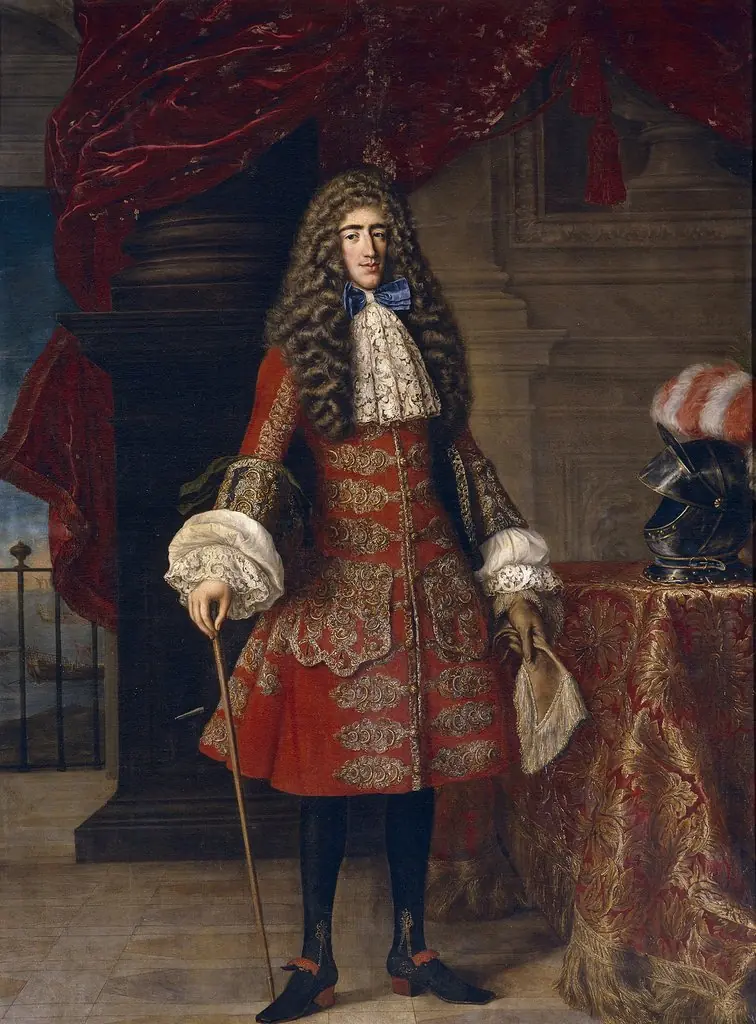 Portrait of Don Luis de la Cerda, later IX Duke of Medinaceli (or Medinacelli), (1654–1711)
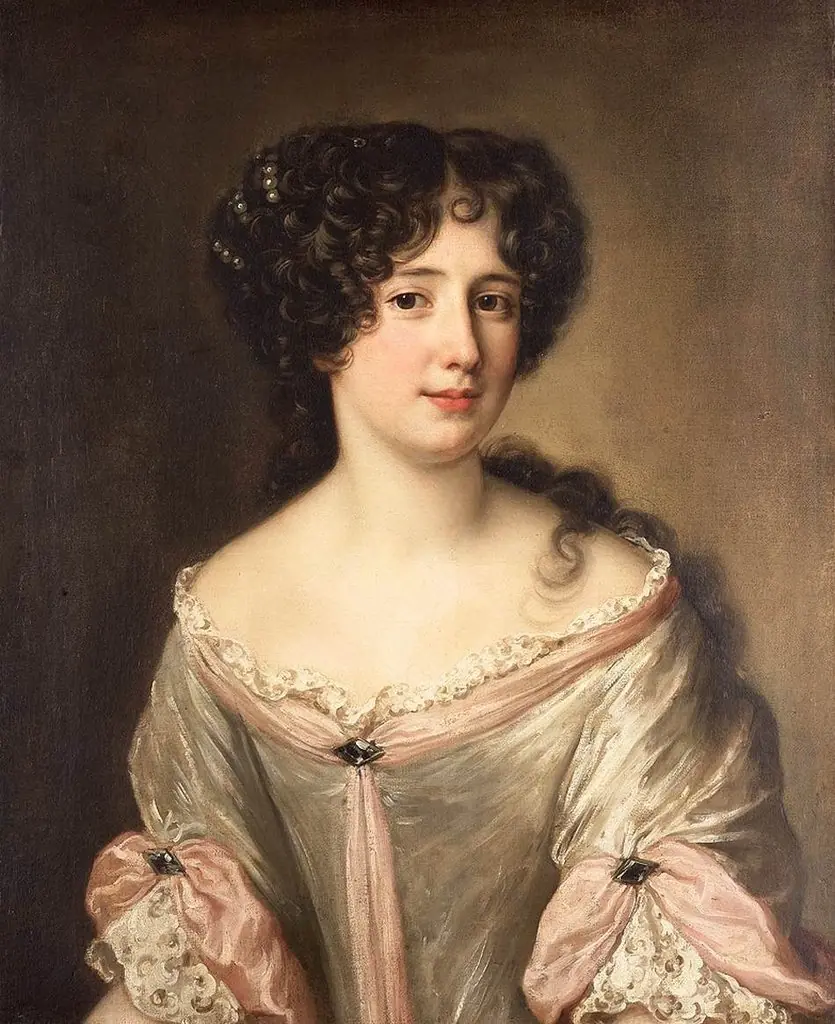 Portrait of Maria Mancini Colonna (1639-1715)
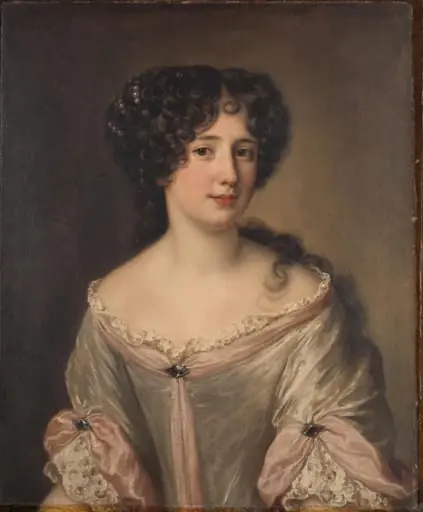 Portrait of La Duchessa Mancini Colonna (1646-1699)
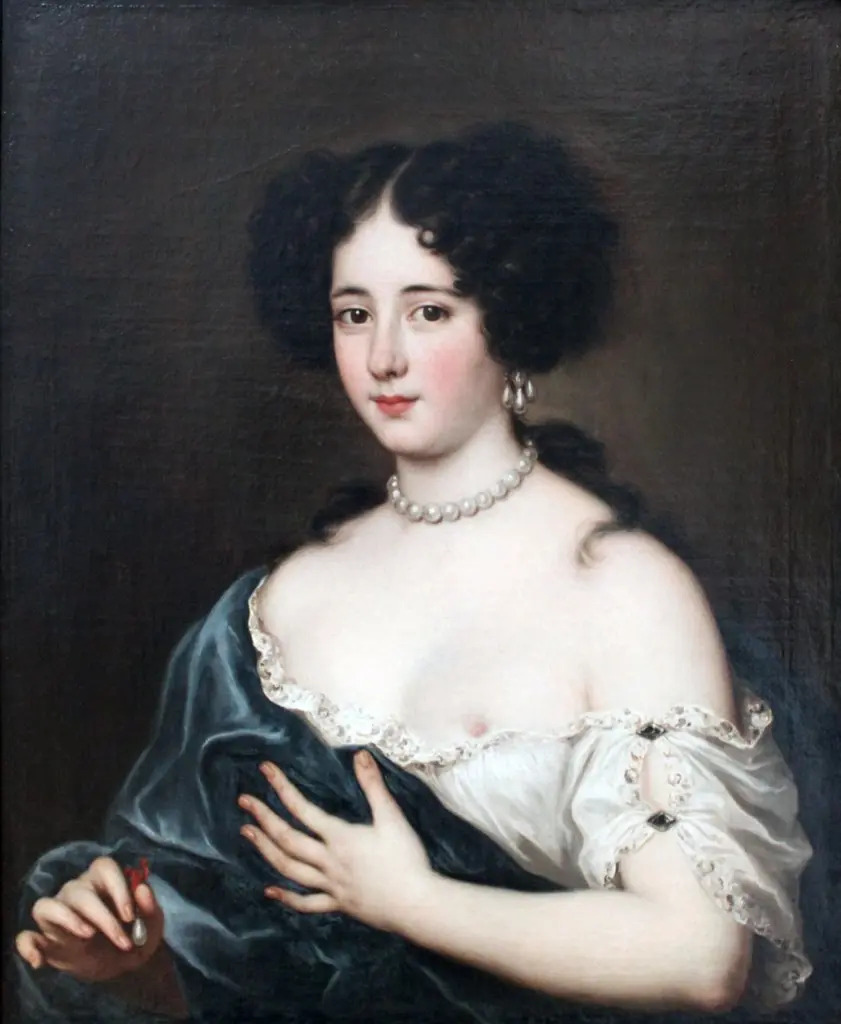 Clelia Cesarini Colonna (1655-1735), Duchess of Sonnino, as Cleopatra
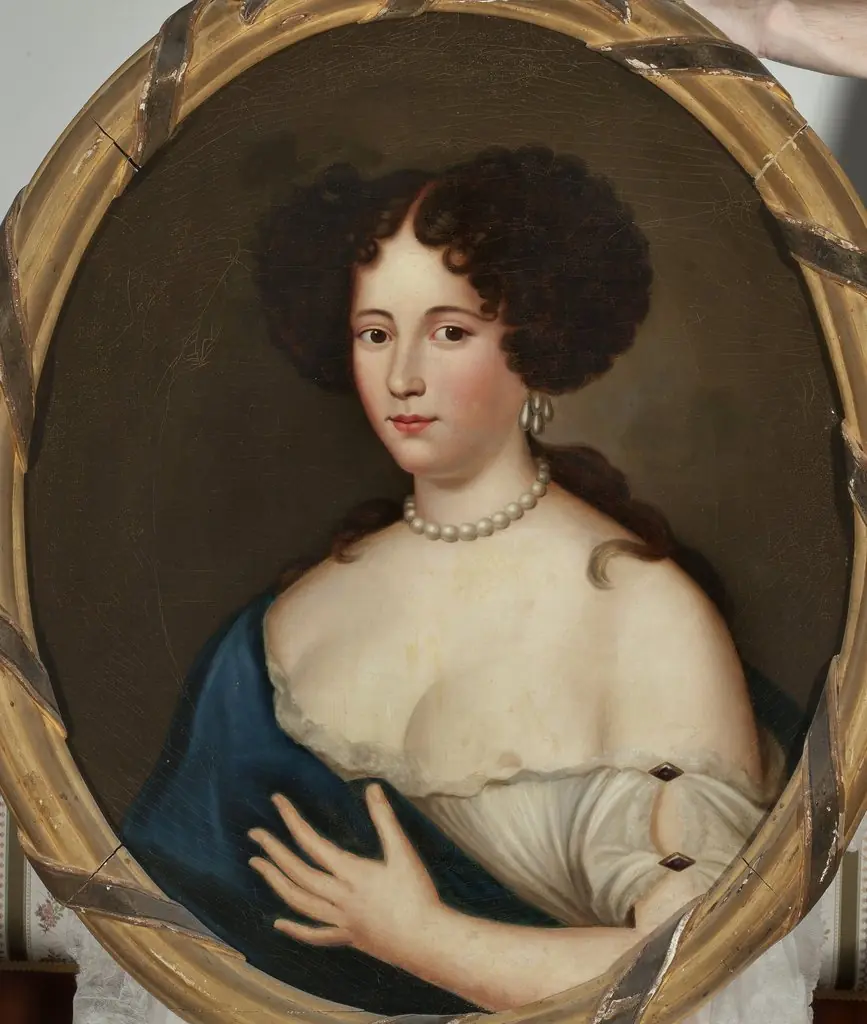 Portrait of Maria Mancini (1639–1715)
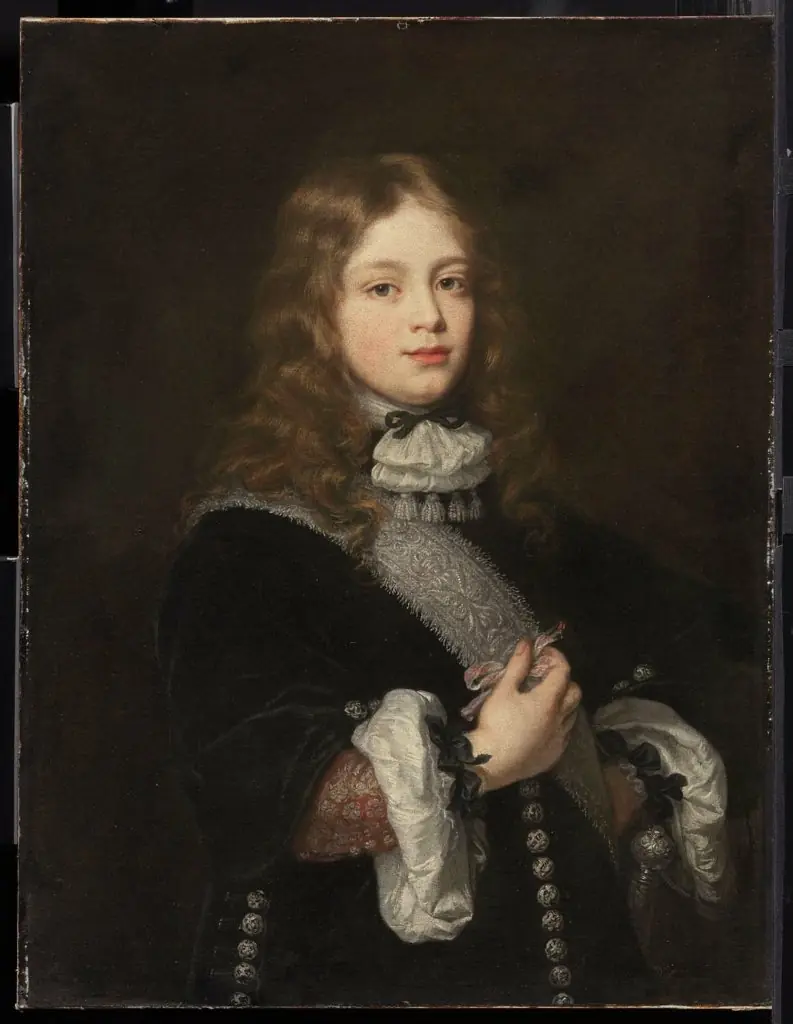 Portrait of a Boy
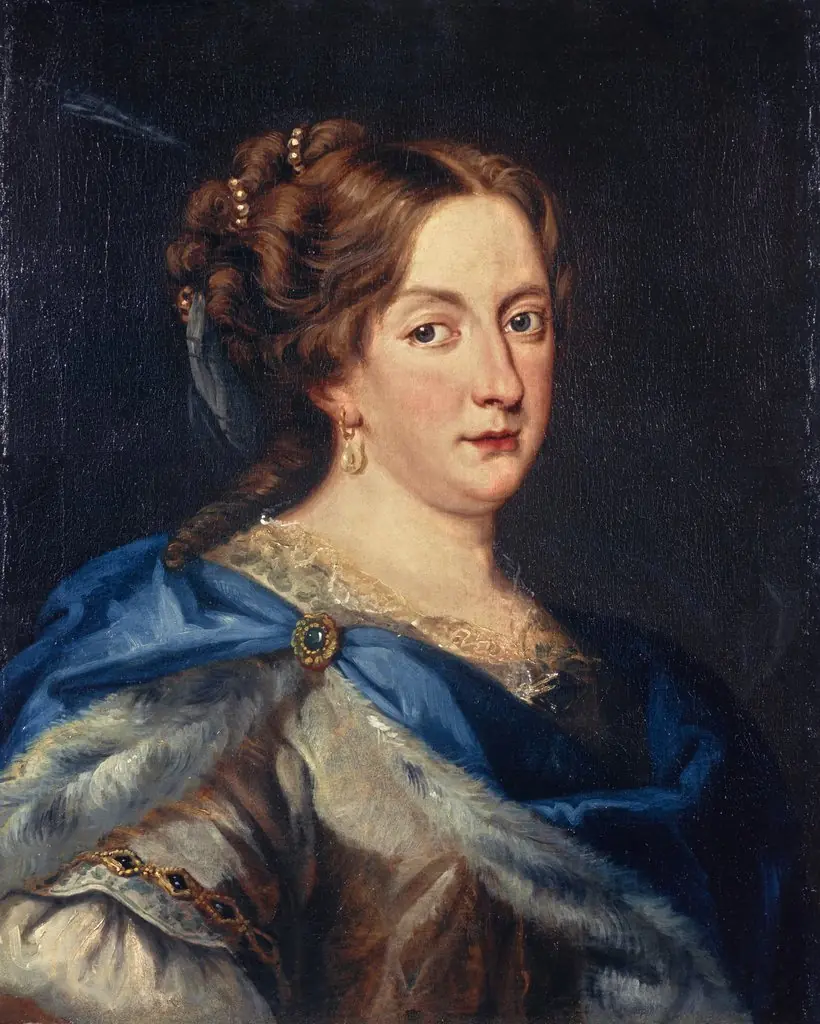 Queen Christina of Sweden (1626 - 1689)
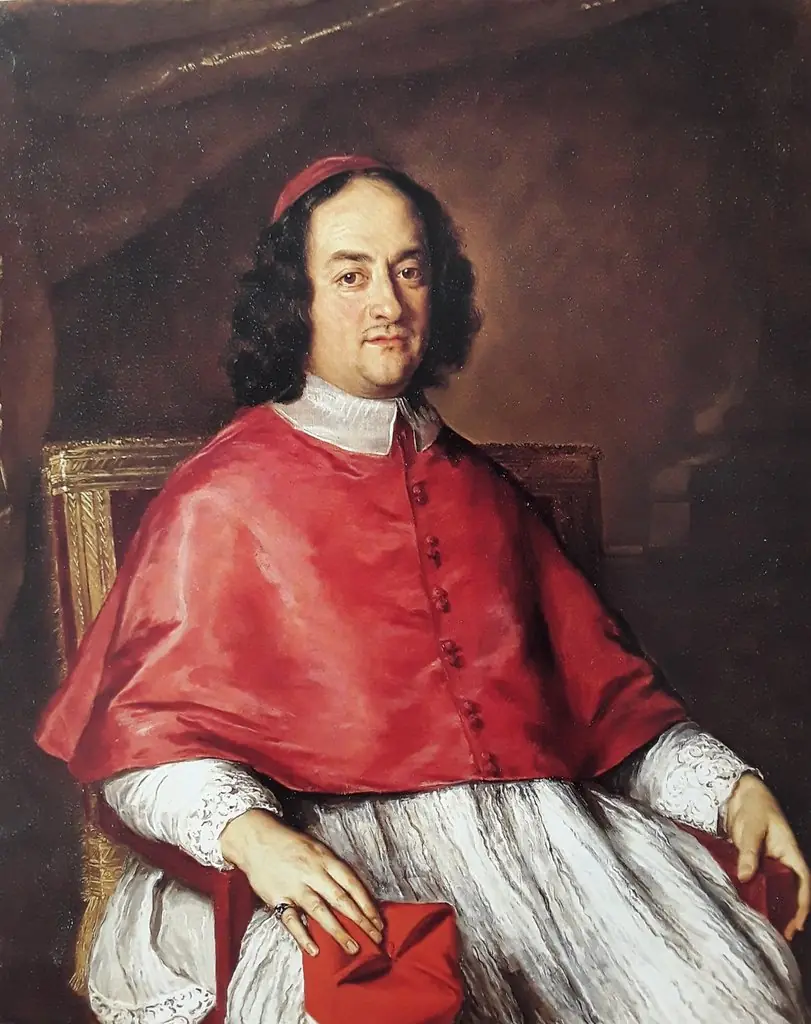 Cardinal Dezio Azzolini (1623-1689)
 Bildnis eines jungen Mannes (Werkstatt)
 König Friedrich V. von der Pfalz
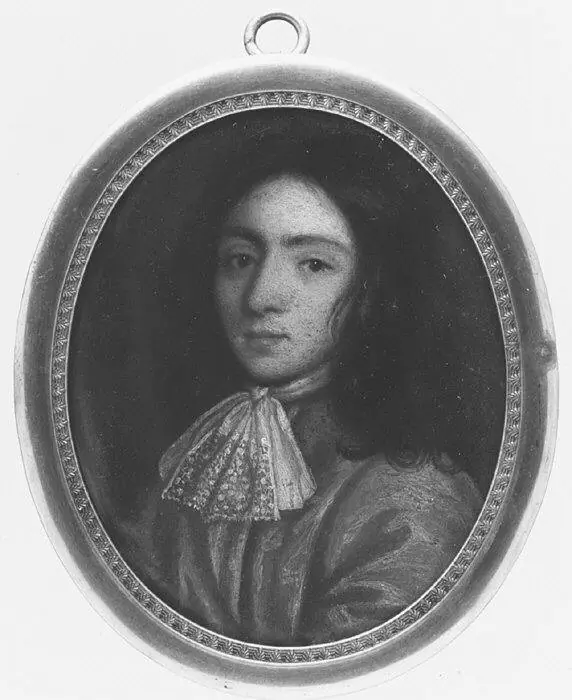 Portrait of a Man
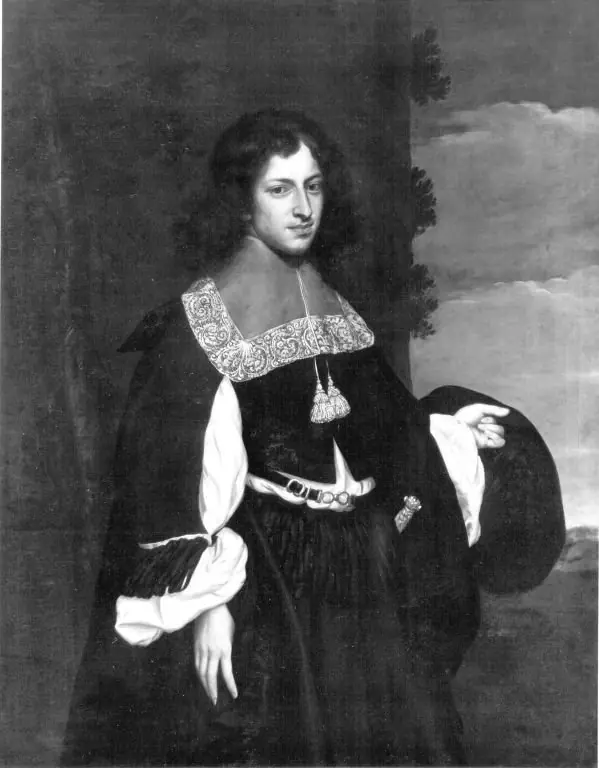 Portrait of a 20 year-old man
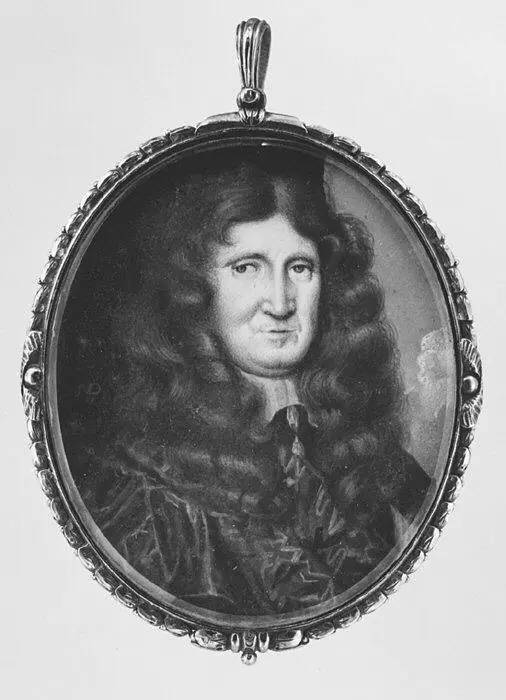 Sir Henry Blount (1602–1682)
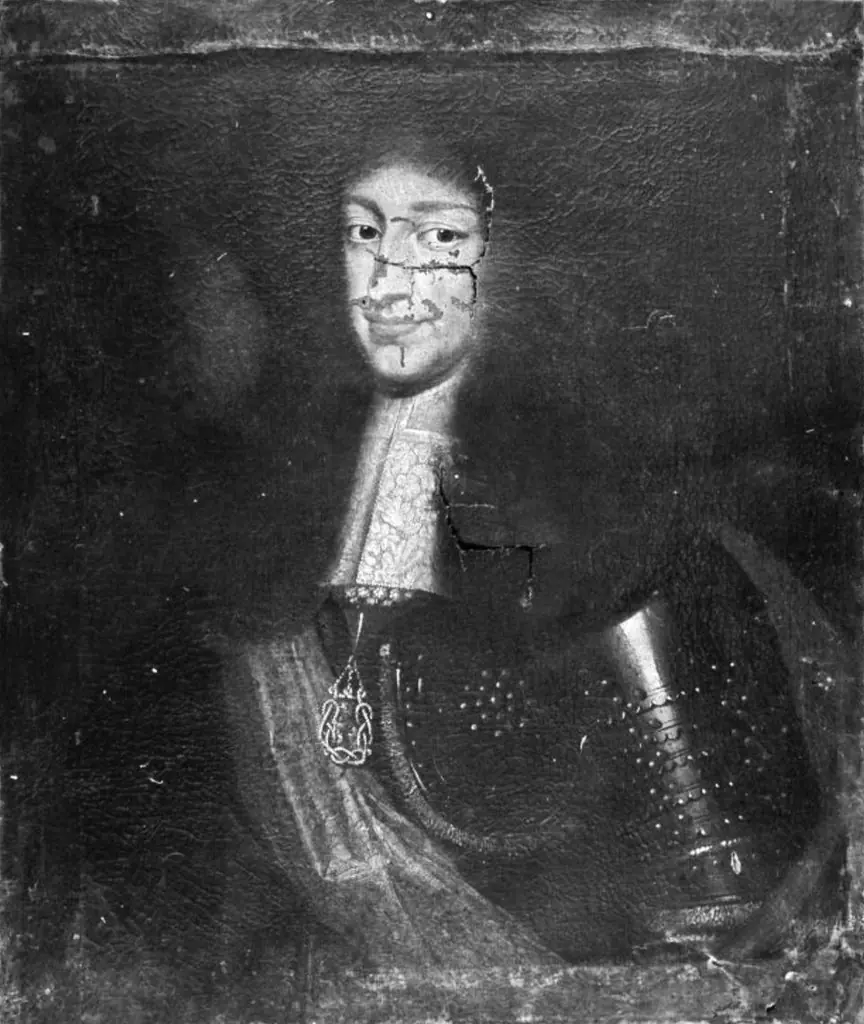 Savoyscher Prinz
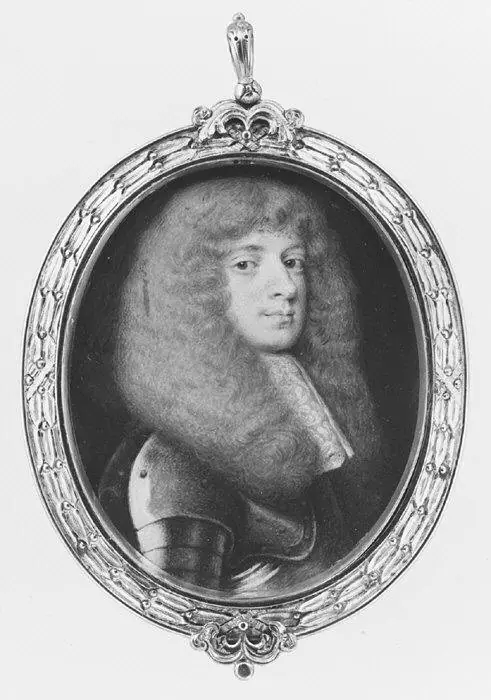 Portrait of a Man, Said to Be John Cecil (1628–1678), Fourth Earl of Exeter
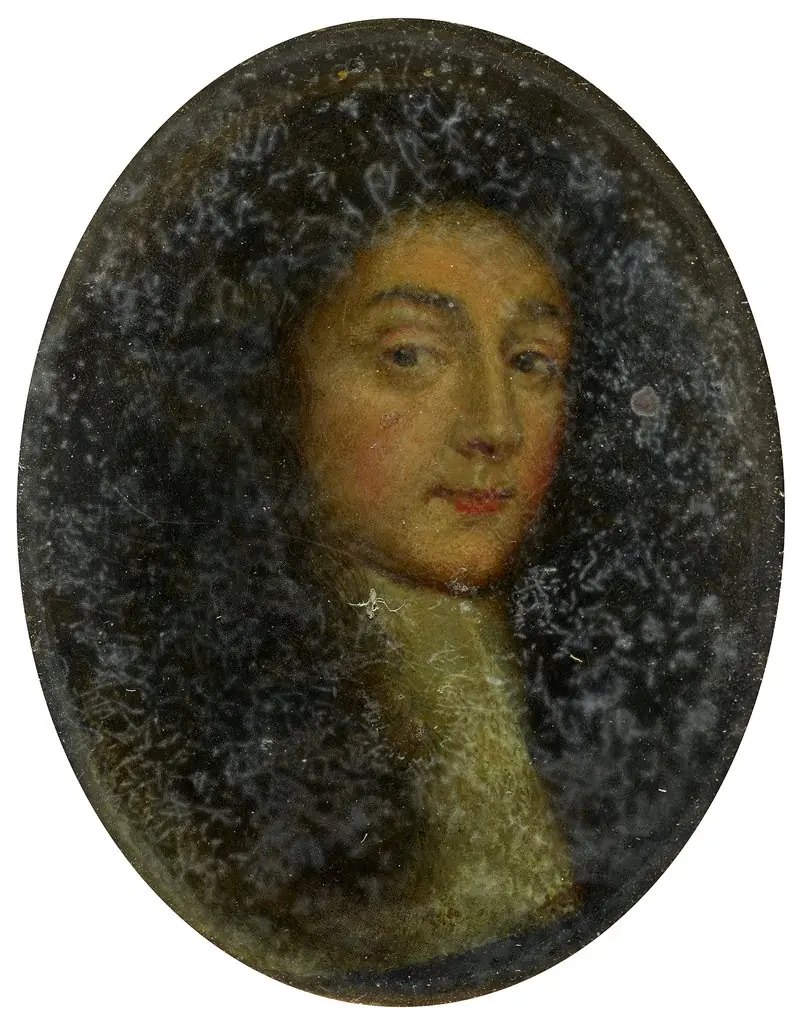 Portrait of a Young Man
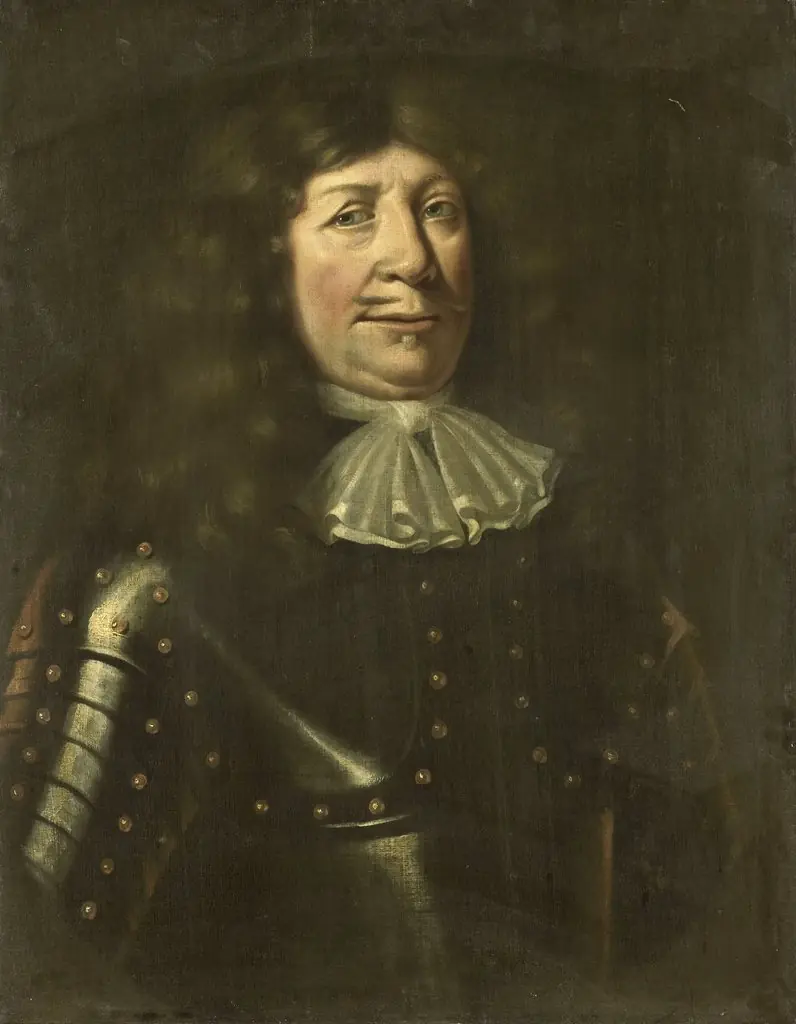 Portrait of Carel Rabenhaupt, Lieutenant-General
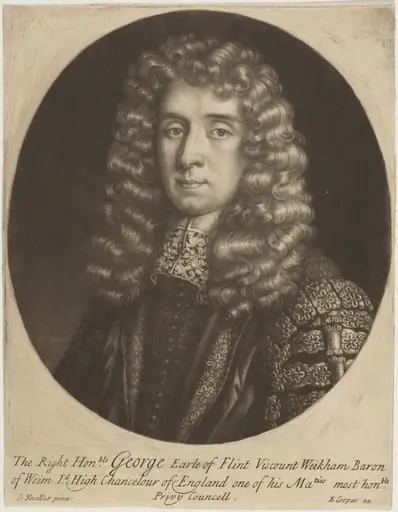 George Jeffreys, Earl of Flint, Viscount Weikham
 Ulrik Frederik Gyldenløve
 Portrait of Johan van Bochoven (1624-93), Public prosecutor and councillor at the court of Flanders