Artwork
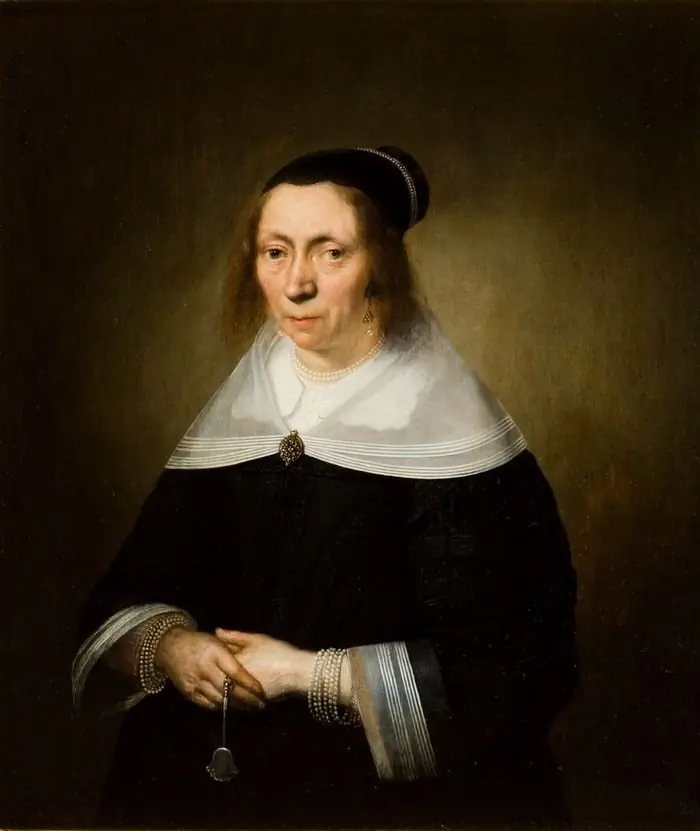
Portrait of a woman
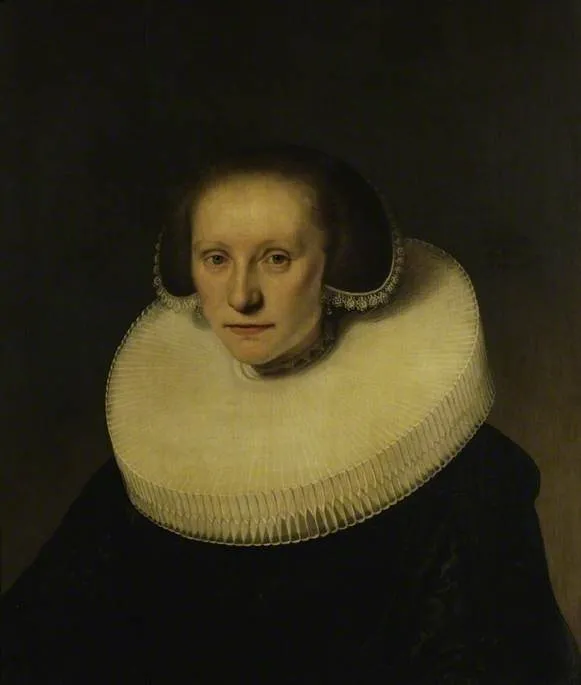
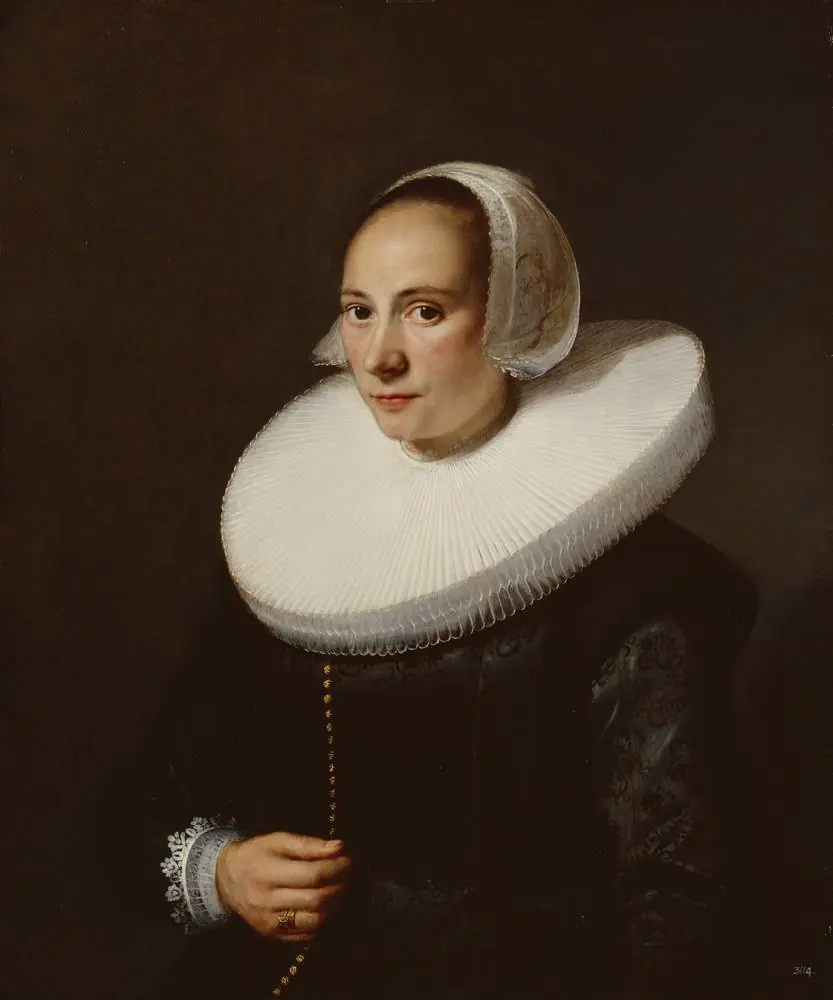
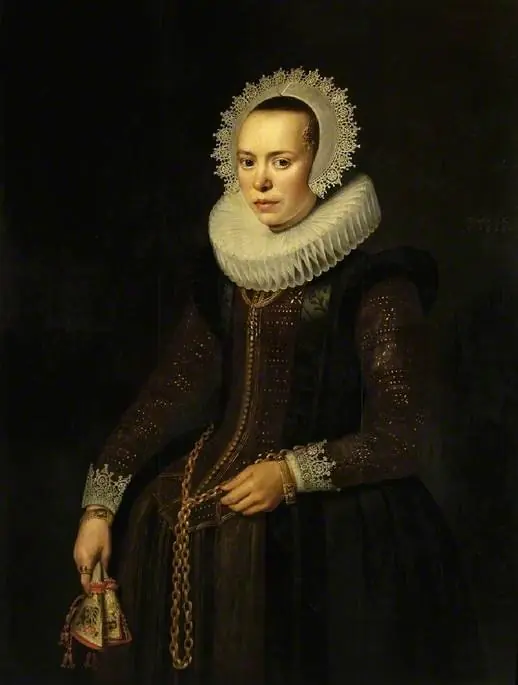
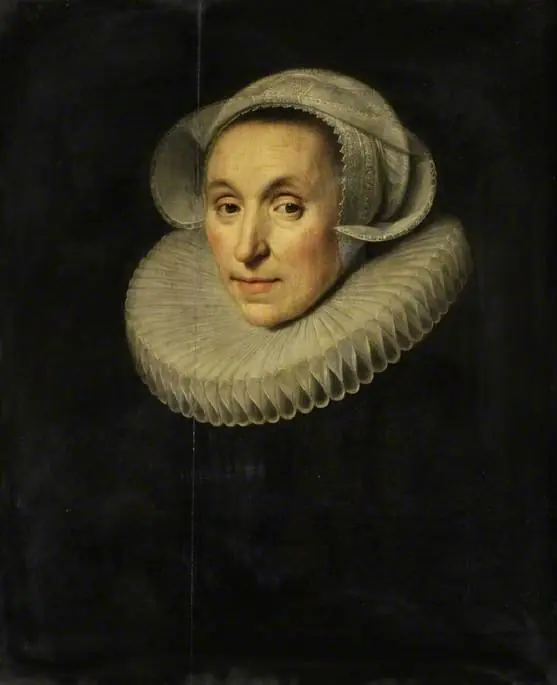
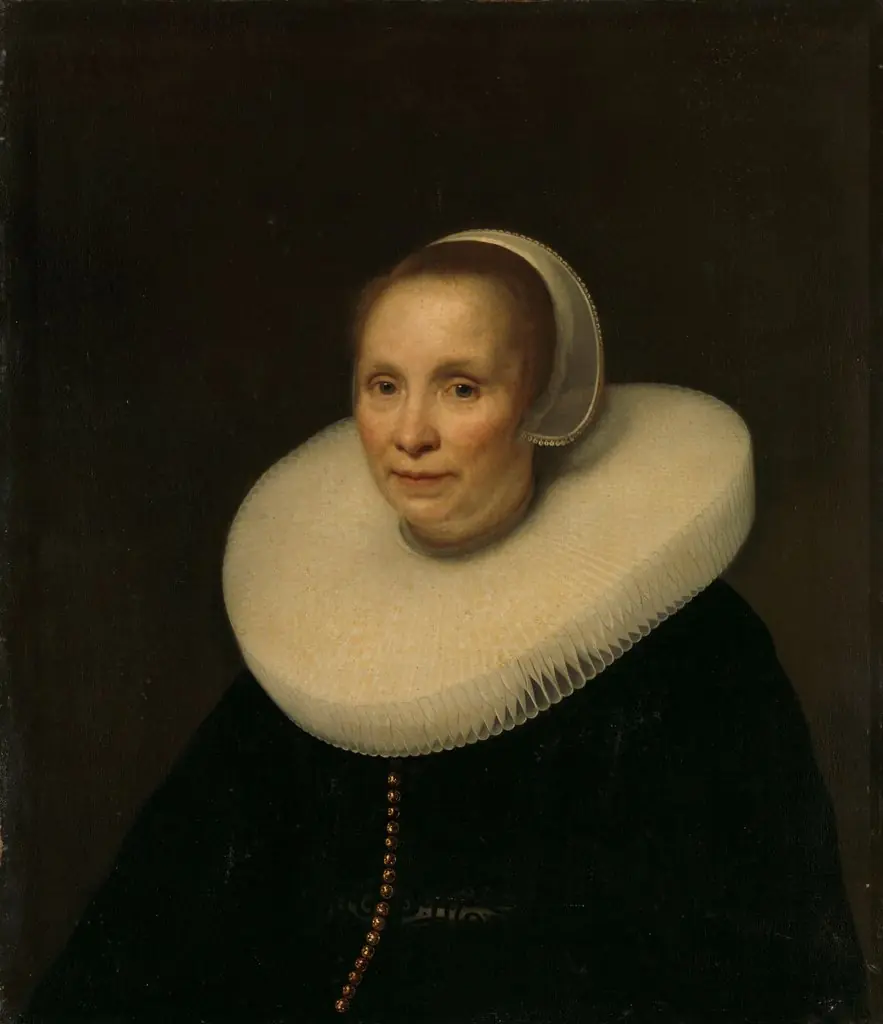
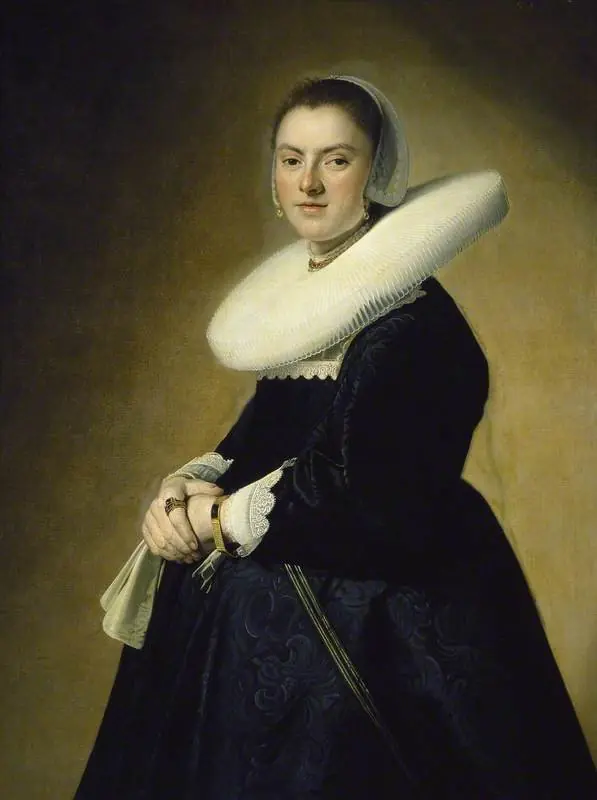
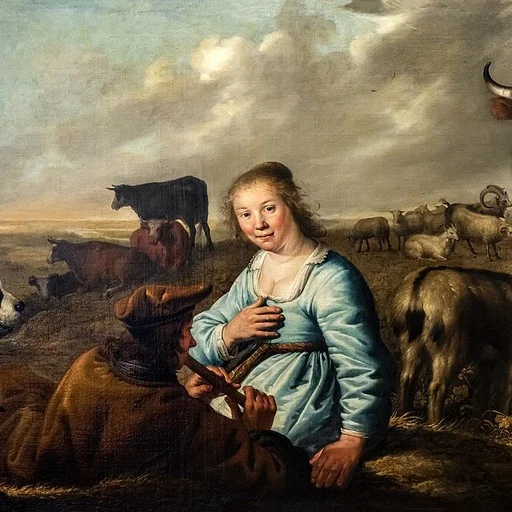
Portrait of a woman is an oil painting by Jacob Gerritsz Cuyp. It dates from 1636 and is held in the collection of the Fitzwilliam Museum.
About this work
Overview
The work is part of the Fitzwilliam Museum’s collection, reflecting its enduring status as a representative example of mid-17th-century Dutch portraiture.
Painted in 1636, this oil portrait by Jacob Gerritsz Cuyp captures a woman in formal attire against a dark, unadorned background. Cuyp, active in Dordrecht, was known primarily for portraiture during this period, though his oeuvre also included still lifes and later pastoral scenes. The work is part of the Fitzwilliam Museum’s collection, reflecting its enduring status as a representative example of mid-17th-century Dutch portraiture.
Subject & Meaning
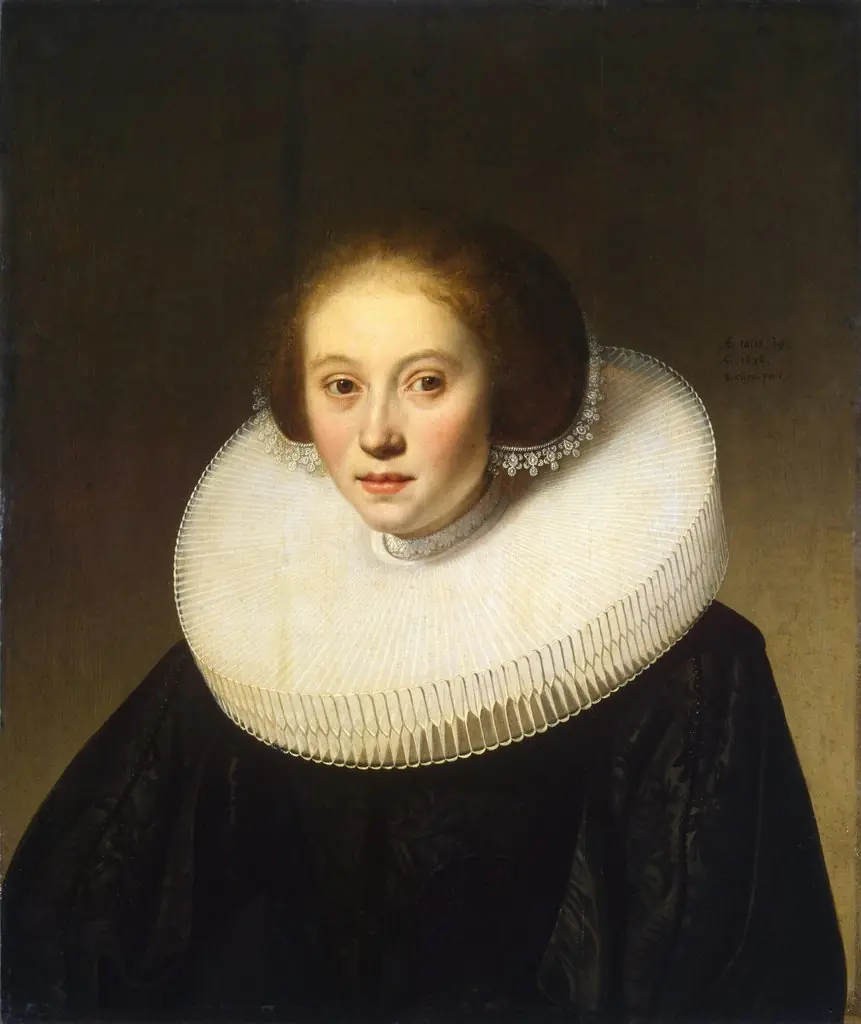
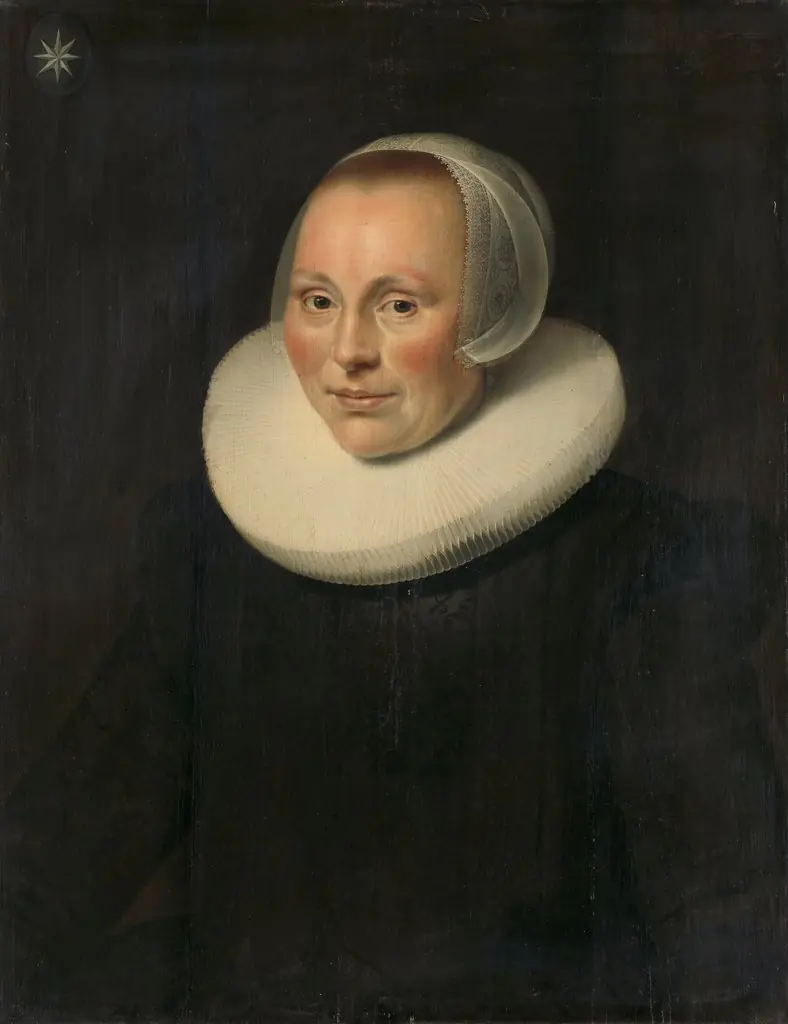
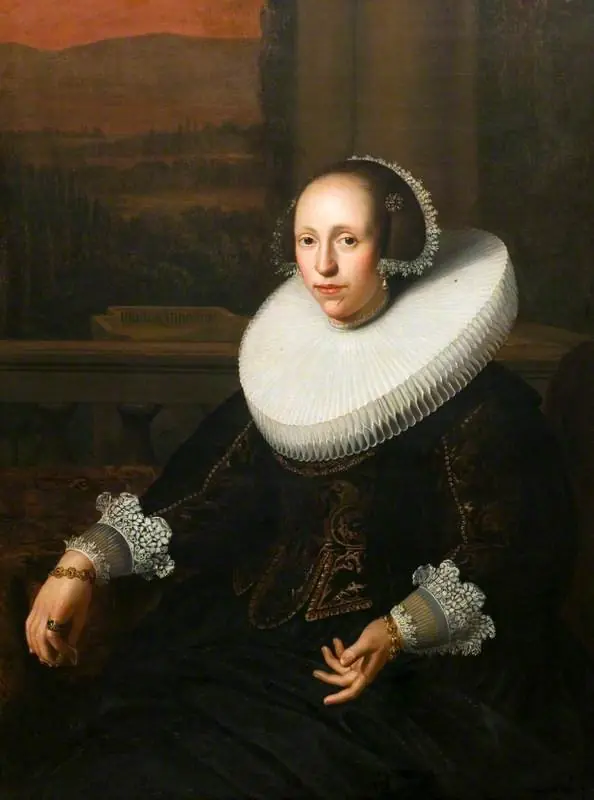
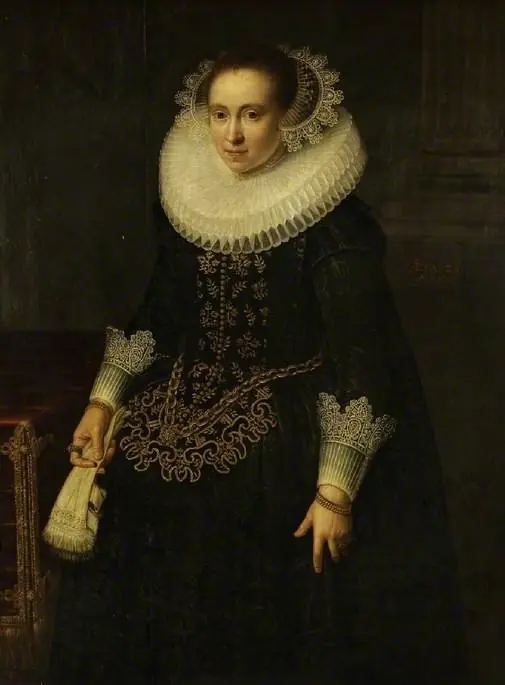
The sitter is depicted with restrained dignity, her gaze direct and expression calm. Her dark clothing and elaborate white lace collar suggest upper-middle-class status, typical of Dutch civic elites of the time. The absence of symbolic objects or elaborate settings implies an emphasis on personal presence rather than social narrative, aligning with the era’s preference for quiet, introspective portraiture.
Technique & Style
Cuyp employs chiaroscuro to model the woman’s face and collar with subtle gradations of light and shadow, lending volume and texture without theatricality. The brushwork is precise in rendering lace and fabric folds, yet loose in the background, creating a focused visual hierarchy. The dark ground enhances the luminosity of the white collar and the sitter’s skin, reinforcing the portrait’s solemn tone.
History & Provenance
The painting has remained in institutional hands since at least the 19th century, entering the Fitzwilliam Museum’s collection through documented acquisitions. Its attribution to Cuyp is consistent with his known body of work from the 1630s, and no significant alterations or reworkings are recorded. The painting’s survival in good condition reflects careful stewardship over centuries.
Context
In 1630s Holland, portraiture flourished as a marker of civic identity among merchants and professionals. Unlike aristocratic portraits elsewhere, Dutch examples favored modesty and realism. Cuyp’s work fits this tradition, avoiding grandeur in favor of intimate observation. His later shift to landscapes underscores a broader trend among Dutch artists toward diverse subjects beyond commissioned likenesses.
Legacy
Though less renowned than his son Aelbert Cuyp, Jacob Gerritsz Cuyp contributed to the development of Dutch portraiture through his restrained compositions and technical precision. This portrait exemplifies the quiet authority of non-royal subjects in the Dutch Golden Age. It remains a reference point for understanding the evolution of domestic portraiture before the rise of more elaborate styles in the late 17th century.
Artist & collection
Artist
Jacob Gerritszoon Cuyp or Cuijp (1594–1652) was a portrait and landscape painter, best known for his portraits.