Artwork
Portrait of an Old Man
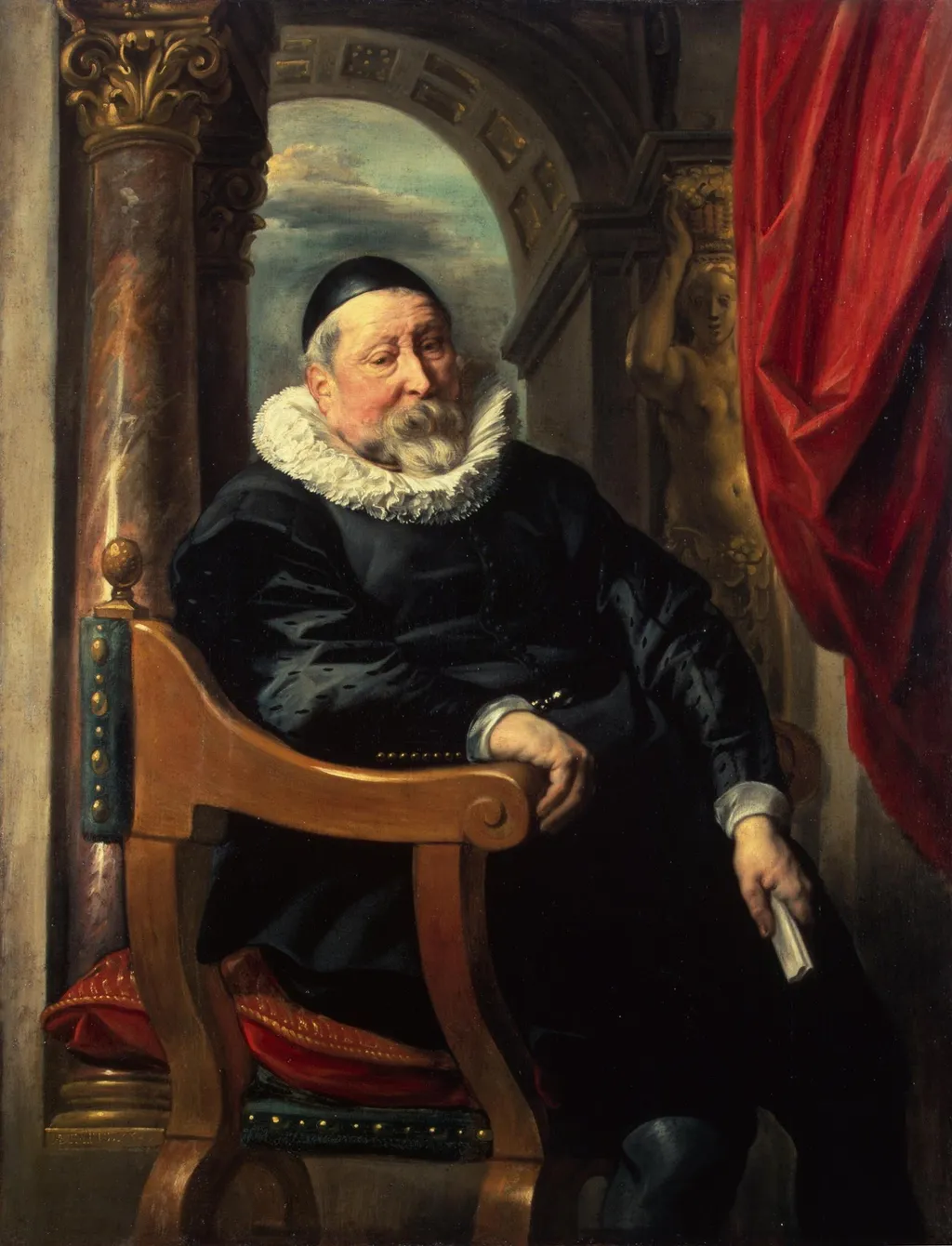
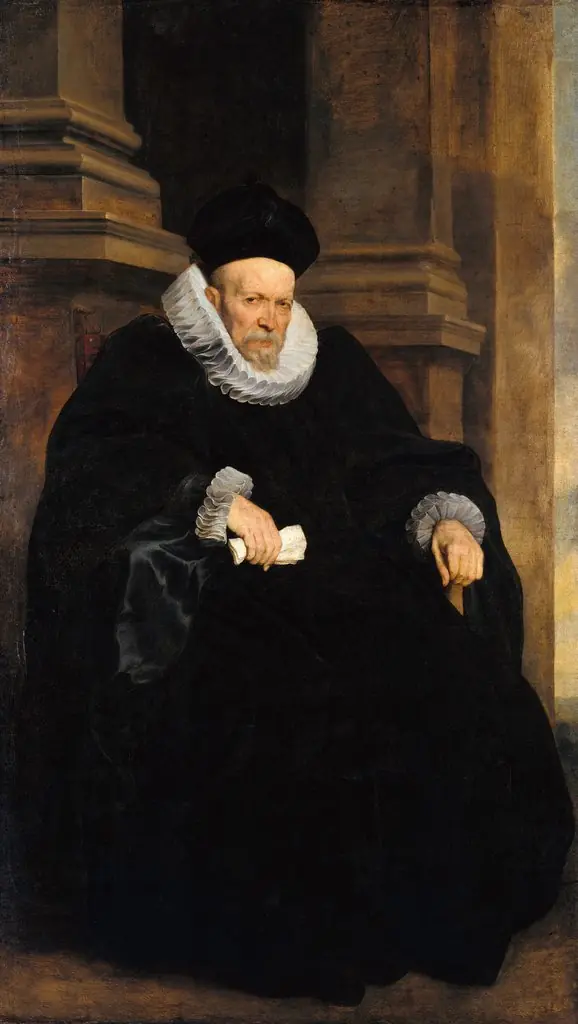
Portrait of an Old Man is an oil painting by the Flemish Baroque painting artist Jacob Jordaens. It dates from 1637 and is held in the collection of the Hermitage Museum.
About this work
Overview
Jordaens, a prominent Flemish artist of the Baroque era, was known for his versatility across religious, mythological, and domestic subjects.
Painted in 1637, this oil-on-canvas portrait by Jacob Jordaens captures an elderly man in quiet repose. Jordaens, a prominent Flemish artist of the Baroque era, was known for his versatility across religious, mythological, and domestic subjects. This work stands as a restrained example within his broader oeuvre, emphasizing psychological presence over narrative drama. It resides today in the State Hermitage Museum, part of a collection that reflects the breadth of Northern European portraiture.
Subject & Meaning
The subject is an aged man, bearded and dressed in somber black, seated with a book in hand. His posture and gaze suggest introspection rather than performance. The presence of the book implies literacy and intellectual engagement, while the classical column and statue hint at cultural refinement. The absence of overt symbolism or heraldry points to a focus on individual dignity rather than social status, aligning with the humanist values of the period.
Technique & Style
Jordaens employs chiaroscuro to model the figure with subtle gradations of light and shadow, enhancing the three-dimensionality of the face and hands. The texture of the white beard and the folds of the black robe are rendered with careful brushwork, contrasting with the softer, muted background. The composition is tightly framed, directing attention to the man’s expression and gesture. The architectural elements are rendered with precision but remain secondary, serving as contextual framing rather than focal points.
History & Provenance
The painting was created during Jordaens’s mature period, following the deaths of Rubens and van Dyck, when he assumed greater prominence in Antwerp’s artistic community. Its early ownership is undocumented, but it entered the Hermitage collection in the 18th or 19th century, likely through imperial acquisitions of European art. It has remained in the museum’s holdings since, preserved as part of its growing portfolio of Flemish works.
Context
In mid-17th century Flanders, portraiture often served to convey moral or intellectual character, especially among the educated elite. Jordaens, though better known for lively genre scenes, turned to portraiture with a similar attention to human presence. This work reflects a shift toward quieter, more introspective depictions, distinct from the grandeur of Rubens but aligned with the growing interest in individuality and inner life in Northern European art.
Legacy
While not among Jordaens’s most celebrated works, this portrait exemplifies his ability to convey quiet dignity through restrained composition and nuanced lighting. It contributes to the understanding of how Flemish artists adapted portraiture beyond aristocratic display, capturing the essence of ordinary intellect and age. The painting remains a reference point for studies of Baroque psychological realism in the absence of overt narrative.
Artist & collection
Artist
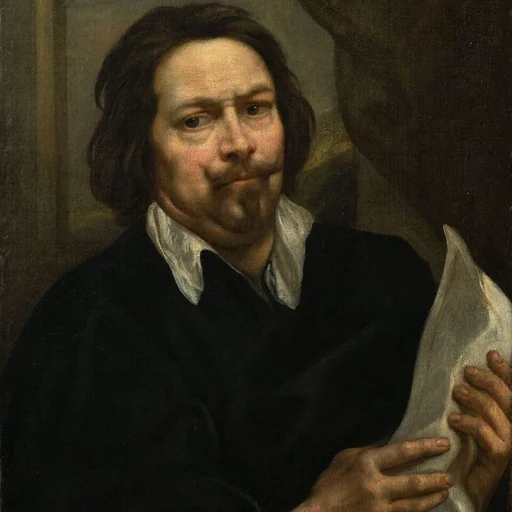
Jacques (Jacob) Jordaens (19 May 1593 – 18 October 1678) was a Flemish painter, draughtsman and a designer of tapestries and prints.

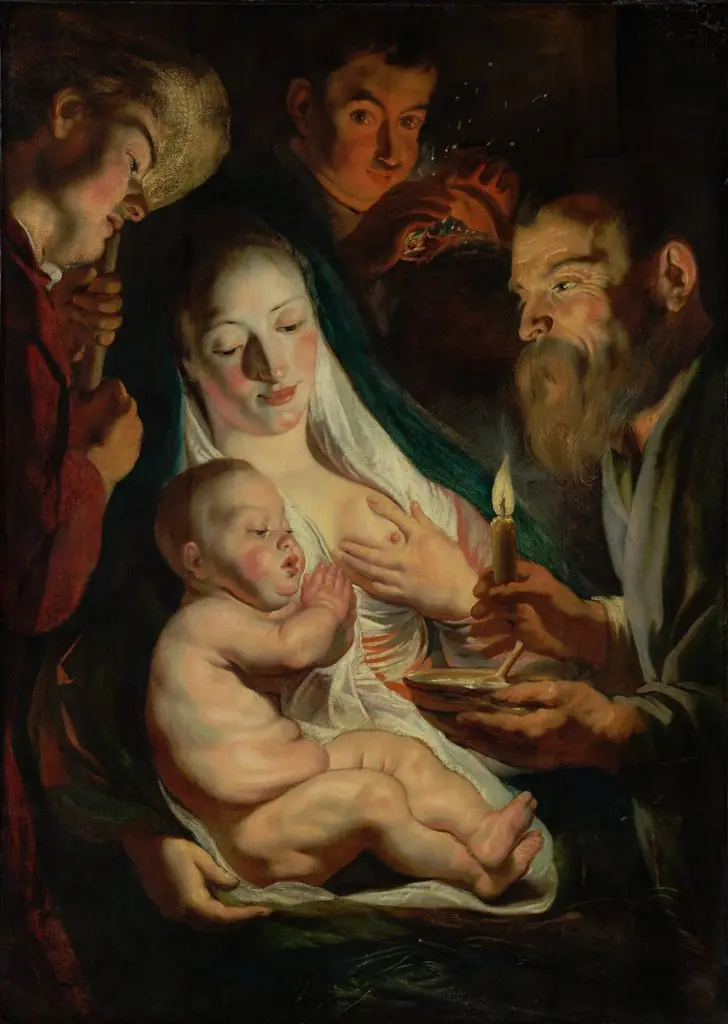 The Holy Family with Shepherds
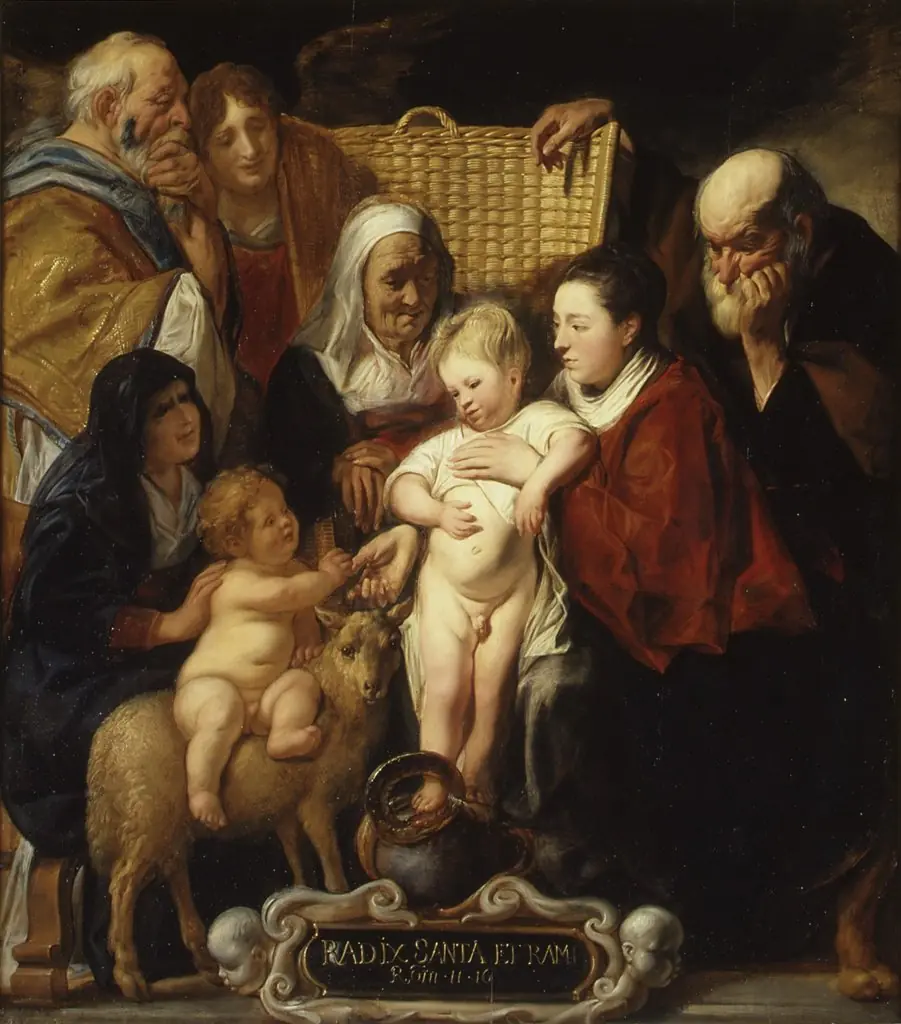 The Holy Family with Saint Anne and the Young Baptist and His Parents
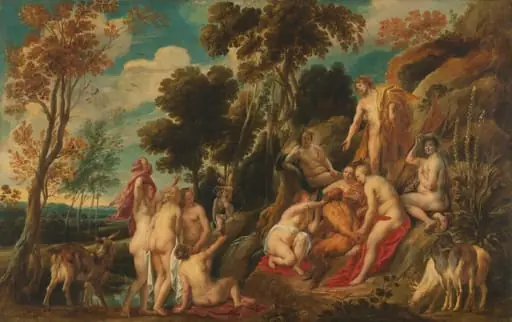 Untitled
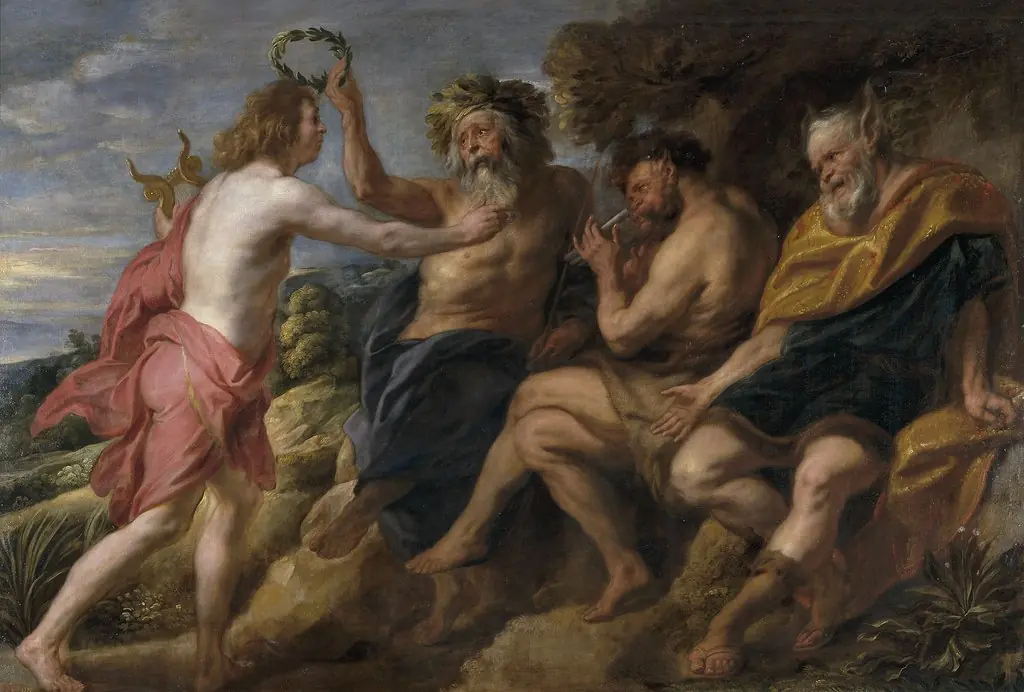 Apollo as Victor over Pan
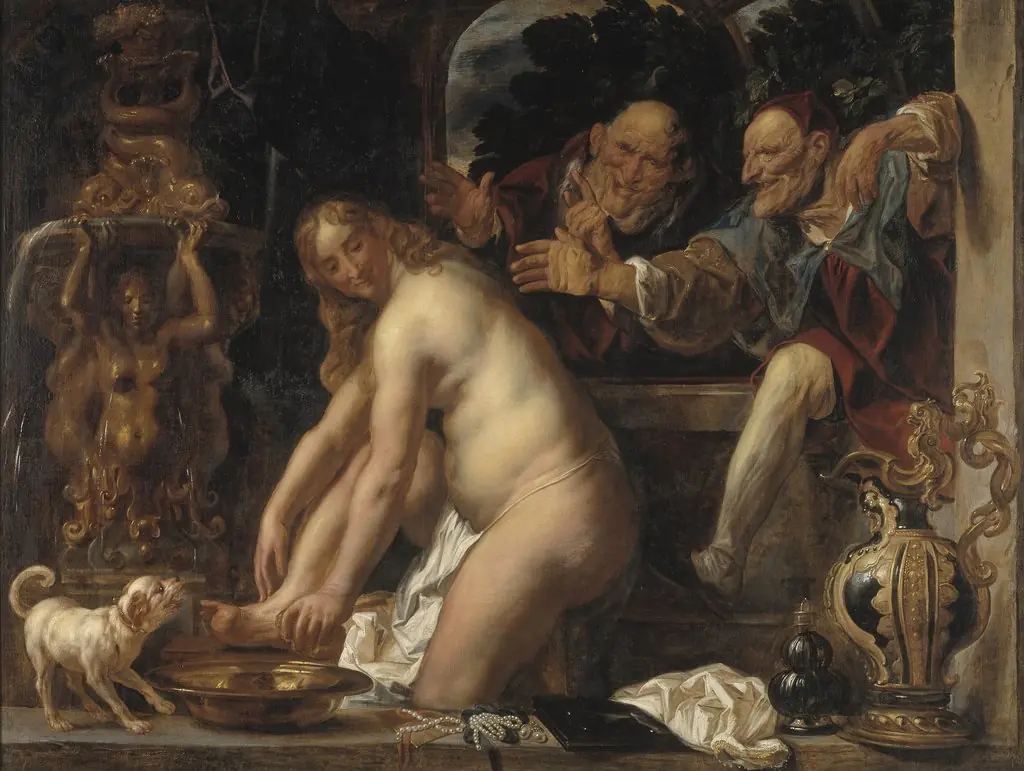 Susanna and the Elders
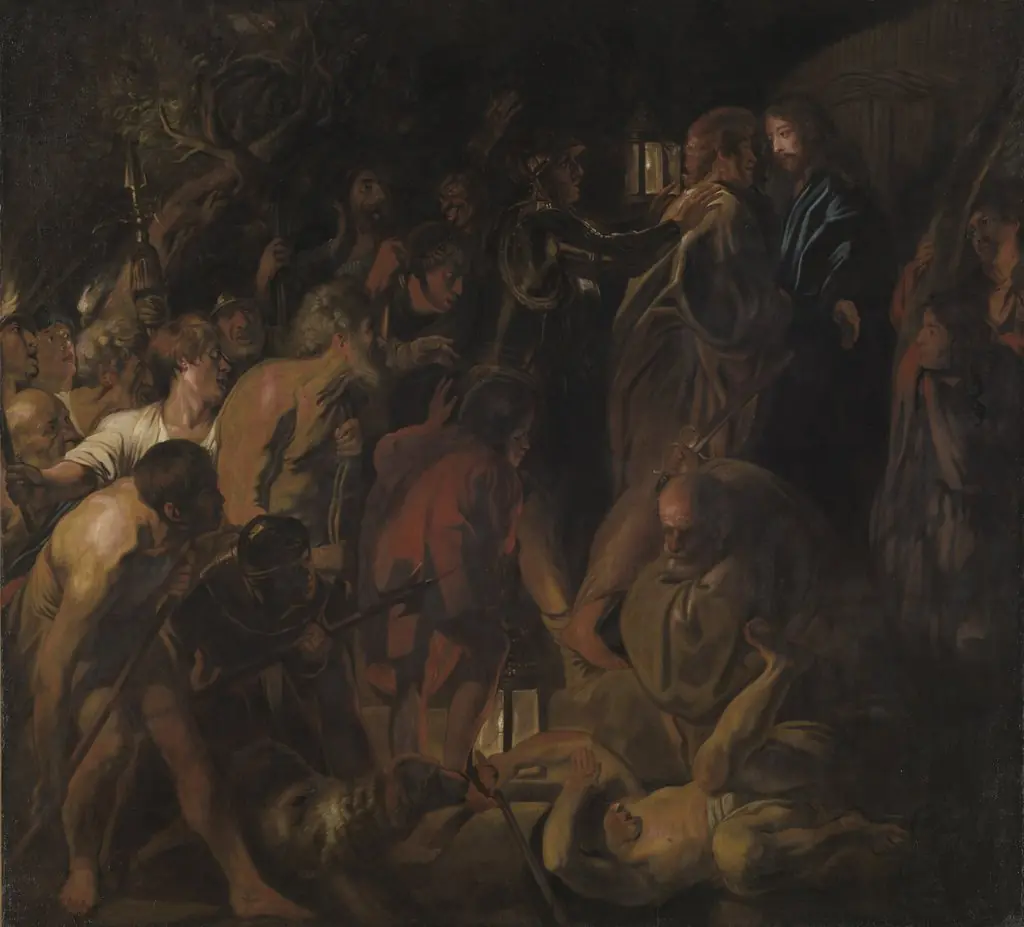 The Betrayal of Christ
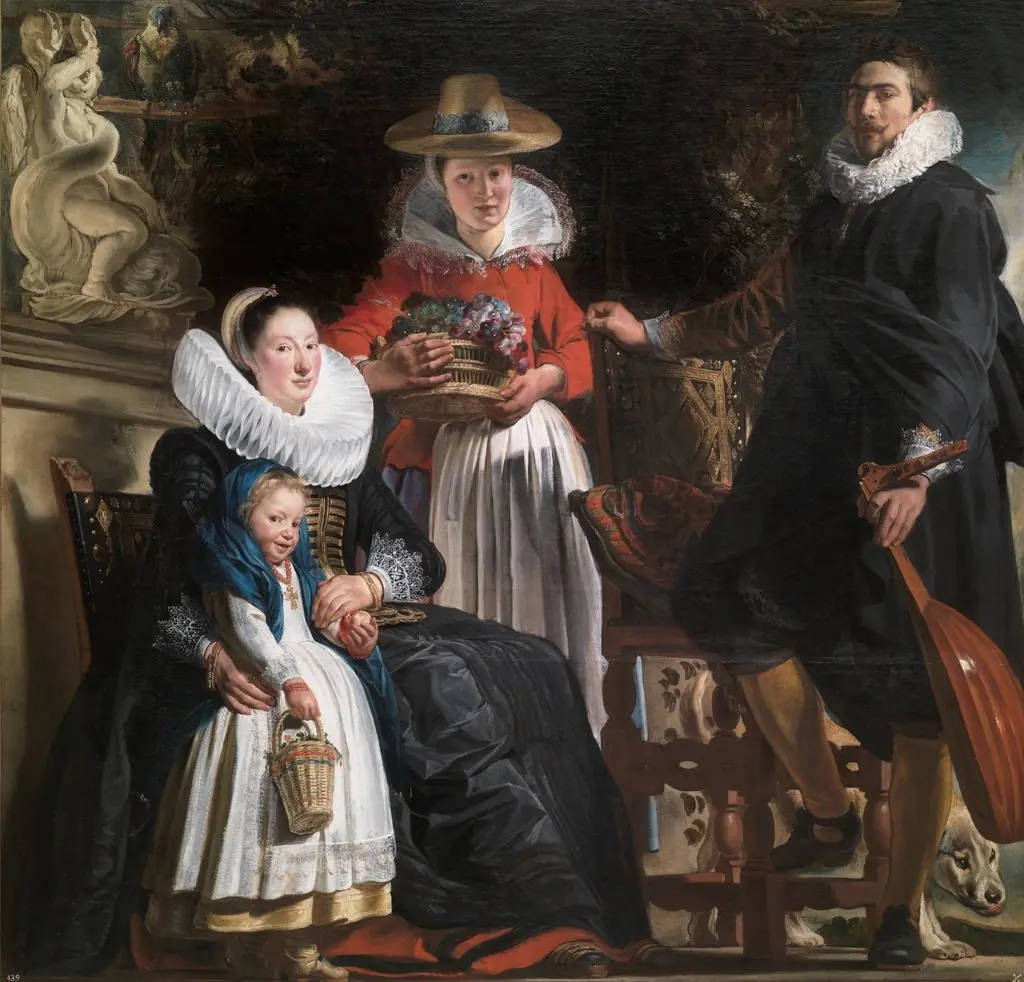 Portrait of the artist with his family
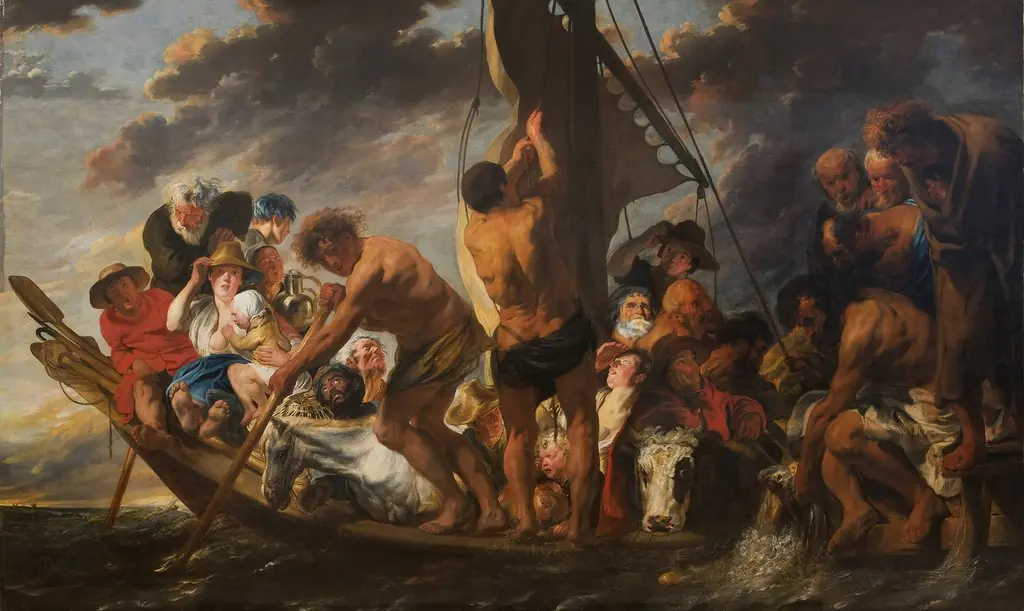 The Tribute Money. Peter Finding the Silver Coin in the Mouth of the Fish. Also called "The Ferry Boat to Antwerp"
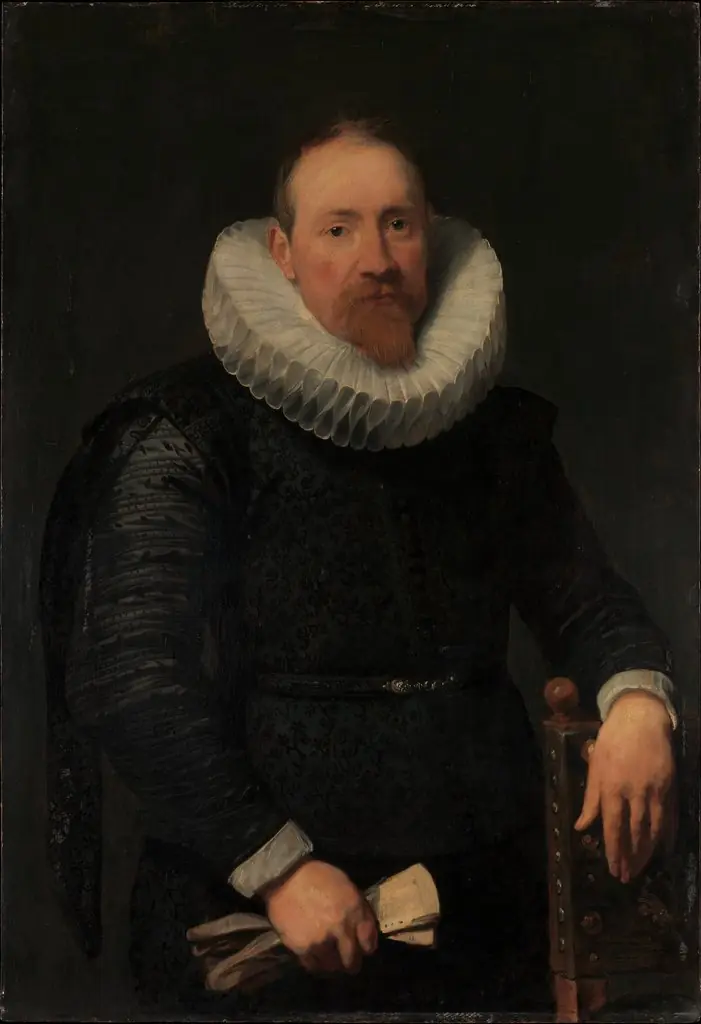 Portrait of a Man
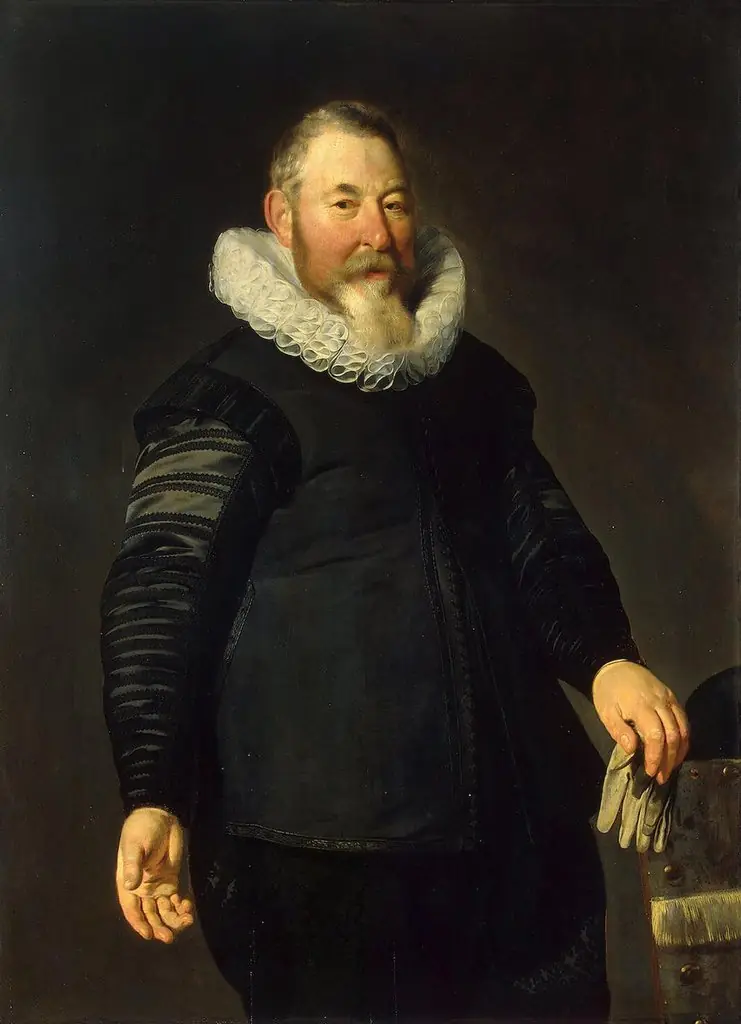 Portrait of a Man
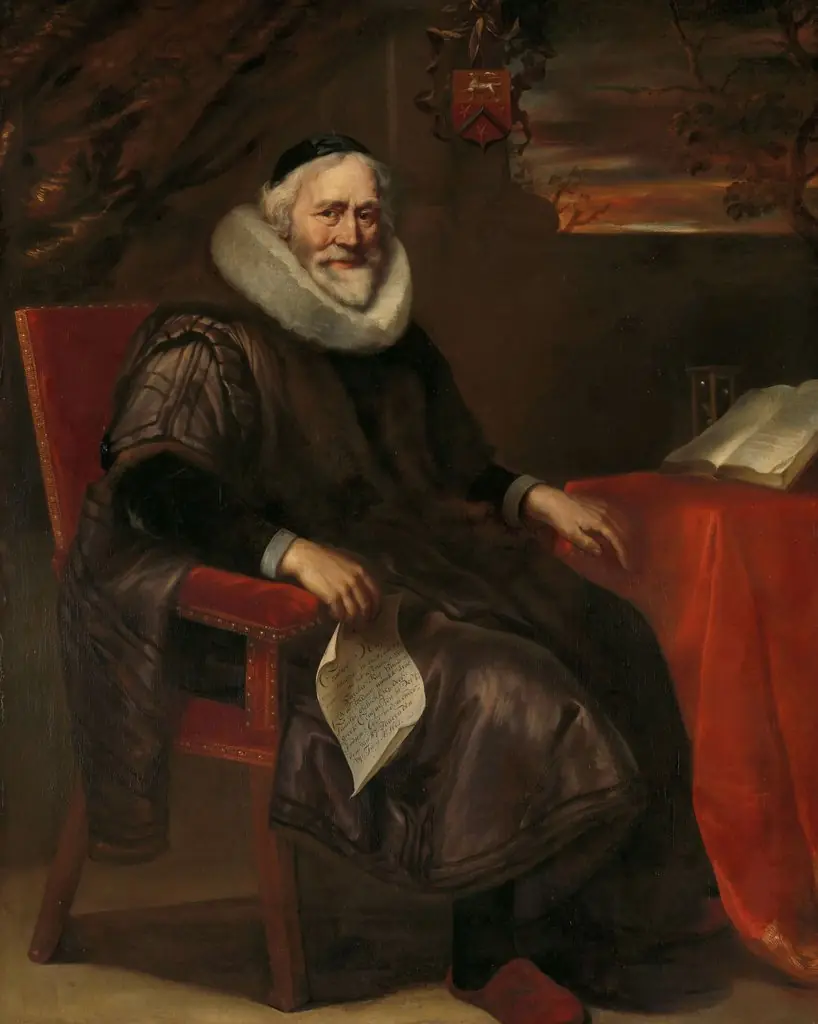 Cornelis Nuyts (1574-1661). Amsterdam merchant
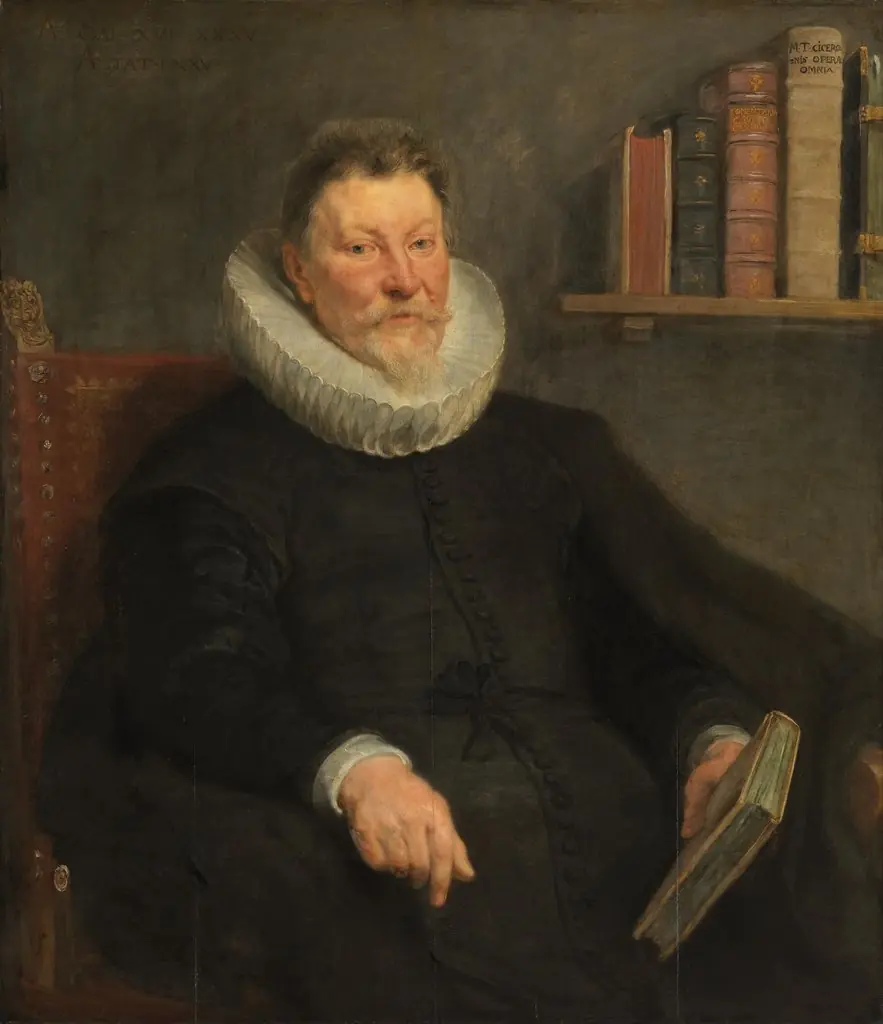 Portrait of Jan Brant
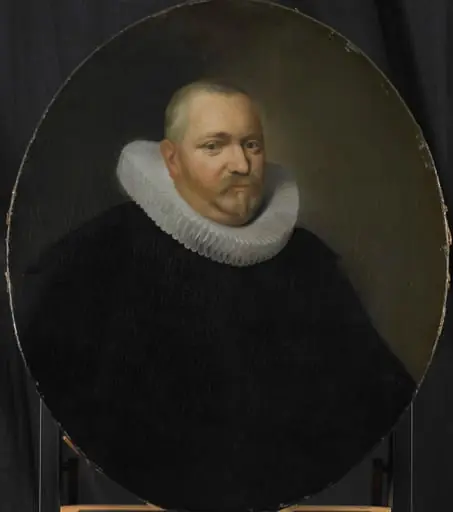 Portrait of Ewoud Pietersz van der Horst, Director of the Rotterdam Chamber of the Dutch East India Company, elected 1618
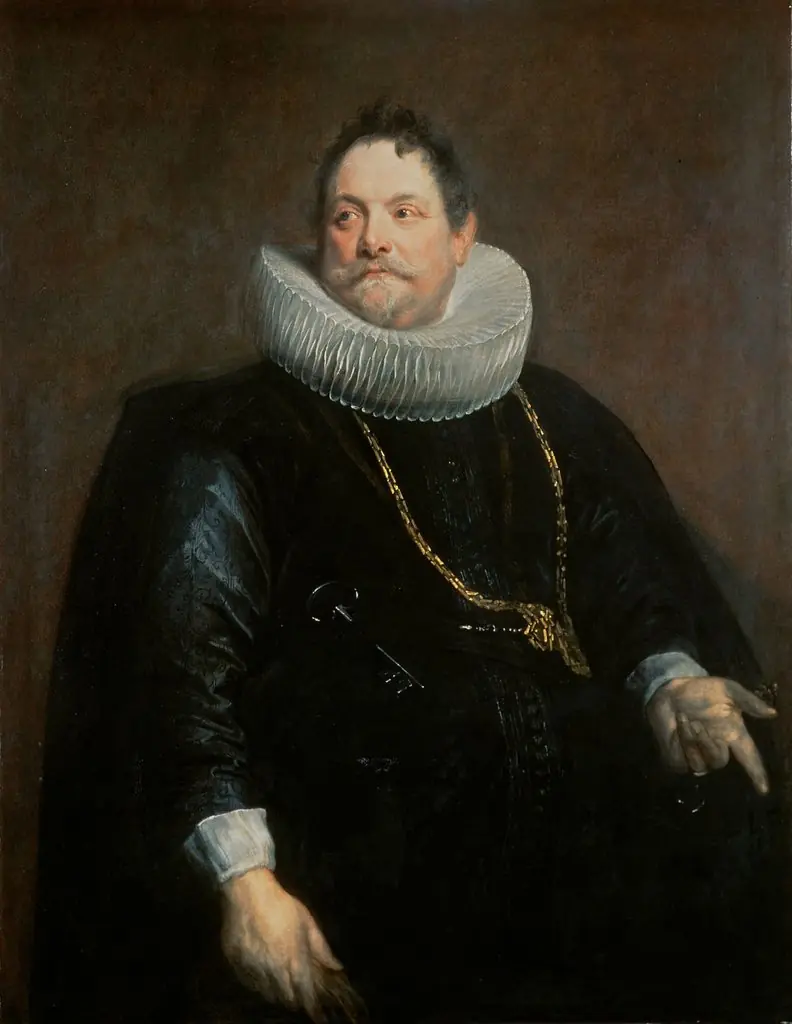 Portrait of Jan van Montfort
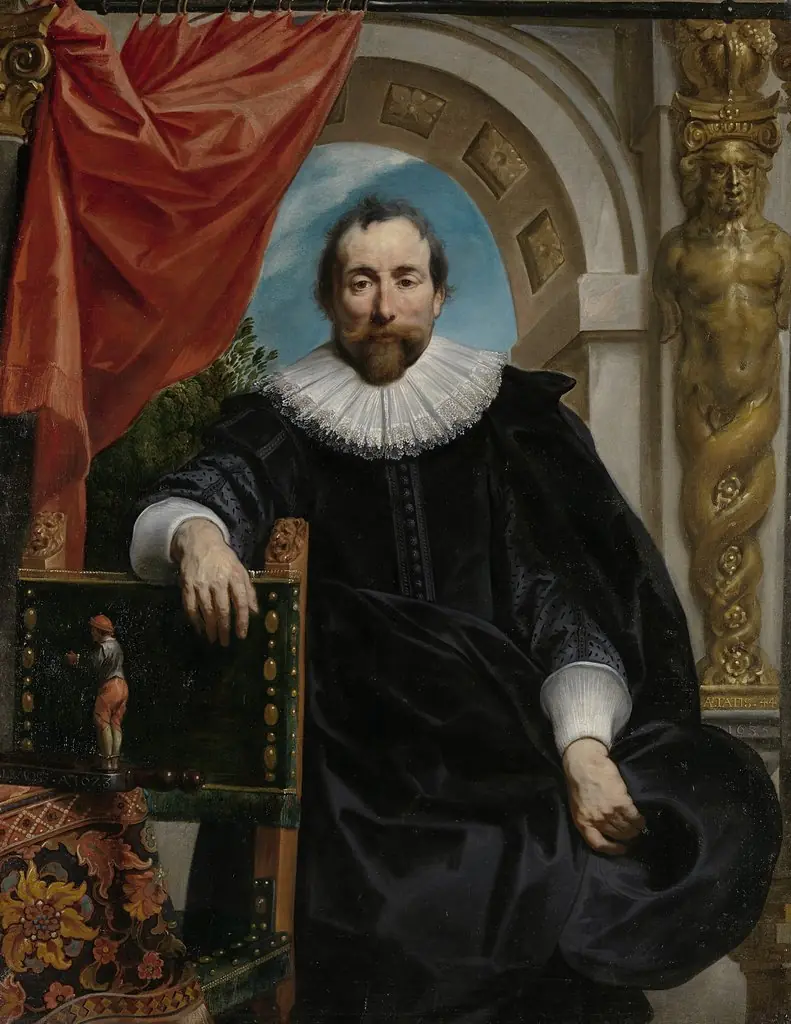 Portrait of Rogier Le Witer (1591-1678), Merchant in Antwerp
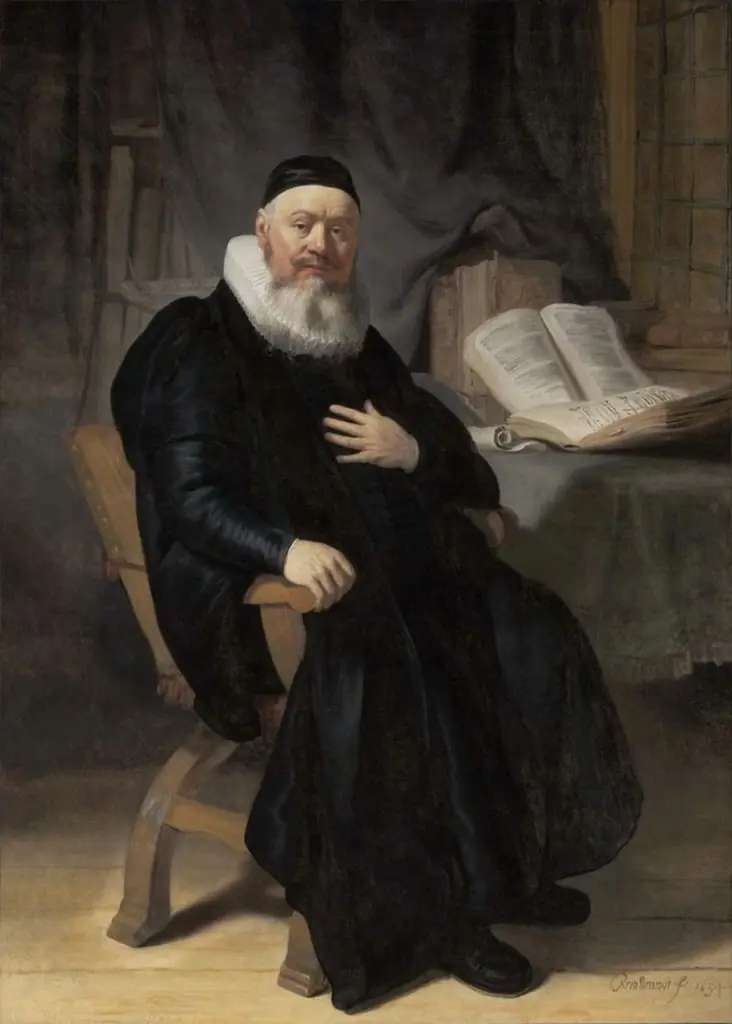 Reverend Johannes Elison
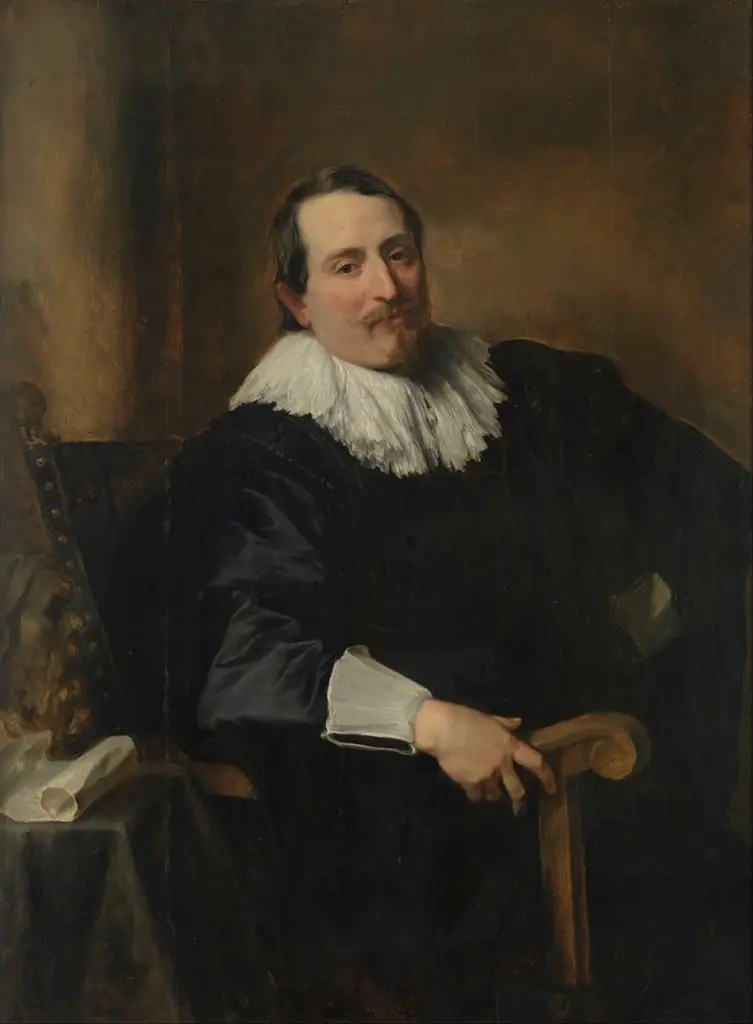 Portrait of the painter Theodor Rombouts
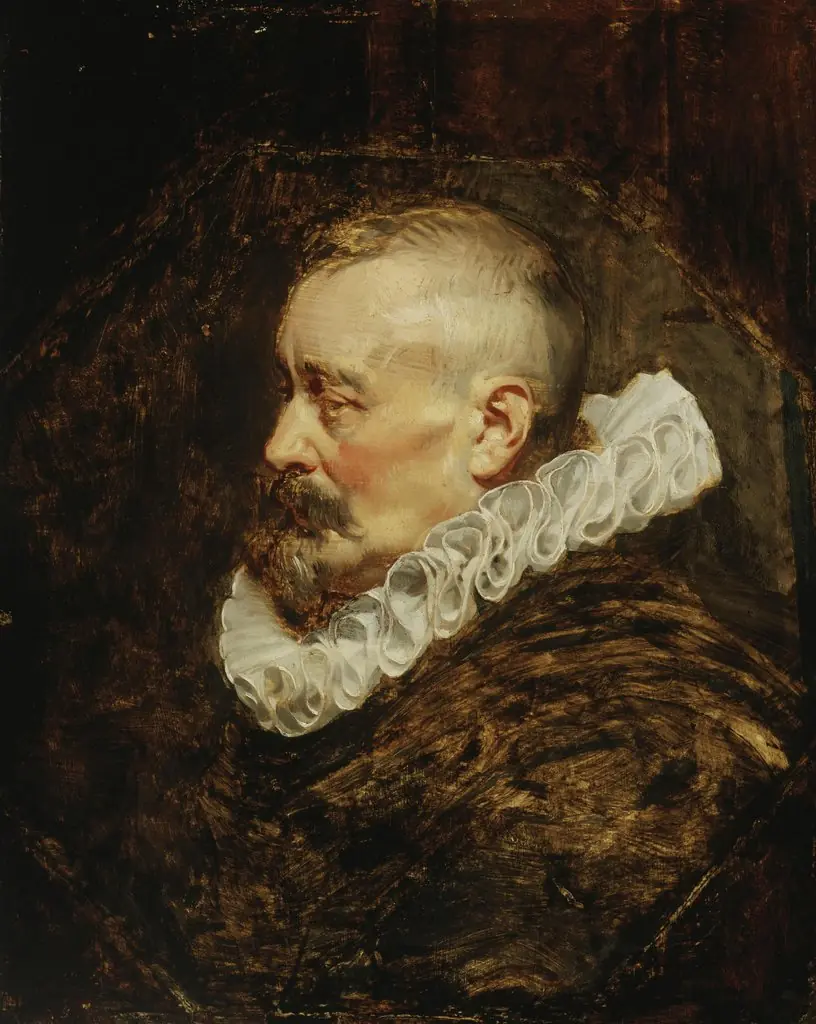 Portrait of a Gentleman (possibly Burgomaster Nicholaes Rockox)
 Portrait of a Genovese Gentleman
 Portrait of a Dutch Admiral of the Fleet